 YardMate


Jack Pine
Pinus banksiana
Easy · Beginner friendlyAbout Jack Pine
Jack Pine is a scrappy native conifer of the North American boreal forest from Nova Scotia to Alberta, reaching 30-60 feet. Short twisted needles in pairs and persistent serotinous cones—opening only after fire—give it a distinctive appearance. Extremely cold-hardy and tolerant of the poorest sandy soils, it is a pioneer species of burned and disturbed northern lands and a reliable ornamental for challenging cold-climate American landscapes.
- Drought-tolerant
- Cold-hardy
- Evergreen
- Native
How to care for Jack Pine
Watering
- Springevery 14 days
- Summerevery 10 days
- Fallevery 21 days
- Winterevery 30 days
Soil · Well-draining
- Top dressingPine bark mulch10%
- Main mixPotting soil + perlite 2:170%
- DrainageLECA / gravel20%
Never skip the drainage layer — standing water is the top cause of root rot.
FERTILIZER
- Springevery 60 days
At a Glance
- NativeNorth America
- Height30–50 ft (9.1–15.2 m)
- Spread20–30 ft (6.1–9.1 m)
- Flower colorYellow, Red
- Foliage colorGreen, Yellow
- Fruit colorBrown
- SoilSandy, Well-drained, Acidic
- LocationsYard
Bloom time
BLOOM CYCLE
Peak bloom
Mar–May
Yellow male cones in spring
Fragrance
MODERATE FRAGRANCE
The foliage has a sweet resinous pine scent.
Toxicity
No toxicity has been reported for this plant. Still, it is wise to keep pets from chewing on any houseplant.
Educational information, not medical or veterinary advice. If exposure is suspected, contact a doctor or veterinarian.
DISTRIBUTION


- Native
- Introduced
- North America
History

Pinus banksiana has one of the broadest northern ranges of any North American tree, from Nova Scotia across boreal Canada to the Mackenzie River and south into the northern Great Lakes states. English botanist Aylmer Bourke Lambert described the species in 1803 in his monograph Pinus, honoring Sir Joseph Banks, the botanist on Cook's first voyage and long-time president of the Royal Society. The short twisted needles and curved serotinous cones—which remain tightly closed, sealed by resin, until intense heat (50-60°C) from fire melts the resin and triggers seed release—make Jack pine a classic fire-dependent species.
Post-fire seedling establishment maintains even-aged stands across the boreal landscape. Perhaps most famously, young 6-22 year-old Jack pine stands on the Grayling sand plains of northern Lower Michigan provide the only nesting habitat of the endangered Kirtland's warbler (Setophaga kirtlandii); active management using prescribed burns and plantations has brought the species back from near-extinction.
Native boreal peoples used the pitch as waterproofing and the inner bark as emergency food. An essential pioneer species after wildfire in northern forests.
Symbolism & meaning
What It Symbolizes
Jack pine is renewal by fire — a boreal pioneer whose cones are sealed shut with resin until heat from a wildfire pops them open, releasing seeds onto freshly burned ground. Its hardiness extends to the poorest northern soils, sands and gravels where richer species refuse. Few trees so completely embody the boreal cycle of destruction and rebirth, of forests that begin in flames.
- Renewal — fire-dependent boreal pioneer
- Hardiness — thrives in poorest northern soils
Where the Name Comes From
Named for Sir Joseph Banks (1743-1820), English botanist on Cook's first voyage.
Uses & Fun Facts
- Pulpwood and lumber from boreal forests for paper and framing
- Serotinous cones feed crossbills and pine forest songbirds
Related plants
More Pinus plants
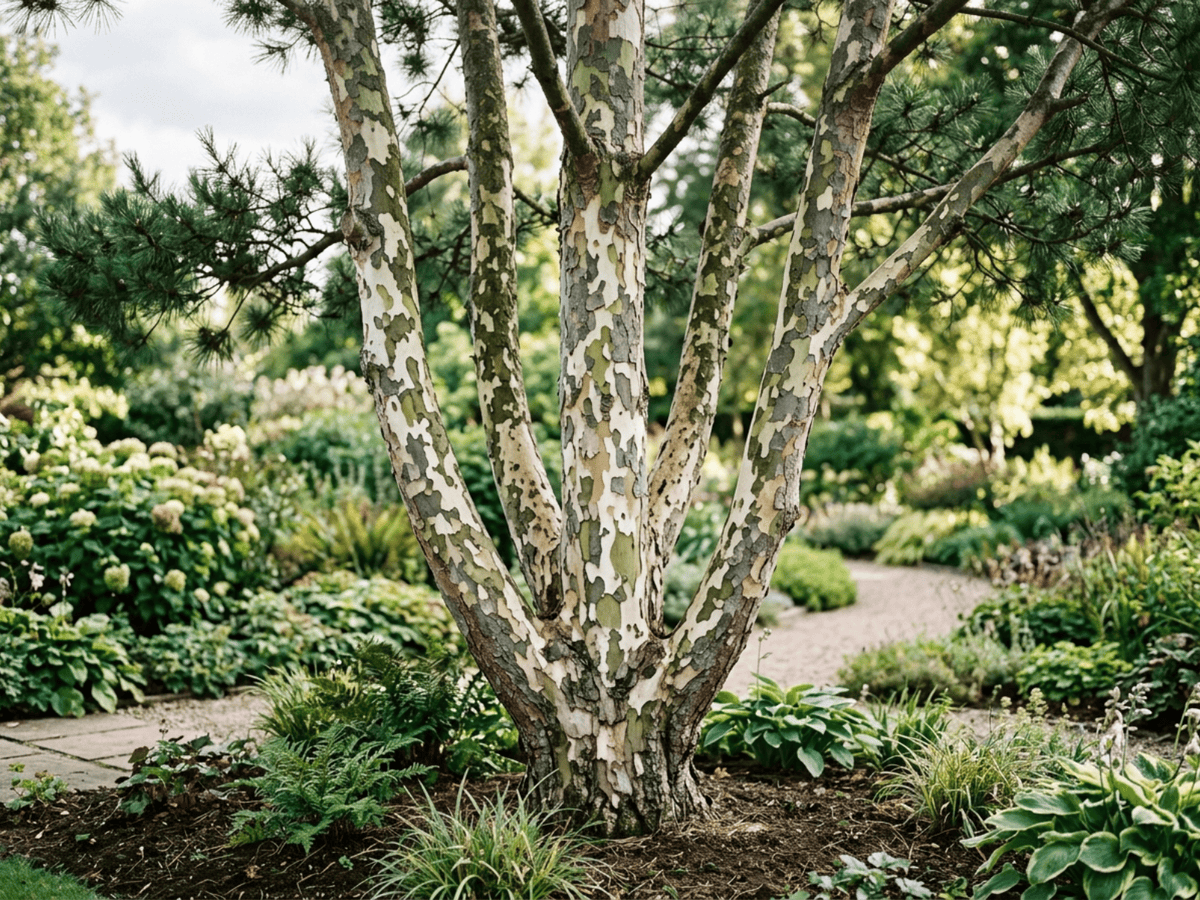 Lacebark PinePinus bungeana
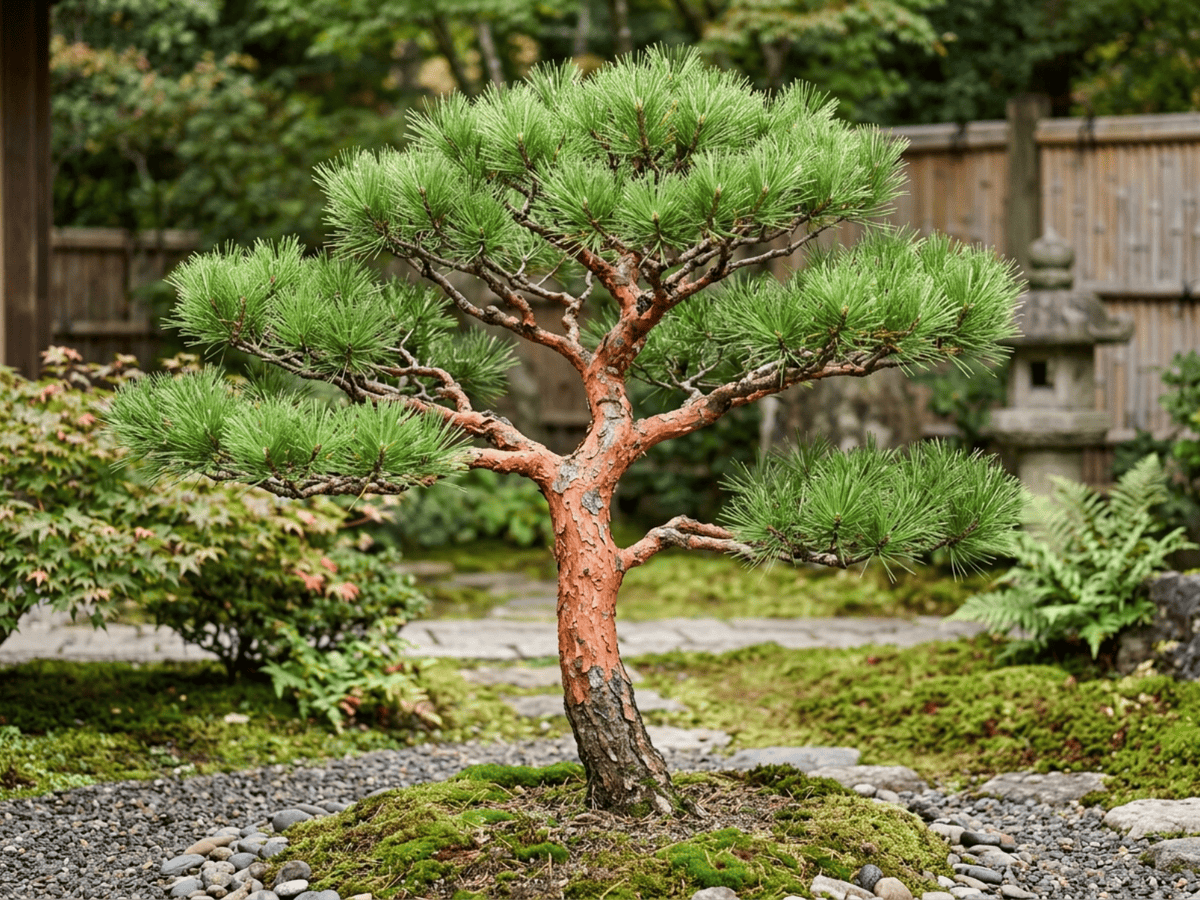 Japanese Red PinePinus densiflora
 Limber PinePinus flexilis
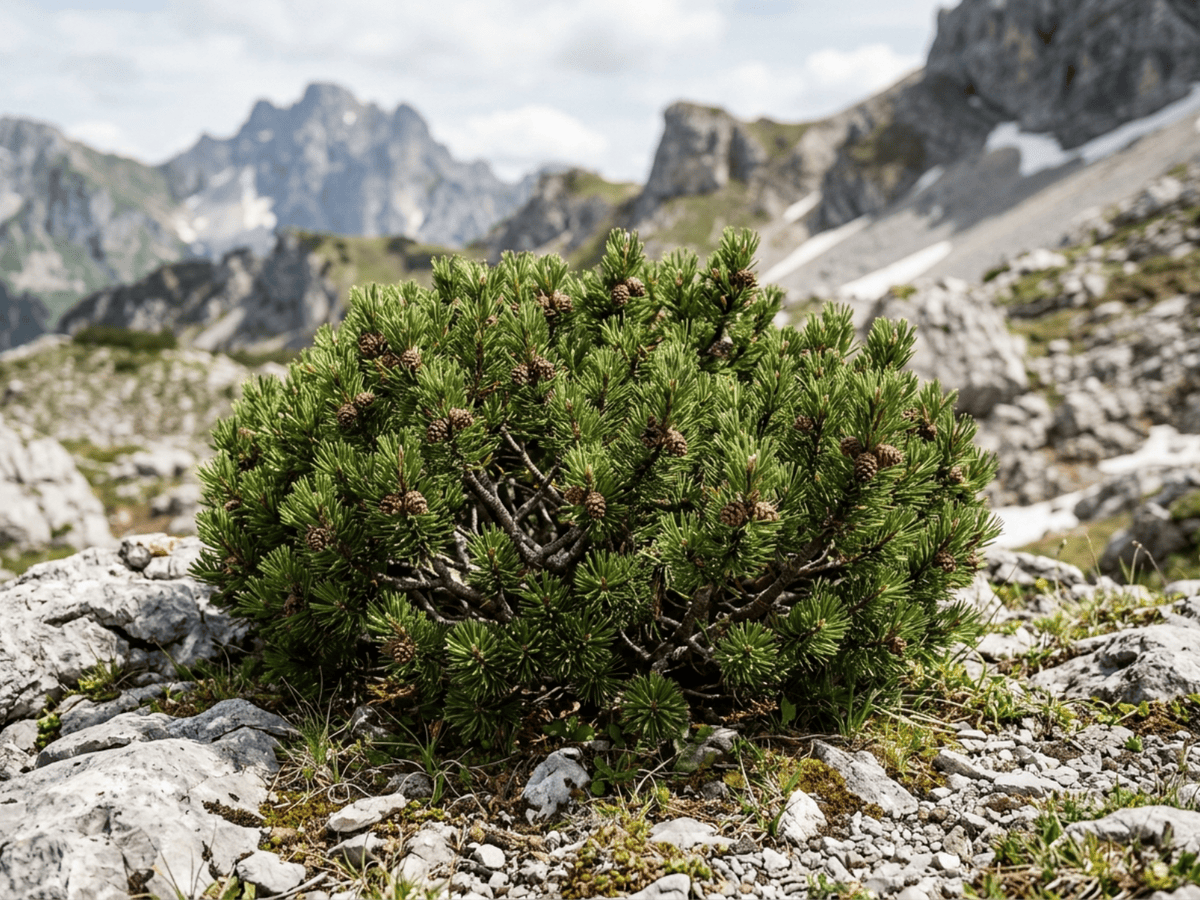 Mountain PinePinus mugo
Plants with similar care
 Chinese AbeliaAbelia chinensis
 Fragrant AbeliaAbelia mosanensis
 Large-Flowered AbeliaAbelia uniflora
 Glossy AbeliaAbelia x grandiflora
Frequently asked questions
How often should I water Jack Pine?
In summer, water about every 10 days; in winter, about every 30 days. Adjust for heat, pot size and drainage.
How much light does Jack Pine need?
Full sun: 6+ hrs direct. Watch the leaves — scorching or stretching means the light needs adjusting.
Is Jack Pine toxic to cats or dogs?
No toxicity has been reported for this plant. Still, it is wise to keep pets from chewing on any houseplant. Educational information, not medical or veterinary advice. If exposure is suspected, contact a doctor or veterinarian.
Is Jack Pine easy to grow?
Yes — it is considered an easy, beginner-friendly plant.
When does Jack Pine bloom?
It typically blooms Mar–May in the Northern Hemisphere.
YardMate
Identify any plant in seconds
Snap a photo — YardMate names the plant, diagnoses problems, and reminds you when to water.
Download on the App Store