 YardMate

Mountain Pine
Pinus mugo
Easy · Beginner friendlyAbout Mountain Pine
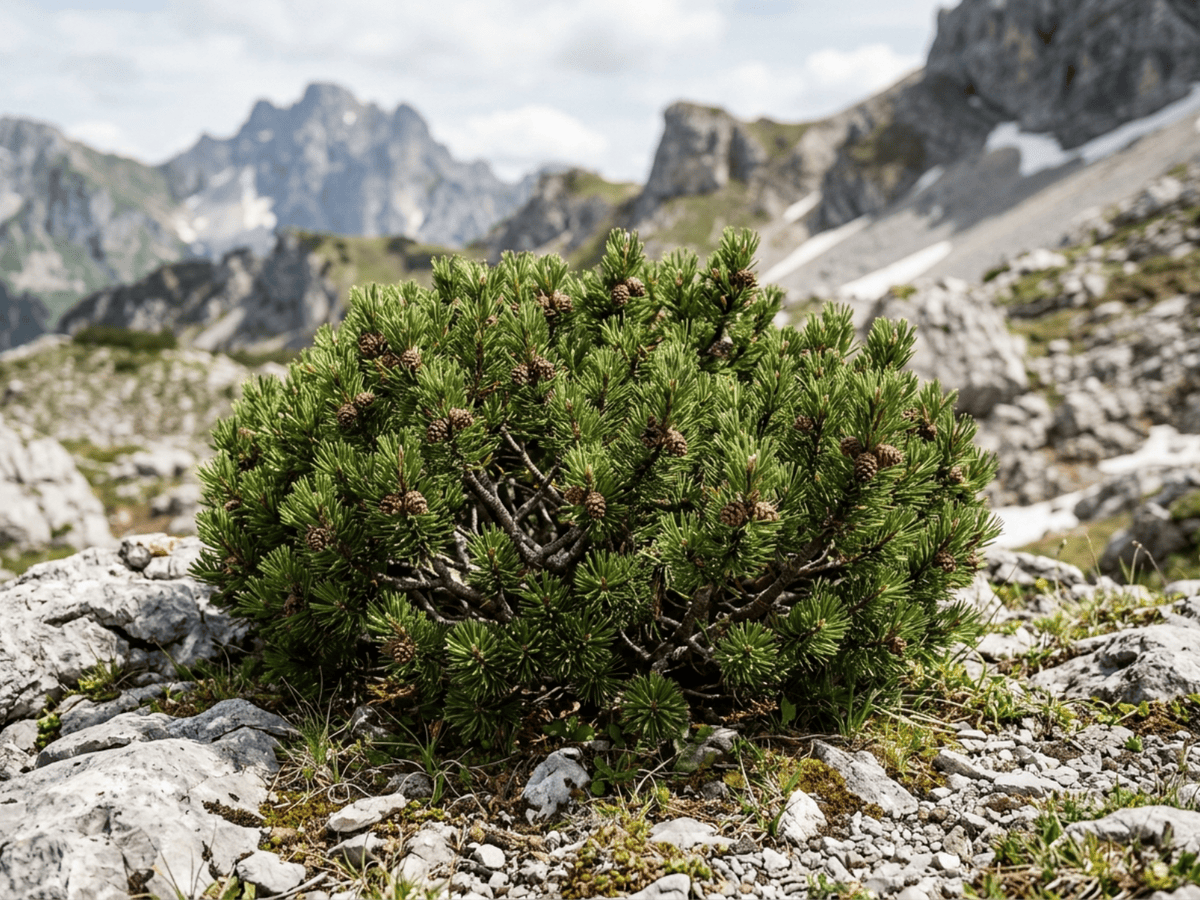
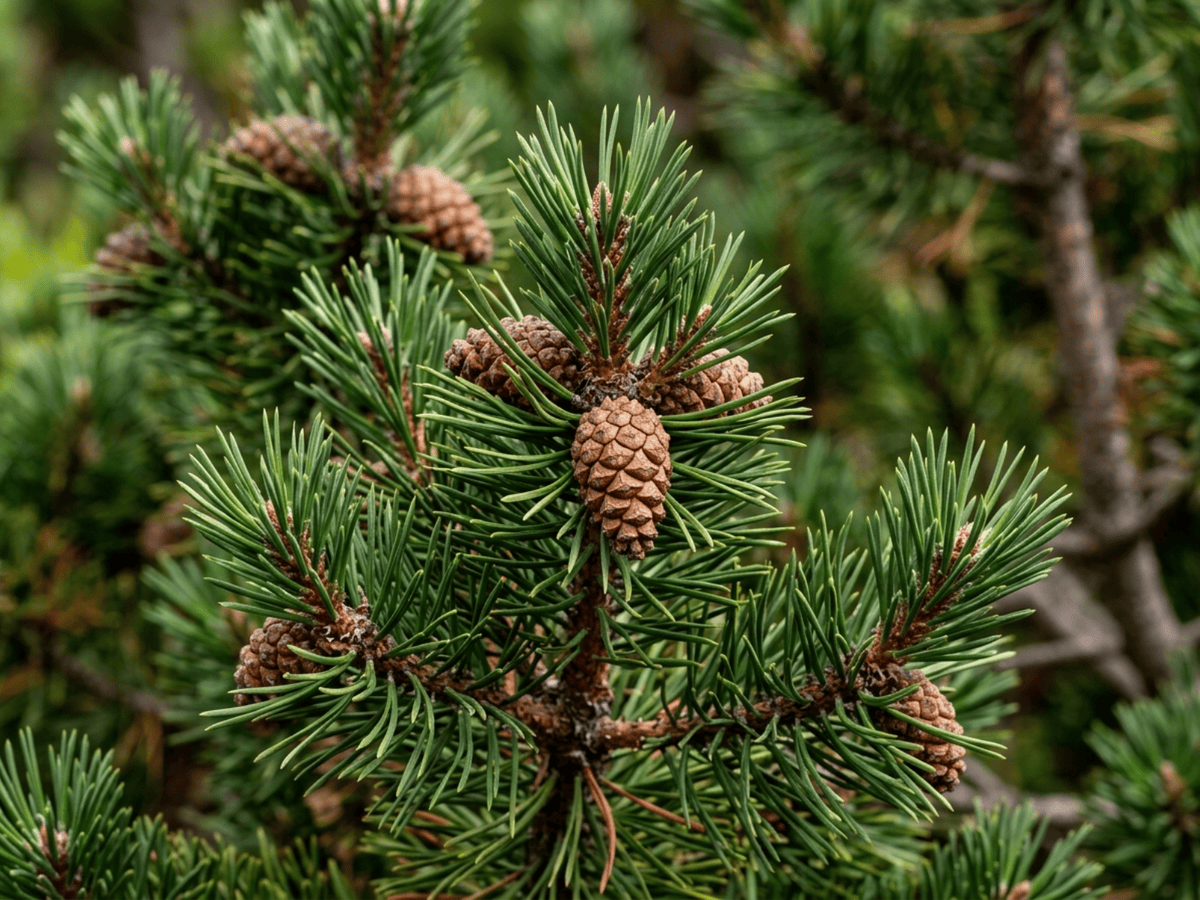
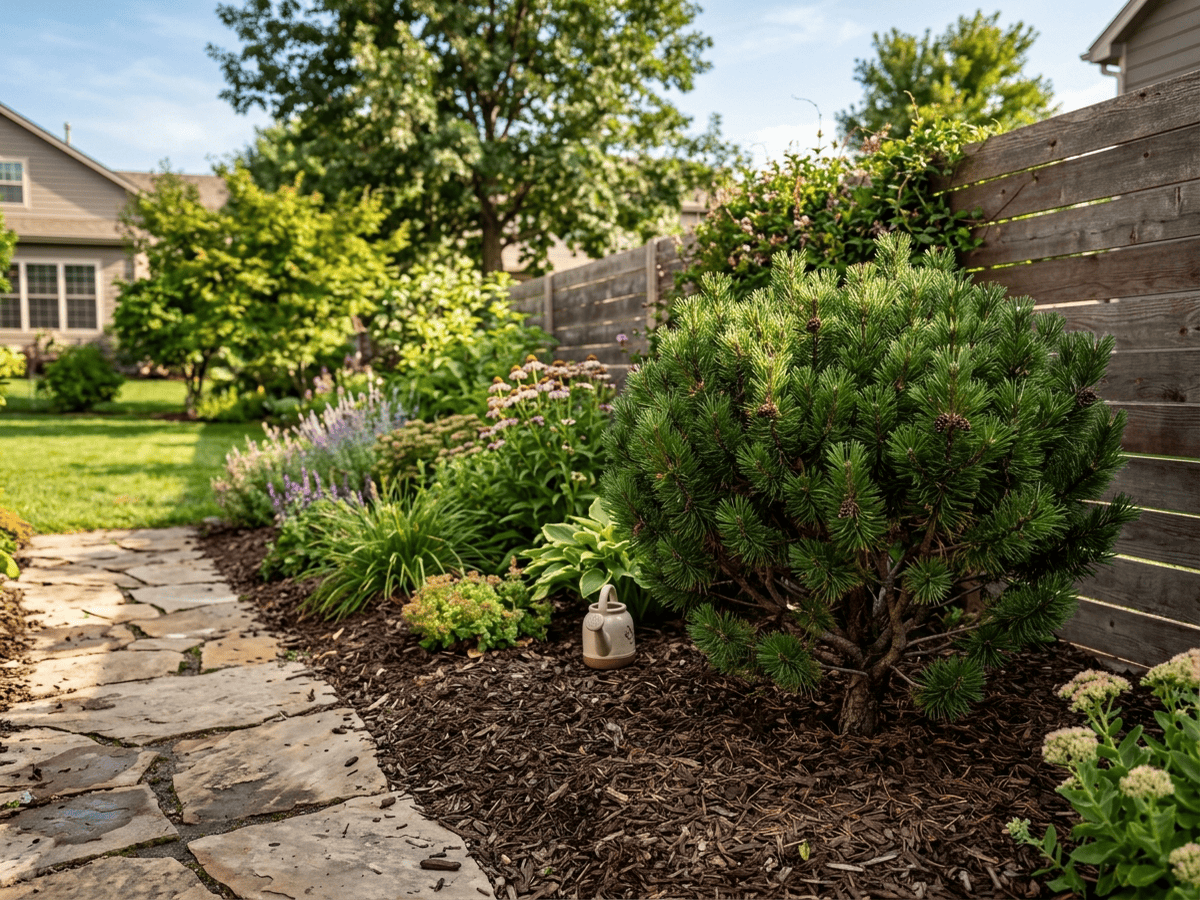
Pinus mugo, the mugo pine or mountain pine, is a tough, compact conifer native to the high mountains of central and southern Europe, from the Pyrenees to the Balkans. Unlike most pines, it naturally grows as a dense, spreading shrub or small multi-stemmed tree, typically 1 to 3 meters in gardens, though mountain forms can reach 10 meters. Its dark green needles are stiff and paired, and it produces small symmetrical cones that take two years to ripen. Mugo pine excels in harsh conditions — it thrives in poor, rocky, well-drained soils, tolerates strong winds, extreme cold, salt spray, and drought. This makes it invaluable for alpine gardens, rockeries, coastal plantings, and exposed sites where few other evergreens survive. Compact cultivars like 'Mops' and 'Pumilio' are popular choices for foundation plantings and container growing. Mugo pine oil, distilled from needles and twigs, has been used in traditional medicine and aromatherapy for respiratory ailments. In the Alps, it stabilizes steep slopes and prevents avalanches.
- Drought-tolerant
- Compact
- Evergreen
How to care for Mountain Pine
Watering
- Springevery 7 days
- Summerevery 5 days
- Fallevery 14 days
- Winterevery 30 days
Soil · Well-draining
- Top dressingPine bark mulch10%
- Main mixPotting soil + perlite 2:170%
- DrainageLECA / gravel20%
Never skip the drainage layer — standing water is the top cause of root rot.
FERTILIZER
Balanced Feed 14-14-14
An even feed covers all three needs at once, keeping leaves, roots and blooms moving together with nothing pushed out of balance.
- Nitrogen · Leaves
- Phosphorus · Roots + Blooms
- Potassium · Strength
- Springevery 60 days
At a Glance
- NativeEurope
- Height3–15 ft (0.9–4.6 m)
- Spread6–15 ft (1.8–4.6 m)
- Flower colorYellow, Red
- Foliage colorGreen
- SoilLoamy, Well-drained
- LocationsYard · Indoor · Balcony
Bloom time
BLOOM CYCLE
Small ornamental cones develop over two years; grown primarily for its dense compact evergreen form
Fragrance
MODERATE FRAGRANCE
Resinous pine scent; essential oil from young needles is commercial.
Toxicity
Pets Slight
Unknown toxic principle
Not reported
EXPOSURE No exposure route is reported.
EFFECT Young shoots used traditionally for syrup and low concern.
NOTE No human toxicity is reported in this catalog; avoid eating ornamental plants unless confirmed edible.
Slight
- Leaf
- Ingestion
EXPOSURE Eating leaves.
EFFECT Mild GI irritation possible.
NOTE Not specifically listed by ASPCA. Low toxicity concern.
Slight
- Leaf
- Ingestion
EXPOSURE Eating leaves.
EFFECT Mild GI irritation possible.
NOTE Not specifically listed by ASPCA. Low toxicity concern.
Educational information, not medical or veterinary advice. If exposure is suspected, contact a doctor or veterinarian.
DISTRIBUTION


- Native
- Introduced
- Europe
History
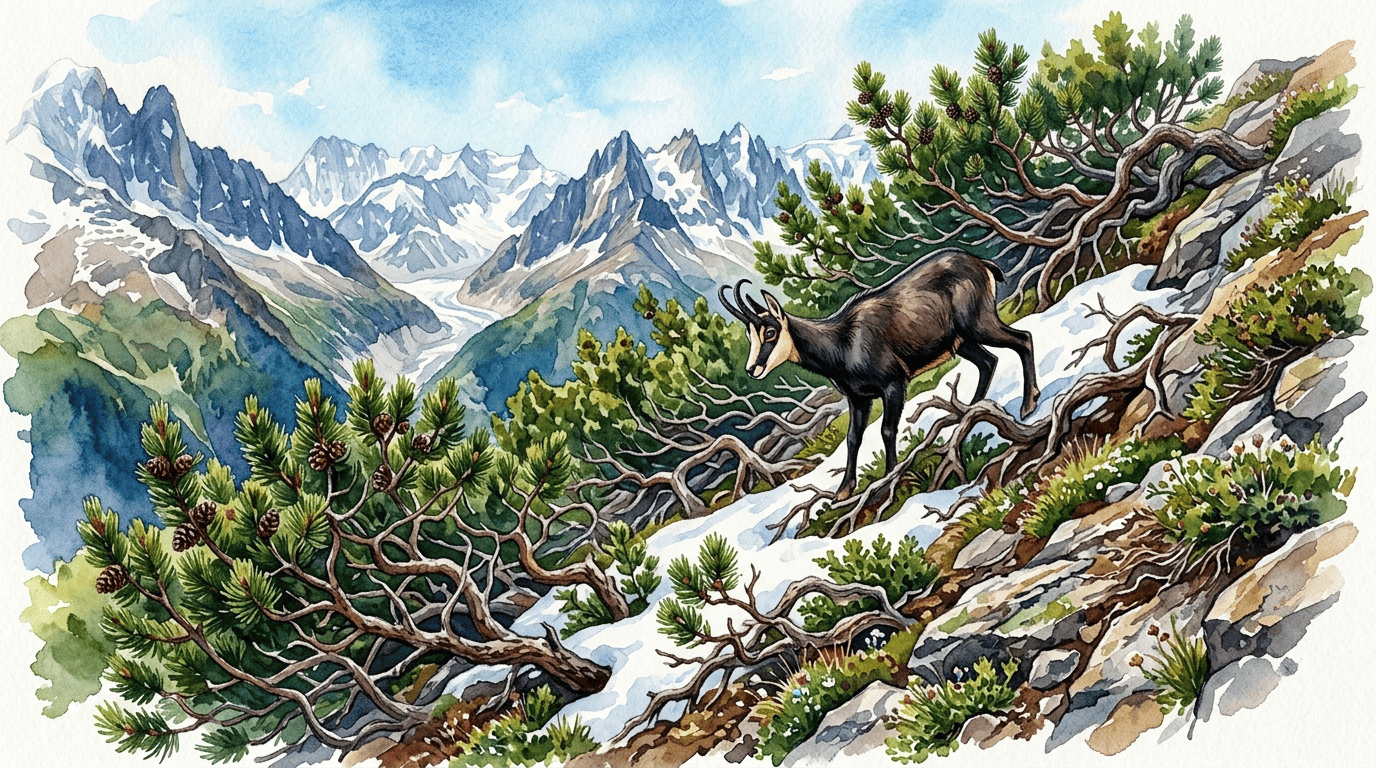
Pinus mugo is native to the subalpine and alpine zones of the European Alps, Pyrenees, Apennines, Carpathians, and the mountains of the Balkan Peninsula, where it grows as a sprawling, shrubby, multi-trunked "krummholz" (crooked-wood) form at and above the upper tree line — typically 1,400-2,500 meters elevation. In its native range it plays a critical ecological role in stabilizing rocky alpine slopes, slowing avalanches, and providing cover for chamois and alpine wildlife. Several subspecies or closely related species are recognized (P. mugo subsp. mugo, subsp. uncinata, etc.)
corresponding to different mountain ranges and growth forms. Its naturally compact habit (typically 1-3 meters tall in dwarf forms, spreading wider) made it a valuable ornamental for 19th- and 20th-century rock gardens, mixed borders, and foundation plantings across temperate Europe and North America. Hundreds of dwarf cultivars including "Mops," "Gnom," "Pumilio," and "Tannenbaum" have been selected.
Traditional alpine Austrian and Slovenian distillation of the young needles produces "Latschenkiefer" essential oil used in muscular liniments and cough preparations. In the European Alps, dense thickets of mugo pine are vital for avalanche prevention, anchoring snowpack on steep slopes above tree line. The essential oil, known as pumilio pine oil, has been used in Swiss and Austrian folk medicine since the Middle Ages for bronchial complaints. Dwarf cultivars became staples of mid-20th century American suburban foundation plantings.
Symbolism & meaning
What It Symbolizes
Mountain Pine embodies steadfastness, thriving in the harshest alpine conditions where soil is thin, wind is constant, and growing seasons are short. Its low, spreading form among towering peaks also suggests humility — a modest strength that does not need to be the tallest tree on the mountain. Quiet endurance distilled into dwarf evergreen form.
- Steadfastness — Thriving in the harshest mountain conditions, it represents unwavering determination
- Humility — Its low, spreading form amid towering peaks symbolizes modest strength
Where the Name Comes From
Pinus is the classical Latin name for pine. Mugo derives from the old French or Italian dialect name for the species in the Alpine regions where it grows.
Uses & Fun Facts
- Resinous needles release classic alpine pine aroma
- Compact mounding pine for sunny rock and gravel gardens
- Dwarf cultivars grown in large alpine patio troughs
Related plants
More Pinus plants
 Jack PinePinus banksiana
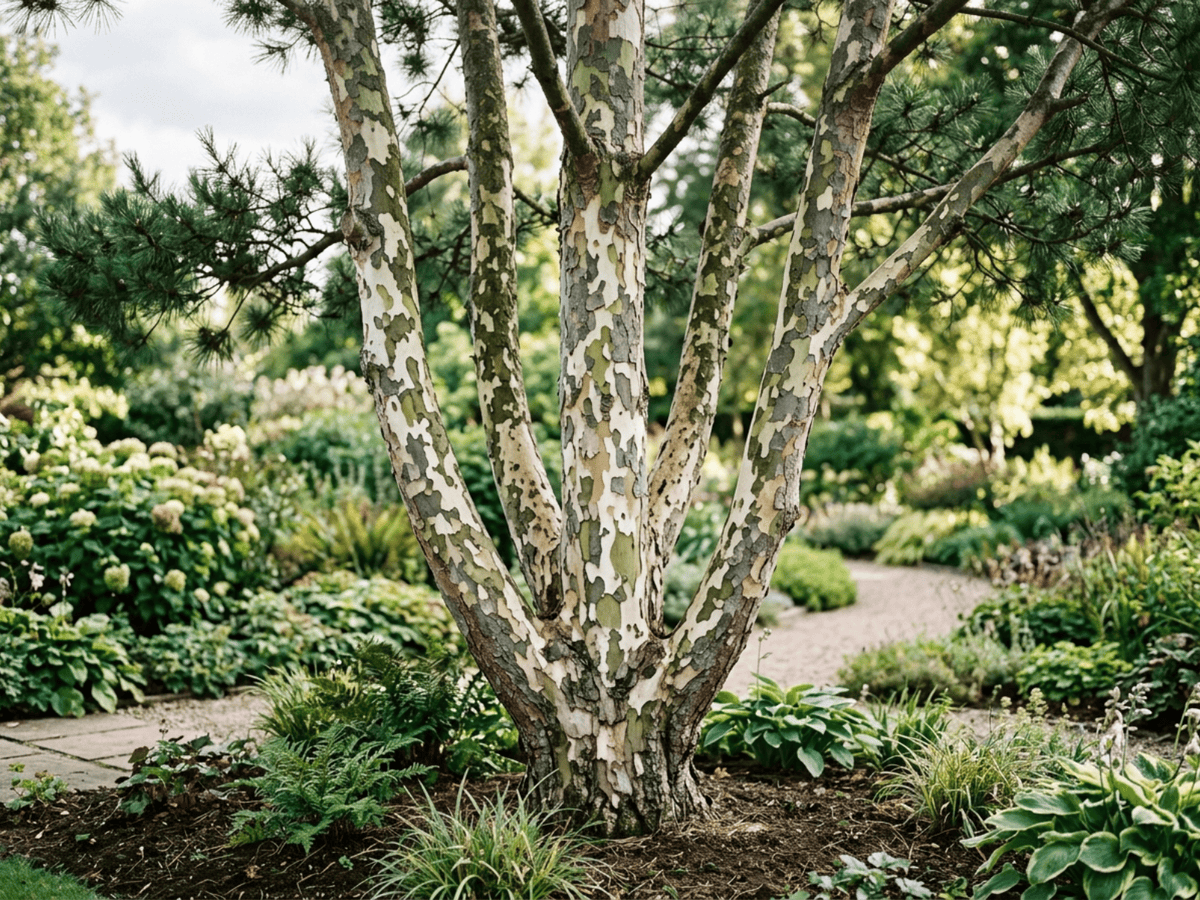 Lacebark PinePinus bungeana
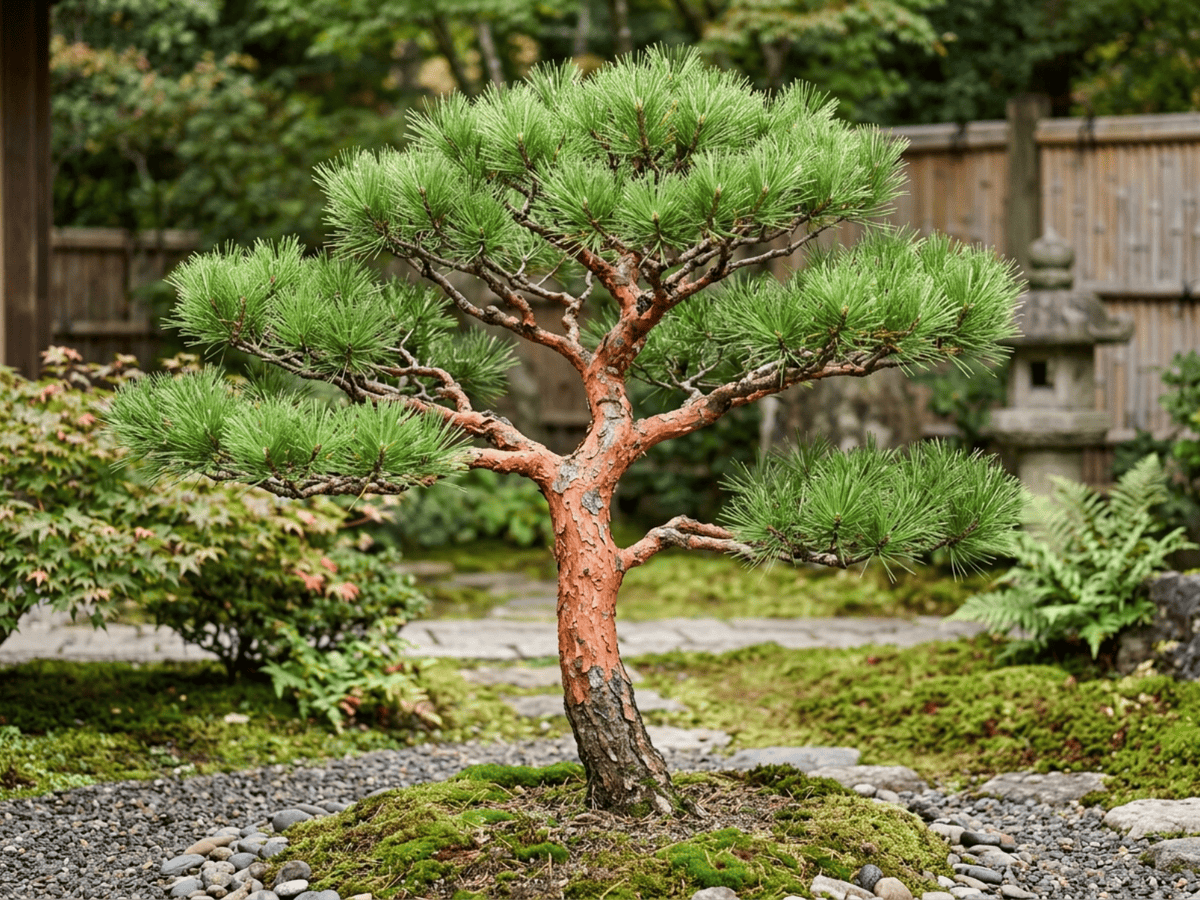 Japanese Red PinePinus densiflora
 Limber PinePinus flexilis
Plants with similar care
 Chinese AbeliaAbelia chinensis
 Fragrant AbeliaAbelia mosanensis
 Large-Flowered AbeliaAbelia uniflora
 Glossy AbeliaAbelia x grandiflora
Frequently asked questions
How often should I water Mountain Pine?
In summer, water about every 5 days; in winter, about every 30 days. Adjust for heat, pot size and drainage.
How much light does Mountain Pine need?
Full sun: 6+ hrs direct. Watch the leaves — scorching or stretching means the light needs adjusting.
Is Mountain Pine toxic to cats or dogs?
Pets Slight (Dogs Slight · Cats Slight) Educational information, not medical or veterinary advice. If exposure is suspected, contact a doctor or veterinarian.
Is Mountain Pine easy to grow?
Yes — it is considered an easy, beginner-friendly plant.
Can Mountain Pine be grown indoors?
Yes, it adapts well to indoor growing given the right light.
YardMate
Identify any plant in seconds
Snap a photo — YardMate names the plant, diagnoses problems, and reminds you when to water.
Download on the App Store