 YardMate

Japanese Red Pine
Pinus densiflora
Medium · Some experienceAbout Japanese Red Pine
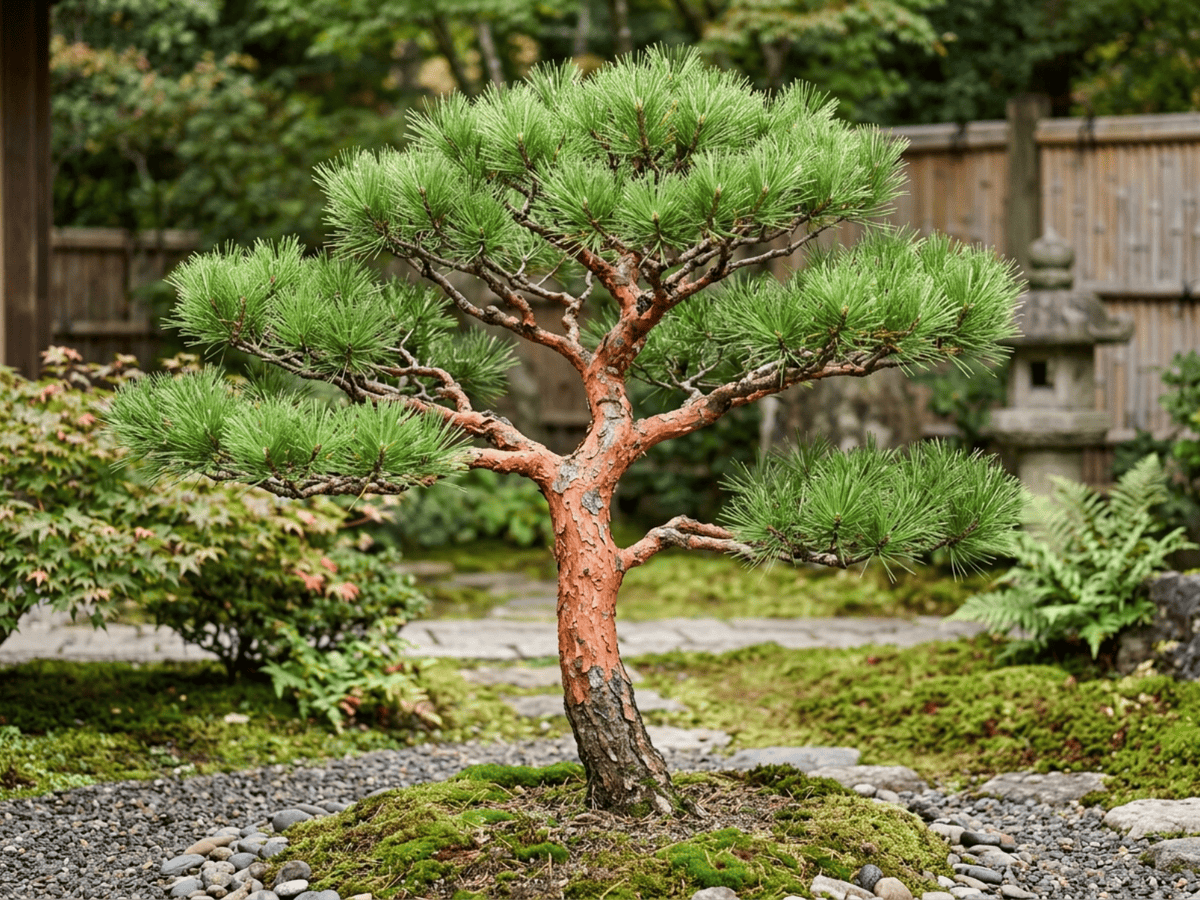
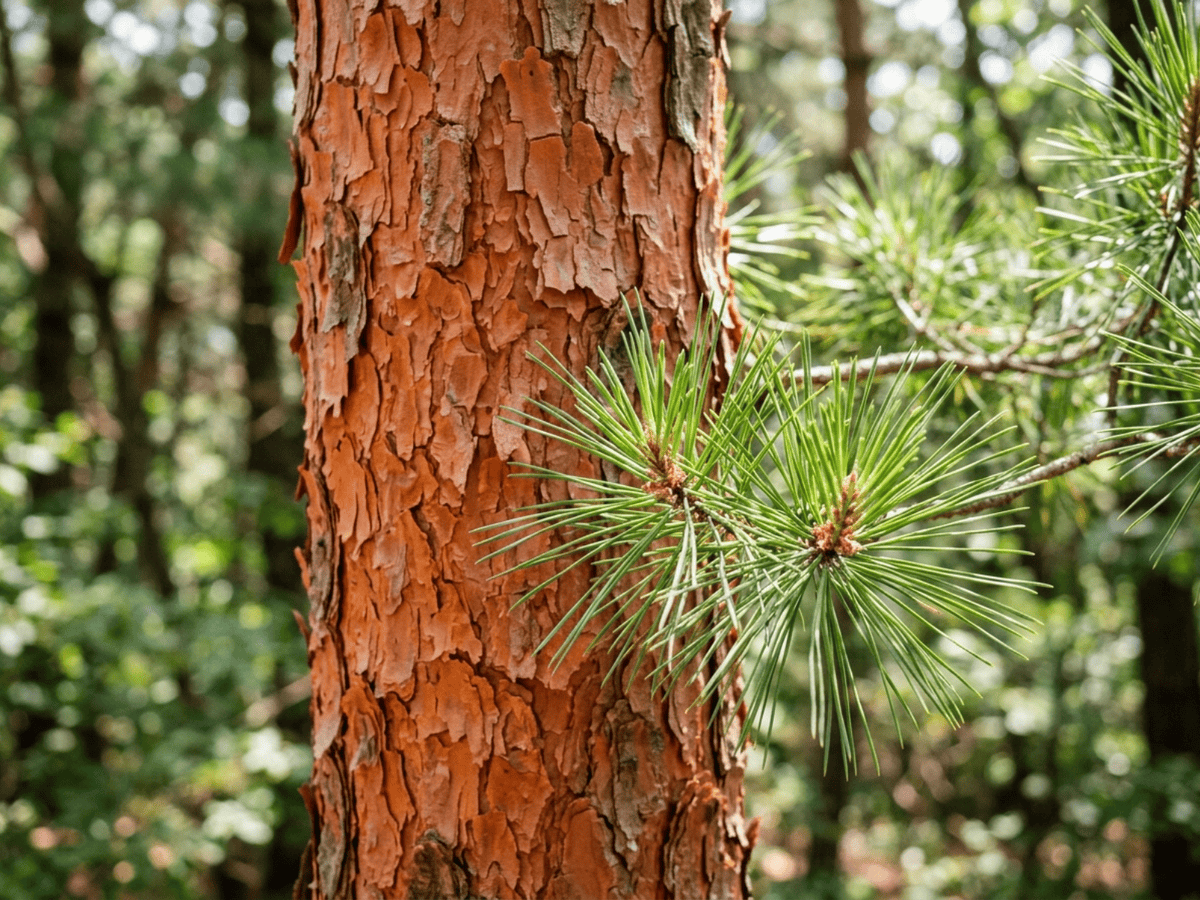
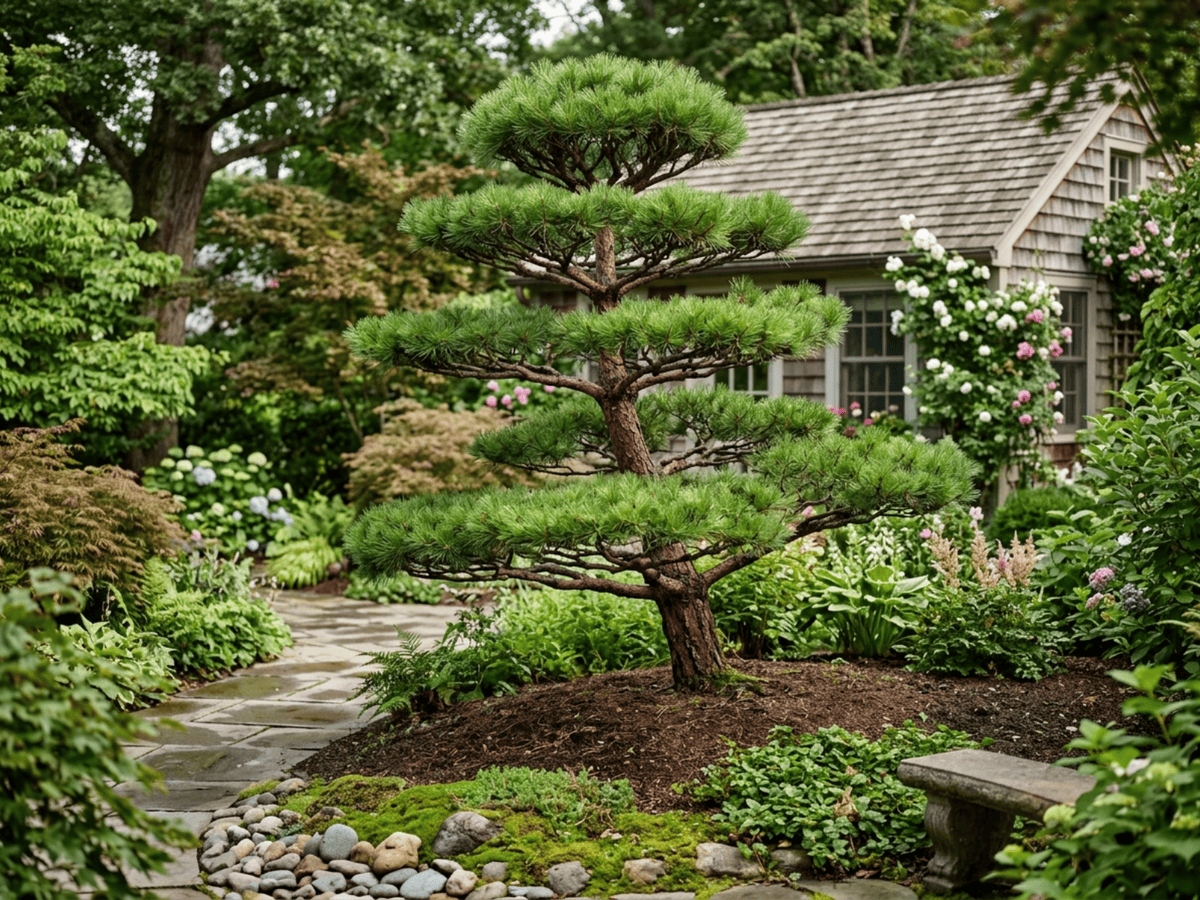
Japanese Red Pine is an elegant conifer native to Japan, Korea, and northeastern China, reaching 40-60 feet, distinguished by striking orange-red flaking bark on older trunks and pairs of slender blue-green needles. Naturally forms picturesque umbrella-shaped crowns with age. The weeping cultivar 'Pendula' is especially prized. A premier specimen conifer for Japanese-style American gardens, valued for bark and form as much as foliage.
- Drought-tolerant
- Evergreen
How to care for Japanese Red Pine
Watering
- Springevery 14 days
- Summerevery 10 days
- Fallevery 14 days
- Winterevery 30 days
Soil · Well-draining
- Top dressingPine bark mulch10%
- Main mixPotting soil + perlite 2:170%
- DrainageLECA / gravel20%
Never skip the drainage layer — standing water is the top cause of root rot.
FERTILIZER
Balanced Feed 14-14-14
An even feed covers all three needs at once, keeping leaves, roots and blooms moving together with nothing pushed out of balance.
- Nitrogen · Leaves
- Phosphorus · Roots + Blooms
- Potassium · Strength
- Springevery 60 days
At a Glance
- NativeEast Asia
- Height40–60 ft (12.2–18.3 m)
- Spread25–40 ft (7.6–12.2 m)
- Flower colorRed, Yellow
- Foliage colorGreen
- Fruit colorBrown, Red
- SoilSandy, Well-drained, Acidic
- LocationsYard
Bloom time
BLOOM CYCLE
Yellow male cones in spring
Fragrance
MODERATE FRAGRANCE
The foliage has a sweet resinous pine scent.
Toxicity
No toxicity has been reported for this plant. Still, it is wise to keep pets from chewing on any houseplant.
Educational information, not medical or veterinary advice. If exposure is suspected, contact a doctor or veterinarian.
DISTRIBUTION


- Native
- Introduced
- East Asia
History
Pinus densiflora, Japanese red pine, grows across Japan, Korea, northeastern China, and the Russian Far East. Siebold and Zuccarini described it in 1842. In Japan the name aka-matsu, or red pine, refers to the orange-red flaking bark of the upper trunk and branches, a warm contrast to the darker black pine.
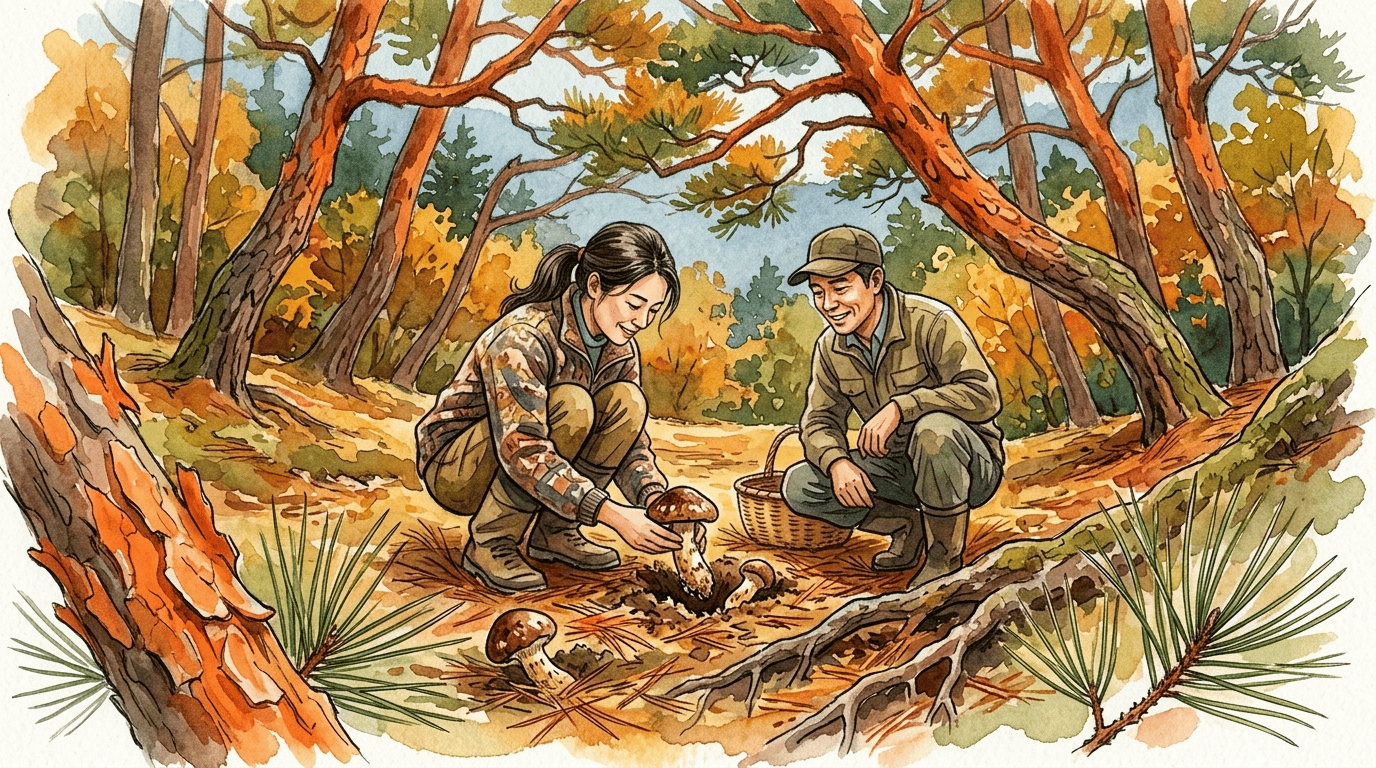
Red pine is often treated as the graceful, feminine counterpart to black pine in Japanese garden culture. It is also ecologically and gastronomically important because its roots form the essential partnership with matsutake mushrooms, whose prized fruiting bodies appear in old red-pine forests. Since the late 20th century, pine wilt nematode has devastated many stands in Japan and Korea. Cultivars such as 'Oculus-draconis', with yellow-banded dragon-eye needles, and 'Umbraculifera', the umbrella-form Tanyosho pine, brought its character into Western gardens.
Symbolism & meaning
What It Symbolizes
Japanese Red Pine evokes elegance, its refined umbrella crown and warm orange bark shaped over centuries by both nature and the gardener's hand. Paired with sacredness, it is traditionally planted at Shinto shrines, its presence understood as fitting for sacred precincts. It is a tree whose meaning ties artistry and reverence — the cultivated pine that stands at the gate of the holy.
- Elegance — refined umbrella crown with orange bark
- Sacredness — planted at Shinto shrines
Where the Name Comes From
The name Japanese Red Pine points to Japan. 'Densiflora' means 'dense-flowered', referring to clustered male cones.
Uses & Fun Facts
- Picturesque red-barked Japanese pine for traditional garden focal point
- Symbol of longevity in Japanese gardens and tokonoma displays
- Soft straight-grained timber valued in traditional Japanese carpentry
Related plants
More Pinus plants

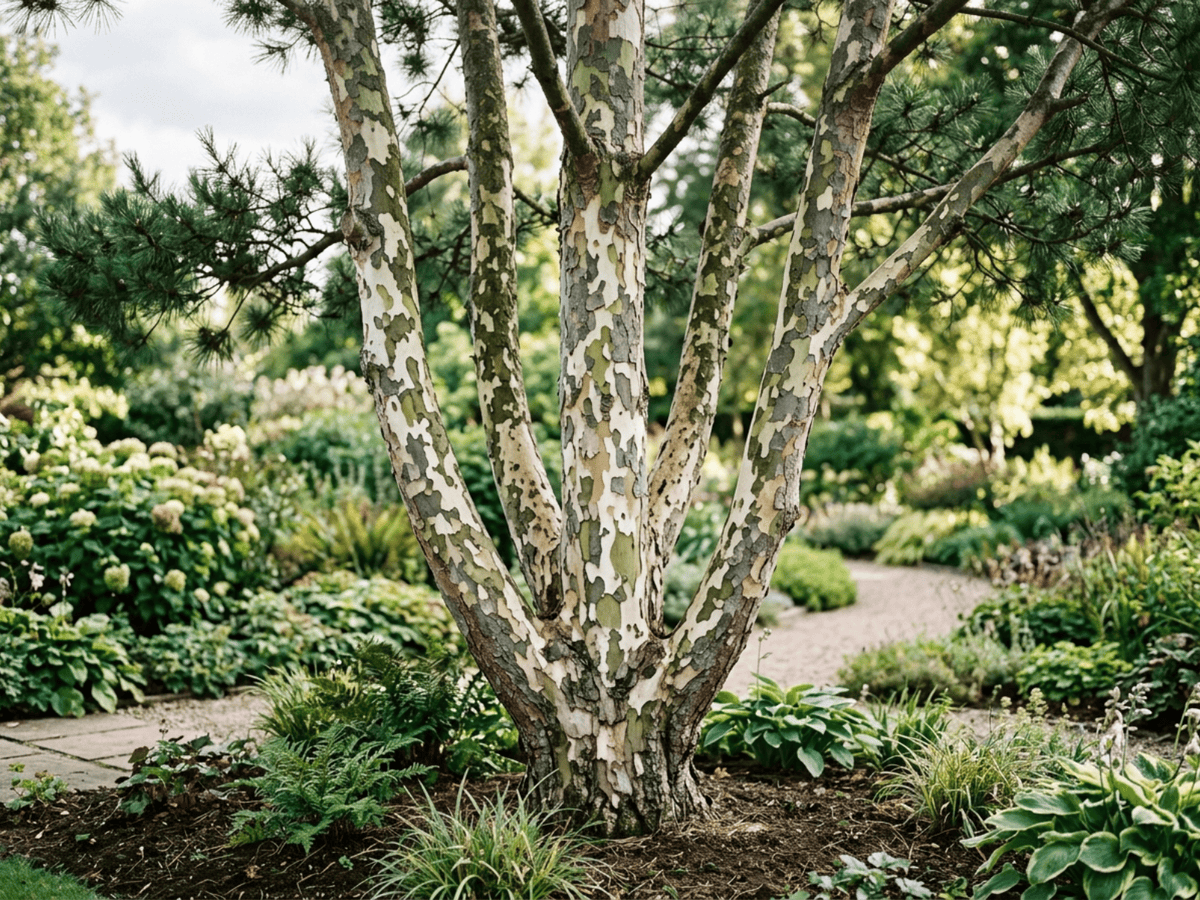

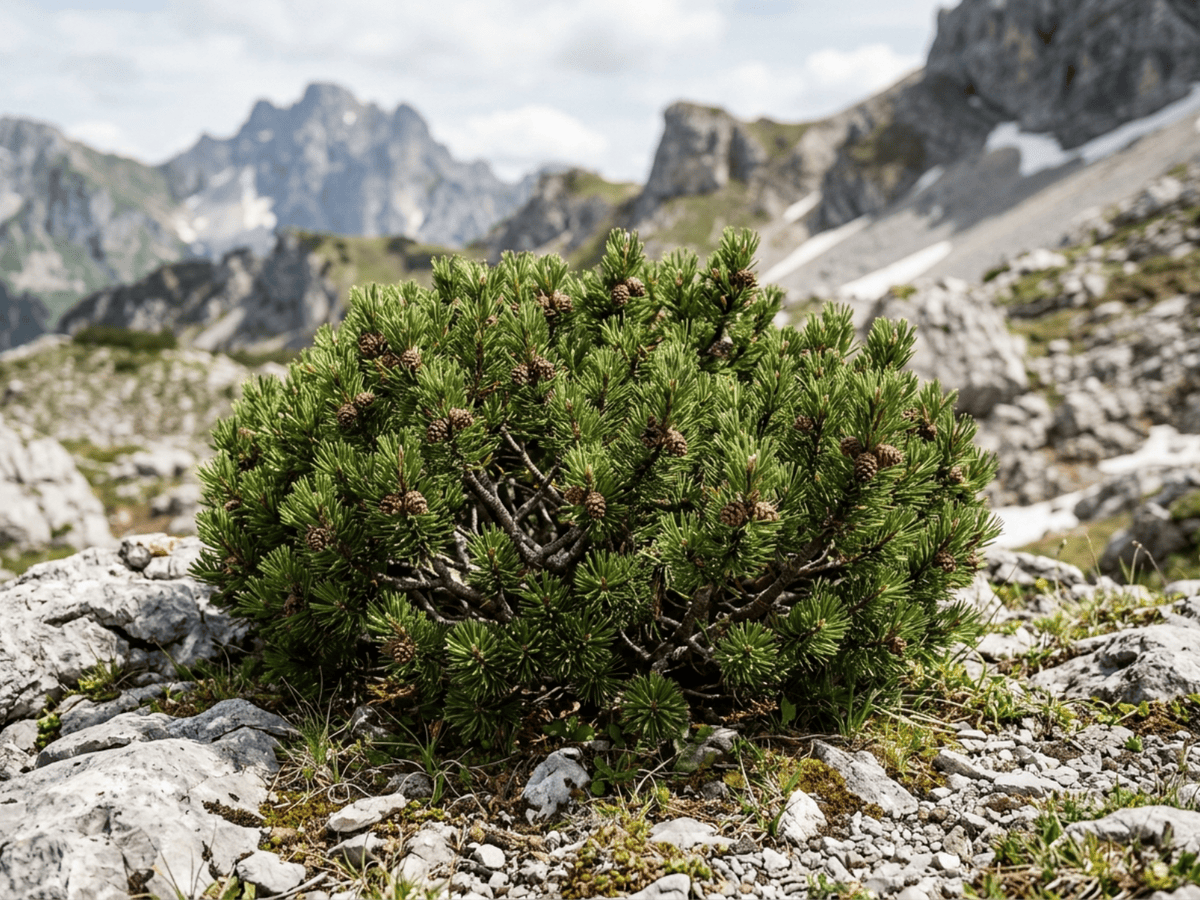
Plants with similar care
 Mexican AbeliaAbelia floribunda
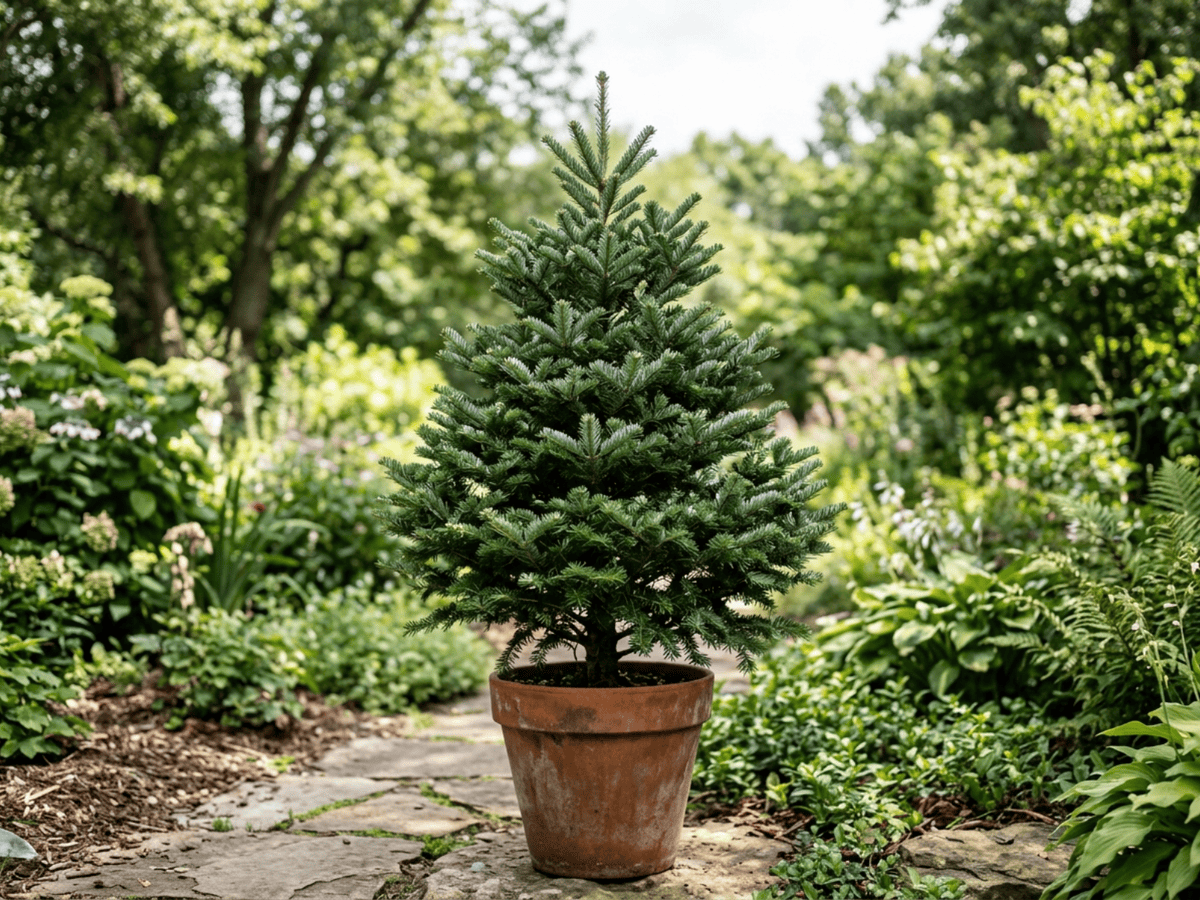 Fraser FirAbies fraseri
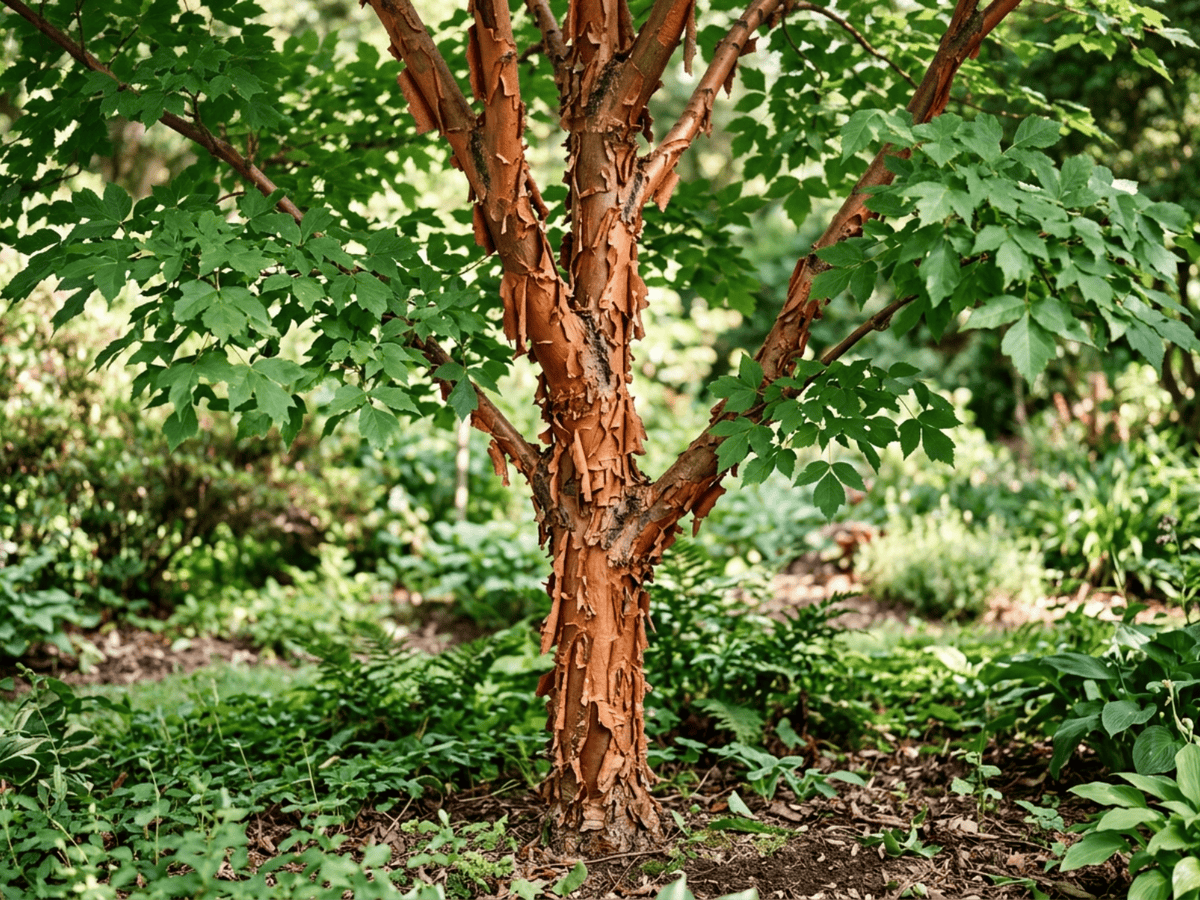 Paperbark MapleAcer griseum
 Sugar MapleAcer saccharum
Frequently asked questions
How often should I water Japanese Red Pine?
In summer, water about every 10 days; in winter, about every 30 days. Adjust for heat, pot size and drainage.
How much light does Japanese Red Pine need?
Full sun: 6+ hrs direct. Watch the leaves — scorching or stretching means the light needs adjusting.
Is Japanese Red Pine toxic to cats or dogs?
No toxicity has been reported for this plant. Still, it is wise to keep pets from chewing on any houseplant. Educational information, not medical or veterinary advice. If exposure is suspected, contact a doctor or veterinarian.
Is Japanese Red Pine easy to grow?
It is moderately demanding: a good choice once you have a little experience.
YardMate
Identify any plant in seconds
Snap a photo — YardMate names the plant, diagnoses problems, and reminds you when to water.
Download on the App Store