 YardMate

Limber Pine
Pinus flexilis
Medium · Some experienceAbout Limber Pine
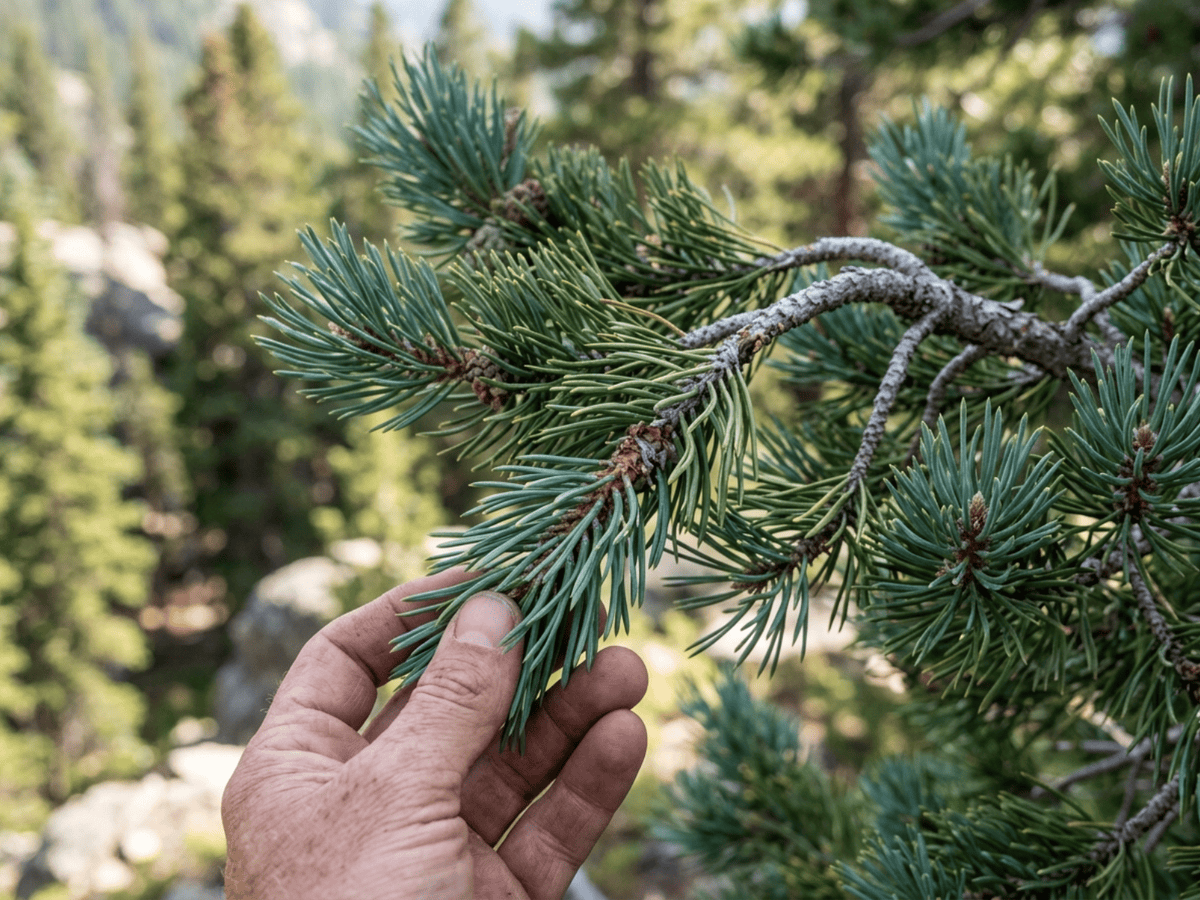
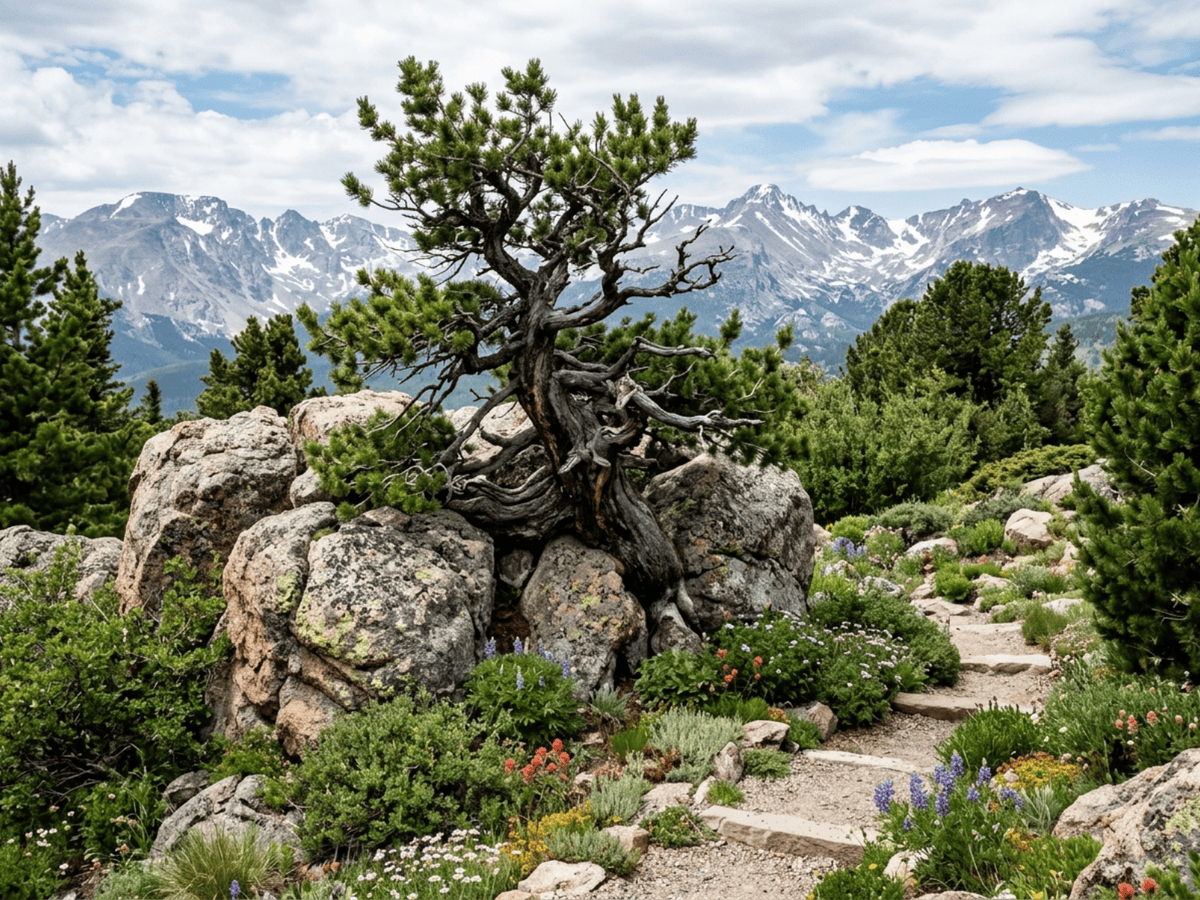
Limber Pine is a rugged conifer native to high elevations of the Rocky Mountains from Canada to New Mexico, reaching 30-50 feet. Named for its remarkably flexible young branches that bend in mountain winds without breaking. Bundles of five blue-green needles and windswept picturesque forms make it a choice specimen for western mountain gardens. Extremely cold-hardy and drought-tolerant once established.
- Drought-tolerant
- Cold-hardy
- Evergreen
- Native
How to care for Limber Pine
Watering
- Springevery 14 days
- Summerevery 10 days
- Fallevery 21 days
- Winterevery 30 days
Soil · Well-draining
- Top dressingPine bark mulch10%
- Main mixPotting soil + perlite 2:170%
- DrainageLECA / gravel20%
Never skip the drainage layer — standing water is the top cause of root rot.
FERTILIZER
- Springevery 60 days
At a Glance
- NativeNorth America
- Height30–50 ft (9.1–15.2 m)
- Spread15–25 ft (4.6–7.6 m)
- Flower colorRed, Yellow
- Foliage colorBlue-green, Green
- Fruit colorBrown
- SoilSandy, Well-drained
- LocationsYard
Bloom time
BLOOM CYCLE
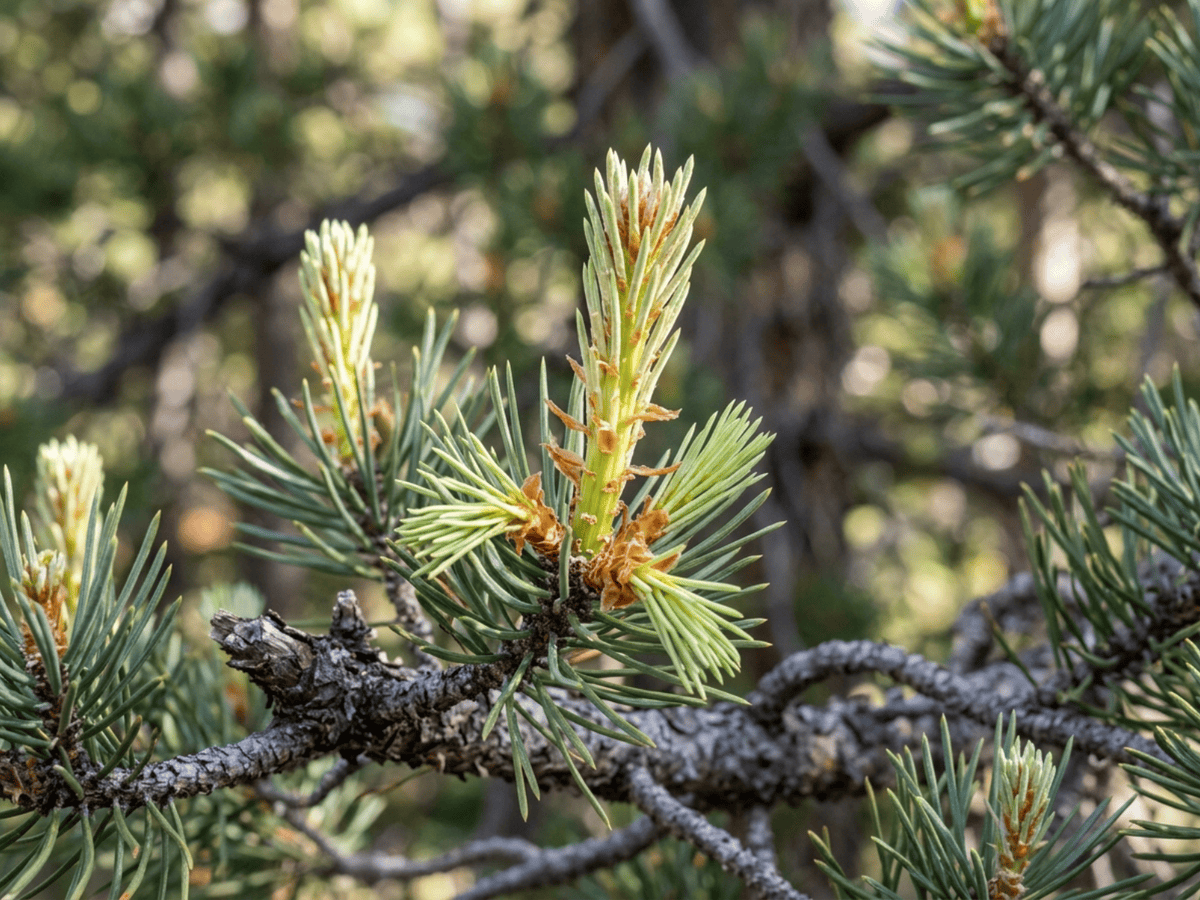
Red-purple male cones in spring
Fragrance
MODERATE FRAGRANCE
The foliage has a sweet resinous pine scent.
Toxicity
No toxicity has been reported for this plant. Still, it is wise to keep pets from chewing on any houseplant.
Educational information, not medical or veterinary advice. If exposure is suspected, contact a doctor or veterinarian.
DISTRIBUTION


- Native
- North America
History
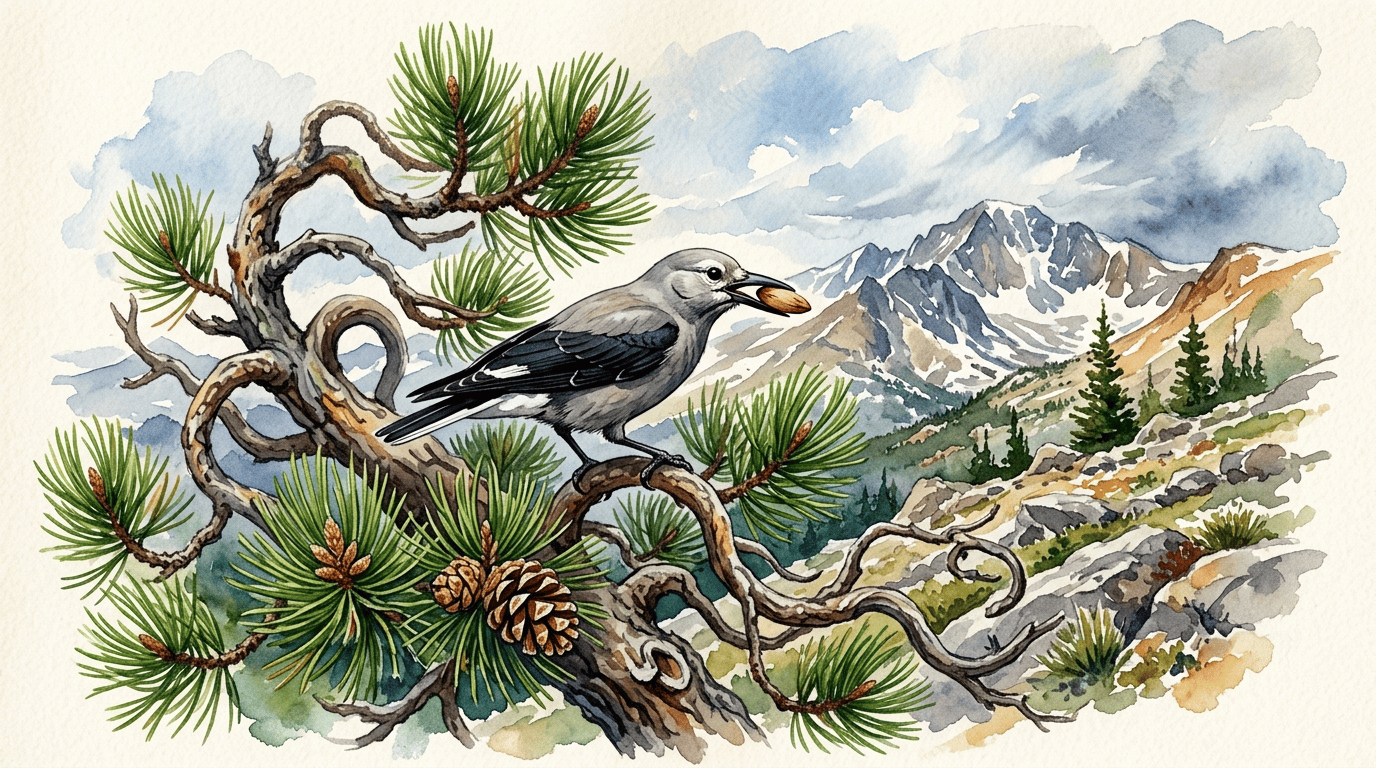
Pinus flexilis grows on high exposed ridges and subalpine sites throughout western North America from Alberta and British Columbia south through the Rocky Mountains to New Mexico, California's Sierra Nevada and White Mountains, and into northern Mexico. American botanist Edwin James, surgeon-naturalist on Stephen Long's 1820 expedition, first collected it near Pike's Peak in Colorado and described it in 1823, the epithet flexilis meaning flexible for the extraordinarily pliable young branches that can be bent into knots without breaking—a striking adaptation to heavy snow and high winds. Like its five-needled relatives, it is a keystone species of the subalpine zone, producing large wingless seeds cached and dispersed by Clark's nutcrackers—a classic mutualism.
In California's White Mountains some specimens have been dated to over 1700 years old, making limber pine one of the longest-lived pines after bristlecone. Since the 1990s populations have been seriously threatened by white pine blister rust (Cronartium ribicola, an introduced European pathogen) and mountain pine beetle outbreaks.
Crows, jays, and especially Clark's nutcracker cache the large wingless seeds, serving as primary dispersers of this high-elevation pine. Native Americans and early explorers including Lewis and Clark collected the pine nuts.
Symbolism & meaning
What It Symbolizes
Limber Pine teaches flexibility, its young branches so pliable they can be tied in knots without breaking, an extraordinary adaptation to heavy mountain snows. Its endurance is just as deep, ancient windswept survivors clinging to high ridges for over a thousand years. It is often read as a flower of resilient yielding, a tree whose meaning is that those who bend with the storm outlast those who try to stand straight against it.
- Flexibility — branches bend without breaking
- Endurance — ancient windswept mountain survivor
Where the Name Comes From
'Flexilis' means flexible, referring to its supple young branches.
Uses & Fun Facts
- Windswept high-elevation pine as picturesque focal point
- Soft blue-green five-needle bundles in cold-climate gardens
- Trained as bonsai for collector specimens
Related plants
More Pinus plants
 Jack PinePinus banksiana
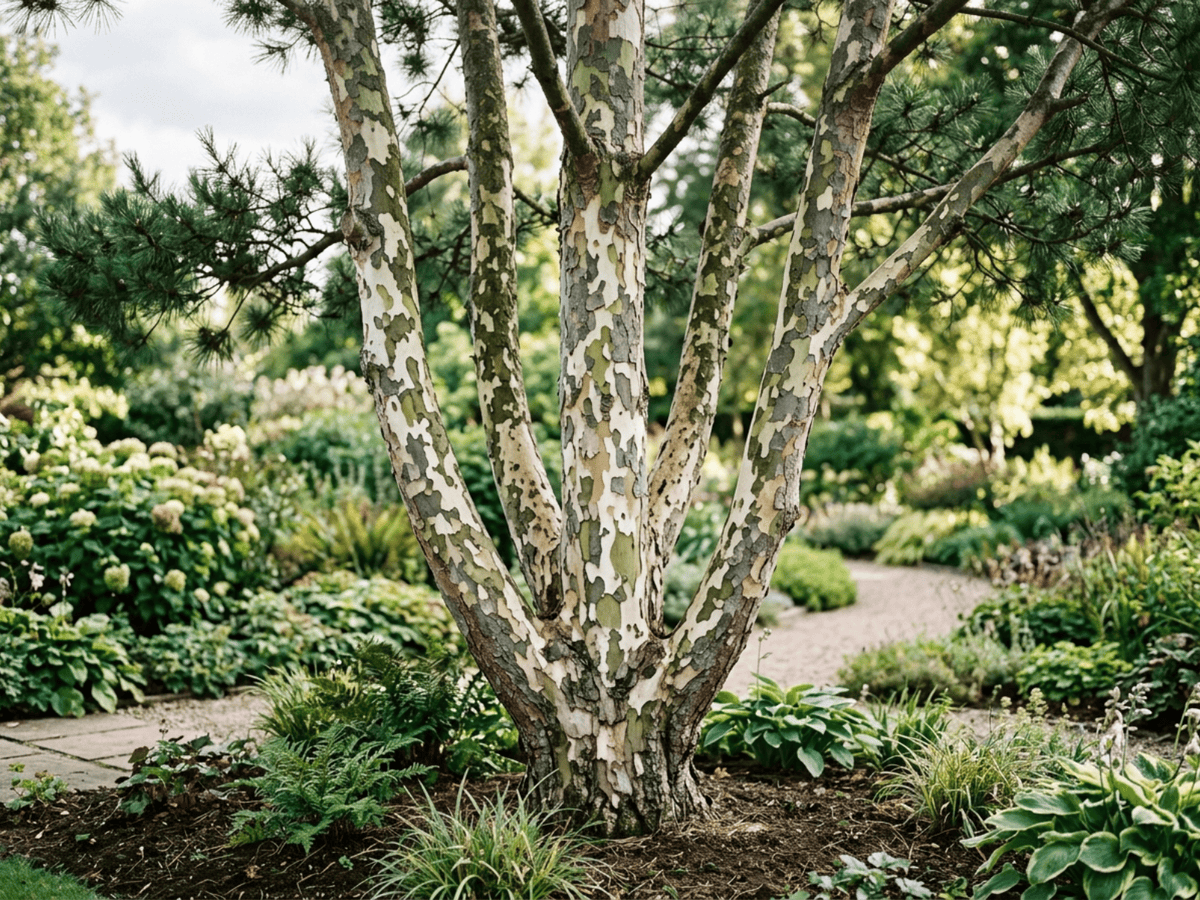 Lacebark PinePinus bungeana
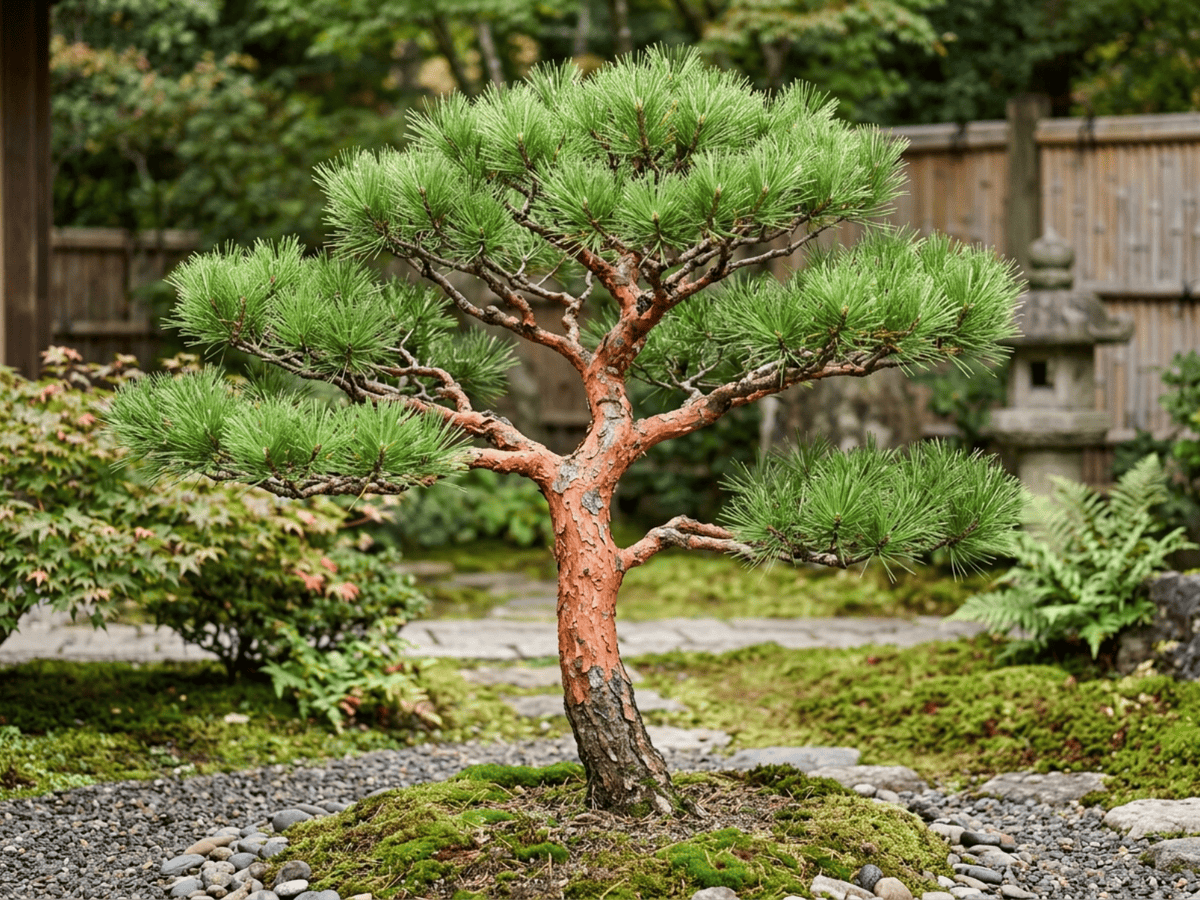 Japanese Red PinePinus densiflora
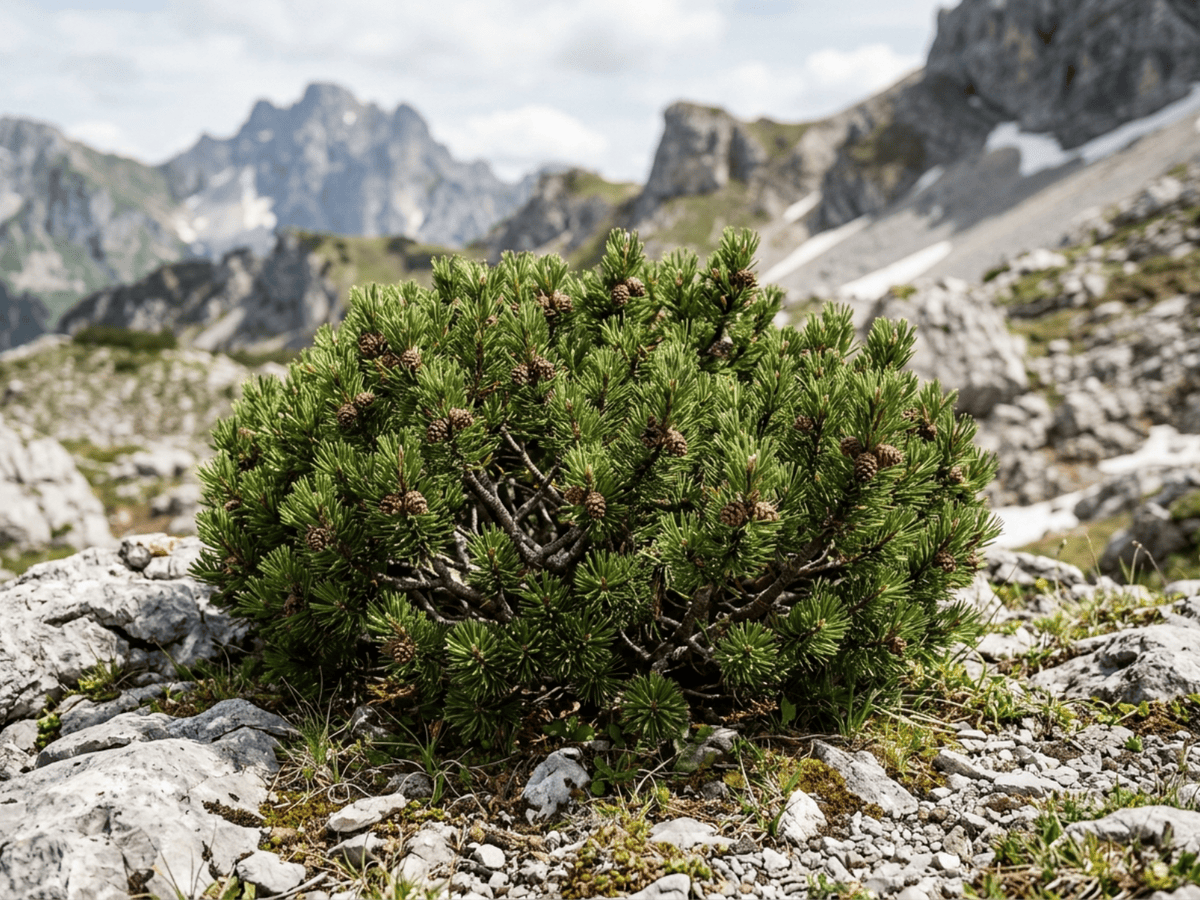 Mountain PinePinus mugo
Plants with similar care
 Mexican AbeliaAbelia floribunda
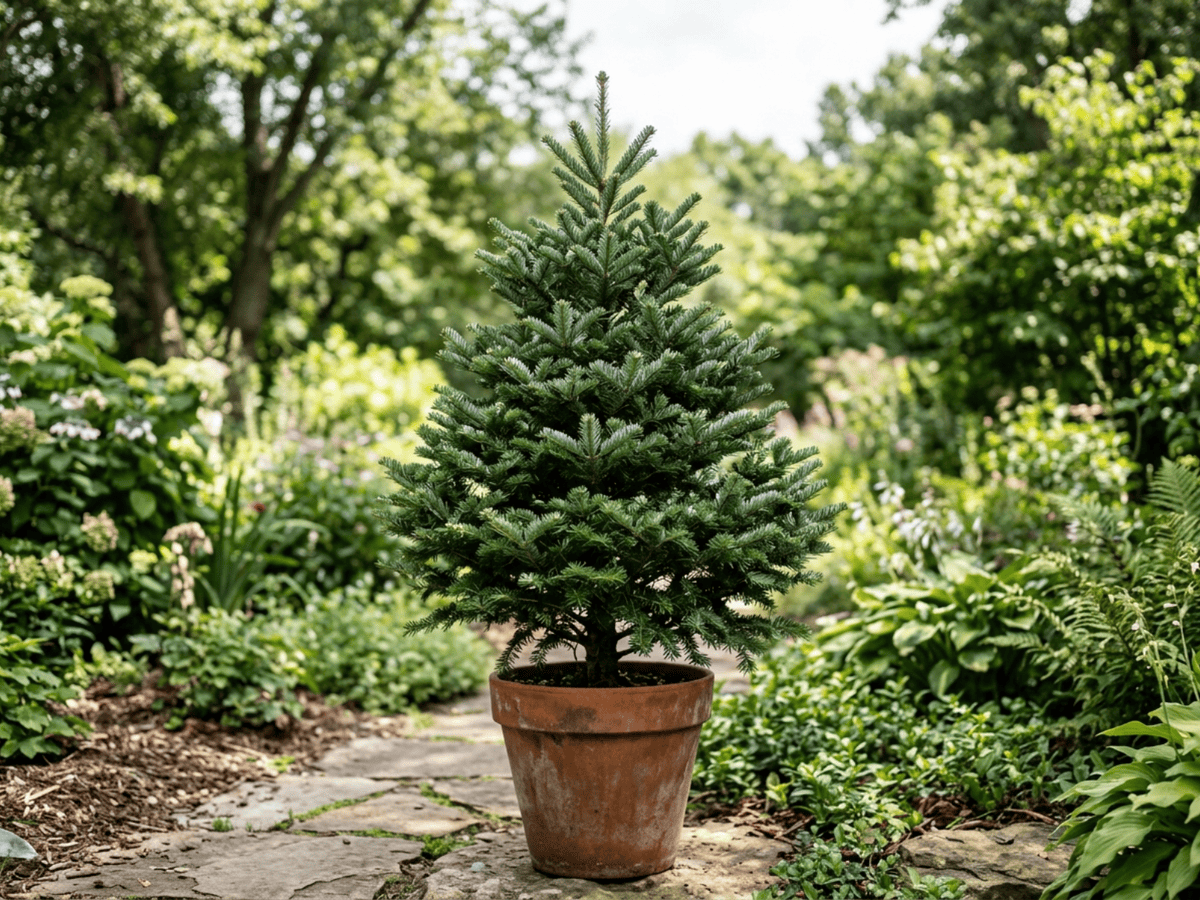 Fraser FirAbies fraseri
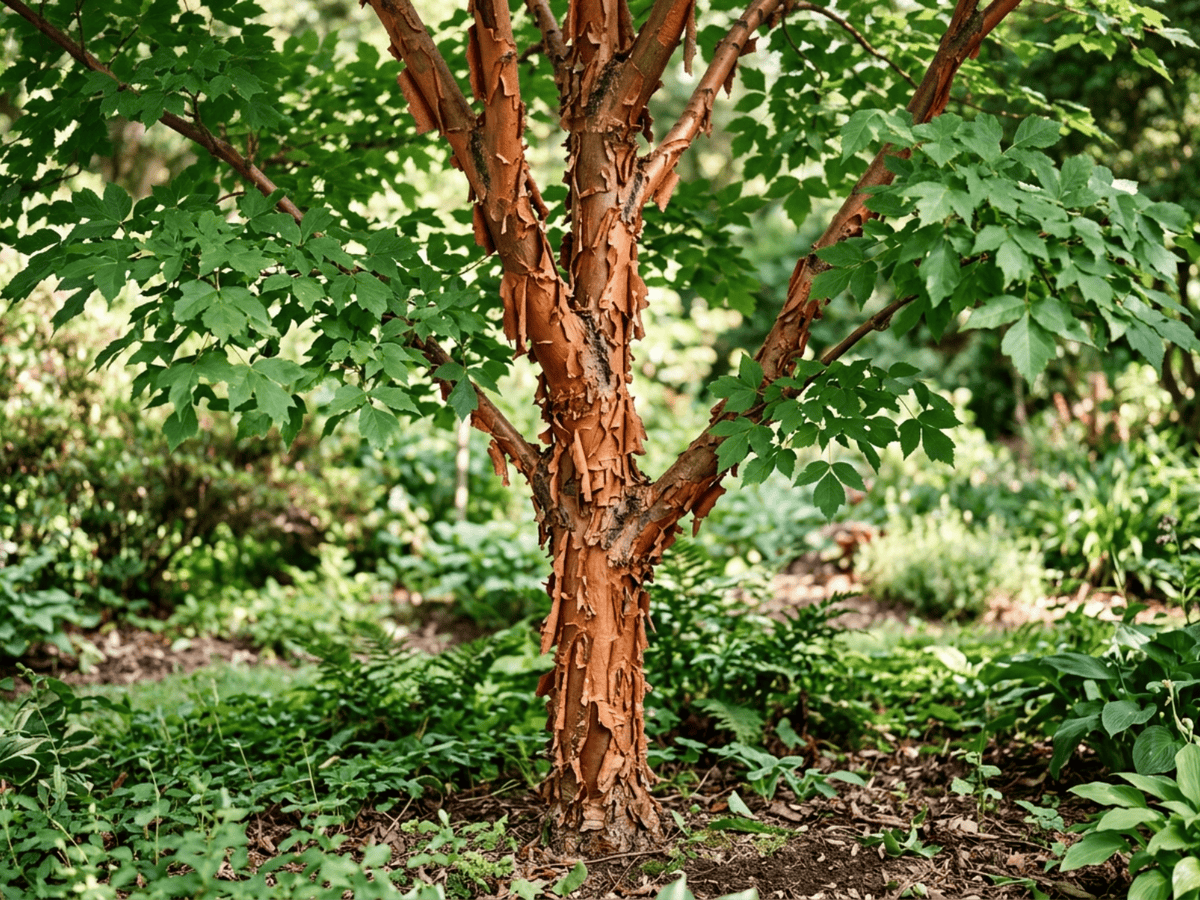 Paperbark MapleAcer griseum
 Sugar MapleAcer saccharum
Frequently asked questions
How often should I water Limber Pine?
In summer, water about every 10 days; in winter, about every 30 days. Adjust for heat, pot size and drainage.
How much light does Limber Pine need?
Full sun: 6+ hrs direct. Watch the leaves — scorching or stretching means the light needs adjusting.
Is Limber Pine toxic to cats or dogs?
No toxicity has been reported for this plant. Still, it is wise to keep pets from chewing on any houseplant. Educational information, not medical or veterinary advice. If exposure is suspected, contact a doctor or veterinarian.
Is Limber Pine easy to grow?
It is moderately demanding: a good choice once you have a little experience.
YardMate
Identify any plant in seconds
Snap a photo — YardMate names the plant, diagnoses problems, and reminds you when to water.
Download on the App Store