 YardMate

Lacebark Pine
Pinus bungeana
Medium · Some experienceAbout Lacebark Pine
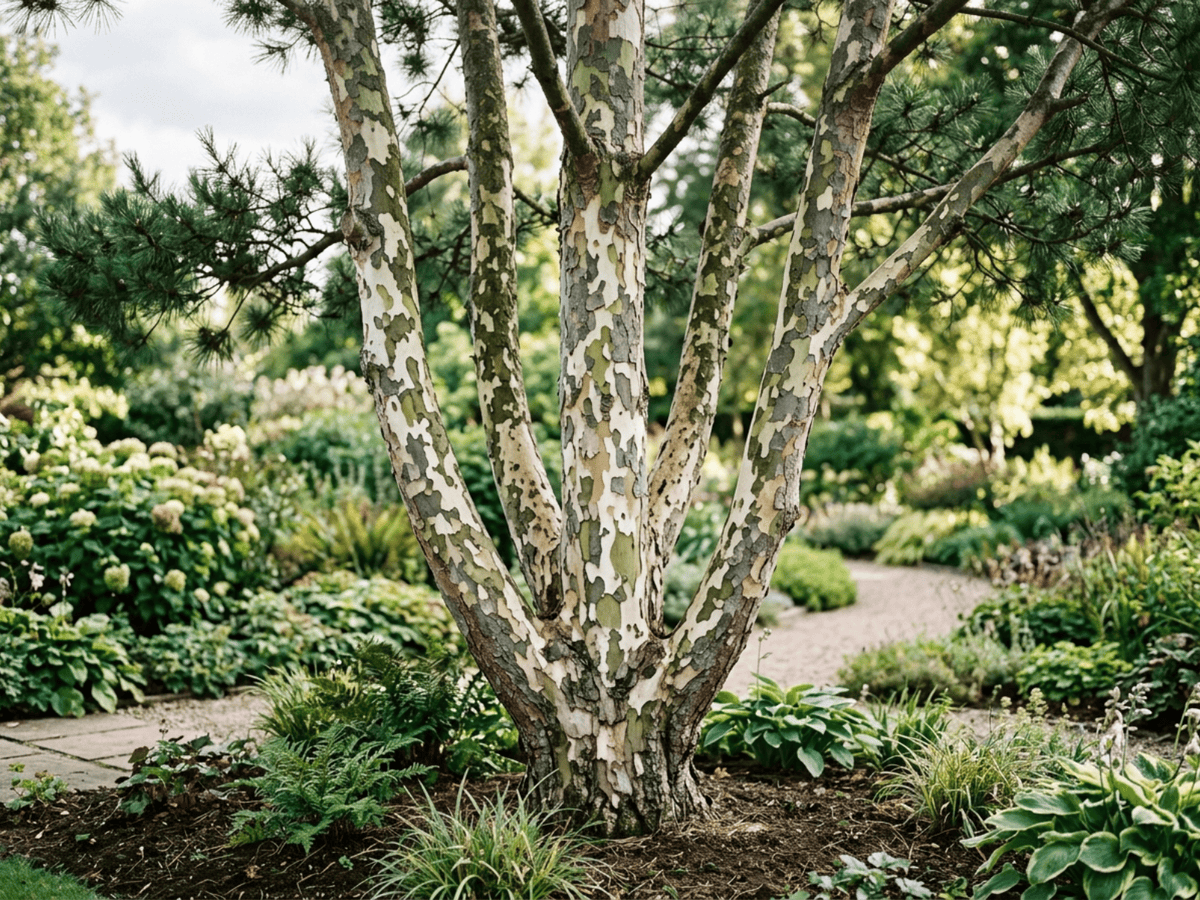
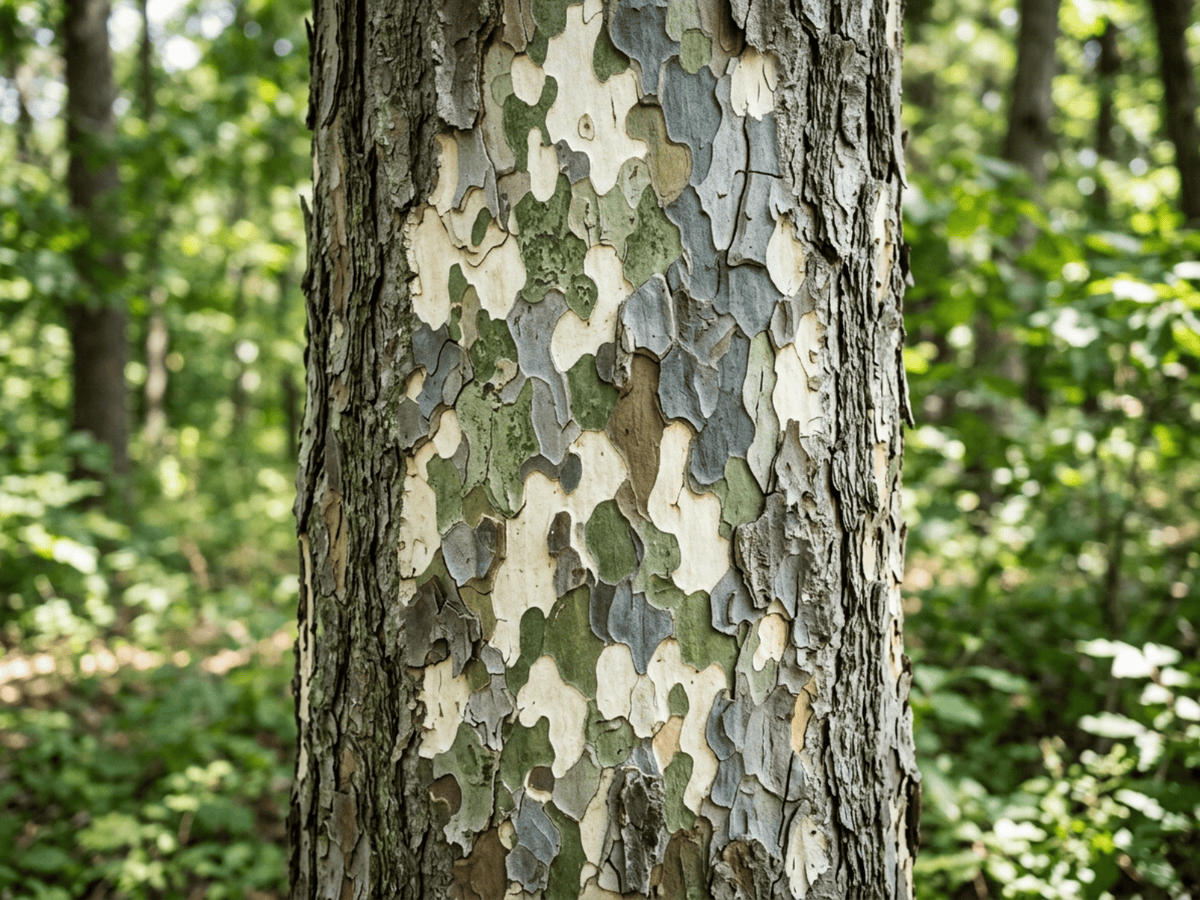
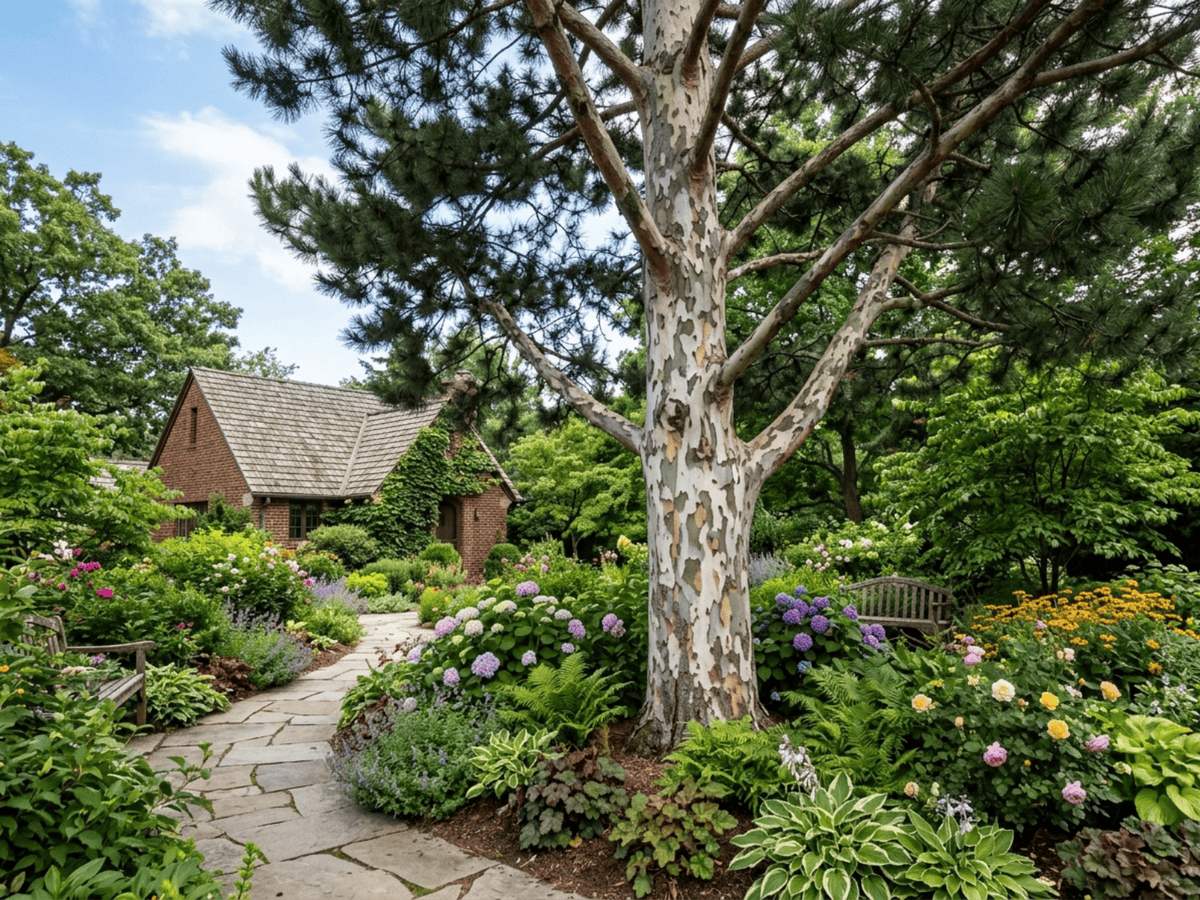
Lacebark Pine is a distinctive conifer native to central and northern China, reaching 30-50 feet, celebrated for its spectacular flaking bark that peels in irregular patches revealing cream, olive, gray, and chalk-white beneath—creating a living mosaic. Three-needled bundles, slow growth, and often multi-stemmed habit make it a choice specimen. Historically planted at temples, palaces, and imperial gardens across China for centuries.
- Evergreen
How to care for Lacebark Pine
Watering
- Springevery 14 days
- Summerevery 10 days
- Fallevery 14 days
- Winterevery 30 days
Soil · Well-draining
- Top dressingPine bark mulch10%
- Main mixPotting soil + perlite 2:170%
- DrainageLECA / gravel20%
Never skip the drainage layer — standing water is the top cause of root rot.
FERTILIZER
Balanced Feed 14-14-14
An even feed covers all three needs at once, keeping leaves, roots and blooms moving together with nothing pushed out of balance.
- Nitrogen · Leaves
- Phosphorus · Roots + Blooms
- Potassium · Strength
- Springevery 60 days
At a Glance
- NativeEast Asia
- Height30–50 ft (9.1–15.2 m)
- Spread20–35 ft (6.1–10.7 m)
- Flower colorRed, Yellow
- Foliage colorGreen
- Fruit colorBrown
- SoilLoamy, Well-drained
- LocationsYard
Bloom time
BLOOM CYCLE
Peak bloom
Mar–May
Yellow male cones in spring
Fragrance
MODERATE FRAGRANCE
The foliage has a resinous pine scent.
Toxicity
No toxicity has been reported for this plant. Still, it is wise to keep pets from chewing on any houseplant.
Educational information, not medical or veterinary advice. If exposure is suspected, contact a doctor or veterinarian.
DISTRIBUTION


- Native
- Introduced
- East Asia
History

Pinus bungeana, lacebark pine, grows on limestone mountain slopes of central and northern China. Alexander von Bunge collected it near Beijing in 1831, and Zuccarini described it the following year. Its Chinese name means white-barked pine, and mature trees earn the name spectacularly: the bark flakes away in rounded patches of chalk white, cream, green, gray, and purple, creating a mosaic trunk unlike any other pine.
Ancient specimens planted around imperial tombs, Buddhist temples, and Confucian shrines in northern China are among the region's most admired trees, some more than 500 years old. Robert Fortune introduced it to Britain in 1846, but slow growth kept it rare in Western gardens until the 20th century.
Today it is valued as a specimen tree for gardeners patient enough to wait for the bark display, a living surface as decorative as stone or porcelain.
Symbolism & meaning
What It Symbolizes
The Lacebark Pine expresses heritage, planted at imperial Chinese palaces and Buddhist temple courtyards for centuries before reaching western gardens. Its true gift is artistry: as the bark sheds in irregular plates, it leaves behind a living mosaic of green, gray, cream, and chalk-white. This is the pine of patient beauty, a tree whose surface itself becomes a slow, decade-long work of art tended by the seasons.
- Heritage — planted at imperial Chinese palaces
- Artistry — bark forms living mosaic
Where the Name Comes From
The name Lacebark Pine describes its patterned, lace-like bark. Named for Alexander von Bunge (1803-1890), Russian botanist who explored China.
Uses & Fun Facts
- Mottled bark and sculptural limbs reward placement near paths and entries
Related plants
More Pinus plants
 Jack PinePinus banksiana
 Japanese Red PinePinus densiflora
 Limber PinePinus flexilis
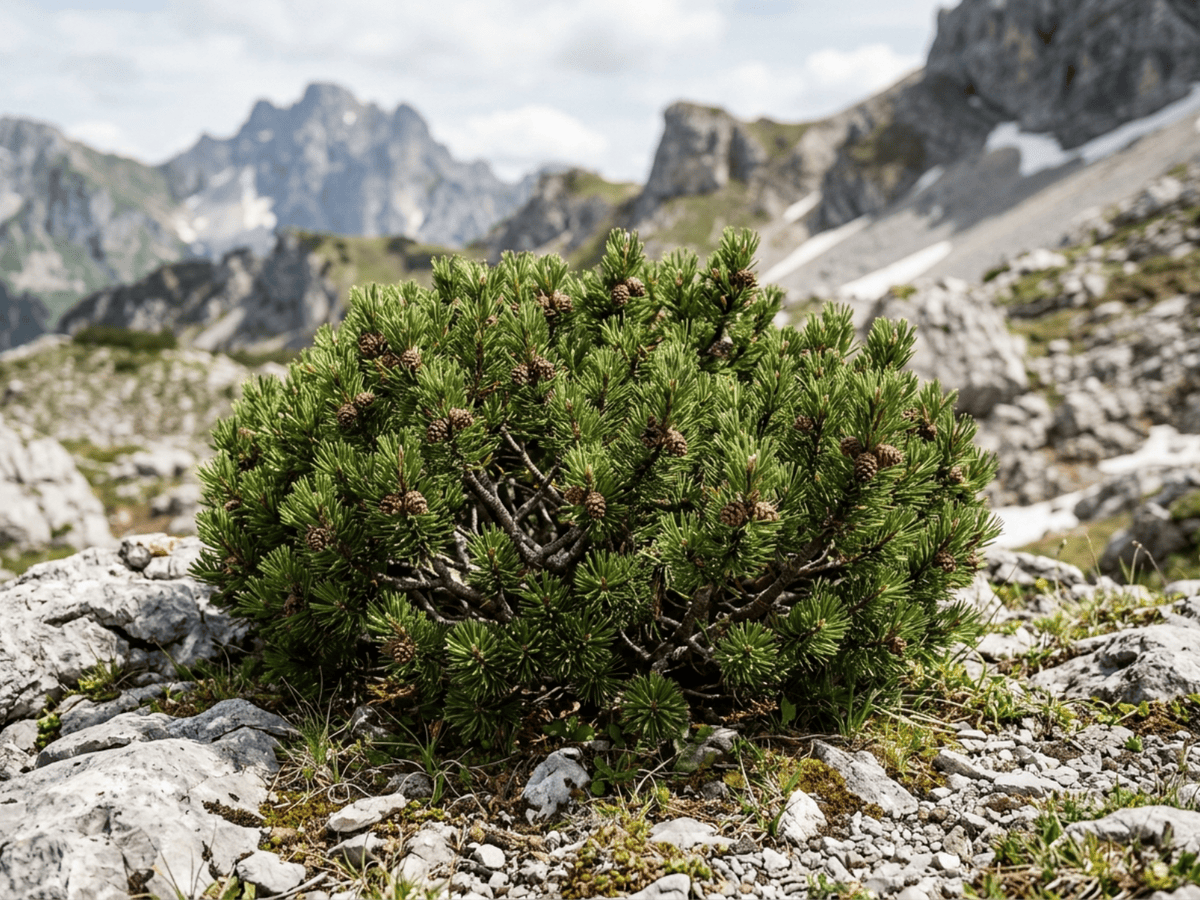 Mountain PinePinus mugo
Plants with similar care
 Mexican AbeliaAbelia floribunda
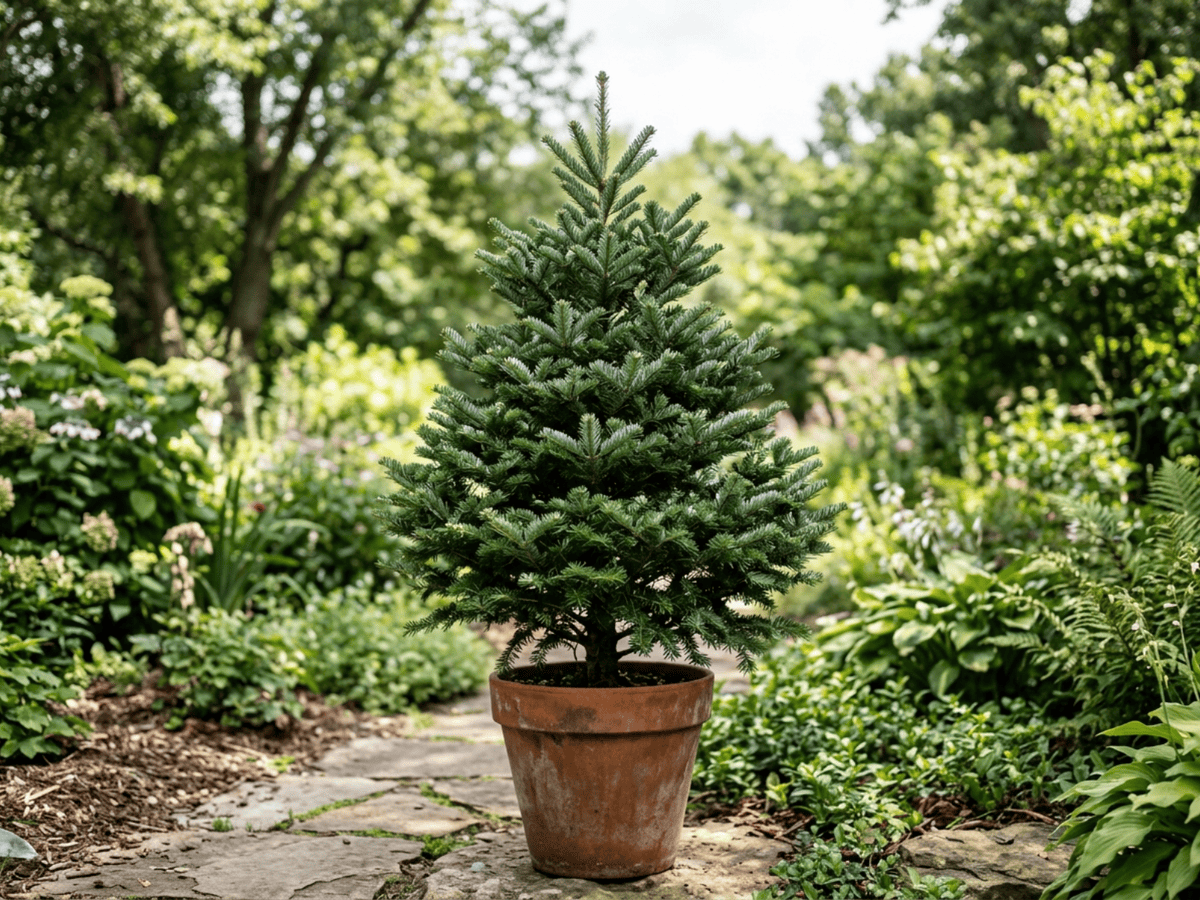 Fraser FirAbies fraseri
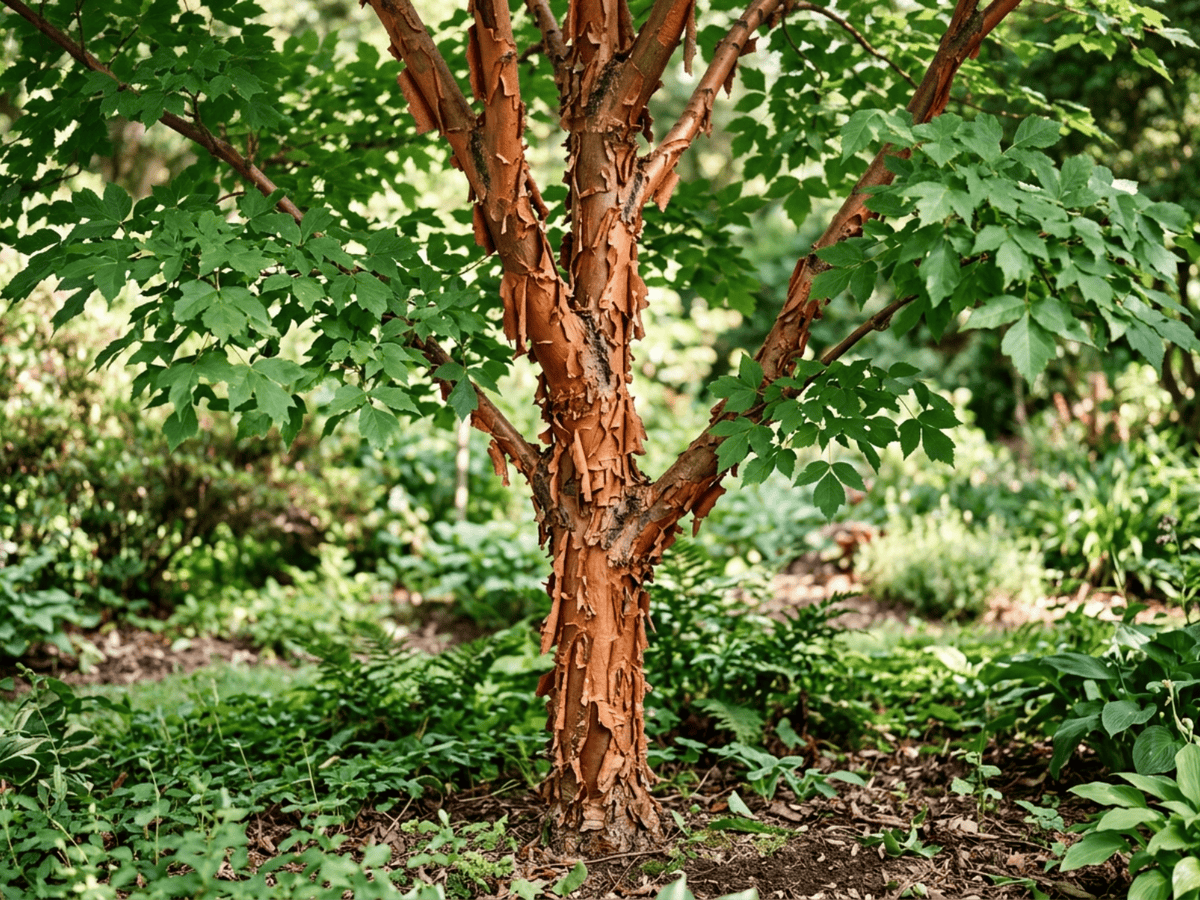 Paperbark MapleAcer griseum
 Sugar MapleAcer saccharum
Frequently asked questions
How often should I water Lacebark Pine?
In summer, water about every 10 days; in winter, about every 30 days. Adjust for heat, pot size and drainage.
How much light does Lacebark Pine need?
Full sun: 6+ hrs direct. Watch the leaves — scorching or stretching means the light needs adjusting.
Is Lacebark Pine toxic to cats or dogs?
No toxicity has been reported for this plant. Still, it is wise to keep pets from chewing on any houseplant. Educational information, not medical or veterinary advice. If exposure is suspected, contact a doctor or veterinarian.
Is Lacebark Pine easy to grow?
It is moderately demanding: a good choice once you have a little experience.
When does Lacebark Pine bloom?
It typically blooms Mar–May in the Northern Hemisphere.
YardMate
Identify any plant in seconds
Snap a photo — YardMate names the plant, diagnoses problems, and reminds you when to water.
Download on the App Store