 YardMate


Black Pine
Pinus nigra
Easy · Beginner friendlyAbout Black Pine
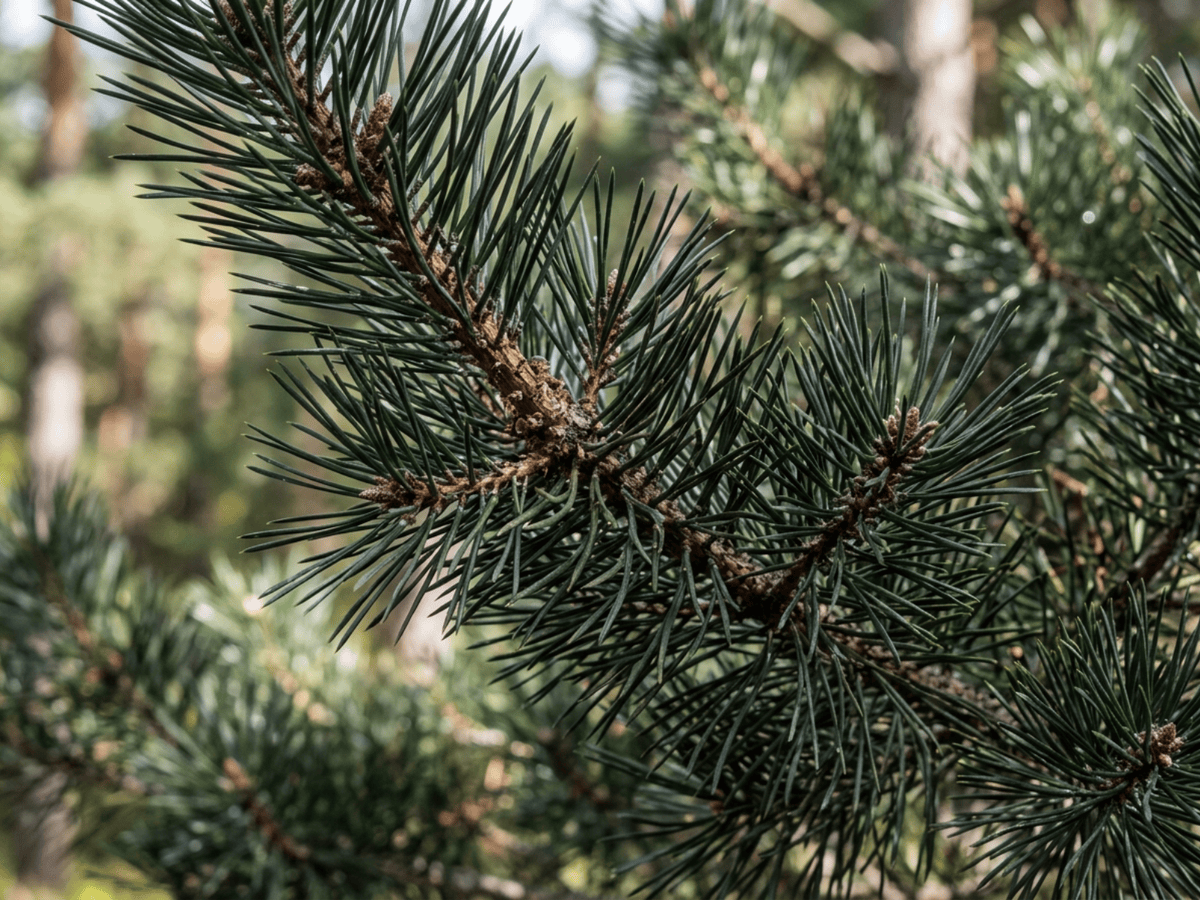
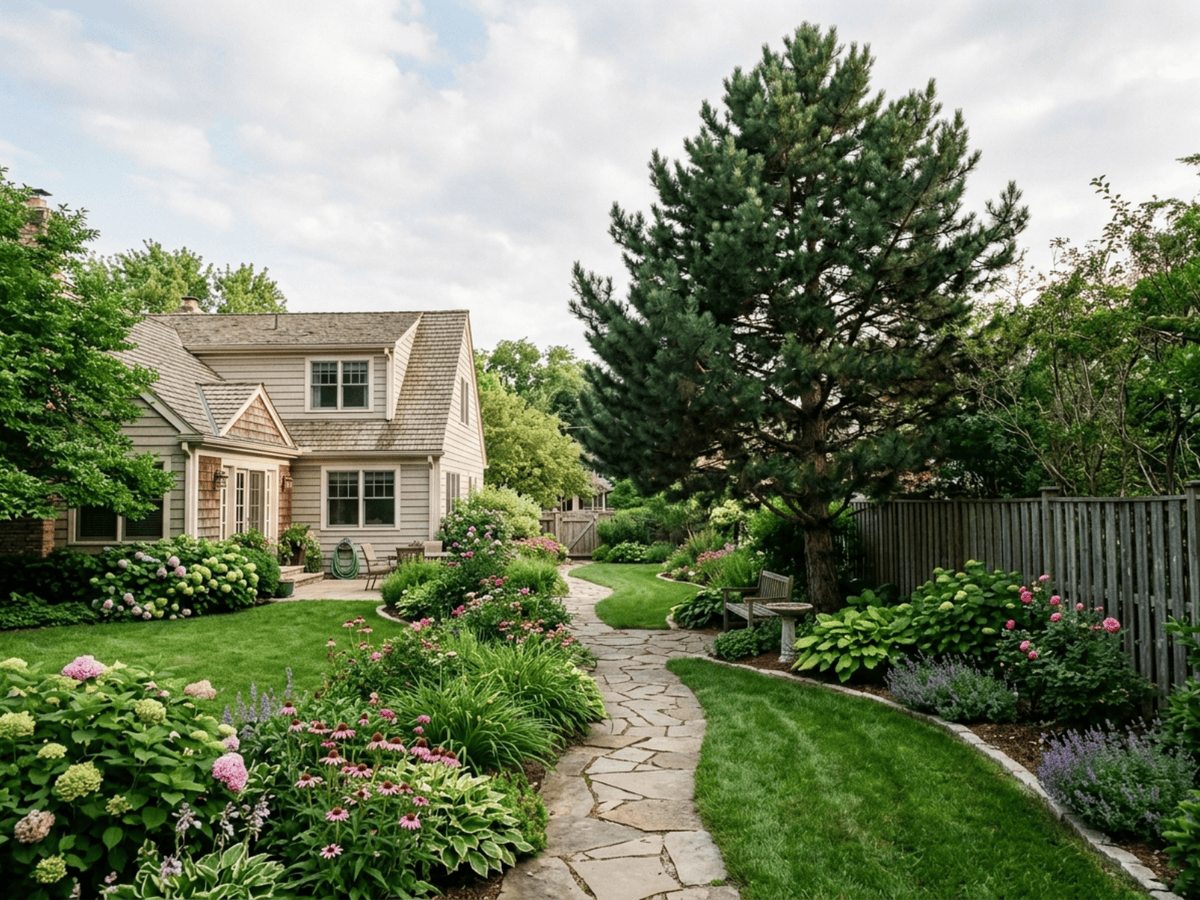
Austrian Pine is a tough conifer native to central and southern Europe, reaching 50-80 feet, with dark green stiff needles in pairs and deeply furrowed dark bark that develops handsome grey plates with age. Exceptionally tolerant of drought, heat, urban pollution, and salt, it became one of the most widely planted evergreens in the American Midwest and Plains for windbreaks and landscapes throughout the 20th century.
- Drought-tolerant
- Evergreen
How to care for Black Pine
Watering
- Springevery 14 days
- Summerevery 10 days
- Fallevery 14 days
- Winterevery 30 days
Soil · Well-draining
- Top dressingPine bark mulch10%
- Main mixPotting soil + perlite 2:170%
- DrainageLECA / gravel20%
Never skip the drainage layer — standing water is the top cause of root rot.
FERTILIZER
Balanced Feed 14-14-14
An even feed covers all three needs at once, keeping leaves, roots and blooms moving together with nothing pushed out of balance.
- Nitrogen · Leaves
- Phosphorus · Roots + Blooms
- Potassium · Strength
- Springevery 60 days
At a Glance
- NativeEurope, Africa, Western Asia
- Height40–60 ft (12.2–18.3 m)
- Spread20–40 ft (6.1–12.2 m)
- Flower colorYellow, Red
- Foliage colorDark-green, Green
- Fruit colorBrown, Yellow
- SoilWell-drained, Loamy
- LocationsYard
Bloom time
BLOOM CYCLE
Yellow male cones in spring
Fragrance
MODERATE FRAGRANCE
The foliage has a resinous pine scent.
Toxicity
No toxicity has been reported for this plant. Still, it is wise to keep pets from chewing on any houseplant.
Educational information, not medical or veterinary advice. If exposure is suspected, contact a doctor or veterinarian.
DISTRIBUTION


- Native
- Introduced
- Europe
- Africa
- Western Asia
History
Pinus nigra occurs naturally in a broad band from Spain and Morocco across southern Europe through the Balkans and Turkey to Crimea and Cyprus, typically at 250-2000 m elevation. Austrian physician and botanist Johann Franz Xaver von Arnold described the species in 1785. Several geographically isolated subspecies are recognized, including ssp. nigra (Austrian pine) across the Eastern Alps and Balkans, ssp. laricio (Corsican pine) from Corsica and southern Italy, ssp. salzmannii (Pyrenean pine) from the western Mediterranean, and ssp. pallasiana (Crimean pine) from the eastern Mediterranean.
Austrian pine was introduced to North American prairie states in the 19th century as a hardy windbreak and shelterbelt tree, tolerant of urban conditions, salt, and clay soils—where white pine and red pine failed. Corsican pine is an important forestry species in Britain and France for durable construction timber. Since the 1990s Diplodia tip blight and Dothistroma needle blight have seriously damaged plantings in the US and UK.
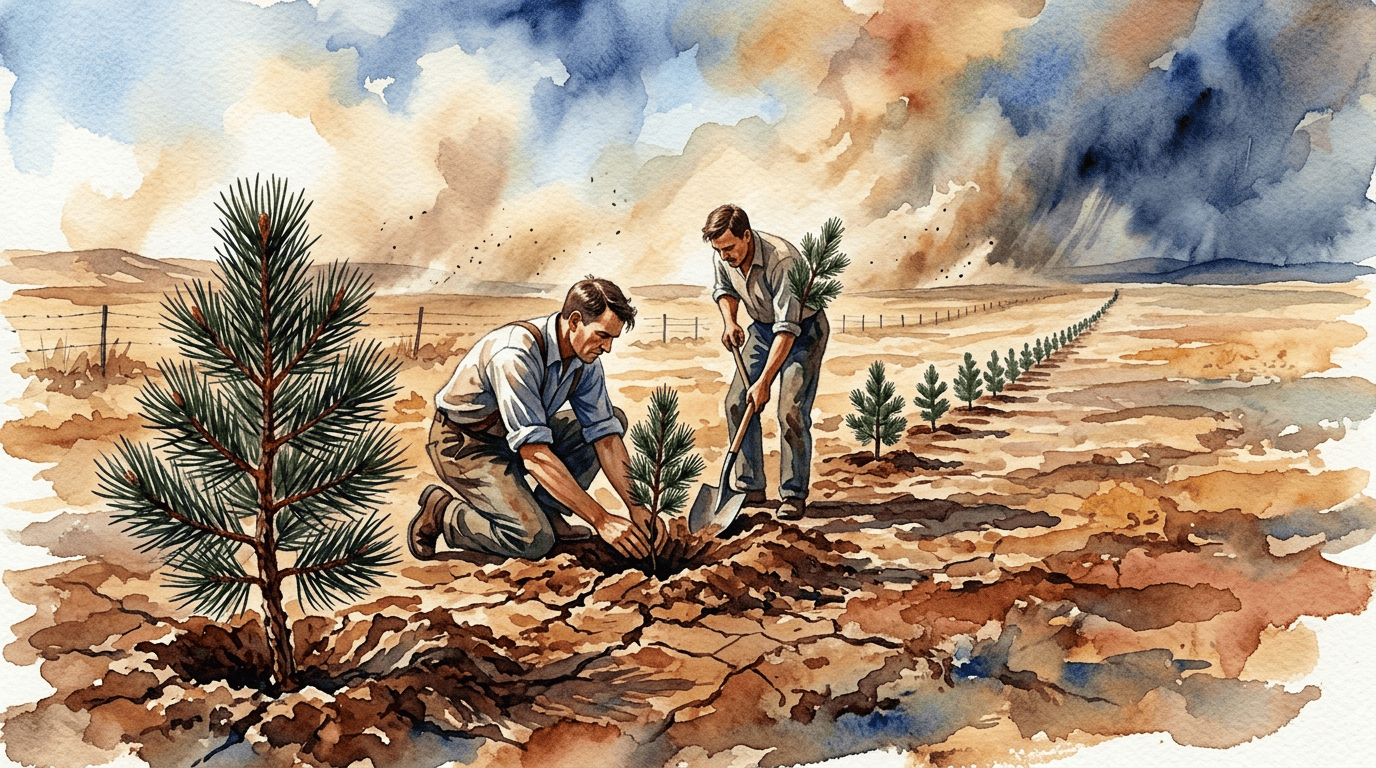
Planted by the millions across the Great Plains during the Dust Bowl era as part of the Prairie States Forestry Project under FDR's New Deal. For decades the go-to evergreen for harsh Midwest sites until disease pressure increased. Still stands in many aging shelterbelts across Nebraska, Kansas, and the Dakotas.
Symbolism & meaning
What It Symbolizes
Black Pine evokes strength on the harshest sites, growing on coastal cliffs, salt-blasted dunes, and exposed inland ridges where most conifers would falter. As a Great Plains shelterbelt staple, it has stood for shelter — windbreak and snow-fence for farmsteads since the Dust Bowl years. Its meaning is the steady, dark-green vigil of a tree that chooses difficult ground and protects whatever sits behind it.
- Strength — tough pine for harshest sites
- Shelter — Great Plains shelterbelt staple
Where the Name Comes From
'Nigra' means black, for the dark green foliage and dark bark.
Uses & Fun Facts
- Dense evergreen canopy shelters lawns and parks
- Tough conifer planted as windbreak and screen tree
- Dark broad-headed pine for coastal and urban landscapes
- Resinous timber used for construction and pulpwood
Related plants
More Pinus plants
 Jack PinePinus banksiana
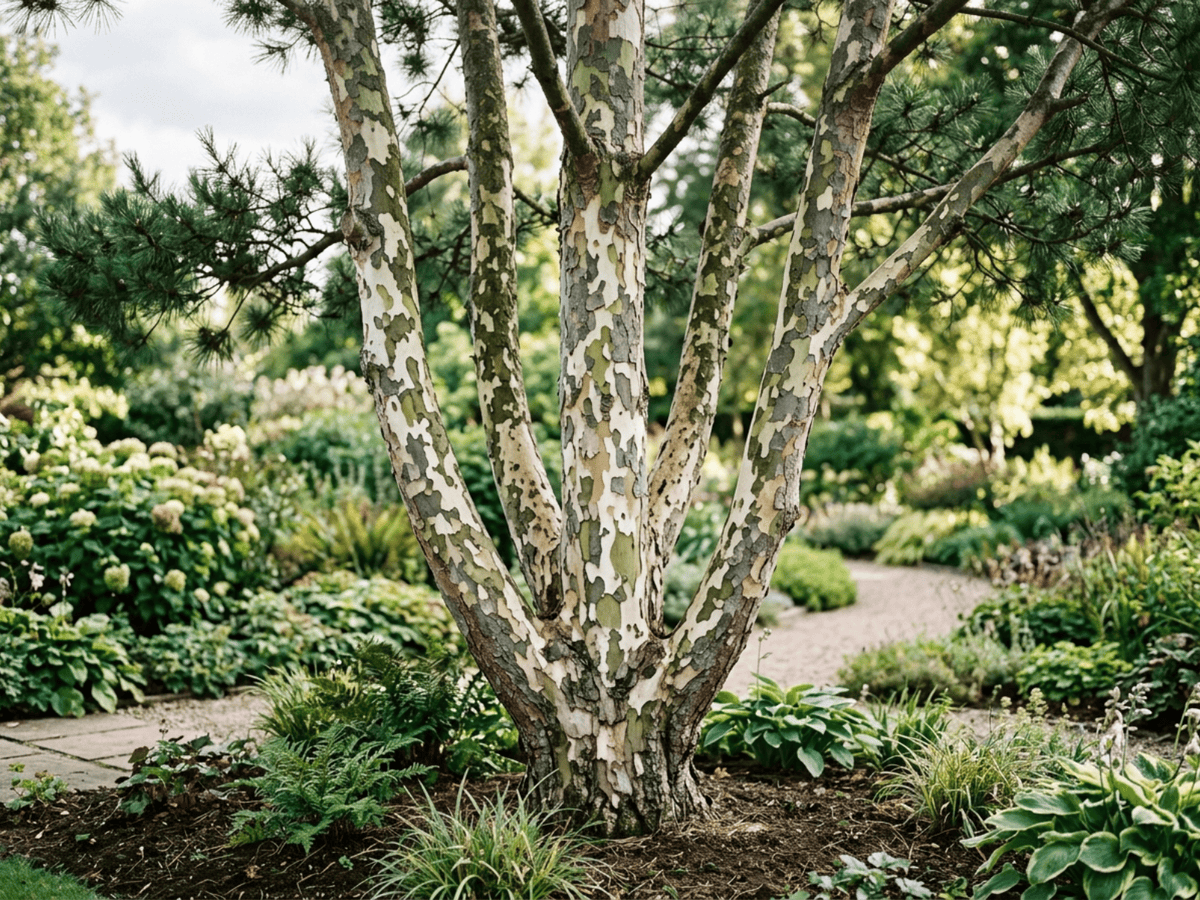 Lacebark PinePinus bungeana
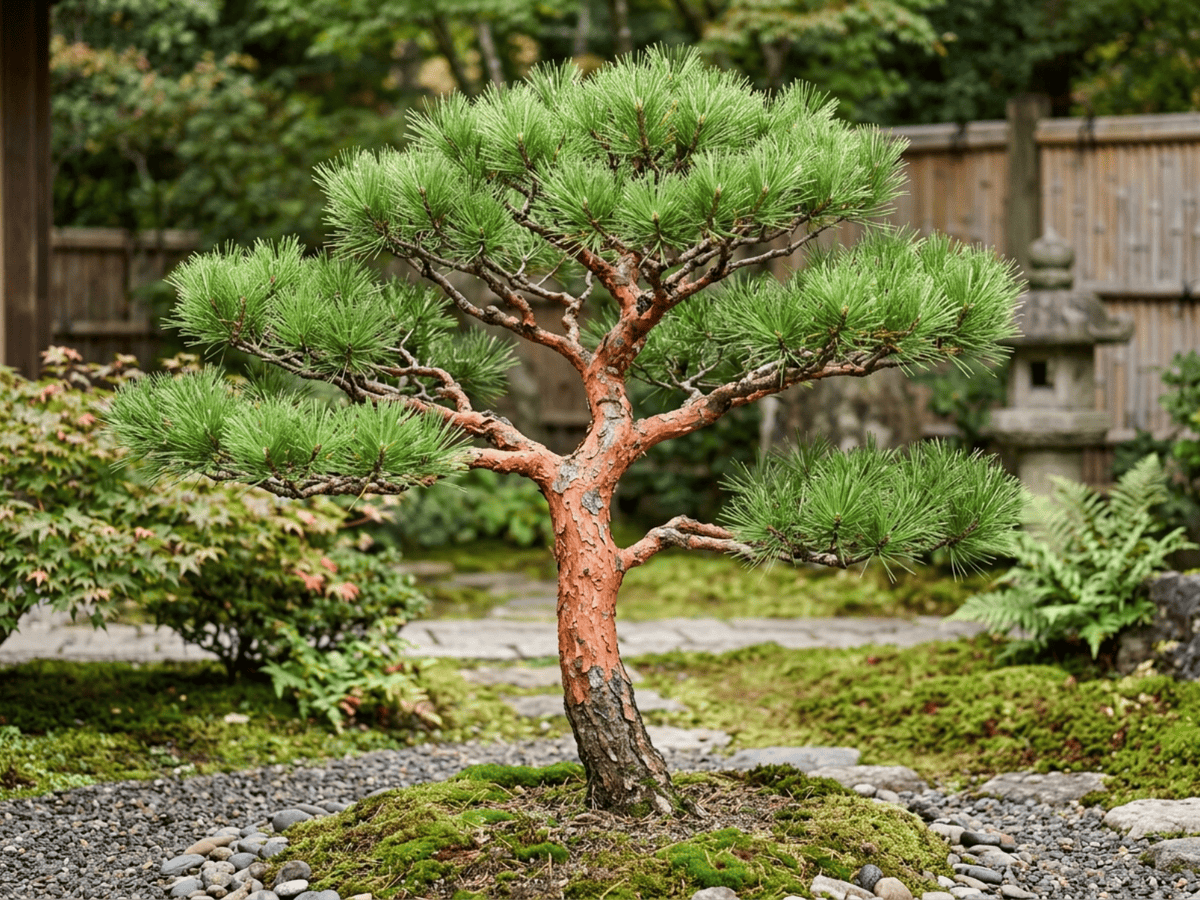 Japanese Red PinePinus densiflora
 Limber PinePinus flexilis
Plants with similar care
 Chinese AbeliaAbelia chinensis
 Fragrant AbeliaAbelia mosanensis
 Large-Flowered AbeliaAbelia uniflora
 Glossy AbeliaAbelia x grandiflora
Frequently asked questions
How often should I water Black Pine?
In summer, water about every 10 days; in winter, about every 30 days. Adjust for heat, pot size and drainage.
How much light does Black Pine need?
Full sun: 6+ hrs direct. Watch the leaves — scorching or stretching means the light needs adjusting.
Is Black Pine toxic to cats or dogs?
No toxicity has been reported for this plant. Still, it is wise to keep pets from chewing on any houseplant. Educational information, not medical or veterinary advice. If exposure is suspected, contact a doctor or veterinarian.
Is Black Pine easy to grow?
Yes — it is considered an easy, beginner-friendly plant.
YardMate
Identify any plant in seconds
Snap a photo — YardMate names the plant, diagnoses problems, and reminds you when to water.
Download on the App Store