 YardMate


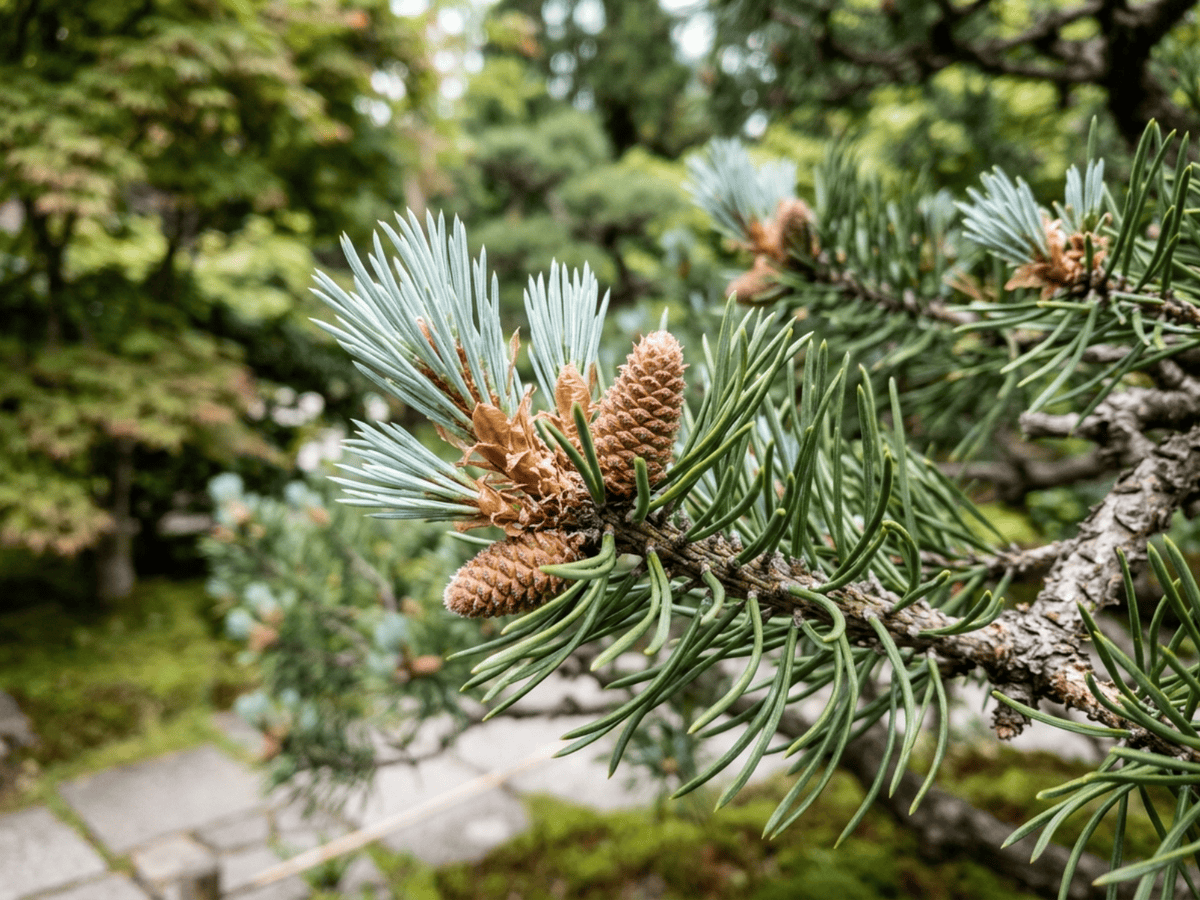

Japanese White Pine
Pinus parviflora
Medium · Some experienceAbout Japanese White Pine
Japanese White Pine is a refined conifer native to Japan, reaching 25-50 feet in cultivation, renowned for its picturesque irregular branching habit and bundles of five short blue-green needles with silver undersides. Its naturally elegant form has made it the most celebrated bonsai pine in Japan and a treasured landscape specimen worldwide. Slow-growing and long-lived, it represents the pinnacle of East Asian garden artistry.
- Evergreen
How to care for Japanese White Pine
Watering
- Springevery 14 days
- Summerevery 10 days
- Fallevery 14 days
- Winterevery 30 days
Soil · Well-draining
- Top dressingPine bark mulch10%
- Main mixPotting soil + perlite 2:170%
- DrainageLECA / gravel20%
Never skip the drainage layer — standing water is the top cause of root rot.
FERTILIZER
Balanced Feed 14-14-14
An even feed covers all three needs at once, keeping leaves, roots and blooms moving together with nothing pushed out of balance.
- Nitrogen · Leaves
- Phosphorus · Roots + Blooms
- Potassium · Strength
- Springevery 60 days
At a Glance
- NativeEast Asia
- Height25–50 ft (7.6–15.2 m)
- Spread20–35 ft (6.1–10.7 m)
- Flower colorRed, Yellow
- Foliage colorBlue-green, Silver, Green
- Fruit colorBrown
- SoilLoamy, Well-drained, Acidic
- LocationsYard
Bloom time
BLOOM CYCLE
Reddish male cones in spring
Fragrance
MODERATE FRAGRANCE
The foliage has a sweet resinous pine scent.
Toxicity
No toxicity has been reported for this plant. Still, it is wise to keep pets from chewing on any houseplant.
Educational information, not medical or veterinary advice. If exposure is suspected, contact a doctor or veterinarian.
DISTRIBUTION


- Native
- East Asia
History
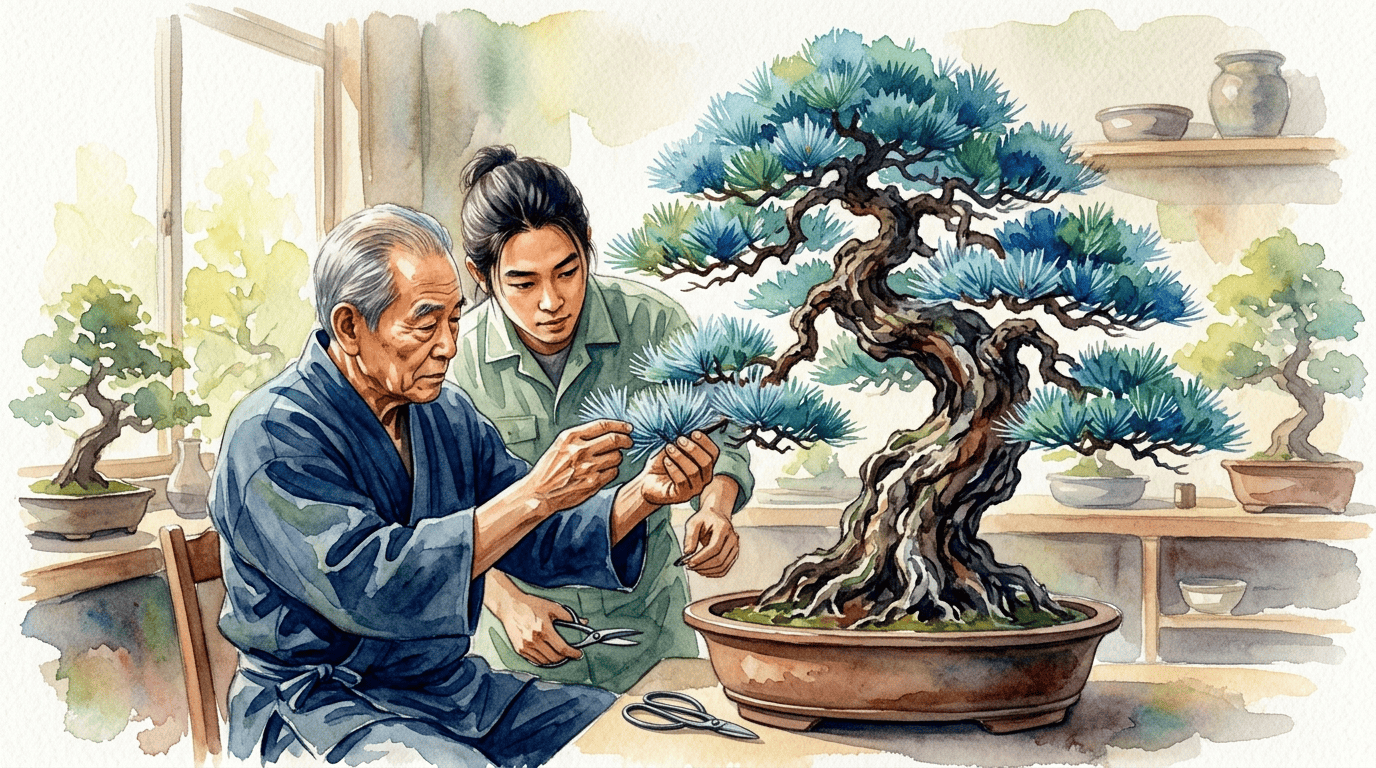
Pinus parviflora, Japanese white pine, grows in mountain forests of Japan and Korea. Siebold and Zuccarini described it in 1842 from Japanese material gathered during Siebold's years at Dejima. The Japanese name goyo-matsu means five-needle pine, and the species holds deep status in temple gardens, imperial landscapes, and classical bonsai.
It may be the single most important pine in Japanese bonsai tradition, capable of living for centuries in trained form. One famous Japanese white pine, now at the US National Arboretum, was given by Japan to the United States in 1976 and had survived the atomic bombing of Hiroshima in the Yamaki family garden. Cultivars such as 'Glauca' bring silver-blue needles into ordinary landscapes, but the species' cultural power comes from patience: age, twisted bark, and the discipline of generations shaping one living tree.
Symbolism & meaning
What It Symbolizes
Japanese White Pine is longevity itself — bonsai specimens of this species have lived centuries in the same shallow tray, passed down through generations of Japanese masters. As one of the Three Friends of Winter, alongside plum and bamboo, it stands for perseverance: the evergreen that holds its color when the world goes pale. It is the tree that quietly outlasts the family that planted its.
- Longevity — lives for centuries as bonsai
- Perseverance — one of Three Friends of Winter
Where the Name Comes From
The name Japanese White Pine points to Japan. 'Parviflora' means 'small flower', though it refers to the small cones.
Uses & Fun Facts
- Picturesque irregular branching as Japanese garden focal conifer
- Premier bonsai species trained for generations in shallow trays
Related plants
More Pinus plants
 Jack PinePinus banksiana
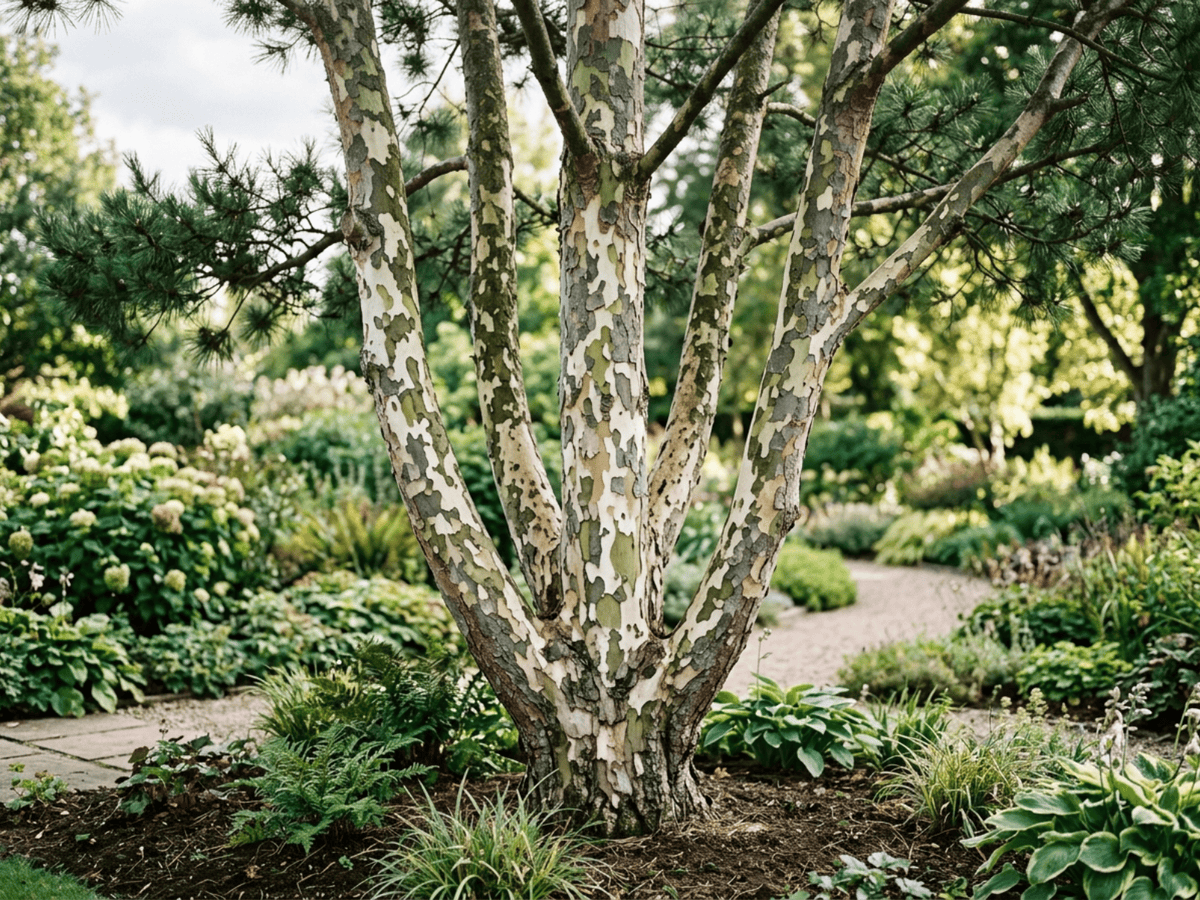 Lacebark PinePinus bungeana
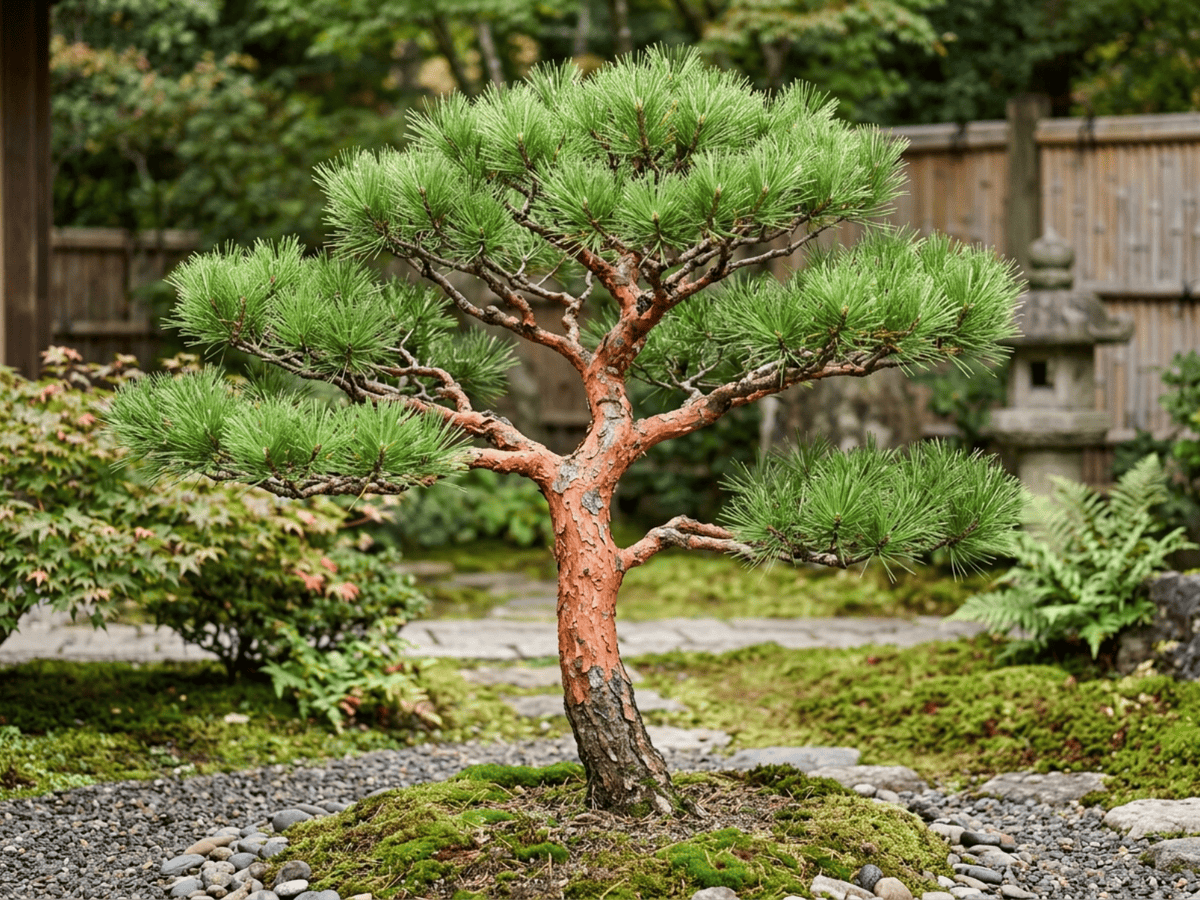 Japanese Red PinePinus densiflora
 Limber PinePinus flexilis
Plants with similar care
 Mexican AbeliaAbelia floribunda
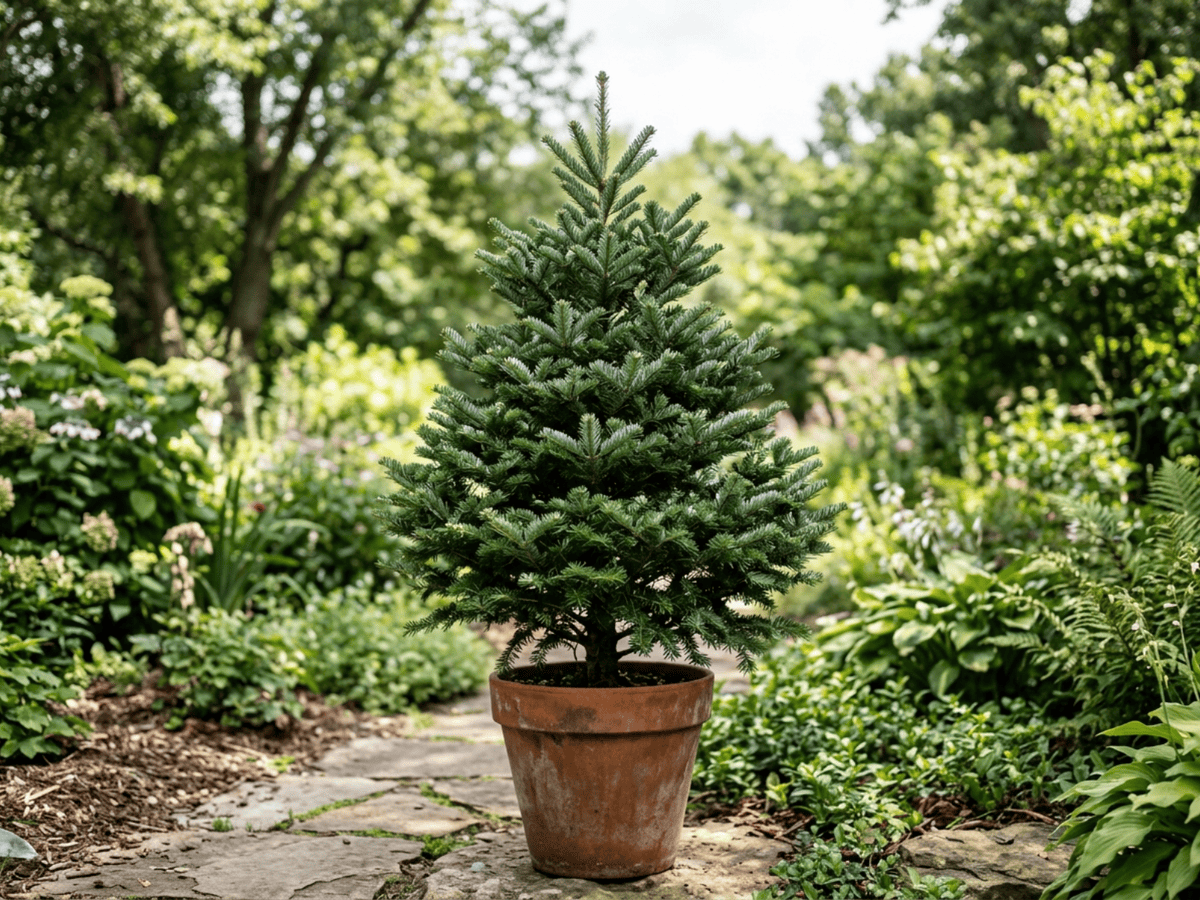 Fraser FirAbies fraseri
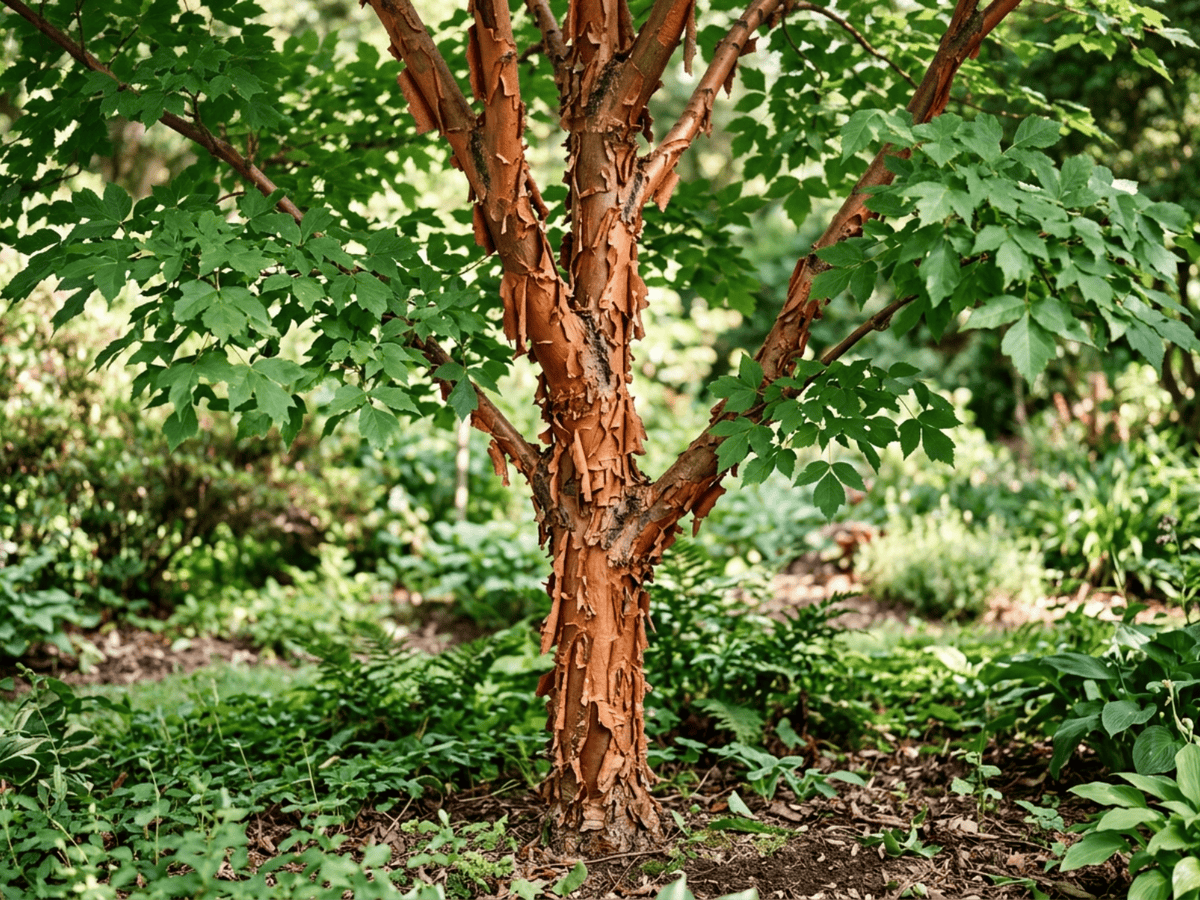 Paperbark MapleAcer griseum
 Sugar MapleAcer saccharum
Frequently asked questions
How often should I water Japanese White Pine?
In summer, water about every 10 days; in winter, about every 30 days. Adjust for heat, pot size and drainage.
How much light does Japanese White Pine need?
Full sun: 6+ hrs direct. Watch the leaves — scorching or stretching means the light needs adjusting.
Is Japanese White Pine toxic to cats or dogs?
No toxicity has been reported for this plant. Still, it is wise to keep pets from chewing on any houseplant. Educational information, not medical or veterinary advice. If exposure is suspected, contact a doctor or veterinarian.
Is Japanese White Pine easy to grow?
It is moderately demanding: a good choice once you have a little experience.
YardMate
Identify any plant in seconds
Snap a photo — YardMate names the plant, diagnoses problems, and reminds you when to water.
Download on the App Store