 YardMate



Scots Pine
Pinus sylvestris
Easy · Beginner friendlyAbout Scots Pine
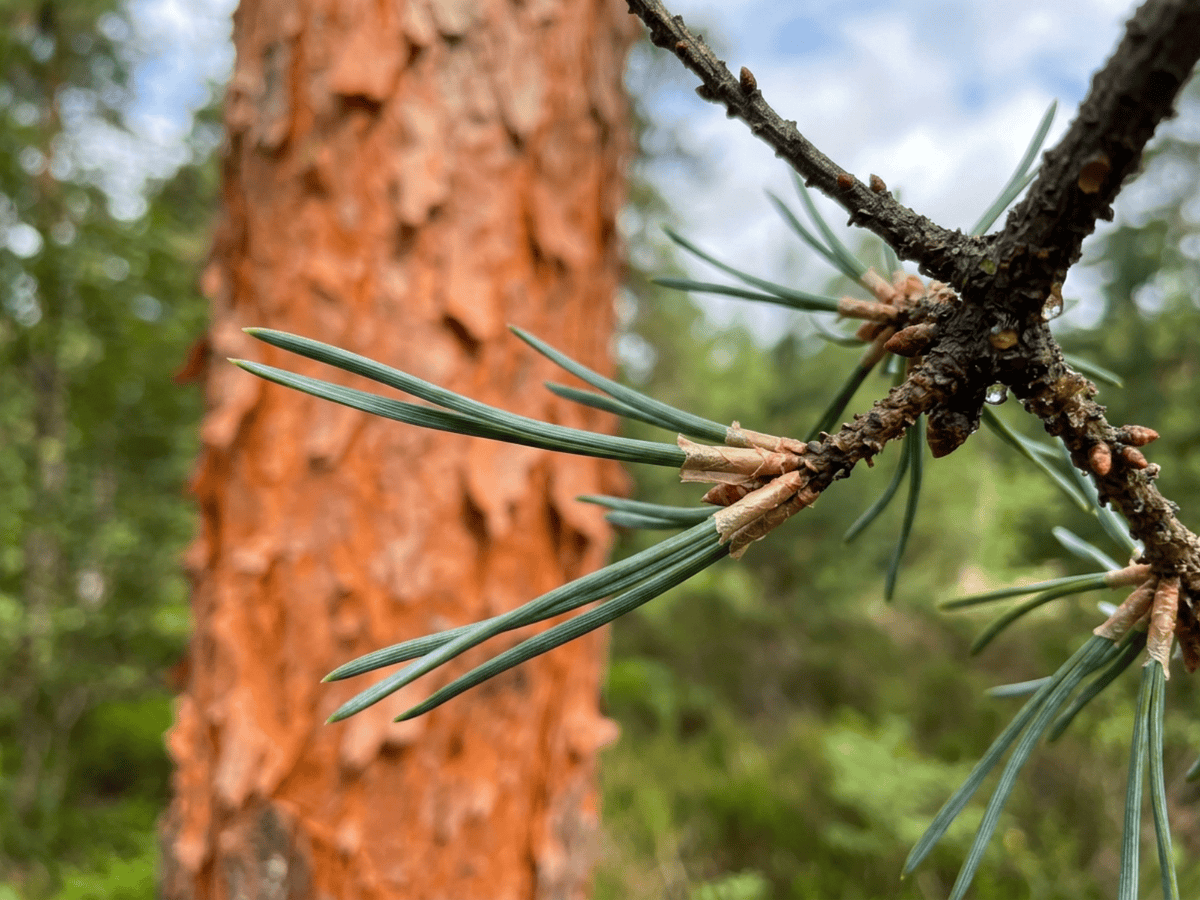
Pinus sylvestris, the Scots pine, is the most widely distributed pine in the world, ranging from Scotland to Siberia and from the Arctic Circle to the Mediterranean mountains. It is immediately recognizable by its distinctive orange-red bark on the upper trunk and branches, which becomes deeply fissured and grey-brown at the base. Mature trees develop an open, flat-topped or domed crown that is iconic in highland landscapes. It typically reaches 20 to 35 meters in height and can live 300 to 700 years. Scots pine is the national tree of Scotland, where ancient remnants of the Caledonian Forest represent one of Europe's rarest habitats. The timber is widely used in construction, furniture, and as 'redwood deal' in the building trade. Scots pine thrives in poor, sandy, acidic soils and full sun, displaying remarkable drought tolerance and cold hardiness. It is an important species for reforestation, wildlife habitat, and erosion control. The resinous wood and needles produce a distinctive fresh, piney fragrance.
- Drought-tolerant
- Cold-hardy
- Evergreen
- Wildlife-friendly
How to care for Scots Pine
Watering
- Springevery 7 days
- Summerevery 5 days
- Fallevery 14 days
- Winterevery 30 days
Soil · Well-draining
- Top dressingPine bark mulch10%
- Main mixPotting soil + perlite 2:170%
- DrainageLECA / gravel20%
Never skip the drainage layer — standing water is the top cause of root rot.
FERTILIZER
Balanced Feed 14-14-14
An even feed covers all three needs at once, keeping leaves, roots and blooms moving together with nothing pushed out of balance.
- Nitrogen · Leaves
- Phosphorus · Roots + Blooms
- Potassium · Strength
- Springevery 60 days
At a Glance
- NativeEast Asia
- Height50–80 ft (15.2–24.4 m)
- Spread25–35 ft (7.6–10.7 m)
- Flower colorYellow, Red
- Foliage colorGreen, Blue-green
- SoilSandy, Well-drained, Acidic
- LocationsYard
Bloom time
BLOOM CYCLE
Yellow male pollen cones in spring release clouds of pollen; female cones take 2 years to mature
Fragrance
MODERATE FRAGRANCE
The foliage has a classic resinous pine scent.
Toxicity
Pets Slight
Unknown toxic principle
Not reported
EXPOSURE No exposure route is reported.
EFFECT Young shoots and inner bark have historical famine-food use and low concern.
NOTE No human toxicity is reported in this catalog; avoid eating ornamental plants unless confirmed edible.
Slight
- Leaf
- Ingestion
EXPOSURE Eating leaves.
EFFECT Needles may cause mild GI irritation and mechanical discomfort.
NOTE Not specifically listed by ASPCA. Most Pinus species are considered low toxicity (though Pinus ponderosa is known to cause abortion in cattle).
Slight
- Leaf
- Ingestion
EXPOSURE Eating leaves.
EFFECT Mild GI upset.
NOTE Not specifically listed by ASPCA. Most Pinus species are considered low toxicity (though Pinus ponderosa is known to cause abortion in cattle).
Educational information, not medical or veterinary advice. If exposure is suspected, contact a doctor or veterinarian.
DISTRIBUTION

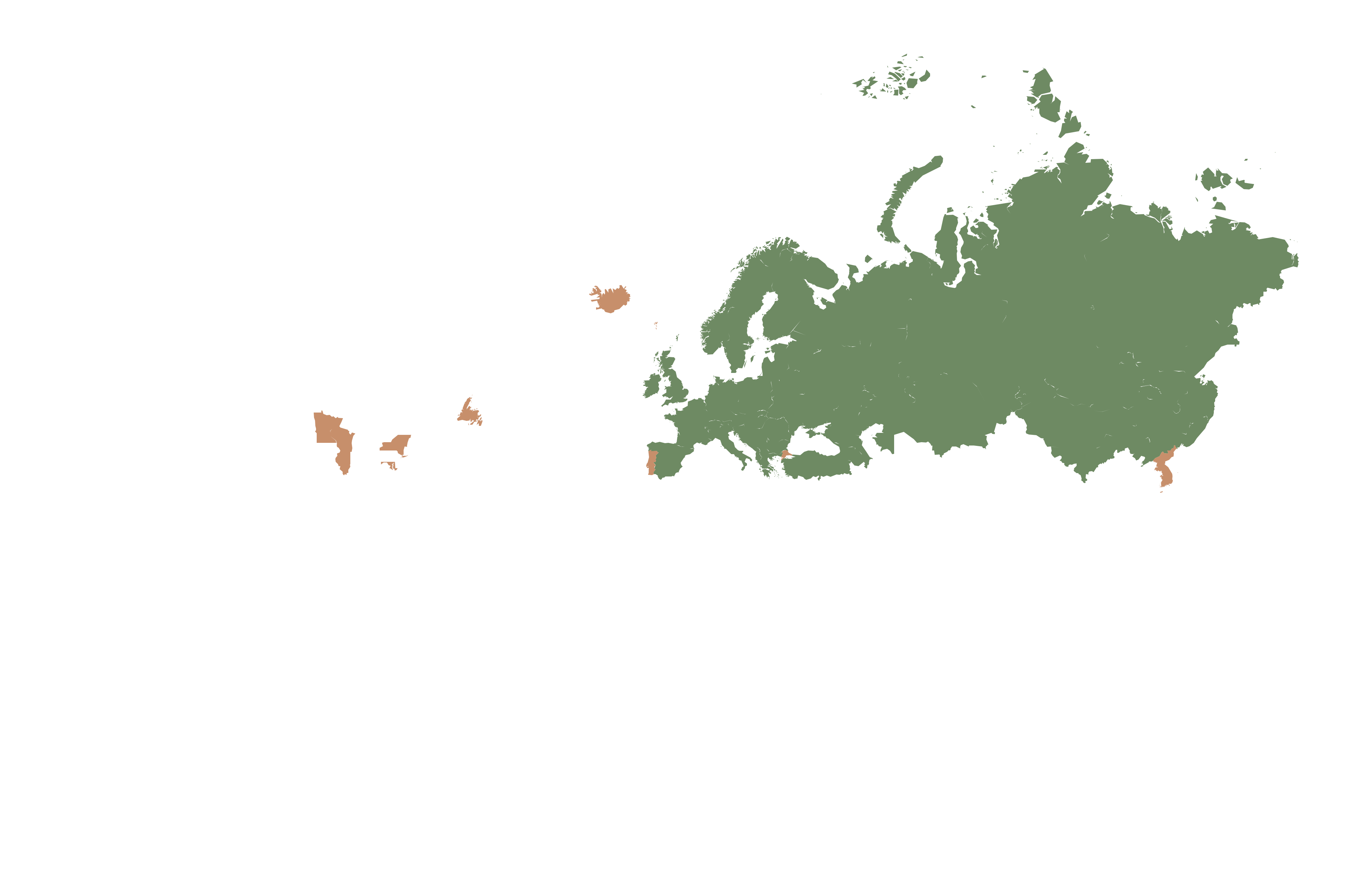
- Native
- Introduced
- East Asia
History
Pinus sylvestris is the most widely distributed pine in the world, native across Eurasia from the British Isles and Portugal east to the Sea of Okhotsk in the Russian Far East. In Scotland it is the only native pine and is the national tree. The ancient Caledonian Forest — the boreal pine woodland that covered much of the Scottish Highlands after the last Ice Age — was cleared to small fragments (now about 1% of its former extent) through a combination of medieval charcoal-making, agricultural clearance, overgrazing by sheep and deer, and iron-smelting.
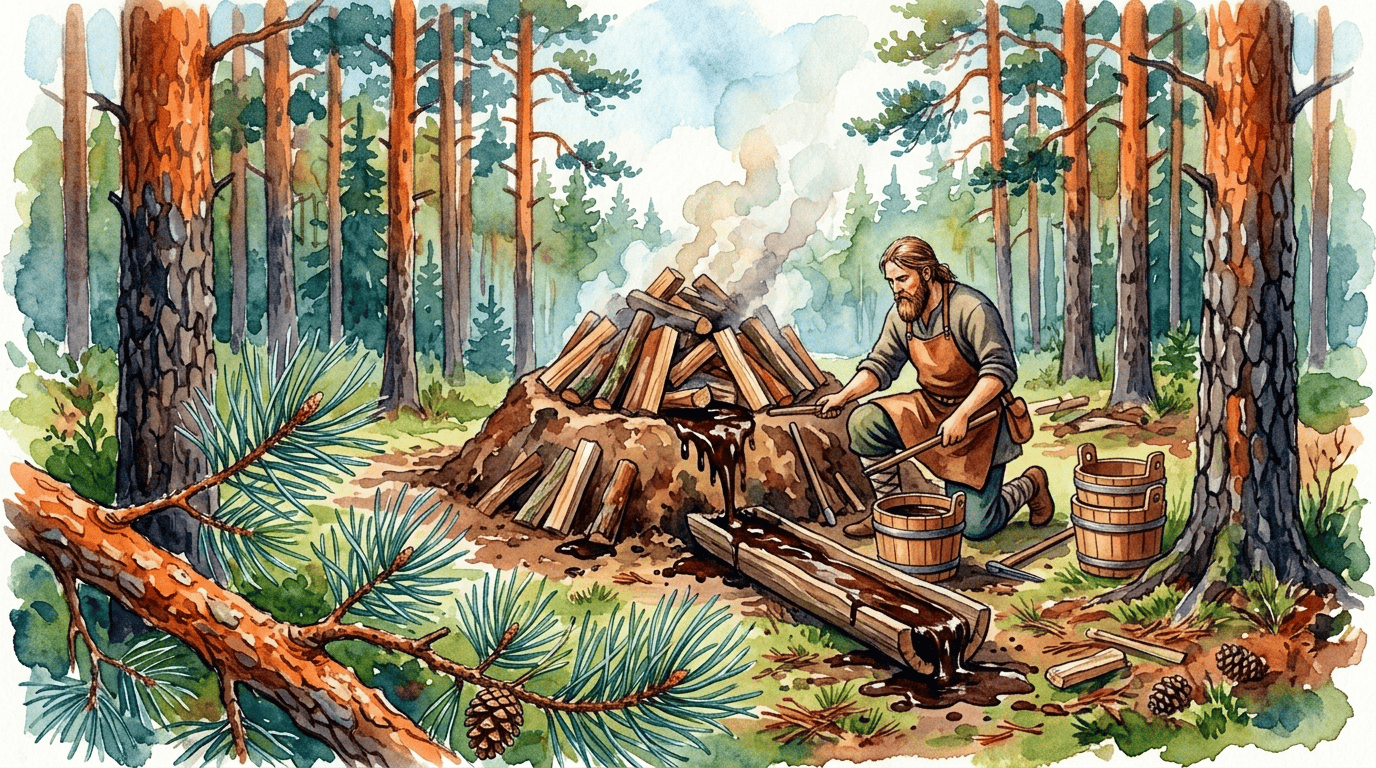
Remnants preserved at Abernethy, Glen Affric, and Rothiemurchus are protected and are the subject of major 21st-century rewilding projects such as Trees for Life. The wood is a major timber and pulpwood source across northern Europe; the sap yields pine tar, turpentine, and rosin. In Scandinavia, Scots pine sapwood has been used for tar-burning (tjärbränning) since the Viking era — Swedish pine tar waterproofed the wooden hulls of the Swedish navy and was a major export commodity.
The distinctive orange-red upper bark and blue-green twisted needles give mature specimens a highly characteristic silhouette. The tree was the backbone of the Scandinavian timber trade that built much of northern Europe's cities. In Russia, pine forests (taiga) represent the world's largest terrestrial biome, storing enormous quantities of carbon.
Symbolism & meaning
What It Symbolizes
The Scots Pine can symbolize longevity, its evergreen needles and centuries-long lifespan symbolizing enduring life across Northern Europe. Another layer is solitude, the universal image of a single windswept pine on a Highland ridge, dignified and alone. Few trees so neatly braid two registers of strength: pinus sylvestris stands both for the long continuity of forests and for the quiet nobility of standing one's ground in country that has worn away every easier neighbor.
- Longevity — Pine's evergreen nature and centuries-long lifespan symbolize enduring life
- Solitude — The lone pine on a windswept hill is a universal image of noble independence
Where the Name Comes From
Pinus is the classical Latin name for pine. Sylvestris means 'of the forest' in Latin, reflecting its woodland habitat.
Uses & Fun Facts
- Traditional Scottish Christmas tree of the Caledonian forest
- Cones and bark shelter red squirrels and crossbills
- Scots pine timber widely used in joinery and pulp
- Orange flaking upper bark adds year-round interest
Related plants
More Pinus plants
 Jack PinePinus banksiana
 Lacebark PinePinus bungeana
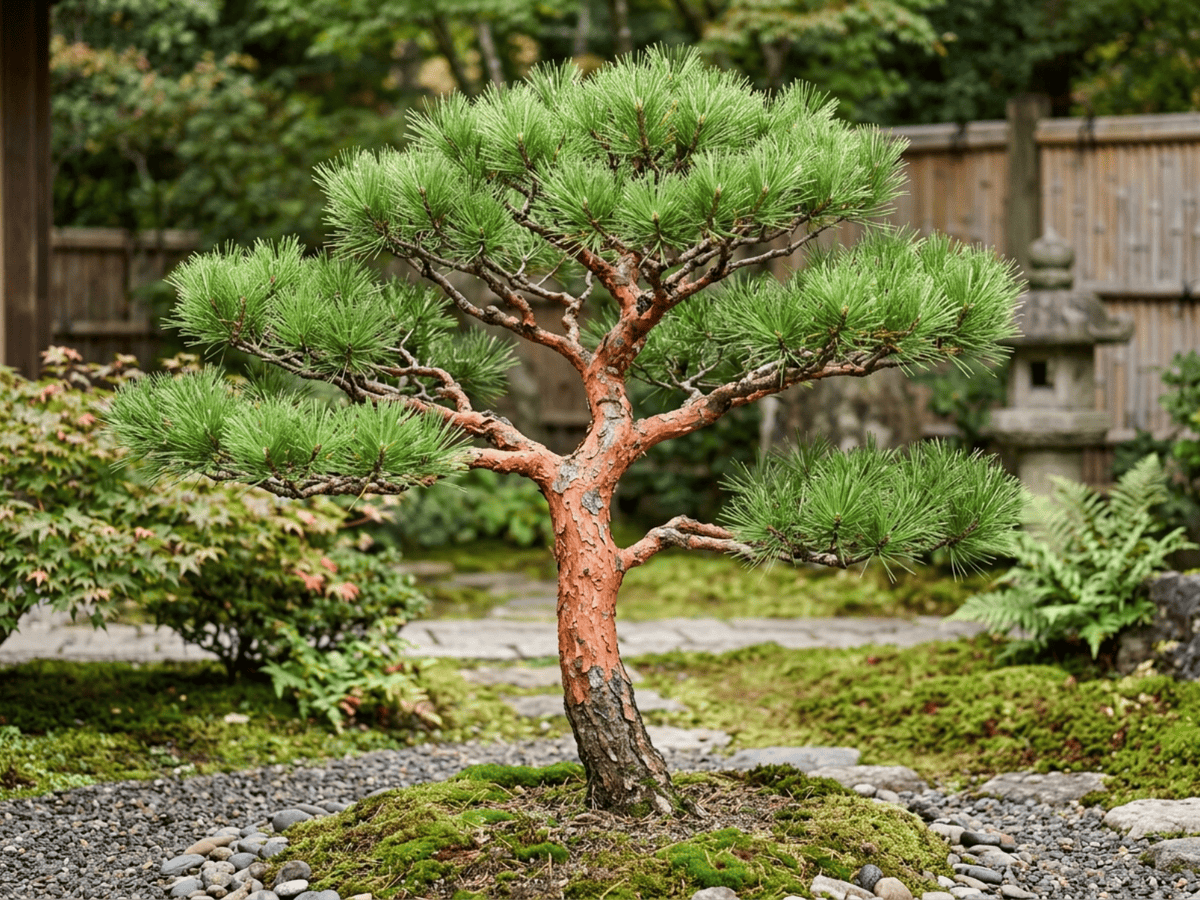 Japanese Red PinePinus densiflora
 Limber PinePinus flexilis
Plants with similar care
 Chinese AbeliaAbelia chinensis
 Fragrant AbeliaAbelia mosanensis
 Large-Flowered AbeliaAbelia uniflora
 Glossy AbeliaAbelia x grandiflora
Frequently asked questions
How often should I water Scots Pine?
In summer, water about every 5 days; in winter, about every 30 days. Adjust for heat, pot size and drainage.
How much light does Scots Pine need?
Full sun: 6+ hrs direct. Watch the leaves — scorching or stretching means the light needs adjusting.
Is Scots Pine toxic to cats or dogs?
Pets Slight (Dogs Slight · Cats Slight) Educational information, not medical or veterinary advice. If exposure is suspected, contact a doctor or veterinarian.
Is Scots Pine easy to grow?
Yes — it is considered an easy, beginner-friendly plant.
YardMate
Identify any plant in seconds
Snap a photo — YardMate names the plant, diagnoses problems, and reminds you when to water.
Download on the App Store