 YardMate


Japanese Black Pine
Pinus thunbergii
Easy · Beginner friendlyAbout Japanese Black Pine
Japanese Black Pine is a rugged coastal conifer native to Japan and coastal Korea, reaching 20-40 feet, with dark gray fissured bark and long dark green needles in bundles of two. Remarkably tolerant of salt spray, wind, and poor sandy soils, it is the iconic coastal pine of Japanese shorelines and a premier bonsai subject. Widely used in American coastal gardens and Japanese-style landscapes for its picturesque windswept forms.
- Evergreen
How to care for Japanese Black Pine
Watering
- Springevery 14 days
- Summerevery 10 days
- Fallevery 14 days
- Winterevery 30 days
Soil · Well-draining
- Top dressingPine bark mulch10%
- Main mixPotting soil + perlite 2:170%
- DrainageLECA / gravel20%
Never skip the drainage layer — standing water is the top cause of root rot.
FERTILIZER
Balanced Feed 14-14-14
An even feed covers all three needs at once, keeping leaves, roots and blooms moving together with nothing pushed out of balance.
- Nitrogen · Leaves
- Phosphorus · Roots + Blooms
- Potassium · Strength
- Springevery 60 days
At a Glance
- NativeEast Asia
- Height20–40 ft (6.1–12.2 m)
- Spread20–35 ft (6.1–10.7 m)
- Flower colorRed, Yellow
- Foliage colorDark-green, Green
- Fruit colorBrown
- SoilSandy, Well-drained
- LocationsYard
Bloom time
BLOOM CYCLE
Peak bloom
Mar–May
Yellow male cones in spring
Fragrance
MODERATE FRAGRANCE
The foliage has a strong resinous pine scent.
Toxicity
No toxicity has been reported for this plant. Still, it is wise to keep pets from chewing on any houseplant.
Educational information, not medical or veterinary advice. If exposure is suspected, contact a doctor or veterinarian.
DISTRIBUTION


- Native
- Introduced
- East Asia
History
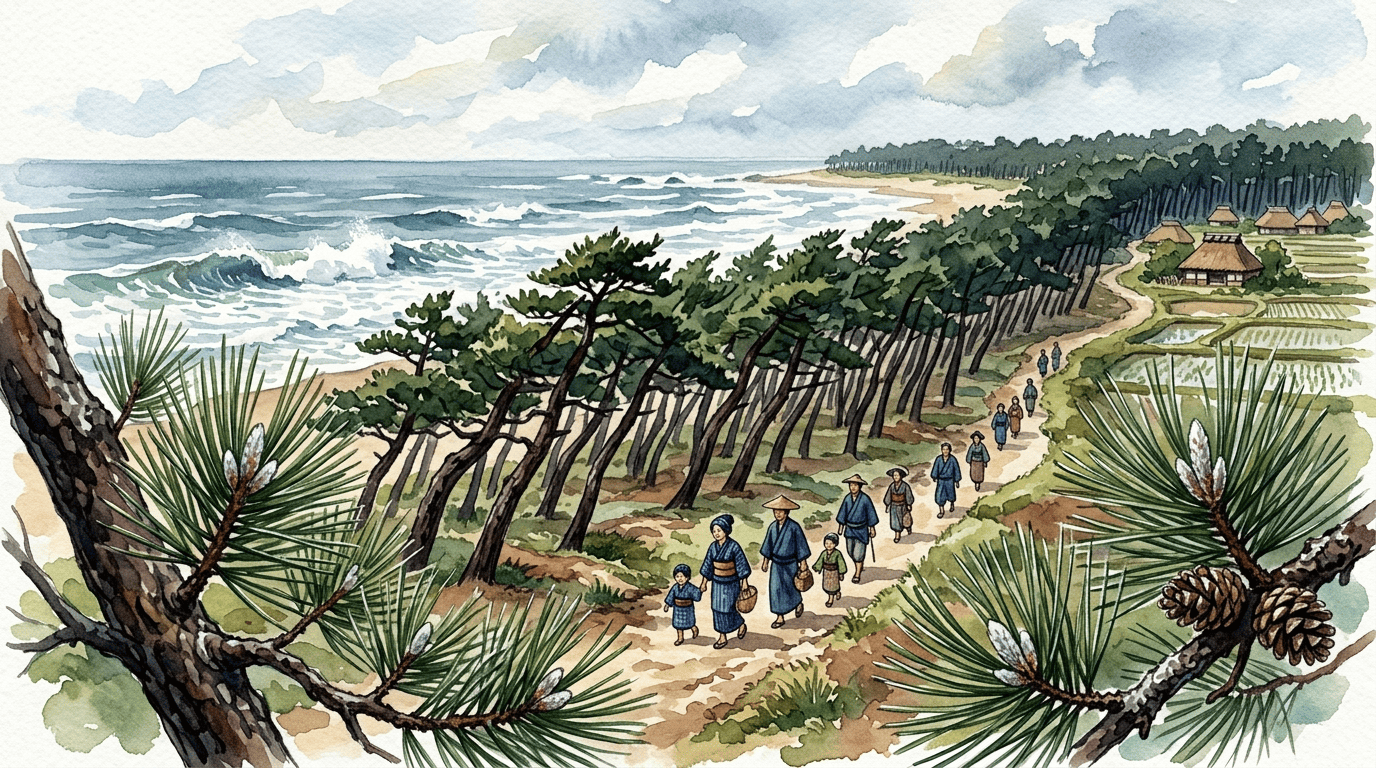
Pinus thunbergii, Japanese black pine, grows along the coasts of Japan and southern Korea, where it tolerates salt spray, sand, and harsh wind. Parlatore described it in 1868, honoring Carl Peter Thunberg. The Japanese name kuro-matsu means black pine, referring to the dark rugged bark and winter buds.
For more than 400 years it has been planted in protective belts along Japan's sandy shores to shield villages and rice paddies from wind, salt, and storms; the famous Niji no Matsubara contains an estimated million trees. In Japanese garden art it is the strong, masculine counterpart to red pine, and it remains one of the classic bonsai species because it responds to pruning, wiring, and needle work with dramatic windswept forms. Pine wilt nematode has damaged many native stands since the 1970s, adding urgency to conservation and coastal restoration work.
Symbolism & meaning
What It Symbolizes
Japanese black pine is resilience braced by salt wind — gnarled by storms, sculpted by salt spray, it grips the dunes and headlands of the Japanese coast with an almost theatrical toughness. As cultural heritage it lines temple grounds, samurai gardens, and traditional bonsai displays, the very image of patient strength. Few trees so completely define a country's idea of what an old, weathered survivor should look like.
- Resilience — withstands harshest coastal conditions
- Heritage — icon of Japanese coastal landscapes
Where the Name Comes From
The name Japanese Black Pine points to Japan. Named for Carl Peter Thunberg (1743-1828), Swedish naturalist who collected in Japan.
Uses & Fun Facts
- Picturesque dark-needled coastal pine shaped as Japanese garden focal point
- Iconic niwaki pruning subject in traditional Japanese gardens
Related plants
More Pinus plants
 Jack PinePinus banksiana
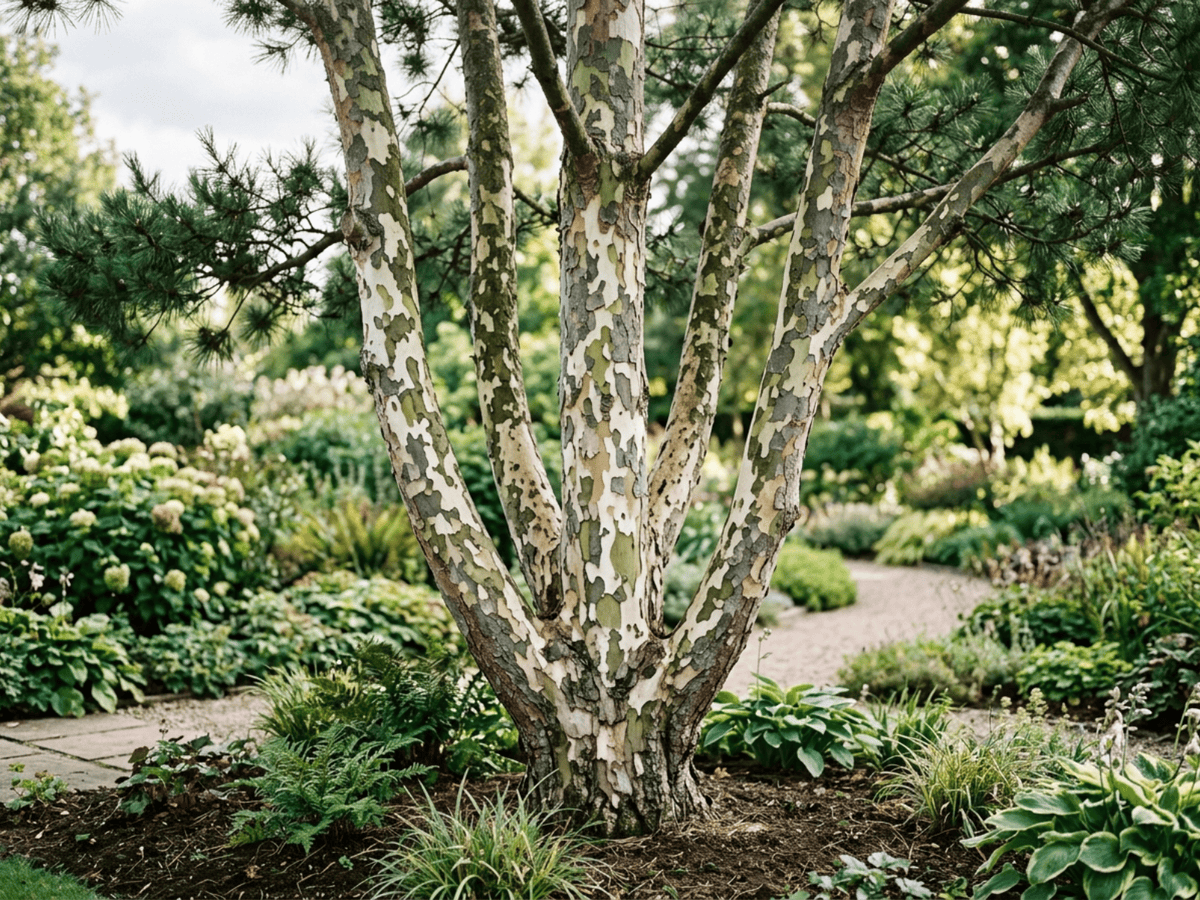 Lacebark PinePinus bungeana
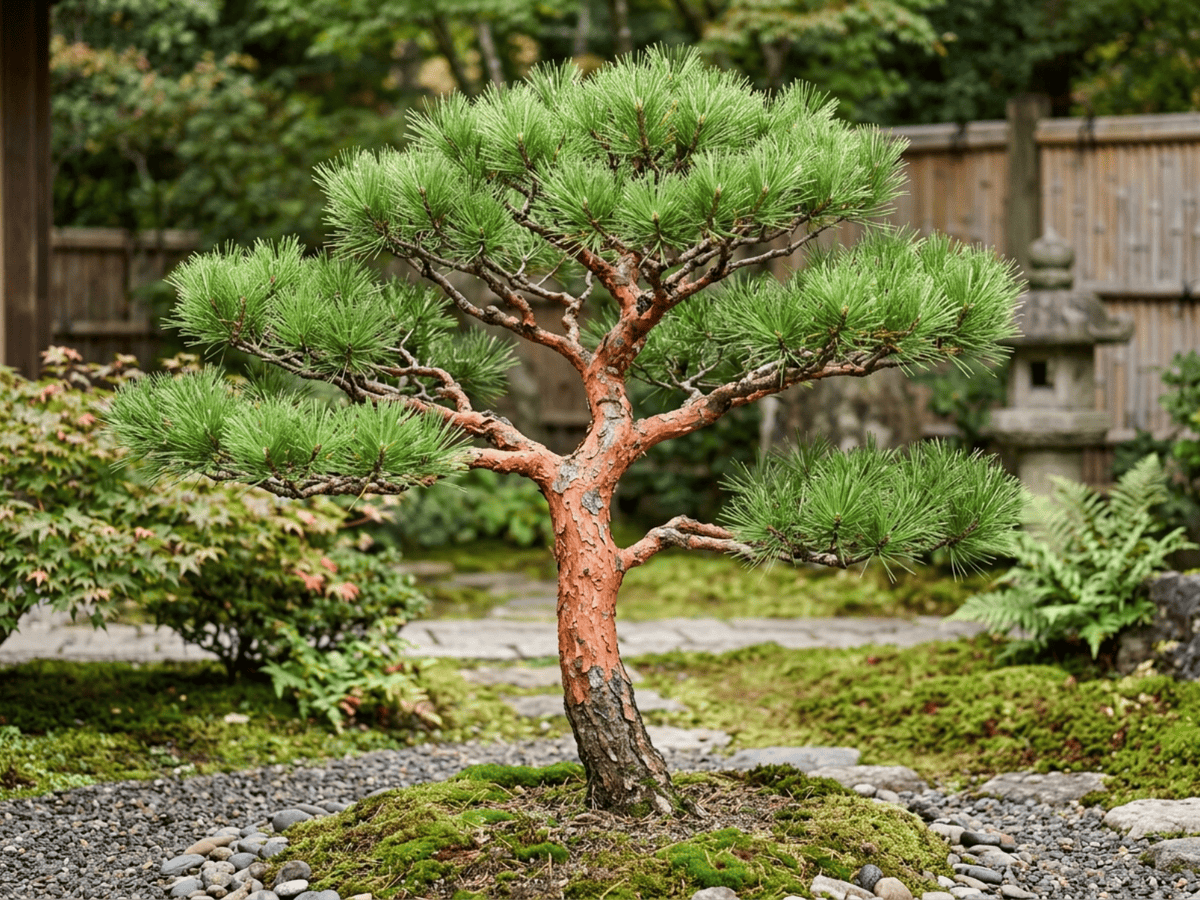 Japanese Red PinePinus densiflora
 Limber PinePinus flexilis
Plants with similar care
 Chinese AbeliaAbelia chinensis
 Fragrant AbeliaAbelia mosanensis
 Large-Flowered AbeliaAbelia uniflora
 Glossy AbeliaAbelia x grandiflora
Frequently asked questions
How often should I water Japanese Black Pine?
In summer, water about every 10 days; in winter, about every 30 days. Adjust for heat, pot size and drainage.
How much light does Japanese Black Pine need?
Full sun: 6+ hrs direct. Watch the leaves — scorching or stretching means the light needs adjusting.
Is Japanese Black Pine toxic to cats or dogs?
No toxicity has been reported for this plant. Still, it is wise to keep pets from chewing on any houseplant. Educational information, not medical or veterinary advice. If exposure is suspected, contact a doctor or veterinarian.
Is Japanese Black Pine easy to grow?
Yes — it is considered an easy, beginner-friendly plant.
When does Japanese Black Pine bloom?
It typically blooms Mar–May in the Northern Hemisphere.
YardMate
Identify any plant in seconds
Snap a photo — YardMate names the plant, diagnoses problems, and reminds you when to water.
Download on the App Store