 YardMate


Torrey Pine
Pinus torreyana
Medium · Some experienceAbout Torrey Pine
Torrey Pine is the rarest pine species in the United States and one of the rarest conifers in the world, native only to a narrow coastal strip near La Jolla in San Diego County and to Santa Rosa Island. Growing 20-60 feet with an open, wind-sculpted crown and long gray-green needles in bundles of five, it produces large, heavy cones containing edible seeds. It is adapted to maritime fog and clay soils and is irreplaceable as a symbol of California's endemic biodiversity.
- Drought-tolerant
- Evergreen
- Native
How to care for Torrey Pine
Watering
- Springevery 14 days
- Summerevery 21 days
- Fallevery 30 days
- Winterevery 30 days
Soil · Well-draining
- Top dressingPine bark mulch10%
- Main mixPotting soil + perlite 2:170%
- DrainageLECA / gravel20%
Never skip the drainage layer — standing water is the top cause of root rot.
FERTILIZER
This plant needs little to no feeding.
At a Glance
- NativeNorth America
- Height40–60 ft (12.2–18.3 m)
- Spread20–40 ft (6.1–12.2 m)
- Flower colorYellow
- Foliage colorGreen, Blue-green
- Fruit colorBrown
- SoilSandy, Well-drained
- LocationsYard
Bloom time
BLOOM CYCLE
Yellow pollen cones February to March
Fragrance
LIGHT FRAGRANCE
The foliage has a mild pine resinous scent.
Toxicity
No toxicity has been reported for this plant. Still, it is wise to keep pets from chewing on any houseplant.
Educational information, not medical or veterinary advice. If exposure is suspected, contact a doctor or veterinarian.
DISTRIBUTION


- Native
- North America
History
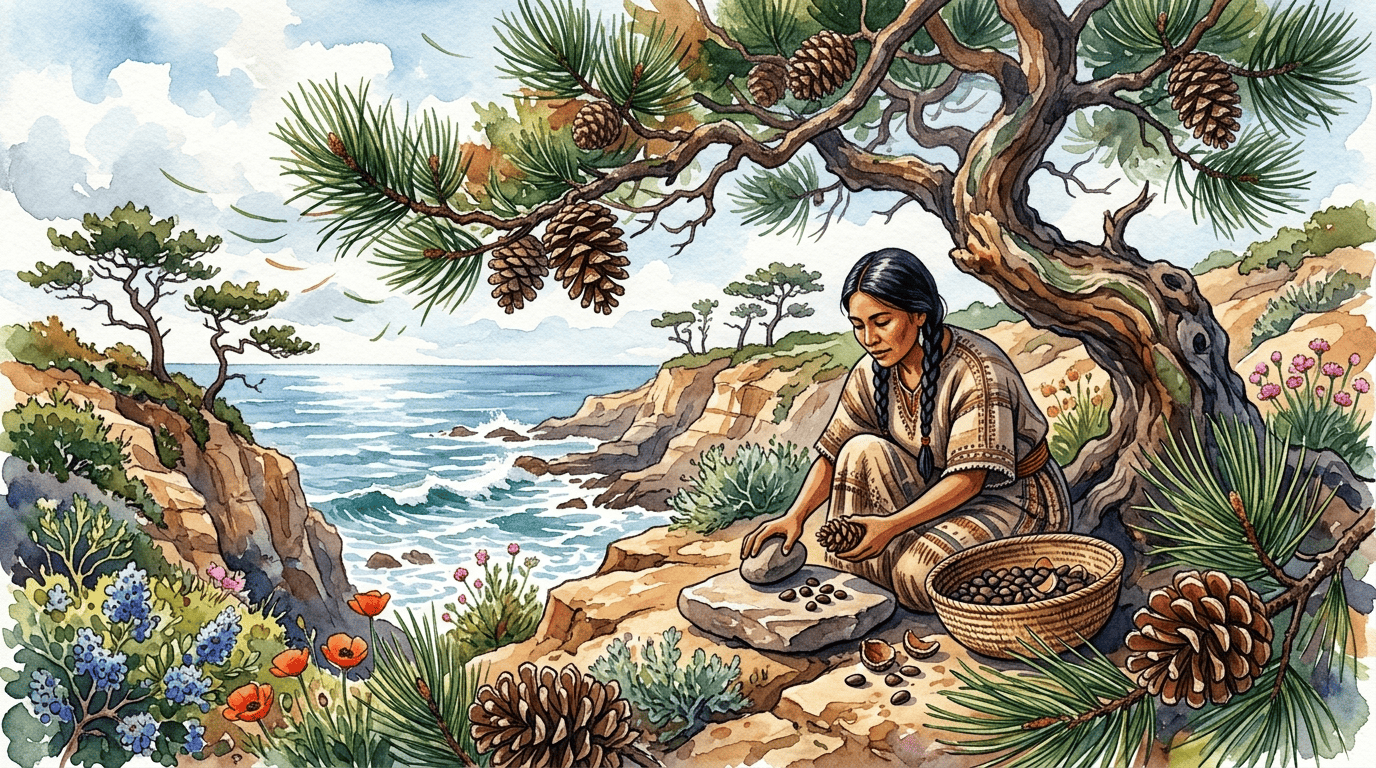
Pinus torreyana is the rarest pine species in North America, native to only two tiny relict populations: the Torrey Pines State Natural Reserve area on the San Diego County coast (including Torrey Pines State Reserve and the adjacent La Jolla/Del Mar area) containing approximately 9,000 wild trees, and a second relict population of approximately 2,000 trees on Santa Rosa Island in the California Channel Islands. These two populations are taxonomically treated as two subspecies — P. torreyana ssp. torreyana (mainland) and ssp. insularis (Santa Rosa) — that have been genetically isolated for tens of thousands of years since Ice Age sea-level rise separated the Channel Islands from the mainland. Total wild population is approximately 11,000 trees, making the species one of the rarest pines in the world, and conservation status is ranked G1 (critically imperiled) by NatureServe. The species produces distinctive long dark-green needles in bundles of five, and very large heavy cones 10-15 cm long with large edible pine nuts that were an important seasonal food of the Kumeyaay people of the San Diego coast.
The species was named for American botanist John Torrey (1796-1873), a foundational figure in 19th-century American botany and mentor to Asa Gray. The Torrey Pines State Reserve is one of the most visited natural areas in San Diego County. In cultivation outside its tiny native range the species grows well in Mediterranean-climate coastal California, and is planted as an unusual specimen tree; the famous "Torrey Pines" golf course in La Jolla is named for the native stands around it.
Genetic studies show the two populations have been isolated for at least 2 million years. Climate change, disease, and sea-level rise threaten the already critically small population.
Symbolism & meaning
What It Symbolizes
The Torrey Pine embodies rarity, holding the title of America's rarest pine and existing wild in only two small populations. It also carries solitude, clinging to windswept coastal bluffs above the Pacific in isolated, windsculpted stands. To plant this pine is to participate in conservation itself — keeping faith with a species that survives at the very edge of disappearance, a living treasure of the southern California coast.
- Rarity — America's rarest pine, a conservation treasure
- Solitude — isolated populations on windswept coastal bluffs
Where the Name Comes From
Named in honor of John Torrey (1796–1873), America's foremost 19th-century botanist and professor at Columbia University.
Related plants
More Pinus plants
 Jack PinePinus banksiana
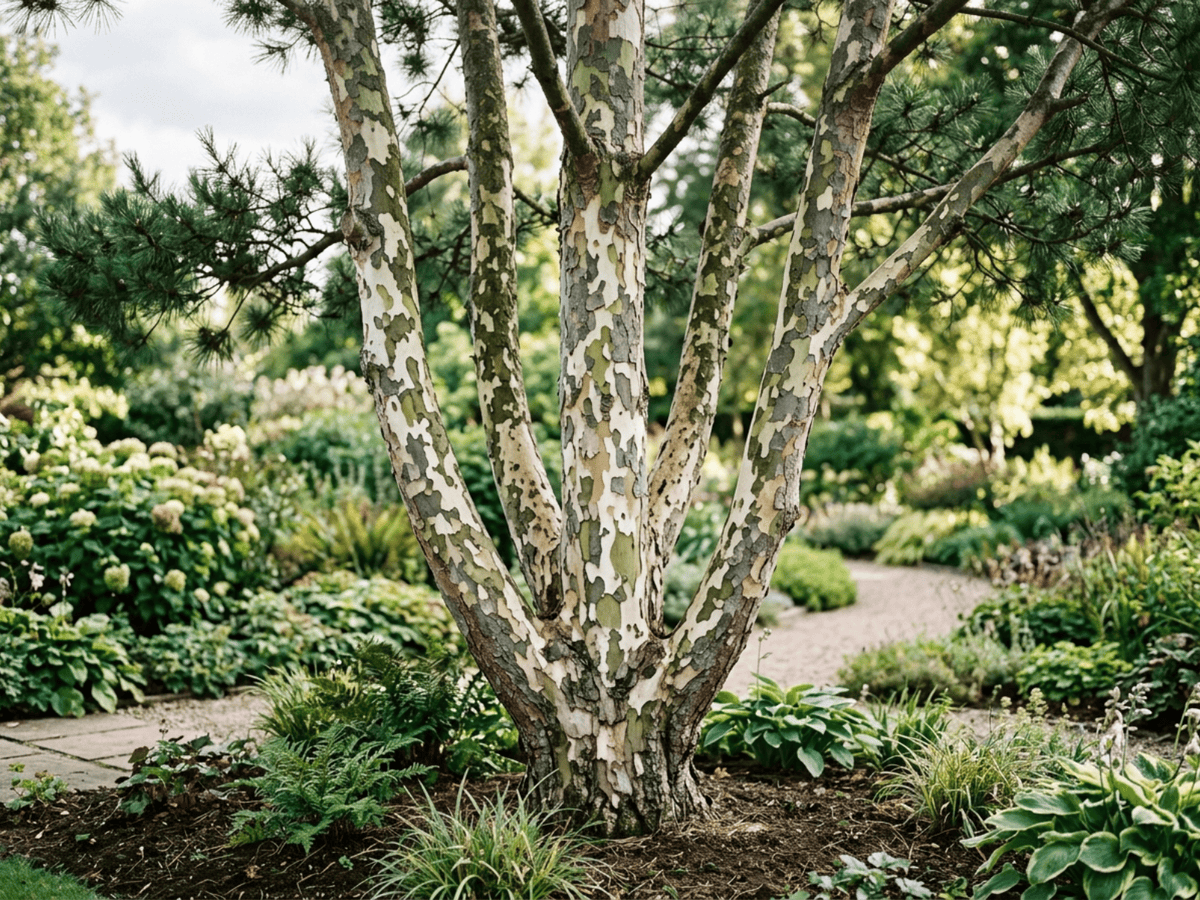 Lacebark PinePinus bungeana
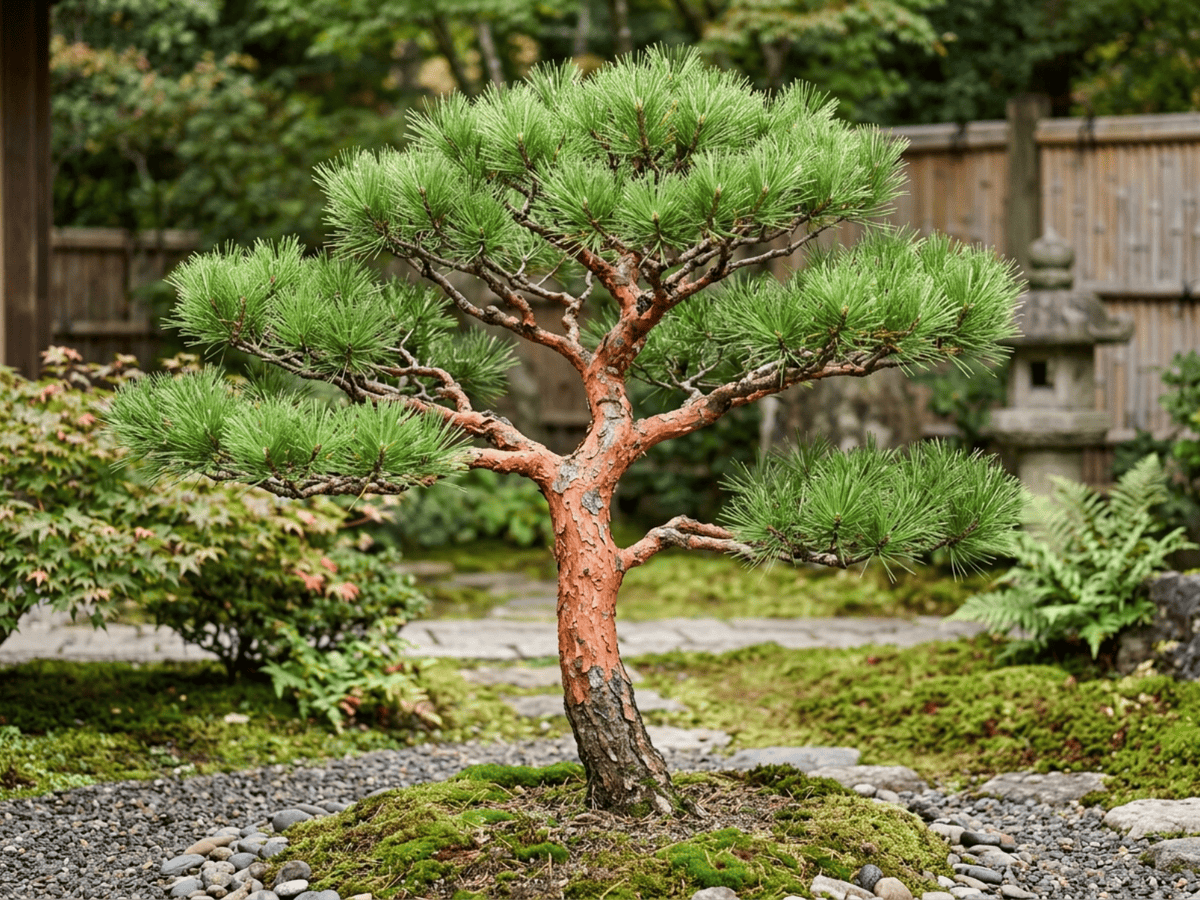 Japanese Red PinePinus densiflora
 Limber PinePinus flexilis
Plants with similar care
 Mexican AbeliaAbelia floribunda
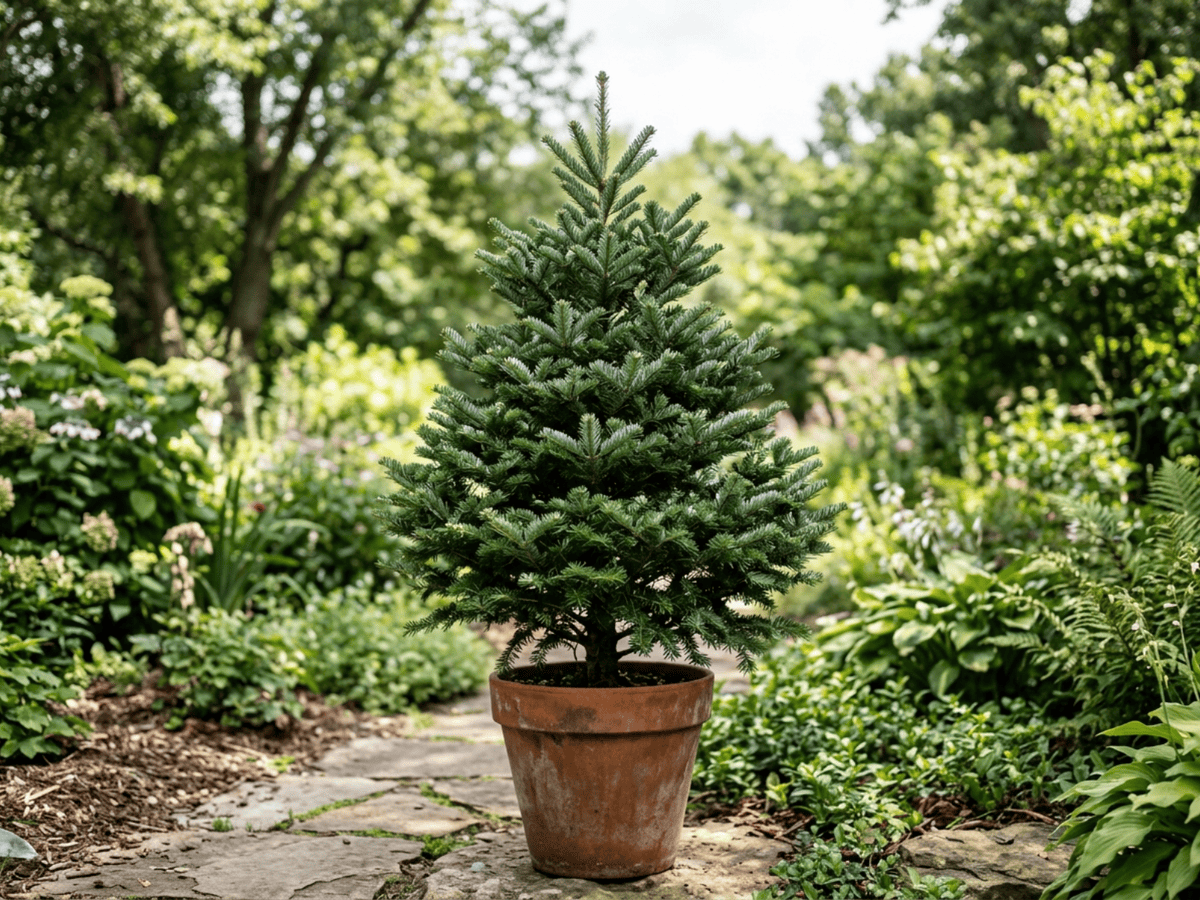 Fraser FirAbies fraseri
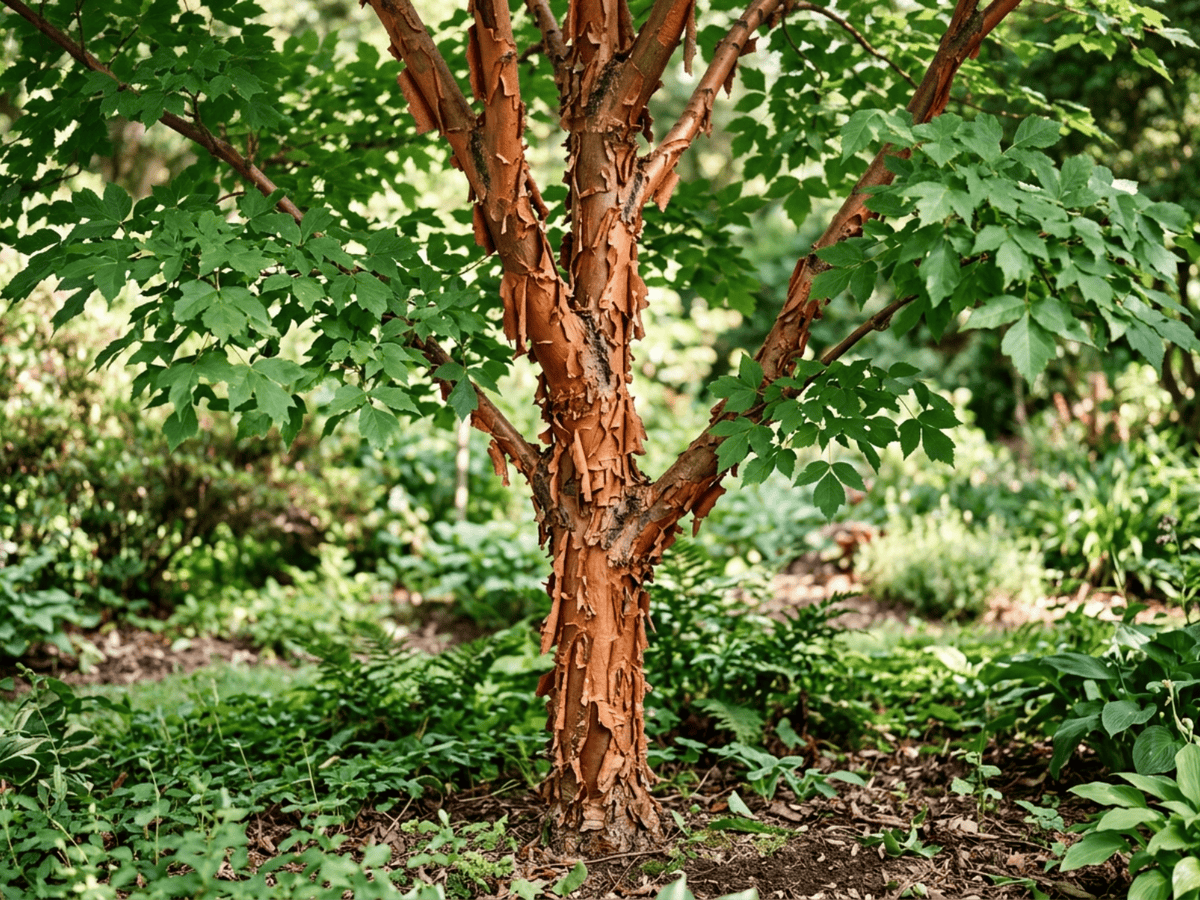 Paperbark MapleAcer griseum
 Sugar MapleAcer saccharum
Frequently asked questions
How often should I water Torrey Pine?
In summer, water about every 21 days; in winter, about every 30 days. Adjust for heat, pot size and drainage.
How much light does Torrey Pine need?
Full sun: 6+ hrs direct. Watch the leaves — scorching or stretching means the light needs adjusting.
Is Torrey Pine toxic to cats or dogs?
No toxicity has been reported for this plant. Still, it is wise to keep pets from chewing on any houseplant. Educational information, not medical or veterinary advice. If exposure is suspected, contact a doctor or veterinarian.
Is Torrey Pine easy to grow?
It is moderately demanding: a good choice once you have a little experience.
YardMate
Identify any plant in seconds
Snap a photo — YardMate names the plant, diagnoses problems, and reminds you when to water.
Download on the App Store