 YardMate


Flowering Almond
Prunus glandulosa
Easy · Beginner friendlyAbout Flowering Almond
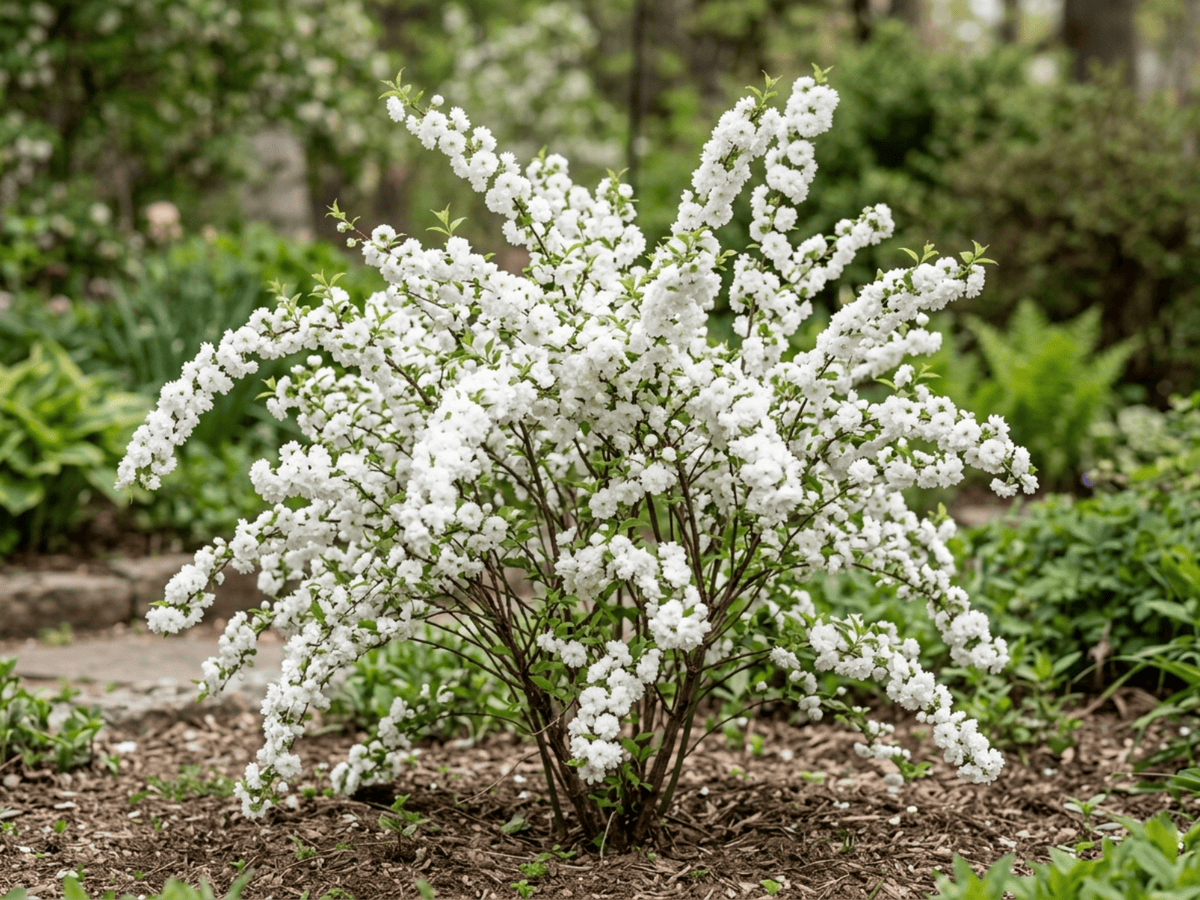
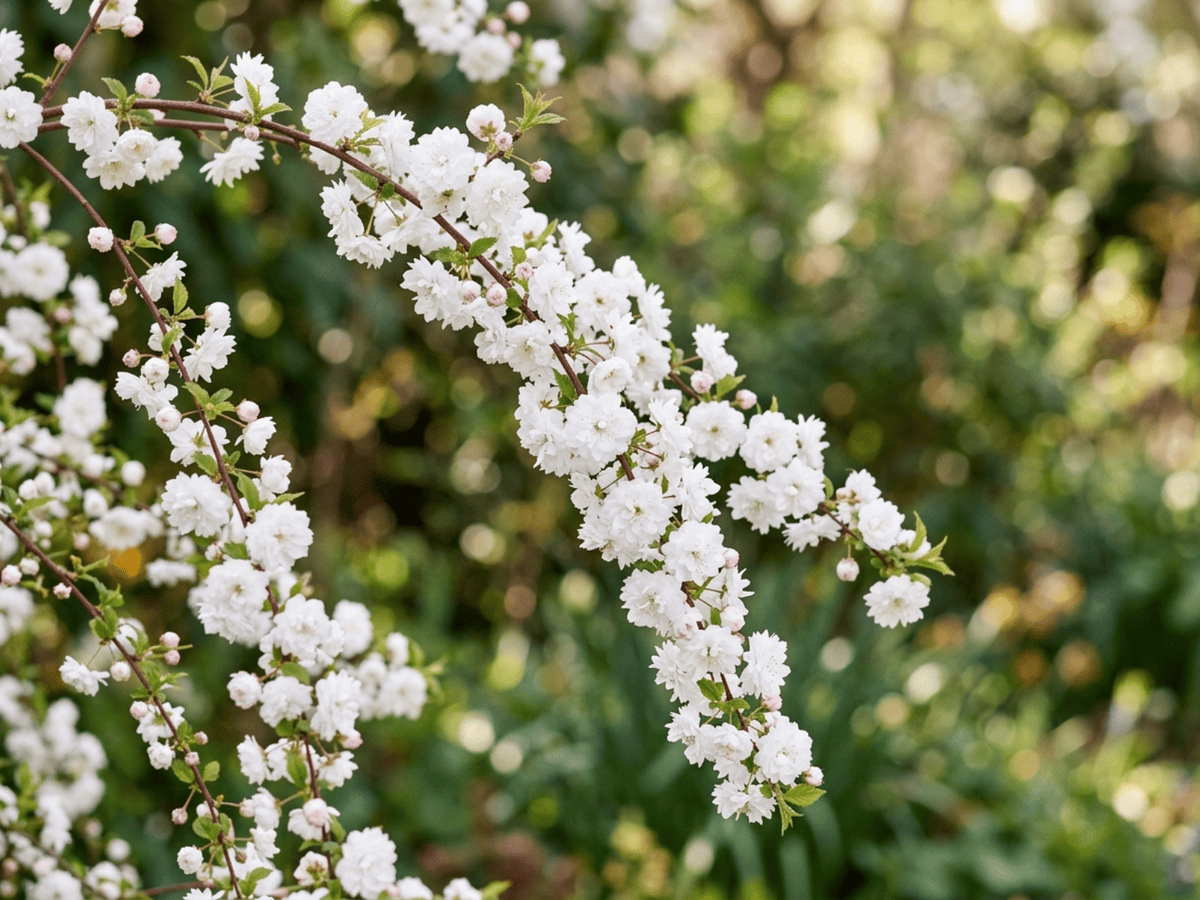
Dwarf Flowering Almond is a small deciduous shrub from China and Japan growing just 3-5 feet tall and wide, smothered in showy double pink or white flowers along the slender stems in mid-spring. A classic component of heirloom American cottage gardens and foundation plantings, it bridges the bloom gap between daffodils and tulips. Hardy in USDA zones 4-8 and suitable for the front of mixed borders.
- Cold-hardy
- Compact
How to care for Flowering Almond
Watering
- Springevery 7 days
- Summerevery 5 days
- Fallevery 10 days
- Winterpause watering
Soil · Well-draining
- Top dressingPine bark mulch10%
- Main mixPotting soil + perlite 2:170%
- DrainageLECA / gravel20%
Never skip the drainage layer — standing water is the top cause of root rot.
FERTILIZER
Balanced Feed 14-14-14
An even feed covers all three needs at once, keeping leaves, roots and blooms moving together with nothing pushed out of balance.
- Nitrogen · Leaves
- Phosphorus · Roots + Blooms
- Potassium · Strength
- Springevery 60 days
- Summerevery 60 days
At a Glance
- NativeEast Asia
- Height3–5 ft (0.9–1.5 m)
- Spread3–5 ft (0.9–1.5 m)
- Flower colorPink, White
- Foliage colorGreen, Yellow
- Fruit colorRed
- SoilLoamy, Well-drained
- LocationsYard
Bloom time
BLOOM CYCLE
Peak bloom
Apr–May
Double pink or white flowers April to May
Fragrance
LIGHT FRAGRANCE
The flowers have a mild almond scent.
Toxicity
Humans Moderate · Pets Moderate
amygdalin and cyanogenic glycosides
Moderate
- Seed
- Leaf
- Ingestion
EXPOSURE Eating seeds and leaves.
EFFECT Cyanide poisoning if seeds eaten.
NOTE Documented concern for humans: Cyanide poisoning if seeds eaten.
Moderate
- Seed
- Leaf
- Ingestion
EXPOSURE Eating seeds and leaves.
EFFECT Cyanide poisoning.
NOTE ASPCA lists all Prunus as toxic to pets.
Moderate
- Seed
- Leaf
- Ingestion
EXPOSURE Eating seeds and leaves.
EFFECT Cyanide poisoning.
NOTE ASPCA lists all Prunus as toxic to pets.
Educational information, not medical or veterinary advice. If exposure is suspected, contact a doctor or veterinarian.
DISTRIBUTION


- Native
- Introduced
- East Asia
History
Prunus glandulosa is native to China and Japan. Swedish botanist Carl Peter Thunberg formally described it in 1784 from Japanese material. Unlike its relative P. triloba, this species is truly dwarf—reaching only 3-5 feet tall with slender upright stems arising from the base.
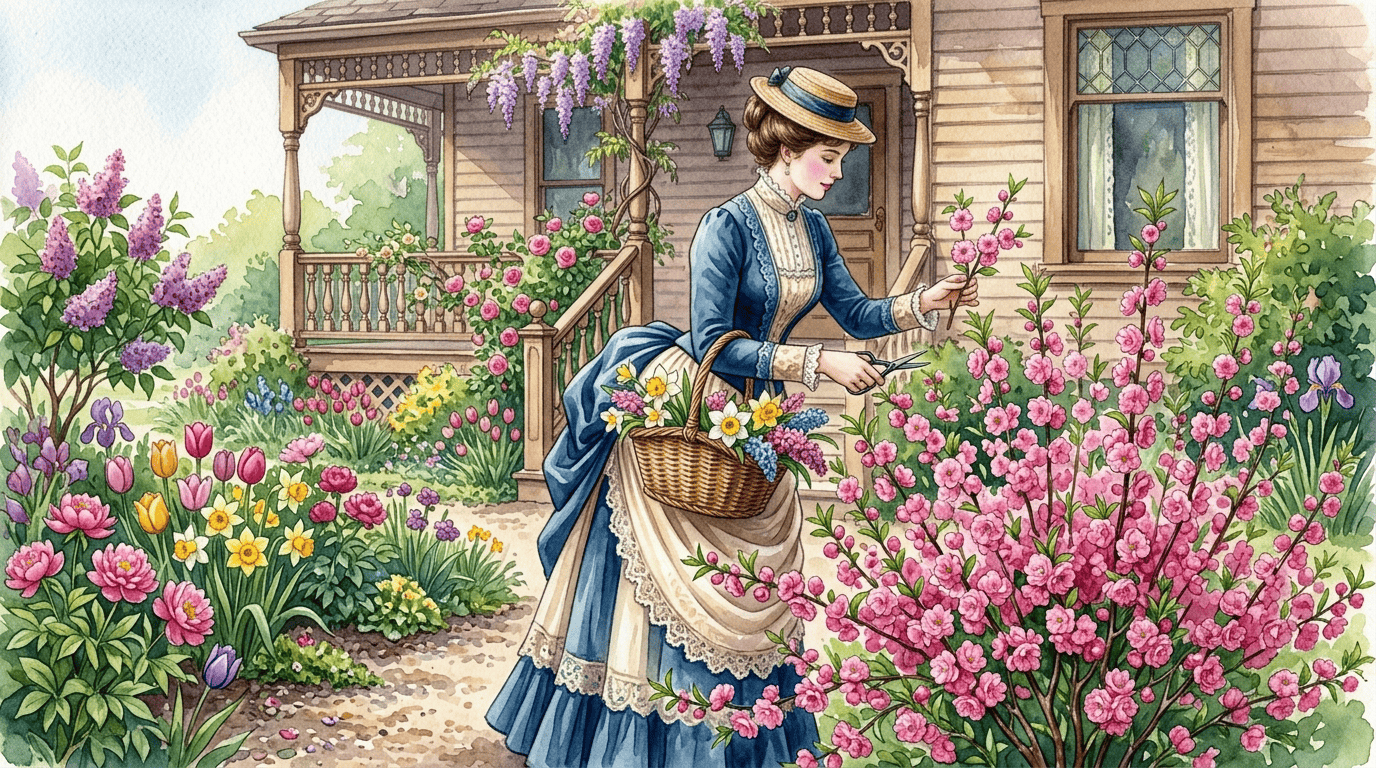
The common name dwarf flowering almond reflects its almond-like foliage and small scale. The double-flowered cultivars 'Alba Plena' (white) and 'Rosea Plena' or 'Sinensis' (pink) became especially prized during the Victorian era and were planted in thousands of American gardens from the late 19th through mid-20th century. Single-flowered forms exist but are rarely grown.
The plant is extremely cold hardy (zone 4) and tolerates alkaline soils, which contributed to widespread use in midwestern and prairie gardens. Branches force well indoors for winter flower arrangements. Long cultivated in Chinese and Japanese gardens. Introduced to Europe in 1683 and to America soon after. A hallmark of Victorian-era foundation plantings.
Symbolism & meaning
What It Symbolizes
The flowering almond is fidelity in shrub form — a reliable annual bloomer whose fully double pink rosettes have welcomed spring in cottage gardens for generations. As heritage it travels by offshoot, passed along by cuttings between neighbors, mothers, and daughters, often outlasting the people who planted it. Few small shrubs are so completely woven into the genealogy of dooryard gardens.
- Fidelity — reliable annual bloomer
- Heritage — passed along through generations
Where the Name Comes From
'Glandulosa' refers to small glands on the leaf petioles.
Uses & Fun Facts
- Wands of double pink blooms bridge daffodil and tulip seasons
- Flowering branches forced indoors for early spring arrangements
Related plants
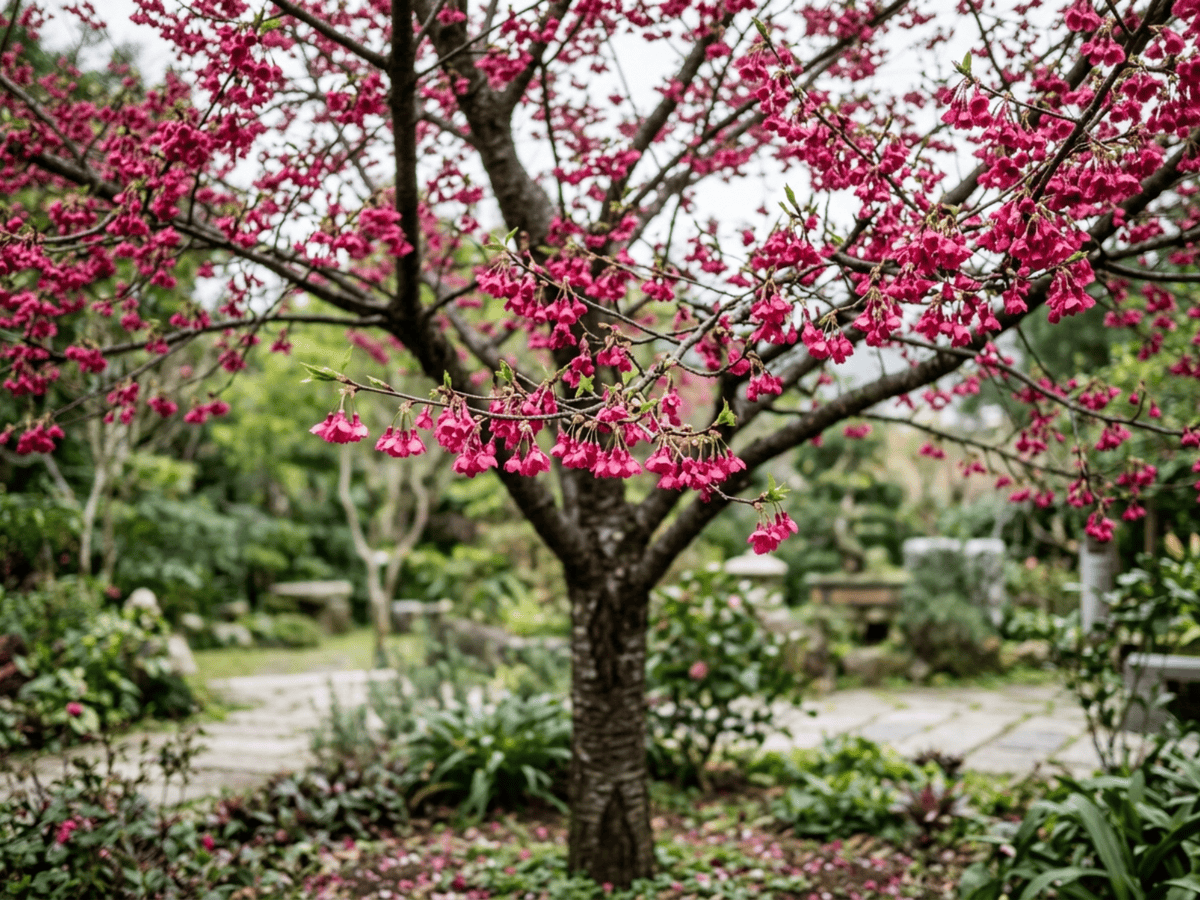
More Prunus plants



Plants with similar care
 Chinese AbeliaAbelia chinensis
 Fragrant AbeliaAbelia mosanensis
 Large-Flowered AbeliaAbelia uniflora
 Glossy AbeliaAbelia x grandiflora
Frequently asked questions
How often should I water Flowering Almond?
Water about every 7 days during the growing season, and always let excess water drain away.
How much light does Flowering Almond need?
Full sun: 6+ hrs direct. Watch the leaves — scorching or stretching means the light needs adjusting.
Is Flowering Almond toxic to cats or dogs?
Pets Moderate (Dogs Moderate · Cats Moderate) Educational information, not medical or veterinary advice. If exposure is suspected, contact a doctor or veterinarian.
Is Flowering Almond easy to grow?
Yes — it is considered an easy, beginner-friendly plant.
When does Flowering Almond bloom?
It typically blooms Apr–May in the Northern Hemisphere.
YardMate
Identify any plant in seconds
Snap a photo — YardMate names the plant, diagnoses problems, and reminds you when to water.
Download on the App Store