 YardMate


Wild Cherry
Prunus avium
Hard · Experienced growersAbout Wild Cherry
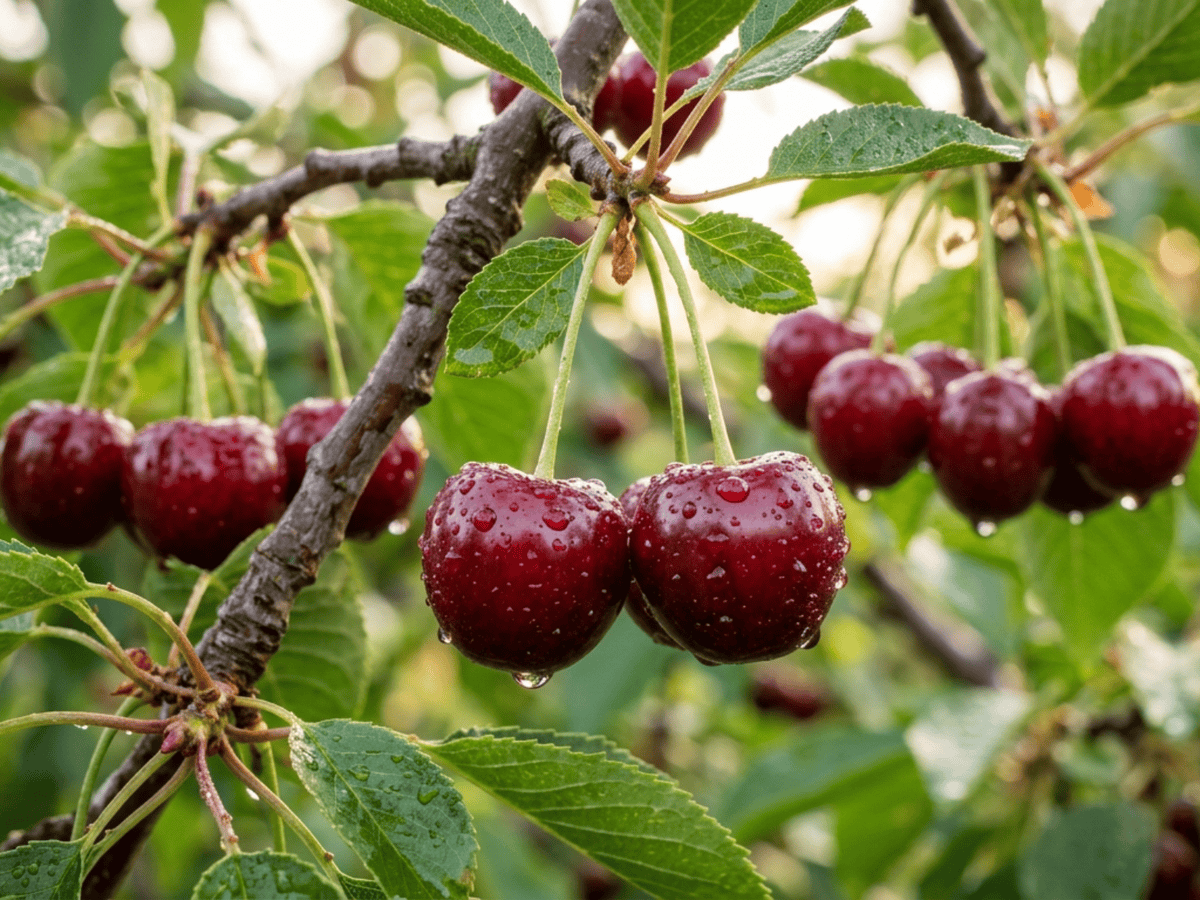
Prunus avium, the sweet cherry, is a deciduous tree in the Rosaceae family native to Europe and western Asia. Wild trees can reach 25 m, but cultivated trees on dwarfing rootstock grow 3–6 m. The tree produces showy clusters of white blossoms in spring before the leaves emerge, followed by sweet, fleshy stone fruit ranging from deep red-black (Bing) to golden-yellow with a red blush (Rainier).
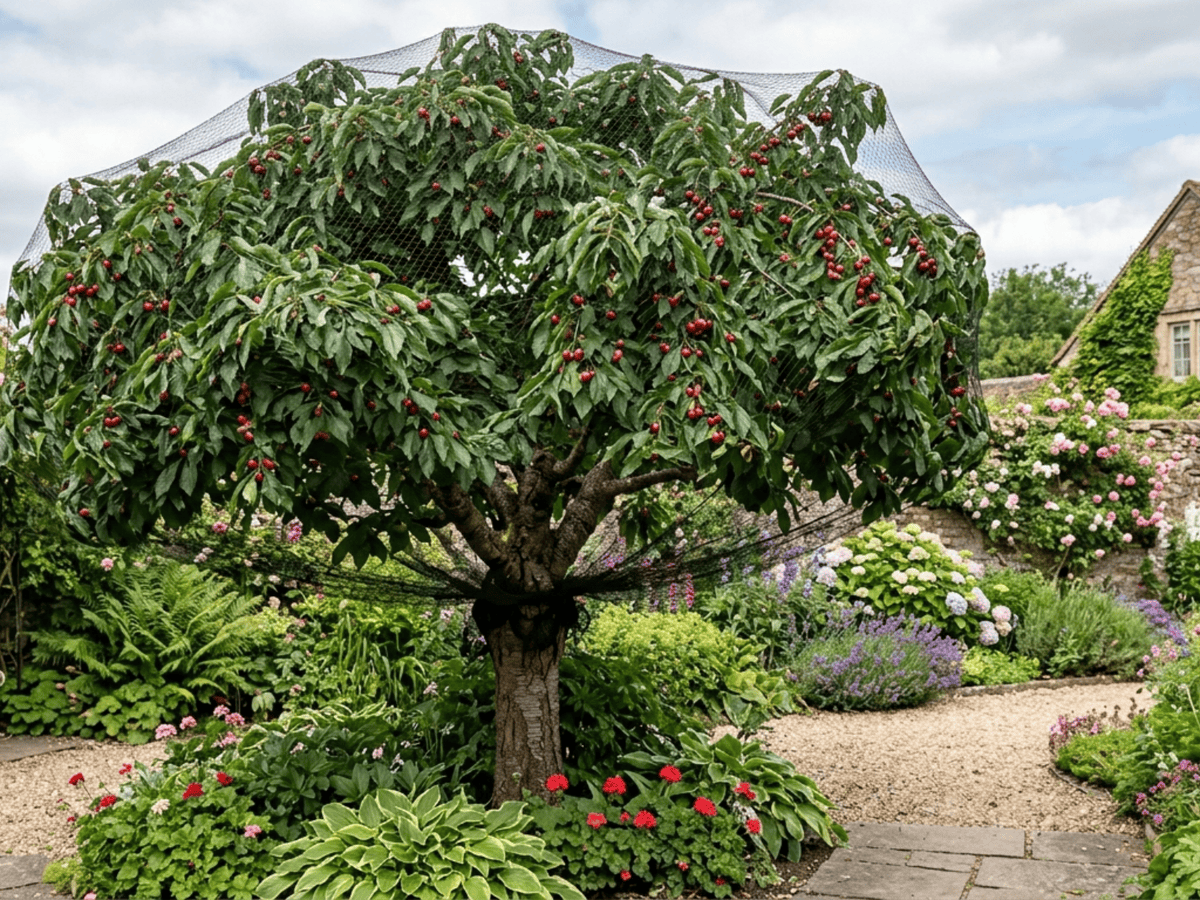
Sweet cherries thrive in USDA zones 5–7, requiring 700–1200 chill hours, well-drained soil, and full sun. Late spring frosts are the greatest threat—blooming trees can lose an entire crop in one cold night. Most traditional varieties require cross-pollination, but self-fertile types like 'Stella' and 'Lapins' have simplified home growing. Birds are the other major challenge—netting is essential.
Sweet cherries are one of the most eagerly anticipated seasonal fruits. Their brief harvest window (2–4 weeks in early summer) makes them feel precious and celebratory. The fruit is rich in anthocyanins and melatonin—studies suggest tart cherry consumption may improve sleep quality. Japanese cherry blossom viewing (hanami) celebrates the related ornamental species, but P. avium also puts on a magnificent spring flower show. Cherry wood is prized in fine furniture-making.
- Edible
- Cold-hardy
How to care for Wild Cherry
Watering
- Springevery 5 days
- Summerevery 4 days
- Fallevery 7 days
- Winterevery 14 days
Soil · Well-draining
- Top dressingPine bark mulch10%
- Main mixPotting soil + perlite 2:170%
- DrainageLECA / gravel20%
Never skip the drainage layer — standing water is the top cause of root rot.
FERTILIZER
Balanced Feed 14-14-14
An even feed covers all three needs at once, keeping leaves, roots and blooms moving together with nothing pushed out of balance.
- Nitrogen · Leaves
- Phosphorus · Roots + Blooms
- Potassium · Strength
- Springevery 30 days
- Summerevery 30 days
- Fallevery 45 days
At a Glance
- NativeEurope, Western Asia, Africa
- Height40–60 ft (12.2–18.3 m)
- Spread25–40 ft (7.6–12.2 m)
- Flower colorWhite, Pink
- Foliage colorGreen
- Fruit colorRed
- SoilLoamy, Well-drained
- LocationsYard
Bloom time
BLOOM CYCLE
Peak bloom
Mar–May
Spectacular white blossoms in spring; protect from late frost. Self-fertile varieties simplify home growing.
Fragrance
MODERATE FRAGRANCE
The flowers have a sweet spring blossom scent.
Toxicity
Humans Slight · Pets Moderate
amygdalin
Slight
- Seed
- Leaf
- Stem
- Ingestion
EXPOSURE Eating seeds, leaves, and stems.
EFFECT Cyanogenic glycosides in seeds and foliage and flesh safe.
NOTE Documented concern for humans: Cyanogenic glycosides in seeds and foliage and flesh safe.
Moderate
- Seed
- Leaf
- Stem
- Ingestion
EXPOSURE Eating seeds, leaves, and stems.
EFFECT Cyanogenic toxicity and pit intestinal obstruction.
NOTE ASPCA lists Prunus as toxic to pets.
Moderate
- Seed
- Leaf
- Stem
- Ingestion
EXPOSURE Eating seeds, leaves, and stems.
EFFECT Cyanogenic toxicity.
NOTE ASPCA lists Prunus as toxic to pets.
Educational information, not medical or veterinary advice. If exposure is suspected, contact a doctor or veterinarian.
DISTRIBUTION


- Native
- Introduced
- Europe
- Western Asia
- Africa
History

Prunus avium is native to Europe, western Asia, and North Africa. Wild cherries have been collected for millennia; archaeological evidence at sites from Switzerland to the Black Sea shows consumption stretching to prehistoric times. Formal cultivation is traditionally credited to the Roman general and gourmet Lucius Licinius Lucullus, who reportedly brought cultivated cherries to Rome around 74 BCE from Cerasus (now Giresun, Turkey) after his victory in the Third Mithridatic War.
The Roman author Pliny the Elder records this introduction; whether Lucullus truly introduced cultivated cherry to Europe or merely a superior cultivar is debated. The scientific name "cerasus" (the genus Cerasus, older name for sweet cherry) and the common names "cherry" in English, "cereza" in Spanish, and "cerise" in French all derive from Cerasus, the Turkish town. Roman legions spread cherries across Europe, reaching Britain by 1st-2nd century CE.
Japan's cultural devotion to ornamental flowering cherries (Prunus serrulata and related species) represents a distinct horticultural tradition. Washington State is the largest US sweet cherry producer; Turkey and the US lead global production. Henry VIII tasted cherries in Flanders and ordered orchards planted in Kent, launching the English cherry industry. George Washington's cherry tree story (likely apocryphal) is American folklore.
Symbolism & meaning
What It Symbolizes
Wild Cherry is fleeting beauty — those few ravishing days of white blossom each spring, gone in a long shower at the first windy afternoon, the very image of how quickly the precious passes. Then comes celebration: the eagerly awaited cherry season, a brief and joyful festival of fruit in midsummer kitchens. It is the tree that frames an entire year around two short, glorious occasions.
- Fleeting beauty — Cherry blossoms' brief, glorious display symbolizes the transience and preciousness of life
- Celebration — The short, eagerly awaited cherry season feels festive and celebratory
Where the Name Comes From
Prunus from Latin for plum; 'avium' means 'of the birds,' because birds are the primary dispersers (and competitors for) the fruit.
Uses & Fun Facts
- Sweet red fruit eaten fresh, baked into pies, distilled into kirsch
- Reddish cherry timber prized for fine furniture and cabinetry
- Showy white spring blossom precedes summer fruit
Related plants
More Prunus plants
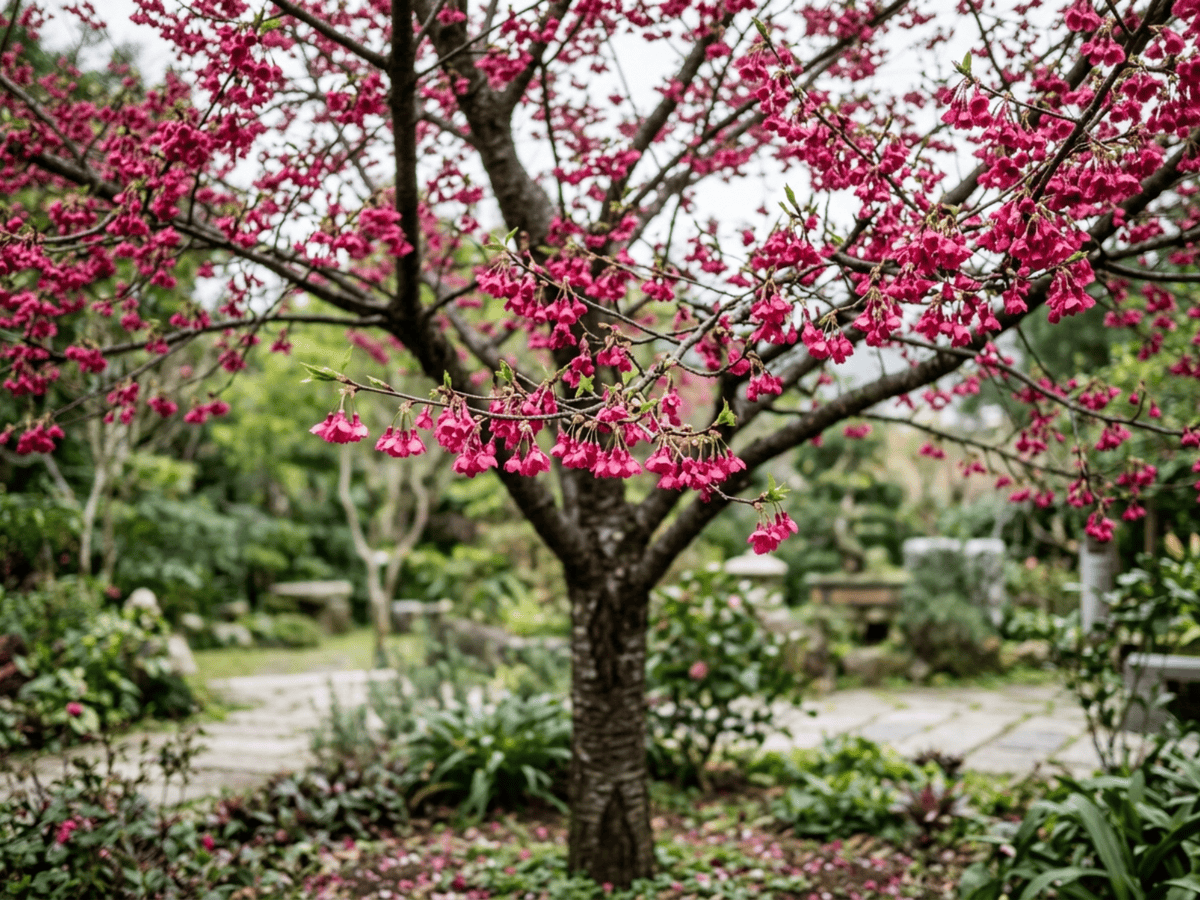 Taiwan CherryPrunus campanulata
 Sour CherryPrunus cerasus
 PlumPrunus domestica
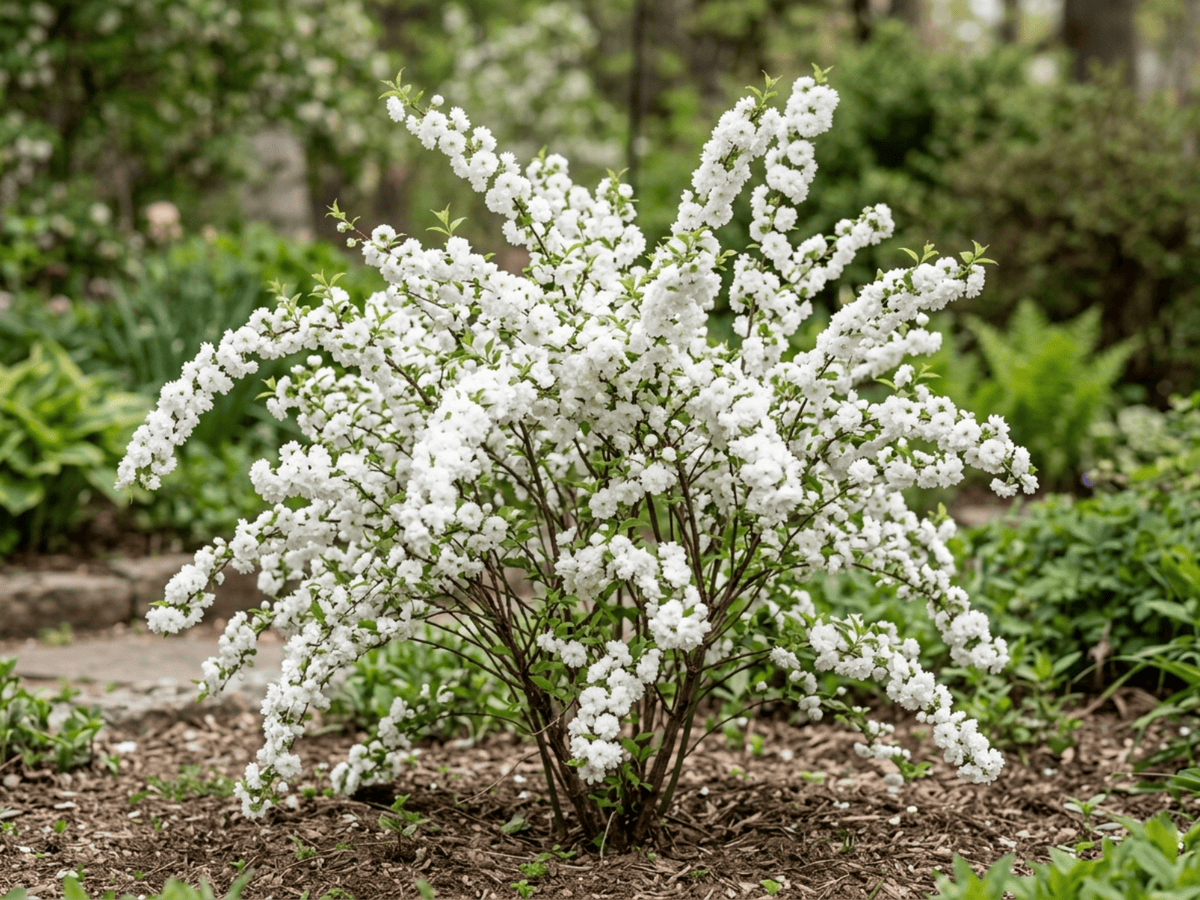 Flowering AlmondPrunus glandulosa
Plants with similar care
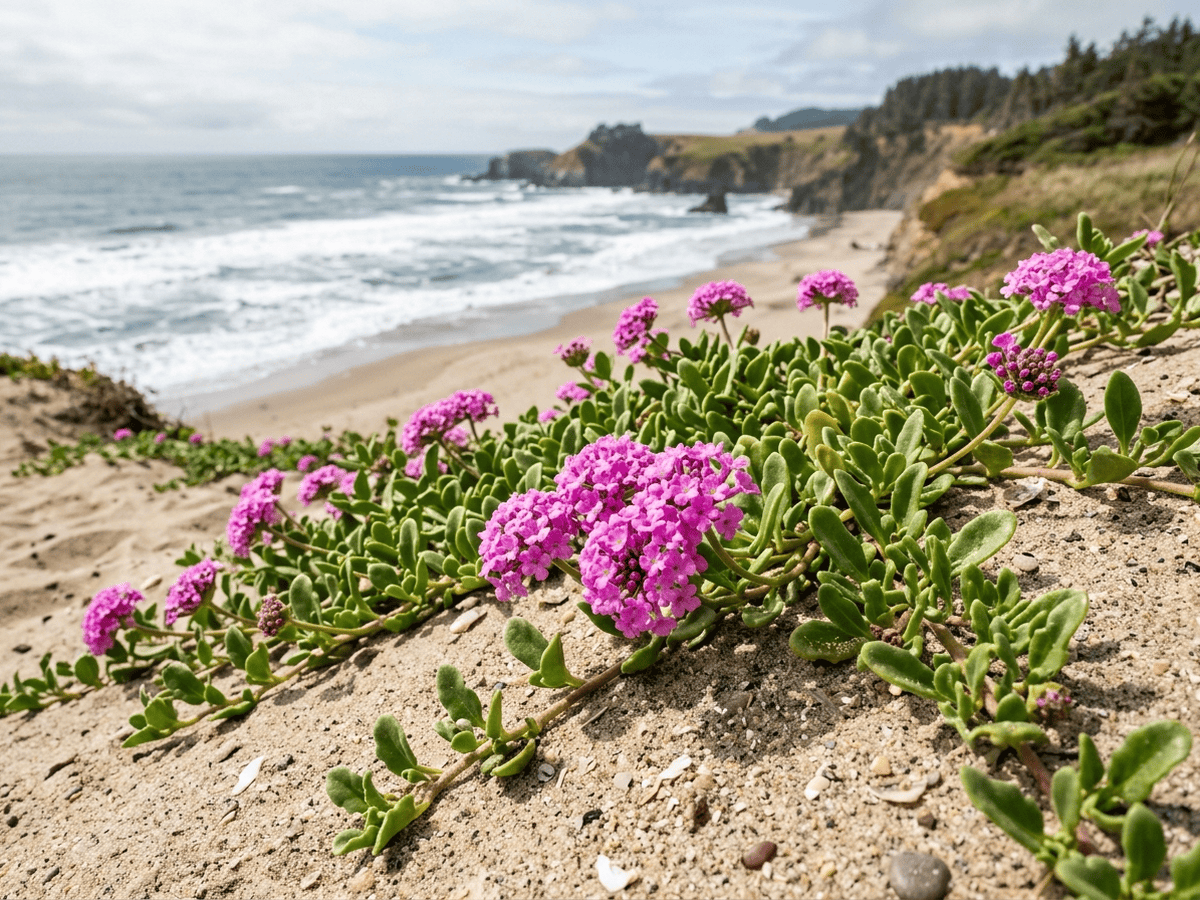 Pink Sand VerbenaAbronia umbellata
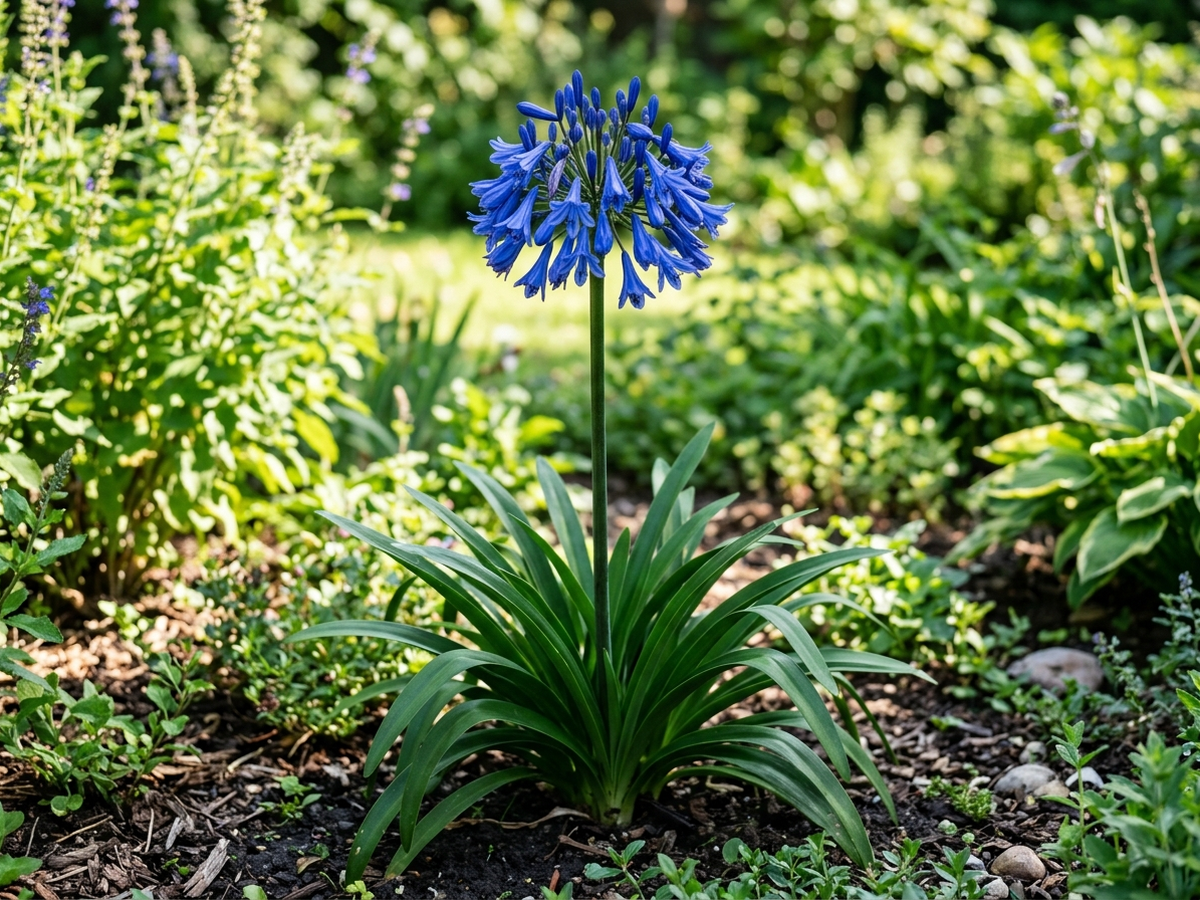 Drooping AgapanthusAgapanthus inapertus
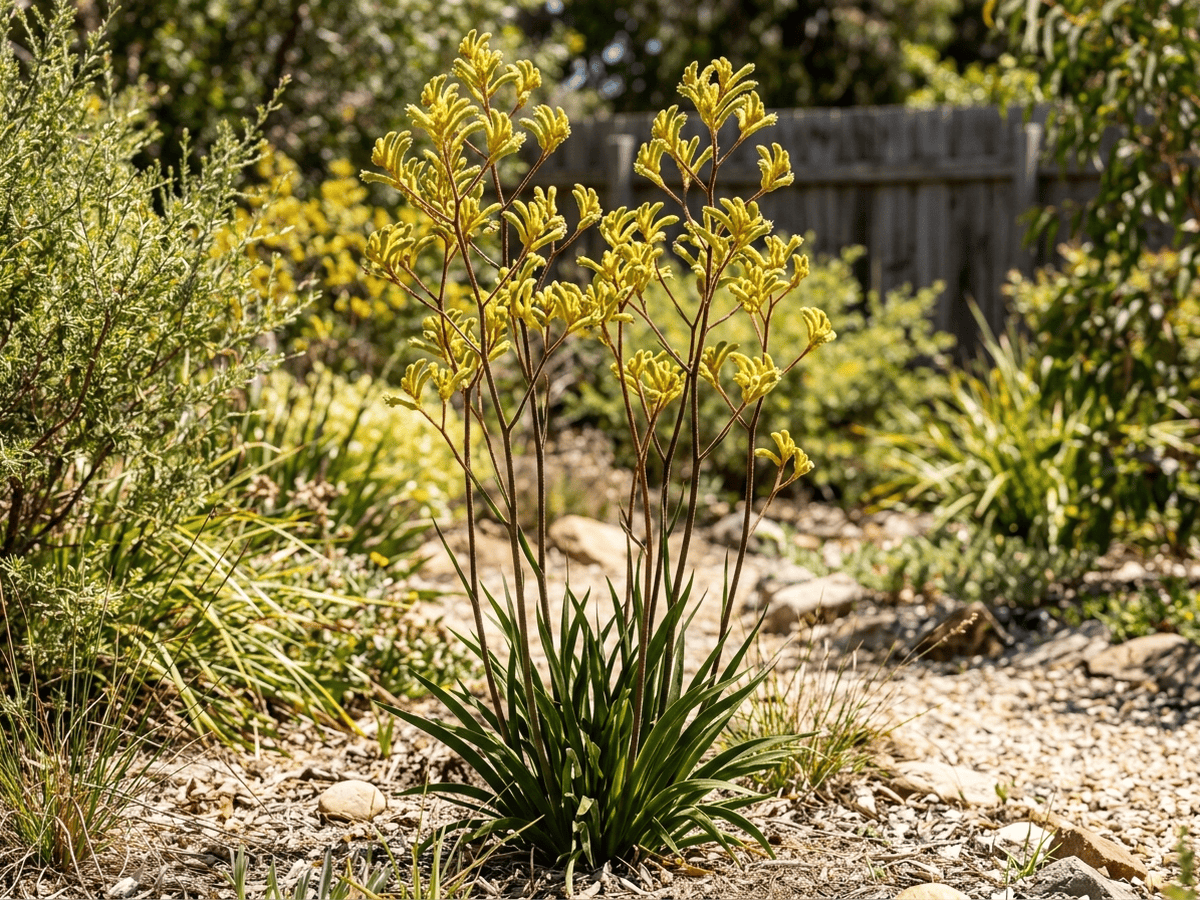 Tall Kangaroo PawAnigozanthos flavidus
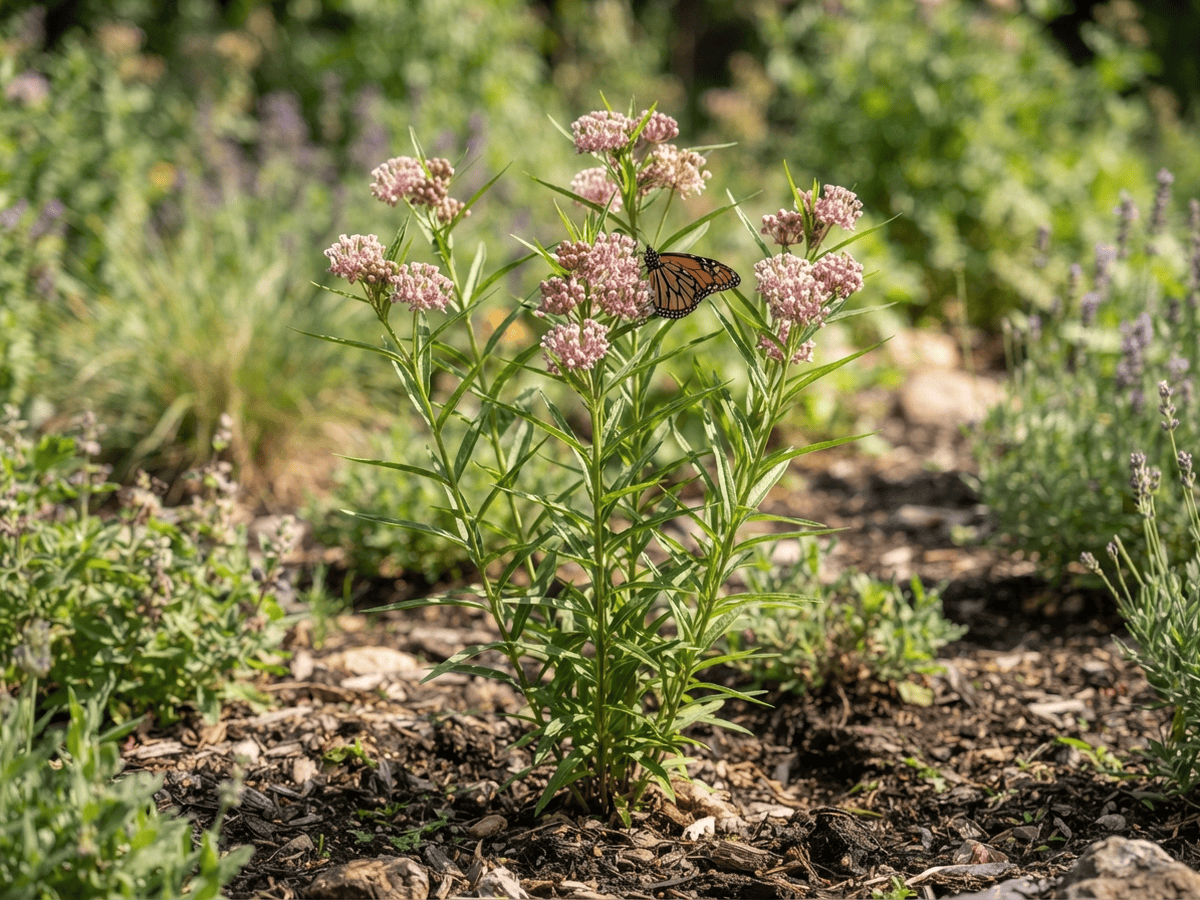 Narrowleaf MilkweedAsclepias fascicularis
Frequently asked questions
How often should I water Wild Cherry?
In summer, water about every 4 days; in winter, about every 14 days. Adjust for heat, pot size and drainage.
How much light does Wild Cherry need?
Full sun: 6+ hrs direct. Watch the leaves — scorching or stretching means the light needs adjusting.
Is Wild Cherry toxic to cats or dogs?
Pets Moderate (Dogs Moderate · Cats Moderate) Educational information, not medical or veterinary advice. If exposure is suspected, contact a doctor or veterinarian.
Is Wild Cherry easy to grow?
It is considered challenging and rewards experienced growers.
When does Wild Cherry bloom?
It typically blooms Mar–May in the Northern Hemisphere.
YardMate
Identify any plant in seconds
Snap a photo — YardMate names the plant, diagnoses problems, and reminds you when to water.
Download on the App Store