 YardMate



North Japanese Hill Cherry
Prunus sargentii
Easy · Beginner friendlyAbout North Japanese Hill Cherry
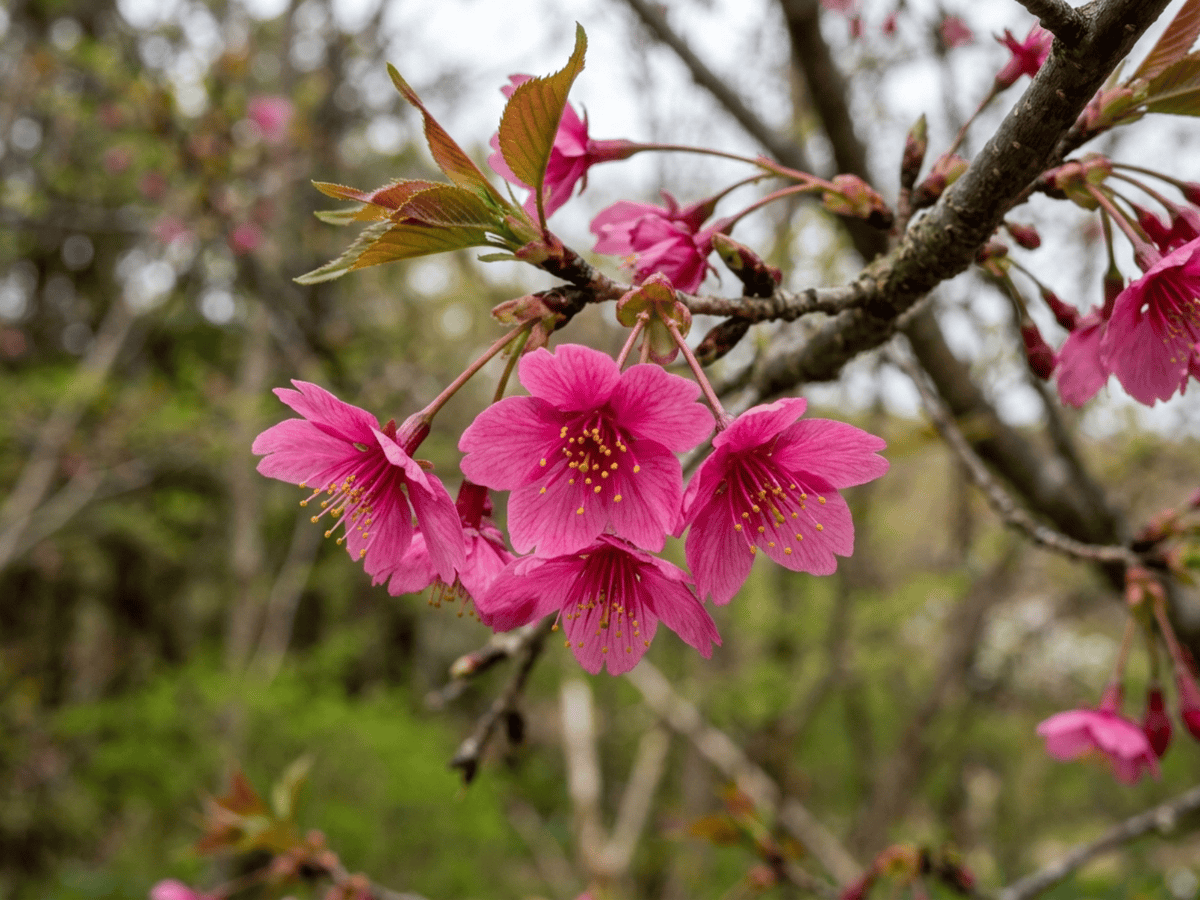
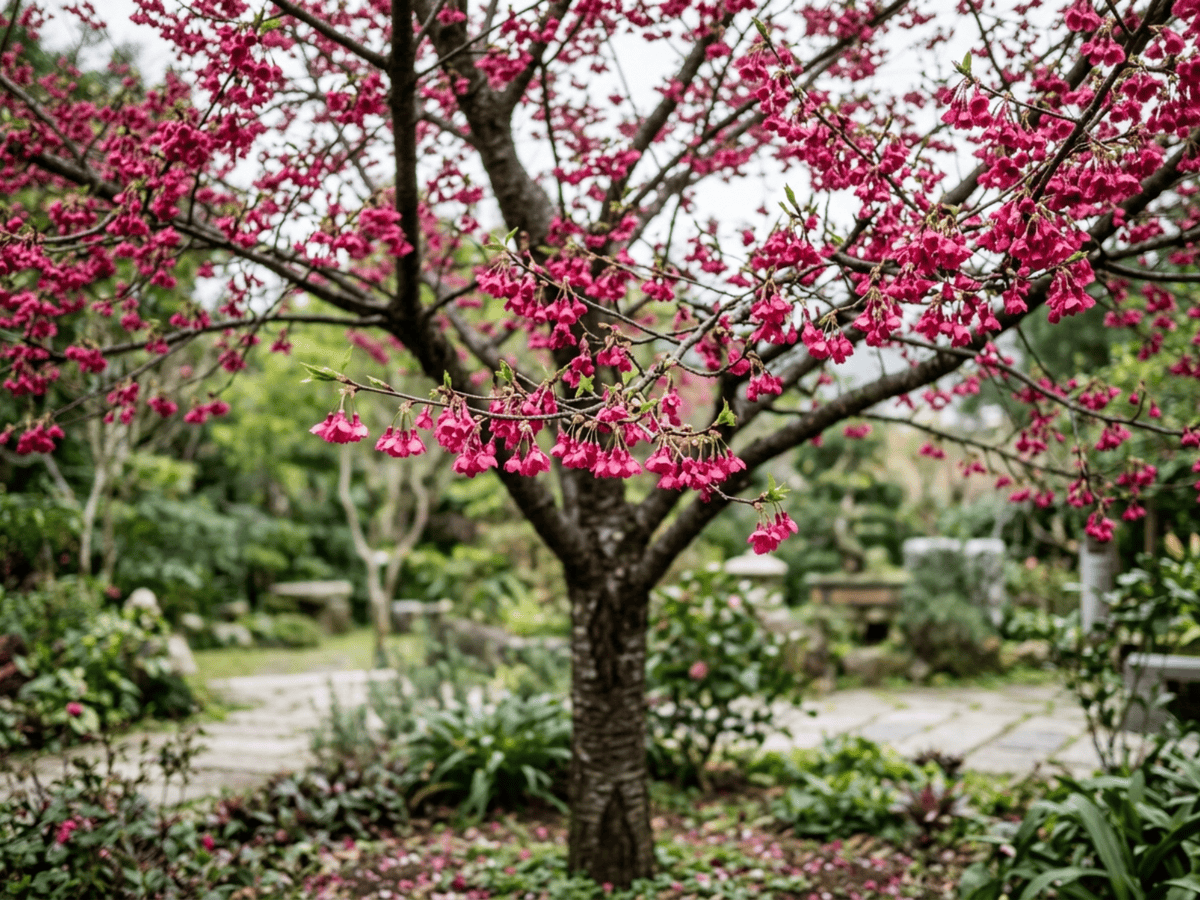
Sargent Cherry is a stately Japanese cherry growing 30-50 feet tall with a spreading crown, producing bright pink single flowers in mid spring followed by excellent orange-red fall color—one of the few cherries with noteworthy autumn display. Its mahogany bark is handsome year-round. Hardy in USDA zones 4-7, it is one of the hardiest and longest-lived flowering cherries for American gardens, widely planted as a street and park tree.
- Cold-hardy
- Fall-color
- Pollinator-friendly
How to care for North Japanese Hill Cherry
Watering
- Springevery 7 days
- Summerevery 5 days
- Fallevery 10 days
- Winterpause watering
Soil · Well-draining
- Top dressingPine bark mulch10%
- Main mixPotting soil + perlite 2:170%
- DrainageLECA / gravel20%
Never skip the drainage layer — standing water is the top cause of root rot.
FERTILIZER
Balanced Feed 14-14-14
An even feed covers all three needs at once, keeping leaves, roots and blooms moving together with nothing pushed out of balance.
- Nitrogen · Leaves
- Phosphorus · Roots + Blooms
- Potassium · Strength
- Springevery 60 days
- Summerevery 60 days
At a Glance
- NativeEast Asia
- Height25–40 ft (7.6–12.2 m)
- Spread25–40 ft (7.6–12.2 m)
- Flower colorPink
- Foliage colorGreen, Bronze
- Fruit colorBlack
- SoilWell-drained, Loamy
- LocationsYard
Bloom time
BLOOM CYCLE
Peak bloom
Apr–May
Pink flowers April to May
Fragrance
LIGHT FRAGRANCE
The flowers have a mild scent.
Toxicity
Humans Moderate · Pets Moderate
amygdalin and cyanogenic glycosides
Moderate
- Seed
- Leaf
- Ingestion
EXPOSURE Eating seeds and leaves.
EFFECT Cyanide poisoning if seeds eaten.
NOTE Documented concern for humans: Cyanide poisoning if seeds eaten.
Moderate
- Seed
- Leaf
- Ingestion
EXPOSURE Eating seeds and leaves.
EFFECT Cyanide poisoning.
NOTE ASPCA lists all Prunus as toxic to pets.
Moderate
- Seed
- Leaf
- Ingestion
EXPOSURE Eating seeds and leaves.
EFFECT Cyanide poisoning.
NOTE ASPCA lists all Prunus as toxic to pets.
Educational information, not medical or veterinary advice. If exposure is suspected, contact a doctor or veterinarian.
DISTRIBUTION


- Native
- Introduced
- East Asia
History
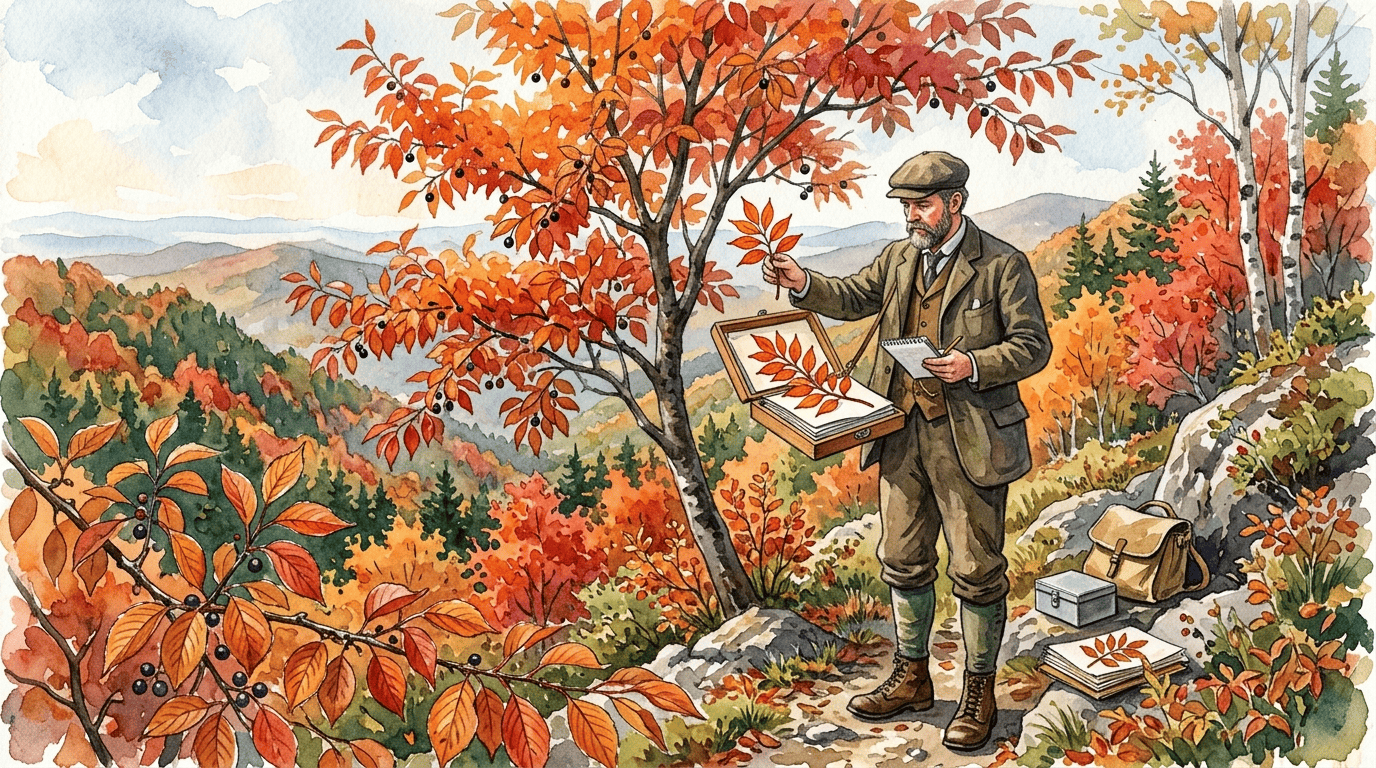
Prunus sargentii grows across the main islands of Japan, Korea, Sakhalin Island, and the southern Kuril Islands. American dendrologist Charles Sprague Sargent, founding director of the Arnold Arboretum of Harvard University, collected specimens during his 1892 expedition to Japan. Alfred Rehder at the Arnold formally named the species in his honor in 1908.
Unlike most Japanese cherries, P. sargentii is notably cold-hardy to zone 4 and displays spectacular orange-red autumn color—uncommon among flowering cherries, which typically have unremarkable fall foliage. The single pink flowers appear with coppery-bronze new leaves in April. Collingwood Ingram used it in breeding, and the cultivar 'Accolade' (P. sargentii × P. subhirtella) produced at Knap Hill Nursery in 1952 became a beloved hybrid.
It is the main street tree cherry of many cold-climate cities. Named after Charles Sprague Sargent (1841–1927), founding director of the Arnold Arboretum in Boston, who introduced seeds from Hokkaido, Japan in 1890. The cultivar 'Columnaris' with upright form is widely used as a street tree in northern American cities. Often confused with P. serrulata but longer-lived and less disease-prone.
Symbolism & meaning
What It Symbolizes
The North Japanese Hill Cherry wears nobility in stately form and unusually long life — a flowering cherry that rewards patience with decades of spring display. Endurance is its other gift; it is the hardiest of the ornamental cherries, withstanding cold winters that defeat its more famous cousins. Its meaning is dignified longevity: beauty not for a single celebrated week, but for generations of springs.
- Nobility — stately form and long life
- Endurance — hardiest of the ornamental cherries
Where the Name Comes From
The name North Japanese Hill Cherry points to Japan. 'Sargentii' honors Charles Sprague Sargent, pioneering American arborist.
Uses & Fun Facts
- Pink spring blossoms feed early bees and hoverflies
- Spreading canopy shades small lawns and patios
- Brilliant orange-red autumn foliage and glossy bark
Related plants
More Prunus plants



Plants with similar care
 Chinese AbeliaAbelia chinensis
 Fragrant AbeliaAbelia mosanensis
 Large-Flowered AbeliaAbelia uniflora
 Glossy AbeliaAbelia x grandiflora
Frequently asked questions
How often should I water North Japanese Hill Cherry?
Water about every 7 days during the growing season, and always let excess water drain away.
How much light does North Japanese Hill Cherry need?
Full sun: 6+ hrs direct. Watch the leaves — scorching or stretching means the light needs adjusting.
Is North Japanese Hill Cherry toxic to cats or dogs?
Pets Moderate (Dogs Moderate · Cats Moderate) Educational information, not medical or veterinary advice. If exposure is suspected, contact a doctor or veterinarian.
Is North Japanese Hill Cherry easy to grow?
Yes — it is considered an easy, beginner-friendly plant.
When does North Japanese Hill Cherry bloom?
It typically blooms Apr–May in the Northern Hemisphere.
YardMate
Identify any plant in seconds
Snap a photo — YardMate names the plant, diagnoses problems, and reminds you when to water.
Download on the App Store