 YardMate



Japanese Cherry
Prunus serrulata
Medium · Some experienceAbout Japanese Cherry
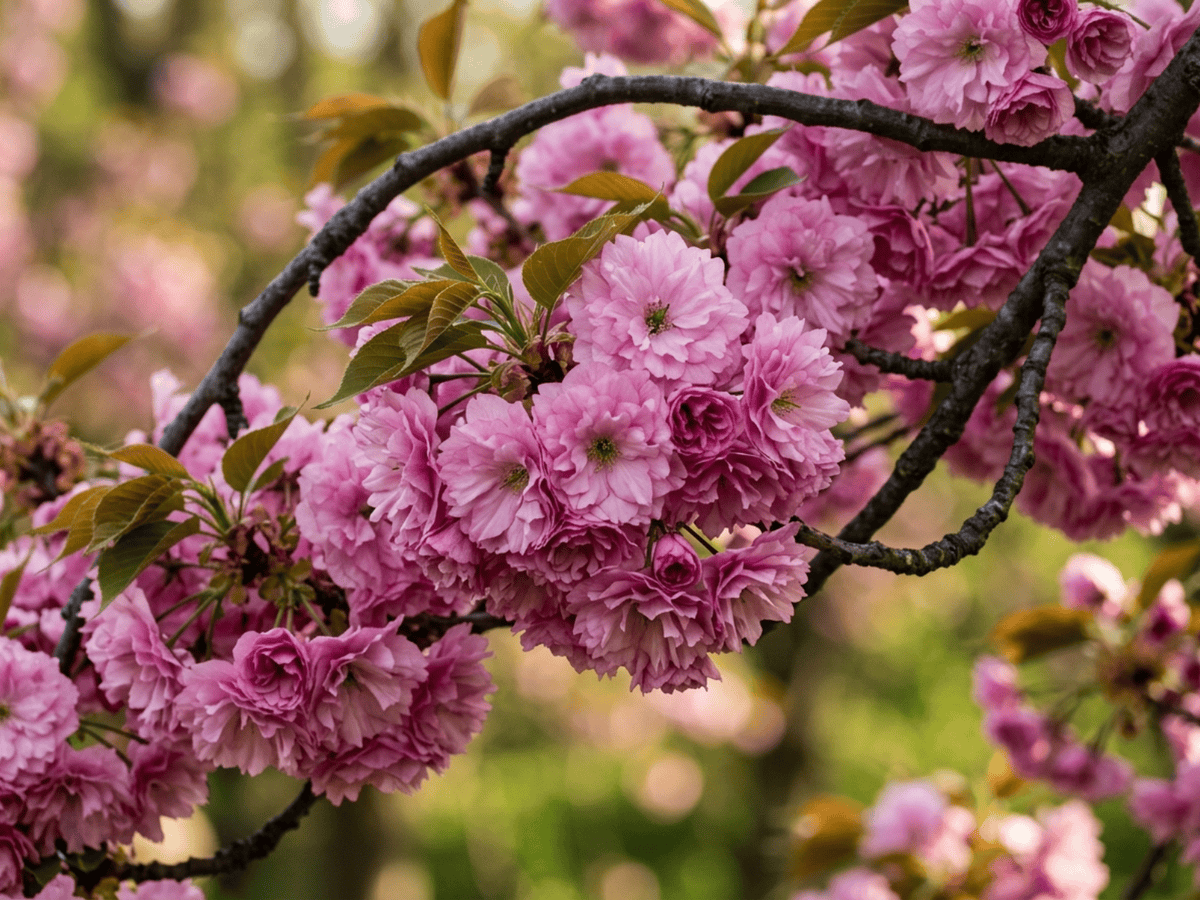
Prunus serrulata, the Japanese flowering cherry or sakura, is the iconic ornamental cherry of East Asian culture. This deciduous tree typically grows 15 to 25 feet tall with a wide, spreading canopy draped in clusters of white to pink double or single flowers each spring. Native to Japan, Korea, and China, it has been cultivated for over a thousand years and exists in hundreds of named cultivars, with 'Kanzan' (double pink) and 'Shirotae' (white) among the most popular. The cherry blossom season is a national event in Japan, tracked by weather services and celebrated with hanami (flower viewing) gatherings. The tree prefers full sun and well-drained, slightly acidic soil. It has a moderate lifespan of 15 to 25 years for many cultivars and is susceptible to various fungal diseases and borers. While the flowers are the star, some cultivars also offer bronzy new foliage and warm autumn tones. The fleeting nature of the blossoms, lasting only one to two weeks, is central to their cultural significance.
- Fragrant
- Pollinator-friendly
- Fall-color
- Cold-hardy
How to care for Japanese Cherry
Watering
- Springevery 5 days
- Summerevery 4 days
- Fallevery 10 days
- Winterevery 30 days
Soil · Well-draining
- Top dressingPine bark mulch10%
- Main mixPotting soil + perlite 2:170%
- DrainageLECA / gravel20%
Never skip the drainage layer — standing water is the top cause of root rot.
FERTILIZER
Balanced Feed 14-14-14
An even feed covers all three needs at once, keeping leaves, roots and blooms moving together with nothing pushed out of balance.
- Nitrogen · Leaves
- Phosphorus · Roots + Blooms
- Potassium · Strength
- Springevery 45 days
- Fallevery 45 days
At a Glance
- NativeEast Asia
- Height20–35 ft (6.1–10.7 m)
- Spread20–35 ft (6.1–10.7 m)
- Flower colorPink, White
- Foliage colorGreen, Bronze, Red
- SoilLoamy, Well-drained, Moisture-retentive
- LocationsYard
Bloom time
BLOOM CYCLE
Peak bloom
Apr
Spectacular white to pink blossoms in mid-spring lasting 1-2 weeks; prune only after flowering to avoid removing next year's buds
Fragrance
LIGHT FRAGRANCE
Flowers mildly sweet; some cultivars almond-scented.
Toxicity
Humans Moderate · Pets Moderate
cyanogenic glycosides (amygdalin, prunasin)
Moderate
- Seed
- Leaf
- Ingestion
EXPOSURE Eating seeds and leaves.
EFFECT Seed kernels and wilted leaves contain cyanogenic glycosides and typically harmless in passing contact but dangerous in quantity.
NOTE Documented concern for humans: Seed kernels and wilted leaves contain cyanogenic glycosides and typically harmless in passing contact but dangerous in quantity.
Moderate
- Seed
- Leaf
- Stem
- Ingestion
EXPOSURE Eating seeds, leaves, and stems.
EFFECT Cyanogenic glycosides can cause difficulty breathing, bright red gums, dilated pupils, shock.
NOTE ASPCA lists the genus Prunus as toxic to dogs, cats, and horses (stems, leaves, seeds contain cyanogenic glycosides). Flesh of cherry fruits generally safe.
Moderate
- Seed
- Leaf
- Stem
- Ingestion
EXPOSURE Eating seeds, leaves, and stems.
EFFECT Same cyanide-based signs as dogs.
NOTE ASPCA lists the genus Prunus as toxic to dogs, cats, and horses (stems, leaves, seeds contain cyanogenic glycosides). Flesh of cherry fruits generally safe.
Educational information, not medical or veterinary advice. If exposure is suspected, contact a doctor or veterinarian.
DISTRIBUTION


- Native
- Introduced
- East Asia
History
Prunus serrulata is a species name historically applied to many Japanese flowering cherry cultivars ("sato-zakura," or "village cherries"), though modern taxonomy has separated some into other species or hybrid groups. Cherry blossom ("sakura") has been the central symbol of springtime in Japanese culture since at least the Nara (710-794) and Heian (794-1185) periods — "hanami" (flower viewing) parties are documented from the 9th century and remain a defining spring ritual in Japan. The flowers' brief, dramatic bloom became a cultural metaphor for the impermanence of life ("mono no aware").
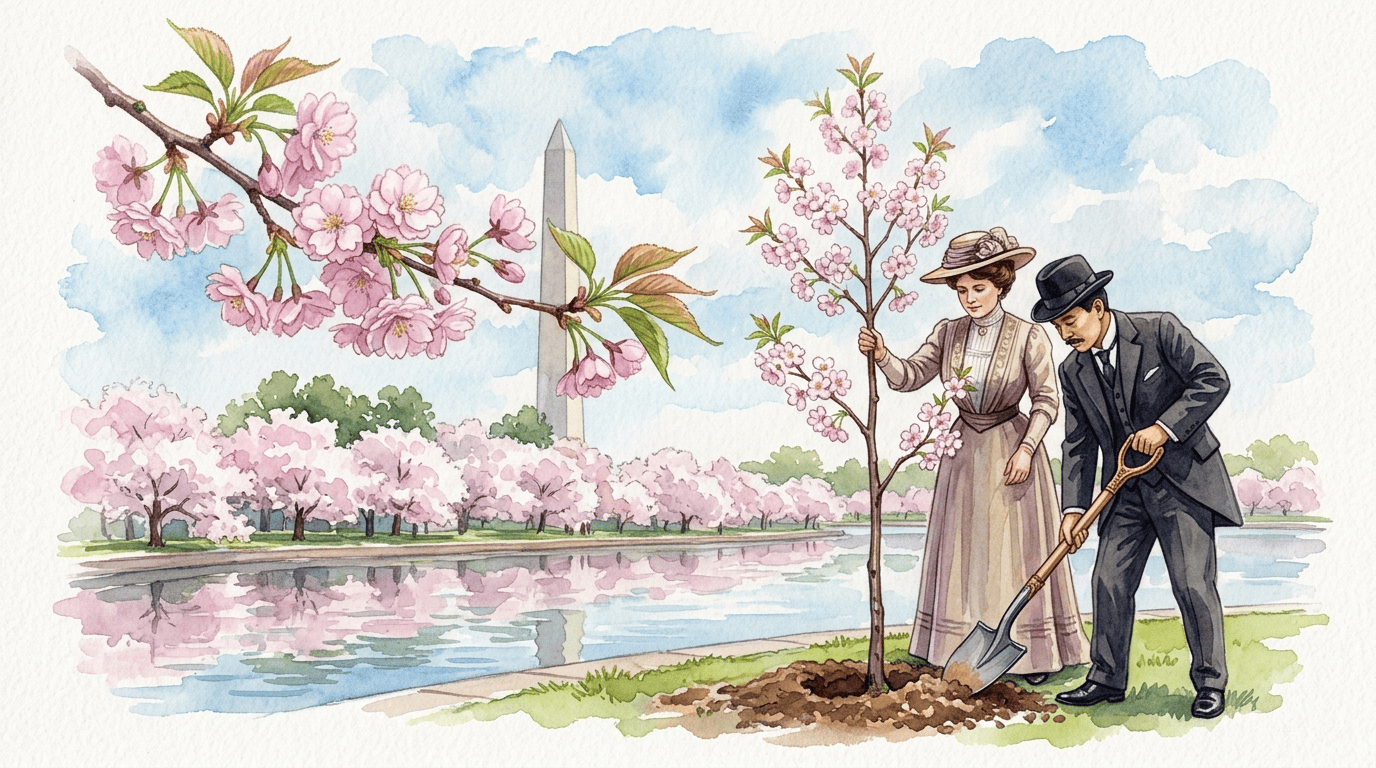
Famous named cultivars include "Kanzan" (double pink), "Shirofugen," "Amanogawa" (columnar), and "Mount Fuji." The most historically significant international gift of these trees was Tokyo mayor Yukio Ozaki's 1912 donation of 3,020 cherry trees to Washington, D.C., planted by First Lady Helen Taft — this gift founded the US National Cherry Blossom Festival and the Tidal Basin plantings. A second gift of 3,800 trees was sent in 1965.
Japan reciprocated Washington's 1952 return-gift of dogwoods. Sakura cultivation in Japan dates back over 1,000 years, with the practice of hanami (flower viewing) established during the Heian period. in 1912, where the National Cherry Blossom Festival now draws over 1.5 million visitors annually.
Symbolism & meaning
What It Symbolizes
Japanese Cherry holds transience as its central meaning — the sakura's brief spring bloom is the living embodiment of mono no aware, the bittersweet awareness of impermanence at the heart of Japanese aesthetics. It is also renewal, marking the start of the school and fiscal year across Japan and inviting hanami picnics under its petals. It is the flower that taught a culture how to grieve and celebrate at once.
- Transience — The brief bloom embodies the Japanese concept of mono no aware, the beauty of impermanence
- Renewal — Marks the arrival of spring and new beginnings across East Asian cultures
Where the Name Comes From
'Prunus' is the Latin name for plum/cherry trees. 'Serrulata' means 'finely serrated', describing the leaf margins.
Uses & Fun Facts
- Iconic spring-flowering sakura as park and avenue centerpiece
- Central to Japanese hanami flower-viewing traditions and festivals
- Wide-spreading canopy drips with pink double blossoms
Related plants
More Prunus plants



Plants with similar care
 Mexican AbeliaAbelia floribunda
 Fraser FirAbies fraseri
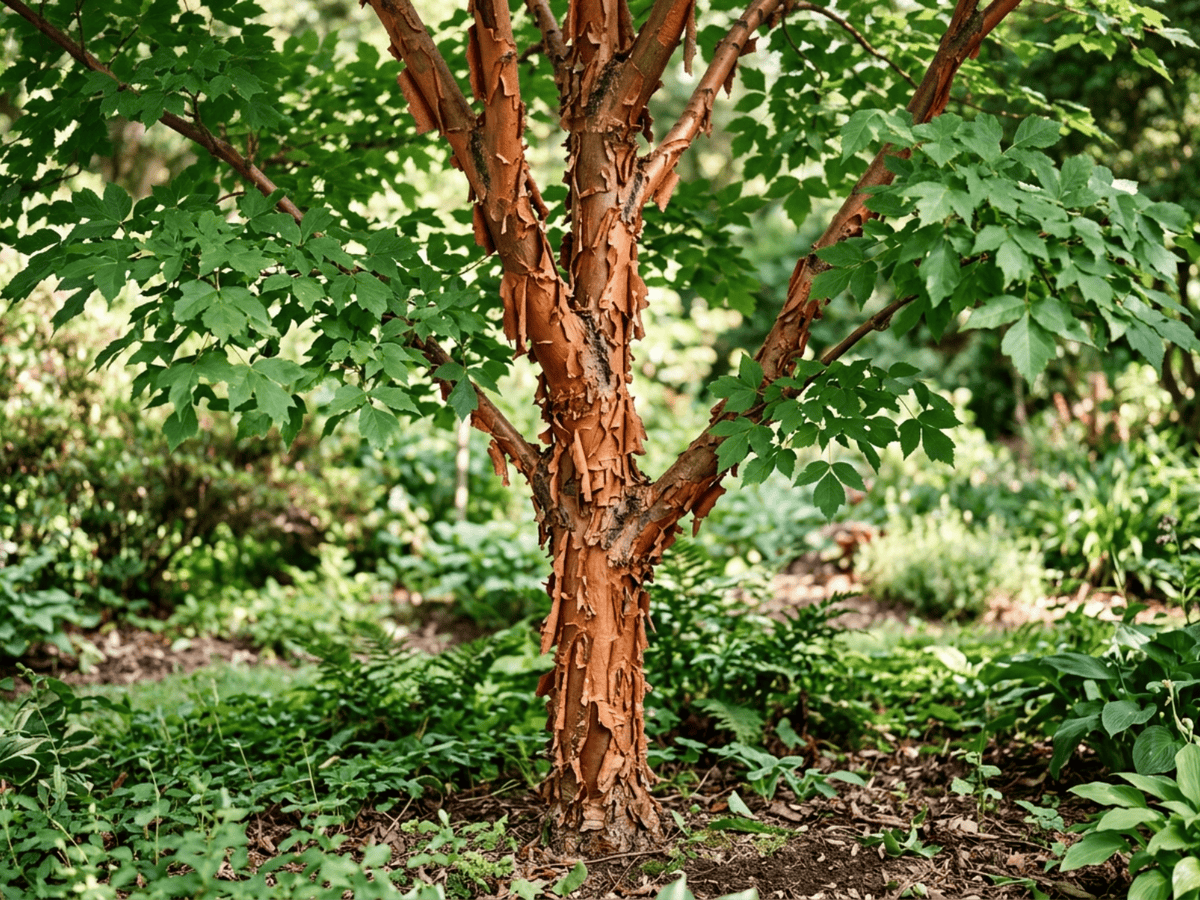 Paperbark MapleAcer griseum
 Sugar MapleAcer saccharum
Frequently asked questions
How often should I water Japanese Cherry?
In summer, water about every 4 days; in winter, about every 30 days. Adjust for heat, pot size and drainage.
How much light does Japanese Cherry need?
Full sun: 6+ hrs direct. Watch the leaves — scorching or stretching means the light needs adjusting.
Is Japanese Cherry toxic to cats or dogs?
Pets Moderate (Dogs Moderate · Cats Moderate) Educational information, not medical or veterinary advice. If exposure is suspected, contact a doctor or veterinarian.
Is Japanese Cherry easy to grow?
It is moderately demanding: a good choice once you have a little experience.
When does Japanese Cherry bloom?
It typically blooms Apr in the Northern Hemisphere.
YardMate
Identify any plant in seconds
Snap a photo — YardMate names the plant, diagnoses problems, and reminds you when to water.
Download on the App Store