 YardMate


Higan Cherry
Prunus subhirtella
Easy · Beginner friendlyAbout Higan Cherry
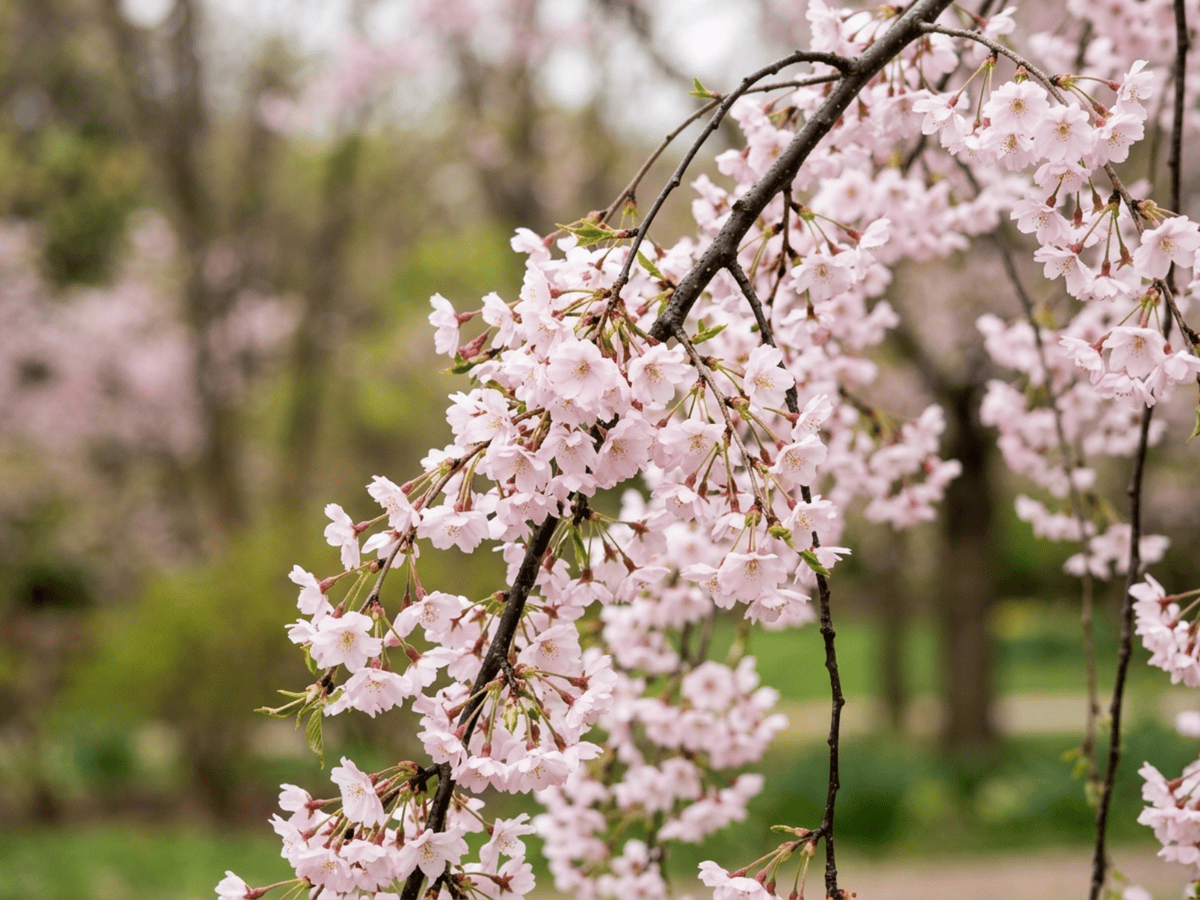
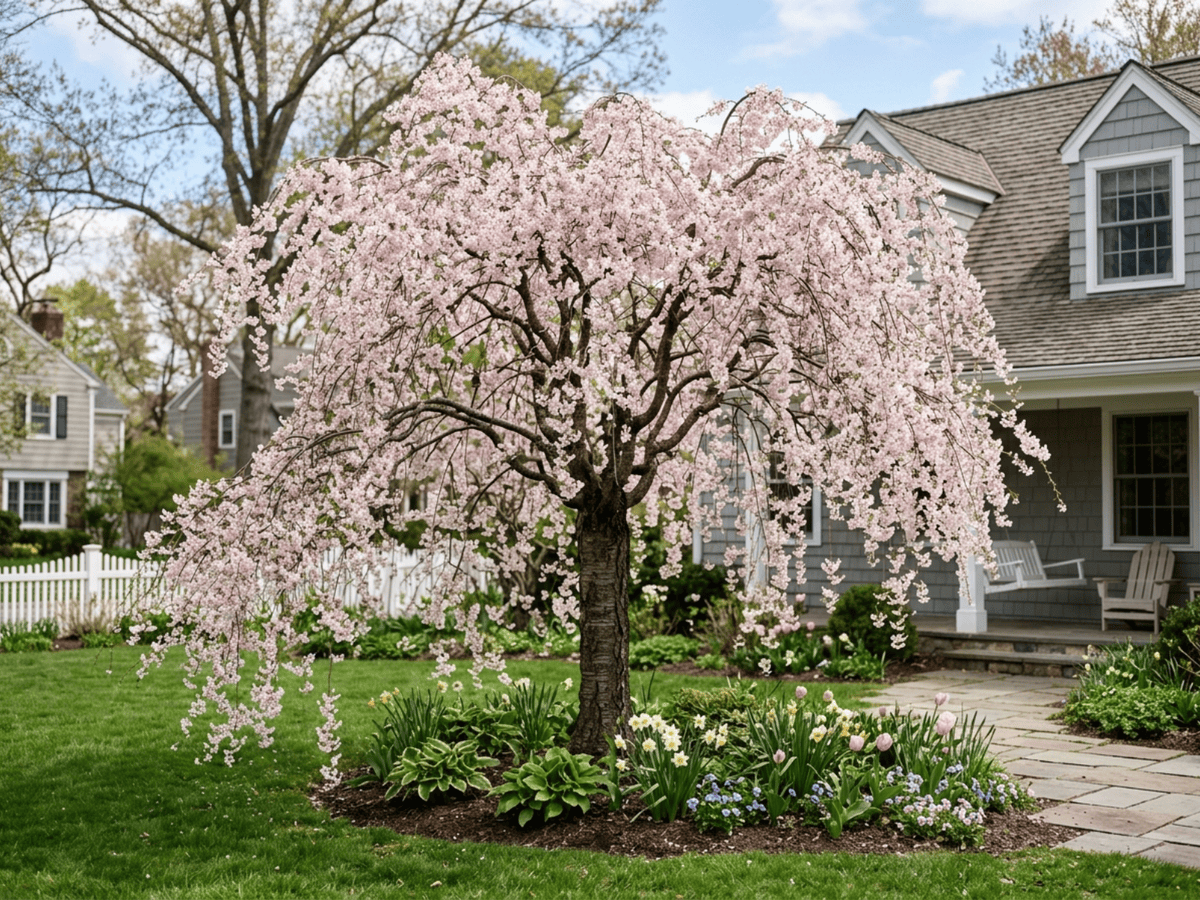
Higan Cherry or Autumn Cherry is a graceful Japanese flowering cherry producing clouds of pale pink semi-double flowers in early spring and often again in mild autumns. Growing 20-40 feet tall with weeping or spreading forms, it is one of the longest-blooming and most cold-hardy of the ornamental cherries (USDA 5-8). The weeping cultivar 'Pendula' is one of the most beloved specimen trees in American gardens.
- Fall-color
- Pollinator-friendly
How to care for Higan Cherry
Watering
- Springevery 7 days
- Summerevery 5 days
- Fallevery 10 days
- Winterpause watering
Soil · Well-draining
- Top dressingPine bark mulch10%
- Main mixPotting soil + perlite 2:170%
- DrainageLECA / gravel20%
Never skip the drainage layer — standing water is the top cause of root rot.
FERTILIZER
Balanced Feed 14-14-14
An even feed covers all three needs at once, keeping leaves, roots and blooms moving together with nothing pushed out of balance.
- Nitrogen · Leaves
- Phosphorus · Roots + Blooms
- Potassium · Strength
- Springevery 60 days
- Summerevery 60 days
At a Glance
- NativeEast Asia
- Height20–40 ft (6.1–12.2 m)
- Spread15–30 ft (4.6–9.1 m)
- Flower colorPink, White
- Foliage colorGreen, Bronze
- Fruit colorBlack
- SoilWell-drained, Loamy, Neutral
- LocationsYard
Bloom time
BLOOM CYCLE
Peak bloom
Mar, Apr, Sep, Oct, Nov
Pale pink flowers March to April, sometimes rebloom in autumn
Fragrance
LIGHT FRAGRANCE
The flowers have a mild scent.
Toxicity
Humans Moderate · Pets Moderate
amygdalin and cyanogenic glycosides
Moderate
- Seed
- Leaf
- Ingestion
EXPOSURE Eating seeds and leaves.
EFFECT Cyanide poisoning if seeds crushed and eaten in quantity.
NOTE Documented concern for humans: Cyanide poisoning if seeds crushed and eaten in quantity.
Moderate
- Seed
- Leaf
- Stem
- Ingestion
EXPOSURE Eating seeds, leaves, and stems.
EFFECT Cyanide poisoning, dilated pupils, and difficulty breathing.
NOTE ASPCA lists all Prunus as toxic; seeds/pits most dangerous. Flesh of edible cherries is safe.
Moderate
- Seed
- Leaf
- Stem
- Ingestion
EXPOSURE Eating seeds, leaves, and stems.
EFFECT Cyanide poisoning, dilated pupils, and difficulty breathing.
NOTE ASPCA lists all Prunus as toxic; seeds/pits most dangerous. Flesh of edible cherries is safe.
Educational information, not medical or veterinary advice. If exposure is suspected, contact a doctor or veterinarian.
DISTRIBUTION


- Native
- Introduced
- East Asia
History
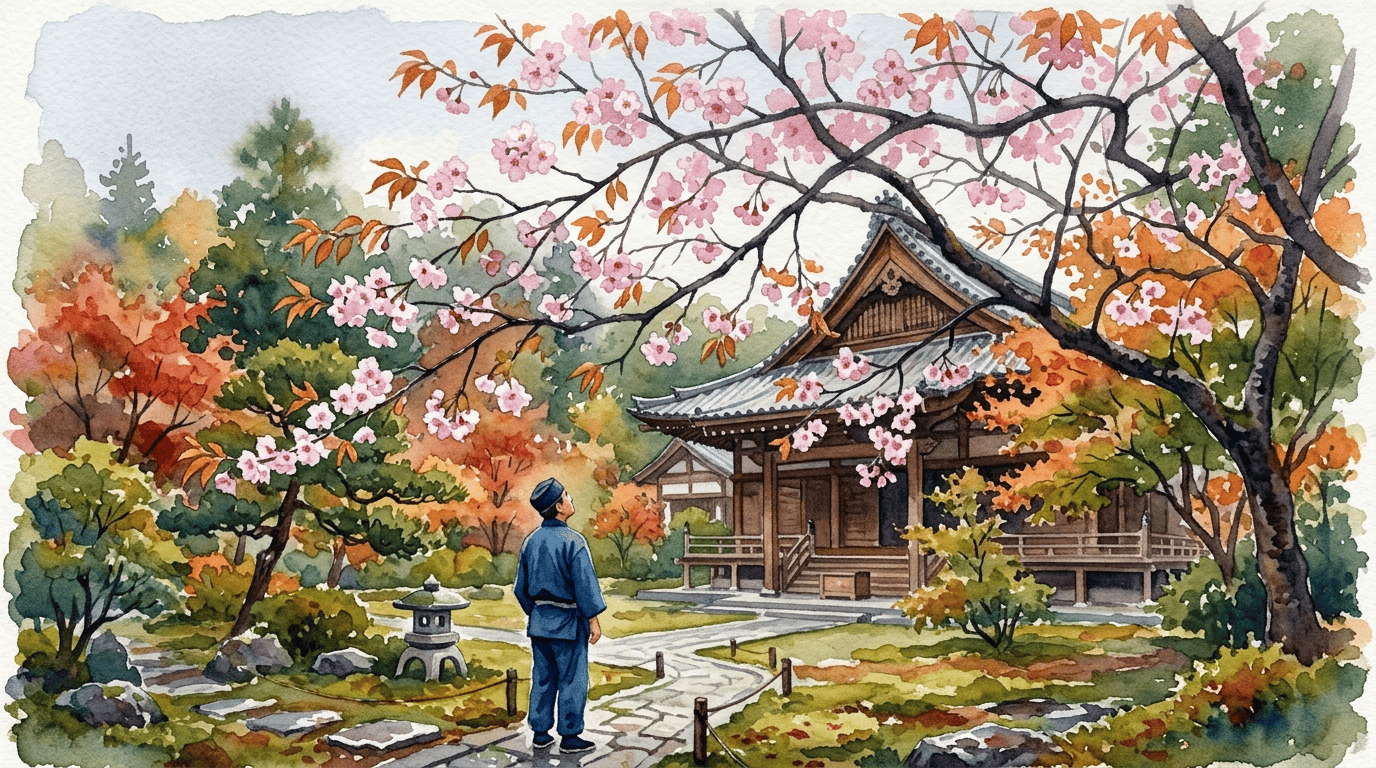
Prunus subhirtella (formerly considered a species but now often treated as a cultigen of P. x subhirtella hybrid origin) has been cultivated in Japanese gardens for centuries. The Japanese name higan-zakura references the Buddhist higan equinox period when it blooms earlier than most cherries. Miquel formally published the name in 1866.
Plant hunters including Ernest Wilson introduced it widely to Western horticulture around 1900. The cultivar 'Autumnalis', with its remarkable habit of producing successive waves of bloom from October through April during any mild spell—a behavior unique among flowering cherries—became especially prized. 'Pendula' is a weeping selection, 'Rosea' is pink-flowered, and 'Fukubana' features deeper double pink.
These cultivars are staples of Japanese garden traditions and widely planted in Western parks and gardens. Long cultivated in Japan where it symbolizes the fleeting beauty of spring (mono no aware). 'Autumnalis' is the cold-hardy reblooming form that can bloom twice; 'Pendula' is the celebrated weeping form. Used extensively in the famous Washington DC Tidal Basin plantings and spring cherry festivals across America.
Symbolism & meaning
What It Symbolizes
The Higan Cherry holds Beauty in the classic Japanese sense — pale flowers so delicate they have long stood as a meditation on impermanence and the fragile sweetness of life. Yet it adds a small twist of Renewal: in mild autumns, it blooms a second time, offering an unexpected gift just before winter. Two springs in one year, gently spaced apart.
- Beauty — classic Japanese symbol of ephemeral beauty
- Renewal — fall rebloom is a second gift
Where the Name Comes From
'Subhirtella' means 'somewhat hairy', referring to fine hairs on leaves and stems.
Uses & Fun Facts
- Pendant pink cherry blossoms cascade in early spring
- Weeping form is iconic Japanese garden centerpiece
- Profuse flowers feed early-season bees and butterflies
Related plants
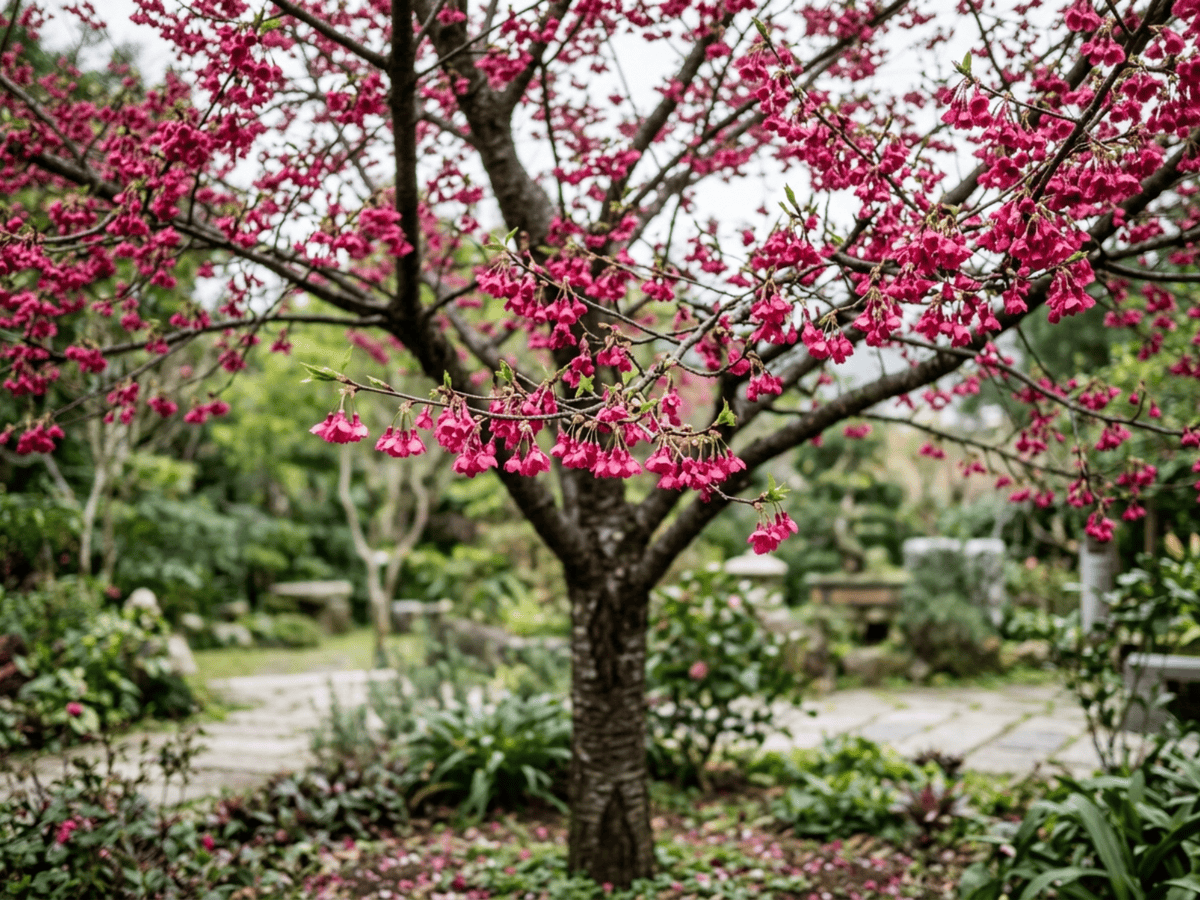
More Prunus plants



Plants with similar care
 Chinese AbeliaAbelia chinensis
 Fragrant AbeliaAbelia mosanensis
 Large-Flowered AbeliaAbelia uniflora
 Glossy AbeliaAbelia x grandiflora
Frequently asked questions
How often should I water Higan Cherry?
Water about every 7 days during the growing season, and always let excess water drain away.
How much light does Higan Cherry need?
Full sun: 6+ hrs direct. Watch the leaves — scorching or stretching means the light needs adjusting.
Is Higan Cherry toxic to cats or dogs?
Pets Moderate (Dogs Moderate · Cats Moderate) Educational information, not medical or veterinary advice. If exposure is suspected, contact a doctor or veterinarian.
Is Higan Cherry easy to grow?
Yes — it is considered an easy, beginner-friendly plant.
When does Higan Cherry bloom?
It typically blooms Mar, Apr, Sep, Oct, Nov in the Northern Hemisphere.
YardMate
Identify any plant in seconds
Snap a photo — YardMate names the plant, diagnoses problems, and reminds you when to water.
Download on the App Store