 YardMate


Korean Flowering Cherry
Prunus x yedoensis
Medium · Some experienceAbout Korean Flowering Cherry
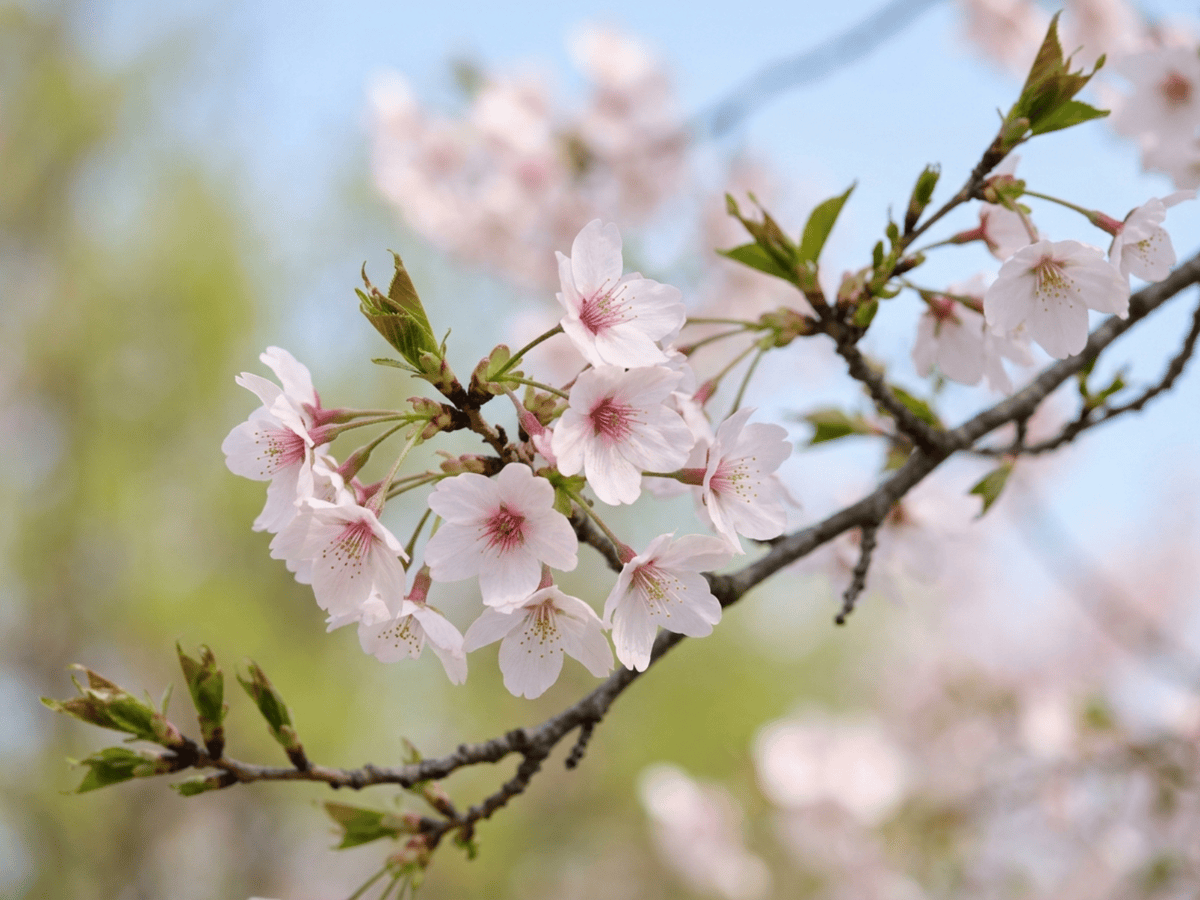
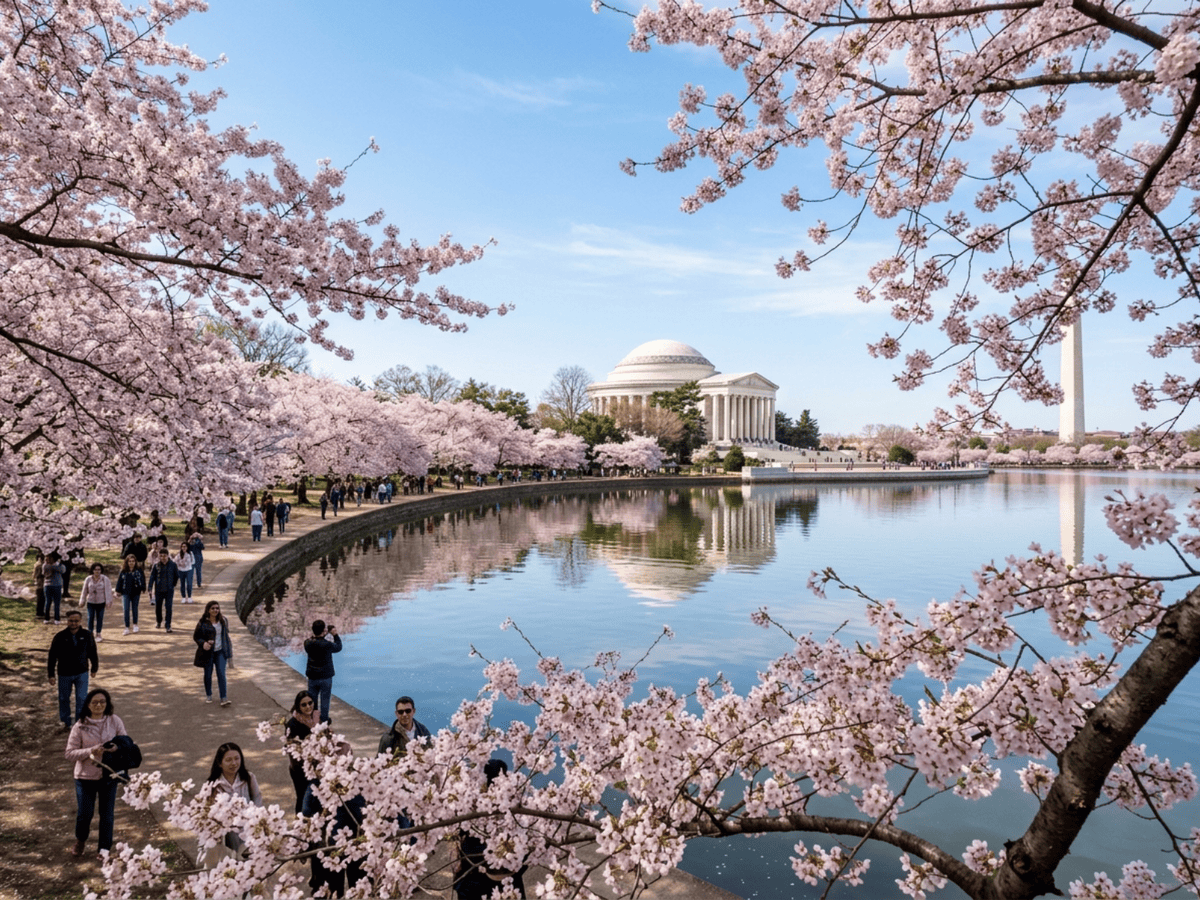
Prunus x yedoensis, the Yoshino cherry, is a hybrid ornamental cherry believed to be a cross between Prunus speciosa and Prunus pendula f. ascendens. It is the single most planted cherry blossom variety in Japan and the dominant species lining the Tidal Basin in Washington D.C. Growing 30 to 40 feet tall with a graceful spreading crown, it produces masses of slightly fragrant, pale pink to white single flowers in early spring before the leaves emerge. The blossoms open from pink buds, fade to near-white, then fall in a spectacular 'snow shower' of petals. It grows vigorously and establishes quickly but has a moderate lifespan of 40 to 50 years. The Yoshino prefers full sun and well-drained soil, and is somewhat more cold-hardy than many ornamental cherries. It provides modest yellow fall color. The tree is propagated almost exclusively by grafting, making most Yoshino cherries genetically identical clones, which is why entire avenues bloom in perfect synchrony.
- Fragrant
- Fast-growing
How to care for Korean Flowering Cherry
Watering
- Springevery 5 days
- Summerevery 4 days
- Fallevery 10 days
- Winterevery 30 days
Soil · Well-draining
- Top dressingPine bark mulch10%
- Main mixPotting soil + perlite 2:170%
- DrainageLECA / gravel20%
Never skip the drainage layer — standing water is the top cause of root rot.
FERTILIZER
Balanced Feed 14-14-14
An even feed covers all three needs at once, keeping leaves, roots and blooms moving together with nothing pushed out of balance.
- Nitrogen · Leaves
- Phosphorus · Roots + Blooms
- Potassium · Strength
- Springevery 45 days
- Fallevery 45 days
At a Glance
- NativeEast Asia
- Height25–40 ft (7.6–12.2 m)
- Spread25–40 ft (7.6–12.2 m)
- Flower colorWhite, Pink
- Foliage colorGreen, Yellow, Bronze
- SoilLoamy, Well-drained
- LocationsYard
Bloom time
BLOOM CYCLE
Peak bloom
Mar–May
Pale pink to white single blossoms open from pink buds in early spring; prune after flowering only
Fragrance
LIGHT FRAGRANCE
Light almond-like scent from blossoms.
Toxicity
Humans Moderate · Pets Moderate
cyanogenic glycosides (amygdalin, prunasin)
Moderate
- Seed
- Leaf
- Ingestion
EXPOSURE Eating seeds and leaves.
EFFECT Seed kernels and wilted leaves contain cyanogenic glycosides.
NOTE Documented concern for humans: Seed kernels and wilted leaves contain cyanogenic glycosides.
Moderate
- Seed
- Leaf
- Stem
- Ingestion
EXPOSURE Eating seeds, leaves, and stems.
EFFECT Cyanide toxicity: respiratory distress, red gums, dilated pupils.
NOTE ASPCA lists Prunus genus as toxic; stems, leaves, and seeds contain cyanogenic glycosides.
Moderate
- Seed
- Leaf
- Stem
- Ingestion
EXPOSURE Eating seeds, leaves, and stems.
EFFECT Cyanide toxicity signs.
NOTE ASPCA lists Prunus genus as toxic; stems, leaves, and seeds contain cyanogenic glycosides.
Educational information, not medical or veterinary advice. If exposure is suspected, contact a doctor or veterinarian.
DISTRIBUTION


- Native
- Introduced
- East Asia
History
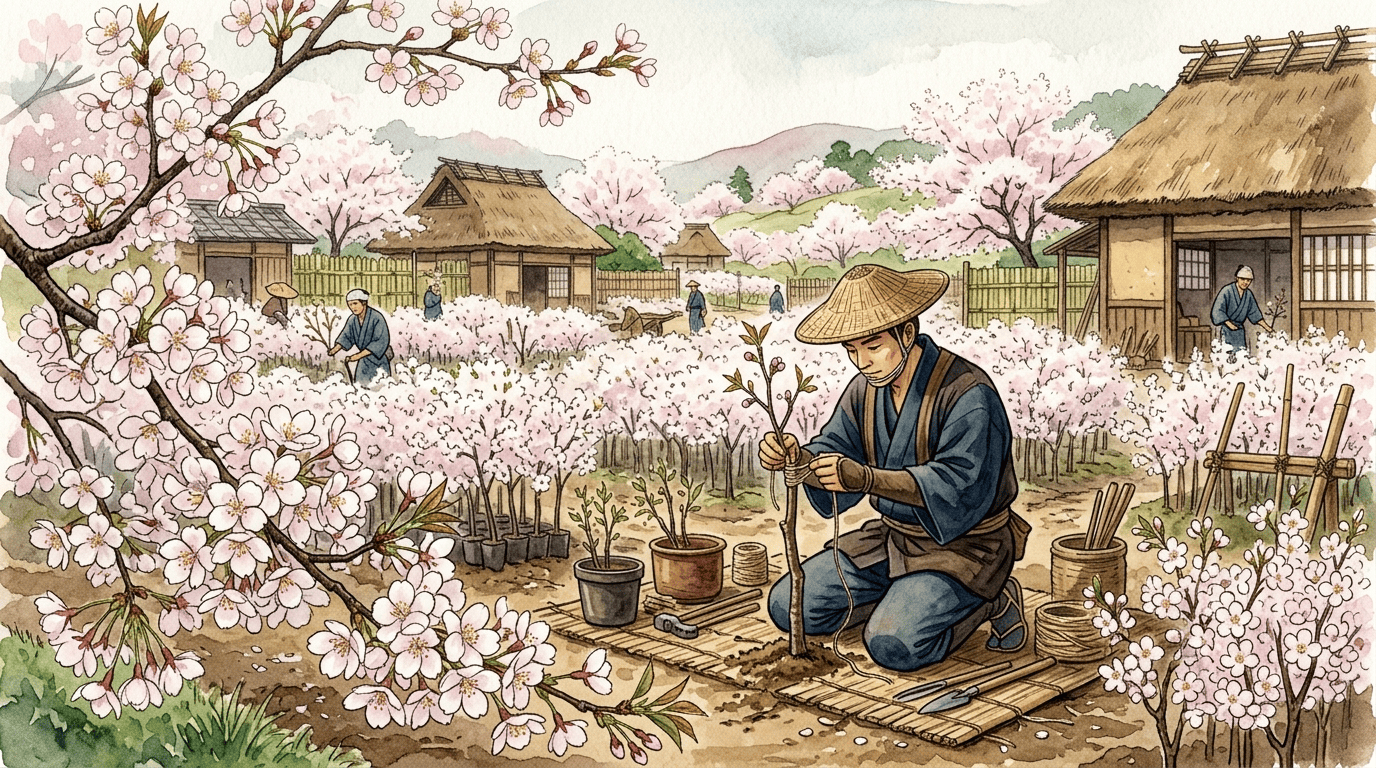
Prunus x yedoensis, commonly called Yoshino cherry or "Somei-yoshino" in Japanese, is a hybrid cultivar selected in the late Edo period in the Somei district of Tokyo, around 1860-1870. Genetic evidence indicates it is a cross between the Oshima cherry (Prunus speciosa) and the spring cherry (Prunus subhirtella). Because all modern Yoshino cherries are clonally propagated (by grafting) from a single original seedling, they bloom in near-perfect synchrony — a characteristic that made them the iconic cherry of modern Japanese urban plantings and, crucially, the tree chosen for the 1912 gift from Tokyo mayor Yukio Ozaki to Washington, D.C. The overwhelming majority of the 3,000+ cherry trees around Washington's Tidal Basin are Yoshino cherries.
Their abundant clouds of nearly white, faintly pink single blossoms are the signature image of the Washington Cherry Blossom Festival and of Japanese spring. The trees are relatively short-lived (40-60 years typical) and are periodically replaced; DNA-matched replacements are propagated from the original Washington specimens.
The Yoshino cherry originated in the Edo period, likely bred at the Somei nursery village in Tokyo. Because Yoshino trees are clonal grafts, they bloom in perfect unison, creating the dramatic mass flowering effect that defines cherry blossom festivals worldwide.
Symbolism & meaning
What It Symbolizes
Yoshino cherry is gentle beauty at its briefest — a cloud of pale pink flowers held for a week, then scattered like soft snow. Its meaning deepened in 1912 when Japan gifted three thousand trees to Washington, D.C., where their annual bloom became a symbol of friendship between nations. To stand under them at peak is to participate in a quiet, fading conversation between two countries.
- Gentle beauty — The soft, fading blossoms represent delicate and understated elegance
- Friendship — The famous gift of trees from Japan to the US made it a symbol of international goodwill
Where the Name Comes From
The name Korean Flowering Cherry points to Korea. 'Yedoensis' refers to Yedo (Edo), the historical name for Tokyo where this hybrid was first cultivated.
Uses & Fun Facts
- Pale pink early-spring blossoms release a delicate sweet scent
- Iconic Yoshino cherry as spring lawn and avenue focal point
- Centerpiece of Japanese hanami and Washington DC cherry festivals
Related plants
More Prunus plants



Plants with similar care
 Mexican AbeliaAbelia floribunda
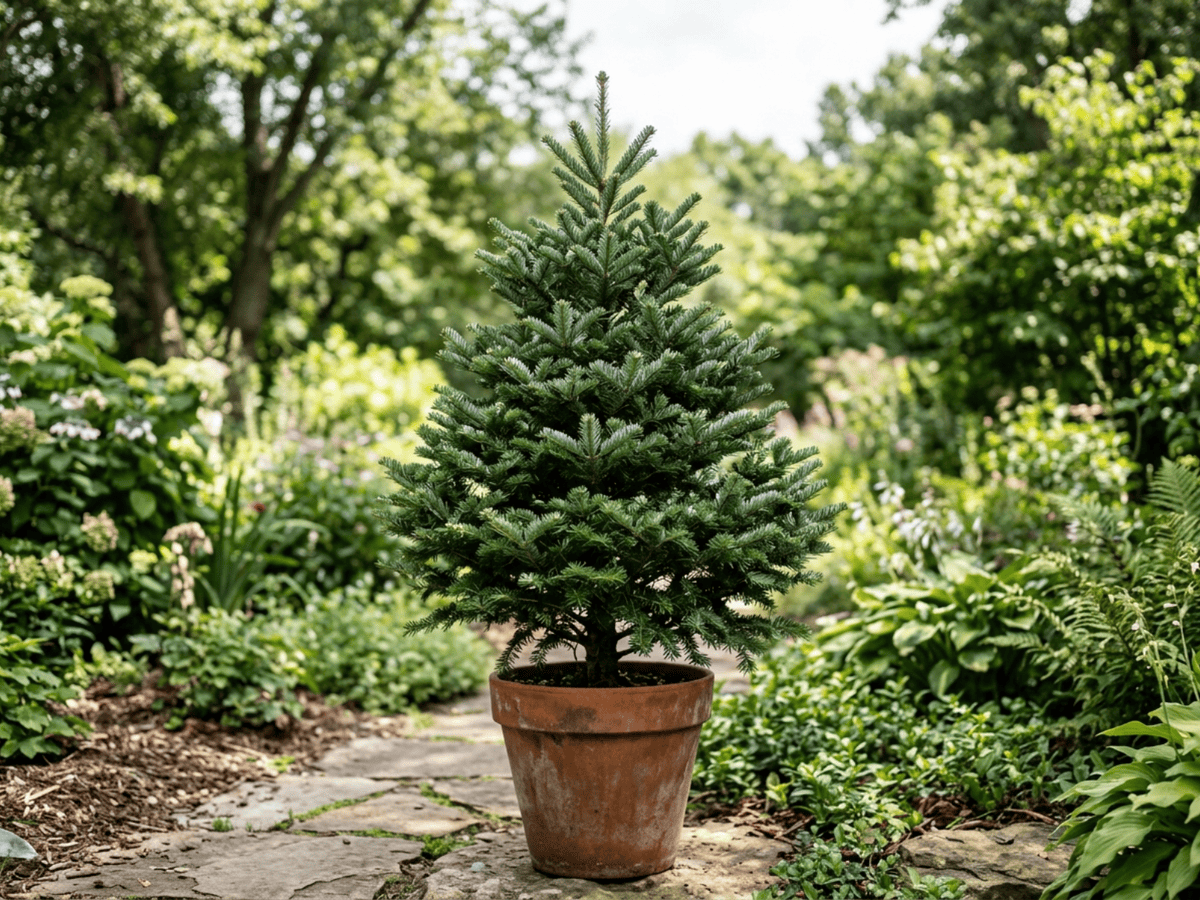 Fraser FirAbies fraseri
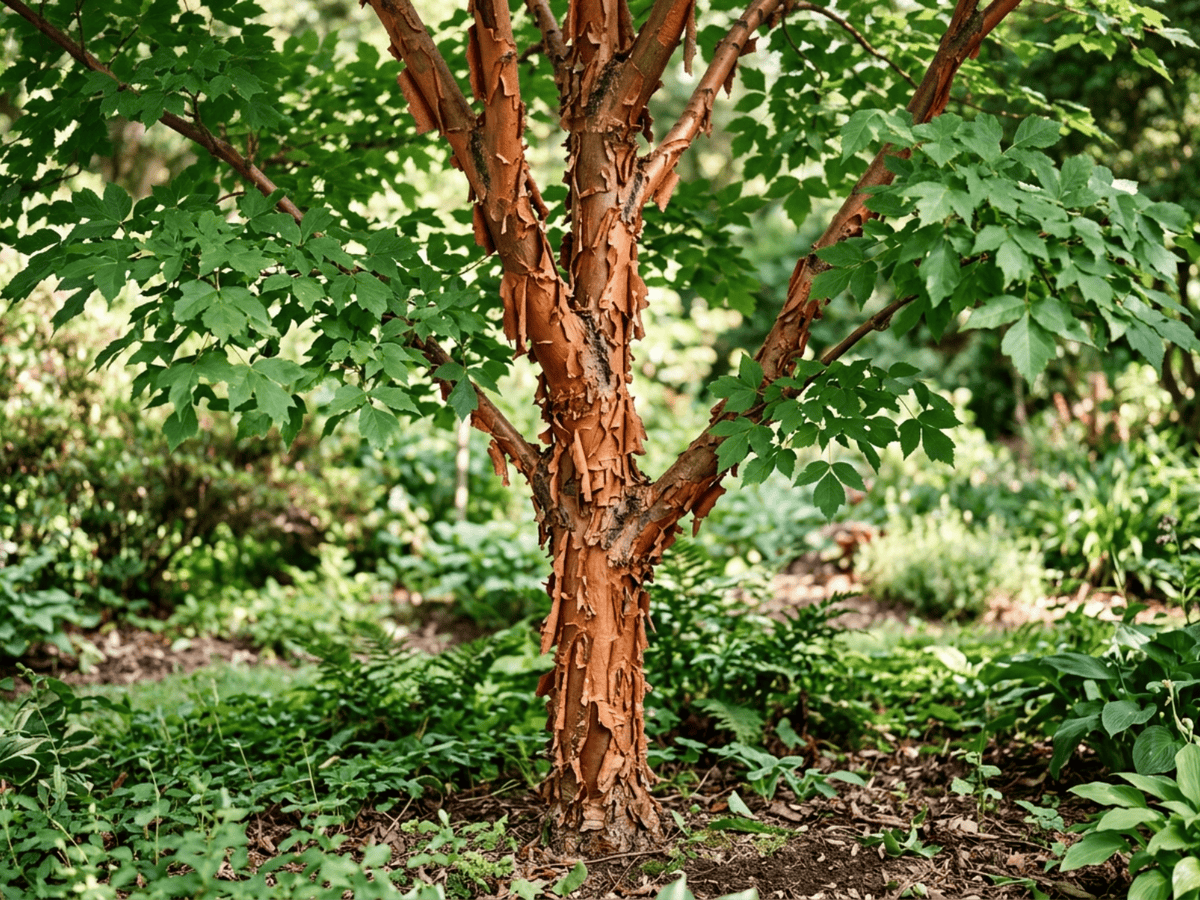 Paperbark MapleAcer griseum
 Sugar MapleAcer saccharum
Frequently asked questions
How often should I water Korean Flowering Cherry?
In summer, water about every 4 days; in winter, about every 30 days. Adjust for heat, pot size and drainage.
How much light does Korean Flowering Cherry need?
Full sun: 6+ hrs direct. Watch the leaves — scorching or stretching means the light needs adjusting.
Is Korean Flowering Cherry toxic to cats or dogs?
Pets Moderate (Dogs Moderate · Cats Moderate) Educational information, not medical or veterinary advice. If exposure is suspected, contact a doctor or veterinarian.
Is Korean Flowering Cherry easy to grow?
It is moderately demanding: a good choice once you have a little experience.
When does Korean Flowering Cherry bloom?
It typically blooms Mar–May in the Northern Hemisphere.
YardMate
Identify any plant in seconds
Snap a photo — YardMate names the plant, diagnoses problems, and reminds you when to water.
Download on the App Store