 YardMate


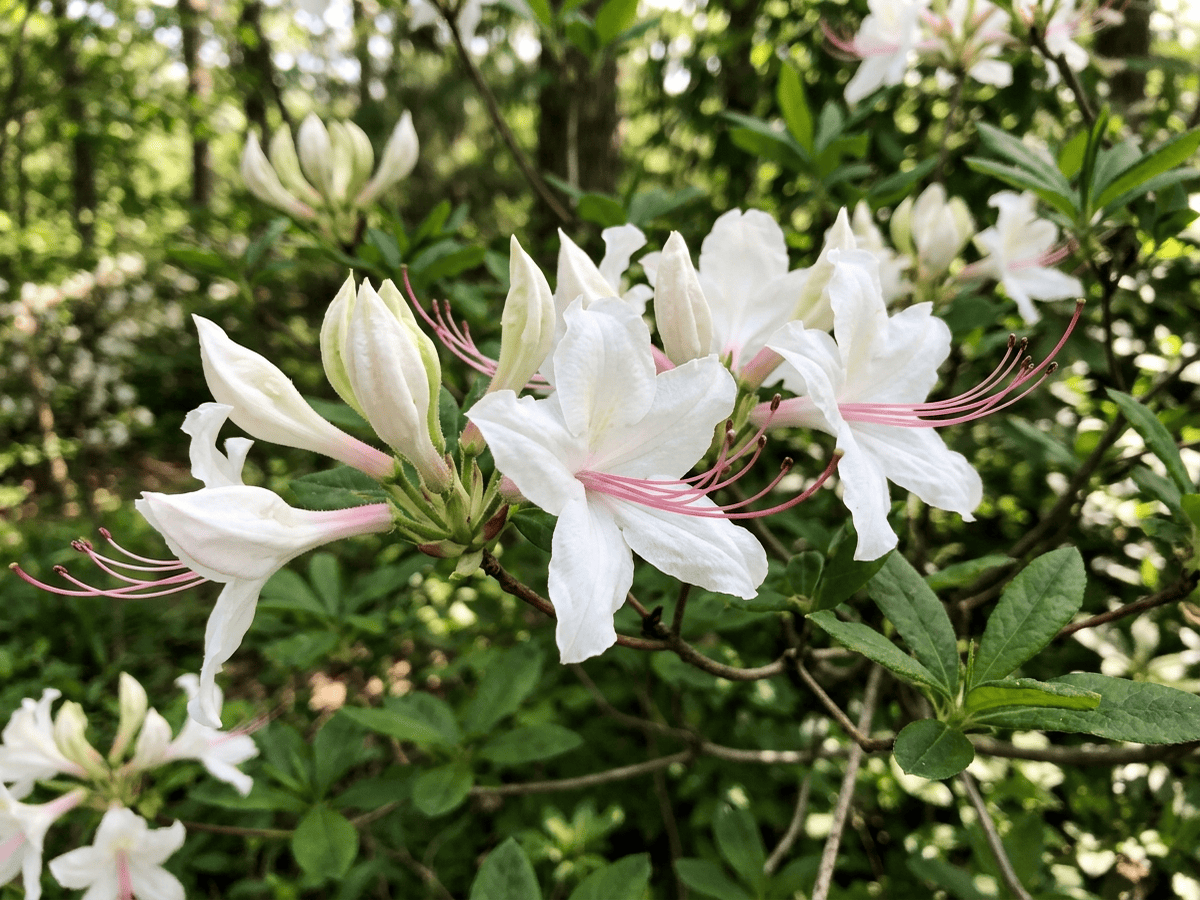

Smooth Azalea
Rhododendron arborescens
Medium · Some experienceAbout Smooth Azalea
Sweet Azalea is a deciduous native azalea of the Appalachian Mountains, reaching 8-20 feet tall with intensely fragrant white to pale pink flowers accented by long red stamens. Blooming in June and July—later than most azaleas—it fills mountain coves with its heady clove-like scent. The glossy bright green leaves turn deep red in autumn. Native from Pennsylvania to Alabama along streams and moist mountain slopes, it is one of the most fragrant plants in the Appalachian flora.
- Fragrant
- Fall-color
- Native
- Pollinator-friendly
How to care for Smooth Azalea
Watering
- Springevery 5 days
- Summerevery 3 days
- Fallevery 7 days
- Winterevery 14 days
Soil · Acidic · pH 4.5–6
- Top dressingPine needle mulch10%
- Main mixAcid-lover mix + peat 3:175%
- DrainageGravel15%
Never add lime or wood ash — it cancels out the acidity.
FERTILIZER
Acid-Loving Feed 4-3-4
One bag does both jobs. An acid feed carries the usual nitrogen, phosphorus and potassium, plus the sulfur and iron that keep the soil sour enough for the roots to take them up at all.
- Nitrogen · Leaves
- Phosphorus · Roots + Blooms
- Potassium · Strength
- Springevery 30 days
At a Glance
- NativeNorth America
- Height8–15 ft (2.4–4.6 m)
- Spread6–12 ft (1.8–3.7 m)
- Flower colorWhite, Pink
- Foliage colorGreen, Blue-green, Red
- SoilLoamy, Moisture-retentive, Acidic
- LocationsYard
Bloom time
BLOOM CYCLE
Peak bloom
Jun–Jul
Fragrant white flowers with red stamens June to July
Fragrance
STRONG FRAGRANCE
Powerful sweet heliotrope-clove fragrance, one of the most fragrant native azaleas.
Toxicity
Humans Toxic · Pets Toxic
grayanotoxins
Toxic
- Leaf
- Flower
- Ingestion
EXPOSURE Eating leaves and flowers.
EFFECT Nausea, vomiting, cardiac effects from grayanotoxins.
NOTE Documented concern for humans: Nausea, vomiting, cardiac effects from grayanotoxins.
Toxic
- Leaf
- Flower
- Ingestion
EXPOSURE Eating leaves and flowers.
EFFECT Vomiting, diarrhea, weakness, cardiac arrhythmia.
NOTE ASPCA toxic. All Rhododendron/Azalea severely toxic.
Toxic
- Leaf
- Flower
- Ingestion
EXPOSURE Eating leaves and flowers.
EFFECT Vomiting, diarrhea, weakness, cardiac arrhythmia.
NOTE ASPCA toxic. All Rhododendron/Azalea severely toxic.
Educational information, not medical or veterinary advice. If exposure is suspected, contact a doctor or veterinarian.
DISTRIBUTION


- Native
- North America
History

Rhododendron arborescens occurs naturally along mountain streams and wet woodlands of the Appalachians from New York and Pennsylvania south through West Virginia, Virginia, the Carolinas, Tennessee, and Kentucky, to northern Georgia and Alabama. American botanist John Torrey formally described the species in 1843, the epithet arborescens meaning becoming tree-like for its potential to reach 6 meters on favorable sites—taller than most native azaleas. It is one of the latest-blooming of the deciduous azaleas, opening in June and July after the leaves have fully expanded.
The white (sometimes pink-flushed) flowers have conspicuous red stamens and styles and emit a powerful sweet heliotrope-like fragrance that drifts for many meters along streamsides—its common name, sweet azalea. Glaucous blue-green foliage turns crimson and burgundy in autumn.
Used extensively in native azalea breeding (the Choptank River hybrids) to impart late bloom and fragrance to modern garden selections. Found along Appalachian streams from Pennsylvania to northern Alabama, it blooms weeks after other native azaleas, extending the season. The intense clove-like fragrance carries on evening breezes through mountain hollows, a defining scent of Southern Appalachian summers.
Symbolism & meaning
What It Symbolizes
Smooth Azalea carries remembrance, its sweet honey-clove fragrance evoking memories of mountain summers spent along Appalachian streams. Its grace is unmistakable, white flowers centered with long crimson stamens creating an elegant contrast that few native shrubs can rival. It is often read as a flower of scented mountain memory, a deciduous azalea whose perfume is so distinctive that catching it once on a wooded ridge tends to fix that day permanently in the mind.
- Remembrance — its fragrance evokes mountain summer memories
- Grace — white flowers with crimson stamens create an elegant contrast
Where the Name Comes From
'Arborescens' means 'becoming tree-like' in Latin, referring to its height—the tallest native deciduous azalea.
Uses & Fun Facts
- Late-spring blooms fill mountain coves with clove scent
- Native deciduous azalea for streamside woodland gardens
- Long-tubed flowers attract hummingbirds and large butterflies
Related plants
More Rhododendron plants
 Augustine's RhododendronRhododendron augustinii
 Orange AzaleaRhododendron austrinum
 Mountain AzaleaRhododendron canescens
 Catawba RhododendronRhododendron catawbiense
Plants with similar care
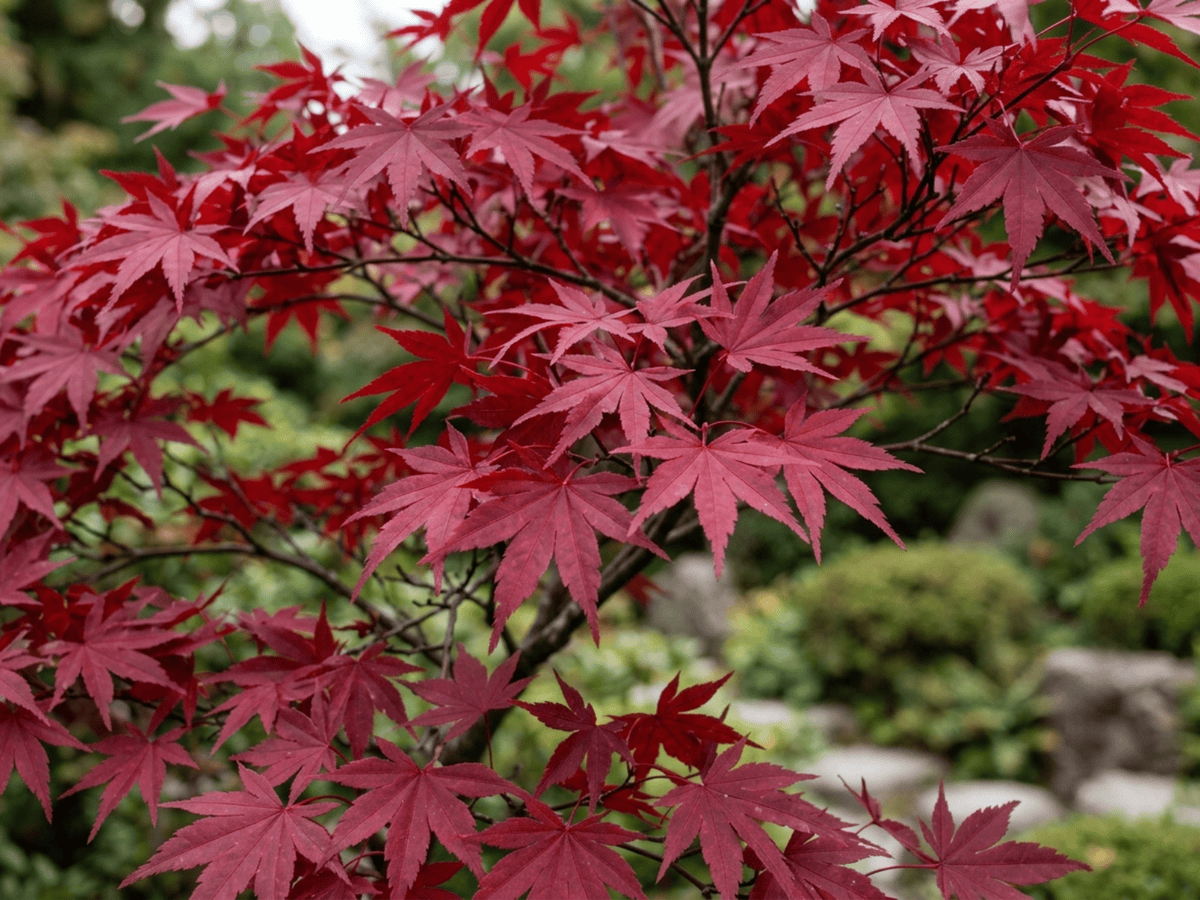 Japanese MapleAcer palmatum
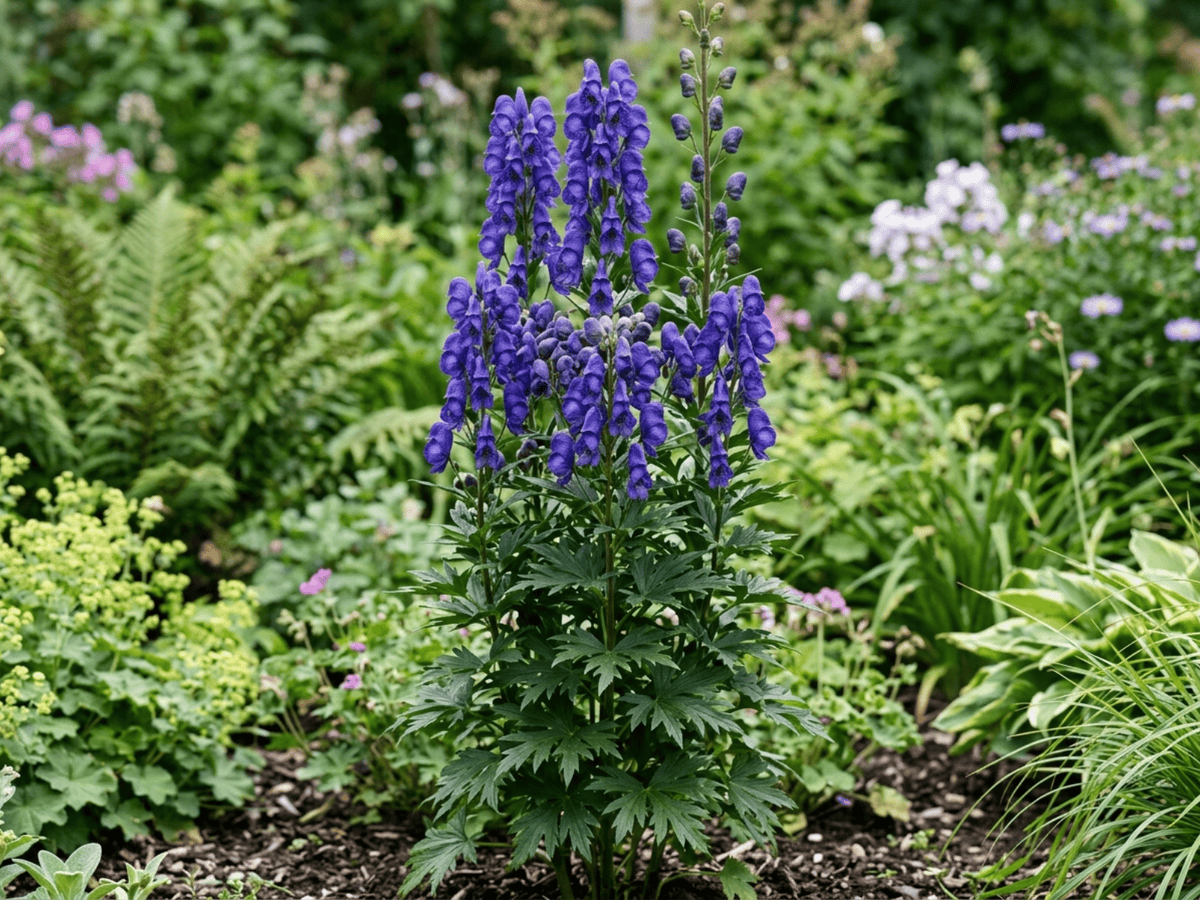 Azure MonkshoodAconitum carmichaelii
 Florida HobblebushAgarista populifolia
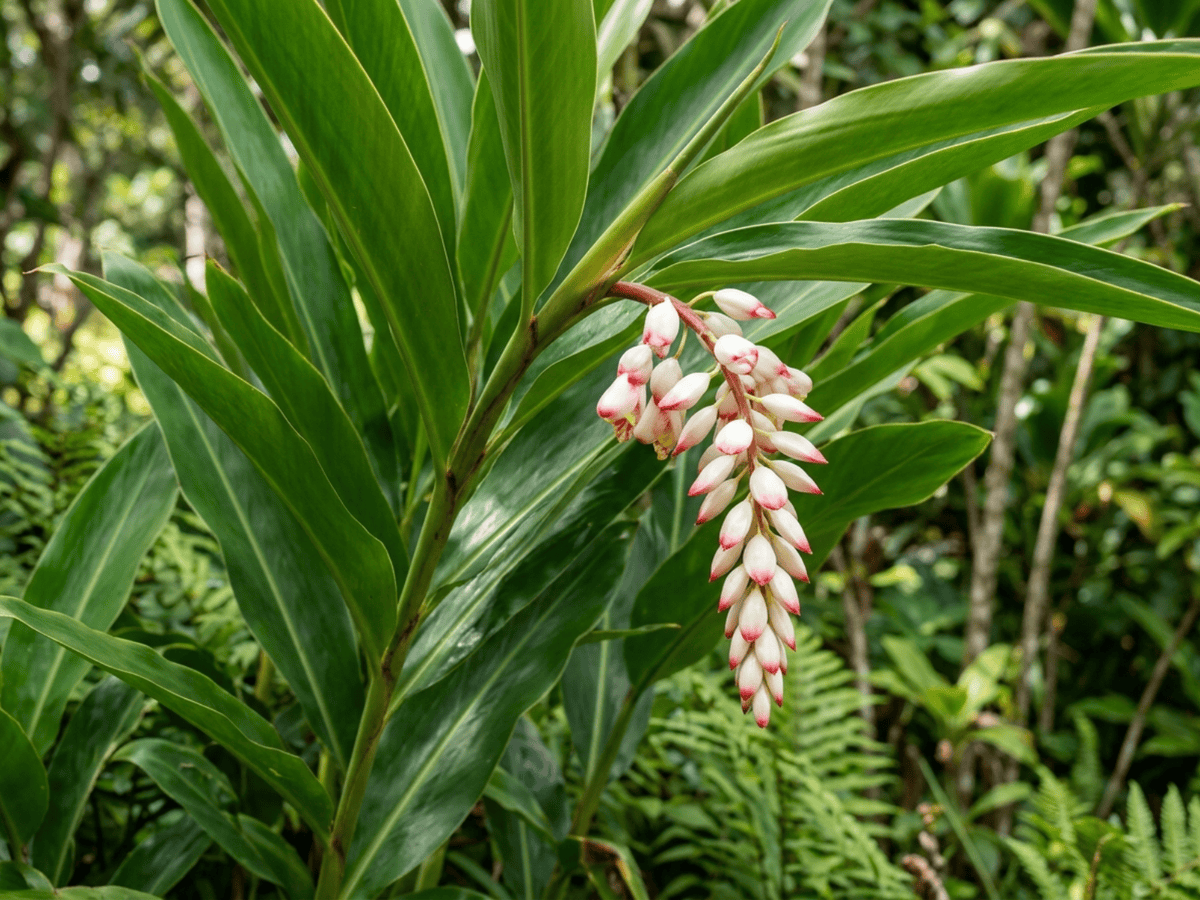 Shell GingerAlpinia zerumbet
Frequently asked questions
How often should I water Smooth Azalea?
In summer, water about every 3 days; in winter, about every 14 days. Adjust for heat, pot size and drainage.
How much light does Smooth Azalea need?
Part shade: 2–4 hrs direct. Watch the leaves — scorching or stretching means the light needs adjusting.
Is Smooth Azalea toxic to cats or dogs?
Pets Toxic (Dogs Toxic · Cats Toxic) Educational information, not medical or veterinary advice. If exposure is suspected, contact a doctor or veterinarian.
Is Smooth Azalea easy to grow?
It is moderately demanding: a good choice once you have a little experience.
When does Smooth Azalea bloom?
It typically blooms Jun–Jul in the Northern Hemisphere.
YardMate
Identify any plant in seconds
Snap a photo — YardMate names the plant, diagnoses problems, and reminds you when to water.
Download on the App Store