 YardMate

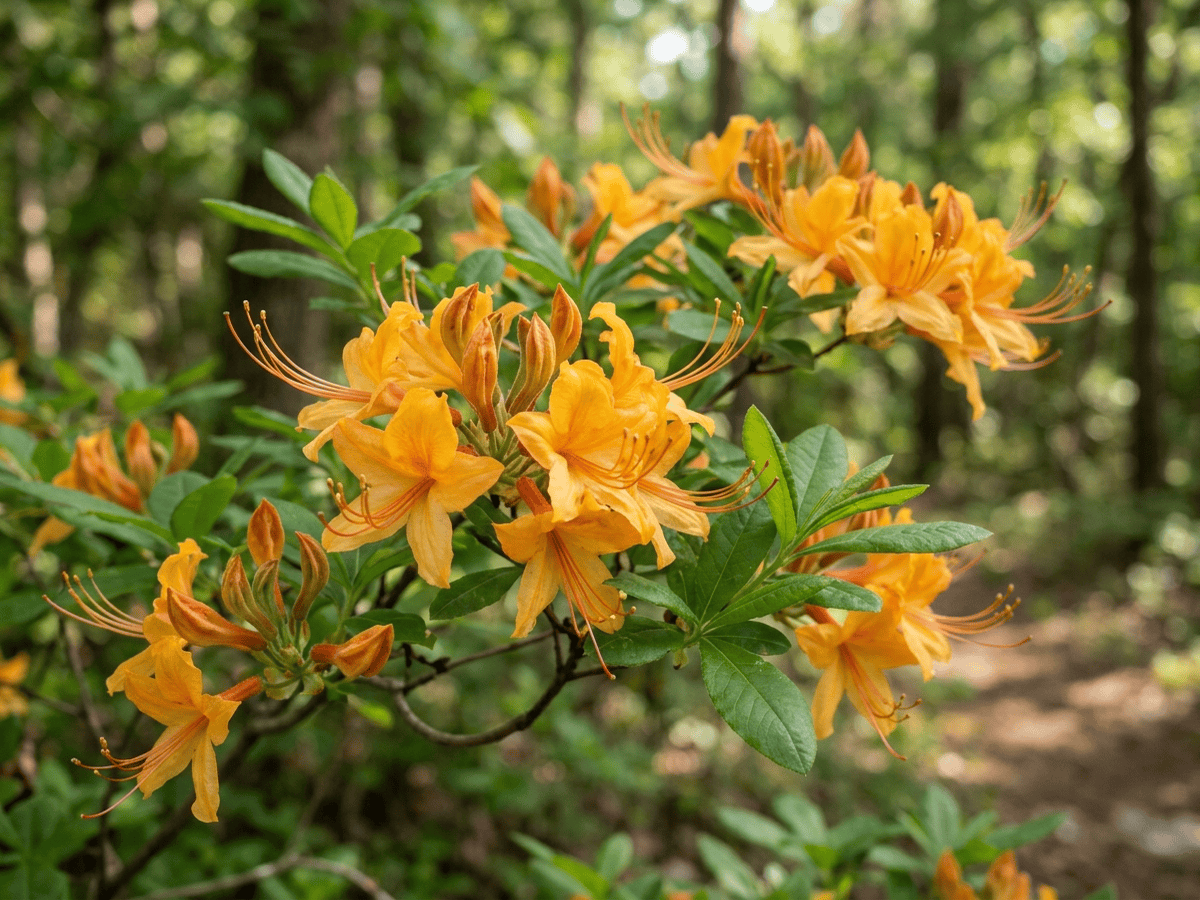


Orange Azalea
Rhododendron austrinum
Medium · Some experienceAbout Orange Azalea
Florida Flame Azalea is a deciduous native azalea of the southeastern Coastal Plain, prized for fragrant golden-orange to yellow trumpet flowers that bloom in spring before the leaves fully expand. Reaching 8 to 10 feet, it forms an open, airy shrub well suited to woodland edges and pine flatwoods. Its citrus-honey perfume drifts through Southern gardens in March and April, attracting swallowtail butterflies and ruby-throated hummingbirds returning from Central America.
- Fragrant
- Deer-resistant
- Native
- Pollinator-friendly
How to care for Orange Azalea
Watering
- Springevery 5 days
- Summerevery 4 days
- Fallevery 10 days
- Winterevery 14 days
Soil · Acidic · pH 4.5–6
- Top dressingPine needle mulch10%
- Main mixAcid-lover mix + peat 3:175%
- DrainageGravel15%
Never add lime or wood ash — it cancels out the acidity.
FERTILIZER
Acid-Loving Feed 4-3-4
One bag does both jobs. An acid feed carries the usual nitrogen, phosphorus and potassium, plus the sulfur and iron that keep the soil sour enough for the roots to take them up at all.
- Nitrogen · Leaves
- Phosphorus · Roots + Blooms
- Potassium · Strength
- Springevery 60 days
- Summerevery 90 days
At a Glance
- NativeNorth America
- Height8–12 ft (2.4–3.7 m)
- Spread6–10 ft (1.8–3 m)
- Flower colorOrange, Yellow
- Foliage colorGreen, Yellow, Bronze
- SoilAcidic, Well-drained, Loamy
- LocationsYard
Bloom time
BLOOM CYCLE
Peak bloom
Mar–Apr
Golden-orange fragrant trumpets March to April
Fragrance
STRONG FRAGRANCE
The flowers have a rich honeysuckle-like sweet fragrance.
Toxicity
Humans Toxic · Pets Toxic
grayanotoxins
Toxic
- Leaf
- Flower
- Seed
- Ingestion
EXPOSURE Eating leaves, flowers, and seeds.
EFFECT Grayanotoxins cause salivation, vomiting, bradycardia, hypotension, and seizures.
NOTE Documented concern for humans: Grayanotoxins cause salivation, vomiting, bradycardia, hypotension, and seizures.
Toxic
- Leaf
- Flower
- Seed
- Ingestion
EXPOSURE Eating leaves, flowers, and seeds.
EFFECT ASPCA: vomiting, diarrhea, weakness, ataxia, cardiac arrhythmia, potentially fatal.
NOTE ASPCA-listed Rhododendron; all parts toxic including nectar and honey.
Toxic
- Leaf
- Flower
- Seed
- Ingestion
EXPOSURE Eating leaves, flowers, and seeds.
EFFECT ASPCA: vomiting, diarrhea, weakness, ataxia, cardiac arrhythmia, potentially fatal.
NOTE ASPCA-listed Rhododendron; all parts toxic including nectar and honey.
Educational information, not medical or veterinary advice. If exposure is suspected, contact a doctor or veterinarian.
DISTRIBUTION


- Native
- North America
History

Rhododendron austrinum, the Florida flame azalea or orange azalea, is a deciduous shrub native to north Florida, south Alabama, south Georgia, and southeast Mississippi, growing along streambanks and rich wooded slopes. American botanist Alvan Wentworth Chapman described the species in the 19th century. Its warm yellow to deep orange tubular flowers, richly honeysuckle-scented, appear before or with the leaves in early spring, making the shrub a signature display of the Gulf Coast spring.
Georgia nurseryman S. D. Coleman and later the Aromi and Dodd families used it as a primary parent in the Confederate Series and Aromi hybrids, introducing its heat tolerance into deciduous azalea breeding. Habitat loss has made some wild populations scarce, and the species is cultivated in most southern botanical gardens.
Native to the Florida Panhandle, southern Alabama, Georgia, and Mississippi, this azalea was long cherished by Southern gardeners before formal introduction to horticulture. It is a parent of many fragrant hybrid azaleas including the Aromi and Confederate series developed in Alabama during the 20th century.
Symbolism & meaning
What It Symbolizes
Orange Azalea evokes Southern hospitality, its warm gold and orange blooms recalling the welcoming gardens of the Deep South in early spring. Spring renewal arrives with the flowers themselves — fragrant, native, and timed to the return of warm weather along Gulf Coast streams. Its meaning is the open-armed greeting of a regional native, leading visitors and pollinators alike into the new green season.
- Southern hospitality — evokes warm welcome of Deep South gardens
- Spring renewal — blooms herald the return of warm weather
Where the Name Comes From
The common name highlights its orange coloring. 'Austrinum' is Latin for 'southern,' referring to its native range in the southeastern United States.
Uses & Fun Facts
- Orange-yellow flowers release spicy honeysuckle fragrance
- Tubular flowers attract hummingbirds and swallowtail butterflies
- Native deciduous azalea brightens southeastern shade gardens
Related plants
More Rhododendron plants
 Smooth AzaleaRhododendron arborescens
 Augustine's RhododendronRhododendron augustinii
 Mountain AzaleaRhododendron canescens
 Catawba RhododendronRhododendron catawbiense
Plants with similar care
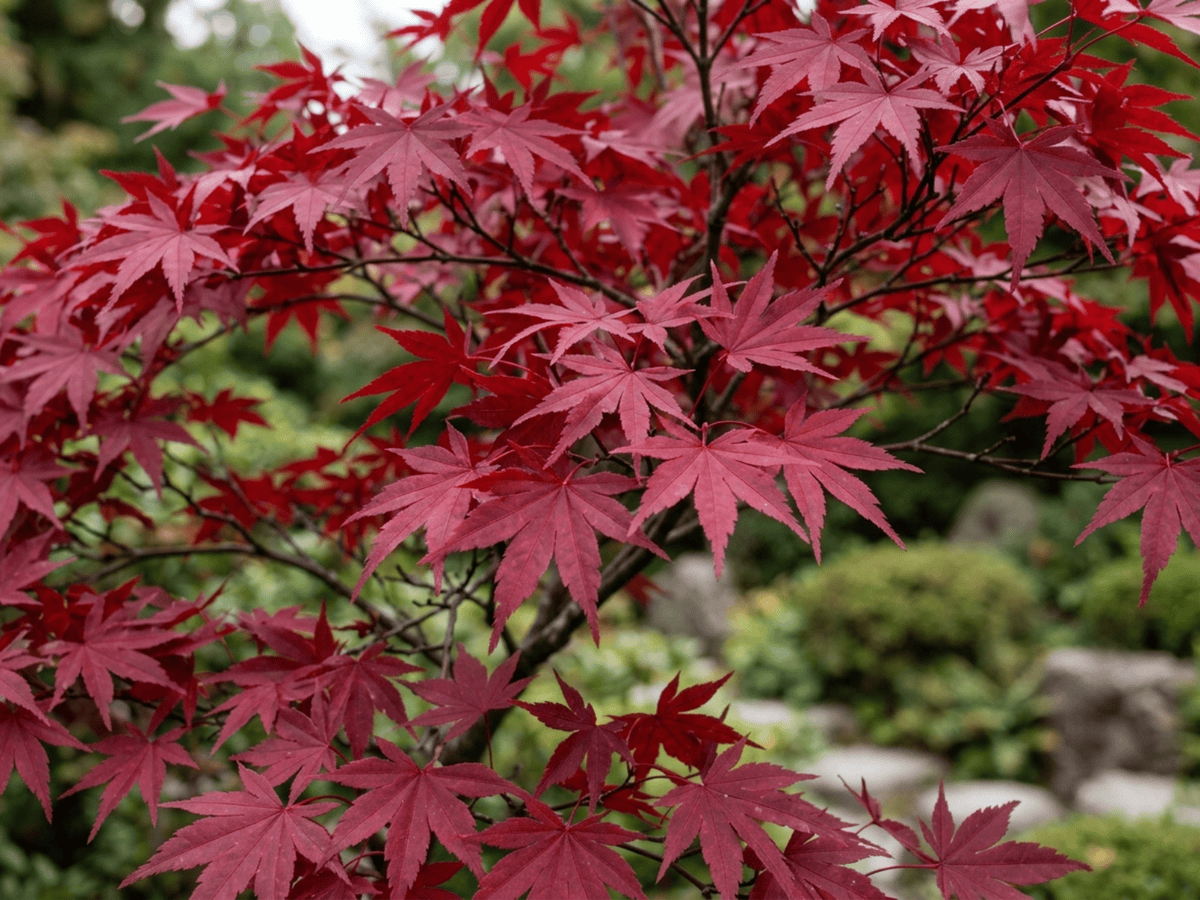 Japanese MapleAcer palmatum
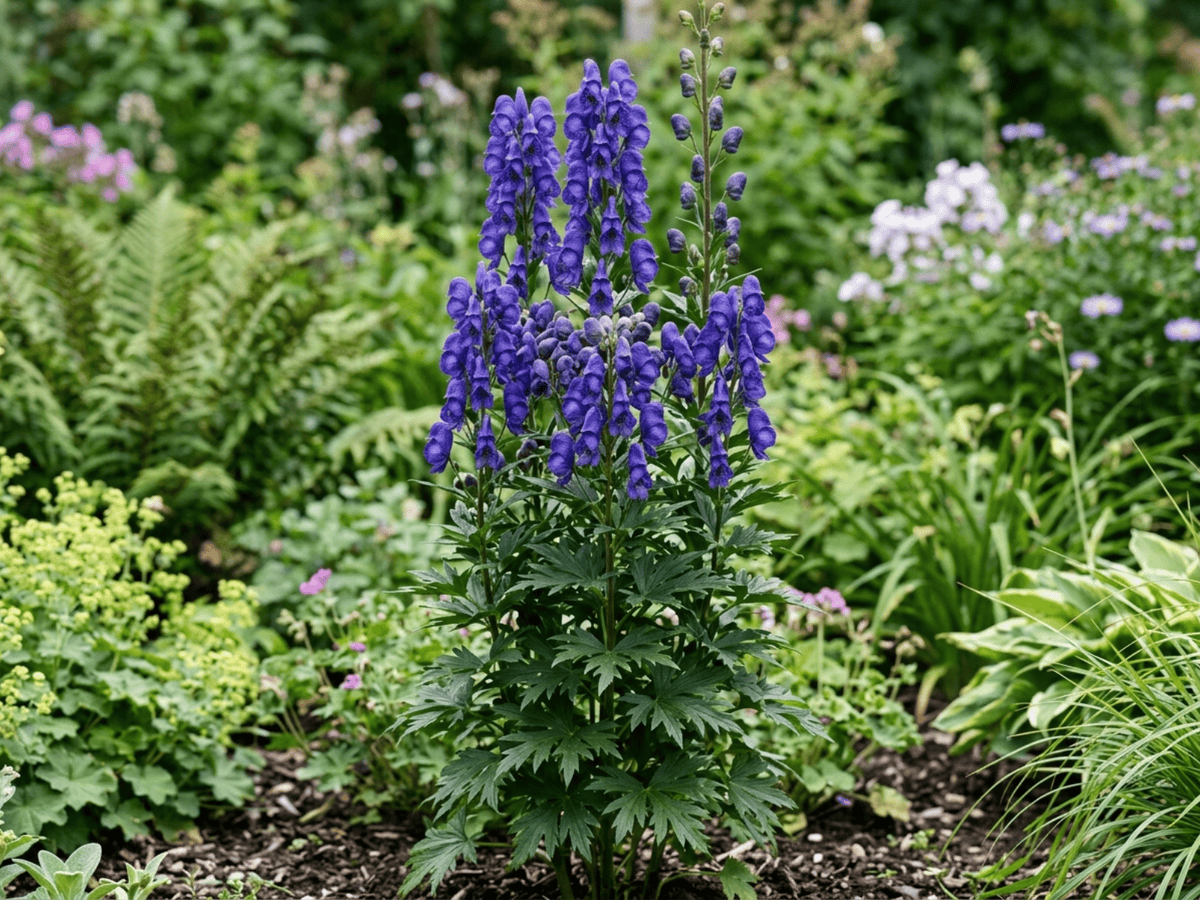 Azure MonkshoodAconitum carmichaelii
 Florida HobblebushAgarista populifolia
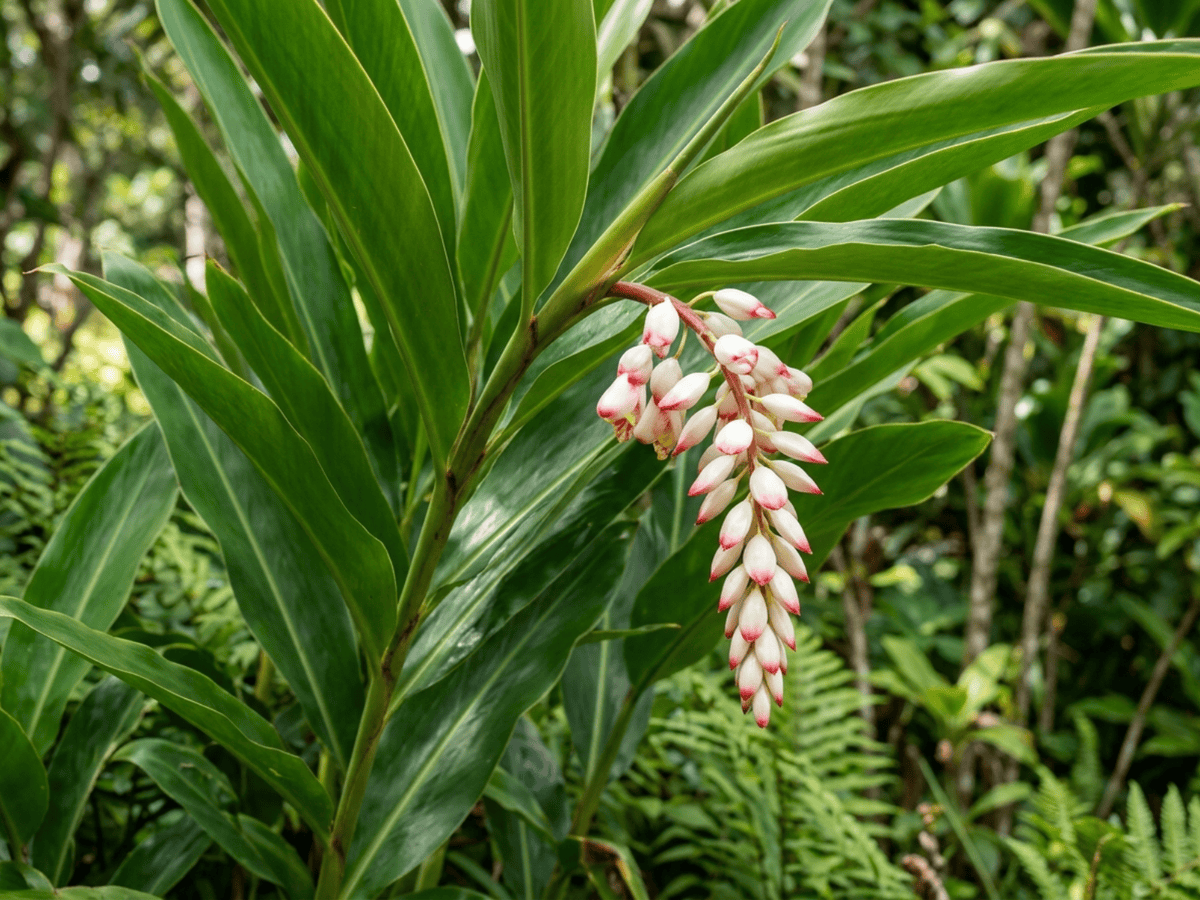 Shell GingerAlpinia zerumbet
Frequently asked questions
How often should I water Orange Azalea?
In summer, water about every 4 days; in winter, about every 14 days. Adjust for heat, pot size and drainage.
How much light does Orange Azalea need?
Part shade: 2–4 hrs direct. Watch the leaves — scorching or stretching means the light needs adjusting.
Is Orange Azalea toxic to cats or dogs?
Pets Toxic (Dogs Toxic · Cats Toxic) Educational information, not medical or veterinary advice. If exposure is suspected, contact a doctor or veterinarian.
Is Orange Azalea easy to grow?
It is moderately demanding: a good choice once you have a little experience.
When does Orange Azalea bloom?
It typically blooms Mar–Apr in the Northern Hemisphere.
YardMate
Identify any plant in seconds
Snap a photo — YardMate names the plant, diagnoses problems, and reminds you when to water.
Download on the App Store