 YardMate


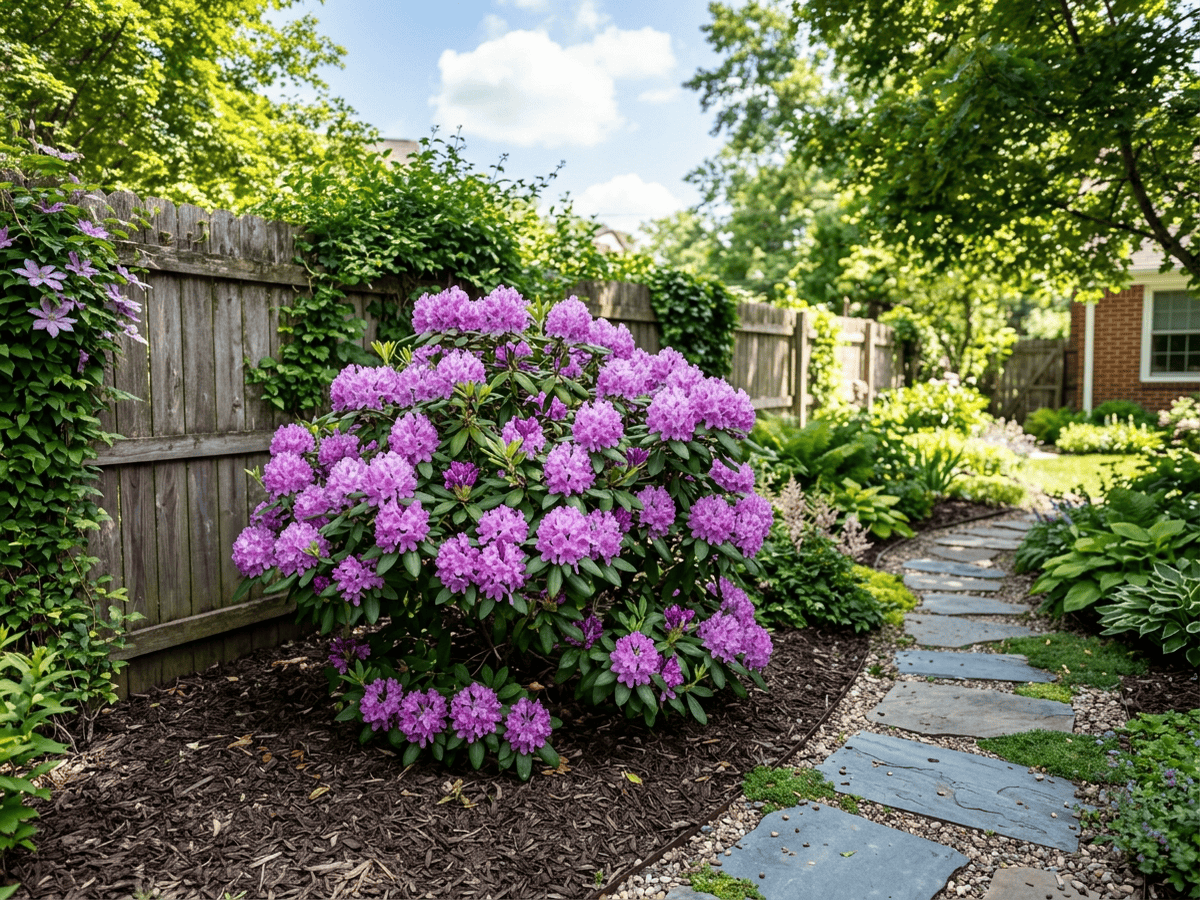
Catawba Rhododendron
Rhododendron catawbiense
Medium · Some experienceAbout Catawba Rhododendron
Rhododendron catawbiense, the Catawba rhododendron, is a broad-leaved evergreen shrub native to the Appalachian Mountains of the eastern United States. It typically grows 2 to 3 meters tall, forming dense rounded mounds of leathery dark green foliage crowned by spectacular clusters of lilac-purple flowers in late spring. Exceptionally cold-hardy among rhododendrons, it tolerates temperatures well below minus 30 degrees Celsius, making it the backbone of countless hybrid breeding programs. It thrives in acidic, well-drained soil enriched with organic matter and prefers dappled shade beneath tall trees, mimicking its native mountain woodland habitat. The Catawba people of the Carolinas, for whom the plant is named, used its leaves medicinally. Today it is one of the most widely planted ornamental shrubs in temperate gardens worldwide, valued for its reliability, evergreen structure, and profuse bloom. It pairs beautifully with azaleas, ferns, and hostas in woodland garden designs.
- Cold-hardy
- Evergreen
How to care for Catawba Rhododendron
Watering
- Springevery 3 days
- Summerevery 2 days
- Fallevery 7 days
- Winterevery 21 days
Soil · Acidic · pH 4.5–6
- Top dressingPine needle mulch10%
- Main mixAcid-lover mix + peat 3:175%
- DrainageGravel15%
Never add lime or wood ash — it cancels out the acidity.
FERTILIZER
Acid-Loving Feed 4-3-4
One bag does both jobs. An acid feed carries the usual nitrogen, phosphorus and potassium, plus the sulfur and iron that keep the soil sour enough for the roots to take them up at all.
- Nitrogen · Leaves
- Phosphorus · Roots + Blooms
- Potassium · Strength
- Springevery 45 days
At a Glance
- NativeNorth America
- Height6–10 ft (1.8–3 m)
- Spread5–8 ft (1.5–2.4 m)
- Flower colorPurple, Pink, White
- Foliage colorGreen
- SoilMoisture-retentive, Loamy, Acidic
- LocationsYard
Bloom time
BLOOM CYCLE
Peak bloom
May–Jun
Lilac-purple clusters appear in late spring; deadhead spent trusses to encourage next year's bloom
Fragrance
NO FRAGRANCE
No notable fragrance.
Toxicity
Humans Toxic · Pets Toxic
grayanotoxins
Toxic
- Leaf
- Flower
- Nectar
- Ingestion
EXPOSURE Eating leaves, flowers, and nectar.
EFFECT Grayanotoxin poisoning and honey from nectar also toxic.
NOTE Documented concern for humans: Grayanotoxin poisoning and honey from nectar also toxic.
Toxic
- Leaf
- Flower
- Ingestion
EXPOSURE Eating leaves and flowers.
EFFECT Vomiting, bradycardia, cardiac arrhythmia, potentially fatal.
NOTE ASPCA lists Rhododendron as toxic to dogs, cats, and horses.
Toxic
- Leaf
- Flower
- Ingestion
EXPOSURE Eating leaves and flowers.
EFFECT Grayanotoxin toxicity and same as dogs.
NOTE ASPCA lists Rhododendron as toxic to dogs, cats, and horses.
Educational information, not medical or veterinary advice. If exposure is suspected, contact a doctor or veterinarian.
DISTRIBUTION


- Native
- Introduced
- North America
History

Rhododendron catawbiense is native to the southern and central Appalachian Mountains of the eastern United States, particularly the Blue Ridge and Great Smoky Mountains of North Carolina, Tennessee, and Virginia, with outlying populations in West Virginia and Alabama. Its species epithet honors the Catawba River, which drains parts of its native range, and by extension the Catawba people whose historic territory included these mountains. The plant's spectacular June flowering on high-elevation "rhododendron balds" — open mountain summits where the species forms continuous thickets — has been a tourist draw since the late 19th century, especially at Roan Mountain (NC/TN) and Craggy Gardens (NC).
Plant hunter John Fraser collected it in 1787 and introduced it to British horticulture; its cold hardiness (to USDA zone 4) made it the critical parent of 19th-century "ironclad" hybrids developed by British breeders such as Anthony Waterer Sr., who crossed it with Himalayan and Caucasian species to create cold-hardy garden rhododendrons. Cultivars including "Roseum Elegans," "English Roseum," "Nova Zembla," and "Boursault" remain standard in American landscape planting.
Like all Rhododendron species, it is toxic due to grayanotoxins. First collected by botanist Andre Michaux in the Appalachian highlands in 1802, Rhododendron catawbiense was quickly exported to Europe where it became the foundation of thousands of cold-hardy hybrids. The plant is named after the Catawba River valley in North Carolina, homeland of the Catawba Native American people.
Symbolism & meaning
What It Symbolizes
Catawba Rhododendron is mountain dignity in evergreen form. Purple blooms light the southern Appalachians, where the shrub can gather in great thickets along cool slopes. Its symbolism is native grandeur with a cautionary edge: magnificent in bloom, powerful in presence, and not a plant for careless browsing.
- Caution — Its toxic nature has long symbolized warning and careful restraint
- Elegance — The lush evergreen form and lavish blooms represent refined beauty
Where the Name Comes From
Rhododendron comes from Greek 'rhodon' (rose) and 'dendron' (tree). Catawbiense refers to the Catawba River region where it was first documented.
Uses & Fun Facts
- Lavender-purple flower trusses crown large evergreen shrub
- Native Appalachian rhododendron anchors woodland gardens
- Late-spring blooms attract bumblebees and hummingbirds
Related plants
More Rhododendron plants
 Smooth AzaleaRhododendron arborescens
 Augustine's RhododendronRhododendron augustinii
 Orange AzaleaRhododendron austrinum
 Mountain AzaleaRhododendron canescens
Plants with similar care
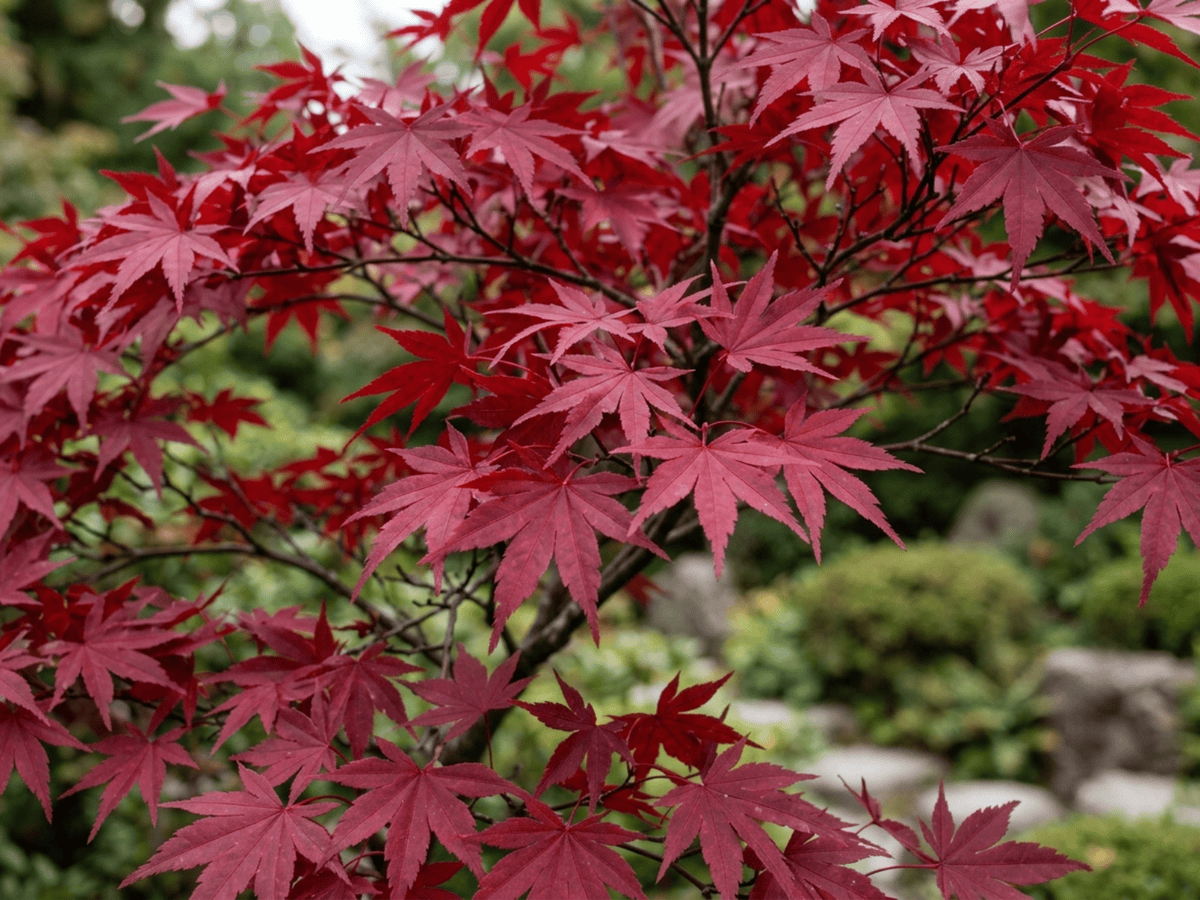 Japanese MapleAcer palmatum
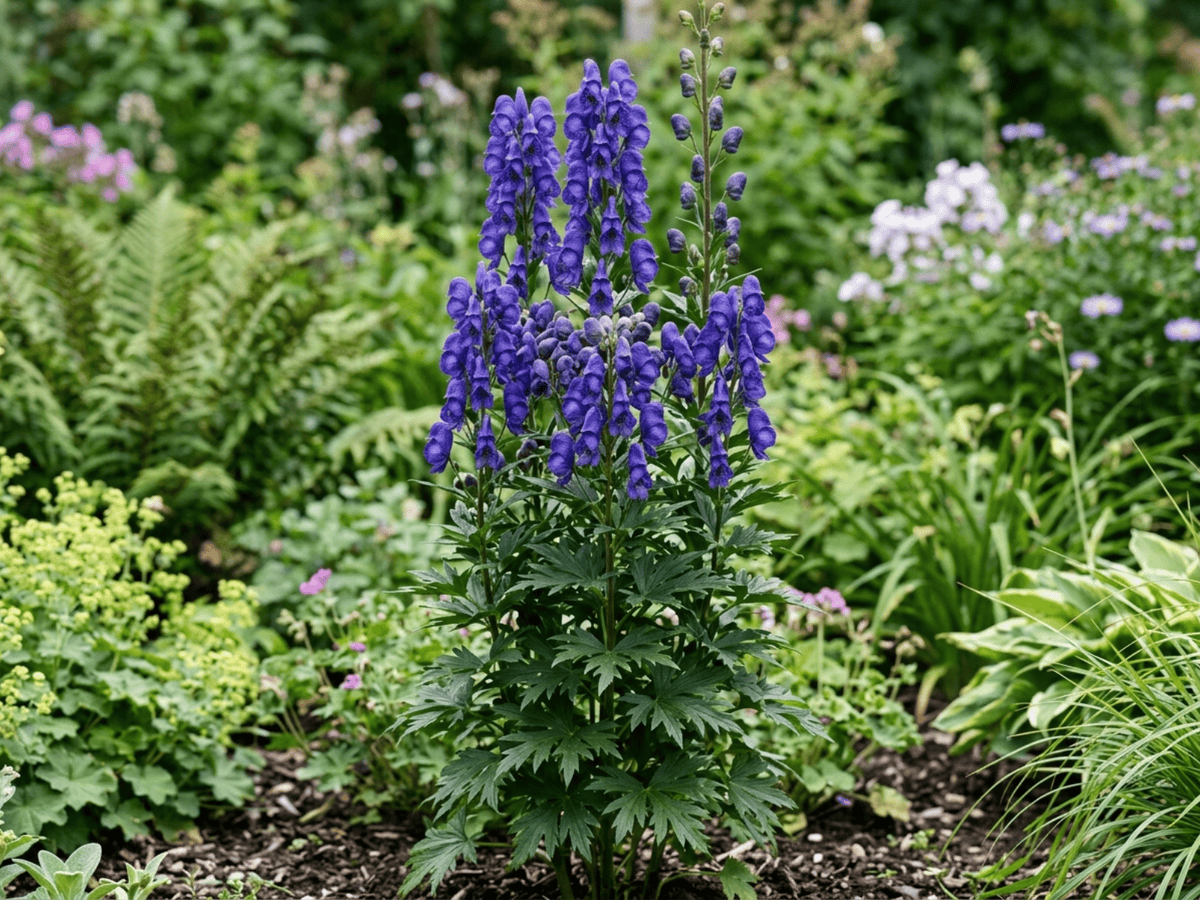 Azure MonkshoodAconitum carmichaelii
 Florida HobblebushAgarista populifolia
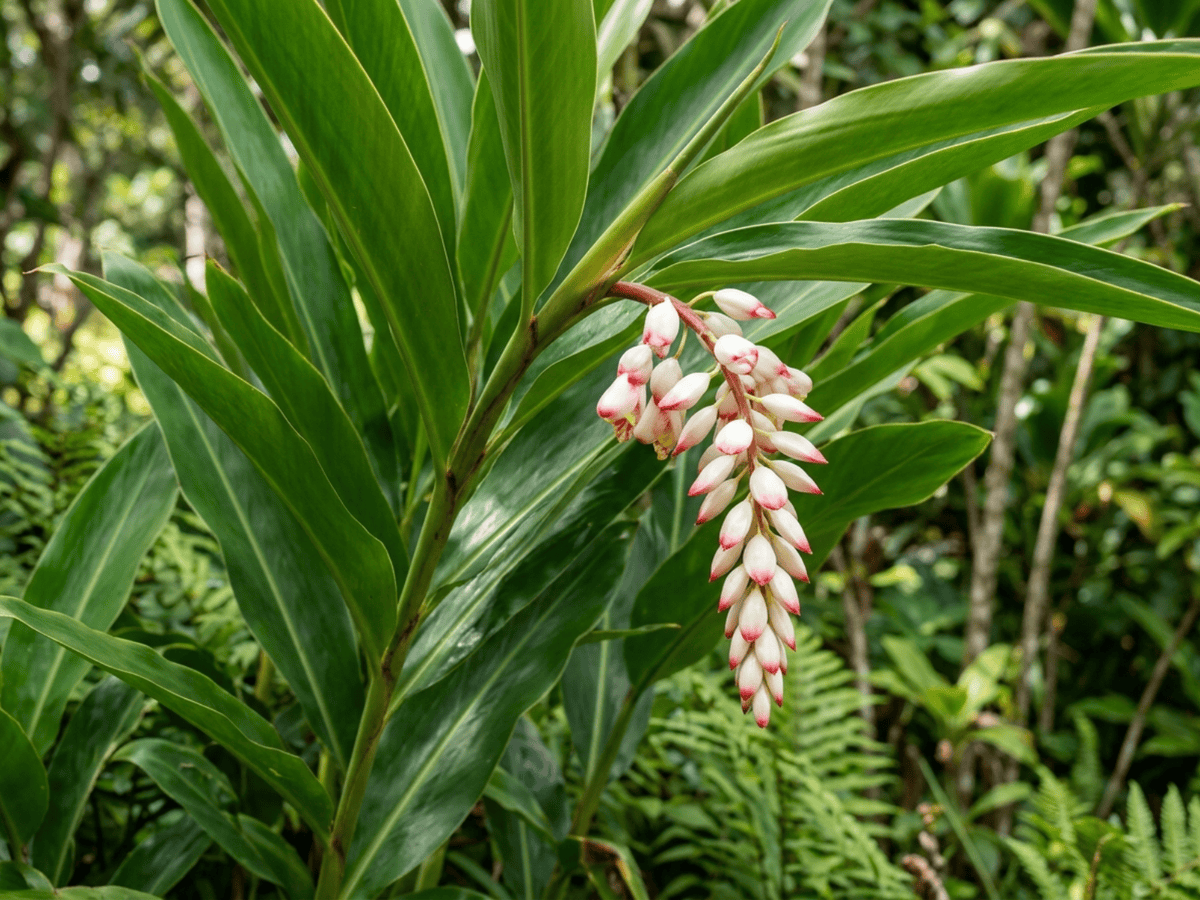 Shell GingerAlpinia zerumbet
Frequently asked questions
How often should I water Catawba Rhododendron?
In summer, water about every 2 days; in winter, about every 21 days. Adjust for heat, pot size and drainage.
How much light does Catawba Rhododendron need?
Part shade: 2–4 hrs direct. Watch the leaves — scorching or stretching means the light needs adjusting.
Is Catawba Rhododendron toxic to cats or dogs?
Pets Toxic (Dogs Toxic · Cats Toxic) Educational information, not medical or veterinary advice. If exposure is suspected, contact a doctor or veterinarian.
Is Catawba Rhododendron easy to grow?
It is moderately demanding: a good choice once you have a little experience.
When does Catawba Rhododendron bloom?
It typically blooms May–Jun in the Northern Hemisphere.
YardMate
Identify any plant in seconds
Snap a photo — YardMate names the plant, diagnoses problems, and reminds you when to water.
Download on the App Store