 YardMate

Augustine's Rhododendron
Rhododendron augustinii
Hard · Experienced growersAbout Augustine's Rhododendron
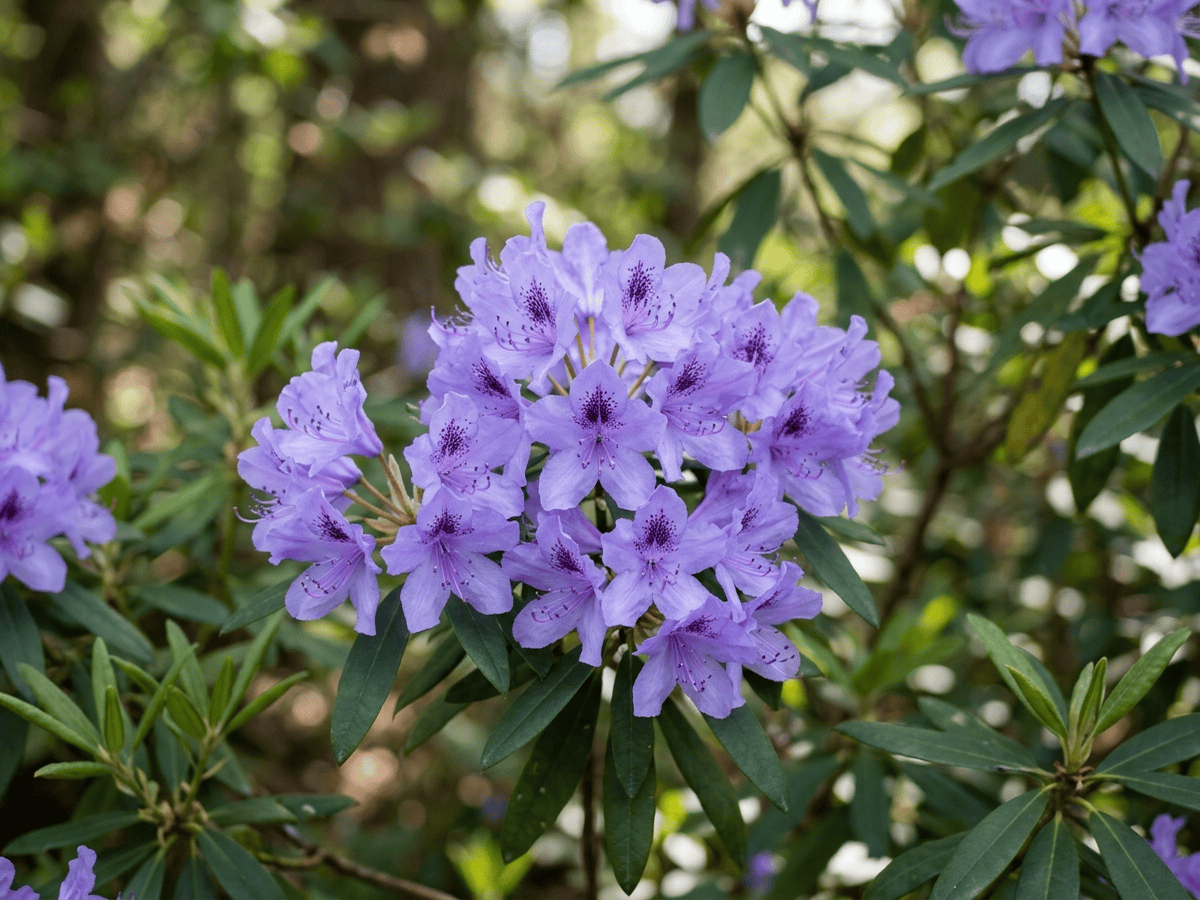
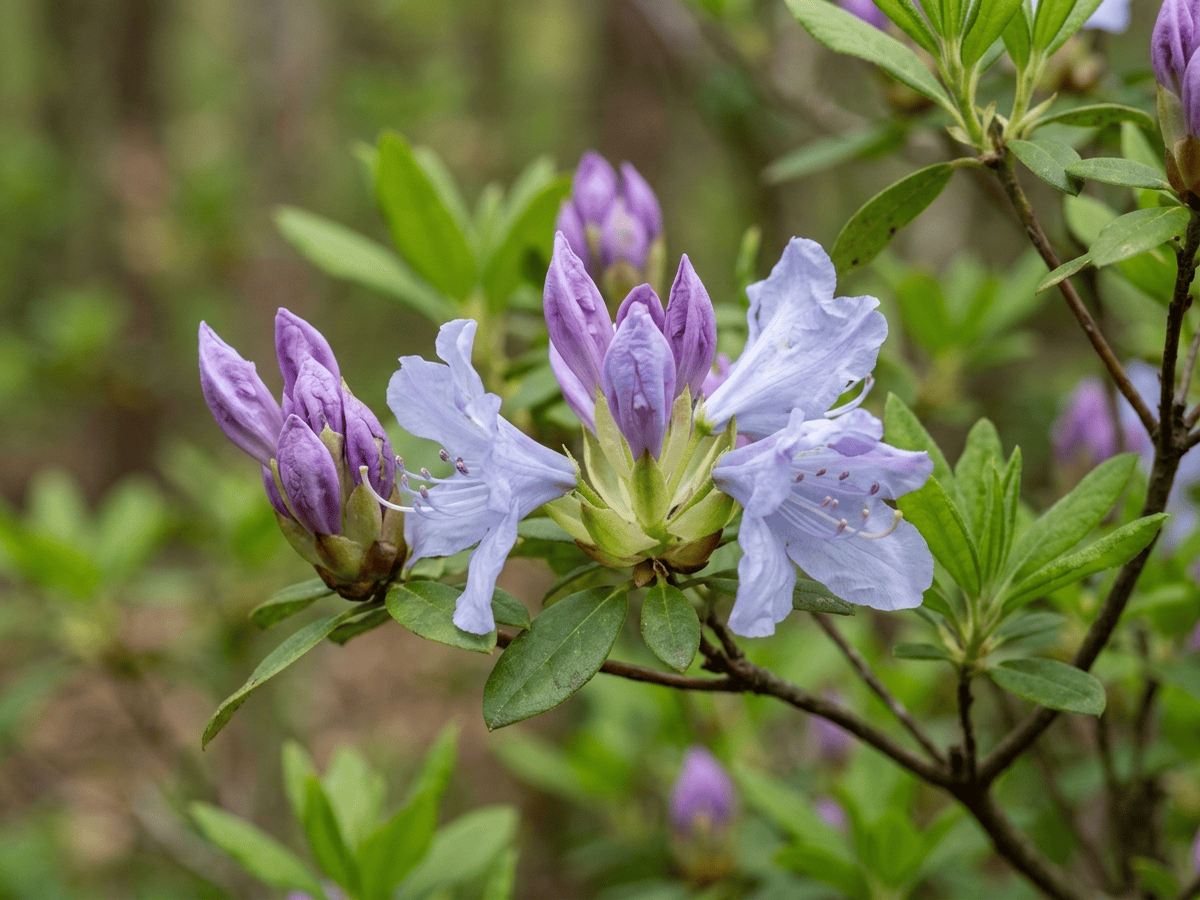
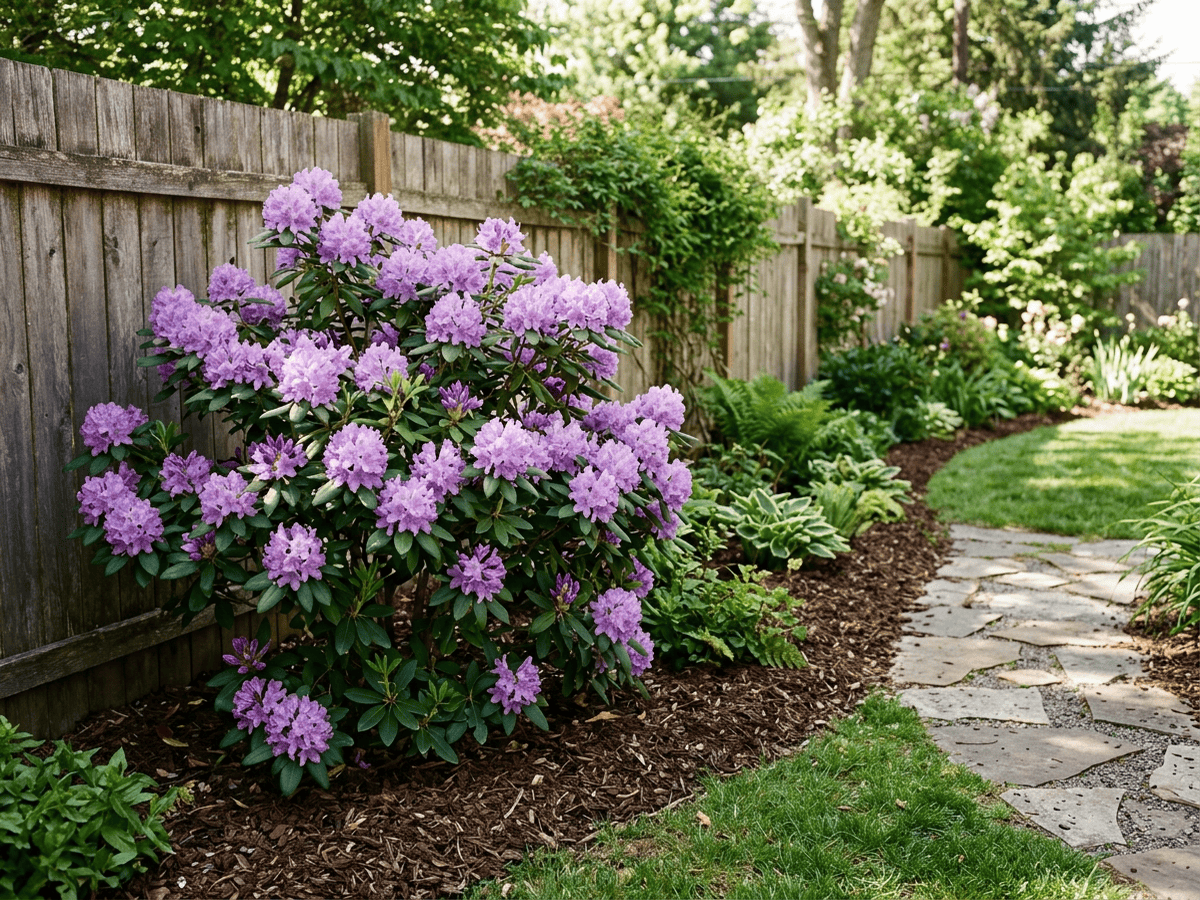
Rhododendron augustinii is one of the rare rhododendrons that can approach true blue, with lavender-blue to violet funnel-shaped flowers in mid-spring. Native to central and western China, especially Hubei, Sichuan, and Guizhou, it grows as an evergreen shrub about 1.5-4 meters tall. Augustine Henry introduced it to Western horticulture from Hubei in 1885, and E. H. Wilson later collected it for major nurseries and arboreta. It became a key parent in the blue rhododendron breeding line, giving rise to classic descendants such as 'Blue Diamond' and 'Electra'. Best in cool maritime climates with acidic, humus-rich soil and dappled shade, it is difficult in hot continental summers.
- Shade-tolerant
- Evergreen
How to care for Augustine's Rhododendron
Watering
- Springevery 5 days
- Summerevery 3 days
- Fallevery 7 days
- Winterevery 14 days
Soil · Acidic · pH 4.5–6
- Top dressingPine needle mulch10%
- Main mixAcid-lover mix + peat 3:175%
- DrainageGravel15%
Never add lime or wood ash — it cancels out the acidity.
FERTILIZER
Acid-Loving Feed 4-3-4
One bag does both jobs. An acid feed carries the usual nitrogen, phosphorus and potassium, plus the sulfur and iron that keep the soil sour enough for the roots to take them up at all.
- Nitrogen · Leaves
- Phosphorus · Roots + Blooms
- Potassium · Strength
- Springevery 30 days
- Summerevery 45 days
At a Glance
- NativeEast Asia
- Height6–12 ft (1.8–3.7 m)
- Spread5–10 ft (1.5–3 m)
- Flower colorBlue, Purple
- Foliage colorGreen
- Fruit colorBrown
- SoilLoamy, Moisture-retentive, Acidic
- LocationsYard
Bloom time
BLOOM CYCLE
Peak bloom
Apr
Lavender-blue to violet flowers in mid-spring; breeding parent of blue rhododendron hybrids.
Fragrance
LIGHT FRAGRANCE
The flowers have a very light sweet scent.
Toxicity
Humans Toxic · Pets Toxic
grayanotoxins
Toxic
- Leaf
- Flower
- Nectar
- Ingestion
EXPOSURE Eating leaves, flowers, and nectar.
EFFECT Grayanotoxins cause vomiting, low blood pressure, cardiac arrhythmia. 'Mad honey' from Rhododendron nectar known since antiquity.
NOTE Documented concern for humans: Grayanotoxins cause vomiting, low blood pressure, cardiac arrhythmia. 'Mad honey' from Rhododendron nectar known since antiquity.
Toxic
- All
- Ingestion
EXPOSURE Eating any part of the plant.
EFFECT Severe GI, cardiac, neurological toxicity.
NOTE ASPCA lists all Rhododendron as toxic to dogs, cats, and humans. Can be fatal.
Toxic
- All
- Ingestion
EXPOSURE Eating any part of the plant.
EFFECT Severe GI, cardiac, neurological toxicity.
NOTE ASPCA lists all Rhododendron as toxic to dogs, cats, and humans. Can be fatal.
Educational information, not medical or veterinary advice. If exposure is suspected, contact a doctor or veterinarian.
DISTRIBUTION


- Native
- East Asia
History
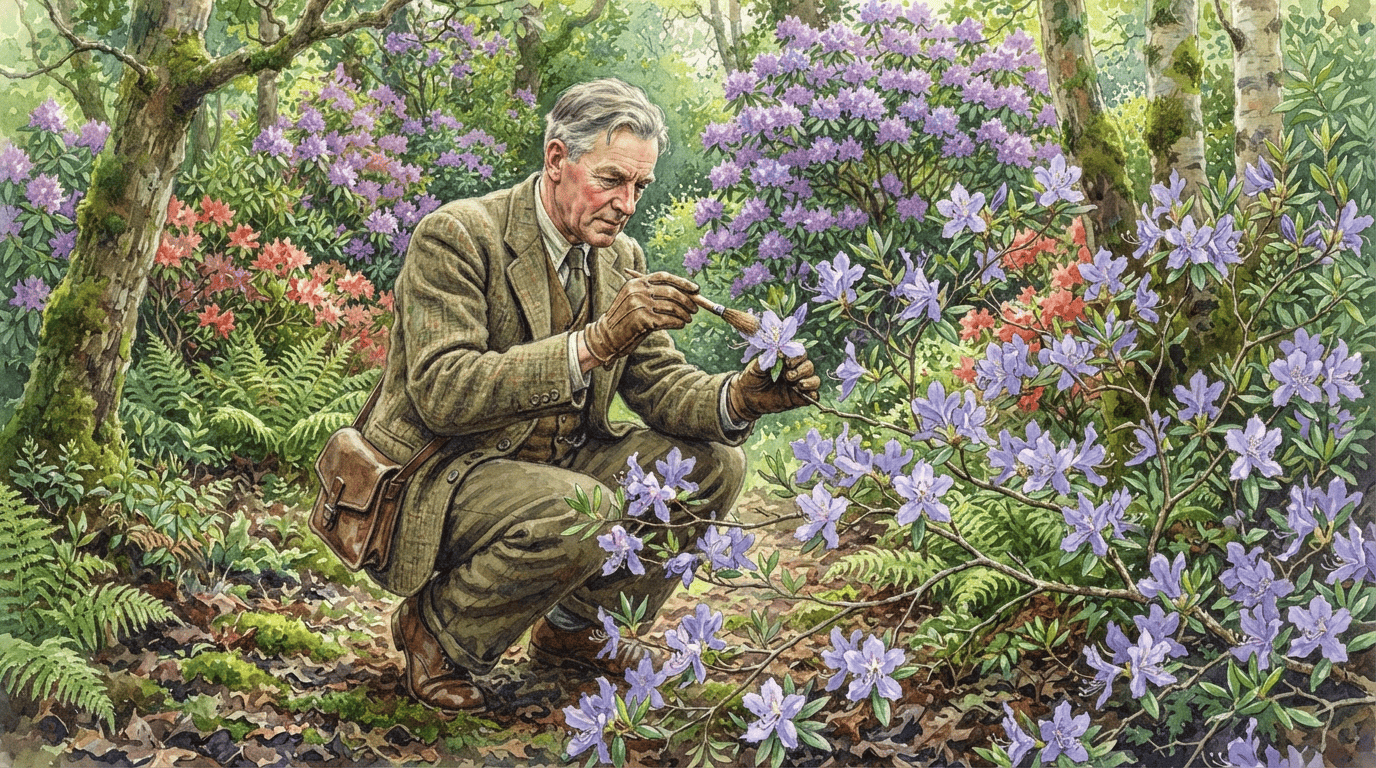
Rhododendron augustinii is native to central and western China — Hubei, Sichuan, Guizhou, Yunnan — at elevations of 1500-3300 m. It was collected by Irish-born plant hunter Augustine Henry during his 1880s Chinese expeditions for the Imperial Chinese Maritime Customs Service at Yichang. Henry's plant collections (over 150,000 specimens) revolutionized Western understanding of Chinese flora.
E.H. Wilson re-collected R. augustinii for the Veitch Nursery in 1900 and for the Arnold Arboretum in 1908, establishing it in Western cultivation. The lavender-blue flowers — genuinely blue, not the lilac or purple that usually passes for 'blue' in rhododendrons — made it the holy grail of 20th-century rhododendron breeders. It served as the primary parent for the 'Blue' series of hybrids: 'Blue Diamond' (Crosfield, 1934), 'Blue Tit' (Crosfield), 'Electra' (Rothschild, 1937), 'Blue Star,' and numerous Pacific Northwest and British cultivars.
Performs best in cool maritime climates with acid humus soil, dappled shade, and wind protection. Difficult or impossible in hot continental climates like the US Southeast or Midwest. Hardy to USDA zone 7. Collected by Augustine Henry in Hubei in 1885 — named for him. Became the primary parent of 'blue' rhododendron hybrids in 20th-century breeding.
Symbolism & meaning
What It Symbolizes
Augustine's Rhododendron makes visible rare beauty — true-blue rhododendron flowers are extraordinarily uncommon, and its lavender-blue blooms feel almost mythical in spring. It also carries the romance of plant hunting, named for Augustine Henry, whose late-19th-century Chinese explorations introduced this and many other treasures to Western gardens. A rhododendron whose color story is also a chapter of botanical history.
- Rare Beauty — True-blue rhododendron flowers are extraordinarily uncommon
- Plant Hunting — Carries the legacy of Augustine Henry's Chinese exploration
Where the Name Comes From
Rhododendron from Greek 'rhodon' (rose) + 'dendron' (tree); 'augustinii' honors Augustine Henry, Irish plant hunter.
Uses & Fun Facts
- Lavender-blue rhododendron as woodland-edge spring focal shrub
- One of the truest blue rhododendrons for shaded gardens
- Funnel flowers visited by bumblebees in early spring
Related plants
More Rhododendron plants
 Smooth AzaleaRhododendron arborescens
 Orange AzaleaRhododendron austrinum
 Mountain AzaleaRhododendron canescens
 Catawba RhododendronRhododendron catawbiense
Plants with similar care
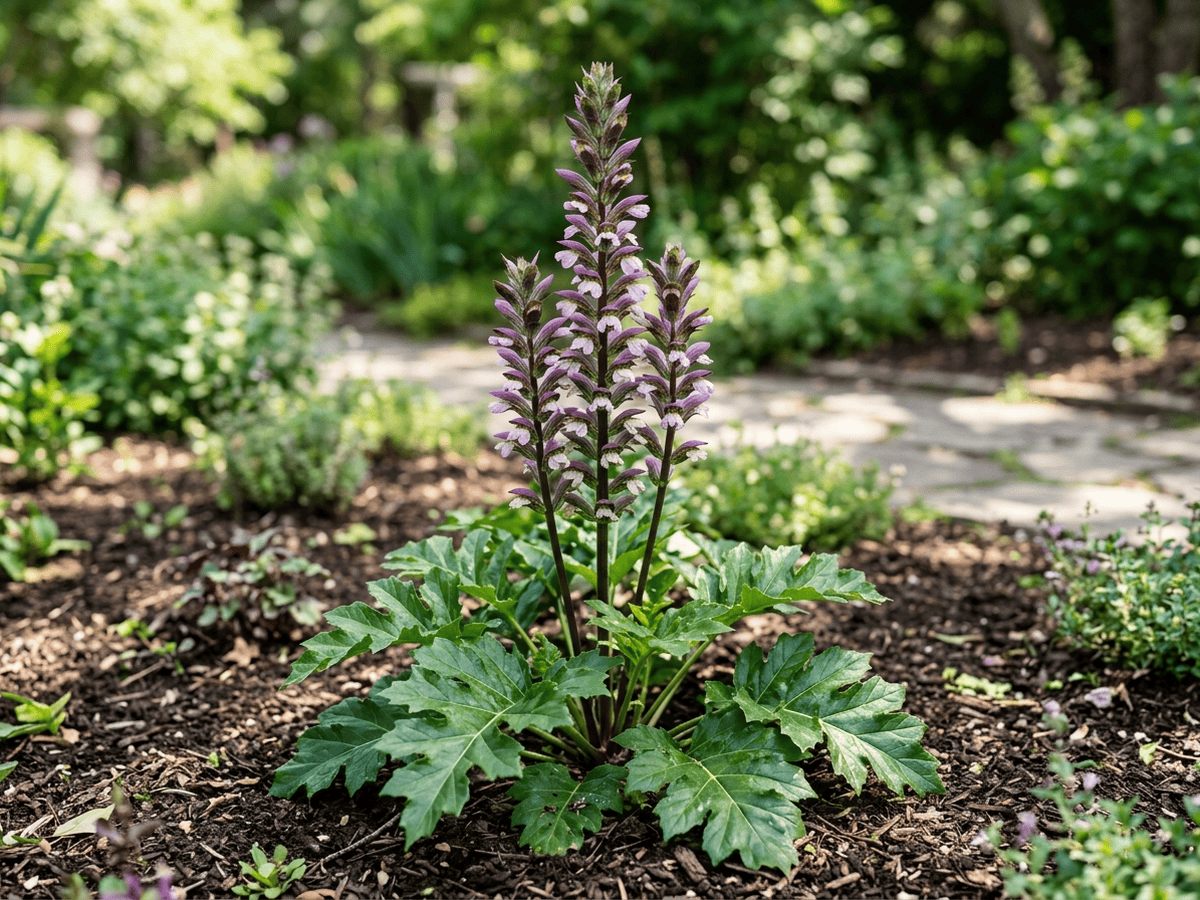 Bear's BreechesAcanthus mollis
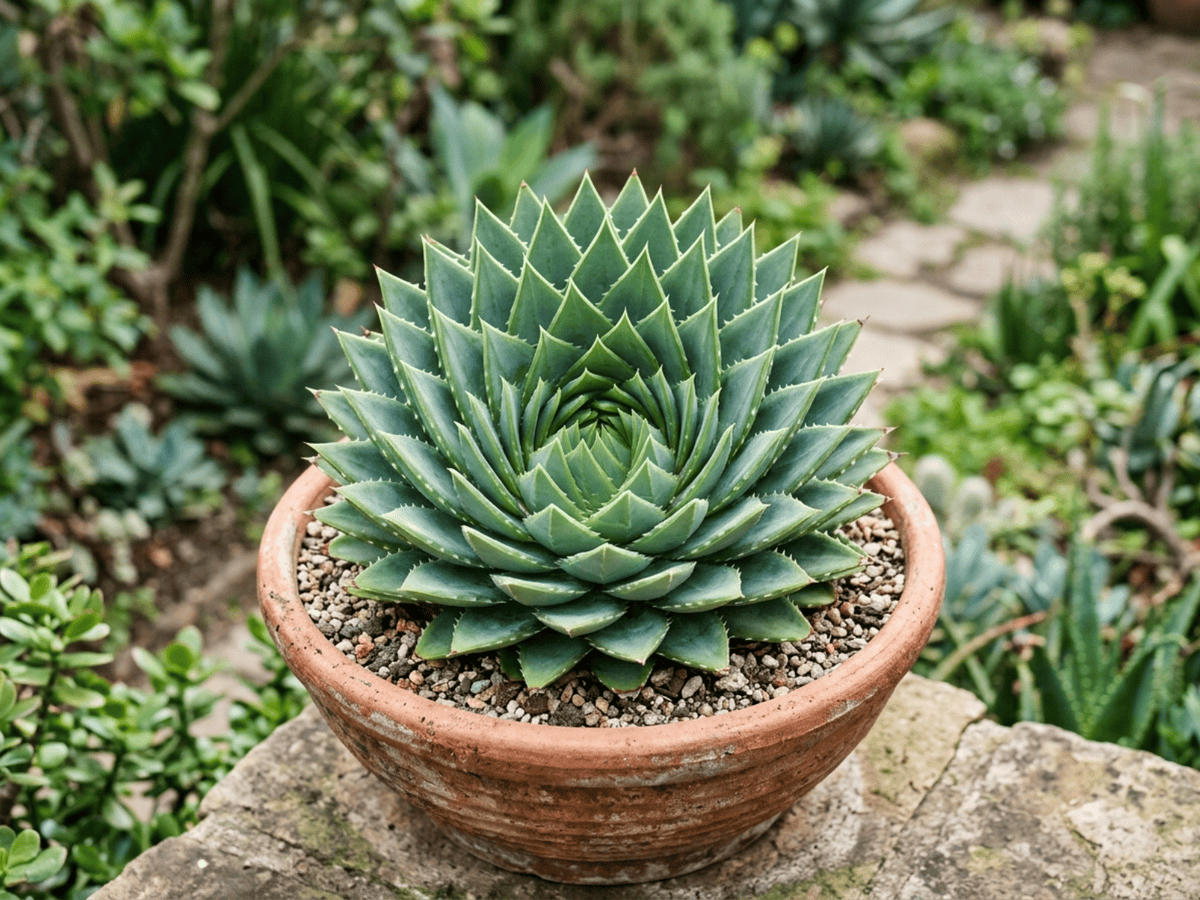 Spiral AloeAloe polyphylla
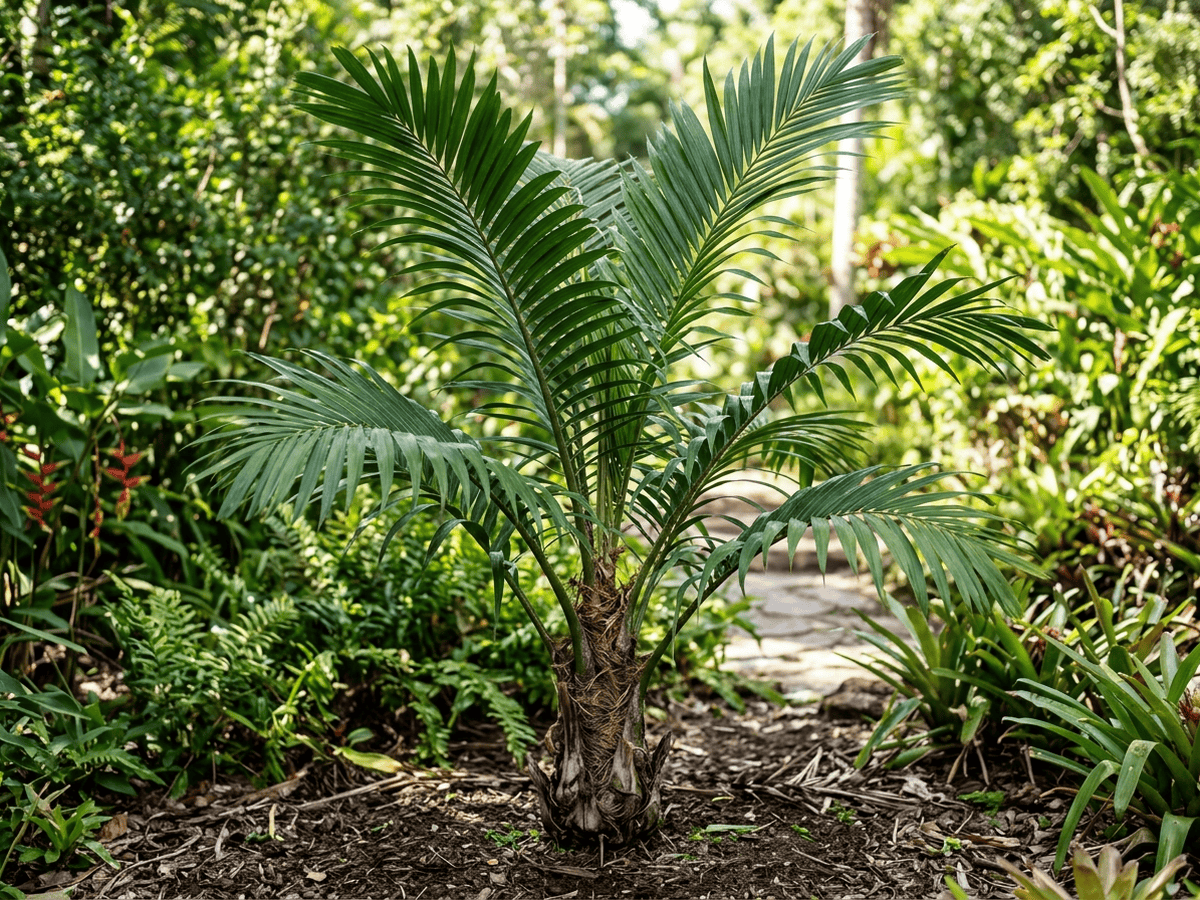 Formosa PalmArenga engleri
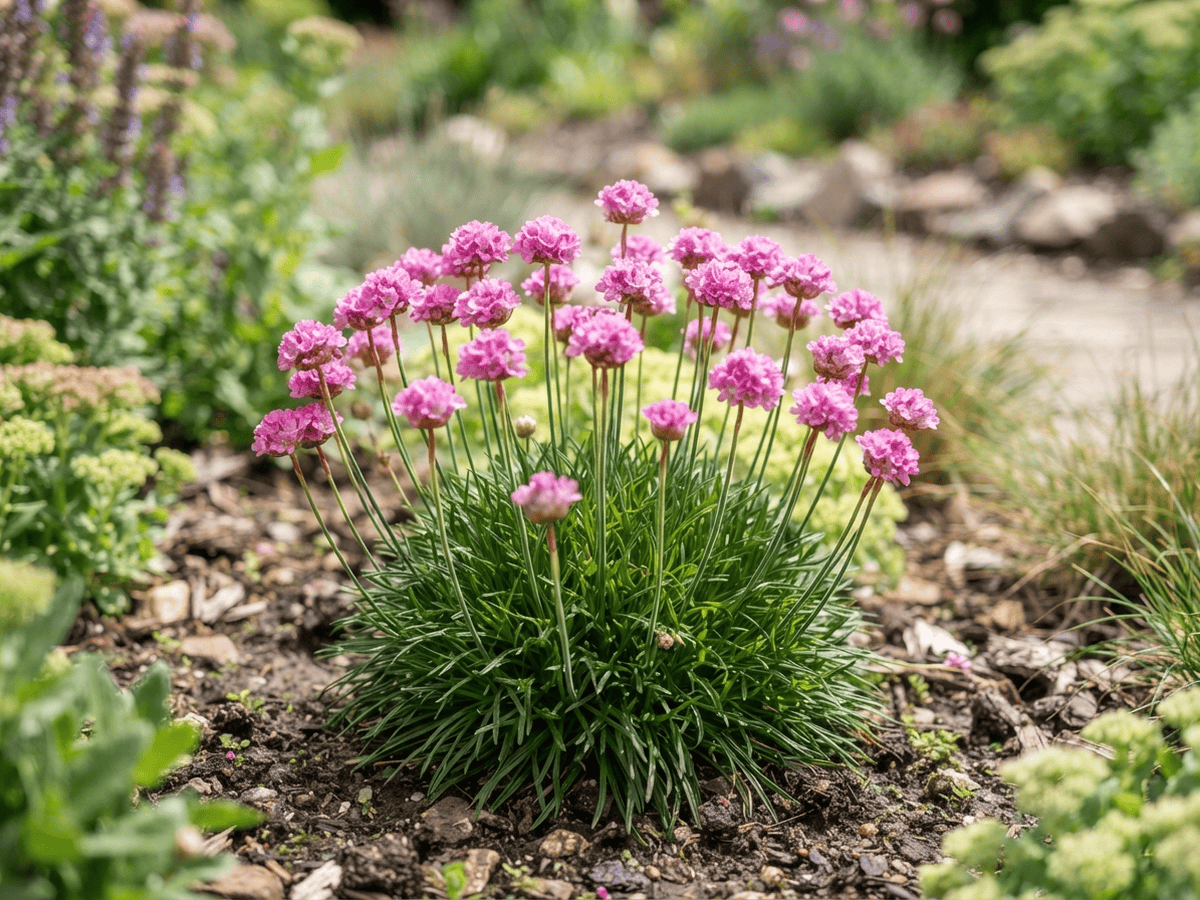 Sea ThriftArmeria maritima
Frequently asked questions
How often should I water Augustine's Rhododendron?
In summer, water about every 3 days; in winter, about every 14 days. Adjust for heat, pot size and drainage.
How much light does Augustine's Rhododendron need?
Part shade: 2–4 hrs direct. Watch the leaves — scorching or stretching means the light needs adjusting.
Is Augustine's Rhododendron toxic to cats or dogs?
Pets Toxic (Dogs Toxic · Cats Toxic) Educational information, not medical or veterinary advice. If exposure is suspected, contact a doctor or veterinarian.
Is Augustine's Rhododendron easy to grow?
It is considered challenging and rewards experienced growers.
When does Augustine's Rhododendron bloom?
It typically blooms Apr in the Northern Hemisphere.
YardMate
Identify any plant in seconds
Snap a photo — YardMate names the plant, diagnoses problems, and reminds you when to water.
Download on the App Store