 YardMate

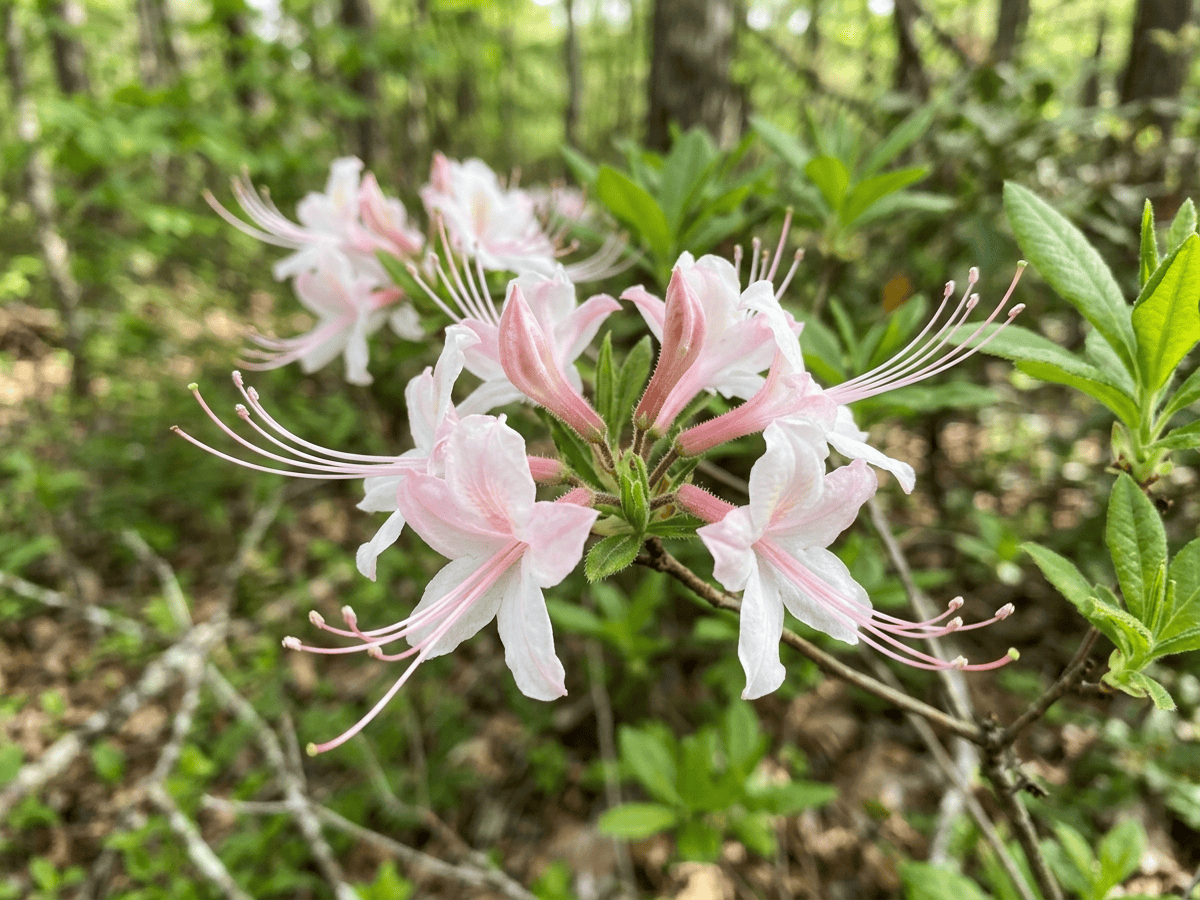


Mountain Azalea
Rhododendron canescens
Medium · Some experienceAbout Mountain Azalea
Piedmont Azalea, also called Hoary Azalea or Mountain Azalea, is the most widespread native azalea of the southeastern United States. This deciduous shrub bears clusters of soft pink to white tubular flowers in spring, often appearing before or as the leaves unfurl. Growing 10 to 15 feet tall in moist woods and stream banks, it perfumes Southern forests with a sweet honeysuckle-like fragrance. Its grayish-hairy young stems and leaves give the species its 'canescens' (hoary) name.
- Fragrant
- Deer-resistant
- Native
- Pollinator-friendly
How to care for Mountain Azalea
Watering
- Springevery 5 days
- Summerevery 4 days
- Fallevery 10 days
- Winterevery 14 days
Soil · Acidic · pH 4.5–6
- Top dressingPine needle mulch10%
- Main mixAcid-lover mix + peat 3:175%
- DrainageGravel15%
Never add lime or wood ash — it cancels out the acidity.
FERTILIZER
Acid-Loving Feed 4-3-4
One bag does both jobs. An acid feed carries the usual nitrogen, phosphorus and potassium, plus the sulfur and iron that keep the soil sour enough for the roots to take them up at all.
- Nitrogen · Leaves
- Phosphorus · Roots + Blooms
- Potassium · Strength
- Springevery 60 days
- Summerevery 90 days
At a Glance
- NativeNorth America
- Height6–15 ft (1.8–4.6 m)
- Spread4–10 ft (1.2–3 m)
- Flower colorPink, White
- Foliage colorGreen, Yellow
- SoilAcidic, Moisture-retentive, Loamy
- LocationsYard
Bloom time
BLOOM CYCLE
Peak bloom
Mar–May
Pink to white fragrant trumpets March to May
Fragrance
STRONG FRAGRANCE
Sweet clove and honeysuckle scent.
Toxicity
Humans Toxic · Pets Toxic
grayanotoxins
Toxic
- Leaf
- Flower
- Seed
- Ingestion
EXPOSURE Eating leaves, flowers, and seeds.
EFFECT Grayanotoxins cause salivation, vomiting, hypotension, bradycardia, seizures.
NOTE Documented concern for humans: Grayanotoxins cause salivation, vomiting, hypotension, bradycardia, seizures.
Toxic
- Leaf
- Flower
- Seed
- Ingestion
EXPOSURE Eating leaves, flowers, and seeds.
EFFECT ASPCA: vomiting, diarrhea, weakness, cardiac arrhythmia, potentially fatal.
NOTE ASPCA-listed Rhododendron; all parts toxic including nectar and honey.
Toxic
- Leaf
- Flower
- Seed
- Ingestion
EXPOSURE Eating leaves, flowers, and seeds.
EFFECT ASPCA: vomiting, diarrhea, weakness, cardiac arrhythmia, potentially fatal.
NOTE ASPCA-listed Rhododendron; all parts toxic including nectar and honey.
Educational information, not medical or veterinary advice. If exposure is suspected, contact a doctor or veterinarian.
DISTRIBUTION


- Native
- North America
History

Rhododendron canescens, the Piedmont azalea, hoary azalea, or wild honeysuckle, is a deciduous shrub native to the southeastern United States from eastern Texas to North Carolina and south into Florida, typically found along streamsides and moist woodland edges. It is the most widespread of the native southeastern azaleas. American botanist Humphry Marshall formally described the species in 1785, and Thomas Jefferson documented native azaleas in his Monticello garden notes.
The clove-scented pink to white tubular flowers open in early spring before or with emerging leaves. Indigenous peoples of the Southeast are thought to have harvested the fragrant blossoms, though the plant is toxic if ingested.
It remains a cornerstone of southern native-plant landscapes and is a key parent of modern deciduous azalea hybrids. Early American botanists William Bartram and André Michaux both noted its abundance along Piedmont streams in the 18th century.
Symbolism & meaning
What It Symbolizes
Mountain Azalea offers gentle grace in soft pink — fragrant, deciduous spring bloom that lights the southeastern Piedmont woodland with quiet Southern beauty. It is wild heritage, an indigenous native rhododendron rather than an Asian import, blooming exactly where its ancestors did before the first European boot touched the Carolinas. It is the South's own springtime, perfumed and unhurried.
- Gentle grace — soft pink blooms evoke quiet Southern beauty
- Wild heritage — represents the indigenous flora of the Piedmont
Where the Name Comes From
The name Mountain Azalea points to mountain habitats. 'Canescens' is Latin for 'becoming gray-haired,' referring to the fine hairs on young stems and leaves.
Uses & Fun Facts
- Pink spring flowers release sweet honeysuckle-like scent
- Tubular blooms feed early hummingbirds and swallowtail butterflies
- Native deciduous azalea for southern woodland edges
Related plants
More Rhododendron plants
 Smooth AzaleaRhododendron arborescens
 Augustine's RhododendronRhododendron augustinii
 Orange AzaleaRhododendron austrinum
 Catawba RhododendronRhododendron catawbiense
Plants with similar care
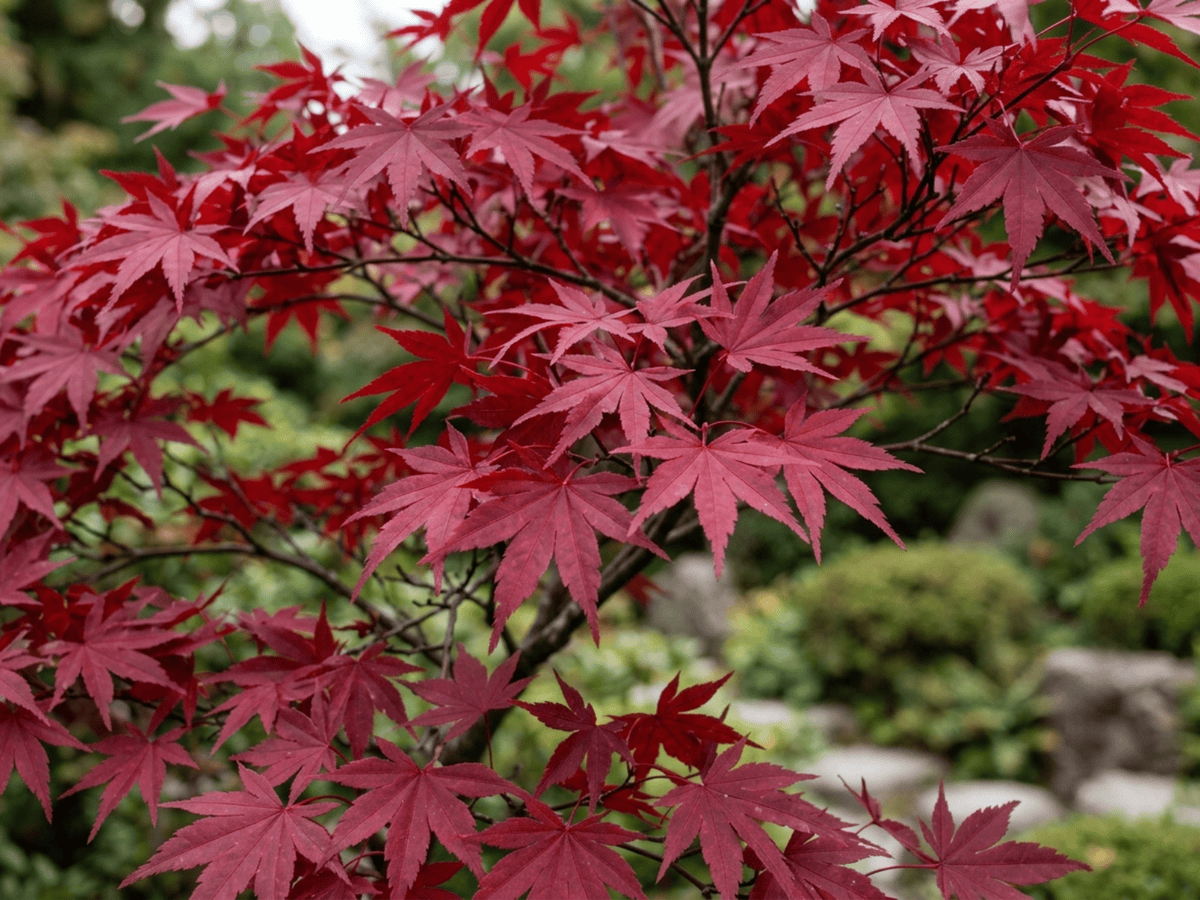 Japanese MapleAcer palmatum
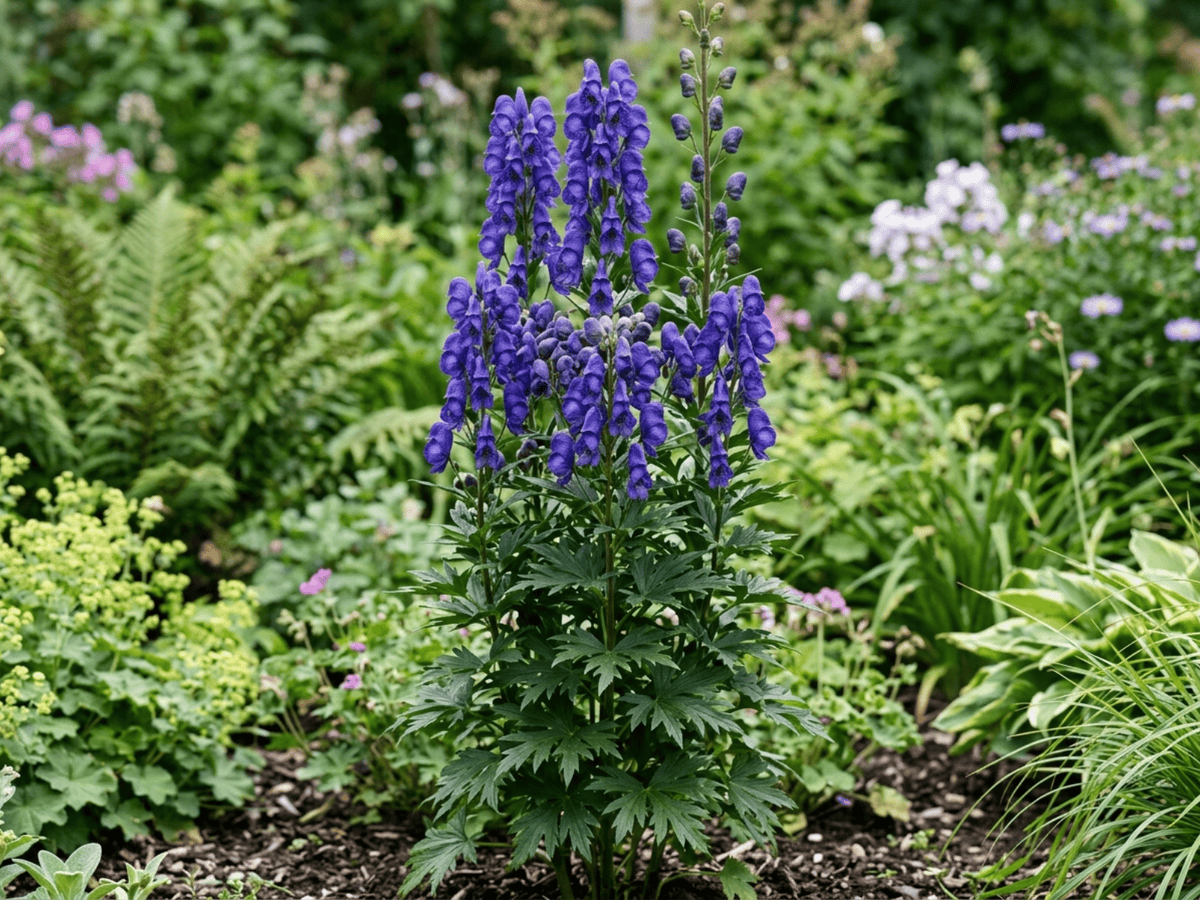 Azure MonkshoodAconitum carmichaelii
 Florida HobblebushAgarista populifolia
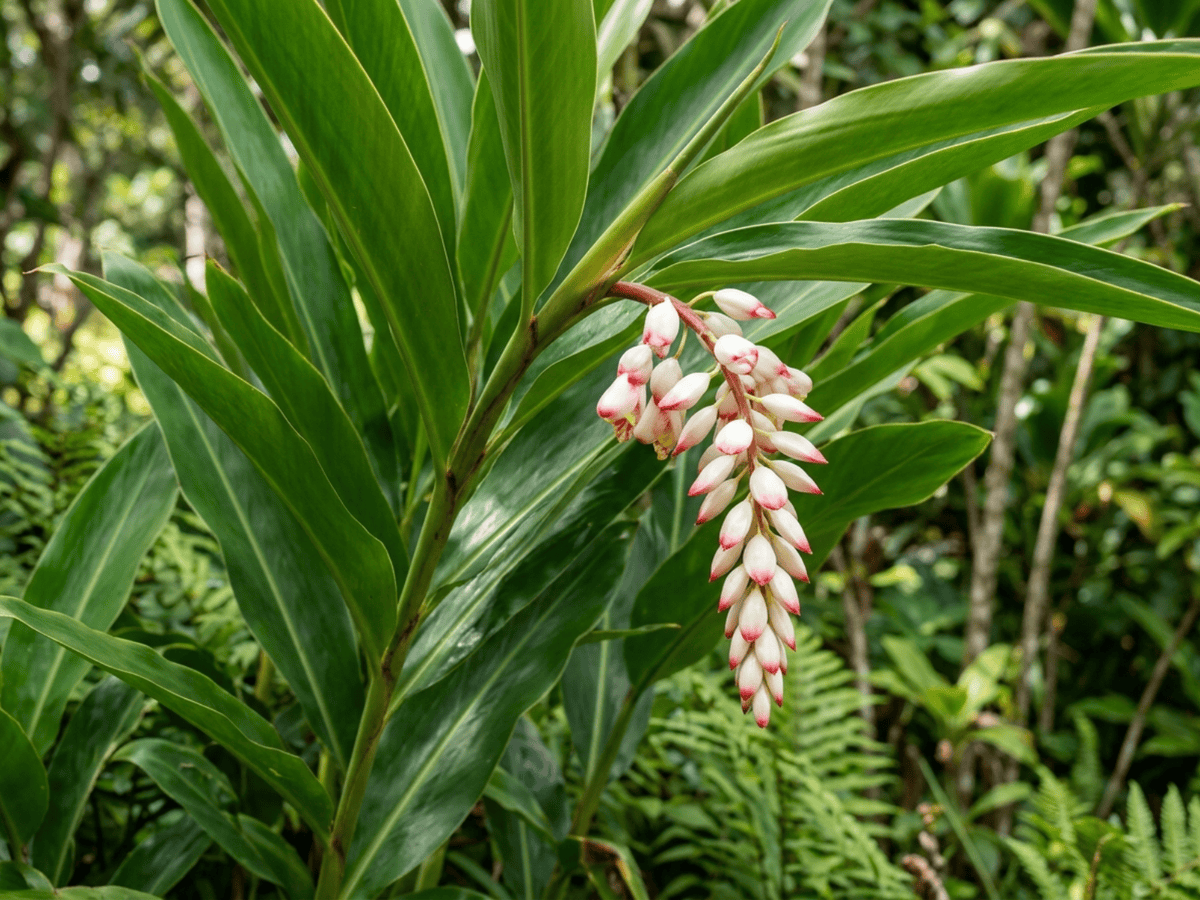 Shell GingerAlpinia zerumbet
Frequently asked questions
How often should I water Mountain Azalea?
In summer, water about every 4 days; in winter, about every 14 days. Adjust for heat, pot size and drainage.
How much light does Mountain Azalea need?
Part shade: 2–4 hrs direct. Watch the leaves — scorching or stretching means the light needs adjusting.
Is Mountain Azalea toxic to cats or dogs?
Pets Toxic (Dogs Toxic · Cats Toxic) Educational information, not medical or veterinary advice. If exposure is suspected, contact a doctor or veterinarian.
Is Mountain Azalea easy to grow?
It is moderately demanding: a good choice once you have a little experience.
When does Mountain Azalea bloom?
It typically blooms Mar–May in the Northern Hemisphere.
YardMate
Identify any plant in seconds
Snap a photo — YardMate names the plant, diagnoses problems, and reminds you when to water.
Download on the App Store