 YardMate


Gorge Rhododendron
Rhododendron minus
Medium · Some experienceAbout Gorge Rhododendron
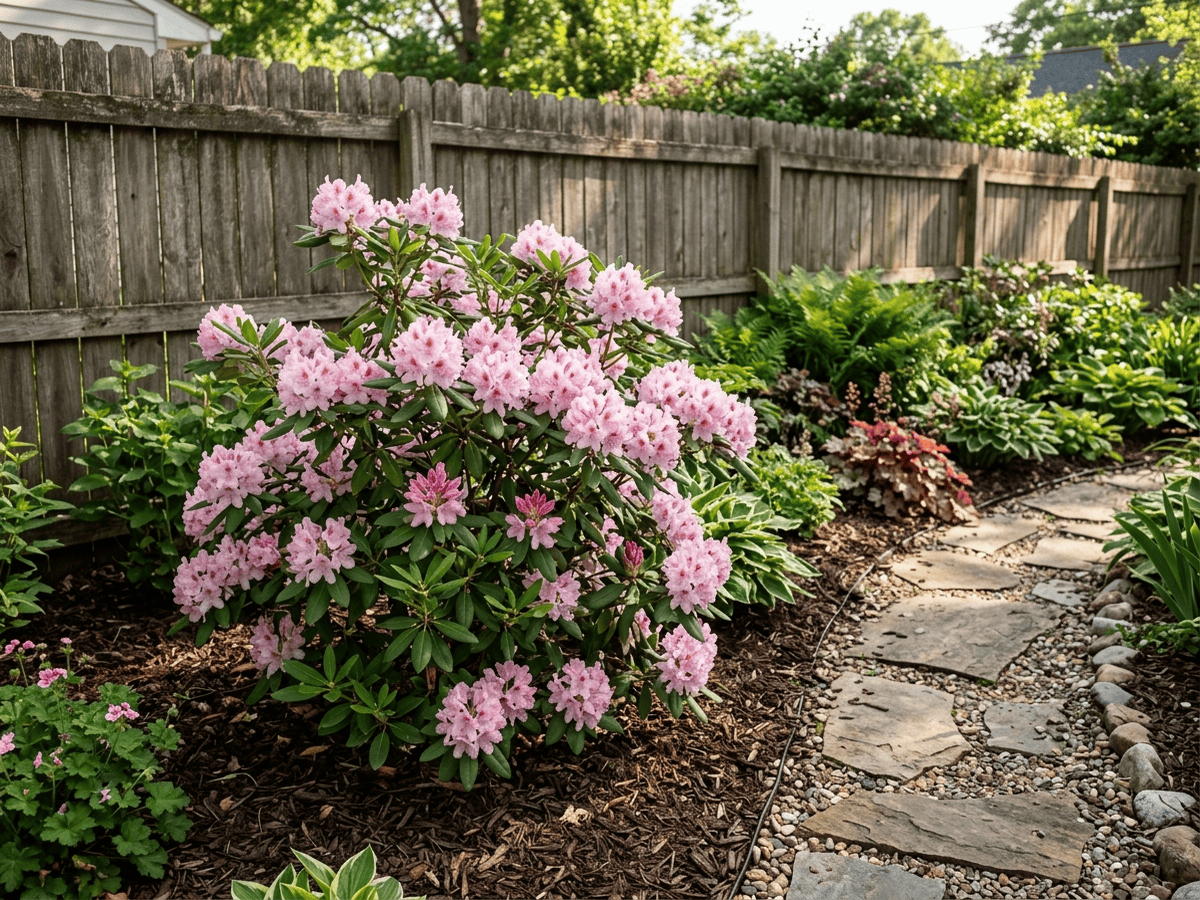
Piedmont Rhododendron is a compact evergreen native shrub of the southeastern United States, reaching 4-8 feet tall with leathery dark green leaves and clusters of pink to rose-purple funnel-shaped flowers. Native to the Piedmont and mountain regions from Alabama to North Carolina, it is one of the most heat-tolerant rhododendrons, thriving in the hot, humid summers of the Southeast where most rhododendrons struggle. An essential plant for Southern shade gardens.
- Heat-tolerant
- Compact
- Evergreen
- Native
How to care for Gorge Rhododendron
Watering
- Springevery 5 days
- Summerevery 3 days
- Fallevery 7 days
- Winterevery 14 days
Soil · Acidic · pH 4.5–6
- Top dressingPine needle mulch10%
- Main mixAcid-lover mix + peat 3:175%
- DrainageGravel15%
Never add lime or wood ash — it cancels out the acidity.
FERTILIZER
Acid-Loving Feed 4-3-4
One bag does both jobs. An acid feed carries the usual nitrogen, phosphorus and potassium, plus the sulfur and iron that keep the soil sour enough for the roots to take them up at all.
- Nitrogen · Leaves
- Phosphorus · Roots + Blooms
- Potassium · Strength
- Springevery 30 days
At a Glance
- NativeNorth America
- Height3–8 ft (0.9–2.4 m)
- Spread3–6 ft (0.9–1.8 m)
- Flower colorPink, White, Purple
- Foliage colorDark-green, Green
- SoilLoamy, Well-drained, Acidic
- LocationsYard
Bloom time
BLOOM CYCLE
Peak bloom
Apr–May
Pink to rose-purple clusters April to May
Fragrance
LIGHT FRAGRANCE
The flowers have a mild scent.
Toxicity
Humans Toxic · Pets Toxic
grayanotoxins
Toxic
- Leaf
- Flower
- Stem
- Ingestion
EXPOSURE Eating leaves, flowers, and stems.
EFFECT Nausea, vomiting, cardiac effects from grayanotoxins.
NOTE Documented concern for humans: Nausea, vomiting, cardiac effects from grayanotoxins.
Toxic
- Leaf
- Flower
- Ingestion
EXPOSURE Eating leaves and flowers.
EFFECT Vomiting, diarrhea, weakness, cardiac arrhythmia.
NOTE ASPCA lists all Rhododendron as severely toxic.
Toxic
- Leaf
- Flower
- Ingestion
EXPOSURE Eating leaves and flowers.
EFFECT Vomiting, diarrhea, weakness, cardiac arrhythmia.
NOTE ASPCA lists all Rhododendron as severely toxic.
Educational information, not medical or veterinary advice. If exposure is suspected, contact a doctor or veterinarian.
DISTRIBUTION


- Native
- North America
History
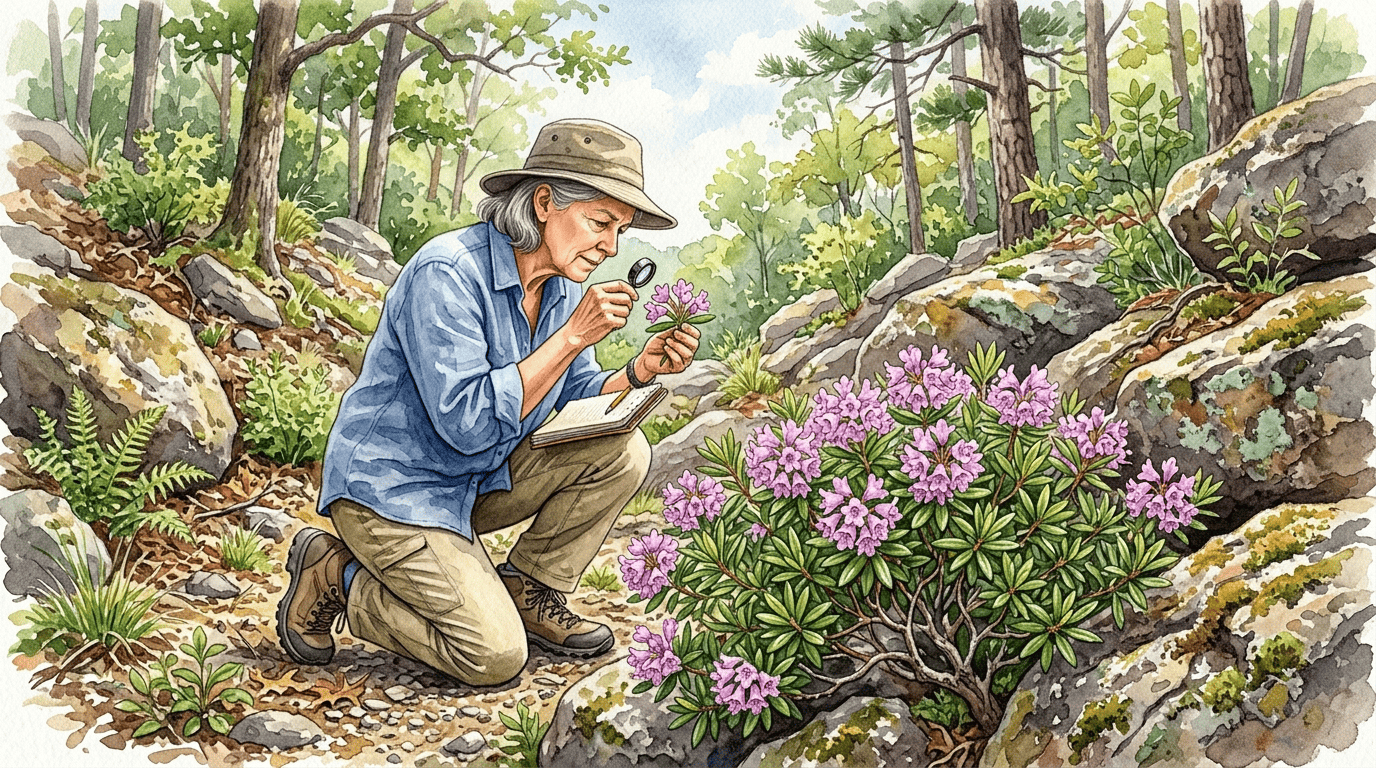
Rhododendron minus occurs naturally in the southeastern United States from West Virginia south through the Appalachian Mountains to Alabama and Georgia, typically in dry rocky oak and pine woodlands at low to mid elevations. French botanist André Michaux described the species in 1803 in his Flora Boreali-Americana. Two varieties are recognized: var. minus (Piedmont rhododendron, sometimes called R. carolinianum in older literature) with shorter flowers and rounded leaves, and var. chapmanii (Chapman's rhododendron)—a critically endangered Florida endemic with only a few remaining wild populations.
Unlike the towering R. maximum or the massed R. catawbiense, R. minus is a compact, small-leaved evergreen shrub to 2 meters that tolerates drier soils and hotter summers, making it the rhododendron most adapted to the Piedmont and lower mountain south. It has contributed drought and heat tolerance to southern breeding programs.
Pink-lavender to white flowers open in late spring. The Carolyn Grace form, selected from wild populations in the Appalachian foothills, is prized for its compact habit and deep pink flowers.
Symbolism & meaning
What It Symbolizes
Gorge Rhododendron can symbolize homecoming, a Southern native whose pink-purple blooms have begun returning to cultivated gardens in its home range. Another layer is resilience, for it tolerates the heat and humidity that defeat many other rhododendrons, opening native gardens in places where its more famous Asian cousins struggle. In the southern woodland, rhododendron minus is the small but uncomplaining native, a quiet correction to gardens that once turned away from their own backyard flora.
- Homecoming — a Southern native returning to cultivated gardens
- Resilience — thrives in heat that defeats other rhododendrons
Where the Name Comes From
'Minus' means 'smaller' in Latin, referring to its compact stature relative to other native rhododendrons like R. maximum.
Uses & Fun Facts
- Piedmont rhododendron blooms pink in shaded woodland
- Spotted pink trumpets attract early bumblebees
Related plants
More Rhododendron plants
 Smooth AzaleaRhododendron arborescens
 Augustine's RhododendronRhododendron augustinii
 Orange AzaleaRhododendron austrinum
 Mountain AzaleaRhododendron canescens
Plants with similar care
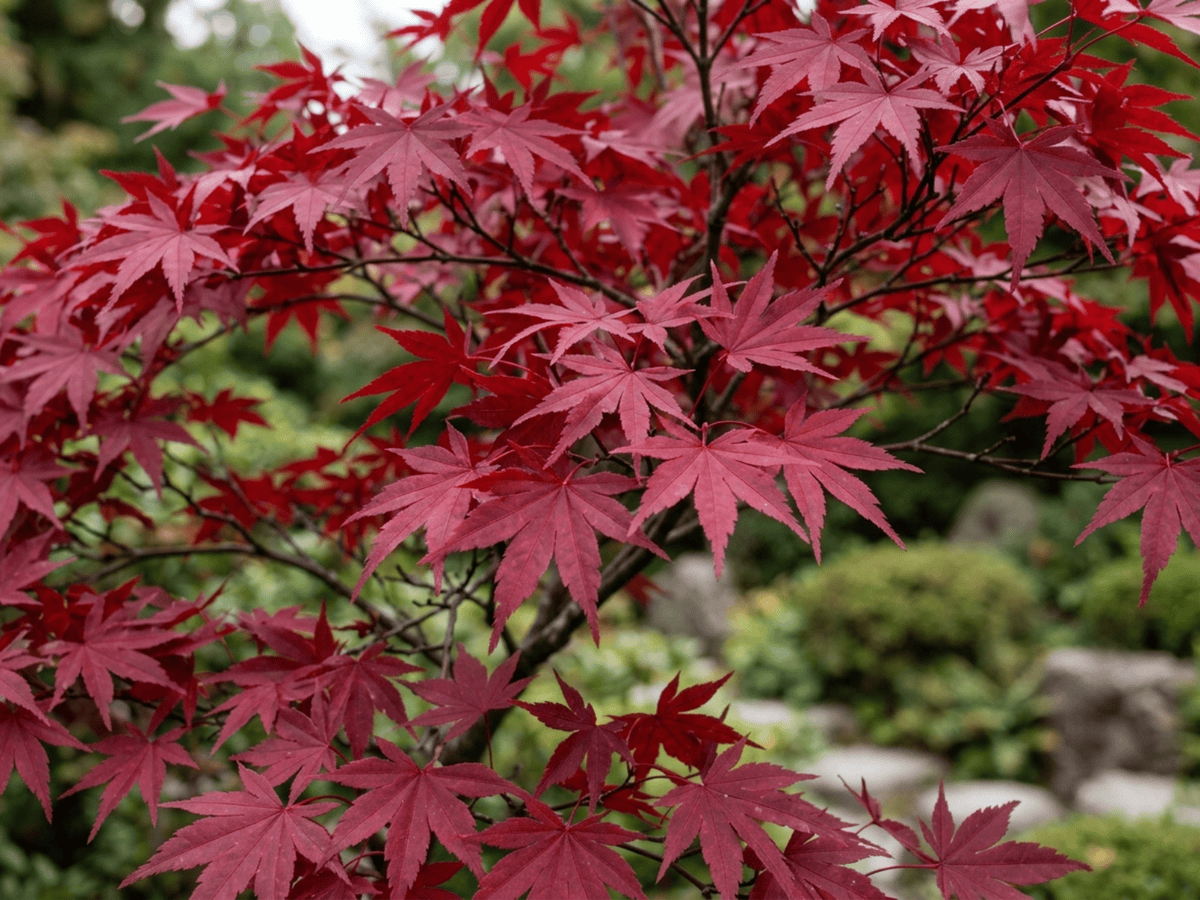 Japanese MapleAcer palmatum
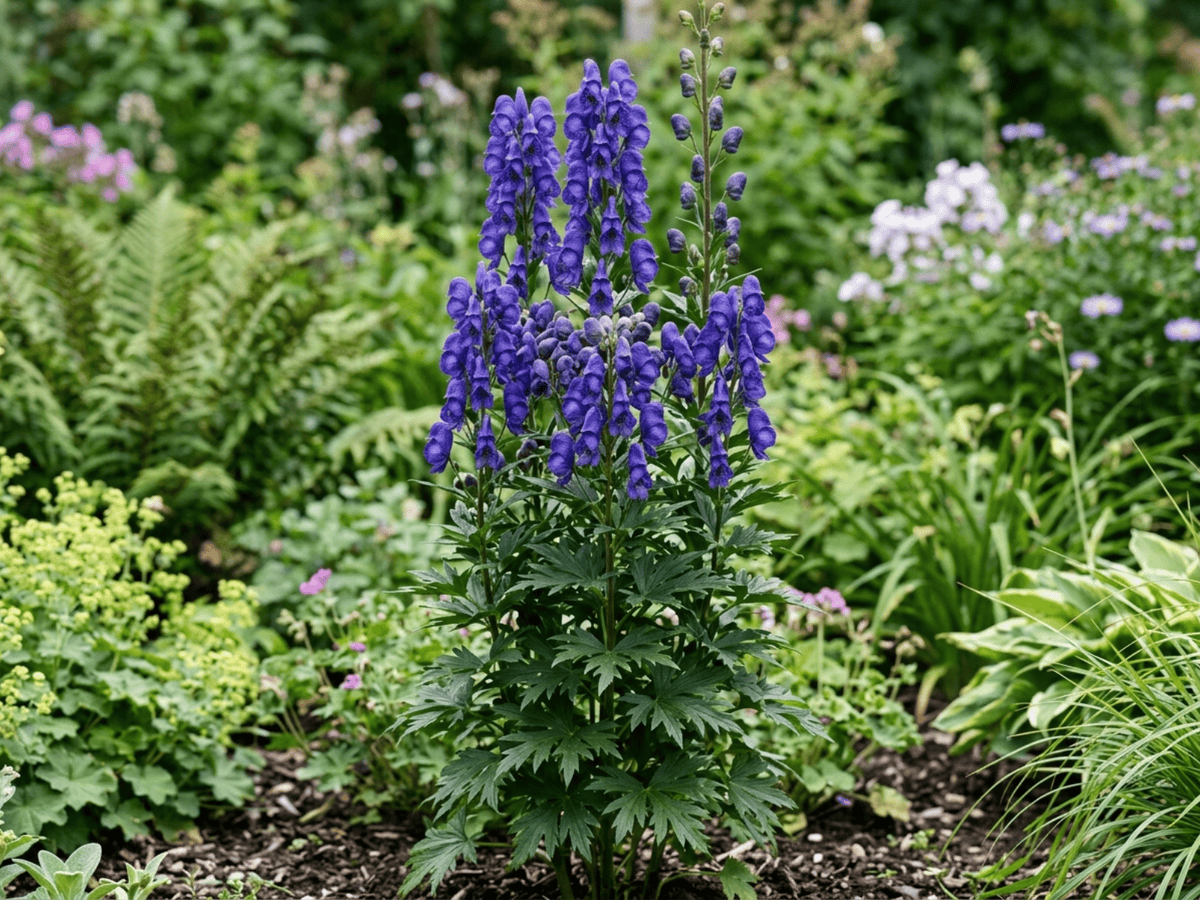 Azure MonkshoodAconitum carmichaelii
 Florida HobblebushAgarista populifolia
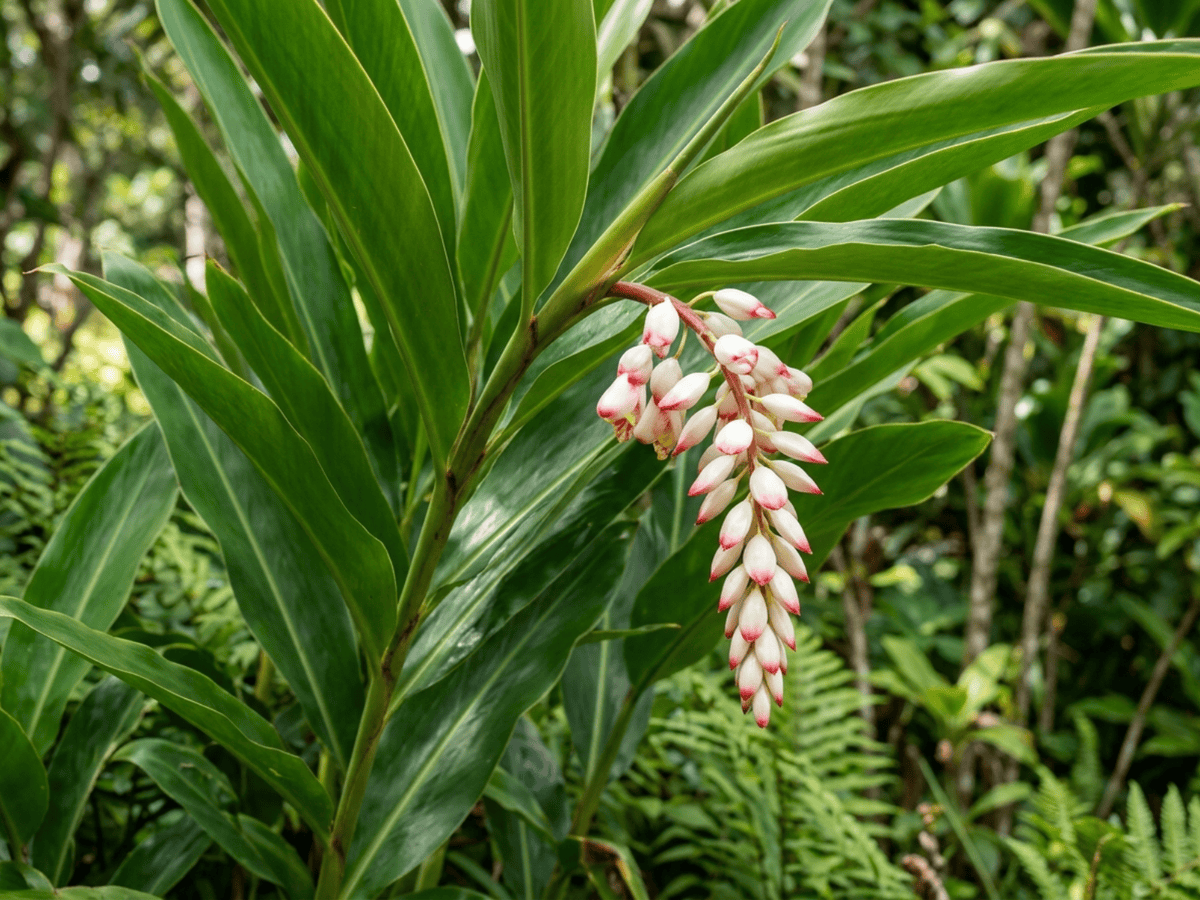 Shell GingerAlpinia zerumbet
Frequently asked questions
How often should I water Gorge Rhododendron?
In summer, water about every 3 days; in winter, about every 14 days. Adjust for heat, pot size and drainage.
How much light does Gorge Rhododendron need?
Part shade: 2–4 hrs direct. Watch the leaves — scorching or stretching means the light needs adjusting.
Is Gorge Rhododendron toxic to cats or dogs?
Pets Toxic (Dogs Toxic · Cats Toxic) Educational information, not medical or veterinary advice. If exposure is suspected, contact a doctor or veterinarian.
Is Gorge Rhododendron easy to grow?
It is moderately demanding: a good choice once you have a little experience.
When does Gorge Rhododendron bloom?
It typically blooms Apr–May in the Northern Hemisphere.
YardMate
Identify any plant in seconds
Snap a photo — YardMate names the plant, diagnoses problems, and reminds you when to water.
Download on the App Store