 YardMate


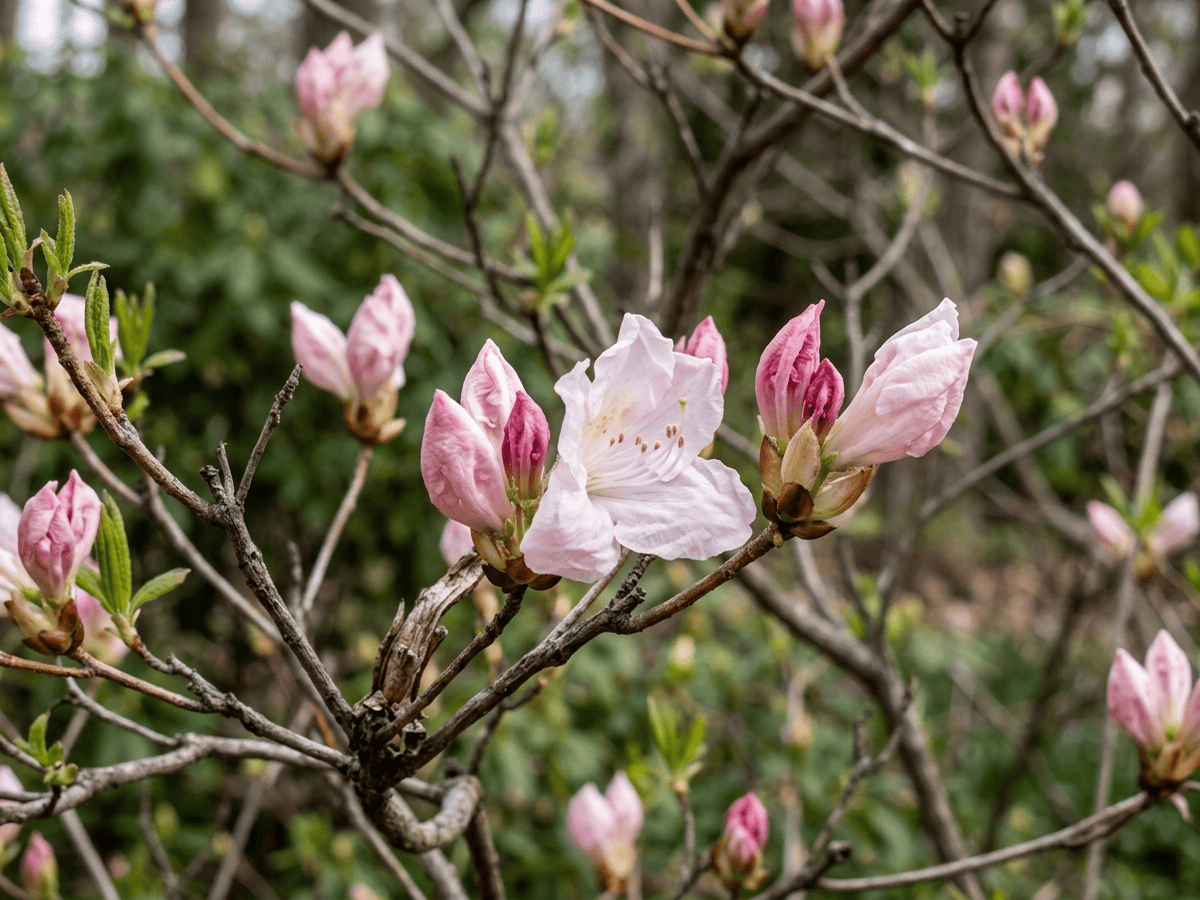

Royal Azalea
Rhododendron schlippenbachii
Medium · Some experienceAbout Royal Azalea
Royal Azalea is a deciduous azalea from Korea and Manchuria, reaching 6-15 feet tall with large fragrant soft pink flowers that appear with or just before the leaves in spring. The whorled leaves turn brilliant shades of yellow, orange, and crimson in autumn, rivaling any maple for fall color. Considered by many to be the most beautiful of all azaleas, it combines exquisite spring flowers with exceptional autumn display—a rare combination among rhododendrons.
- Fragrant
- Cold-hardy
- Fall-color
How to care for Royal Azalea
Watering
- Springevery 5 days
- Summerevery 3 days
- Fallevery 7 days
- Winterevery 14 days
Soil · Acidic · pH 4.5–6
- Top dressingPine needle mulch10%
- Main mixAcid-lover mix + peat 3:175%
- DrainageGravel15%
Never add lime or wood ash — it cancels out the acidity.
FERTILIZER
Acid-Loving Feed 4-3-4
One bag does both jobs. An acid feed carries the usual nitrogen, phosphorus and potassium, plus the sulfur and iron that keep the soil sour enough for the roots to take them up at all.
- Nitrogen · Leaves
- Phosphorus · Roots + Blooms
- Potassium · Strength
- Springevery 30 days
At a Glance
- NativeEast Asia
- Height6–10 ft (1.8–3 m)
- Spread6–10 ft (1.8–3 m)
- Flower colorPink, White
- Foliage colorGreen, Yellow, Bronze, Red
- SoilLoamy, Moisture-retentive, Acidic
- LocationsYard
Bloom time
BLOOM CYCLE
Peak bloom
Apr–May
Large soft pink flowers April to May
Fragrance
LIGHT FRAGRANCE
The flowers have a mild sweet scent.
Toxicity
Humans Toxic · Pets Toxic
grayanotoxins
Toxic
- Leaf
- Flower
- Ingestion
EXPOSURE Eating leaves and flowers.
EFFECT Nausea, vomiting, cardiac effects from grayanotoxins.
NOTE Documented concern for humans: Nausea, vomiting, cardiac effects from grayanotoxins.
Toxic
- Leaf
- Flower
- Ingestion
EXPOSURE Eating leaves and flowers.
EFFECT Vomiting, diarrhea, weakness, cardiac arrhythmia.
NOTE ASPCA toxic. All Rhododendron/Azalea severely toxic to pets and humans.
Toxic
- Leaf
- Flower
- Ingestion
EXPOSURE Eating leaves and flowers.
EFFECT Vomiting, diarrhea, weakness, cardiac arrhythmia.
NOTE ASPCA toxic. All Rhododendron/Azalea severely toxic to pets and humans.
Educational information, not medical or veterinary advice. If exposure is suspected, contact a doctor or veterinarian.
DISTRIBUTION


- Native
- East Asia
History

Rhododendron schlippenbachii occurs naturally on the Korean Peninsula, in northeastern China (Manchuria), and in the Russian Far East (Primorsky Krai). Russian botanist Karl Maximowicz formally described the species in 1870, naming it in honor of Baron Alexander Egorovich von Schlippenbach, a Russian naval captain who had collected the plant while mapping the Korean coast aboard the corvette Vostok in 1854. The species is the most ornamental of the Korean azaleas: deciduous with rounded obovate leaves clustered in pseudowhorls of five at branch tips, and large (up to 8 cm) soft pink flowers with rose-purple speckles opening before or with the leaves in mid to late spring.
Autumn foliage turns warm shades of yellow, orange, and red. Introduced to Western gardens around 1893 via the Arnold Arboretum, it has become a treasured specimen in woodland gardens, tolerating more alkaline soil than most azaleas.
Royal azalea is the national flower of North Korea. Ernest Wilson called it 'the most beautiful of all azaleas' after encountering it during his Asian plant expeditions. It is the official flower of several Korean provinces.
Symbolism & meaning
What It Symbolizes
The Royal Azalea earns its noble name, its large, soft pink flowers held in small clusters above whorled leaves in a manner that struck Korean and Japanese plant explorers as truly regal. Many botanists have considered it the finest azalea species ever introduced to gardens. To grow this rhododendron is to keep company with what an earlier generation of plantsmen, after seeing nearly all the azaleas of Asia, called simply the most beautiful.
- Nobility — called the Royal Azalea for its regal beauty
- Beauty — considered the finest azalea species by plant explorers
Where the Name Comes From
'Schlippenbachii' honors Baron Alexander von Schlippenbach (1830–1907), Russian naval officer and plant collector.
Uses & Fun Facts
- Softly sweet spring flowers suit woodland edges and shaded entries
- Clear pink spring bloom lights up woodland edges and cool borders
Related plants
More Rhododendron plants
 Smooth AzaleaRhododendron arborescens
 Augustine's RhododendronRhododendron augustinii
 Orange AzaleaRhododendron austrinum
 Mountain AzaleaRhododendron canescens
Plants with similar care
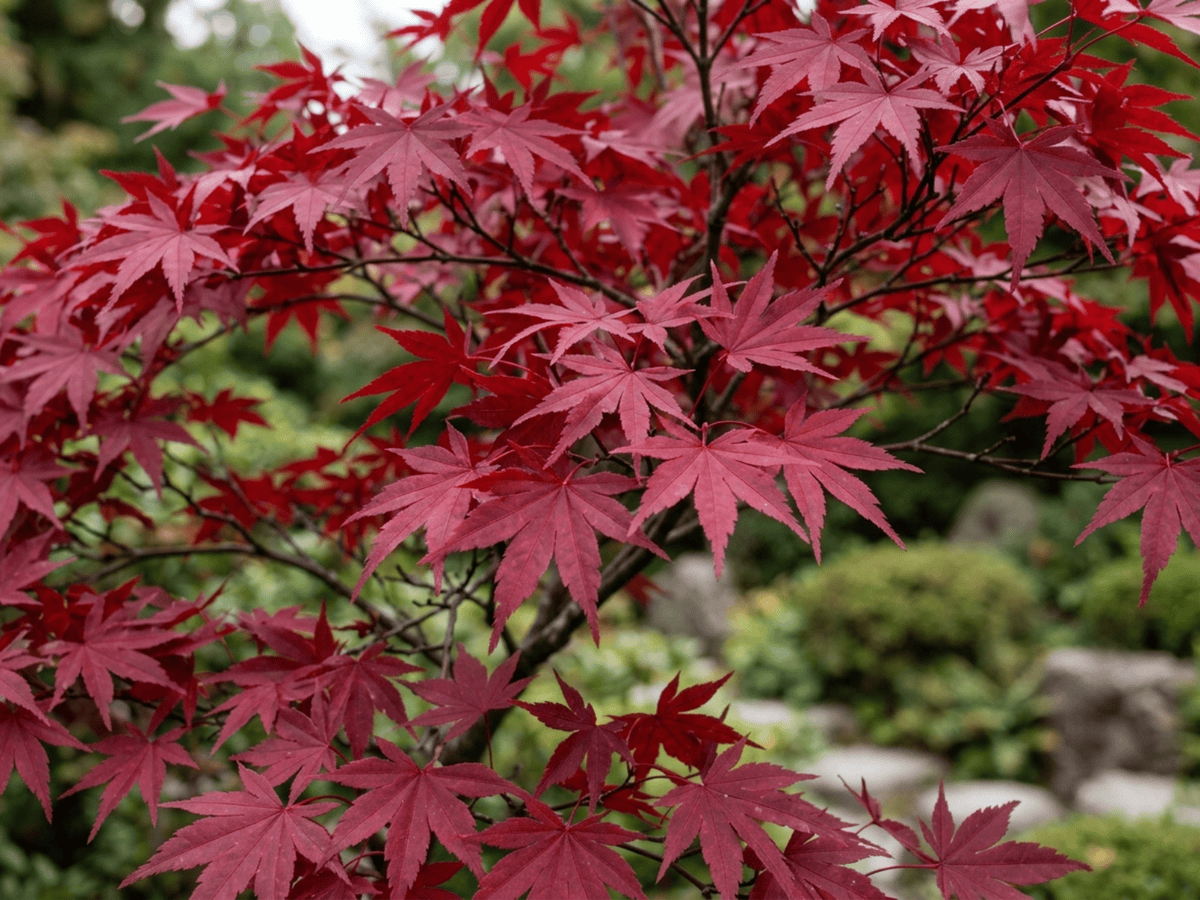 Japanese MapleAcer palmatum
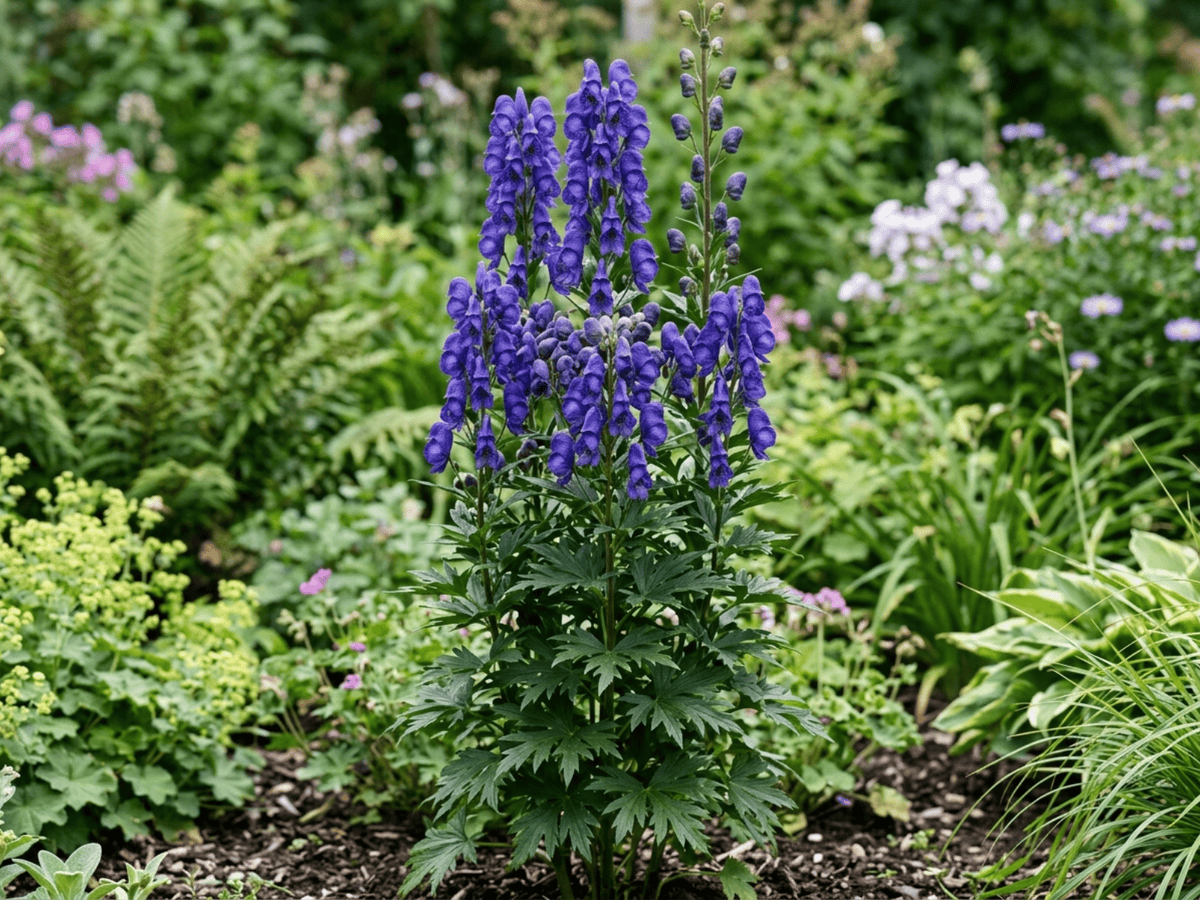 Azure MonkshoodAconitum carmichaelii
 Florida HobblebushAgarista populifolia
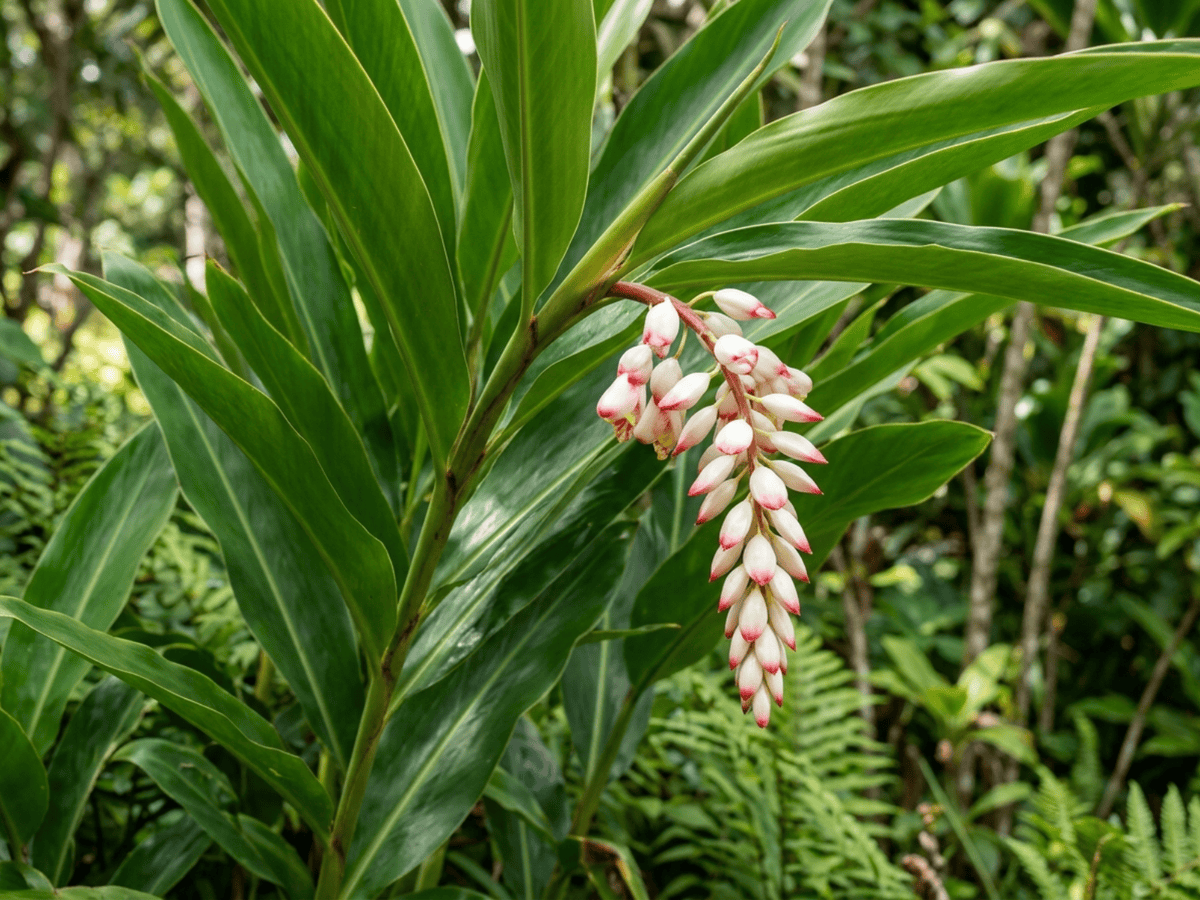 Shell GingerAlpinia zerumbet
Frequently asked questions
How often should I water Royal Azalea?
In summer, water about every 3 days; in winter, about every 14 days. Adjust for heat, pot size and drainage.
How much light does Royal Azalea need?
Part shade: 2–4 hrs direct. Watch the leaves — scorching or stretching means the light needs adjusting.
Is Royal Azalea toxic to cats or dogs?
Pets Toxic (Dogs Toxic · Cats Toxic) Educational information, not medical or veterinary advice. If exposure is suspected, contact a doctor or veterinarian.
Is Royal Azalea easy to grow?
It is moderately demanding: a good choice once you have a little experience.
When does Royal Azalea bloom?
It typically blooms Apr–May in the Northern Hemisphere.
YardMate
Identify any plant in seconds
Snap a photo — YardMate names the plant, diagnoses problems, and reminds you when to water.
Download on the App Store