 YardMate

Yakushima Rhododendron
Rhododendron yakushimanum
Medium · Some experienceAbout Yakushima Rhododendron
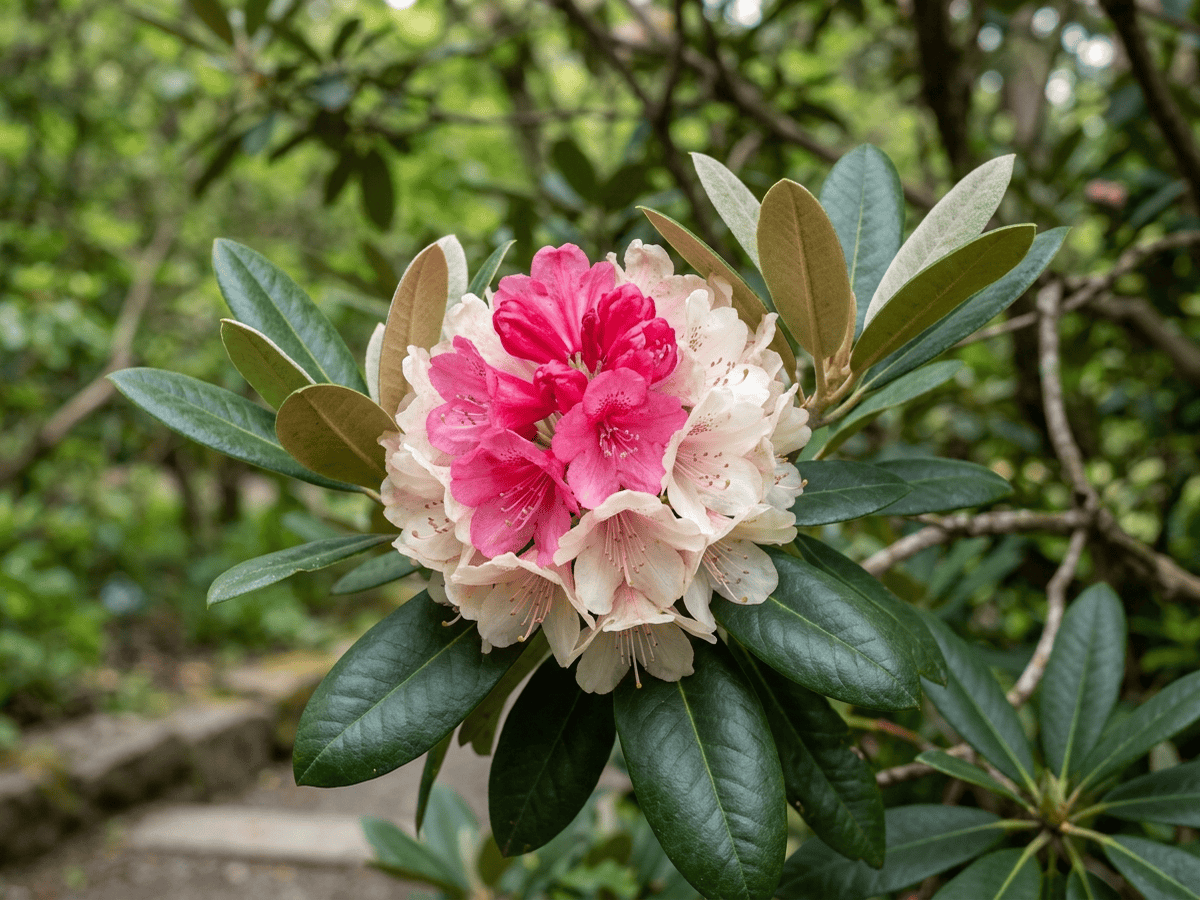
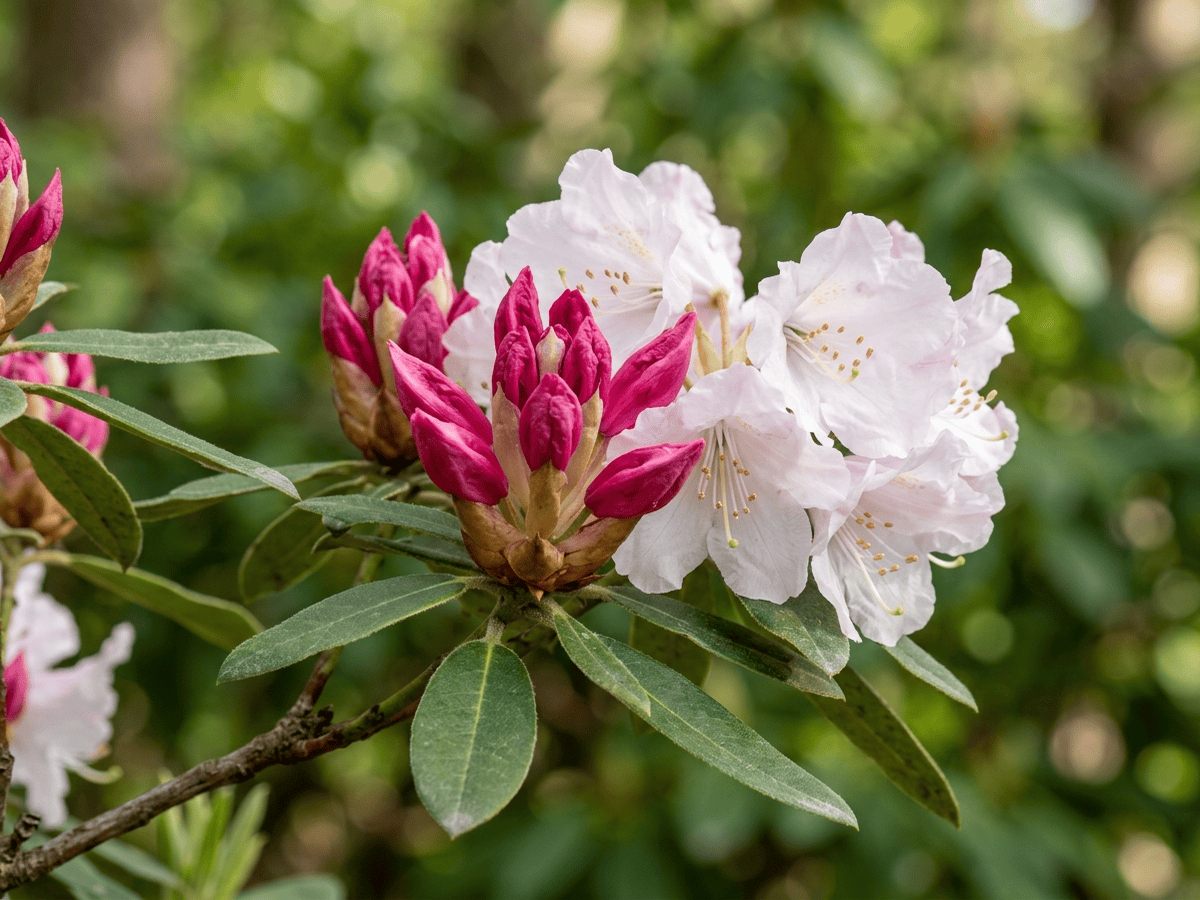
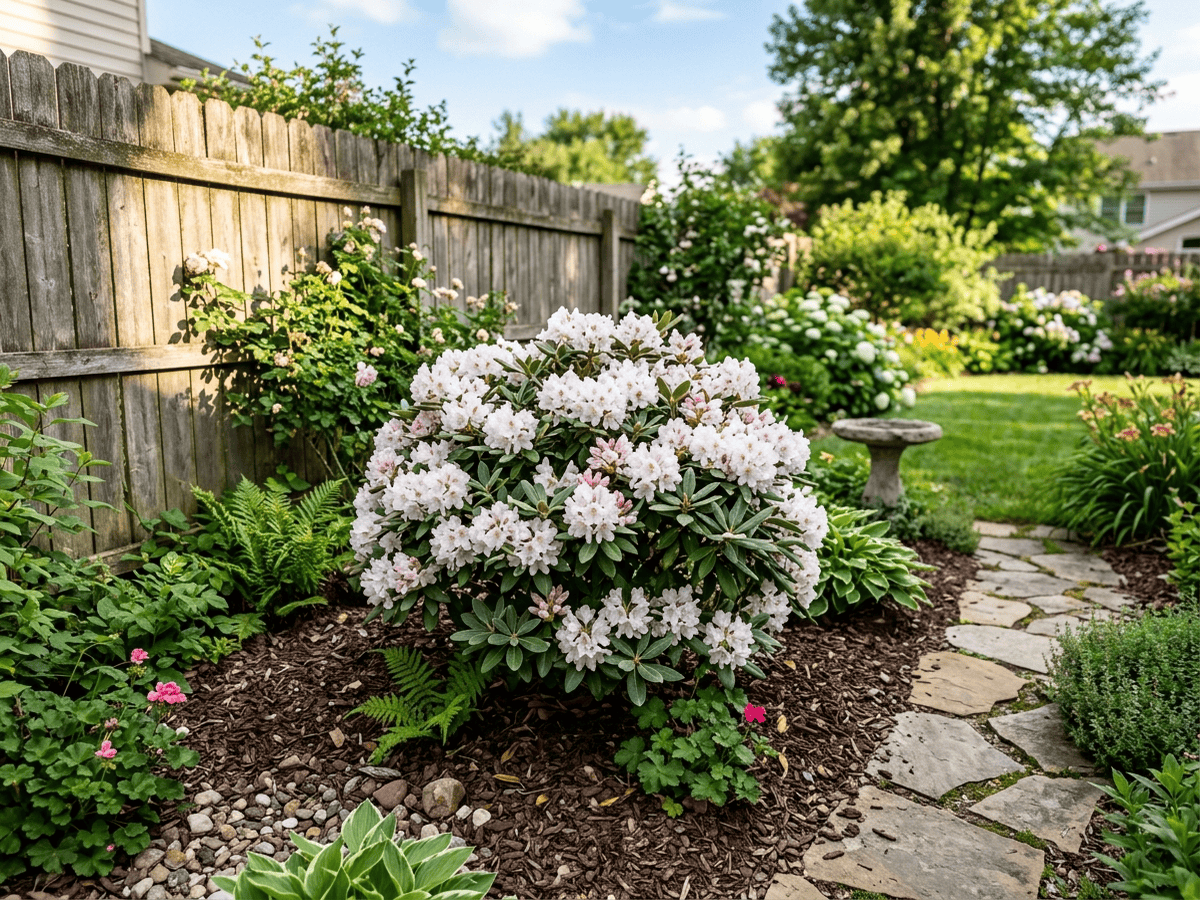
Yakushima Rhododendron is a compact dome-shaped evergreen shrub reaching only 2-3 feet tall, native to the windswept mountain ridges of Yakushima Island in southern Japan. New leaves emerge covered in silvery-white felt (indumentum) that matures to cinnamon-brown beneath. Flowers open from deep pink buds to apple-blossom pink, fading to pure white. Its naturally compact form, extreme hardiness, and prolific flowering have made it the most important parent species in modern compact rhododendron breeding.
- Cold-hardy
- Compact
- Evergreen
How to care for Yakushima Rhododendron
Watering
- Springevery 5 days
- Summerevery 3 days
- Fallevery 7 days
- Winterevery 14 days
Soil · Acidic · pH 4.5–6
- Top dressingPine needle mulch10%
- Main mixAcid-lover mix + peat 3:175%
- DrainageGravel15%
Never add lime or wood ash — it cancels out the acidity.
FERTILIZER
Acid-Loving Feed 4-3-4
One bag does both jobs. An acid feed carries the usual nitrogen, phosphorus and potassium, plus the sulfur and iron that keep the soil sour enough for the roots to take them up at all.
- Nitrogen · Leaves
- Phosphorus · Roots + Blooms
- Potassium · Strength
- Springevery 30 days
At a Glance
- NativeEast Asia
- Height3–4 ft (0.9–1.2 m)
- Spread3–5 ft (0.9–1.5 m)
- Flower colorPink, White
- Foliage colorDark-green, Green
- SoilAcidic, Moisture-retentive, Loamy
- LocationsYard
Bloom time
BLOOM CYCLE
Peak bloom
May–Jun
Pink buds open to white flowers May to June
Fragrance
LIGHT FRAGRANCE
The flowers have a mild sweet scent.
Toxicity
Humans Toxic · Pets Toxic
grayanotoxins
Toxic
- Leaf
- Flower
- Stem
- Ingestion
EXPOSURE Eating leaves, flowers, and stems.
EFFECT Nausea, vomiting, bradycardia, hypotension, convulsions from grayanotoxins.
NOTE Documented concern for humans: Nausea, vomiting, bradycardia, hypotension, convulsions from grayanotoxins.
Toxic
- Leaf
- Flower
- Ingestion
EXPOSURE Eating leaves and flowers.
EFFECT Drooling, vomiting, diarrhea, weakness, cardiac arrhythmia, seizures.
NOTE ASPCA lists all Rhododendron as toxic to dogs, cats, horses, and humans. Even a few leaves can cause serious poisoning. 'Mad honey' disease results from honey made with rhododendron nectar.
Toxic
- Leaf
- Flower
- Ingestion
EXPOSURE Eating leaves and flowers.
EFFECT Drooling, vomiting, diarrhea, weakness, cardiac arrhythmia, seizures.
NOTE ASPCA lists all Rhododendron as toxic to dogs, cats, horses, and humans. Even a few leaves can cause serious poisoning. 'Mad honey' disease results from honey made with rhododendron nectar.
Educational information, not medical or veterinary advice. If exposure is suspected, contact a doctor or veterinarian.
DISTRIBUTION


- Native
- East Asia
History
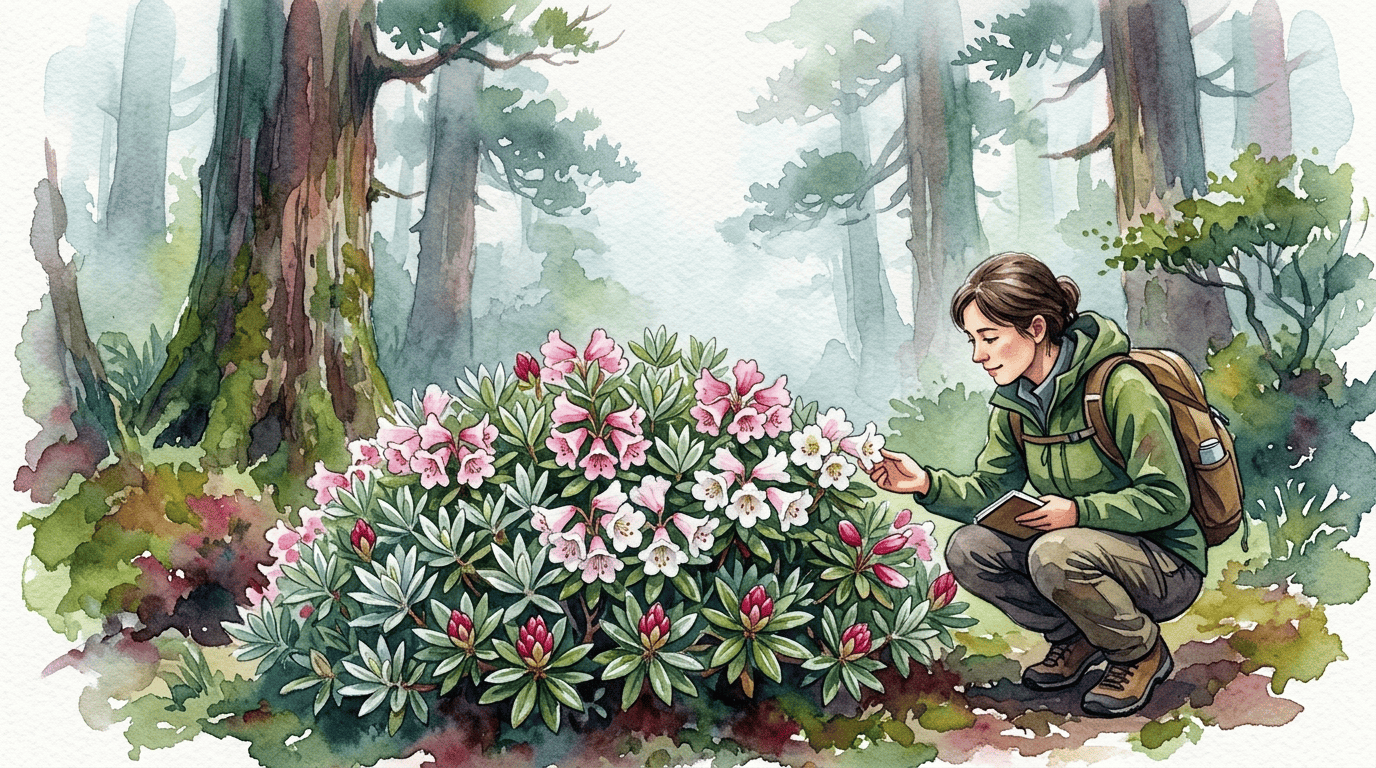
Rhododendron yakushimanum (now often treated as a subspecies of the mainland R. degronianum) is endemic to the high ridges of Yakushima Island off southern Kyushu, Japan—a UNESCO World Heritage site famous for its ancient cryptomeria forests. Japanese botanist Takenoshin Nakai described the species in 1921. Dwarfed by the extreme coastal mountain climate to compact 1-meter domes with thick silvery-woolly new growth (indumentum) and red-pink buds opening to pale pink fading to white, the species was introduced to Western cultivation when two plants were sent to Lionel de Rothschild at Exbury Gardens in 1934, and one was later gifted to the Royal Horticultural Society.
The famous Exbury specimen, now called 'Koichiro Wada', received a First Class Certificate in 1947 and quickly became the foundation of modern compact rhododendron breeding. Hundreds of 'Yak hybrids' including 'Ken Janeck', 'Mist Maiden', and 'Yaku Princess' descend from this one plant, transforming commercial rhododendron horticulture by offering dwarf garden-friendly habit and superior cold hardiness.
Symbolism & meaning
What It Symbolizes
Yakushima Rhododendron suggests elegance through its naturally dome-shaped form, a perfect mound that hardly seems to need a gardener's pruning. Paired with transformation, its flowers open deep pink and age toward white, every truss a slow gradient over the bloom season. It is a shrub whose meaning lies in graceful change — beauty that knows how to soften with time.
- Elegance — perfectly dome-shaped natural form
- Transformation — flowers change from pink to white as they age
Where the Name Comes From
'Yakushimanum' refers to Yakushima Island off southern Japan, where the species is endemic to high-altitude ridges.
Uses & Fun Facts
- Compact dome-shaped rhody ideal for shaded patio pots
- Pink-fading-white trusses over silver-felted new growth
- Bell flowers feed bumblebees in spring woodland gardens
Related plants
More Rhododendron plants
 Smooth AzaleaRhododendron arborescens
 Augustine's RhododendronRhododendron augustinii
 Orange AzaleaRhododendron austrinum
 Mountain AzaleaRhododendron canescens
Plants with similar care
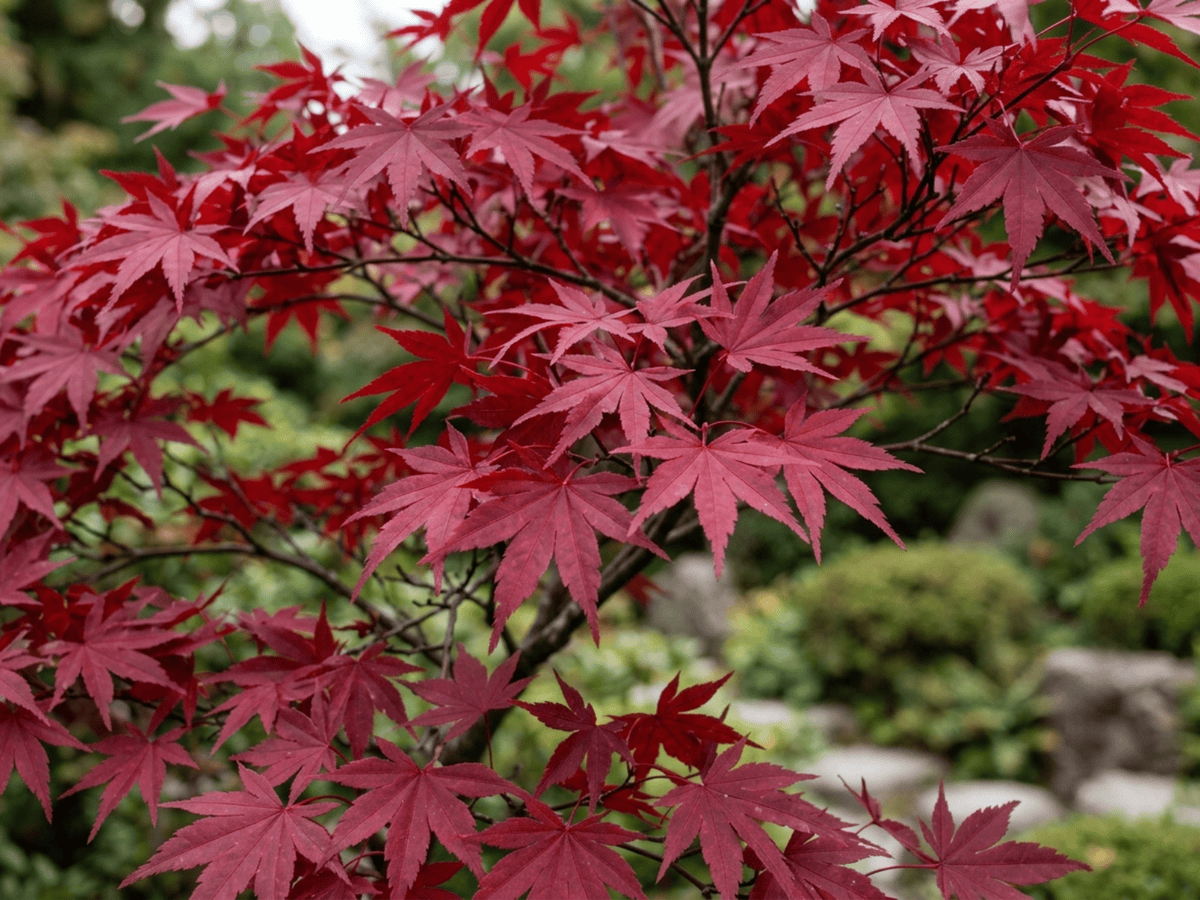 Japanese MapleAcer palmatum
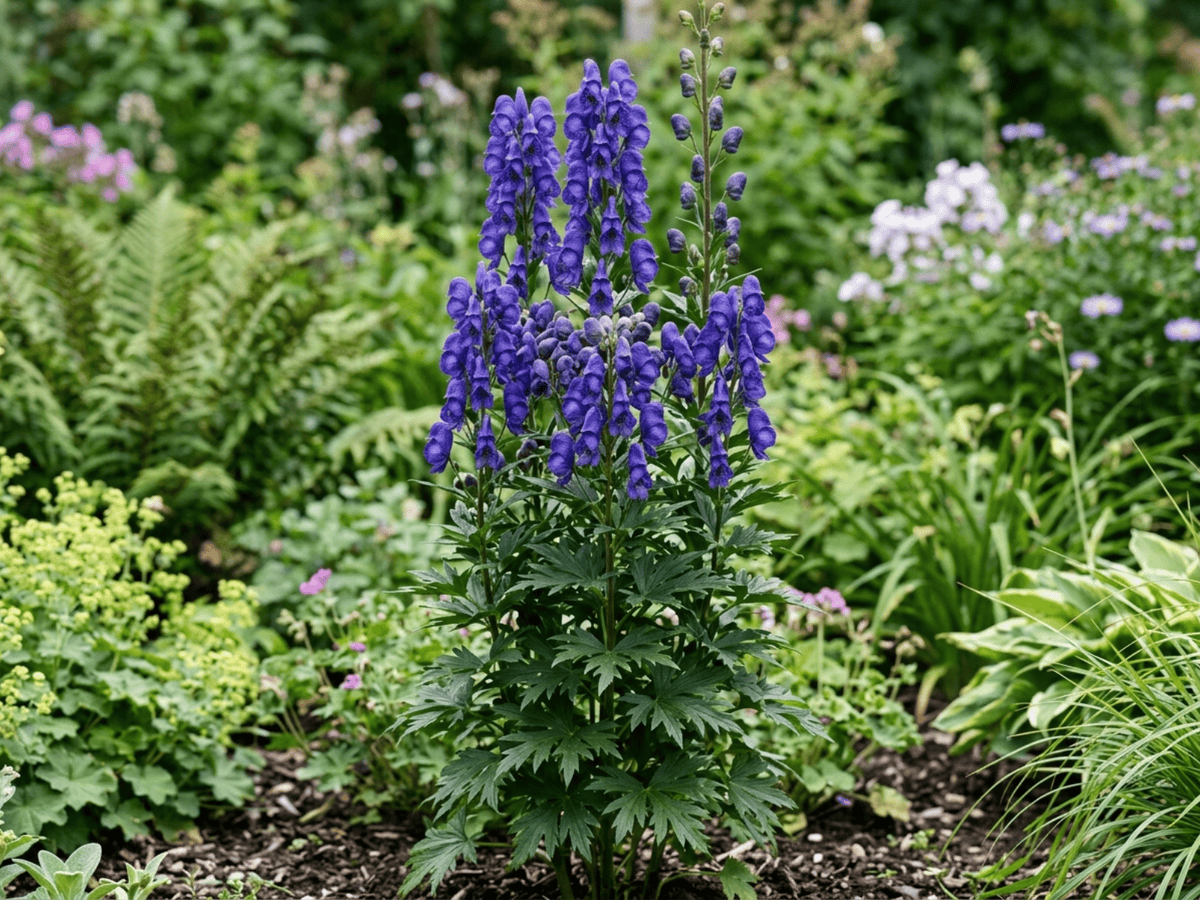 Azure MonkshoodAconitum carmichaelii
 Florida HobblebushAgarista populifolia
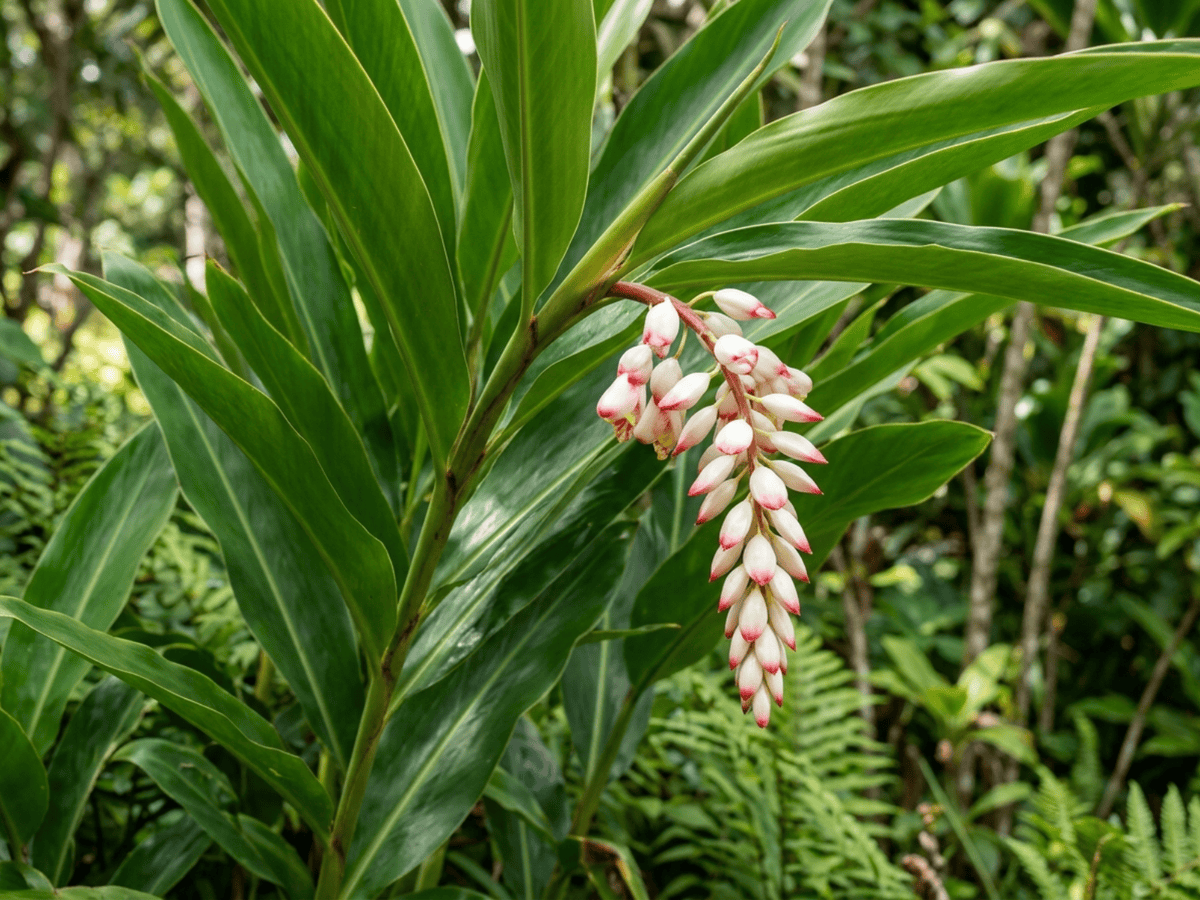 Shell GingerAlpinia zerumbet
Frequently asked questions
How often should I water Yakushima Rhododendron?
In summer, water about every 3 days; in winter, about every 14 days. Adjust for heat, pot size and drainage.
How much light does Yakushima Rhododendron need?
Part shade: 2–4 hrs direct. Watch the leaves — scorching or stretching means the light needs adjusting.
Is Yakushima Rhododendron toxic to cats or dogs?
Pets Toxic (Dogs Toxic · Cats Toxic) Educational information, not medical or veterinary advice. If exposure is suspected, contact a doctor or veterinarian.
Is Yakushima Rhododendron easy to grow?
It is moderately demanding: a good choice once you have a little experience.
When does Yakushima Rhododendron bloom?
It typically blooms May–Jun in the Northern Hemisphere.
YardMate
Identify any plant in seconds
Snap a photo — YardMate names the plant, diagnoses problems, and reminds you when to water.
Download on the App Store