 YardMate

Spreading Gooseberry
Ribes divaricatum
Medium · Some experienceAbout Spreading Gooseberry
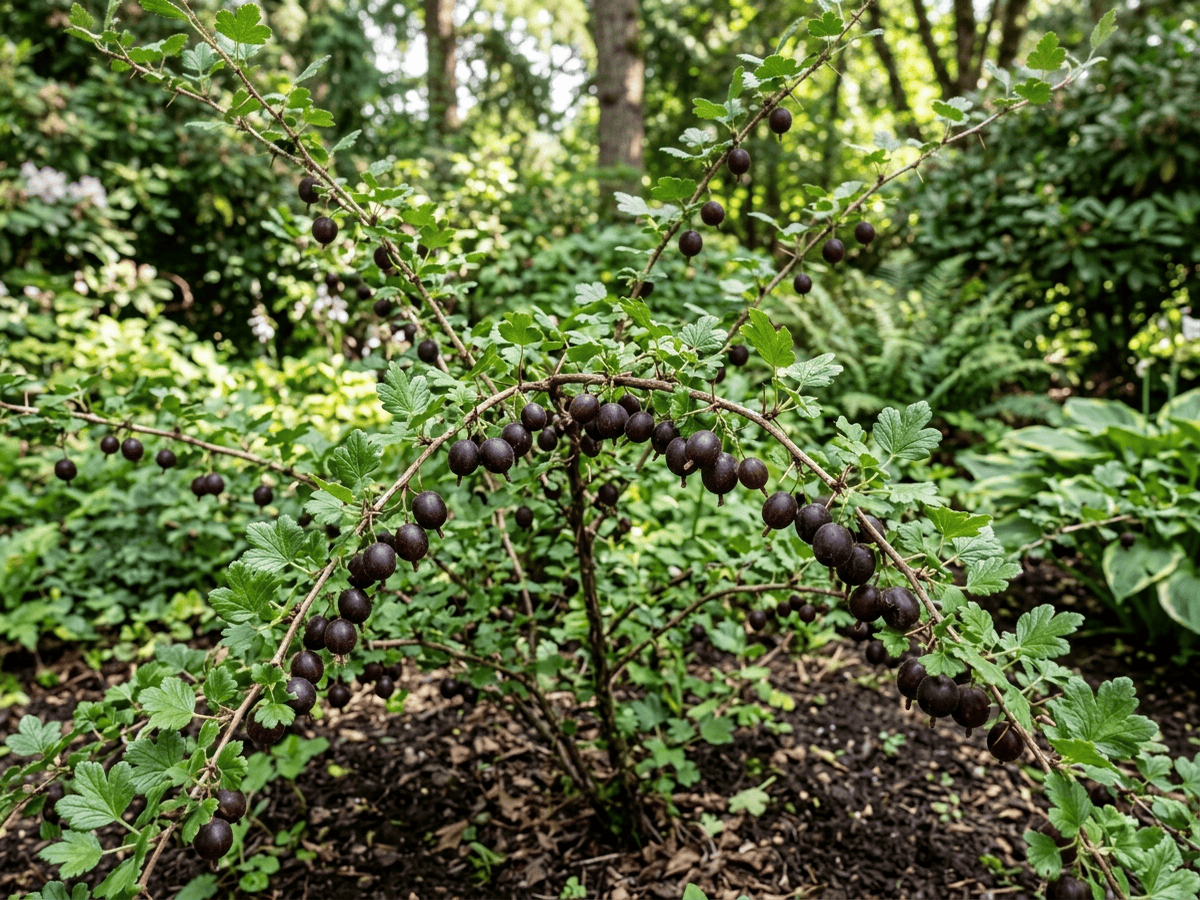
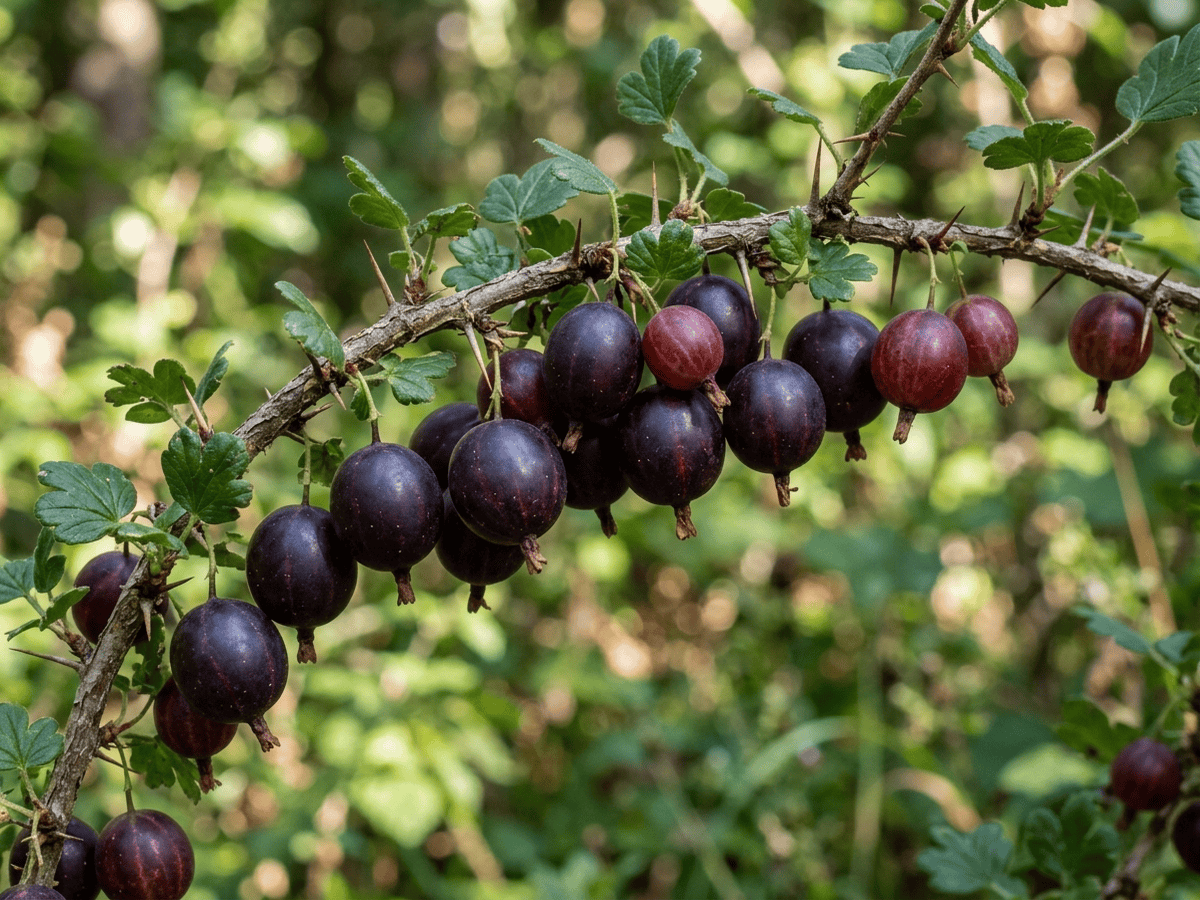
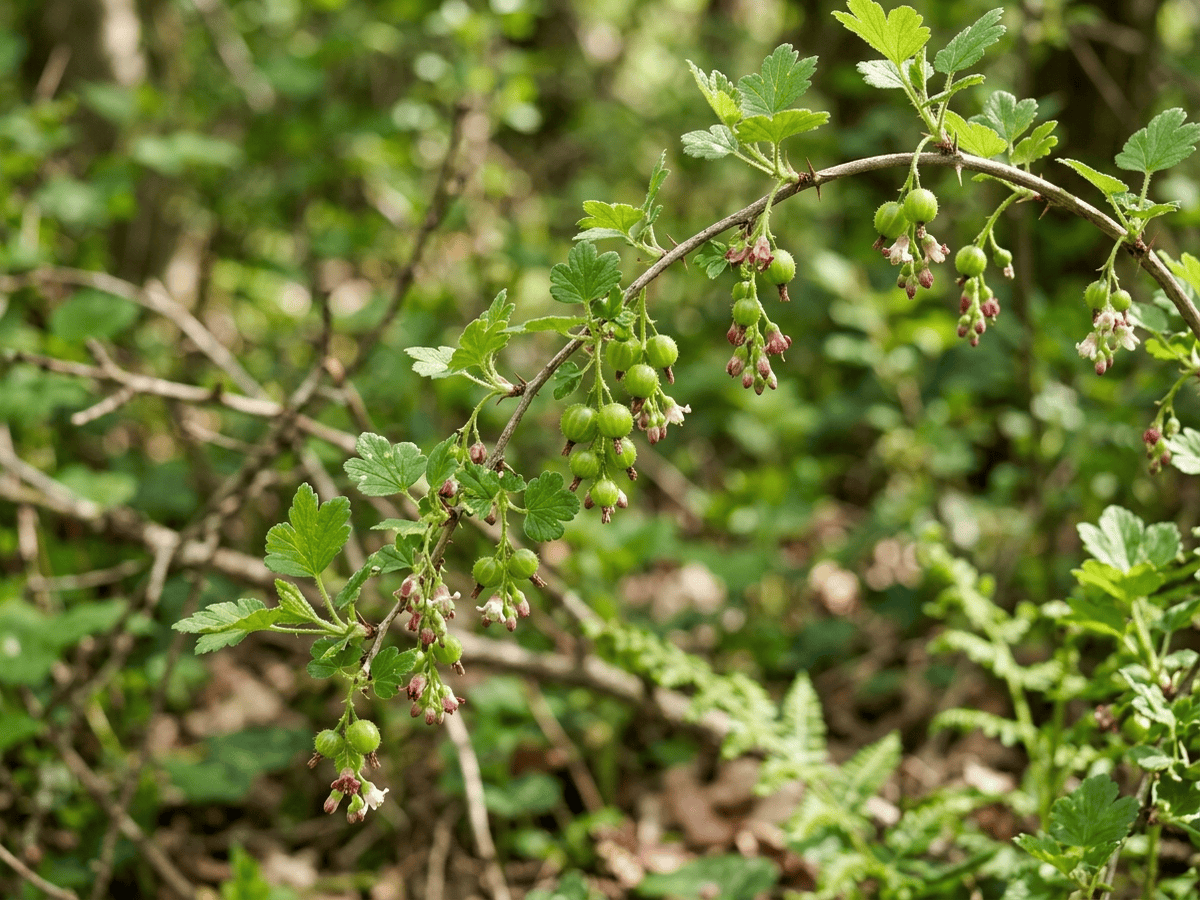
Coastal Black Gooseberry, also called Spreading Gooseberry, is a deciduous spiny shrub native to the Pacific coast from British Columbia south to central California. Reaching 3 to 9 feet tall with arching, thorny branches, it produces drooping clusters of small reddish flowers in spring that develop into smooth, dark purple-black edible berries. A traditional food of Pacific Northwest Indigenous peoples, the tart berries make excellent pies and preserves, and the dense thorny growth provides important wildlife shelter.
- Edible
- Native
- Wildlife-friendly
How to care for Spreading Gooseberry
Watering
- Springevery 7 days
- Summerevery 5 days
- Fallevery 10 days
- Winterevery 14 days
Soil · Rich & well-draining
- Top dressingCompost10%
- Main mixPotting soil + compost 3:180%
- DrainageGravel10%
Top up the compost layer each season.
FERTILIZER
Balanced Feed 14-14-14
An even feed covers all three needs at once, keeping leaves, roots and blooms moving together with nothing pushed out of balance.
- Nitrogen · Leaves
- Phosphorus · Roots + Blooms
- Potassium · Strength
- Springevery 60 days
At a Glance
- NativeNorth America
- Height3–6 ft (0.9–1.8 m)
- Spread3–6 ft (0.9–1.8 m)
- Flower colorRed, Pink, Green
- Foliage colorGreen
- Fruit colorPurple, Black
- SoilLoamy, Well-drained
- LocationsYard
Bloom time
BLOOM CYCLE
Peak bloom
Mar–May
Drooping reddish-purple flower clusters in spring
Toxicity
No toxicity has been reported for this plant. Still, it is wise to keep pets from chewing on any houseplant.
Educational information, not medical or veterinary advice. If exposure is suspected, contact a doctor or veterinarian.
DISTRIBUTION


- Native
- Introduced
- North America
History

Ribes divaricatum, the coastal black gooseberry or spreading gooseberry, is a deciduous thorny shrub native to the Pacific coast of North America from British Columbia to California, typically in moist forest edges and riparian zones. Scottish botanist David Douglas collected specimens during his 1824 to 1827 Pacific Northwest expedition, and Hooker formally named the species in 1832. Indigenous peoples of the Pacific Northwest including the Salish, Nuxalk, and Quinault harvested the dark sweet-tart berries for fresh eating and dried cakes, and used the spiny branches as tools.
Settlers adopted the plant for pies and preserves. Because Ribes species host white pine blister rust, federal quarantines banned cultivation in many areas during the 20th century, limiting horticultural use despite the fruit's excellent flavor.
An important traditional food of Coast Salish, Chinook, and other Pacific Northwest peoples, who ate the berries fresh or dried them into cakes for winter. Documented by Scottish botanist David Douglas in the 1820s during his expeditions for the Royal Horticultural Society.
Symbolism & meaning
What It Symbolizes
Spreading Gooseberry embodies wild abundance, generously fruiting through Pacific Northwest coastal forests where its tart purple berries have long sustained both wildlife and people. It carries deep Pacific heritage as a traditional food plant of Northwest Indigenous peoples, gathered for fresh eating and dried winter stores. A native shrub still feeding the same coastal ecosystems it always has.
- Wild abundance — generous native fruit of coastal forests
- Pacific heritage — traditional food plant of Northwest peoples
Where the Name Comes From
'Ribes' is from Arabic for currant; 'divaricatum' means widely spreading, referring to the branching habit.
Uses & Fun Facts
- Tart berries used in pies, jams, and preserves
- Spiny canes shelter songbirds; berries feed birds and bears
- Early flowers feed Rufous hummingbirds and native bees
Related plants
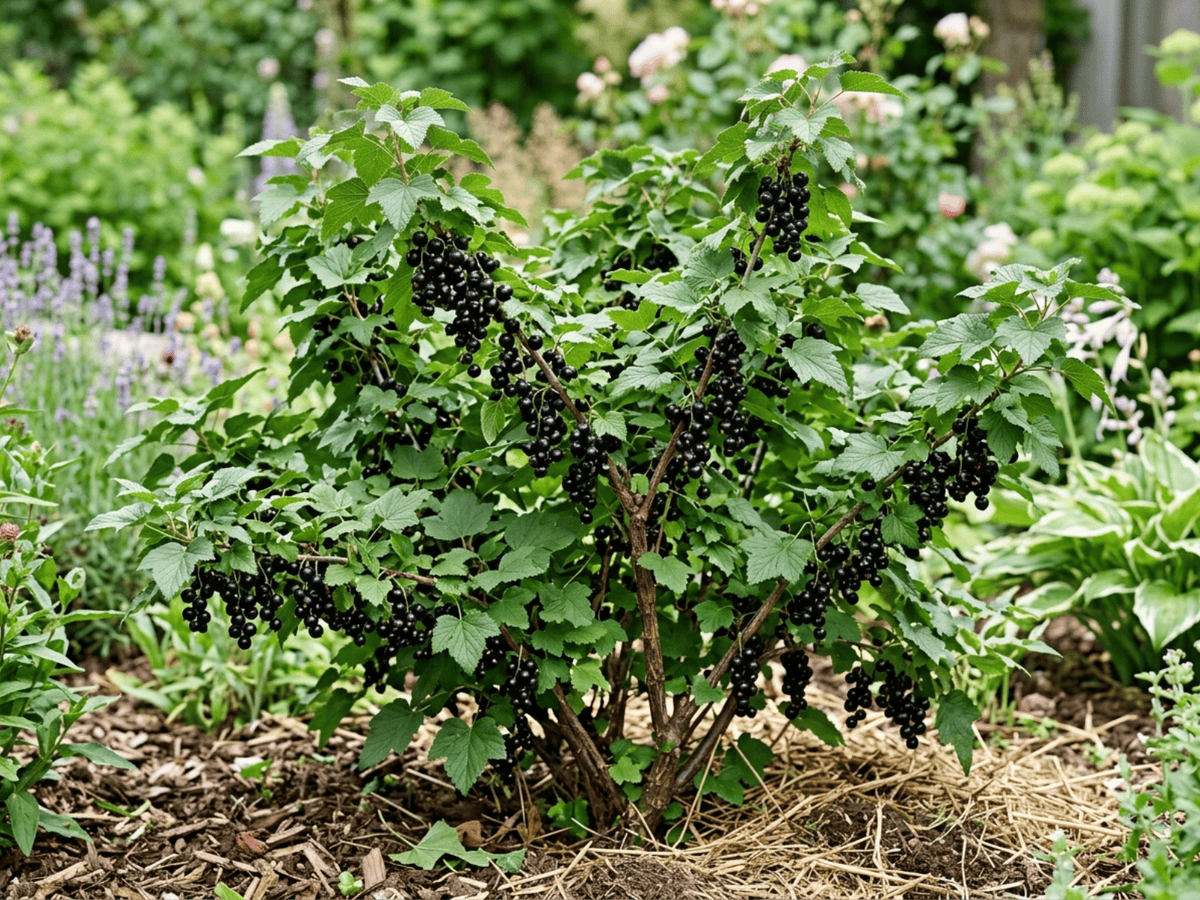
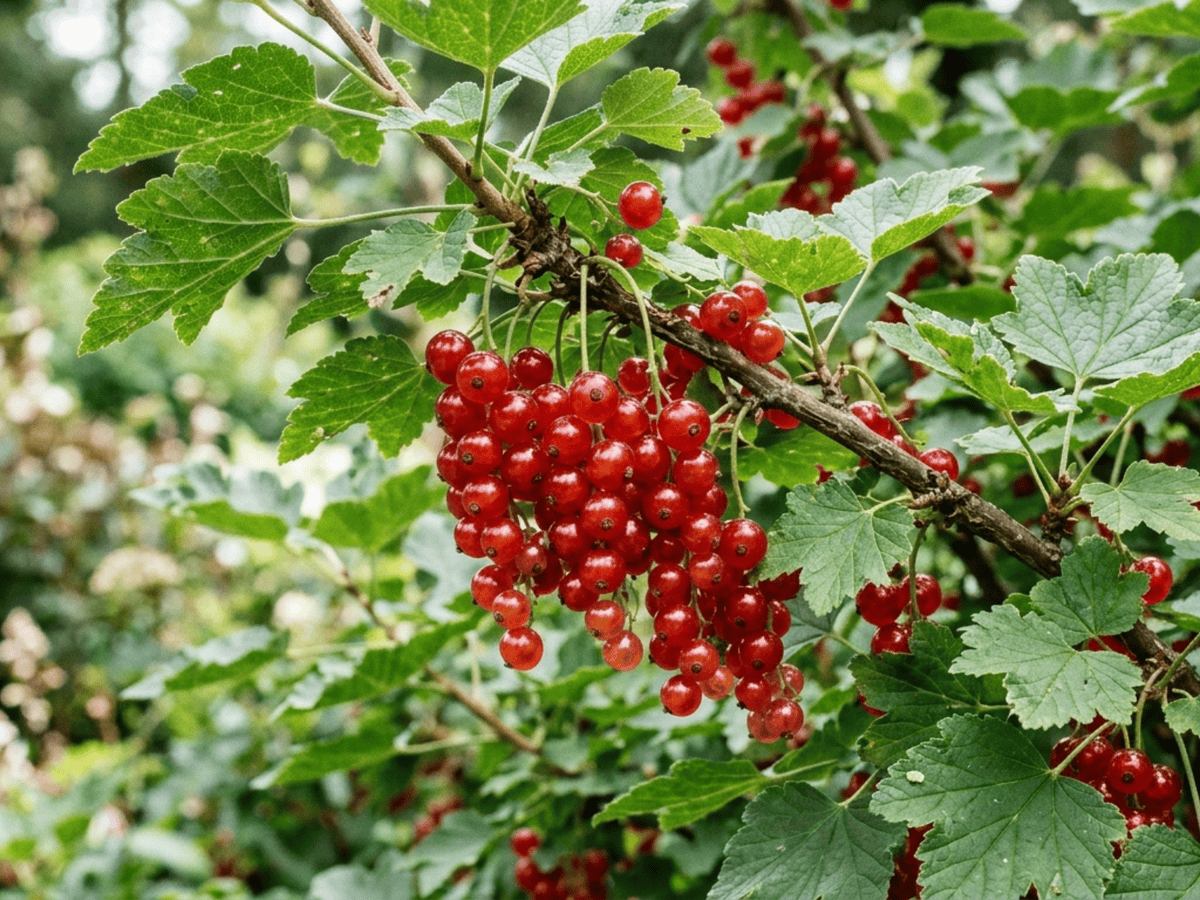
More Ribes plants

Plants with similar care
 Japanese MapleAcer palmatum
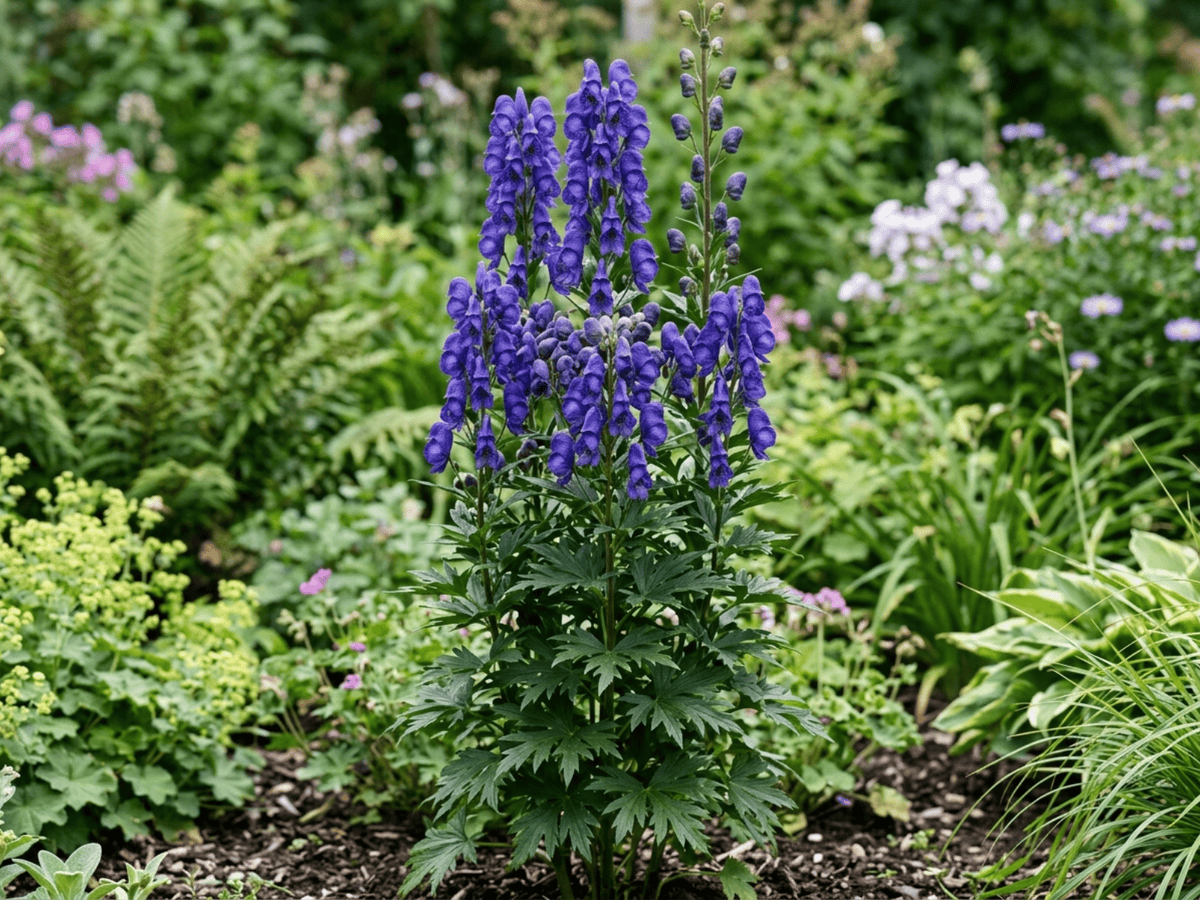 Azure MonkshoodAconitum carmichaelii
 Florida HobblebushAgarista populifolia
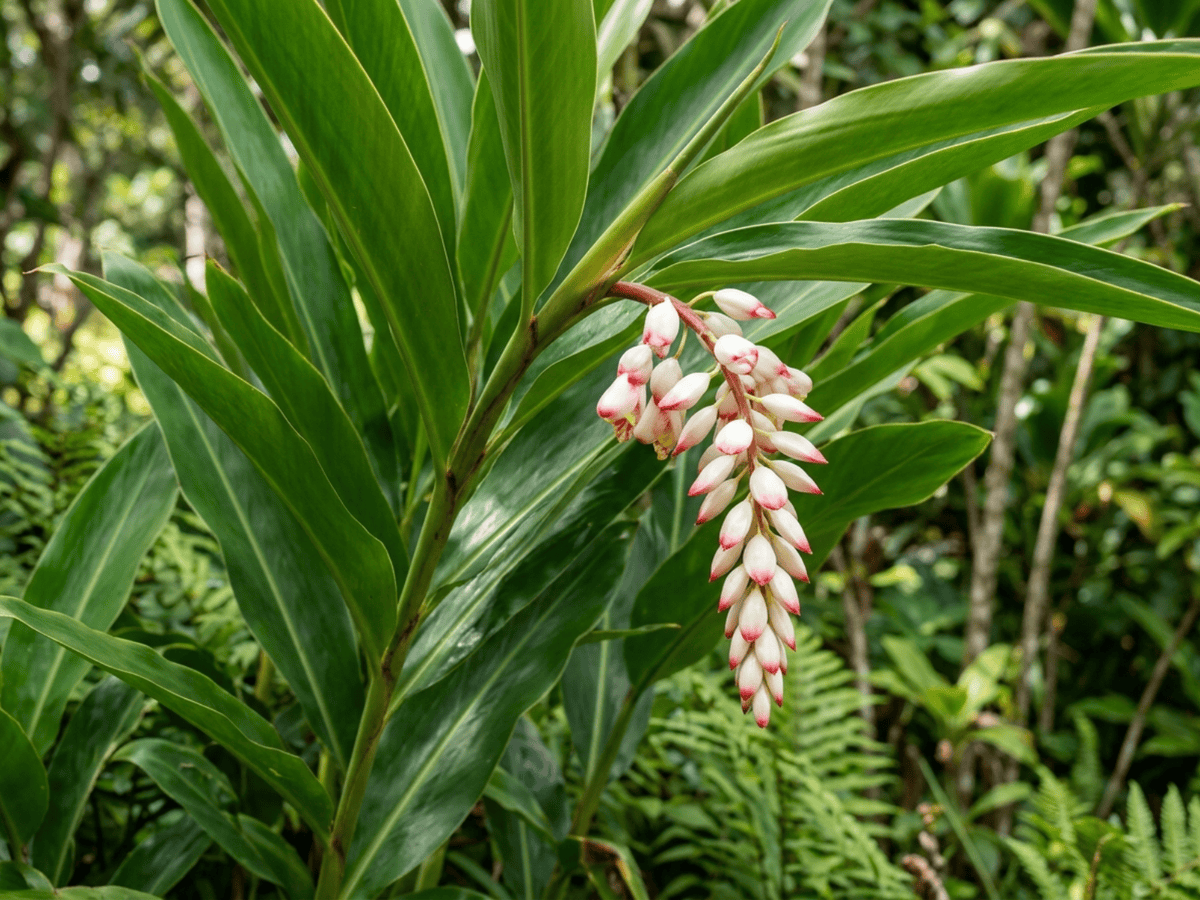 Shell GingerAlpinia zerumbet
Frequently asked questions
How often should I water Spreading Gooseberry?
In summer, water about every 5 days; in winter, about every 14 days. Adjust for heat, pot size and drainage.
How much light does Spreading Gooseberry need?
Part shade: 2–4 hrs direct. Watch the leaves — scorching or stretching means the light needs adjusting.
Is Spreading Gooseberry toxic to cats or dogs?
No toxicity has been reported for this plant. Still, it is wise to keep pets from chewing on any houseplant. Educational information, not medical or veterinary advice. If exposure is suspected, contact a doctor or veterinarian.
Is Spreading Gooseberry easy to grow?
It is moderately demanding: a good choice once you have a little experience.
When does Spreading Gooseberry bloom?
It typically blooms Mar–May in the Northern Hemisphere.
YardMate
Identify any plant in seconds
Snap a photo — YardMate names the plant, diagnoses problems, and reminds you when to water.
Download on the App Store