 YardMate


European Gooseberry
Ribes uva-crispa
Easy · Beginner friendlyAbout European Gooseberry
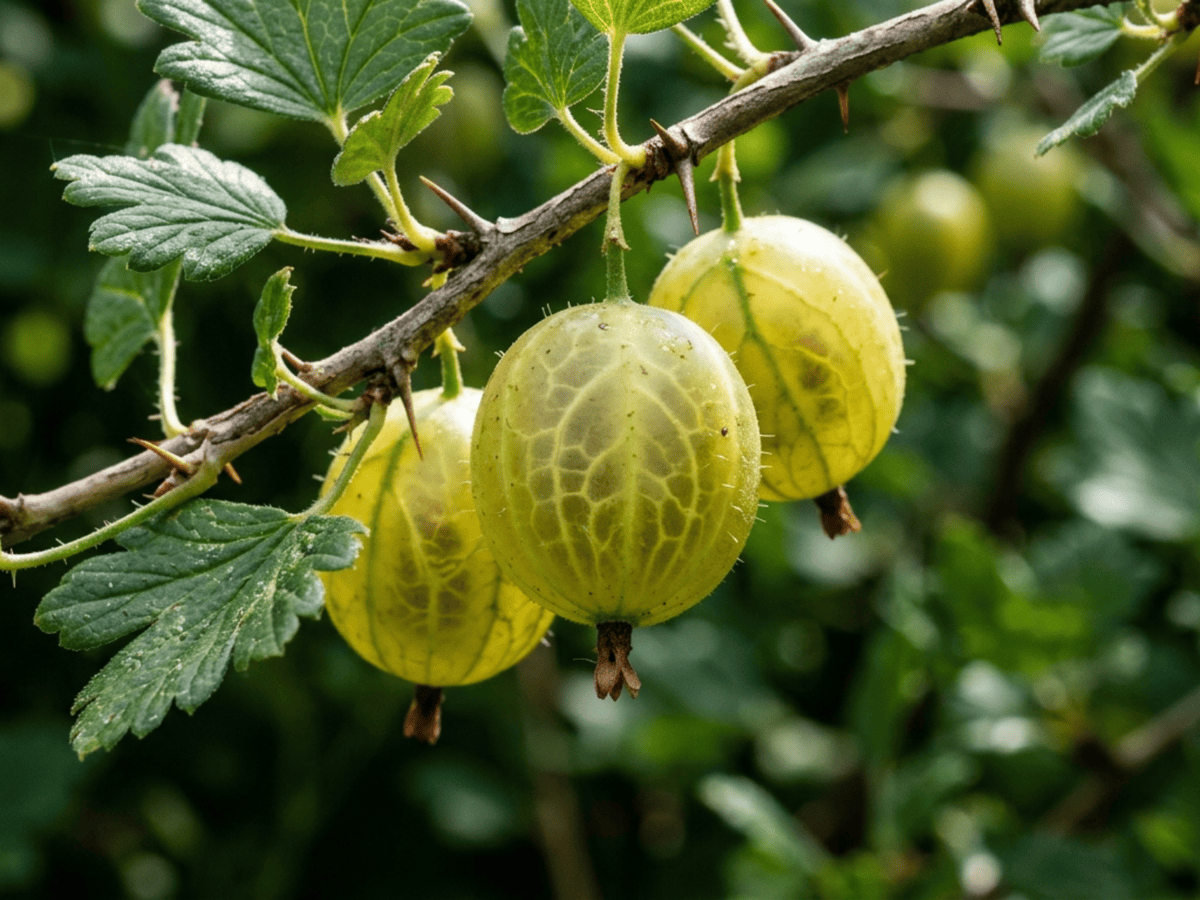
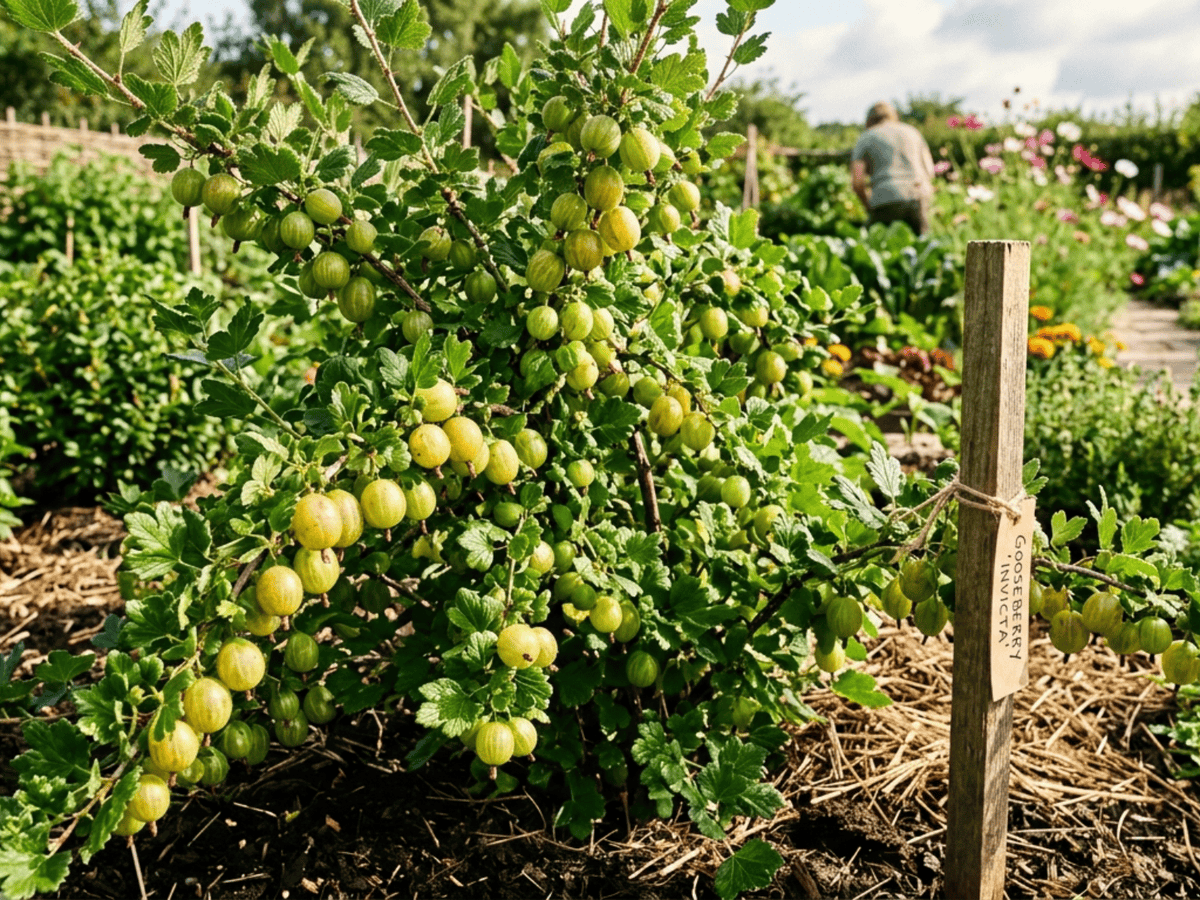
Ribes uva-crispa, the gooseberry, is a thorny deciduous shrub in the Grossulariaceae family native to Europe, northwestern Africa, and western Asia. Growing 1–1.5 m tall, it produces round to oval berries that range from green and tart (for cooking) to red, yellow, or purple and sweet (for dessert). The fruit is translucent when ripe, revealing the veins and seeds inside—a natural jewel of the berry world.
Gooseberries are cold-hardy (USDA zones 3–7) and prefer cool, moist conditions in partial shade to full sun. They are among the few fruits that perform well in shade, making them ideal for north-facing walls and understory planting. The thorny stems make harvesting challenging, but thornless and less thorny cultivars are available.
Gooseberries are quintessentially English: gooseberry fool (fruit folded into whipped cream), gooseberry crumble, and gooseberry chutney are classic British dishes. The Victorian gooseberry-growing competitions, particularly in Cheshire, England, are among the oldest horticultural shows in the world, with growers competing to produce the heaviest single berry. The tart cooking varieties make exceptional jams and pies, while dessert types are sweet enough to eat fresh. Like other Ribes, gooseberries were restricted in the US to protect white pines.
- Edible
- Cold-hardy
- Shade-tolerant
How to care for European Gooseberry
Watering
- Springevery 4 days
- Summerevery 3 days
- Fallevery 5 days
- Winterevery 10 days
Soil · Rich & well-draining
- Top dressingCompost10%
- Main mixPotting soil + compost 3:180%
- DrainageGravel10%
Top up the compost layer each season.
FERTILIZER
Balanced Feed 14-14-14
An even feed covers all three needs at once, keeping leaves, roots and blooms moving together with nothing pushed out of balance.
- Nitrogen · Leaves
- Phosphorus · Roots + Blooms
- Potassium · Strength
- Springevery 30 days
- Summerevery 30 days
- Fallevery 45 days
At a Glance
- NativeEurope, Africa
- Height3–5 ft (0.9–1.5 m)
- Spread3–5 ft (0.9–1.5 m)
- Flower colorGreen, Pink
- Foliage colorGreen
- Fruit colorGreen
- SoilWell-drained, Loamy, Rich
- LocationsYard
Bloom time
BLOOM CYCLE
Peak bloom
Jun–Aug
Small greenish flowers self-pollinate; frost can damage early blooms — site in a sheltered spot.
Fragrance
NO FRAGRANCE
No notable fragrance.
Toxicity
Pets Slight
pectin and vitamin C
Not reported
EXPOSURE No exposure route is reported.
EFFECT Widely consumed and unripe berries very tart.
NOTE No toxicity is reported for humans in this catalog; this is not evidence that the plant is edible or harmless.
Slight
- Fruit
- Ingestion
EXPOSURE Eating fruit.
EFFECT Moderate intake concerns apply.
NOTE Ripe fruit safe for humans; thorns cause mechanical injury.
Slight
- Fruit
- Ingestion
EXPOSURE Eating fruit.
EFFECT Moderate intake concerns apply.
NOTE Ripe fruit safe for humans; thorns cause mechanical injury.
Educational information, not medical or veterinary advice. If exposure is suspected, contact a doctor or veterinarian.
DISTRIBUTION


- Native
- Introduced
- Europe
- Africa
History

Ribes uva-crispa is native to Europe and northwestern Africa. It entered cultivation in Britain during Tudor times; Henry VIII's gardeners grew it, and Francis Bacon's writings reference it. The 18th-19th century British "gooseberry club" tradition developed in the industrial Midlands and northern England, particularly around Manchester and Cheshire, where working-class enthusiasts competed to grow the largest single fruit.
Cheshire's Goostrey Gooseberry Society, founded in 1800 and still operating, holds annual weigh-offs that have driven selective breeding of "show" cultivars optimized for giant single berries. Modern show gooseberries regularly exceed 40-60 grams — approaching the weight of a plum. The Cheshire tradition is among the oldest continuous competitive plant-growing societies in the world.
Dessert cultivars for cooking and preserves are different, bred for flavor rather than size. Gooseberry fool — a traditional English dessert of gooseberries folded into sweetened cream — is the defining culinary use. Like other Ribes, gooseberry was banned in parts of the US due to pine blister rust concerns. By the 18th century, English gooseberry clubs held competitive shows — the tradition continues in Cheshire to this day. Edward Bunyard's 1929 'The Anatomy of Dessert' devoted rapturous prose to gooseberry varieties. The US Ribes ban severely curtailed American cultivation, but interest is reviving.
Symbolism & meaning
What It Symbolizes
The European Gooseberry holds Nostalgia — a fixture of English cottage gardens, its tart fruit baked into fools and crumbles within a remembered domestic world. It also carries a tradition of Competition, with centuries-old gooseberry shows in northern English villages where growers vie to produce the heaviest single berry. Friendly rivalry preserved alongside the recipes.
- Nostalgia — Deeply embedded in English cottage garden tradition, gooseberries evoke cherished memories of simpler times
- Competition — The centuries-old growing competitions symbolize friendly rivalry and dedication to craft
Where the Name Comes From
Ribes from Arabic 'ribas'; 'uva-crispa' from Latin 'uva' (grape) + 'crispa' (curled/hairy), describing the hairy-skinned fruit. 'Gooseberry' origin is uncertain — possibly from Dutch 'kruisbes' or German 'Krausbeere.'
Uses & Fun Facts
- Tart green-to-red berries used in pies, jams, and wines
- Thorny stems form productive low barrier plantings
Related plants
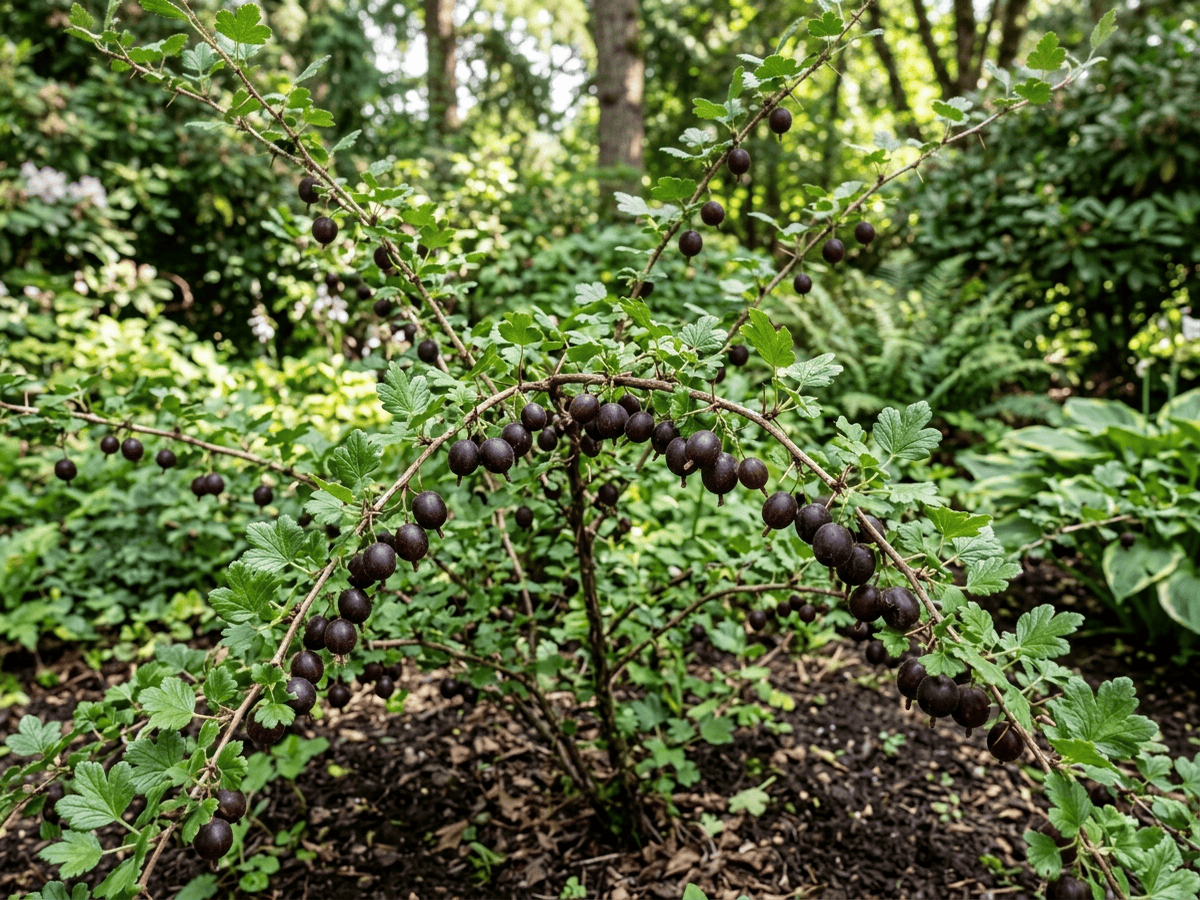
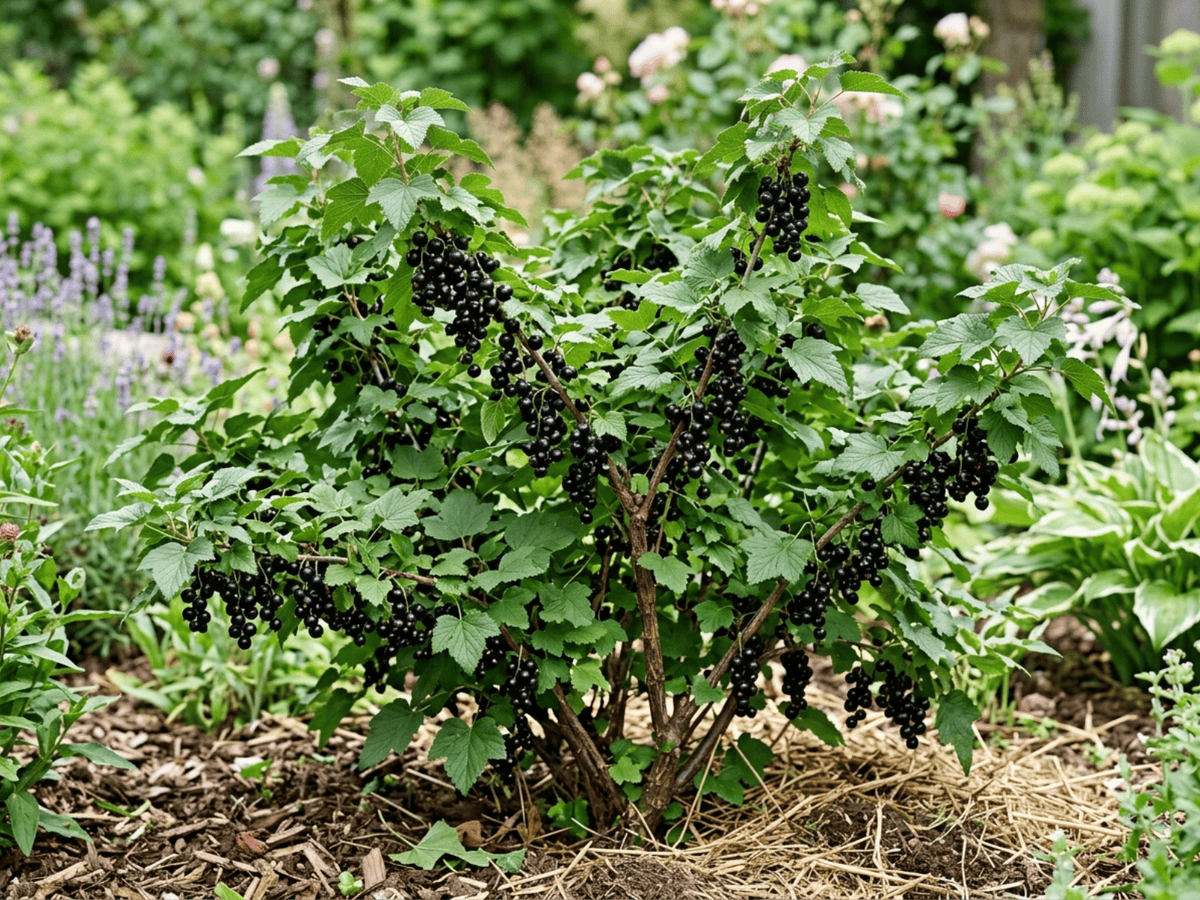
More Ribes plants
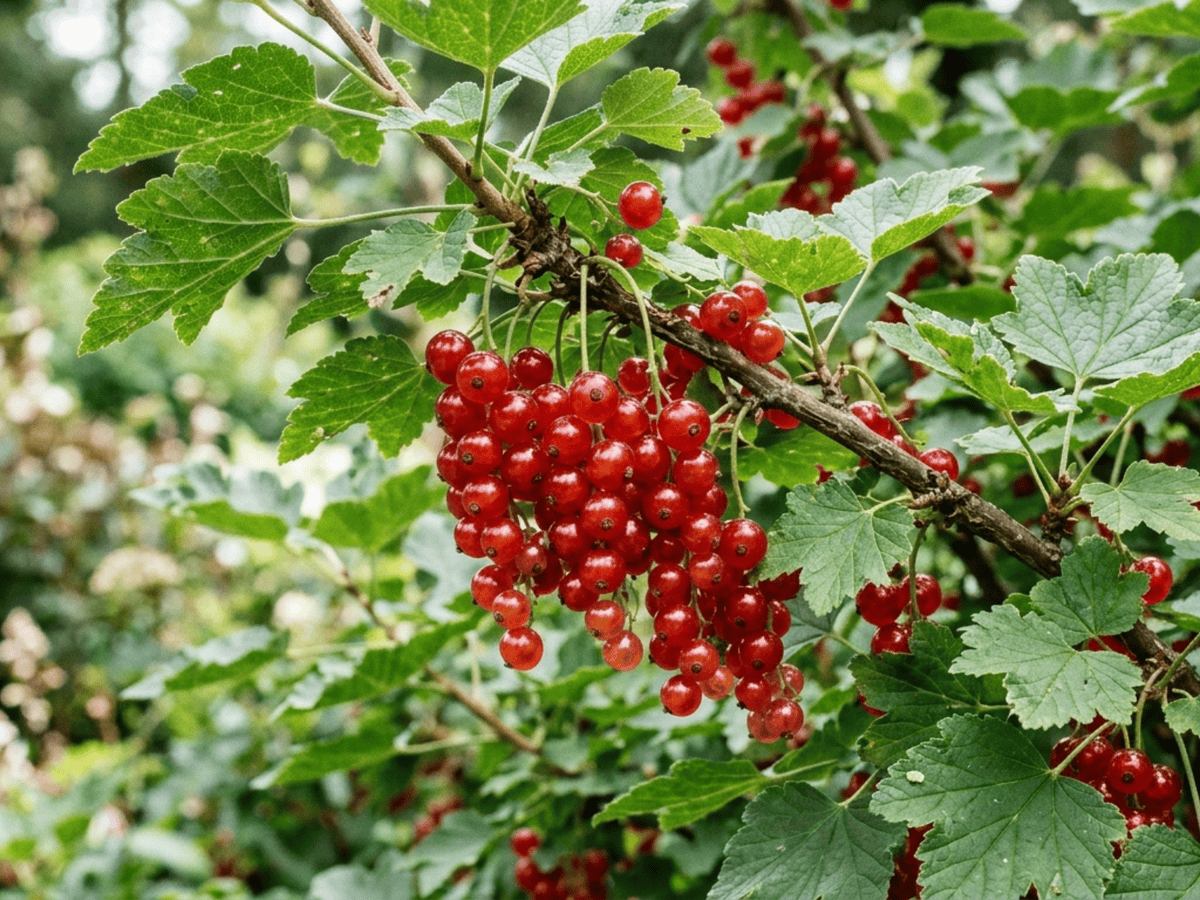
Plants with similar care
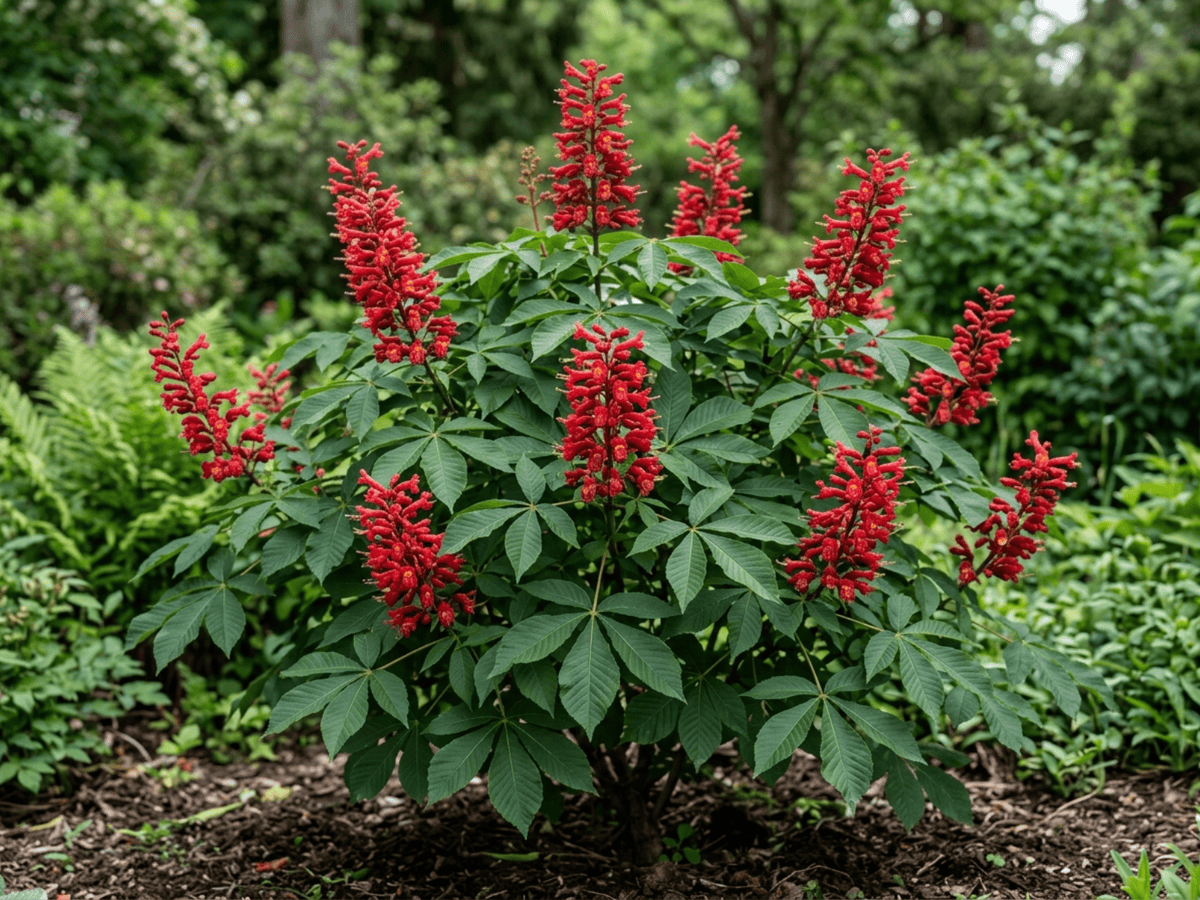 Red BuckeyeAesculus pavia
 Blue BugleAjuga genevensis
 Pyramidal BugleAjuga pyramidalis
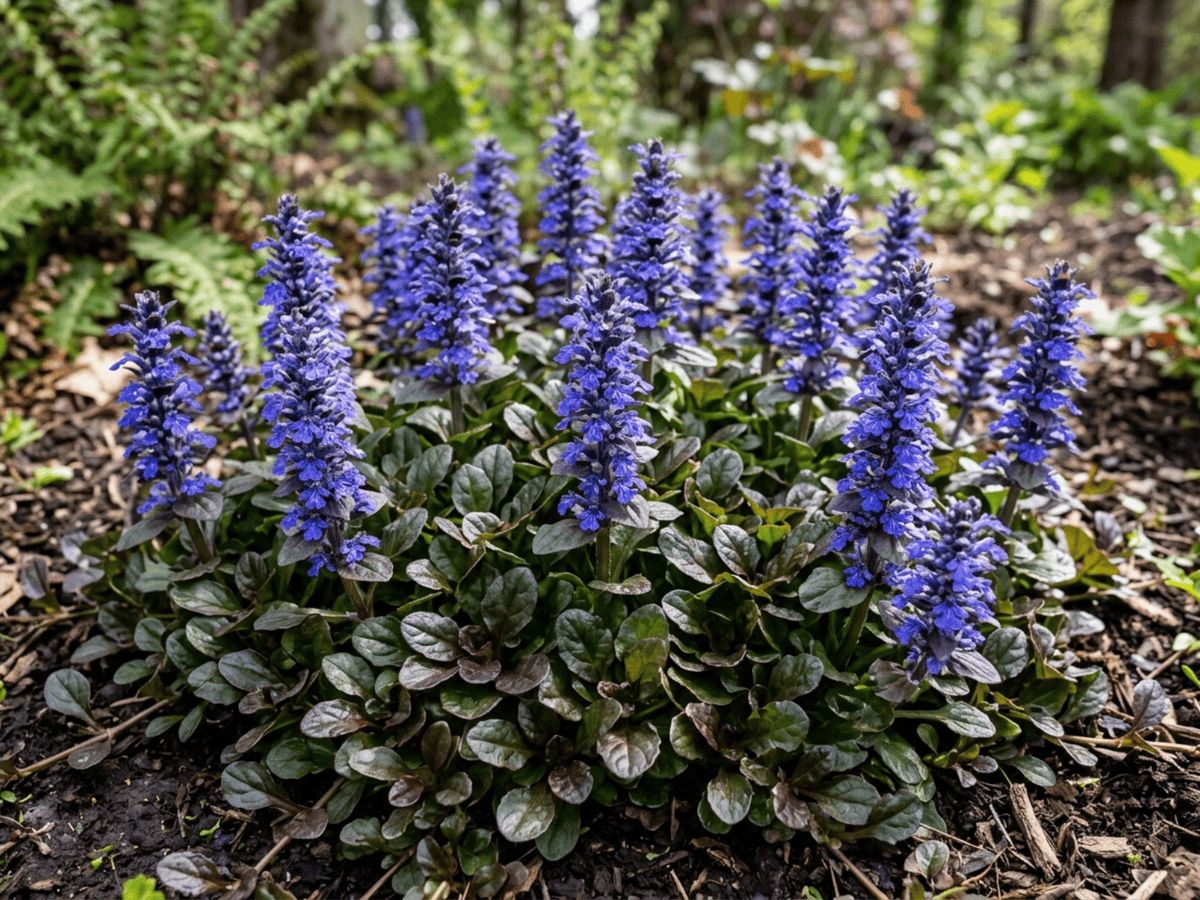 Carpet BugleAjuga reptans
Frequently asked questions
How often should I water European Gooseberry?
In summer, water about every 3 days; in winter, about every 10 days. Adjust for heat, pot size and drainage.
How much light does European Gooseberry need?
Part shade: 2–4 hrs direct. Watch the leaves — scorching or stretching means the light needs adjusting.
Is European Gooseberry toxic to cats or dogs?
Pets Slight (Dogs Slight · Cats Slight) Educational information, not medical or veterinary advice. If exposure is suspected, contact a doctor or veterinarian.
Is European Gooseberry easy to grow?
Yes — it is considered an easy, beginner-friendly plant.
When does European Gooseberry bloom?
It typically blooms Jun–Aug in the Northern Hemisphere.
YardMate
Identify any plant in seconds
Snap a photo — YardMate names the plant, diagnoses problems, and reminds you when to water.
Download on the App Store