 YardMate

Red Currant
Ribes rubrum
Easy · Beginner friendlyAbout Red Currant
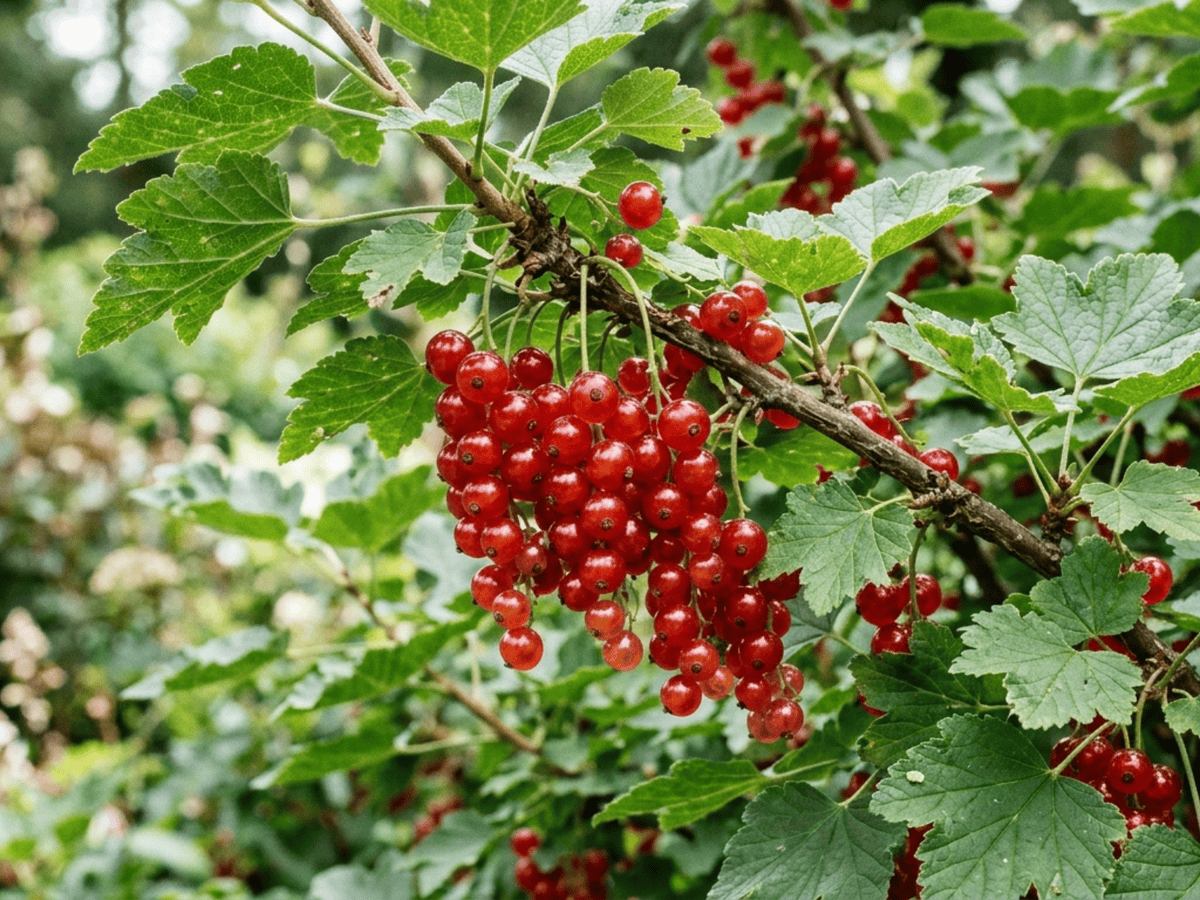
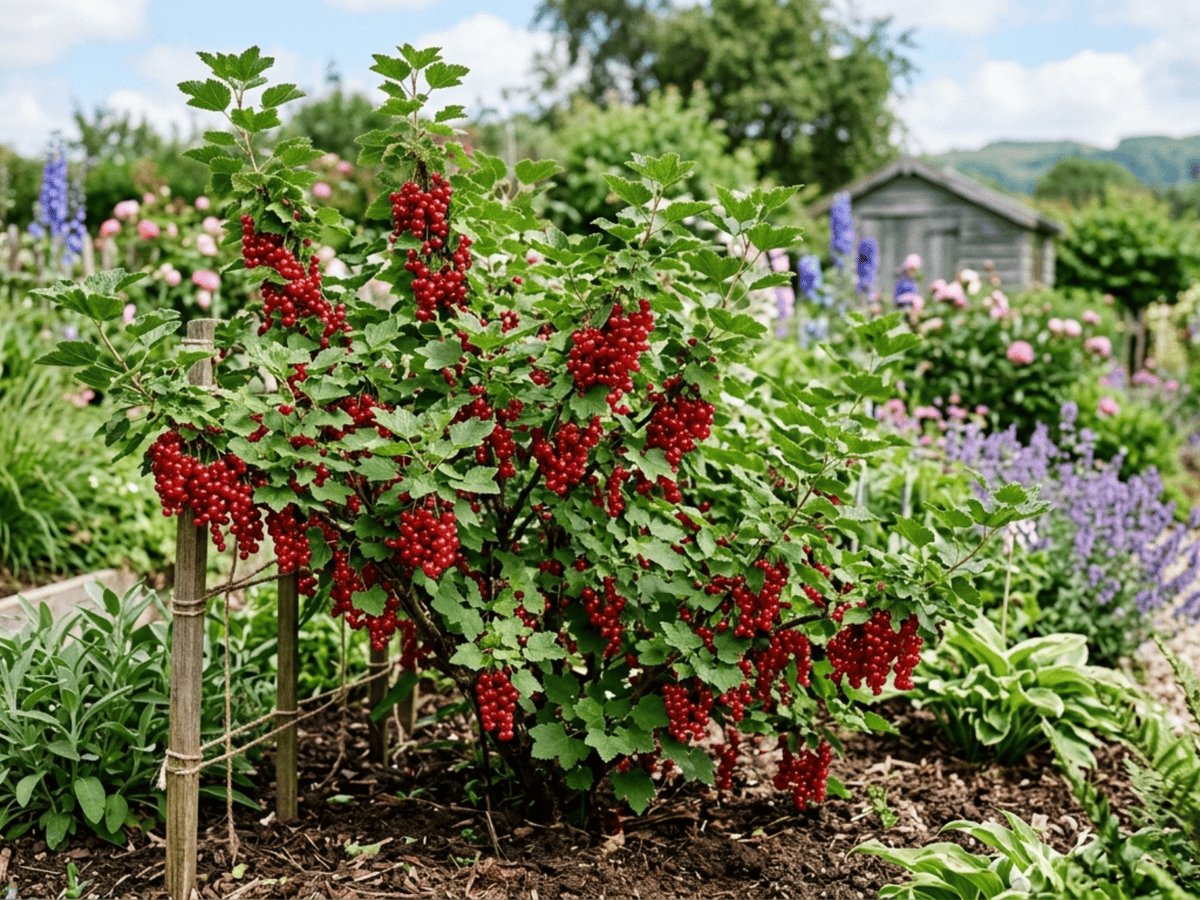
Ribes rubrum, the redcurrant, is a deciduous shrub in the Grossulariaceae family native to northern Europe. Growing 1–1.5 m tall, it produces clusters (strigs) of translucent, jewel-like red berries in midsummer. The tart, vivid fruit hangs in elegant curtains among the maple-shaped leaves, making the plant both ornamental and productive.
Redcurrants are exceptionally cold-hardy (USDA zones 3–7) and prefer cool conditions—they struggle in hot southern climates. They thrive in full sun to partial shade in fertile, moisture-retentive soil. The shrubs are remarkably low-maintenance, fruiting reliably for 15–20 years with minimal pruning. They tolerate more shade than most fruit, making them ideal for partly shaded garden spots.
Redcurrant jelly is the classic accompaniment to roast lamb and game in European cuisine. The fruit's high pectin content makes it ideal for jams and jellies without added thickeners. Fresh currants are tart and refreshing, excellent in summer puddings, tarts, and as a garnish. They are rich in vitamin C—once crucial for preventing scurvy in northern European winters. In the US, currant cultivation was banned for decades because Ribes species can host white pine blister rust; most states have lifted the ban, sparking a revival of interest.
- Edible
- Cold-hardy
- Shade-tolerant
How to care for Red Currant
Watering
- Springevery 4 days
- Summerevery 3 days
- Fallevery 5 days
- Winterevery 10 days
Soil · Rich & well-draining
- Top dressingCompost10%
- Main mixPotting soil + compost 3:180%
- DrainageGravel10%
Top up the compost layer each season.
FERTILIZER
Balanced Feed 14-14-14
An even feed covers all three needs at once, keeping leaves, roots and blooms moving together with nothing pushed out of balance.
- Nitrogen · Leaves
- Phosphorus · Roots + Blooms
- Potassium · Strength
- Springevery 30 days
- Summerevery 30 days
- Fallevery 45 days
At a Glance
- NativeEurope
- Height3–5 ft (0.9–1.5 m)
- Spread3–5 ft (0.9–1.5 m)
- Flower colorGreen, Yellow
- Foliage colorGreen
- Fruit colorRed
- SoilLoamy, Moisture-retentive, Rich
- LocationsYard
Bloom time
BLOOM CYCLE
Peak bloom
Mar–May
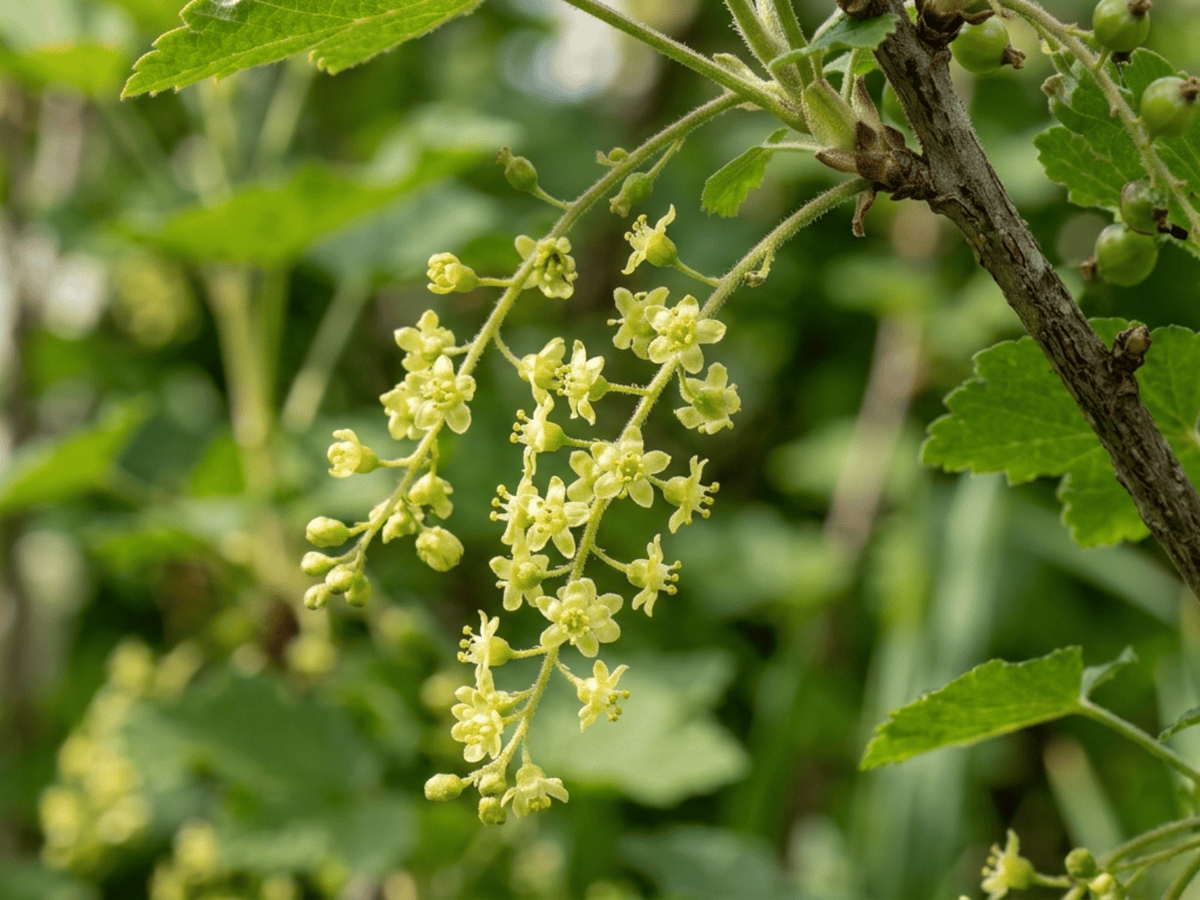
Inconspicuous greenish flowers in spring; bees pollinate well even in partial shade.
Fragrance
LIGHT FRAGRANCE
Subtle herbal aroma from crushed leaves.
Toxicity
Pets Slight
pectin, vitamin C, and anthocyanins
Not reported
EXPOSURE No exposure route is reported.
EFFECT Widely consumed.
NOTE No toxicity is reported for humans in this catalog; this is not evidence that the plant is edible or harmless.
Slight
- Fruit
- Ingestion
EXPOSURE Eating fruit.
EFFECT Some concerns exist around Ribes fruit in dogs — moderate intake is questionable.
NOTE Ripe fruit safe for humans.
Slight
- Fruit
- Ingestion
EXPOSURE Eating fruit.
EFFECT Avoid large amounts.
NOTE Ripe fruit safe for humans.
Educational information, not medical or veterinary advice. If exposure is suspected, contact a doctor or veterinarian.
DISTRIBUTION

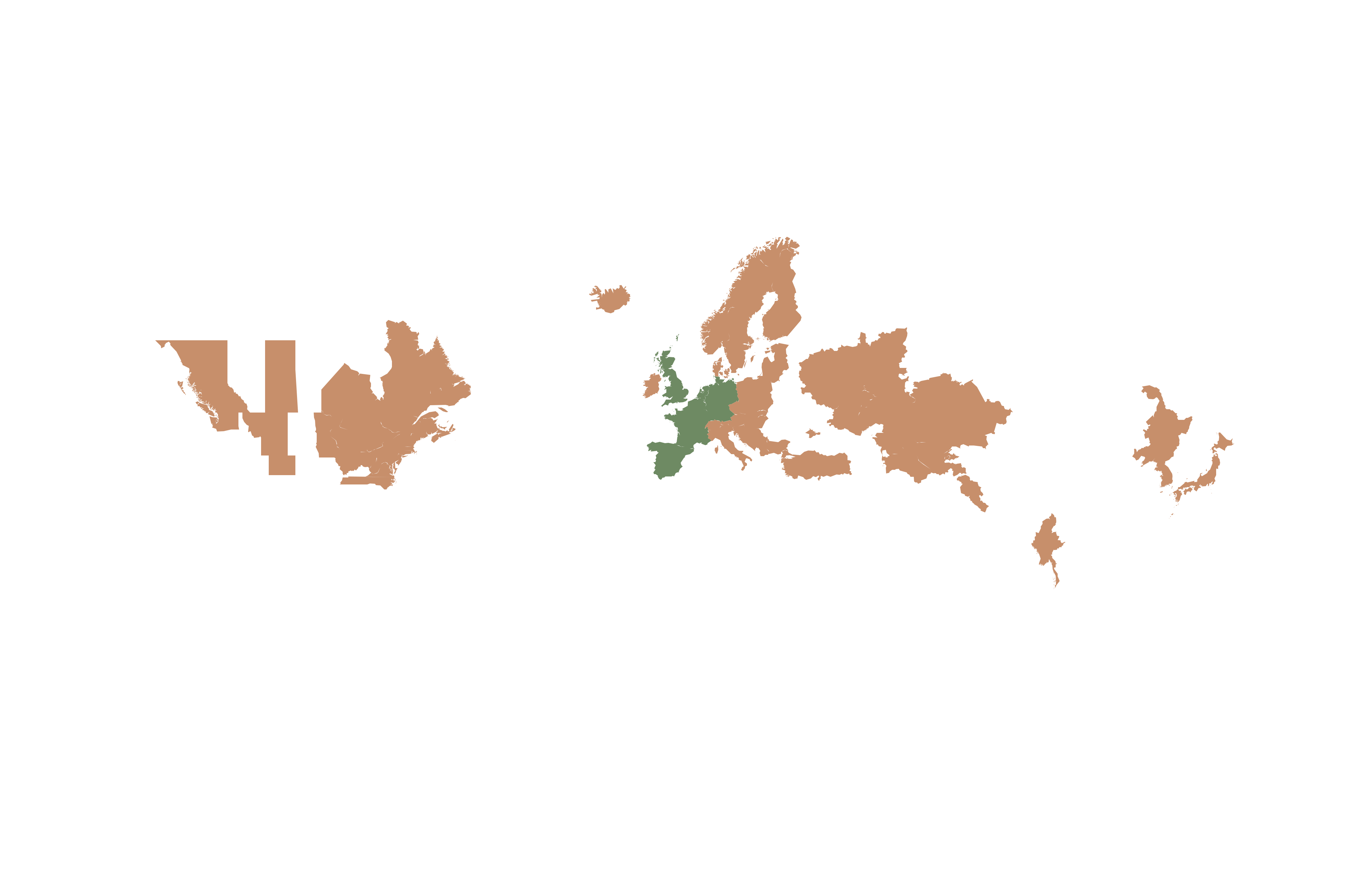
- Native
- Introduced
- Europe
History
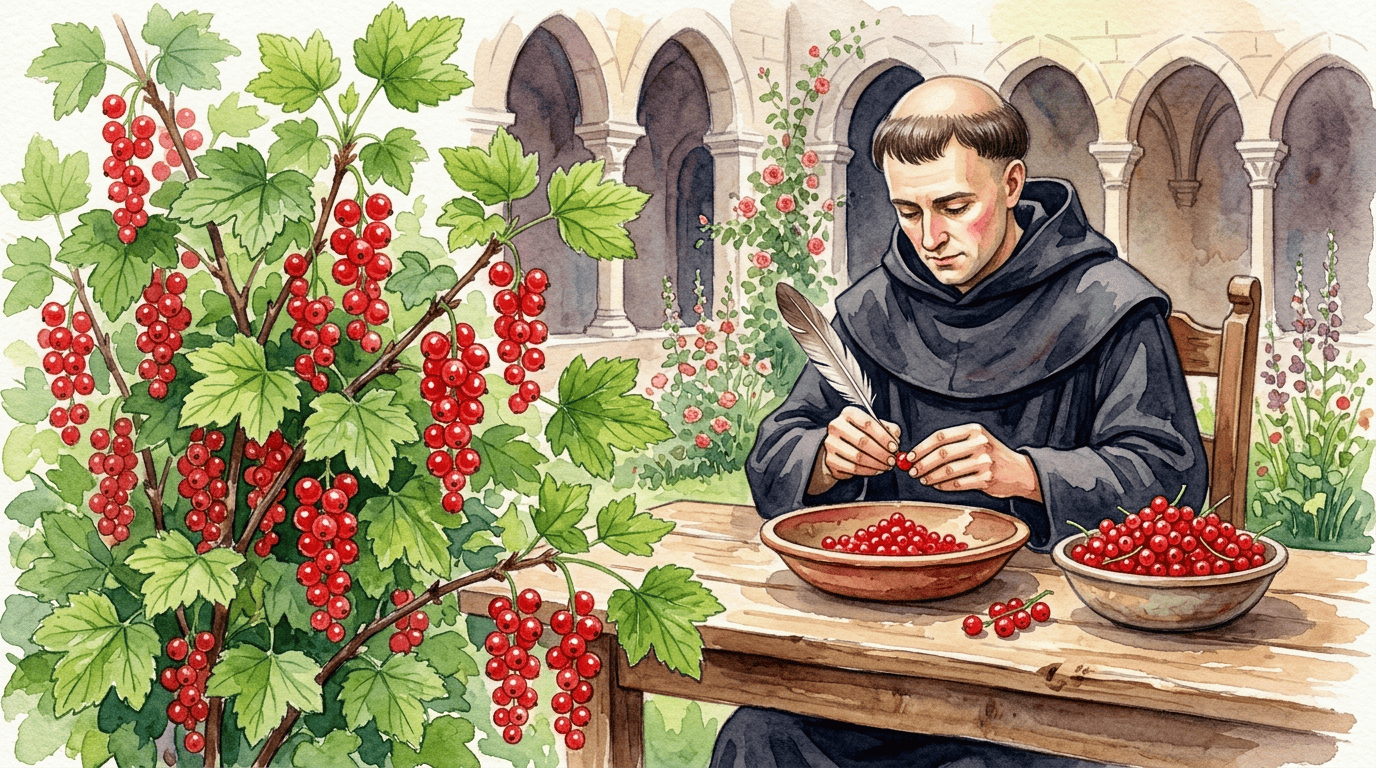
Ribes rubrum is native to western Europe, from Britain and France east to Belarus and Poland. Its cultivation began in European monasteries during the 15th century; it was among the earliest garden small fruits to be systematically grown in Renaissance Europe. The high natural pectin content of the fruit made red currant the foundational jelly-making fruit of northern Europe, where it enabled reliable preserves centuries before commercial pectin extraction.
"Red currant jelly" remains a standard accompaniment to game and lamb in British, German, and Scandinavian cuisine. Danish, Norwegian, and Swedish cuisines use red currants (rødgrød, rote grütze) in characteristic summer fruit puddings. French Bar-le-Duc in Lorraine produces a famous premium seedless red currant jelly — each berry laboriously deseeded with a goose feather, historically served to royalty.
Dutch growers bred hybrid white and pink currant cultivars. The related blackcurrant (R. nigrum) was long banned in parts of the US because it hosts white-pine blister rust, a serious lumber-industry disease. In 1911, the US federal government banned Ribes cultivation to protect white pine forests from blister rust; the ban was lifted state by state starting in the 1960s, and currants are now experiencing a culinary renaissance.
Symbolism & meaning
What It Symbolizes
Red Currant is delight in small bright form — clusters of jewel-like translucent red berries hanging like tiny glass beads, the simplest summer pleasure to pick by the handful. A single mature bush is generosity in fruit form, producing kilograms of currants with very little care from the gardener. It is the berry of effortless giving, the kind of plant that teaches abundance through example.
- Delight — Jewel-like clusters of sparkling red berries symbolize simple, bright pleasure
- Generosity — A single bush produces kilograms of fruit with minimal care, representing effortless giving
Where the Name Comes From
The common name highlights its red coloring. Ribes from Arabic 'ribas' (a rhubarb-like plant the name was mistakenly transferred to); 'rubrum' means red in Latin.
Uses & Fun Facts
- Translucent tart berries made into jelly, summer pudding, sauces
- Maple-shaped foliage and jewel-strigs decorate cool-summer kitchen gardens
Related plants
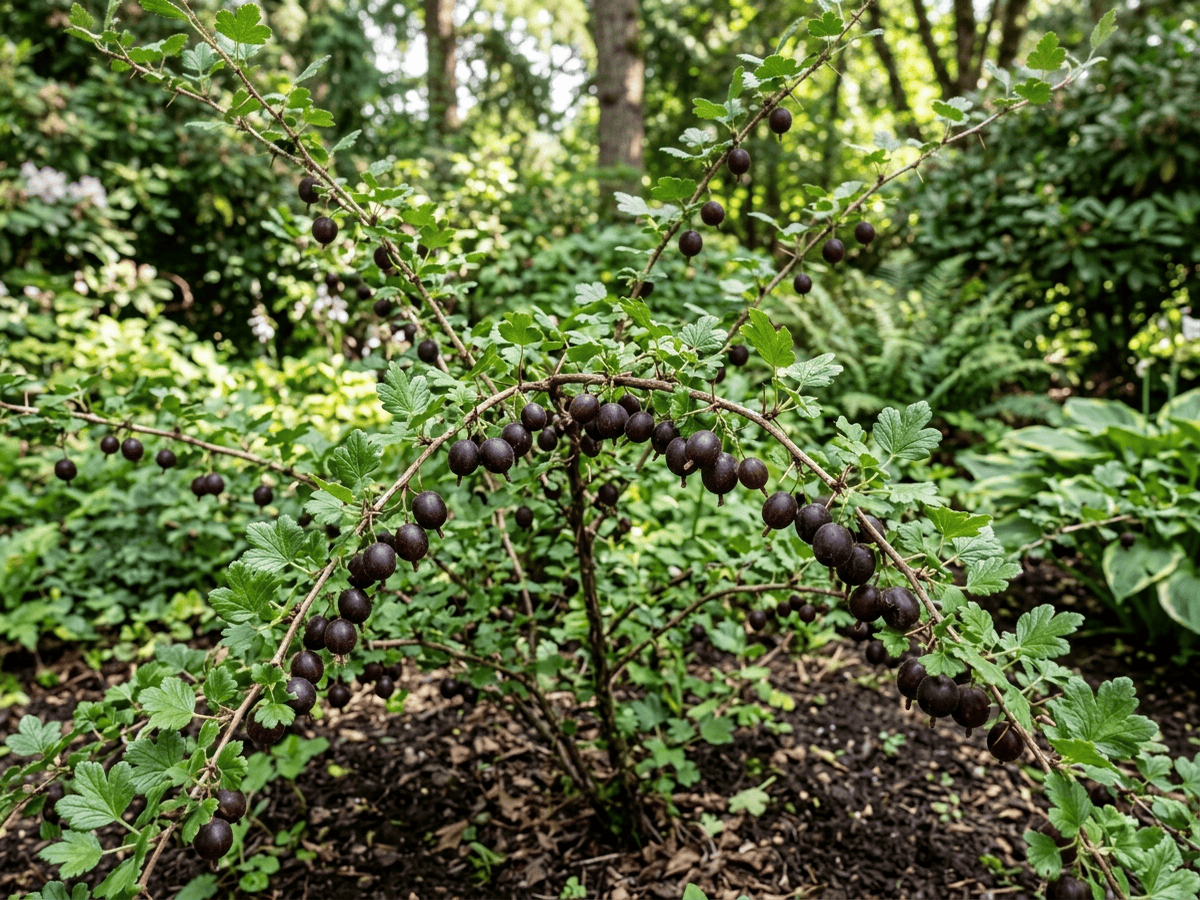
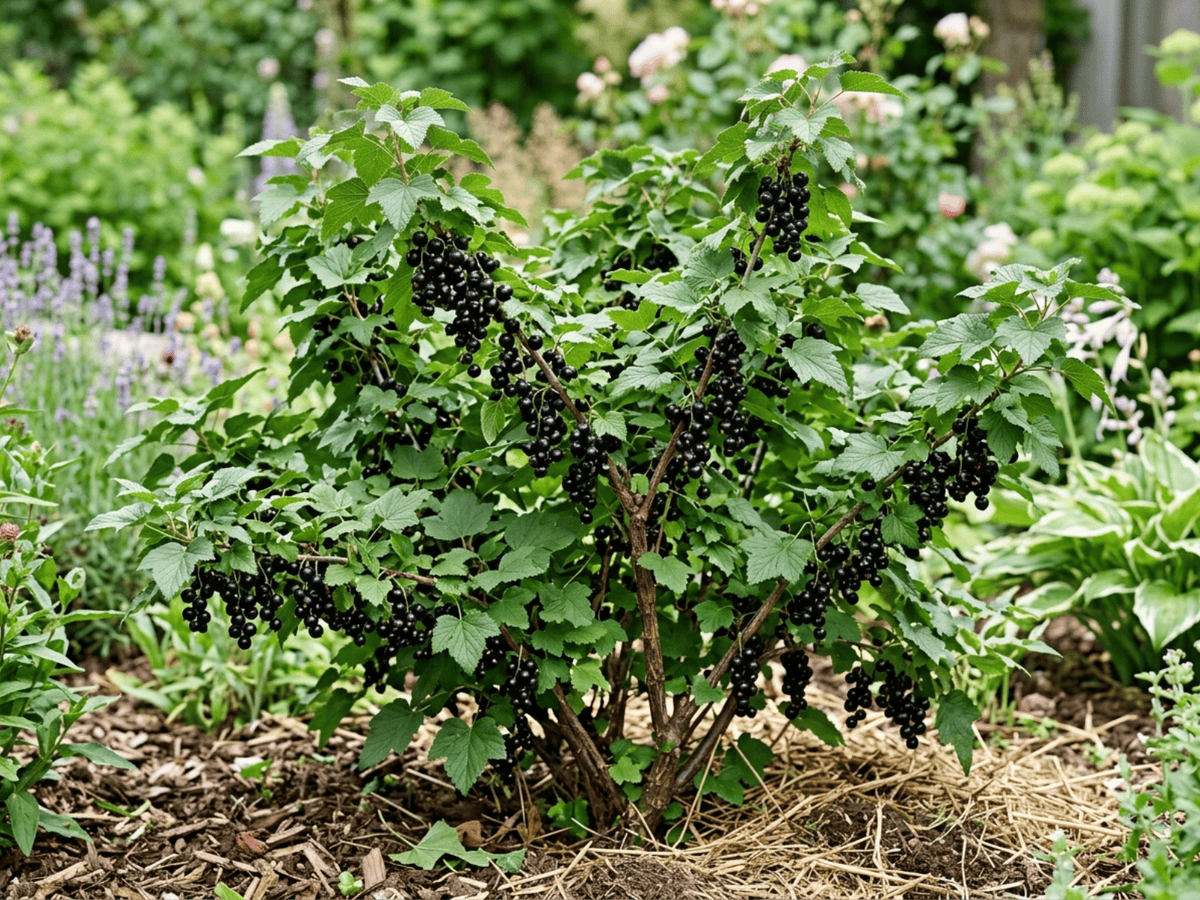
More Ribes plants

Plants with similar care
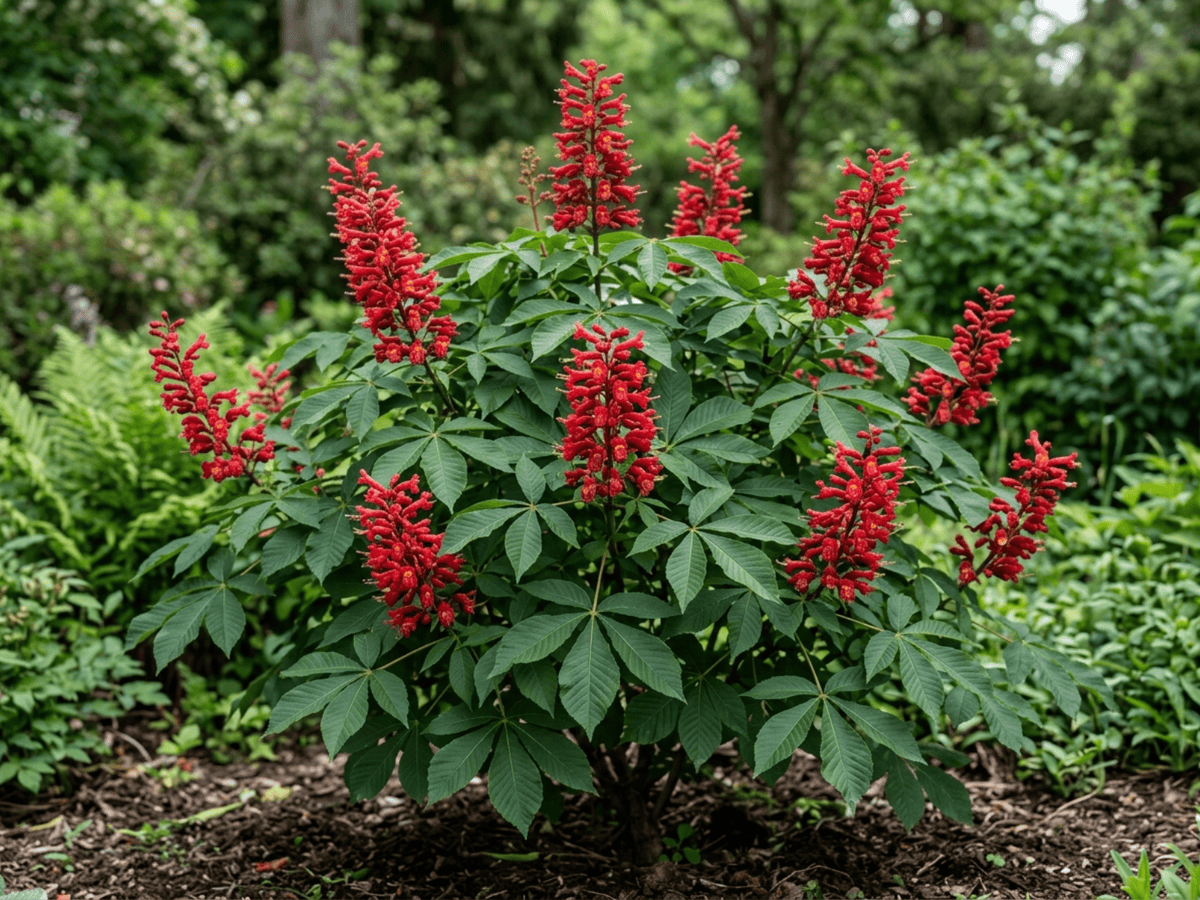 Red BuckeyeAesculus pavia
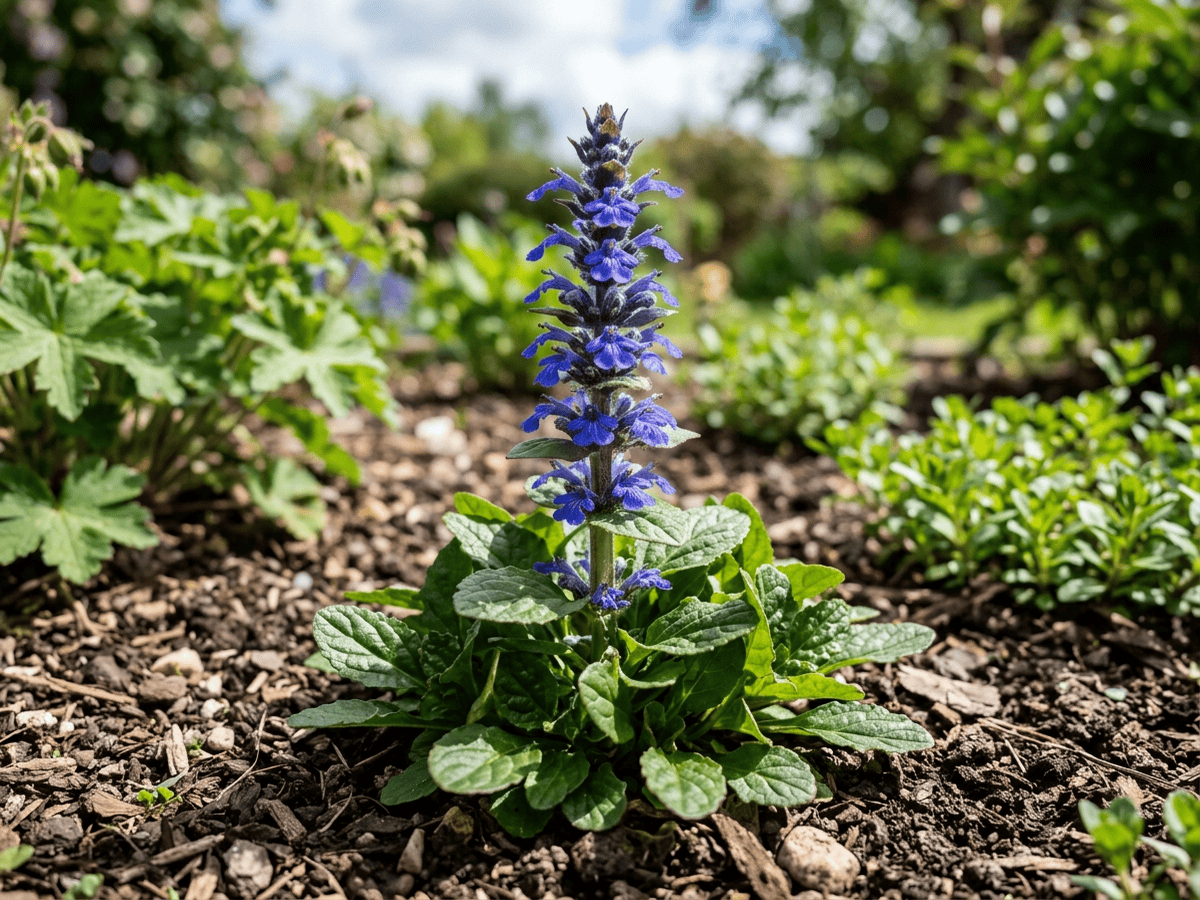 Blue BugleAjuga genevensis
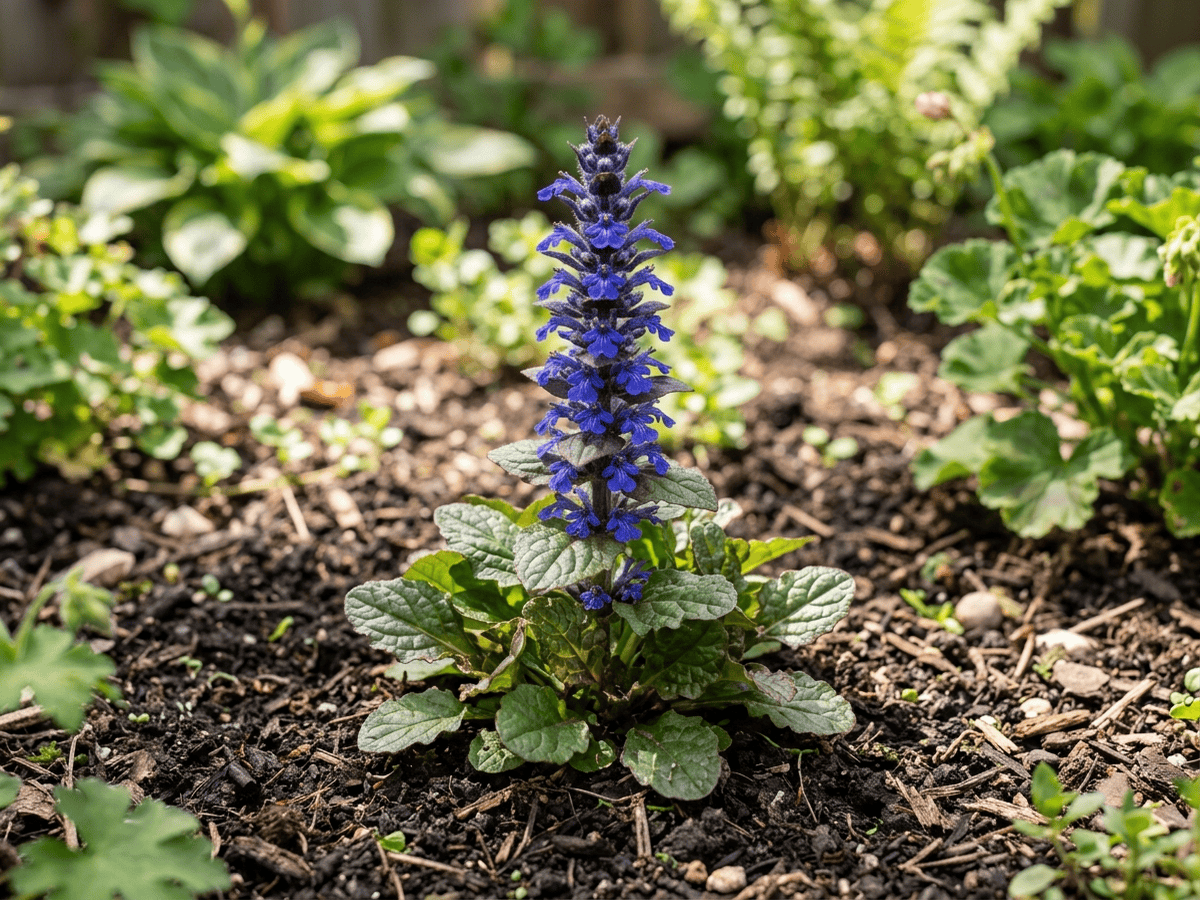 Pyramidal BugleAjuga pyramidalis
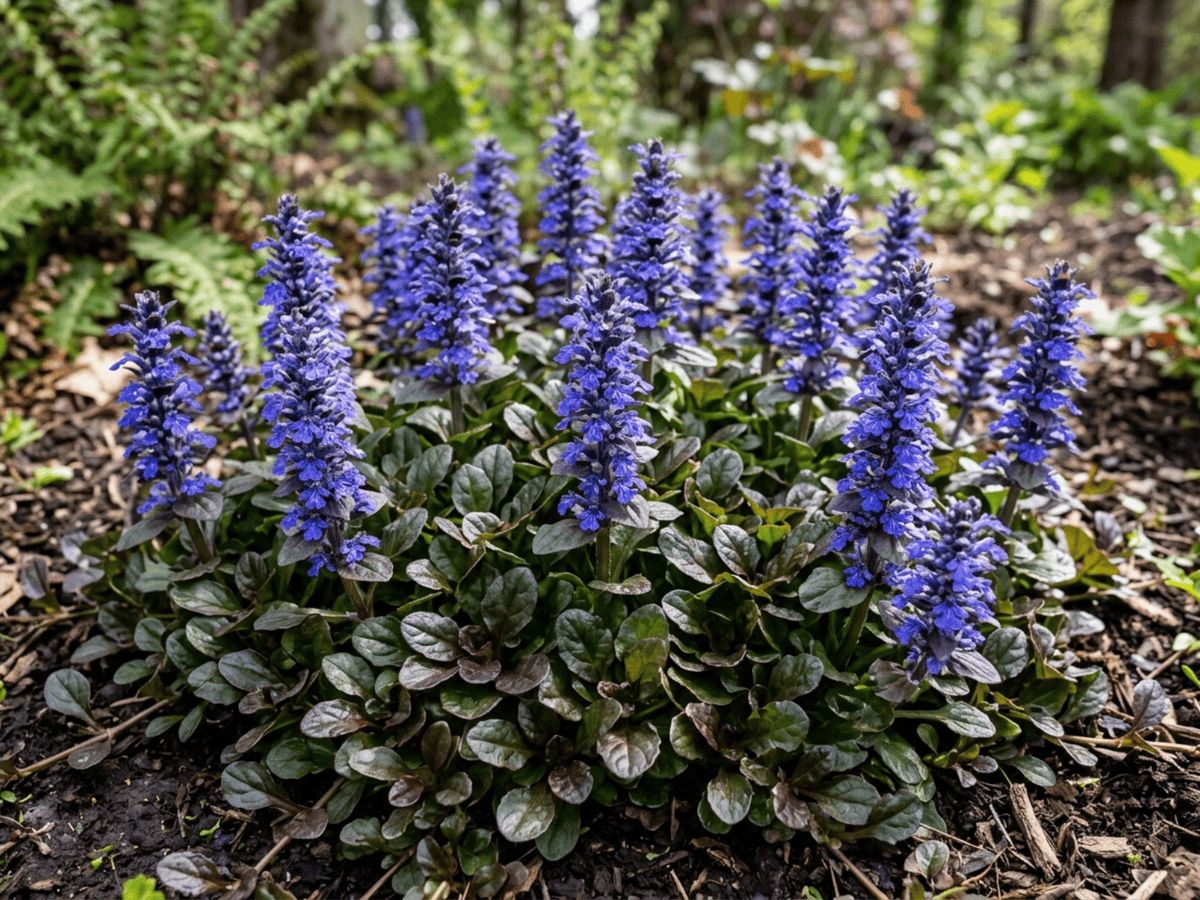 Carpet BugleAjuga reptans
Frequently asked questions
How often should I water Red Currant?
In summer, water about every 3 days; in winter, about every 10 days. Adjust for heat, pot size and drainage.
How much light does Red Currant need?
Part shade: 2–4 hrs direct. Watch the leaves — scorching or stretching means the light needs adjusting.
Is Red Currant toxic to cats or dogs?
Pets Slight (Dogs Slight · Cats Slight) Educational information, not medical or veterinary advice. If exposure is suspected, contact a doctor or veterinarian.
Is Red Currant easy to grow?
Yes — it is considered an easy, beginner-friendly plant.
When does Red Currant bloom?
It typically blooms Mar–May in the Northern Hemisphere.
YardMate
Identify any plant in seconds
Snap a photo — YardMate names the plant, diagnoses problems, and reminds you when to water.
Download on the App Store