 YardMate
Cabbage Rose
Rosa × centifolia
Hard · Experienced growersAbout Cabbage Rose
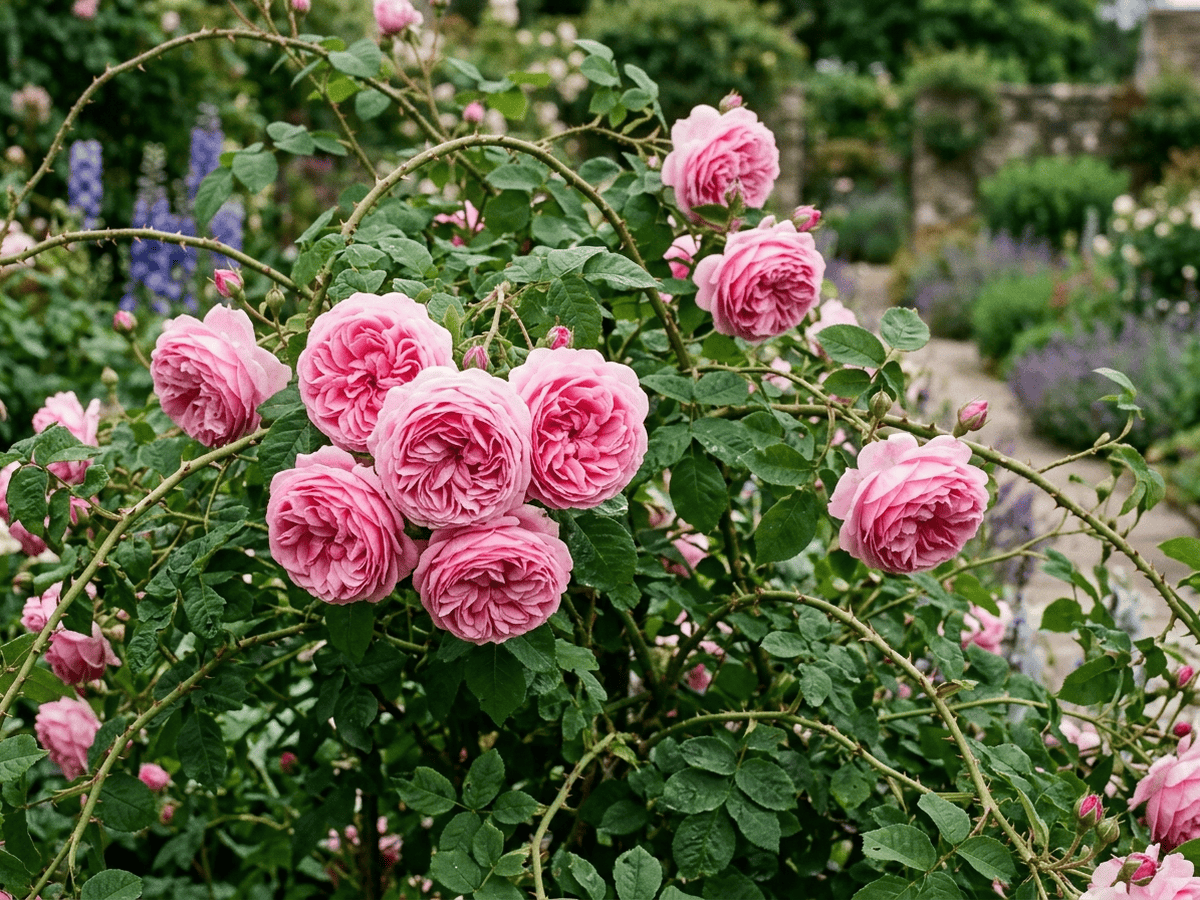
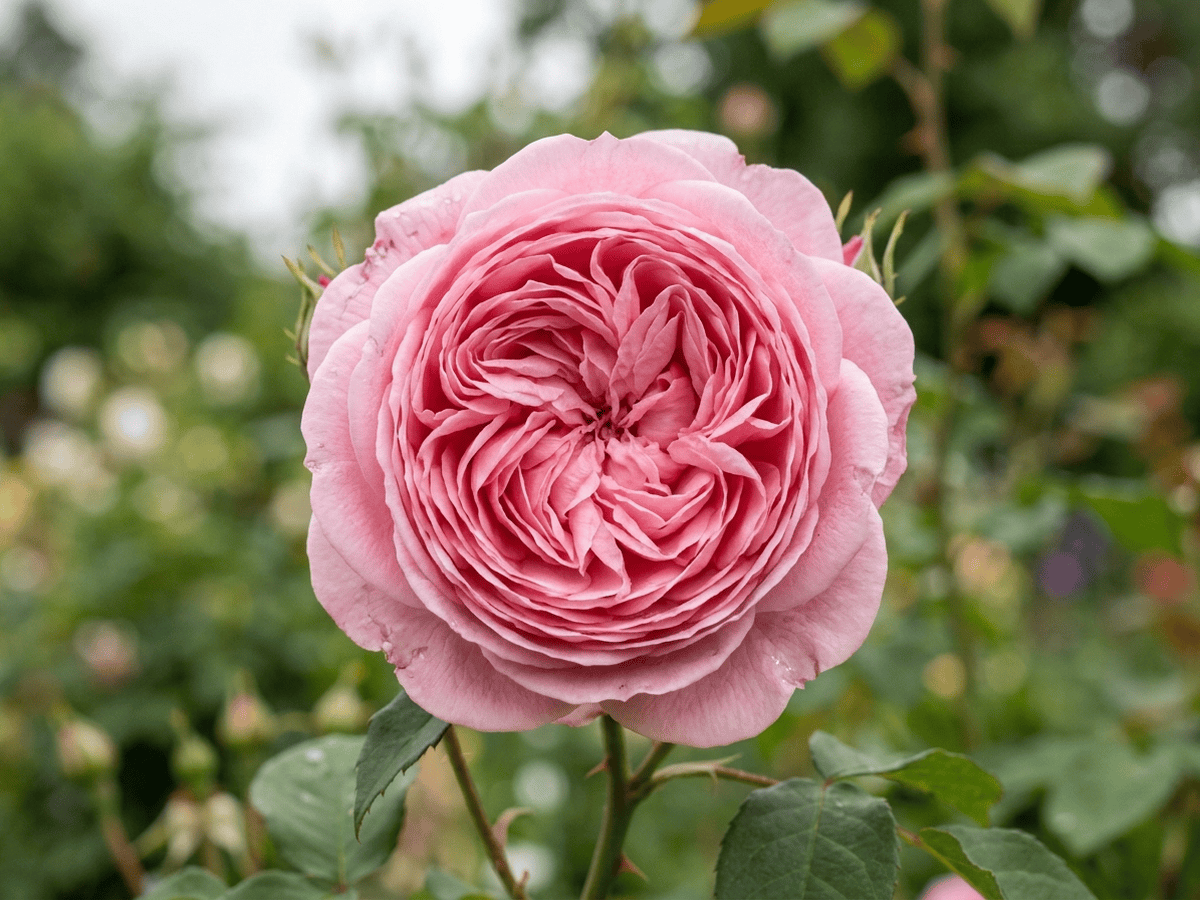
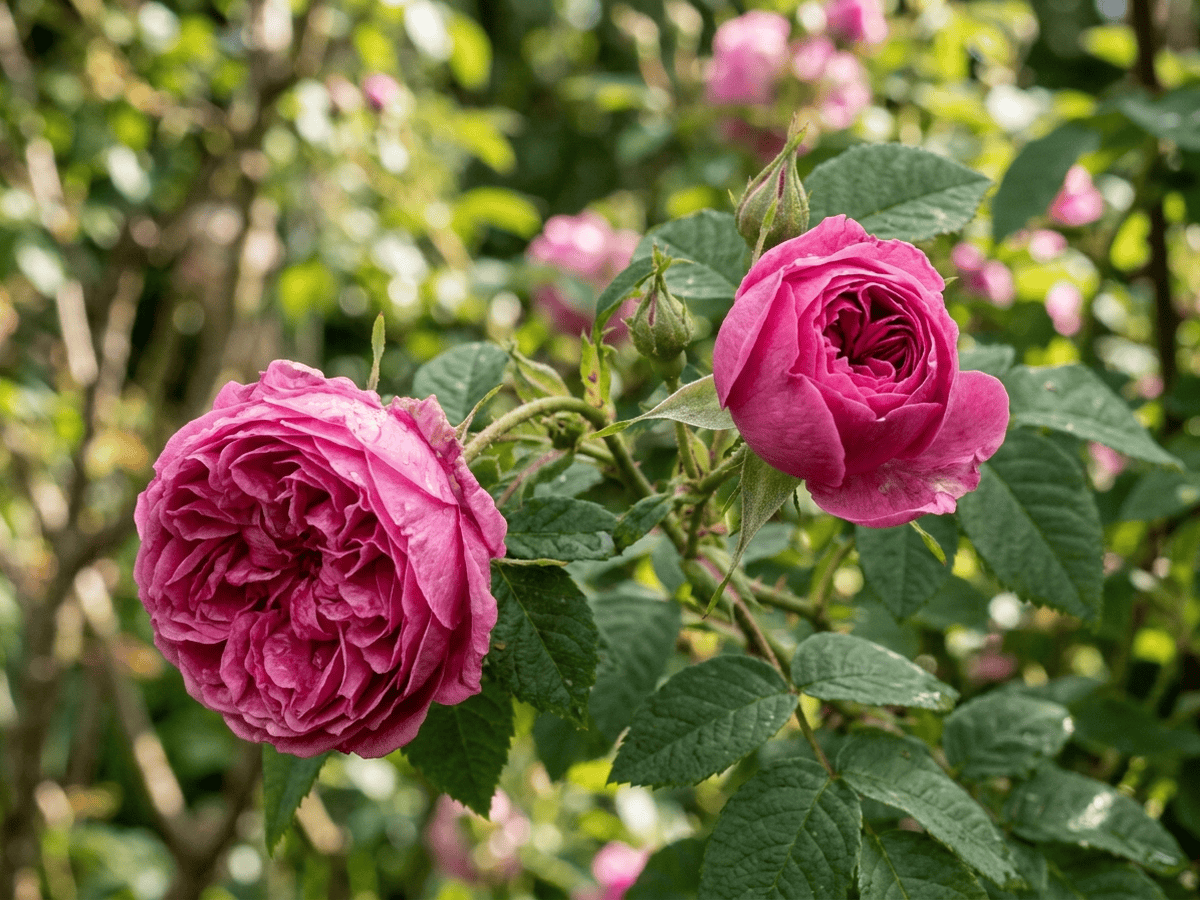
Rosa × centifolia, the Cabbage Rose or Provence Rose, is one of history's most celebrated old garden roses, bearing globular, deeply doubled blooms packed with up to 100 petals—hence its Latin name centifolia, 'hundred-leaved.' The large, nodding pink flowers release an intensely rich, sweet fragrance that made it the cornerstone of the perfume industry for centuries. Developed by Dutch horticulturalists in the 16th and 17th centuries and immortalized in the flower paintings of the Dutch Golden Age, it blooms once in late spring to early summer on arching, thorny canes.
- Fragrant
- Deciduous
- Cold-hardy
- Pollinator-friendly
- Showy-fruit
How to care for Cabbage Rose
Watering
- Springevery 10 days
- Summerevery 5 days
- Fallevery 20 days
- Winterevery 30 days
Soil · Rich & well-draining
- Top dressingCompost10%
- Main mixPotting soil + compost 3:180%
- DrainageGravel10%
Top up the compost layer each season.
FERTILIZER
Bloom Booster 10-52-10
A phosphorus-forward feed fuels abundant blooms, with just enough nitrogen and potassium to keep foliage and roots steady.
- Nitrogen · Leaves
- Phosphorus · Roots + Blooms
- Potassium · Strength
- Springevery 30 days
- Summerevery 30 days
At a Glance
- NativeEurope, Asia
- Height3–6 ft (0.9–1.8 m)
- Spread4–6 ft (1.2–1.8 m)
- Flower colorPink, White, Red
- Foliage colorGreen
- SoilLoamy, Well-drained
- LocationsYard · Balcony
Bloom time
BLOOM CYCLE
Peak bloom
May–Aug
The flowers of this rose are elegantly fragrant and often bloom in summer.
Fragrance
STRONG FRAGRANCE
Intensely rich, sweet, classic rose fragrance; the benchmark scent for rose perfumery and attar of roses.
Toxicity
Pets Safe
None reported
Not reported
EXPOSURE No exposure route is reported.
EFFECT No toxic effect is reported.
NOTE No toxicity is reported for humans in this catalog; this is not evidence that the plant is edible or harmless.
Safe
EXPOSURE No exposure route is reported.
EFFECT No toxic effect is reported.
NOTE Authoritative sources report this plant as non-toxic to dogs; this is not evidence that the plant is edible.
Safe
EXPOSURE No exposure route is reported.
EFFECT No toxic effect is reported.
NOTE Authoritative sources report this plant as non-toxic to cats; this is not evidence that the plant is edible.
Educational information, not medical or veterinary advice. If exposure is suspected, contact a doctor or veterinarian.
DISTRIBUTION


- Native
- Europe
- Asia
History
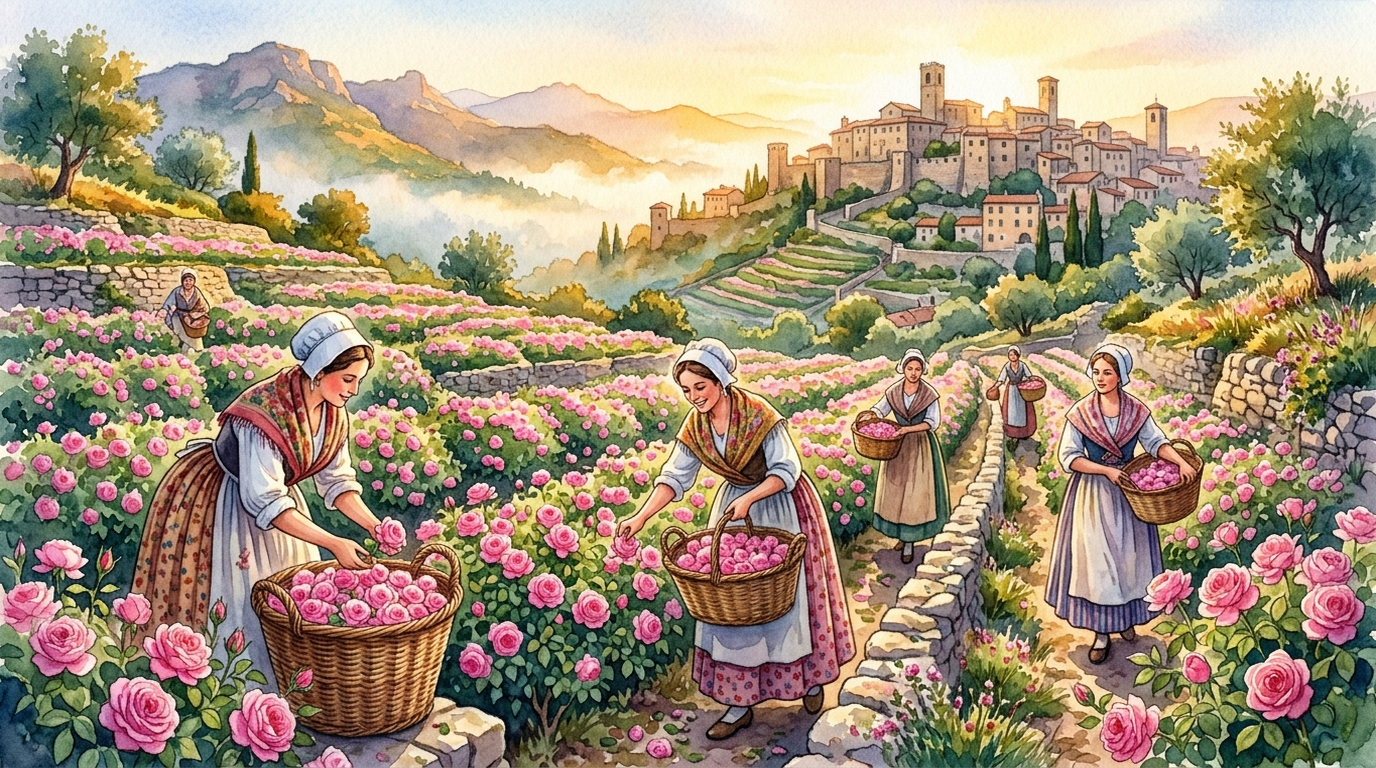
Rosa × centifolia, the hundred-petaled Cabbage Rose, is believed to be a complex hybrid developed by Dutch and Flemish horticulturalists over more than a century of selective breeding, likely combining Rosa canina, Rosa moschata, Rosa damascena, and other species. The result—a fully doubled, globular bloom of extraordinary fragrance—emerged as one of the most famous roses in history by the late 16th century.
Dutch Golden Age painters from Jan van Huysum to Rachel Ruysch chose the Cabbage Rose as the dominant flower in their grand floral still lifes, and these paintings spread its image across Europe. The rose became symbolic of wealth, beauty, and the perfection of the cultivated garden.
In the 18th century, Grasse in southern France—already established as Europe's perfume capital—began growing Rosa × centifolia on a vast commercial scale. Fields of Provence roses were harvested before dawn each summer morning, the petals processed the same day to capture their precious volatile compounds. 'Rose de Mai' or Grasse rose became an irreplaceable ingredient in the finest perfumes; Chanel No. 5 and countless other classics rely on it to this day.
The Cabbage Rose's influence extended into Romantic poetry, Victorian wallpaper, toile de Jouy fabrics, and decorative arts worldwide. Its once-blooming habit—a single magnificent flush in late spring—was superseded in garden fashion by modern repeat-blooming roses, but aficionados of old roses cherish it for irreplaceable fragrance, historical depth, and the globular perfection of its blooms.
Symbolism & meaning
What It Symbolizes
No rose carries more cultural weight than the Cabbage Rose. It stared out from Dutch Golden Age still lifes, was distilled by the perfumers of Grasse, was embroidered onto silk and woven into wallpaper. When poets wrote of the rose, this full, perfect, intoxicating globe is often what they imagined—a flower so complete it seems to hold all of summer's sweetness in a single bloom.
- romance — The quintessential rose of love poetry and Old Master paintings, its layered globular bloom is the very image of romantic perfection.
- abundance — One hundred petals in a single flower—an emblem of lavish generosity and overflowing beauty.
Where the Name Comes From
The genus name Rosa is Latin for rose, one of the oldest plant names in use. The hybrid epithet centifolia means 'hundred-leaved' in Latin, describing the extraordinary number of petals packed into each bloom. The common name Cabbage Rose refers to the round, tightly layered globular head resembling a cabbage.
Uses & Fun Facts
- The quintessential perfumery rose—petals distilled to produce attar of roses and rose absolute for fine fragrances
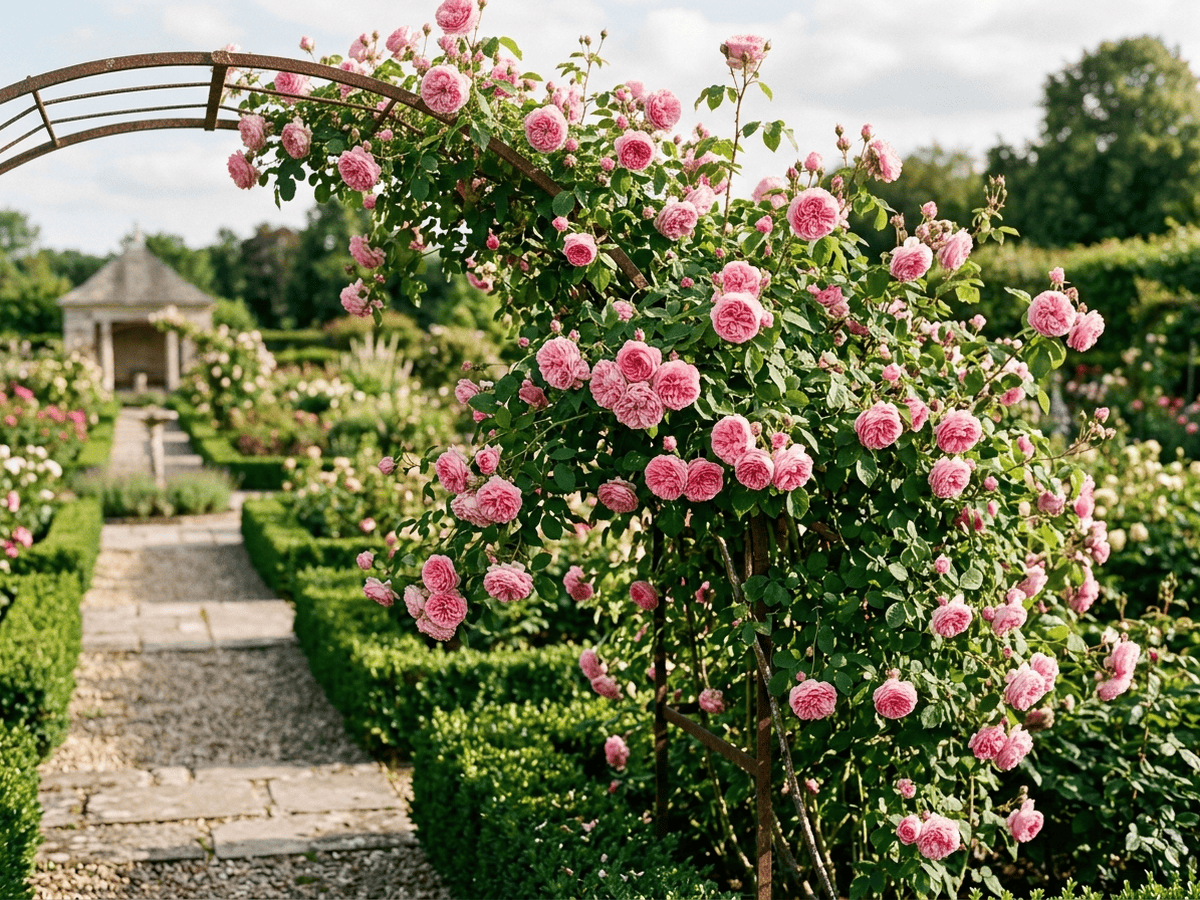
- Globular double pink blooms and arching canes make it a classic old garden rose specimen
- Petals used to make rose water, rose sugar, and rose jam in French and Middle Eastern confectionery
- Rose water and rose oil used in traditional skincare and aromatherapy
Related plants
More Rosa plants
 About FaceRosa 'About Face'
 Abraham DarbyRosa 'Abraham Darby'
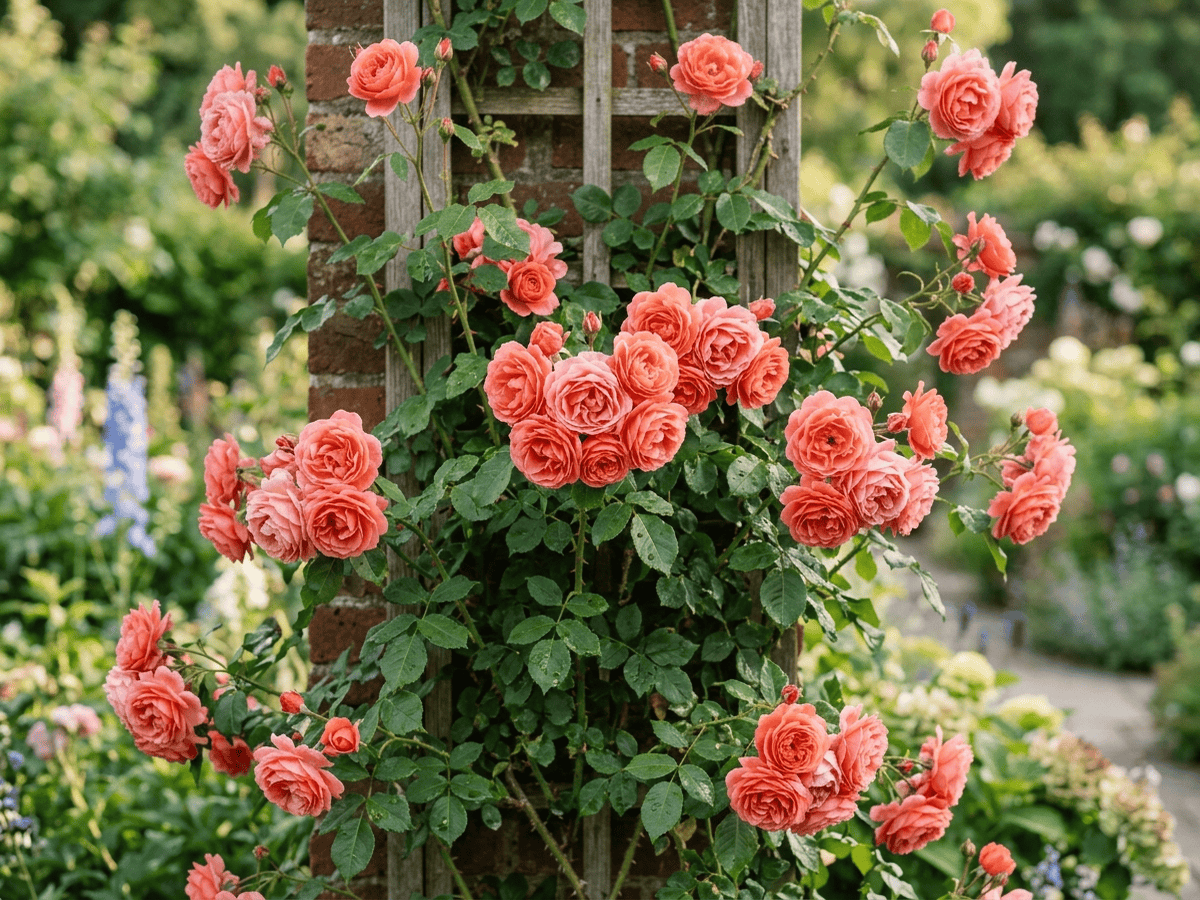 AmericaRosa 'America'
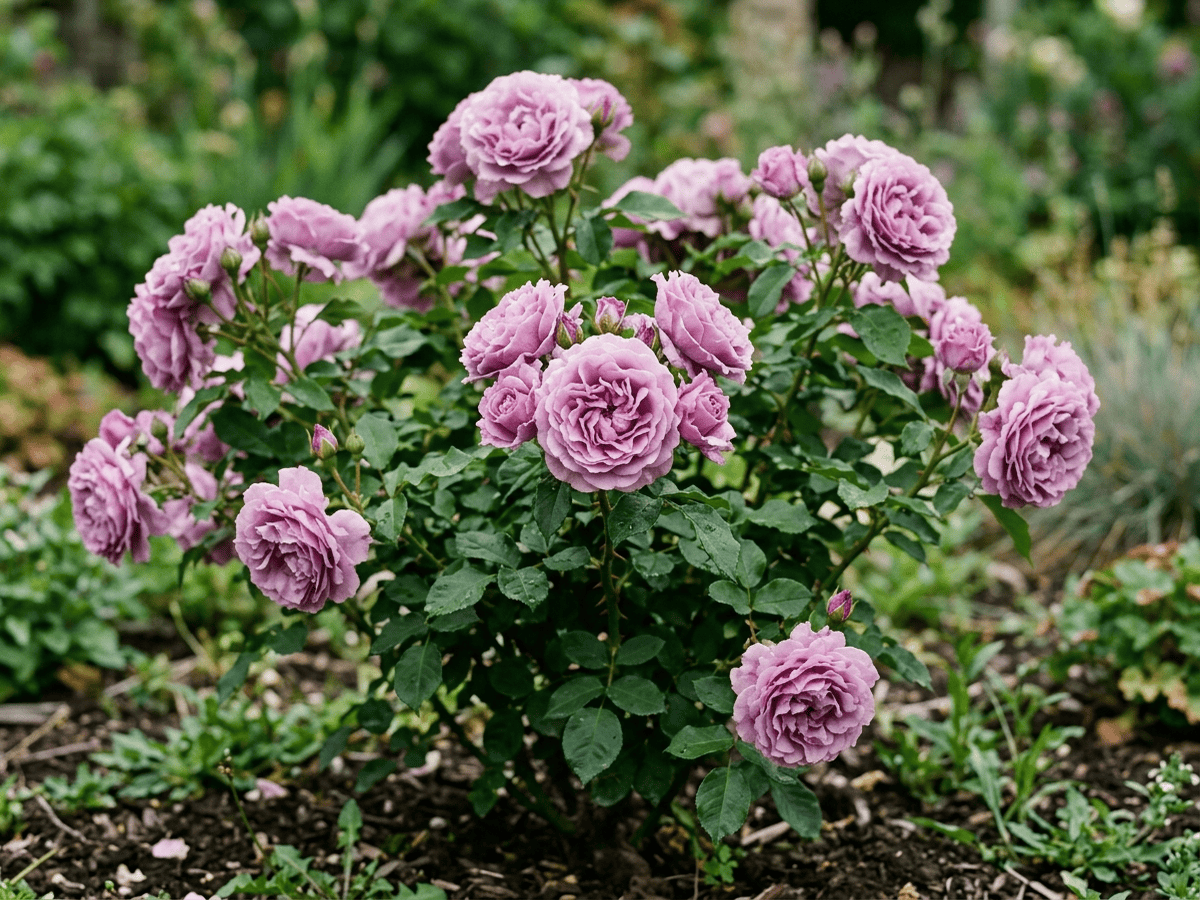 Angel FaceRosa 'Angel Face'
Plants with similar care
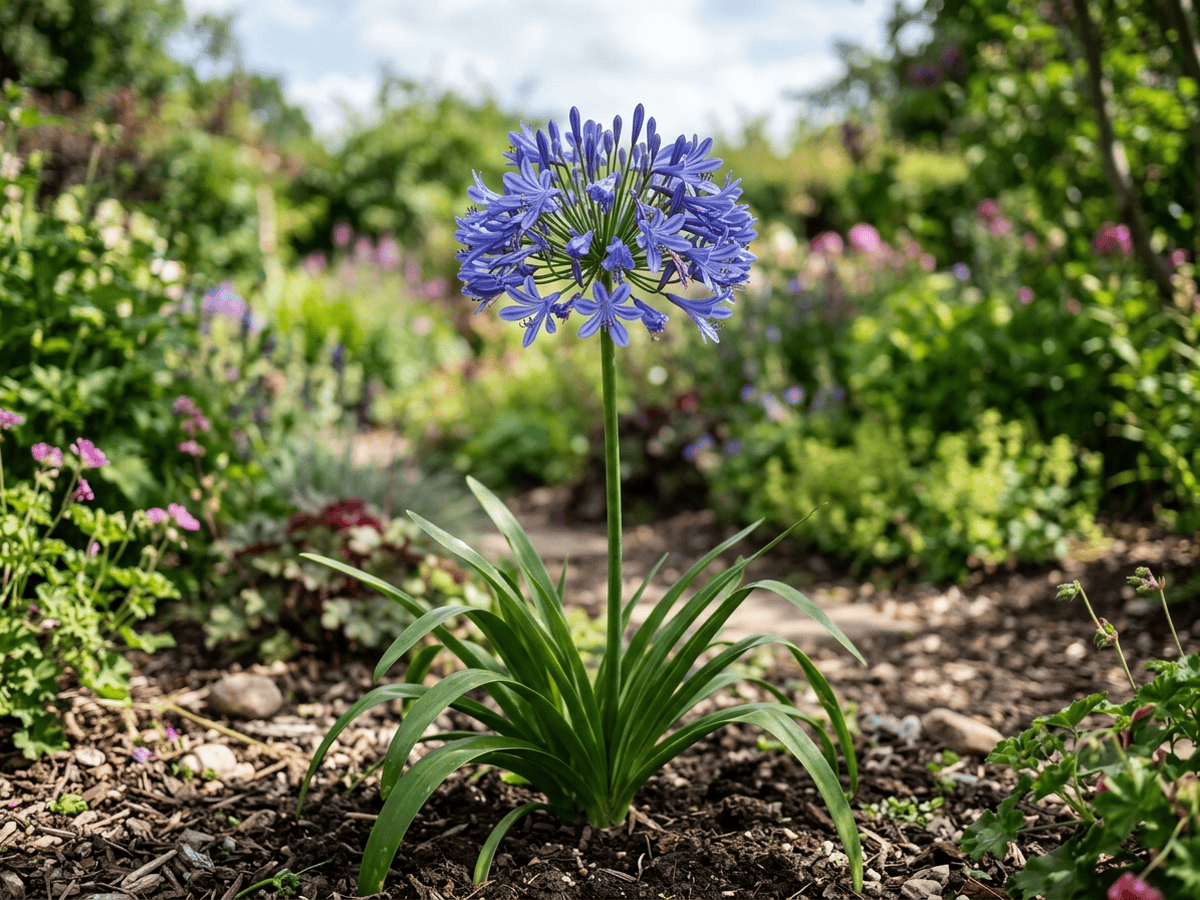 African LilyAgapanthus africanus
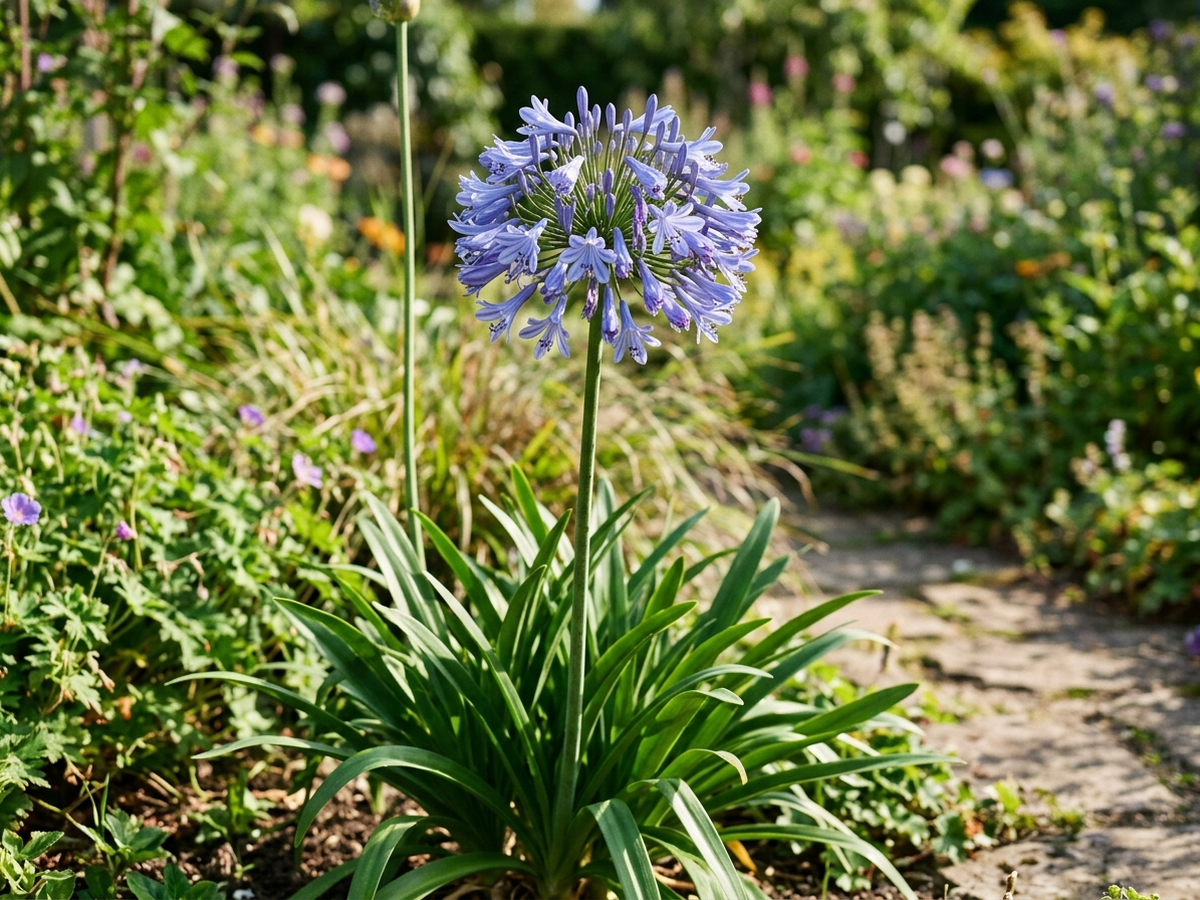 Bell AgapanthusAgapanthus campanulatus
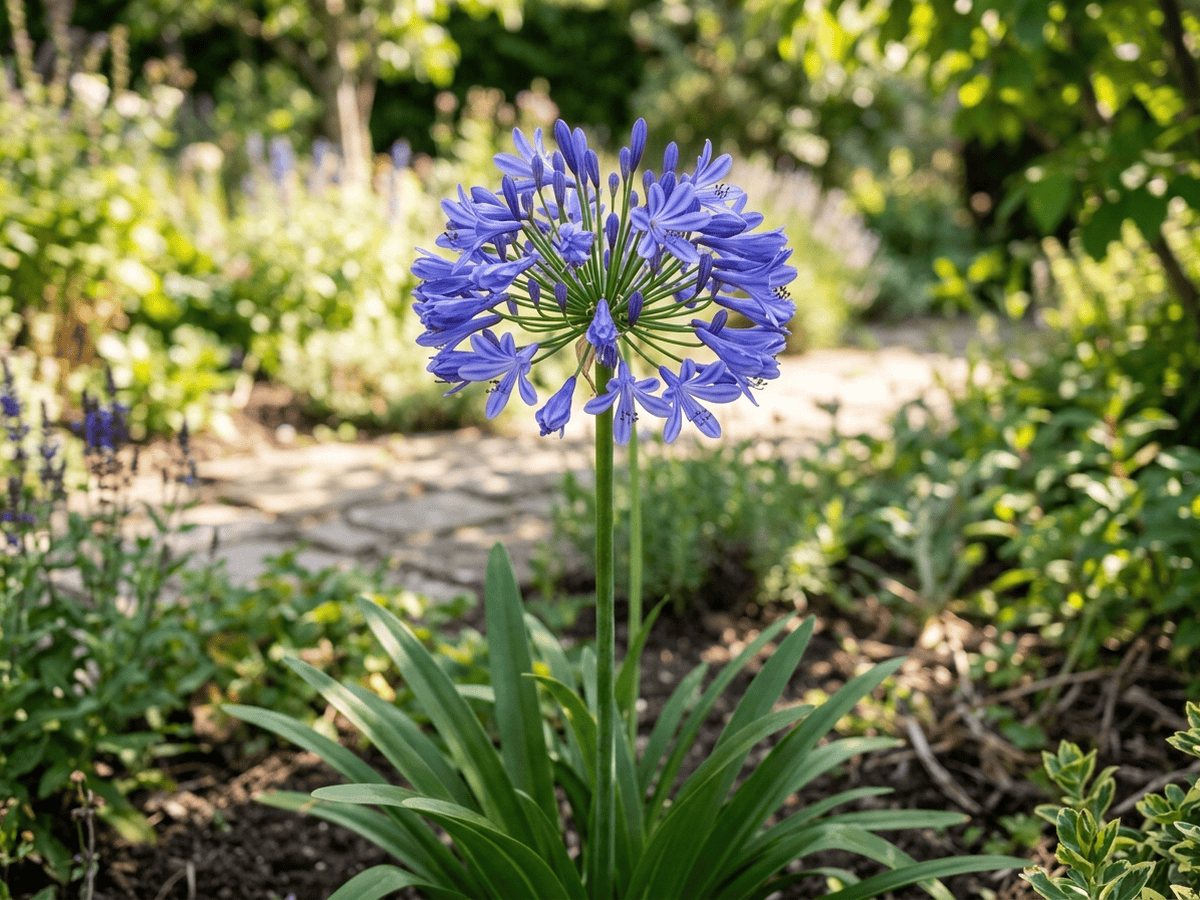 Common AgapanthusAgapanthus praecox
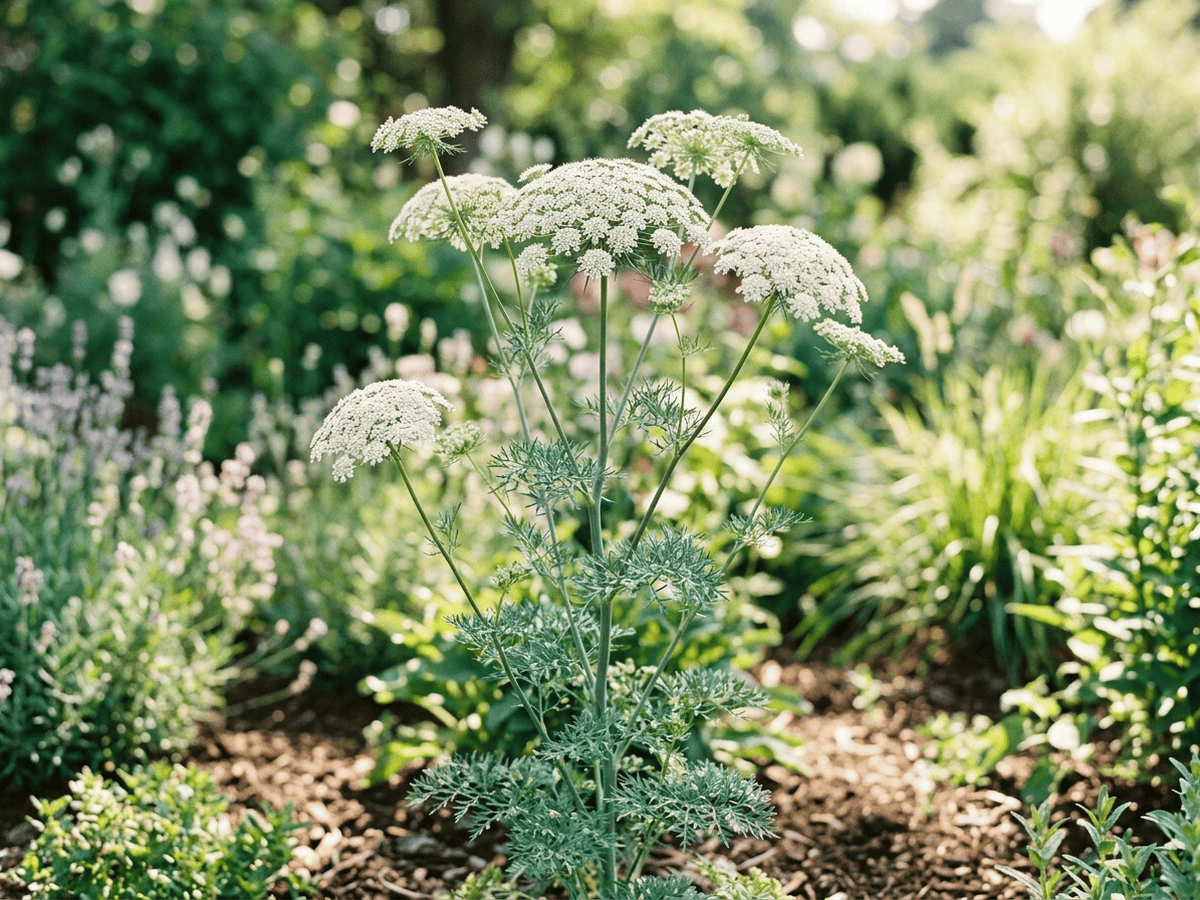 False Queen Anne's LaceAmmi majus glaucifolium
Frequently asked questions
How often should I water Cabbage Rose?
In summer, water about every 5 days; in winter, about every 30 days. Adjust for heat, pot size and drainage.
How much light does Cabbage Rose need?
Part sun: 4–6 hrs direct. Watch the leaves — scorching or stretching means the light needs adjusting.
Is Cabbage Rose toxic to cats or dogs?
Pets Safe (Dogs Safe · Cats Safe) Educational information, not medical or veterinary advice. If exposure is suspected, contact a doctor or veterinarian.
Is Cabbage Rose easy to grow?
It is considered challenging and rewards experienced growers.
When does Cabbage Rose bloom?
It typically blooms May–Aug in the Northern Hemisphere.
YardMate
Identify any plant in seconds
Snap a photo — YardMate names the plant, diagnoses problems, and reminds you when to water.
Download on the App Store