 YardMate

Armenian Blackberry
Rubus armeniacus
Easy · Beginner friendlyAbout Armenian Blackberry
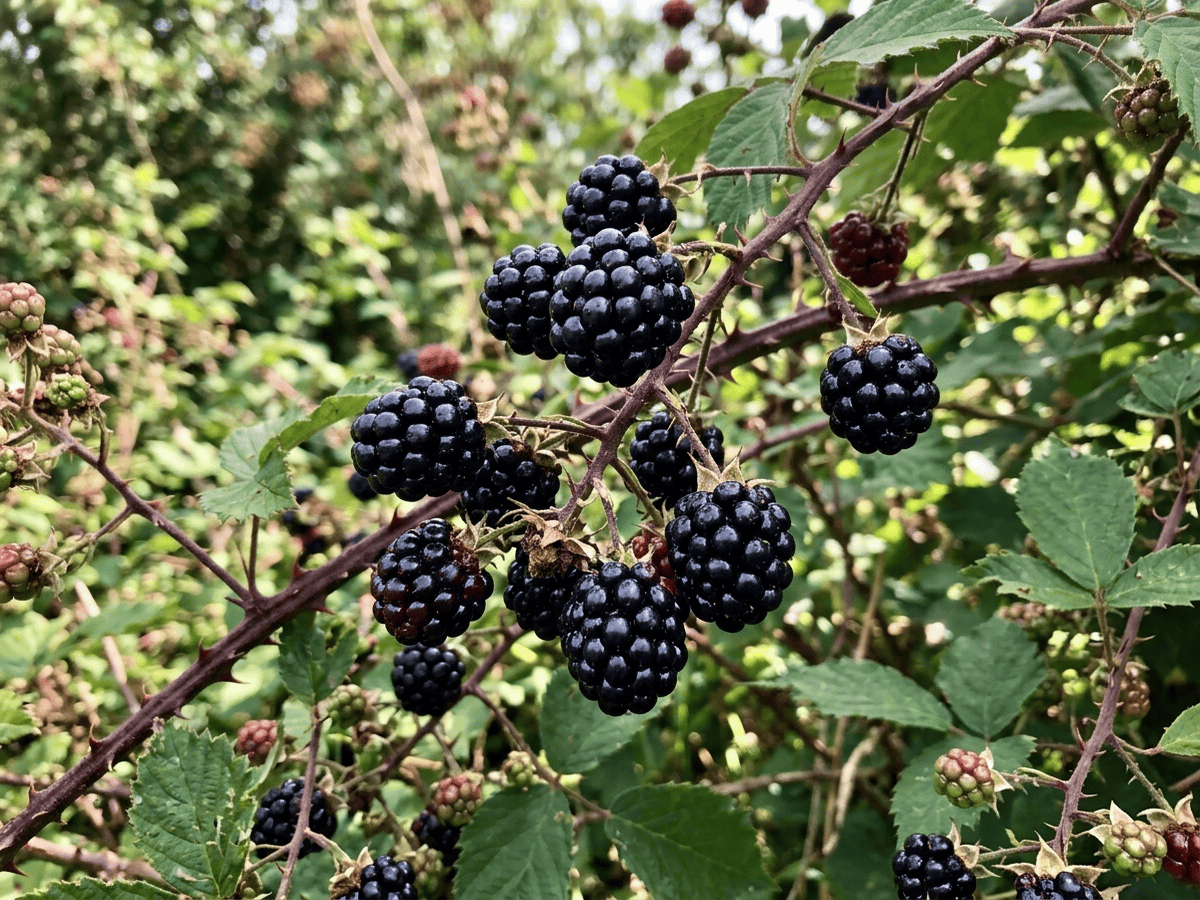
Himalayan Blackberry is a European cultivated blackberry introduced to the Pacific Northwest by Luther Burbank in 1885, now one of the most destructive invasive plants in western Oregon, Washington, and California. Growing in impenetrable thickets 10 feet tall with arching canes armed with recurved thorns, it produces large sweet blackberries loved by humans and birds alike. Listed noxious in Oregon, Washington, and California.
- Edible
How to care for Armenian Blackberry
Watering
- Springevery 10 days
- Summerevery 7 days
- Fallevery 14 days
- Winterevery 30 days
Soil · Rich & well-draining
- Top dressingCompost10%
- Main mixPotting soil + compost 3:180%
- DrainageGravel10%
Top up the compost layer each season.
FERTILIZER
- Springevery 45 days
- Summerevery 45 days
At a Glance
- NativeWestern Asia
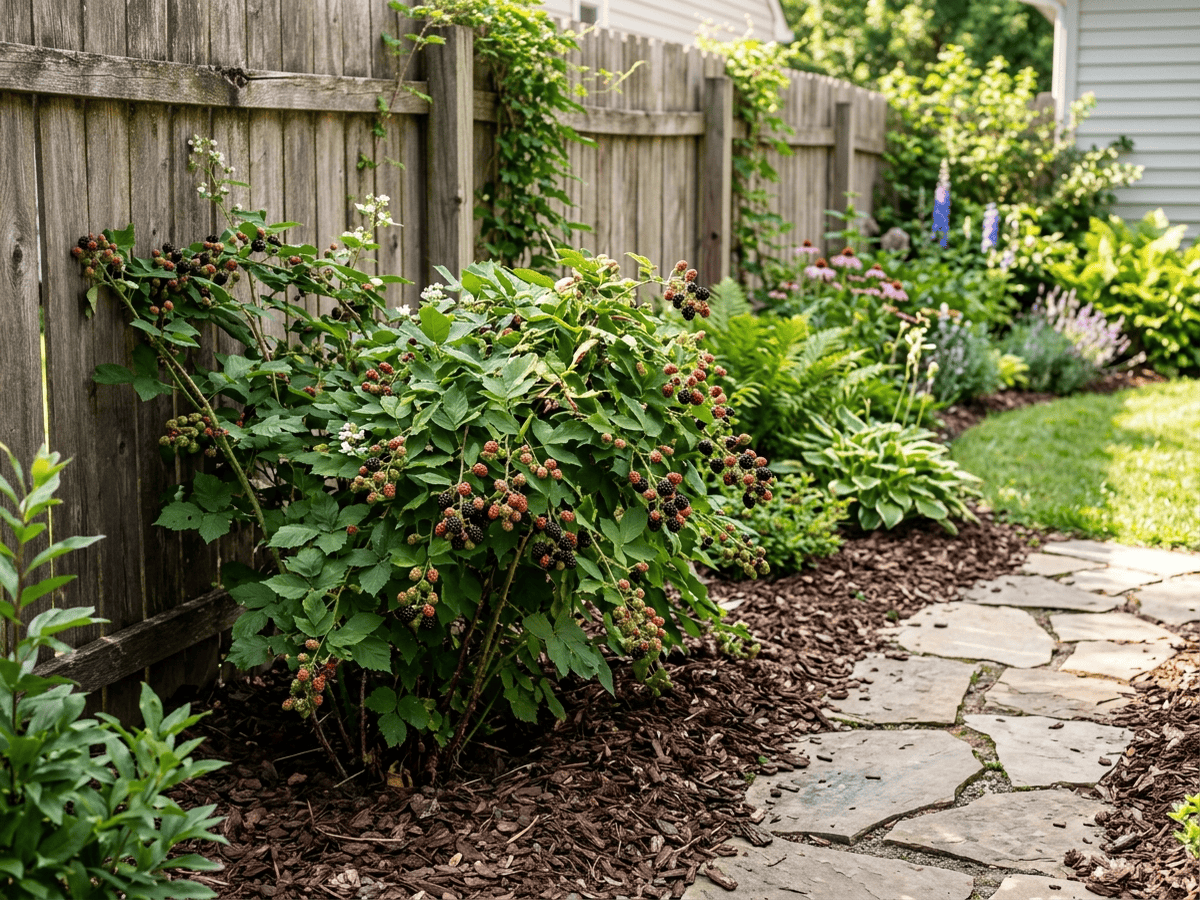
- Height6–13 ft (1.8–4 m)
- Spread10–20 ft (3–6.1 m)
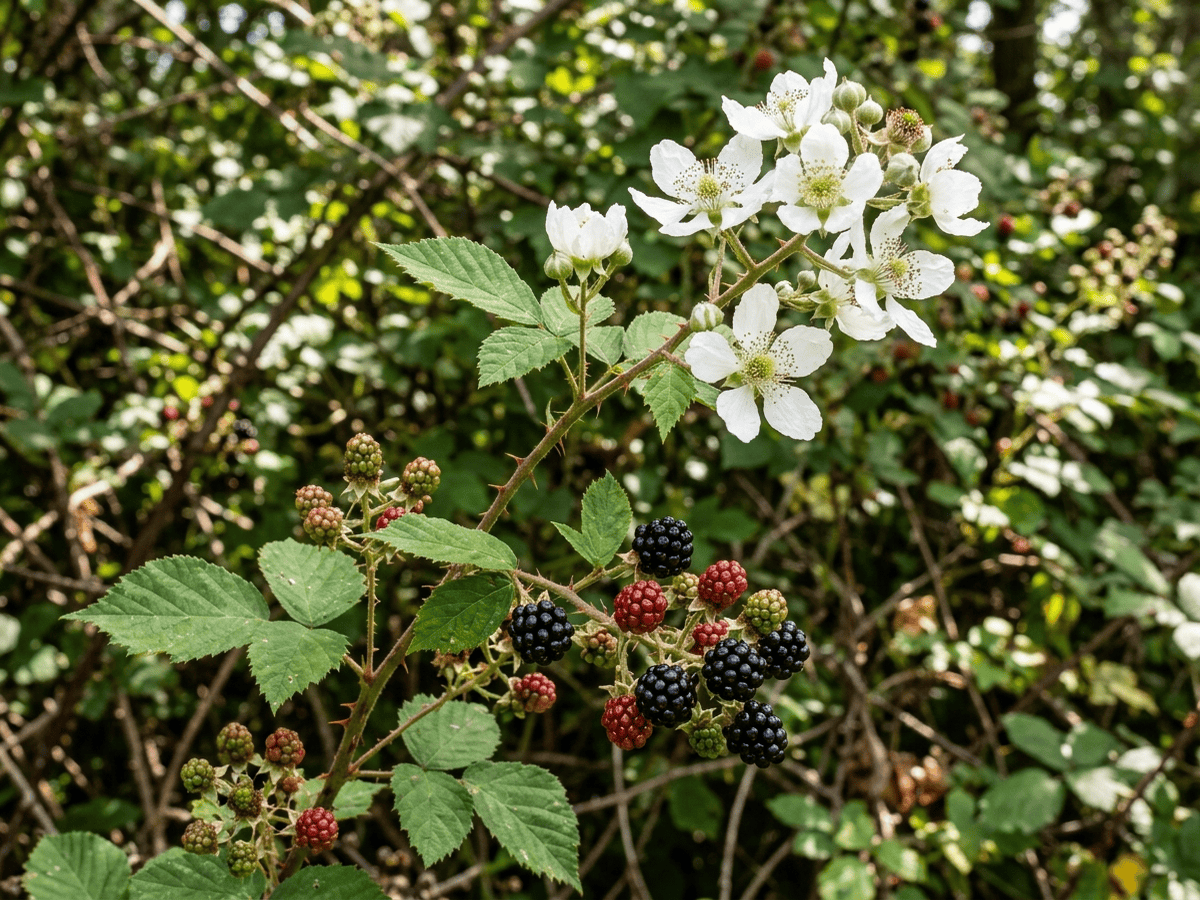
- Flower colorWhite, Pink
- Foliage colorGreen
- Fruit colorBlack
- SoilLoamy, Well-drained, Moisture-retentive
- LocationsYard
Bloom time
BLOOM CYCLE
Peak bloom
Jun–Aug
White-pink five-petal flowers summer
Fragrance
MODERATE FRAGRANCE
The flowers have a sweet, honey-like scent.
Toxicity
Humans Slight · Pets Slight
Unknown toxic principle
Slight
- Stem
- Leaf
- Contact
EXPOSURE Touching stems and leaves.
EFFECT Pricks from thorns.
NOTE Fruit edible and delicious; thorns cause mechanical injury.
Slight
- Stem
- Leaf
- Contact
EXPOSURE Touching stems and leaves.
EFFECT Pricks from thorns.
NOTE Fruit edible and delicious; thorns cause mechanical injury.
Slight
- Stem
- Leaf
- Contact
EXPOSURE Touching stems and leaves.
EFFECT Pricks from thorns.
NOTE Fruit edible and delicious; thorns cause mechanical injury.
Educational information, not medical or veterinary advice. If exposure is suspected, contact a doctor or veterinarian.
DISTRIBUTION


- Native
- Introduced
- Western Asia
History
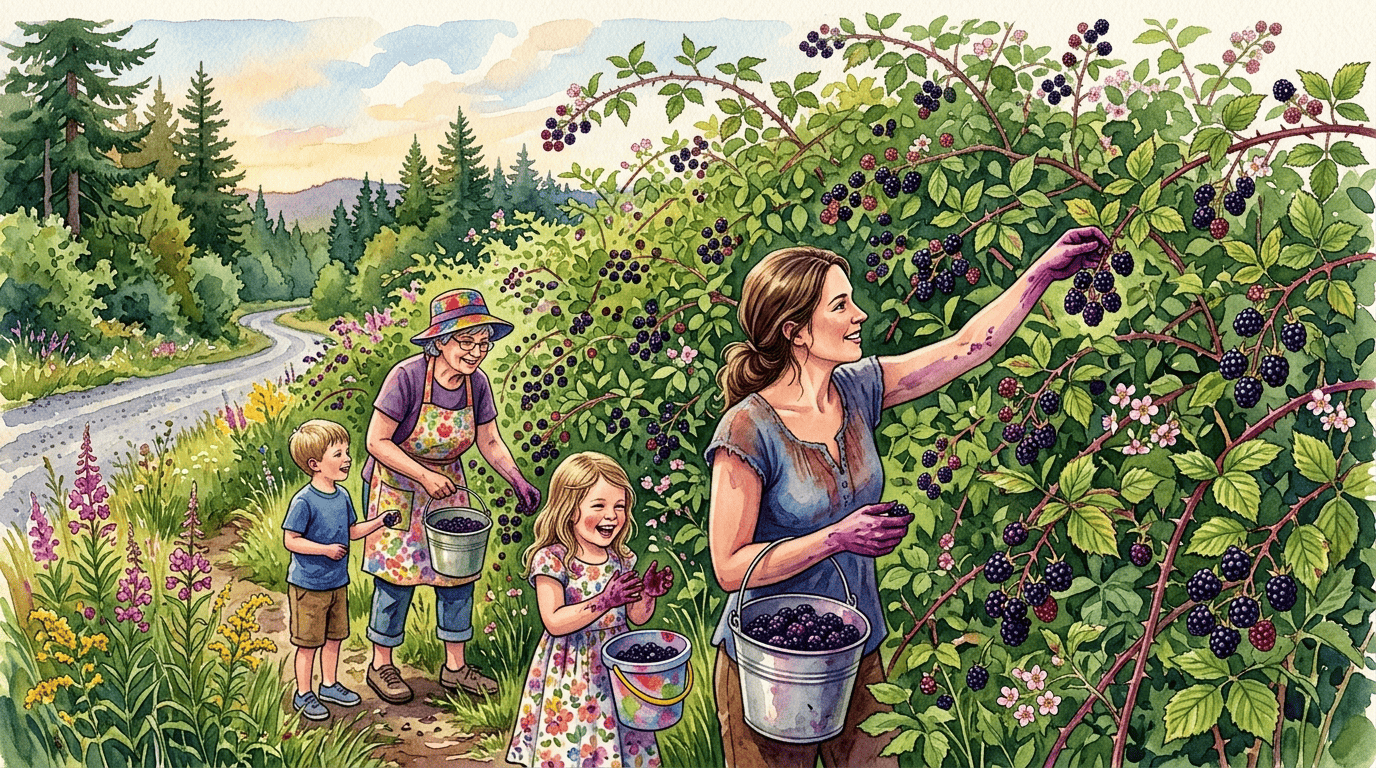
Rubus armeniacus, Himalayan blackberry (despite originating in the Caucasus, not the Himalayas), is a biennial-caned bramble native to Armenia and northern Iran. German botanist Karl Koch formally described it in 1835 from European garden plants, and American plant breeder Luther Burbank began selling the species in California in 1885 under the name Himalayan Giant, praising its vigour and large sweet fruits. The same vigour has made it the dominant invasive plant of the Pacific Northwest, where it forms impenetrable thickets up to three meters tall along streams, roadsides, and abandoned fields across British Columbia, Washington, and Oregon.
Despite its invasiveness, the fruit is delicious and commercially harvested from both wild and cultivated stands, and countless West Coast households have jam shelves full of it. Escaped cultivation and now dominates the Pacific Northwest, smothering entire landscapes with 10-foot thickets of thorny canes.
Symbolism & meaning
What It Symbolizes
Armenian Blackberry is sweet invasion — fruit so delicious that for one summer week it seems an unmitigated gift, then thickets so devastating that they swallow Pacific Northwest fence lines whole. This is Burbank's escape, introduced by Luther Burbank in 1885 as a perfect home berry, now the defining invasive bramble of the western coast. It is the bargain that turned out to last forever.
- Sweet invasion — delicious berries, devastating spread
- Burbank's escape — introduced by Luther Burbank, now PNW scourge
Where the Name Comes From
The common name highlights its dark coloring. 'Rubus' from Latin meaning red, for berry color; 'armeniacus' means of Armenia, for origin near the Caucasus.
Uses & Fun Facts
- Sweet black summer berries foraged for jam, pies, and cobblers
Related plants
More Rubus plants
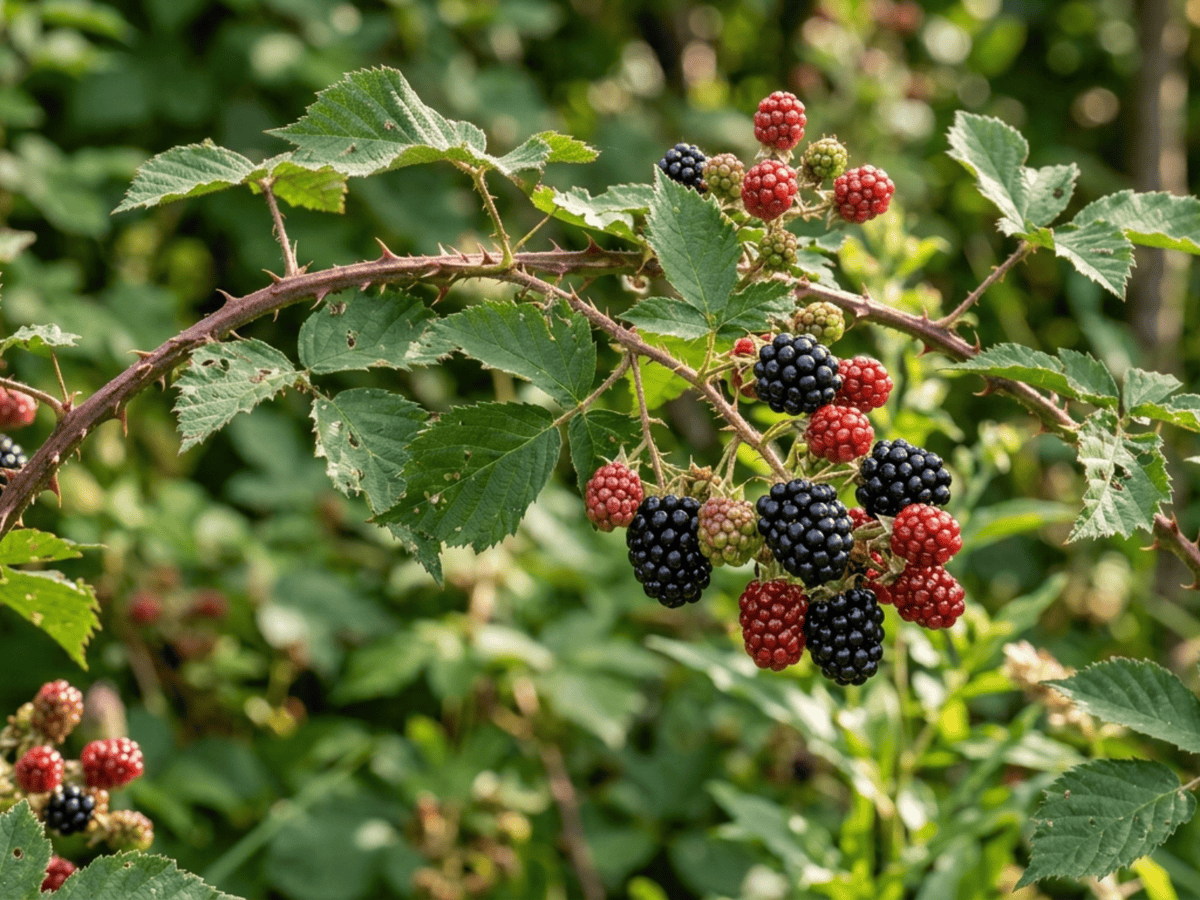 BlackberryRubus fruticosus
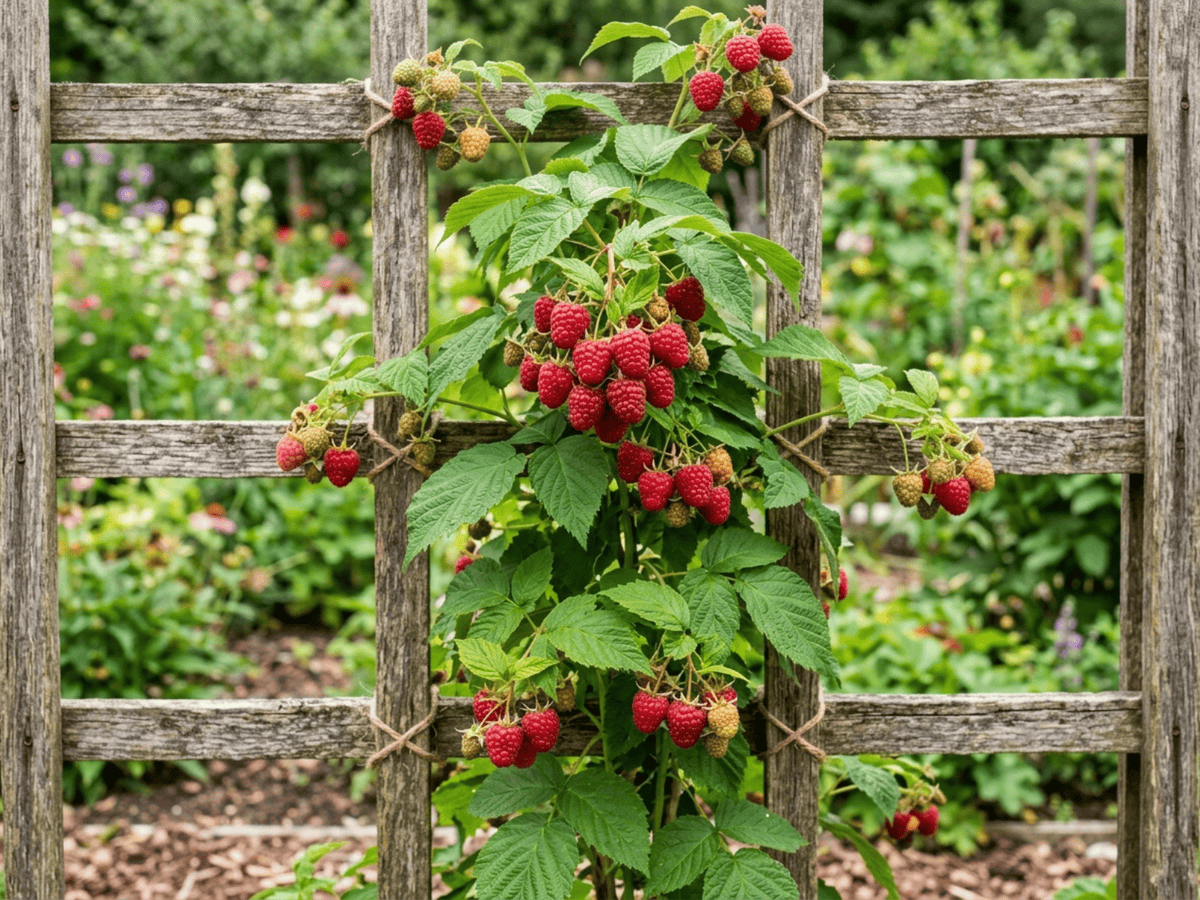 Red RaspberryRubus idaeus
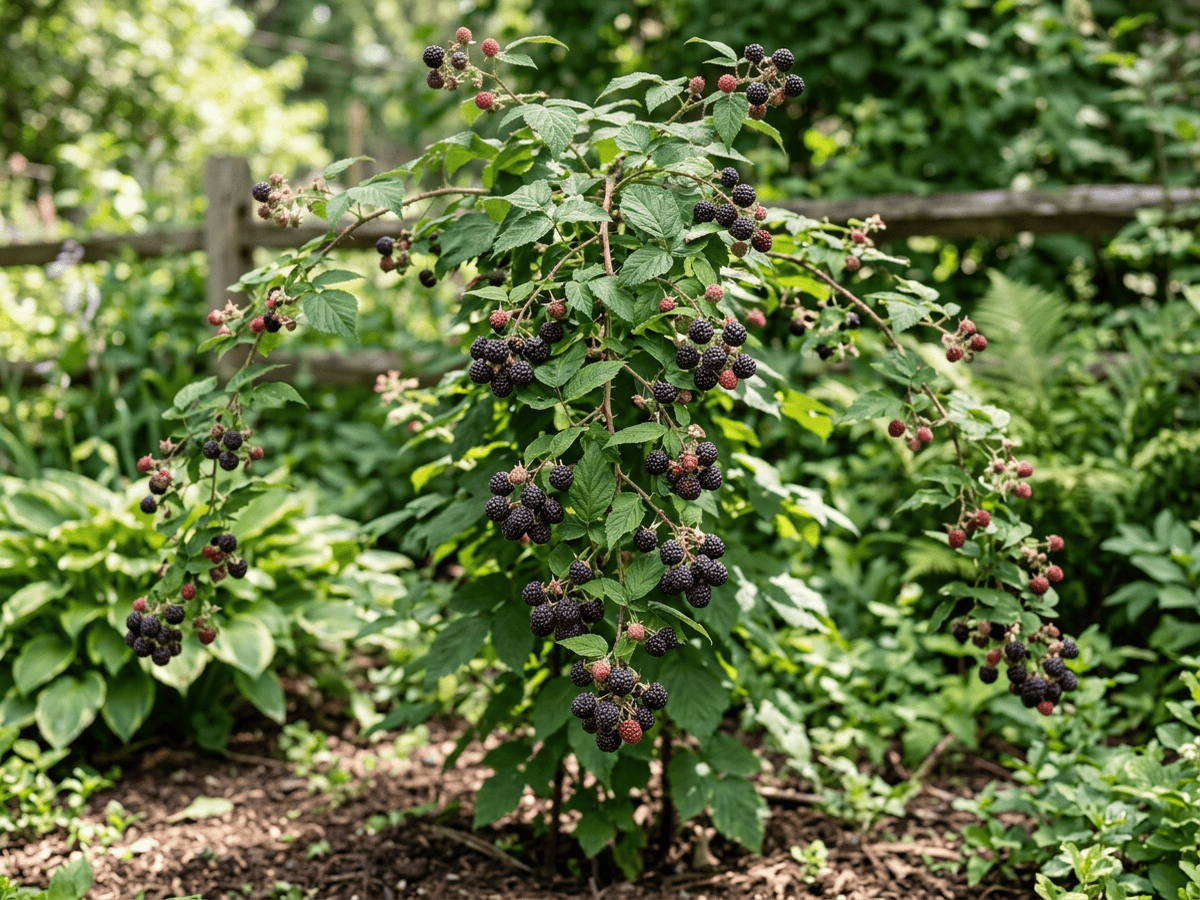 Black RaspberryRubus occidentalis
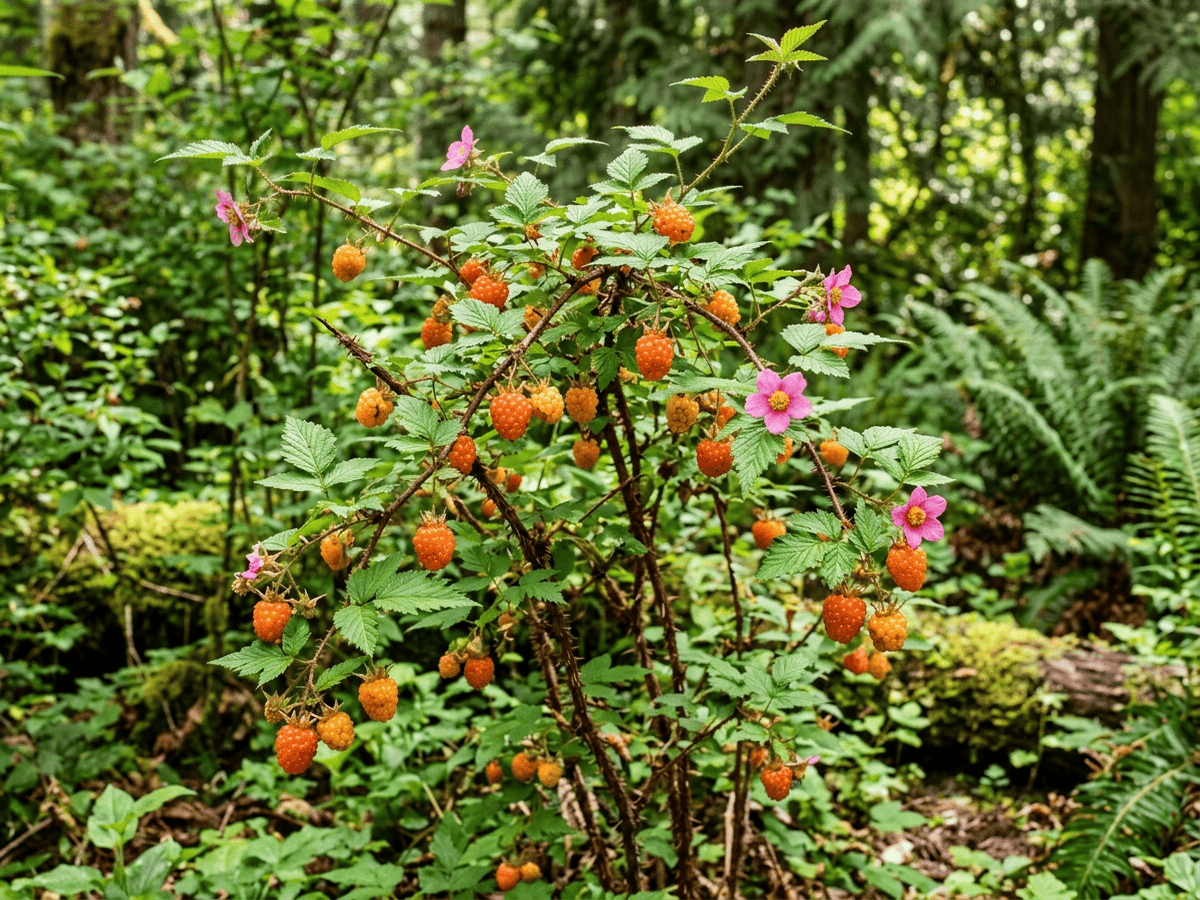 SalmonberryRubus spectabilis
Plants with similar care
 Chinese AbeliaAbelia chinensis
 Fragrant AbeliaAbelia mosanensis
 Large-Flowered AbeliaAbelia uniflora
 Glossy AbeliaAbelia x grandiflora
Frequently asked questions
How often should I water Armenian Blackberry?
In summer, water about every 7 days; in winter, about every 30 days. Adjust for heat, pot size and drainage.
How much light does Armenian Blackberry need?
Full sun: 6+ hrs direct. Watch the leaves — scorching or stretching means the light needs adjusting.
Is Armenian Blackberry toxic to cats or dogs?
Pets Slight (Dogs Slight · Cats Slight) Educational information, not medical or veterinary advice. If exposure is suspected, contact a doctor or veterinarian.
Is Armenian Blackberry easy to grow?
Yes — it is considered an easy, beginner-friendly plant.
When does Armenian Blackberry bloom?
It typically blooms Jun–Aug in the Northern Hemisphere.
YardMate
Identify any plant in seconds
Snap a photo — YardMate names the plant, diagnoses problems, and reminds you when to water.
Download on the App Store