 YardMate


Blackberry
Rubus fruticosus
Easy · Beginner friendlyAbout Blackberry
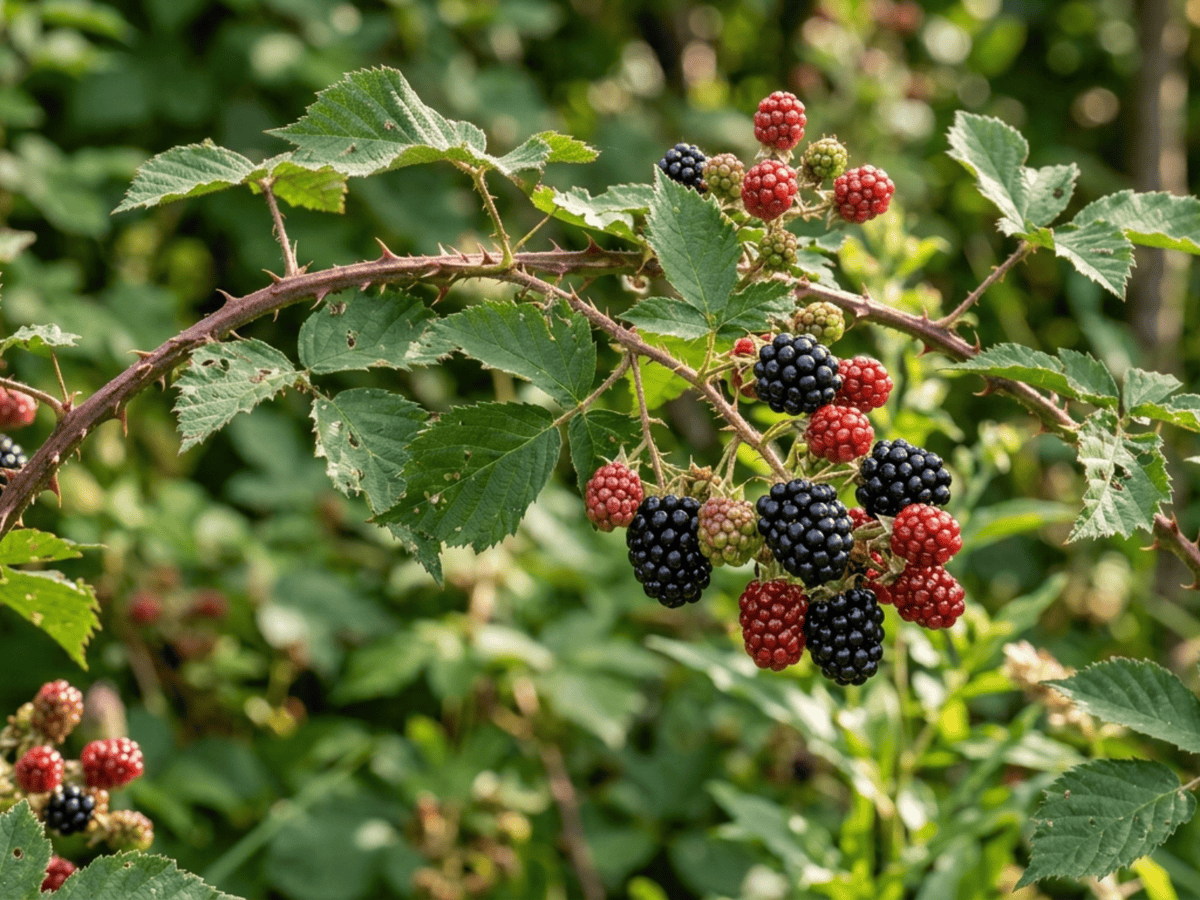
Rubus fruticosus, the blackberry, is actually a complex of over 300 microspecies in the Rosaceae family native to Europe, forming thorny, arching canes that can reach 3–5 m if unsupported. The aggregate fruit ripens from green through red to glossy black, and unlike raspberries, the receptacle stays inside the fruit when picked.
Blackberries are vigorous, adaptable plants for USDA zones 5–9, thriving in full sun to partial shade in nearly any soil. Thornless cultivars (e.g., 'Triple Crown,' 'Chester') have made garden cultivation much more pleasant. Canes are biennial: primocanes grow the first year, fruit as floricanes the second, then die. Primocane-fruiting types simplify pruning. The plants spread by tip-layering (arching canes root where they touch ground) and suckers.
Blackberry picking is one of the great free food traditions—hedgerow blackberrying in Britain and Europe is a beloved autumn ritual. The fruit is rich in anthocyanins, vitamin C, and vitamin K. Blackberry cobbler, pie, jam, and wine are seasonal treasures. In British folklore, blackberries should not be picked after Michaelmas (October 10), when the devil supposedly spits on them. Modern cultivated varieties produce enormous, sweet fruit that ripen over an extended season.
- Edible
- Cold-hardy
- Fast-growing
How to care for Blackberry
Watering
- Springevery 3 days
- Summerevery 2 days
- Fallevery 4 days
- Winterevery 7 days
Soil · Rich & well-draining
- Top dressingCompost10%
- Main mixPotting soil + compost 3:180%
- DrainageGravel10%
Top up the compost layer each season.
FERTILIZER
Balanced Feed 14-14-14
An even feed covers all three needs at once, keeping leaves, roots and blooms moving together with nothing pushed out of balance.
- Nitrogen · Leaves
- Phosphorus · Roots + Blooms
- Potassium · Strength
- Springevery 21 days
- Summerevery 21 days
- Fallevery 30 days
At a Glance
- NativeEurope, Africa, Western Asia
- Height5–10 ft (1.5–3 m)
- Spread5–10 ft (1.5–3 m)
- Flower colorWhite, Pink
- Foliage colorGreen
- Fruit colorBlack
- SoilWell-drained, Loamy, Rich
- LocationsYard
Bloom time
BLOOM CYCLE
Peak bloom
Jun–Aug
White to pink flowers attract many pollinators; plant thornless cultivars for easier garden management.
Fragrance
MODERATE FRAGRANCE
Rich berry aroma when ripe.
Toxicity
Humans Safe · Pets Safe
tannins, anthocyanins, and ellagic acid
Safe
EXPOSURE No exposure route is reported.
EFFECT Widely consumed.
NOTE Listed as non-toxic for humans; avoid eating ornamental plants unless confirmed edible.
Safe
EXPOSURE No exposure route is reported.
EFFECT Not listed as toxic.
NOTE Listed as non-toxic for dogs; avoid eating ornamental plants unless confirmed edible.
Safe
EXPOSURE No exposure route is reported.
EFFECT Not listed as toxic.
NOTE Listed as non-toxic for cats; avoid eating ornamental plants unless confirmed edible.
Educational information, not medical or veterinary advice. If exposure is suspected, contact a doctor or veterinarian.
DISTRIBUTION

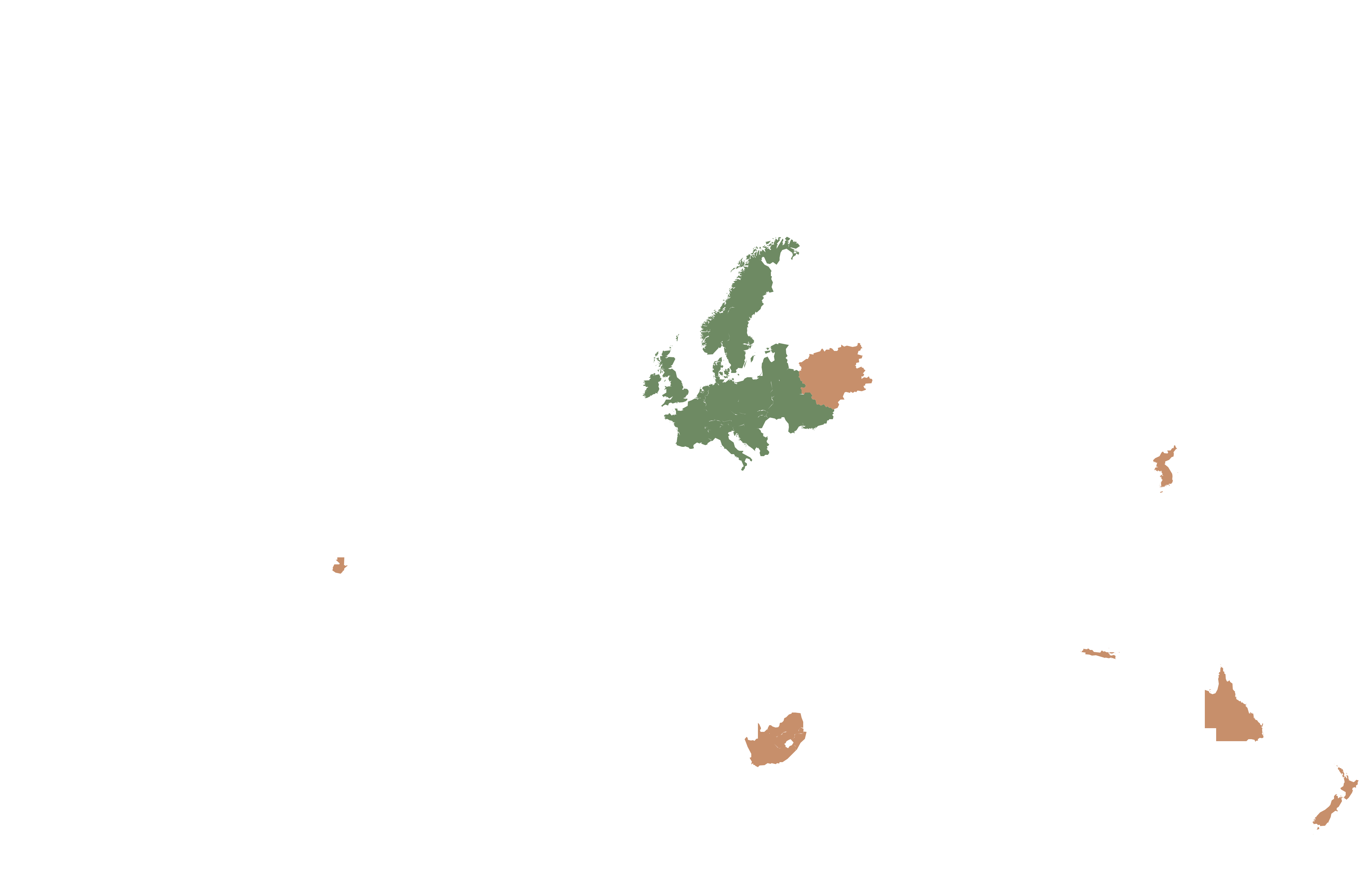
- Native
- Introduced
- Europe
- Africa
- Western Asia
History

Rubus fruticosus is not a single species but a complex aggregate of hundreds of apomictic microspecies — plants that reproduce seeds without cross-fertilization, fixing mutations as independent "species." The R. fruticosus aggregate encompasses native European populations spread across temperate Europe, northern Africa, and western Asia. Biblical Exodus tradition associates the blackberry with the burning bush that spoke to Moses (Exodus 3), though scholars debate the identification.
Greek and Roman writers including Hippocrates recorded medicinal use for dysentery, mouth ulcers, and sore throat; the leaves' astringent tannins support traditional diarrhea remedies. Medieval Europeans used all parts — berries, leaves, roots, shoots — in folk medicine. Commercial blackberry cultivation is surprisingly recent: US breeder Luther Burbank and others developed the first truly commercial cultivars in the late 19th century.
Modern thornless and improved cultivars ("Navaho," "Arapaho," "Ouachita") dominate commercial production in Oregon, Mexico, Serbia, and China. In the Pacific Northwest of the US, introduced European blackberries have become serious invasive species displacing native vegetation. Blackberries have been foraged since the Iron Age—seeds appear in the stomach of the 2,500-year-old Haraldskaer Woman found in a Danish bog. Greek physician Dioscorides prescribed blackberry tea for mouth sores. The tradition of hedgerow blackberrying remains deeply embedded in British and European culture, symbolising the end of summer.
Symbolism & meaning
What It Symbolizes
The Pilated-Leaved Blackberry is Abundance in tangled hedgerow form — September brambles bending under more fruit than any single household can pick, free for whoever passes. Yet that same hedge makes visible Wildness, thorny and unwilling to be tidied, offering itself only on its own terms. A plant whose generosity and fierceness arrive on the same cane.
- Abundance — Hedgerows overflowing with free fruit represent nature's generous, ungoverned plenty
- Wildness — Thorny and untamed, blackberries symbolize the beauty and fierceness of the wild
Where the Name Comes From
The common name highlights its dark coloring. Rubus from Latin for bramble; 'fruticosus' means shrubby or bushy.
Uses & Fun Facts
- Sweet black fruit harvested for pies, jams, and wine
- Thorny canes form impenetrable wildlife-friendly barriers
- Berries and thickets feed and shelter birds and small mammals
Related plants
More Rubus plants
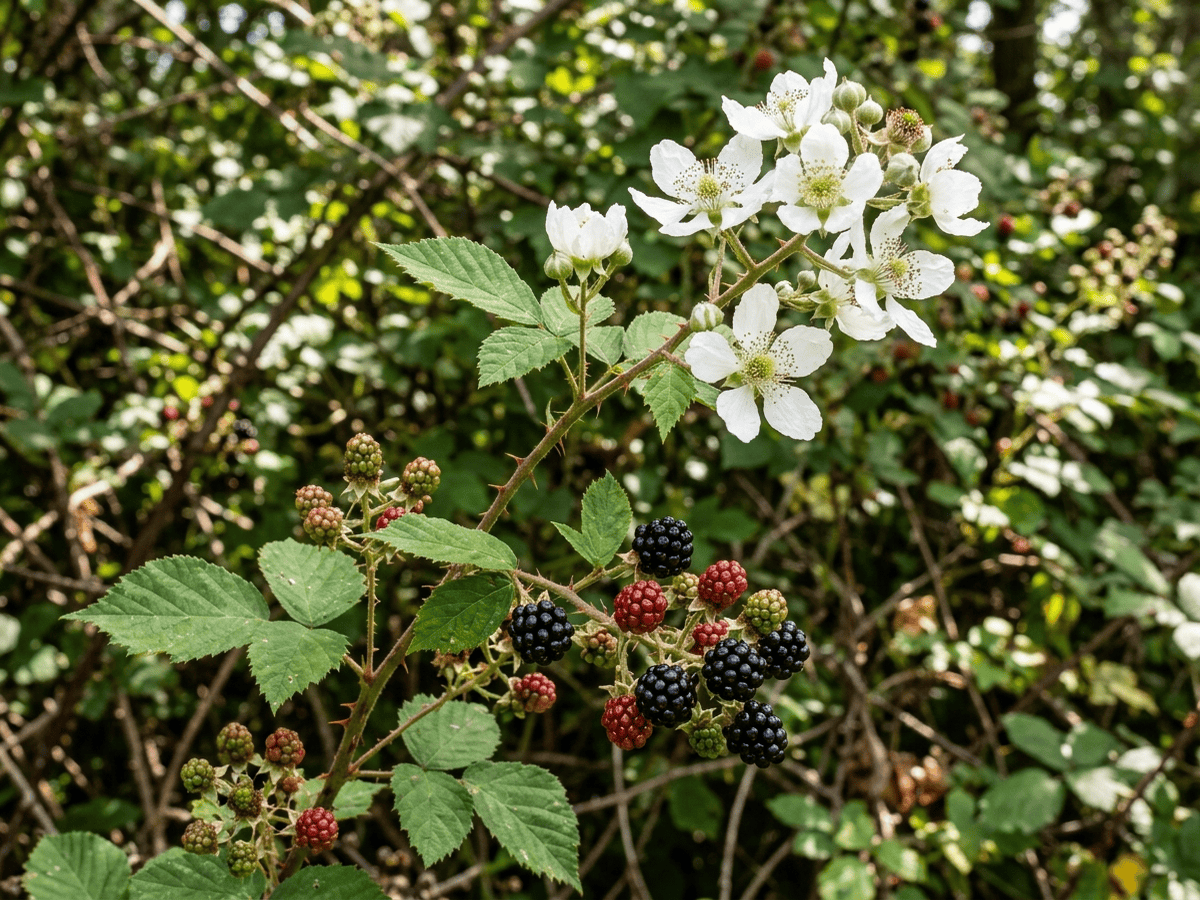 Armenian BlackberryRubus armeniacus
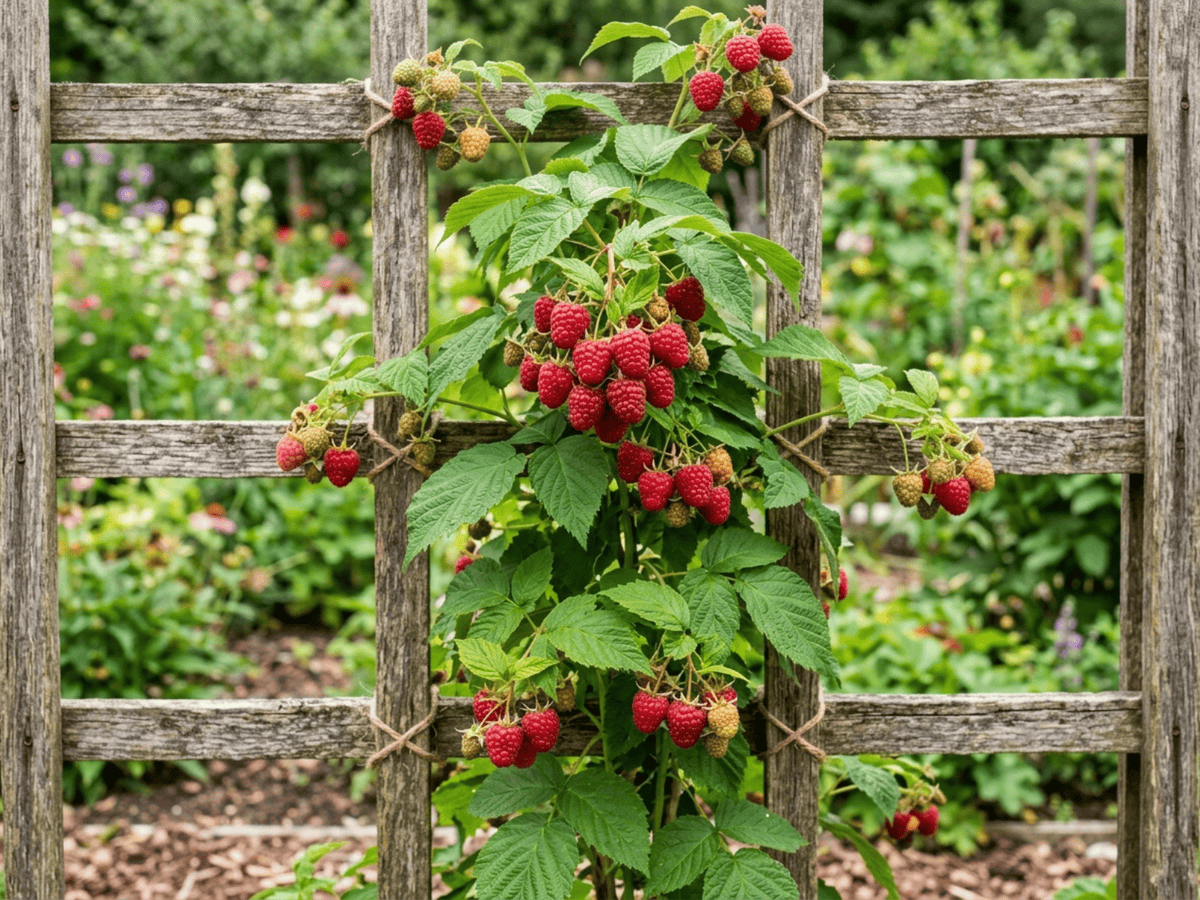 Red RaspberryRubus idaeus
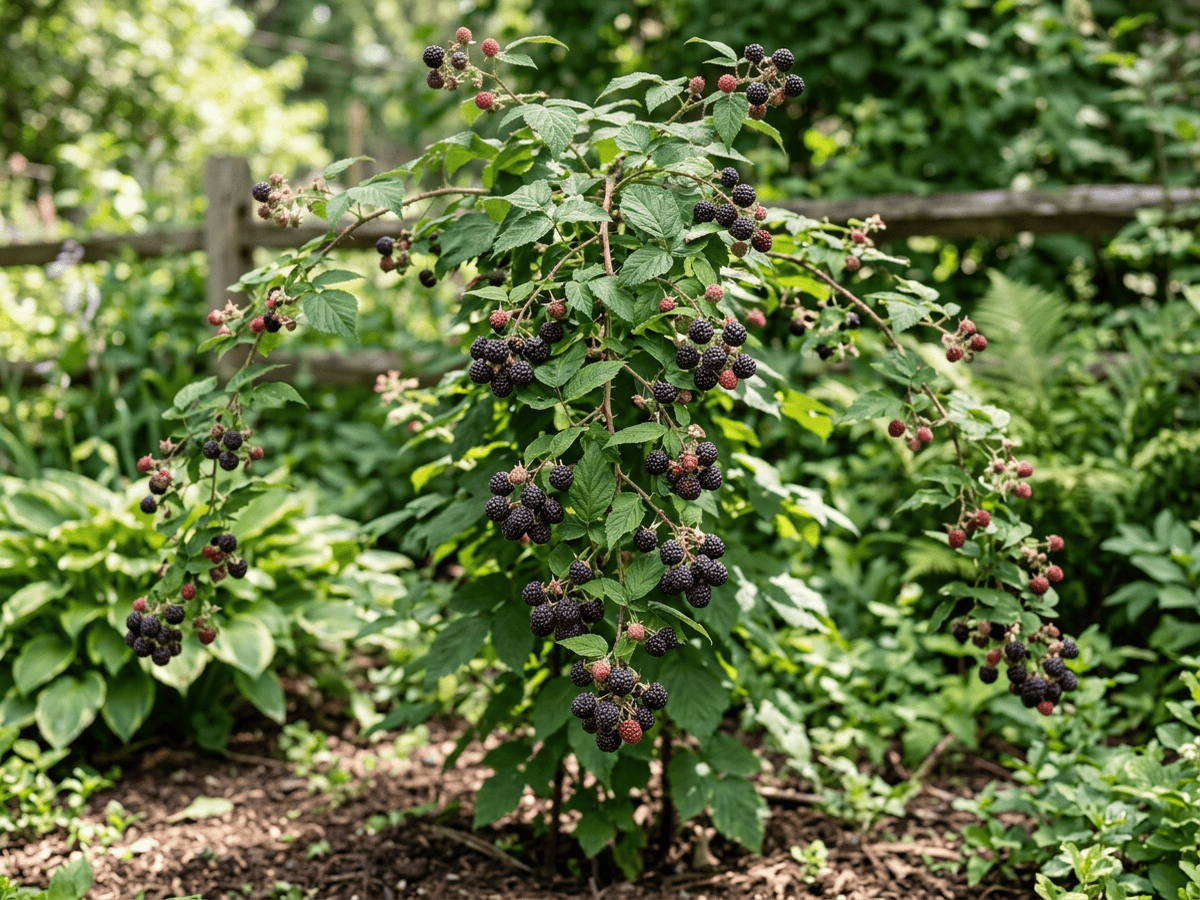 Black RaspberryRubus occidentalis
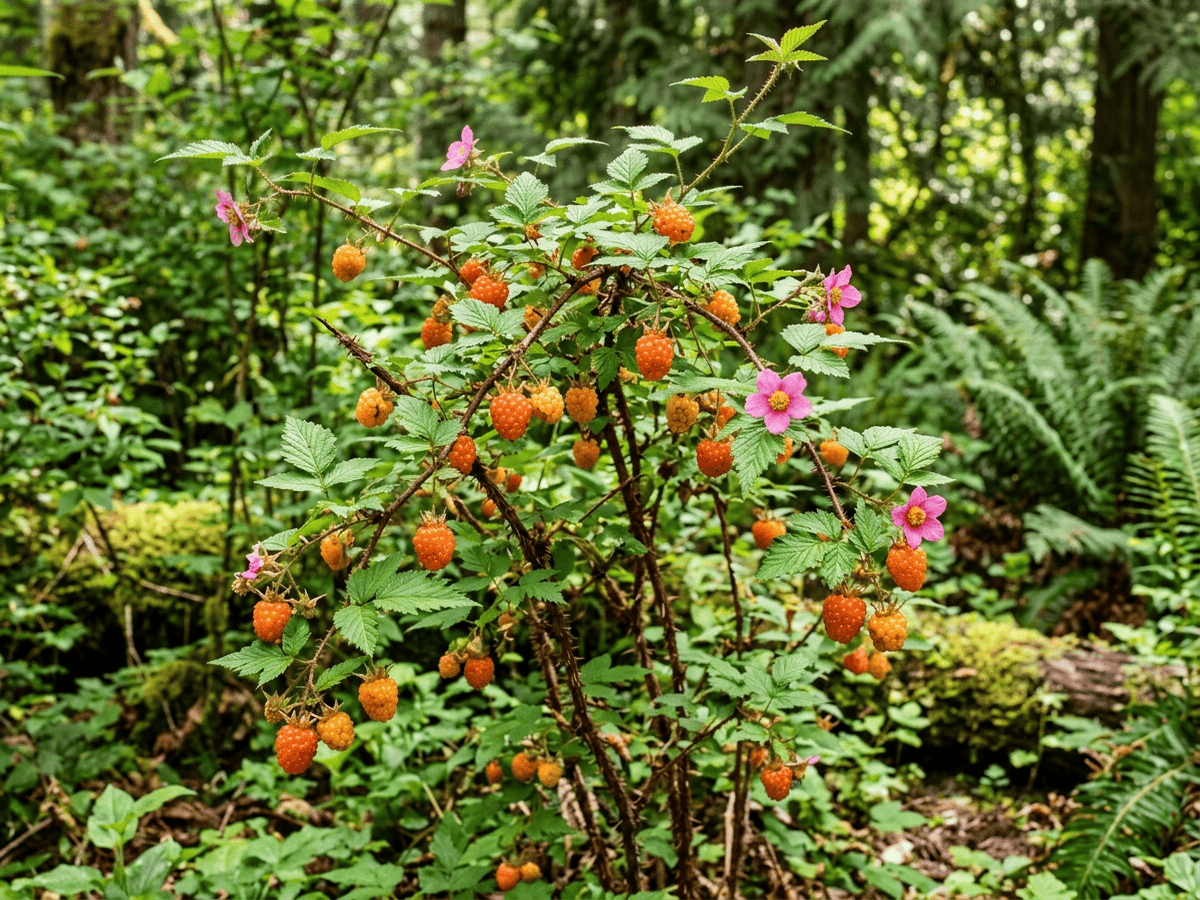 SalmonberryRubus spectabilis
Plants with similar care
 Chinese AbeliaAbelia chinensis
 Fragrant AbeliaAbelia mosanensis
 Large-Flowered AbeliaAbelia uniflora
 Glossy AbeliaAbelia x grandiflora
Frequently asked questions
How often should I water Blackberry?
In summer, water about every 2 days; in winter, about every 7 days. Adjust for heat, pot size and drainage.
How much light does Blackberry need?
Full sun: 6+ hrs direct. Watch the leaves — scorching or stretching means the light needs adjusting.
Is Blackberry toxic to cats or dogs?
Pets Safe (Dogs Safe · Cats Safe) Educational information, not medical or veterinary advice. If exposure is suspected, contact a doctor or veterinarian.
Is Blackberry easy to grow?
Yes — it is considered an easy, beginner-friendly plant.
When does Blackberry bloom?
It typically blooms Jun–Aug in the Northern Hemisphere.
YardMate
Identify any plant in seconds
Snap a photo — YardMate names the plant, diagnoses problems, and reminds you when to water.
Download on the App Store