 YardMate

Red Raspberry
Rubus idaeus
Medium · Some experienceAbout Red Raspberry
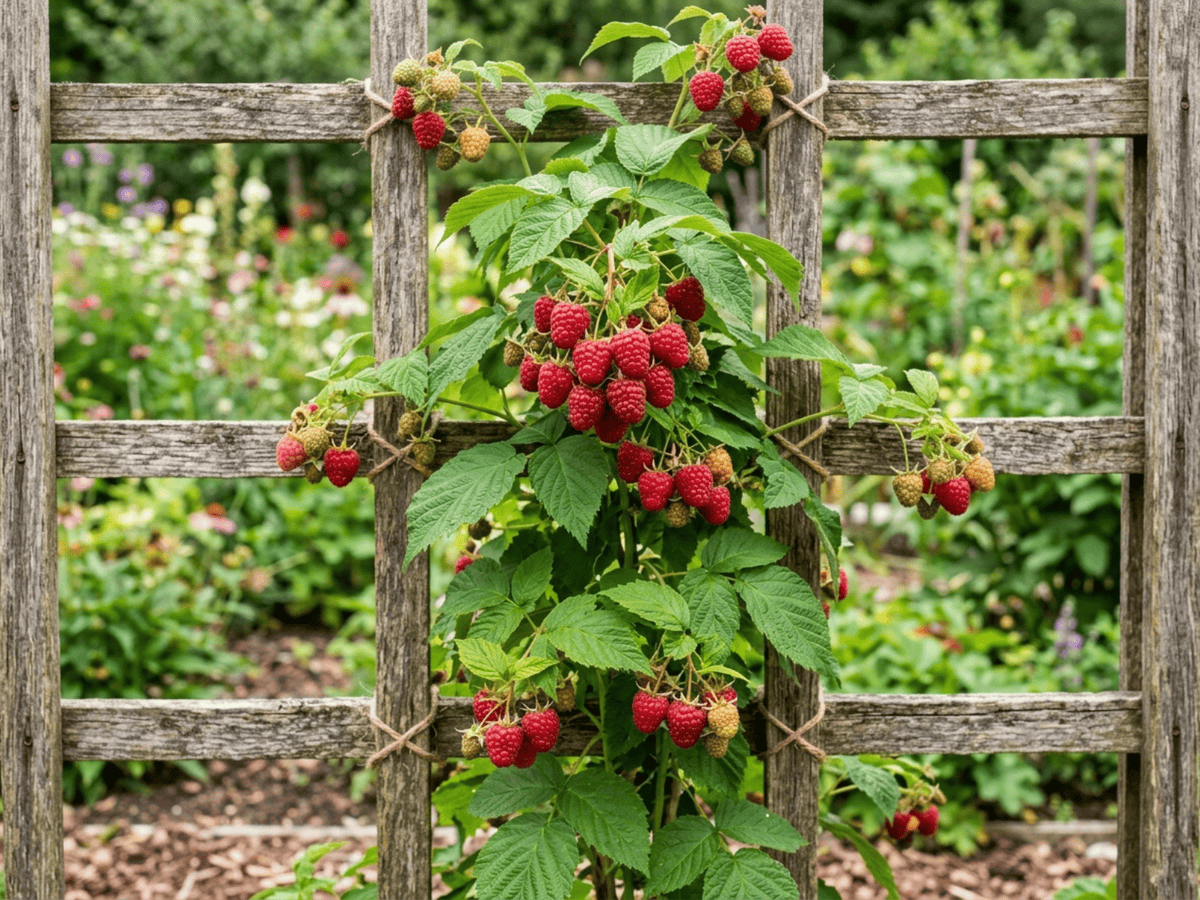
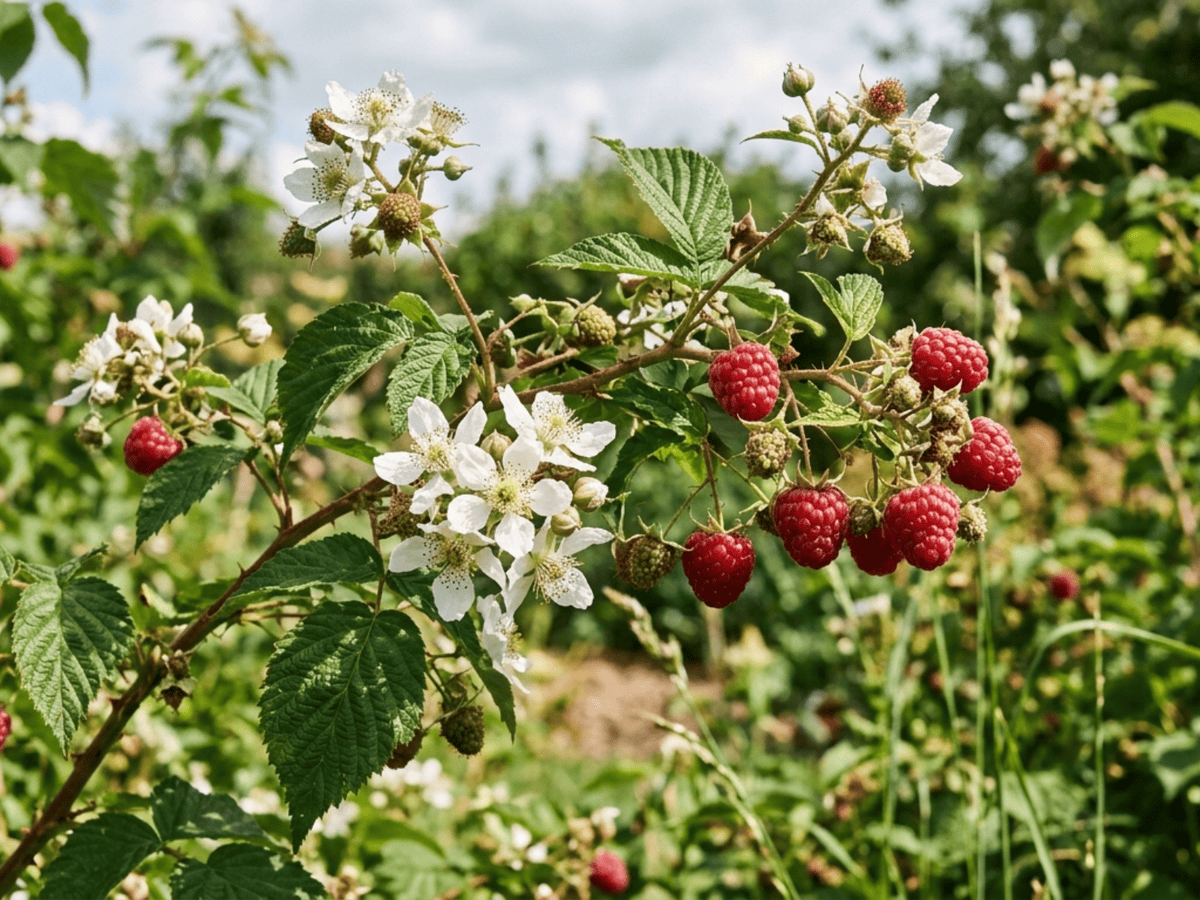
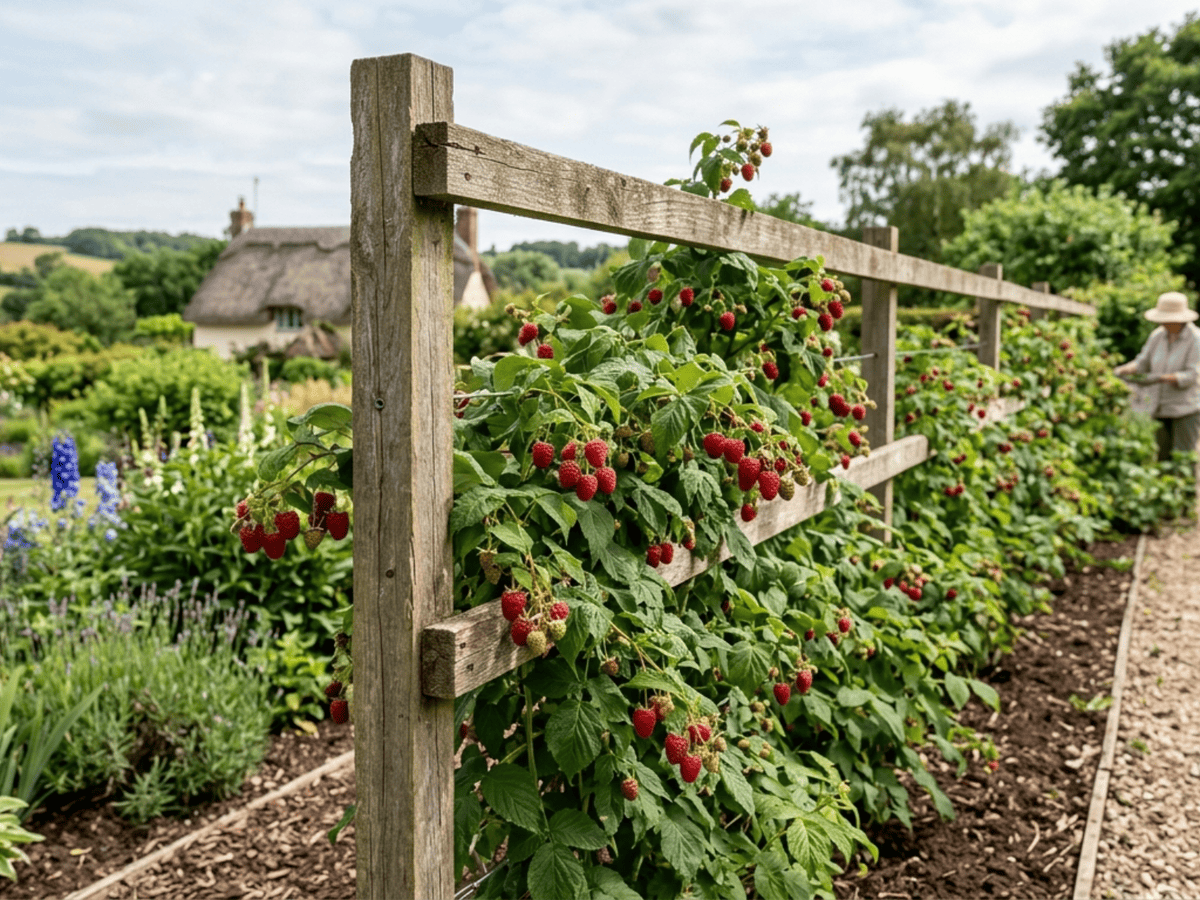
Rubus idaeus, red raspberry, is a cane fruit native across Europe and northern Asia, with relatives and cultivated forms now central to temperate fruit gardens. Biennial canes grow one year and fruit the next in summer-bearing types, while everbearing cultivars can crop on new canes in autumn. The fruits are aggregates of tiny drupelets, delicate, aromatic, and best eaten soon after picking. Raspberries need sun, moisture, good air flow, and annual cane management. They are rich in fiber, vitamin C, anthocyanins, and ellagic acid, compounds that make them a frequent subject of nutrition research. In the kitchen they are among the great pastry fruits: jams, tarts, sauces, syrups, and fresh bowls of summer.
- Edible
- Cold-hardy
- Pollinator-friendly
How to care for Red Raspberry
Watering
- Springevery 3 days
- Summerevery 2 days
- Fallevery 4 days
- Winterevery 7 days
Soil · Rich & well-draining
- Top dressingCompost10%
- Main mixPotting soil + compost 3:180%
- DrainageGravel10%
Top up the compost layer each season.
FERTILIZER
Acid-Loving Feed 4-3-4
One bag does both jobs. An acid feed carries the usual nitrogen, phosphorus and potassium, plus the sulfur and iron that keep the soil sour enough for the roots to take them up at all.
- Nitrogen · Leaves
- Phosphorus · Roots + Blooms
- Potassium · Strength
- Springevery 21 days
- Summerevery 21 days
- Fallevery 30 days
At a Glance
- NativeEurope, East Asia
- Height4–6 ft (1.2–1.8 m)
- Spread3–5 ft (0.9–1.5 m)
- Flower colorWhite, Pink
- Foliage colorGreen
- Fruit colorRed
- SoilLoamy, Well-drained, Acidic
- LocationsYard
Bloom time
BLOOM CYCLE
Peak bloom
Mar–May
White flowers in spring attract bees; good pollination improves berry size and shape.
Fragrance
MODERATE FRAGRANCE
Distinctive sweet raspberry aroma from raspberry ketone and related compounds.
Toxicity
Humans Safe · Pets Safe
anthocyanins and ellagic acid
Safe
EXPOSURE No exposure route is reported.
EFFECT Widely consumed and raspberry leaf tea traditional during late pregnancy.
NOTE Listed as non-toxic for humans; avoid eating ornamental plants unless confirmed edible.
Safe
EXPOSURE No exposure route is reported.
EFFECT Fruit not toxic and small quantities safe.
NOTE Listed as non-toxic for dogs; avoid eating ornamental plants unless confirmed edible.
Safe
EXPOSURE No exposure route is reported.
EFFECT Fruit not toxic.
NOTE Listed as non-toxic for cats; avoid eating ornamental plants unless confirmed edible.
Educational information, not medical or veterinary advice. If exposure is suspected, contact a doctor or veterinarian.
DISTRIBUTION


- Native
- Introduced
- Europe
- East Asia
History
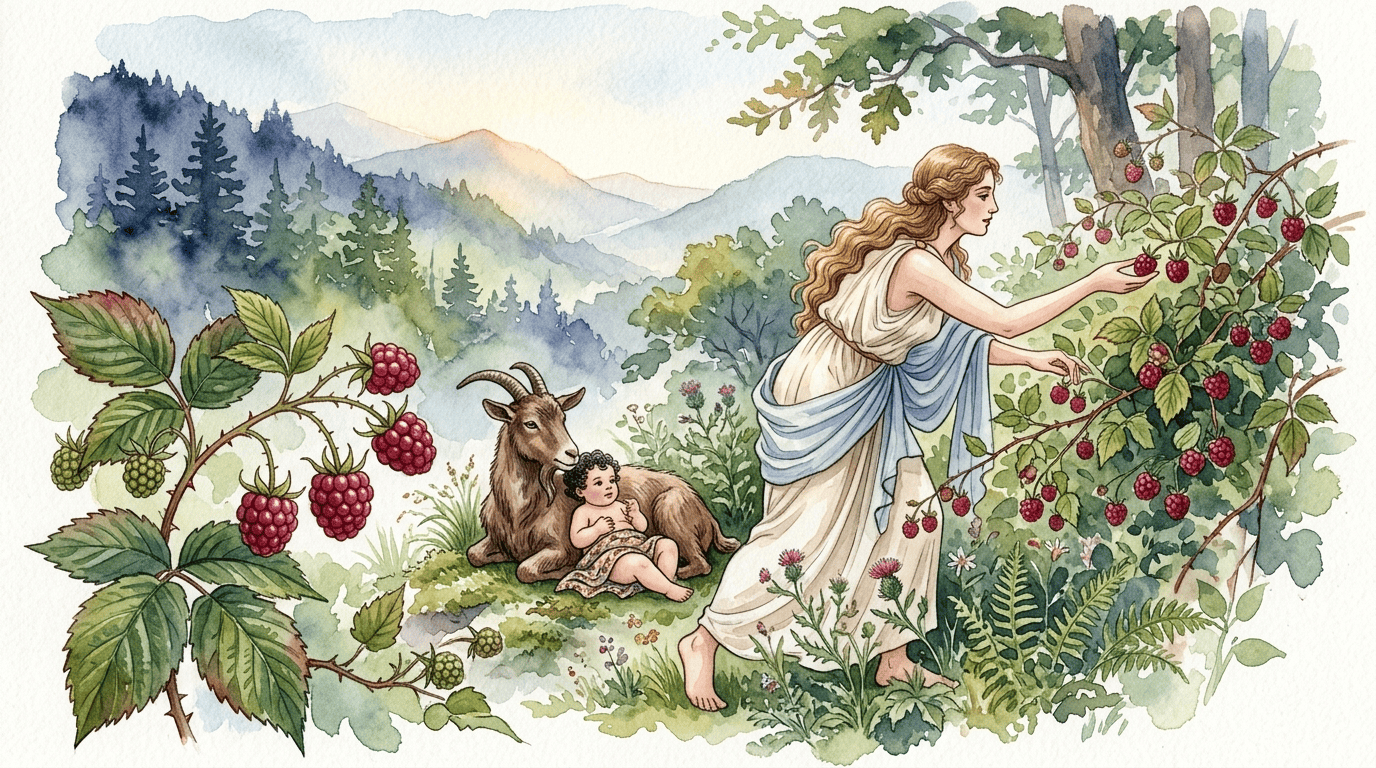
Rubus idaeus is native to cool-temperate Europe and Asia, particularly mountainous regions. The species name "idaeus" refers to Mount Ida in Turkey (near Troy), which Greek sources including Theophrastus and Pliny described as a site of abundant wild raspberries. Myth attributed the raspberry's red color to the nymph Ida, nurse of the infant Zeus, who scratched her breast on the thorns while picking berries for the young god.
Medieval Europeans associated the plant with the Virgin Mary, and monasteries cultivated it for wine and medicine. Crusaders reportedly brought improved varieties back to northern Europe. Commercial cultivation began in Britain in the 16th-17th centuries.
The closely related black raspberry (R. occidentalis) and purple hybrids are native to North America. Modern production centers on Russia, Mexico, Serbia, Poland, and the United States; the Pacific Northwest (Washington and British Columbia) is a major producer. Raspberry anthocyanins are commercially extracted as food colorants. Wild raspberries were gathered across Europe since the Paleolithic. The species may be named after Mount Ida in Turkey, where Greek mythology says nymphs gathered raspberries for the infant Zeus. Systematic cultivation began in 16th-century England. Raspberry leaf tea has been used as a pregnancy tonic for centuries, a tradition still followed today.
Symbolism & meaning
What It Symbolizes
The Red Raspberry holds tenderness in every easily bruised drupelet, a fruit that demands to be picked and eaten almost in the same gesture. In Victorian flower language, offering raspberries was a soft apology — kindness slipped quietly into a basket. In its short shelf life and sweet-tart flavor lives the preciousness of fleeting, gentle pleasures.
- Tenderness — The delicate, easily bruised berry symbolizes gentle beauty and the preciousness of fleeting pleasures
- Kindness — In Victorian flower language, giving raspberries expressed 'I am sorry' or gentle compassion
Where the Name Comes From
Rubus from Latin for bramble; 'idaeus' references Mount Ida (Crete or Turkey), legendary home of the raspberry in Greek myth.
Uses & Fun Facts
- Sweet red berries eaten fresh or in jam, coulis, baking
- Leaves brewed traditionally as raspberry leaf herbal tea
- Spring blossoms feed bumblebees and beneficial insects
- Thicket-forming canes shelter songbirds and small mammals
Related plants
More Rubus plants
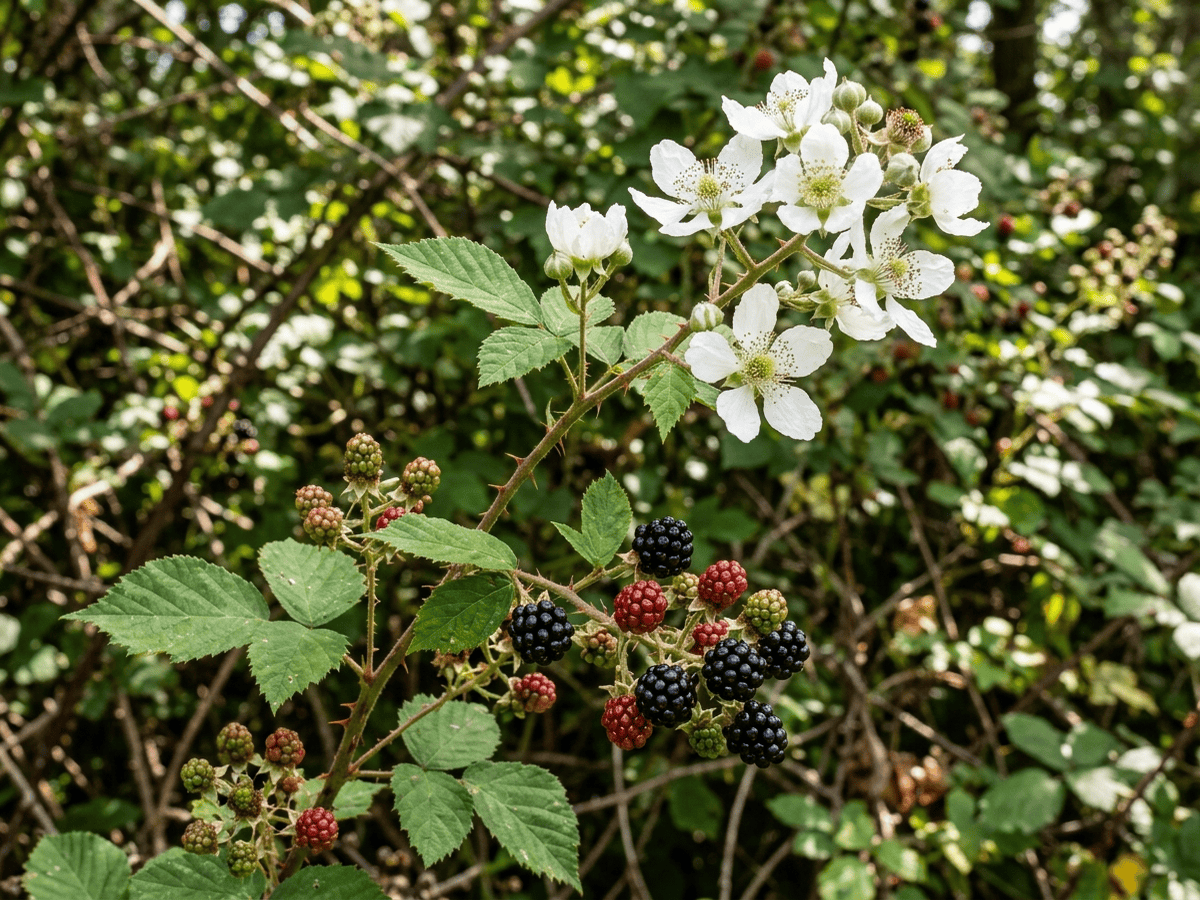 Armenian BlackberryRubus armeniacus
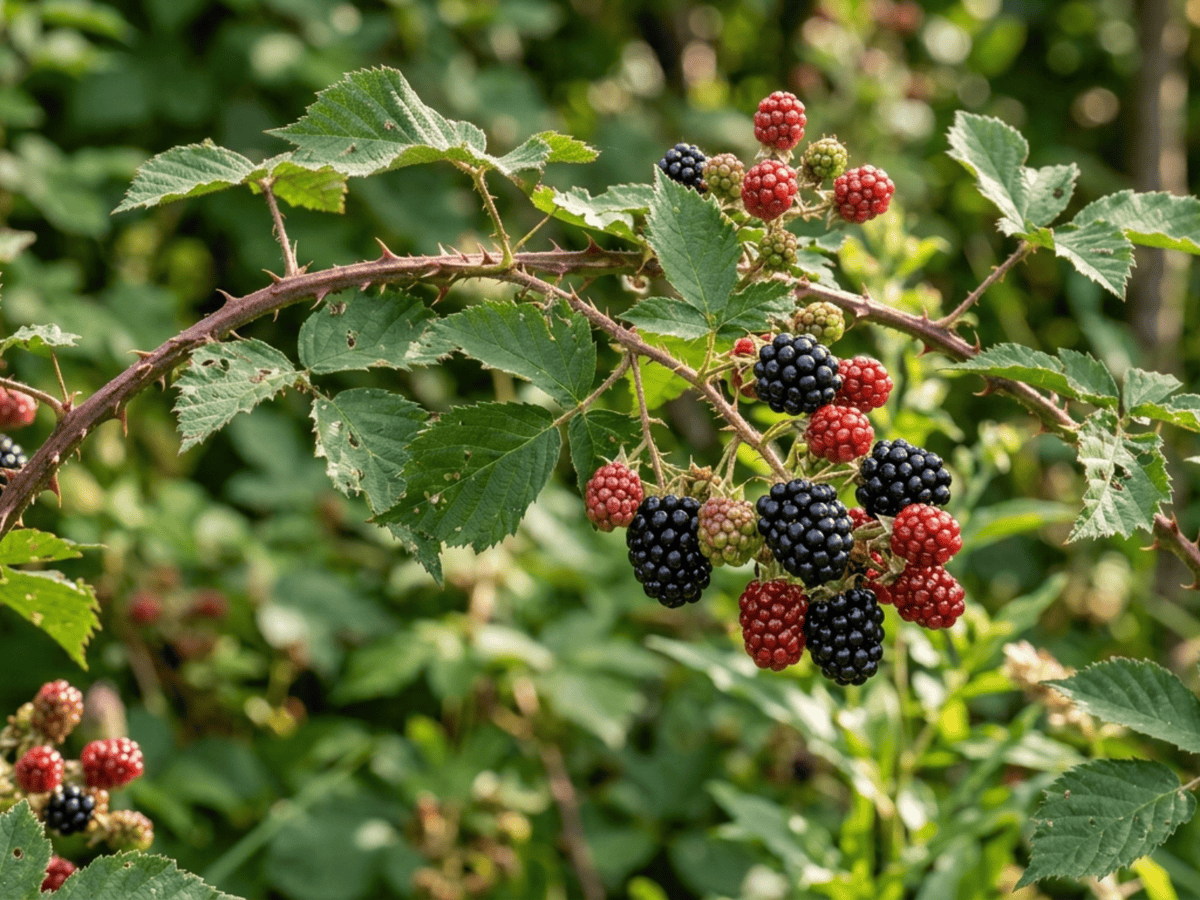 BlackberryRubus fruticosus
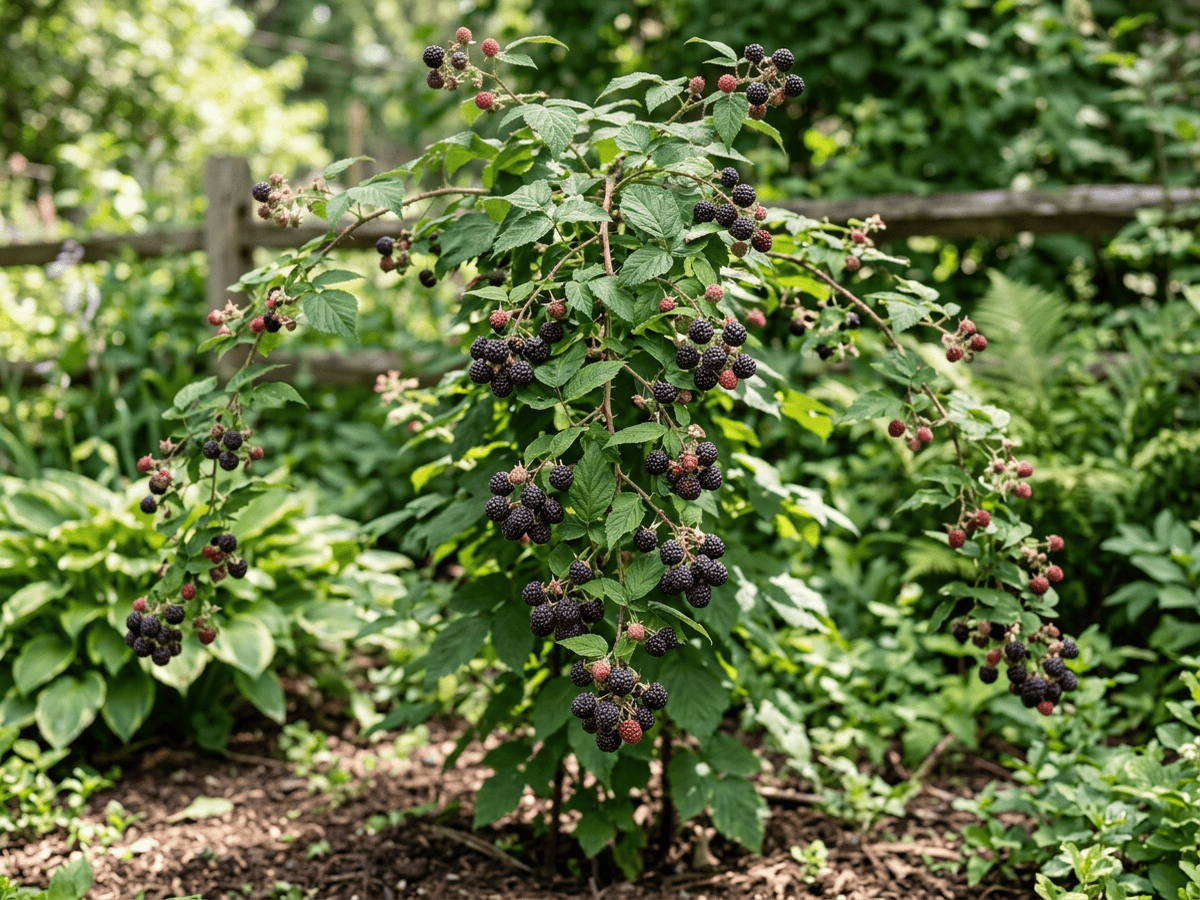 Black RaspberryRubus occidentalis
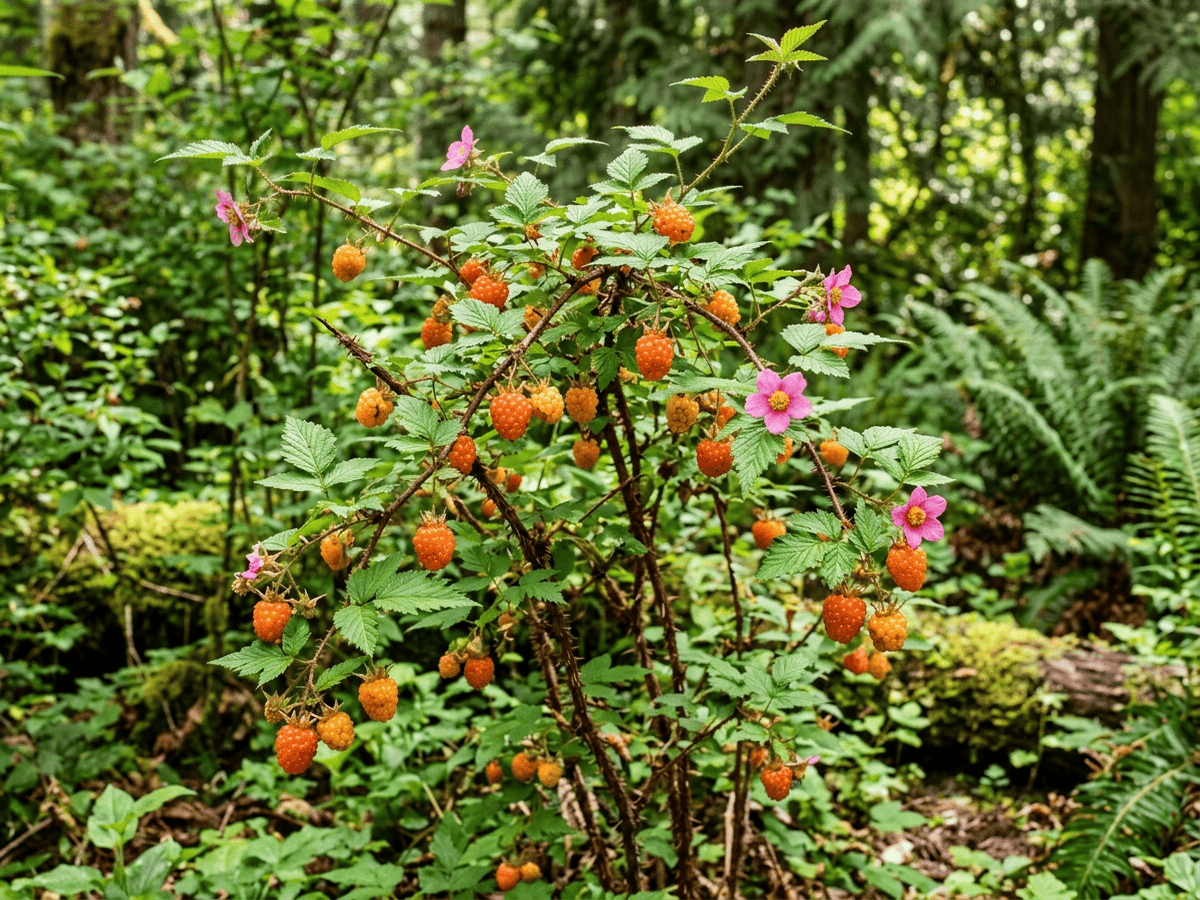 SalmonberryRubus spectabilis
Plants with similar care
 Mexican AbeliaAbelia floribunda
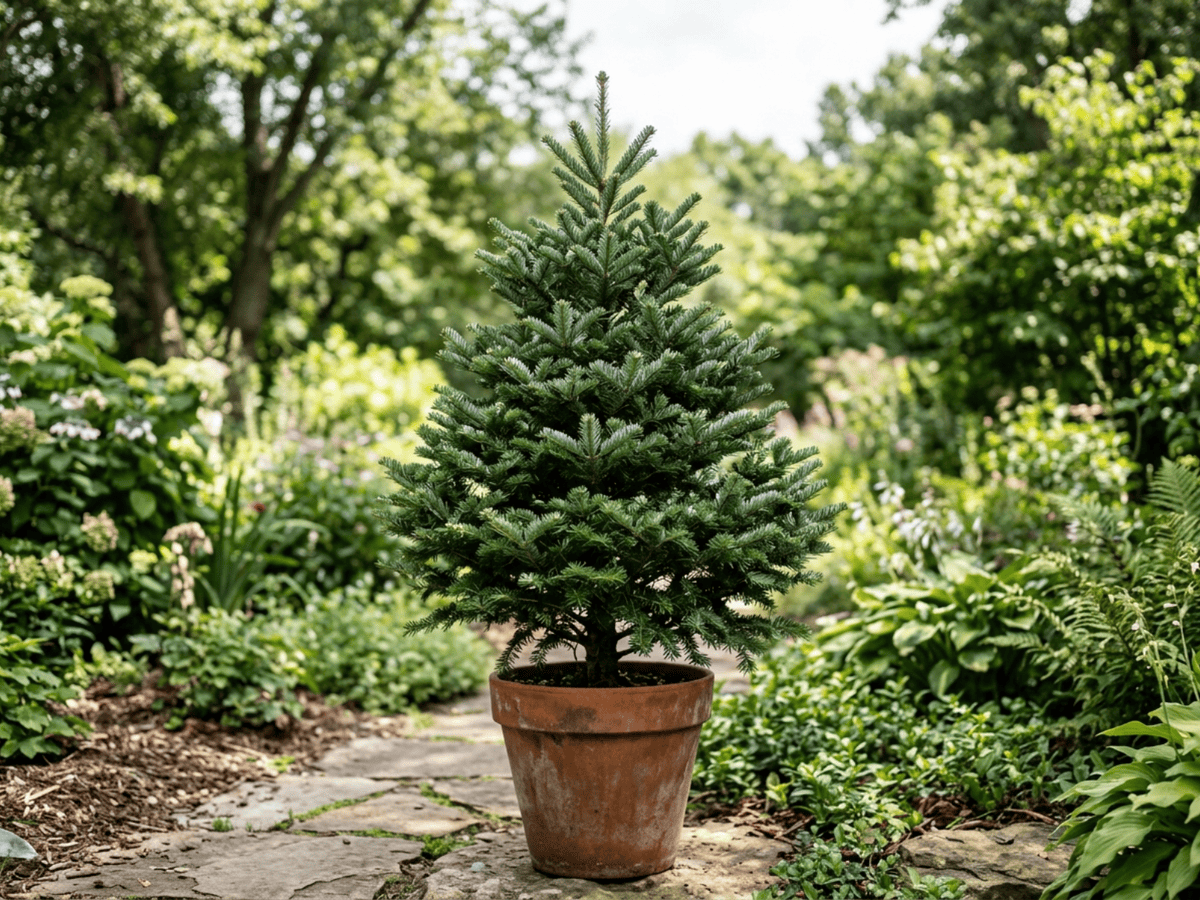 Fraser FirAbies fraseri
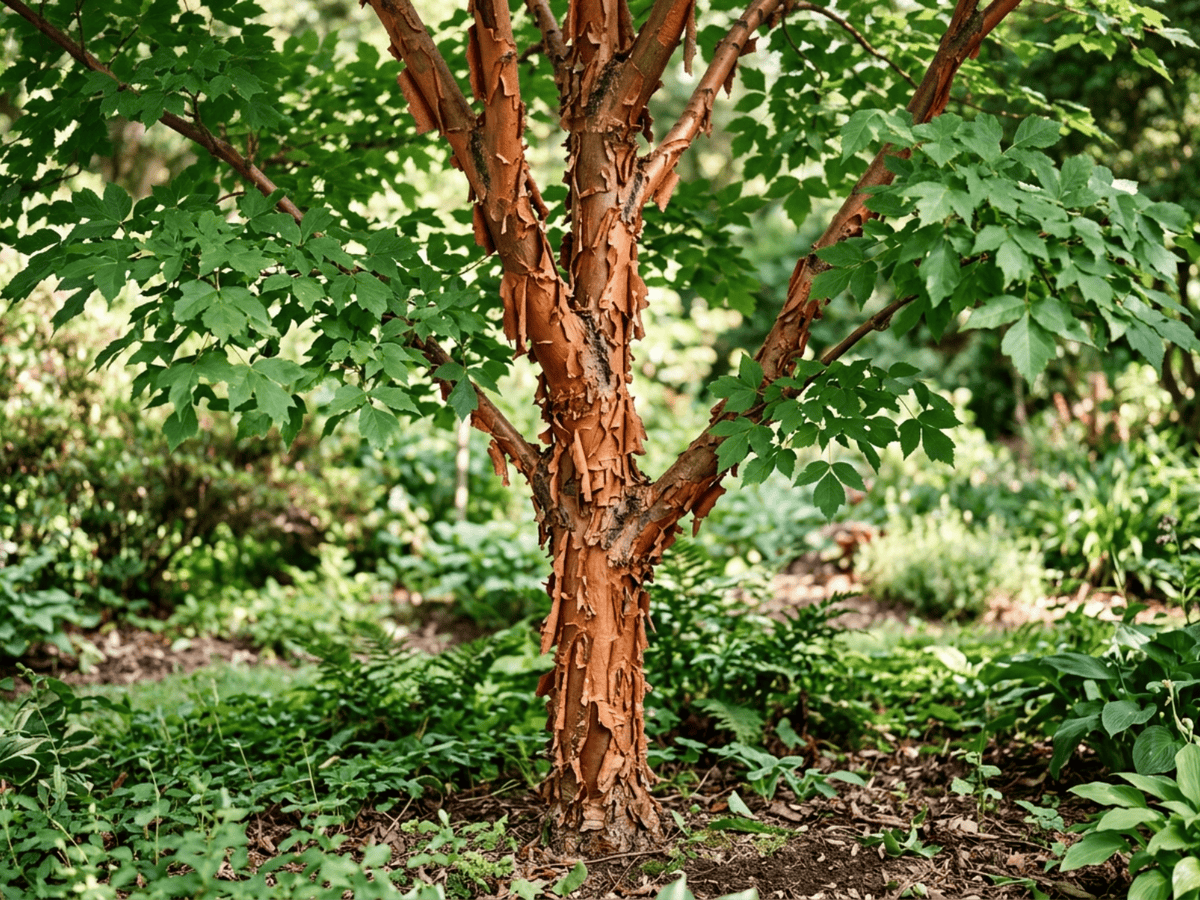 Paperbark MapleAcer griseum
 Sugar MapleAcer saccharum
Frequently asked questions
How often should I water Red Raspberry?
In summer, water about every 2 days; in winter, about every 7 days. Adjust for heat, pot size and drainage.
How much light does Red Raspberry need?
Full sun: 6+ hrs direct. Watch the leaves — scorching or stretching means the light needs adjusting.
Is Red Raspberry toxic to cats or dogs?
Pets Safe (Dogs Safe · Cats Safe) Educational information, not medical or veterinary advice. If exposure is suspected, contact a doctor or veterinarian.
Is Red Raspberry easy to grow?
It is moderately demanding: a good choice once you have a little experience.
When does Red Raspberry bloom?
It typically blooms Mar–May in the Northern Hemisphere.
YardMate
Identify any plant in seconds
Snap a photo — YardMate names the plant, diagnoses problems, and reminds you when to water.
Download on the App Store