 YardMate

Salmonberry
Rubus spectabilis
Easy · Beginner friendlyAbout Salmonberry
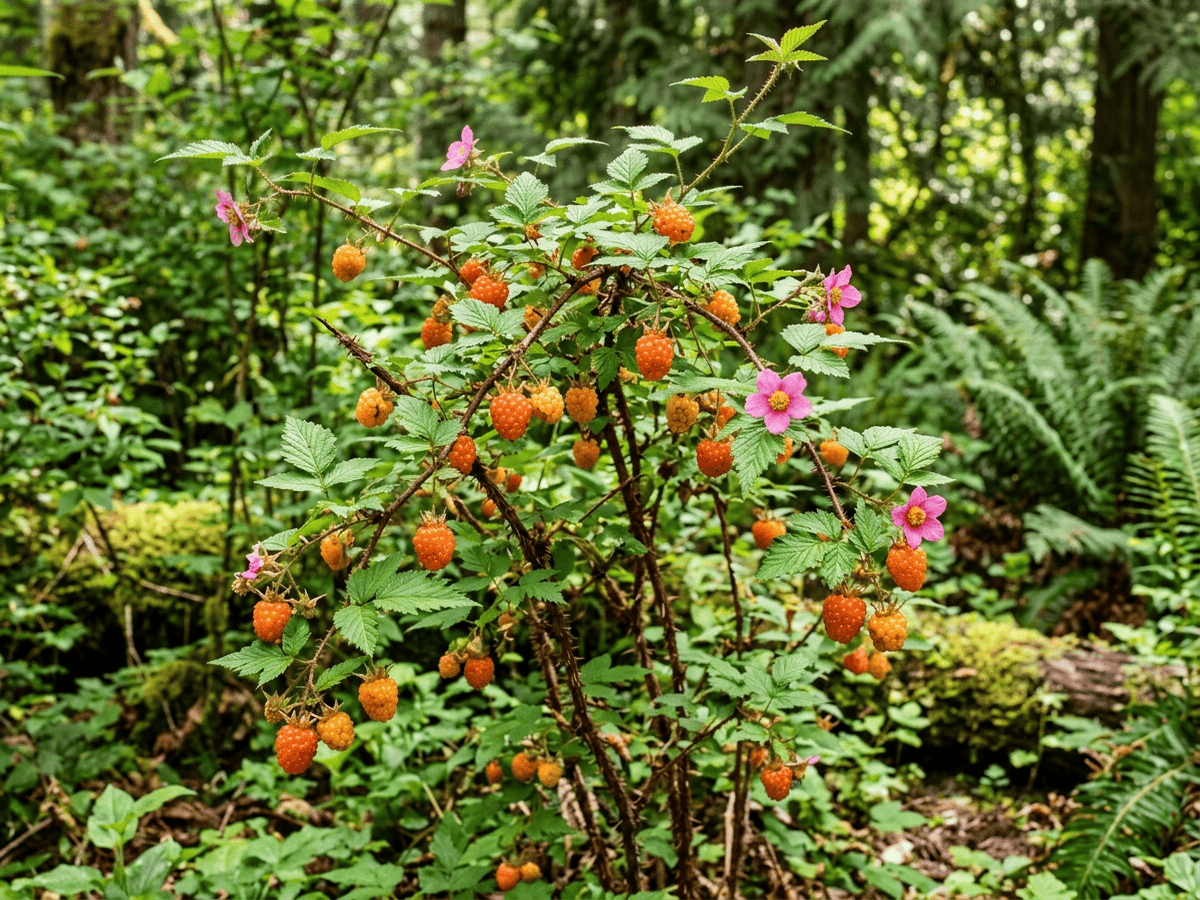
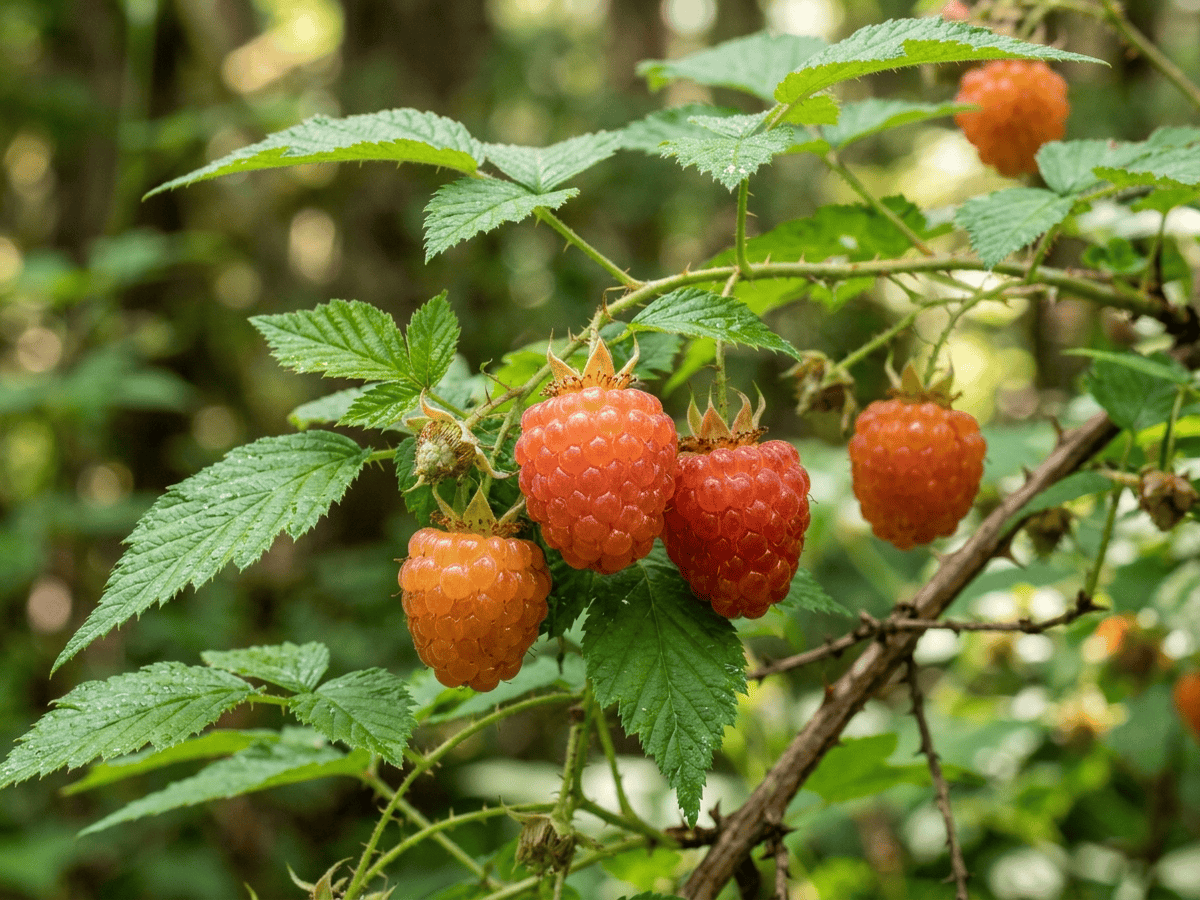
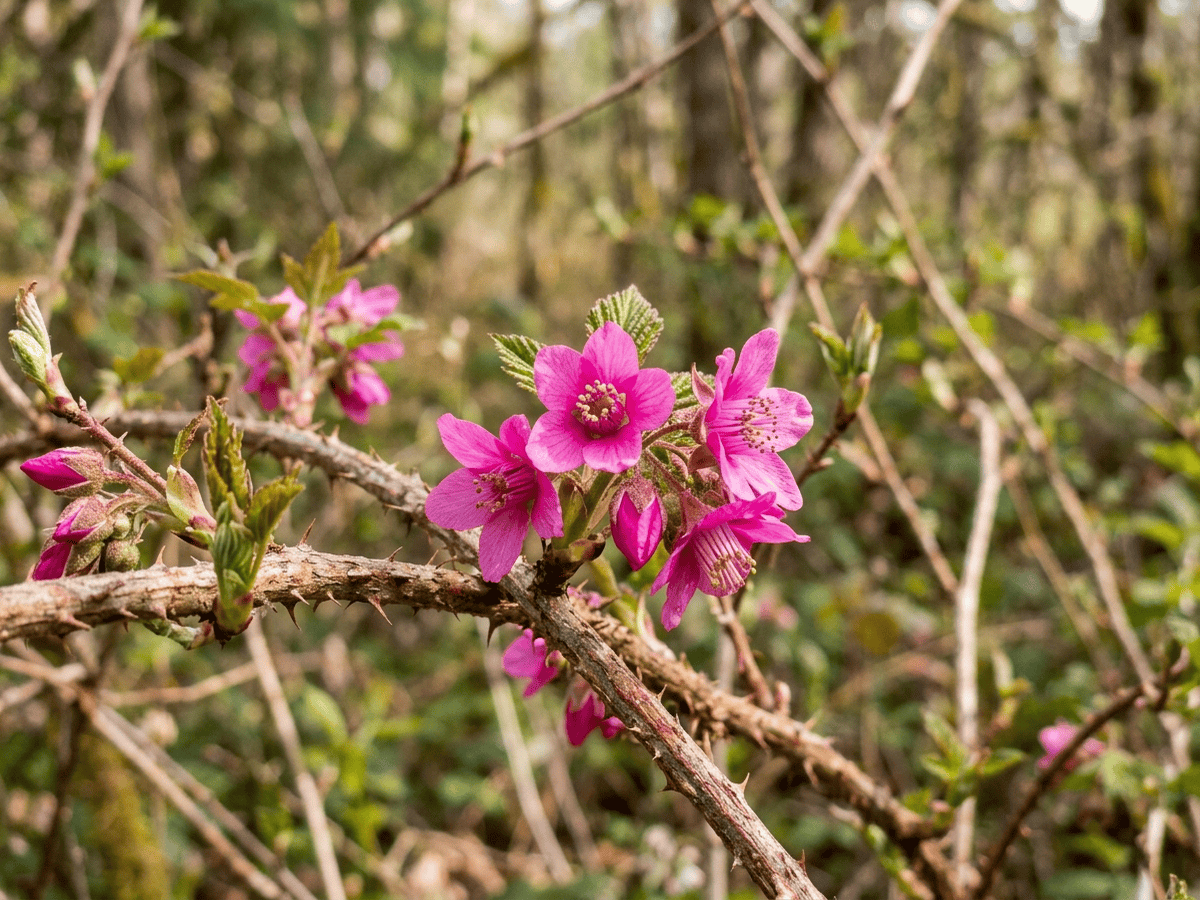
Salmonberry is an iconic deciduous shrub of the Pacific Northwest temperate rainforest, growing from Alaska south to coastal California. Its bright magenta-pink flowers in early spring are among the first nectar sources for returning rufous hummingbirds, and the salmon-orange to red raspberry-like fruits ripen in early summer. Forming dense thickets in moist forests, stream banks, and coastal bluffs, it is deeply tied to Pacific Northwest Indigenous food traditions and is one of the most beloved wild berries of the region.
- Edible
- Native
- Pollinator-friendly
How to care for Salmonberry
Watering
- Springevery 5 days
- Summerevery 4 days
- Fallevery 10 days
- Winterevery 14 days
Soil · Rich & well-draining
- Top dressingCompost10%
- Main mixPotting soil + compost 3:180%
- DrainageGravel10%
Top up the compost layer each season.
FERTILIZER
Balanced Feed 14-14-14
An even feed covers all three needs at once, keeping leaves, roots and blooms moving together with nothing pushed out of balance.
- Nitrogen · Leaves
- Phosphorus · Roots + Blooms
- Potassium · Strength
- Springevery 60 days
At a Glance
- NativeNorth America
- Height6–12 ft (1.8–3.7 m)
- Spread6–12 ft (1.8–3.7 m)
- Flower colorPink, Purple
- Foliage colorGreen, Yellow
- Fruit colorOrange, Red
- SoilLoamy, Moisture-retentive
- LocationsYard
Bloom time
BLOOM CYCLE
Peak bloom
Mar–May
Magenta-pink flowers in early spring
Fragrance
LIGHT FRAGRANCE
Flowers have a light, delicate scent.
Toxicity
No toxicity has been reported for this plant. Still, it is wise to keep pets from chewing on any houseplant.
Educational information, not medical or veterinary advice. If exposure is suspected, contact a doctor or veterinarian.
DISTRIBUTION

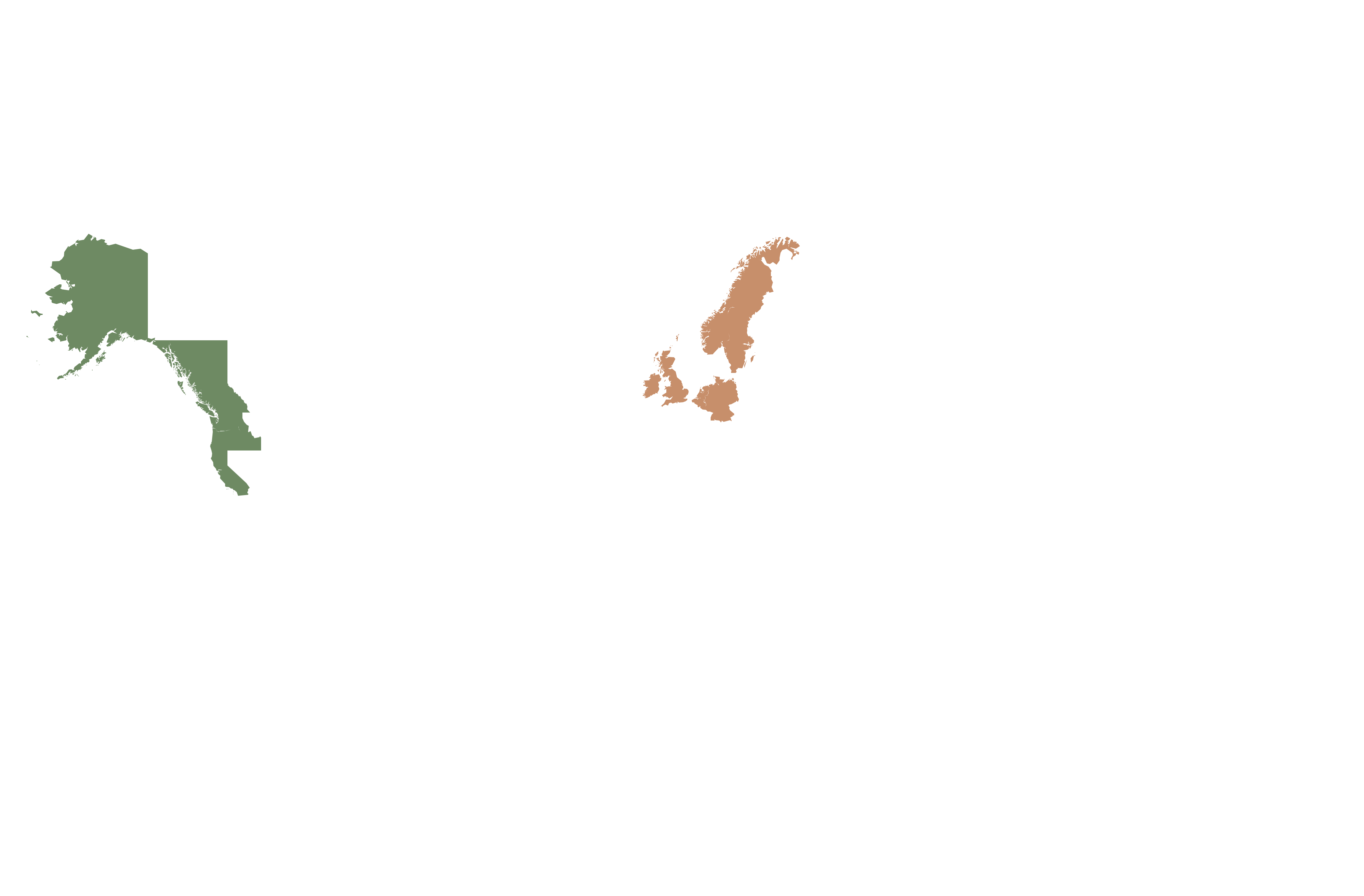
- Native
- Introduced
- North America
History
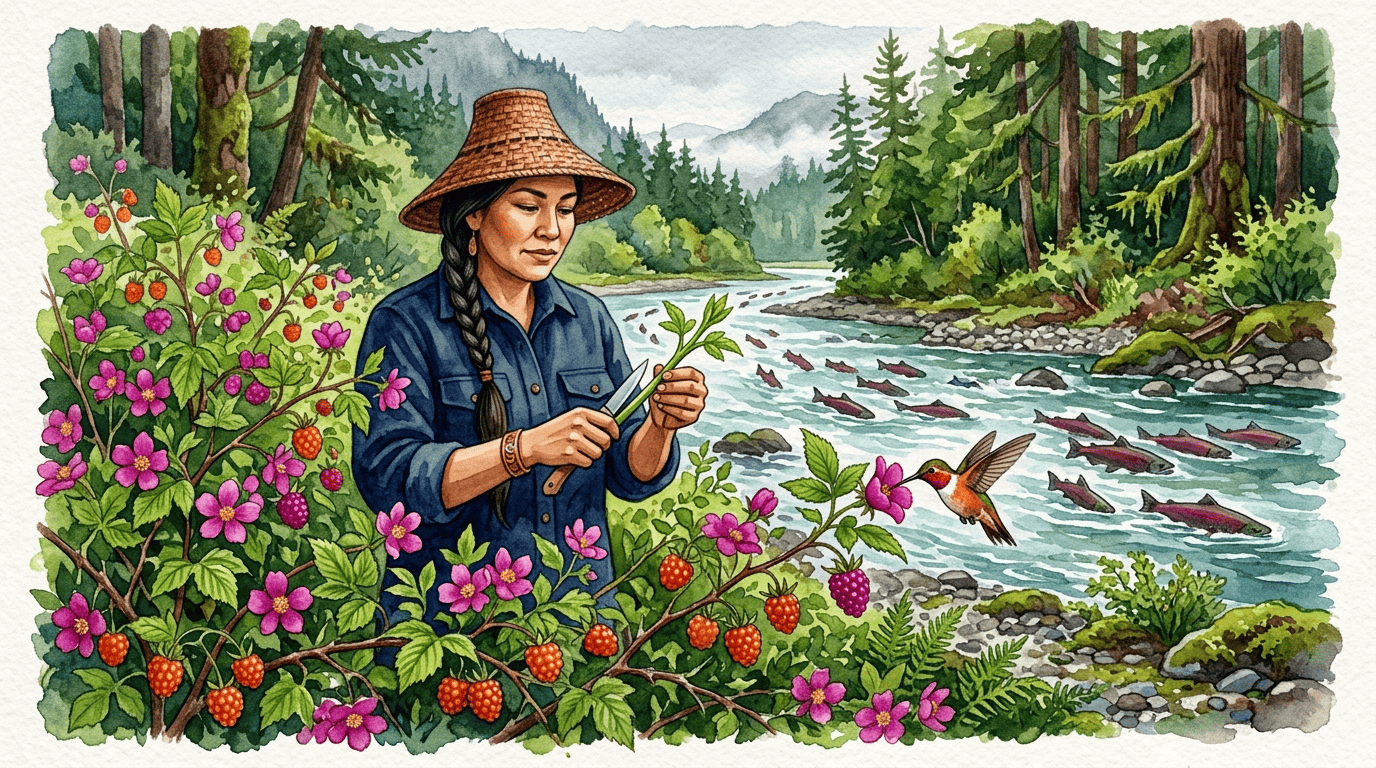
Rubus spectabilis, the salmonberry, is a deciduous bramble native to the Pacific coast of North America from southeast Alaska to northern California, typically in moist forest understories and coastal bluffs. Lewis and Clark described it in 1806 during their winter at Fort Clatsop, and Scottish botanist David Douglas collected specimens in the 1820s. Indigenous peoples of the Pacific Northwest including the Tlingit, Haida, Kwakwaka'wakw, and Salish timed the berry harvest with the arrival of spawning salmon, and the young shoots called salmonberry sprouts were eaten peeled as a spring vegetable.
The shrub's magenta spring flowers feed early hummingbirds, and the salmon to amber berries support songbirds, bears, and gardeners. It spreads aggressively by rhizomes in moist maritime climates.
A foundational food plant of Coast Salish, Tlingit, Haida, and other Pacific Northwest peoples, who ate both the spring shoots and summer berries. The plant's flowering coincides with the return of salmon to coastal rivers, hence its English name. Designated state shrub of Hawaii has no relation; this is purely a Pacific Northwest icon.
Symbolism & meaning
What It Symbolizes
Salmonberry is awakening in the Pacific Northwest — its hot-pink blossoms are the first bright color of coastal spring, opening before the trees have leafed out. Their meaning runs deeper for indigenous peoples of the region: the salmon return, with the salmonberry bloom traditionally coinciding with the year's first salmon runs. The plant marks a coastal calendar far older than any printed one.
- Awakening — first burst of color in Pacific Northwest spring
- Salmon return — blooms when salmon come back to coastal rivers
Where the Name Comes From
'Rubus' is Latin for bramble or blackberry; 'spectabilis' means spectacular, for the showy magenta flowers.
Uses & Fun Facts
- Salmon-orange to red berries eaten fresh or cooked into preserves
- Bright pink flowers feed early hummingbirds in coastal forests
- Pacific Northwest native providing fruit and cover for songbirds
Related plants
More Rubus plants
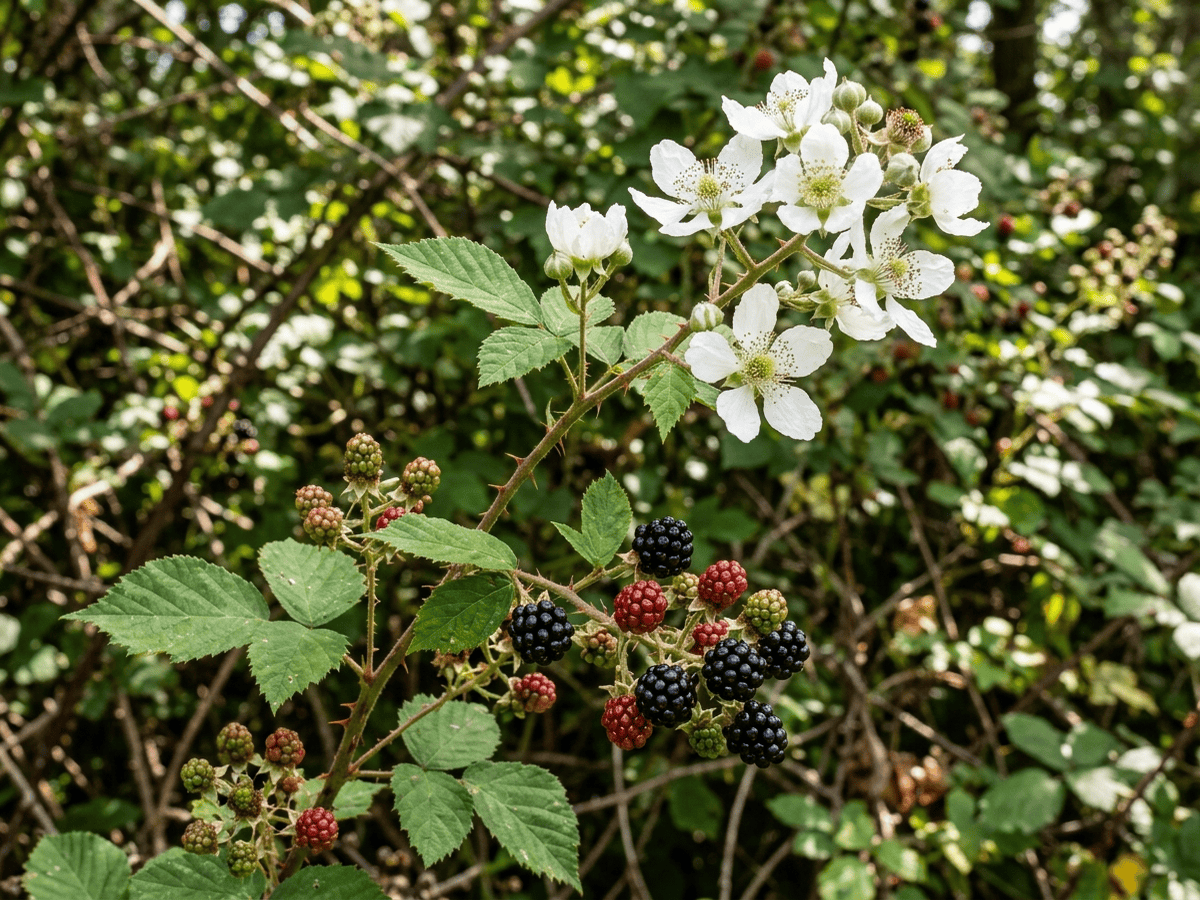 Armenian BlackberryRubus armeniacus
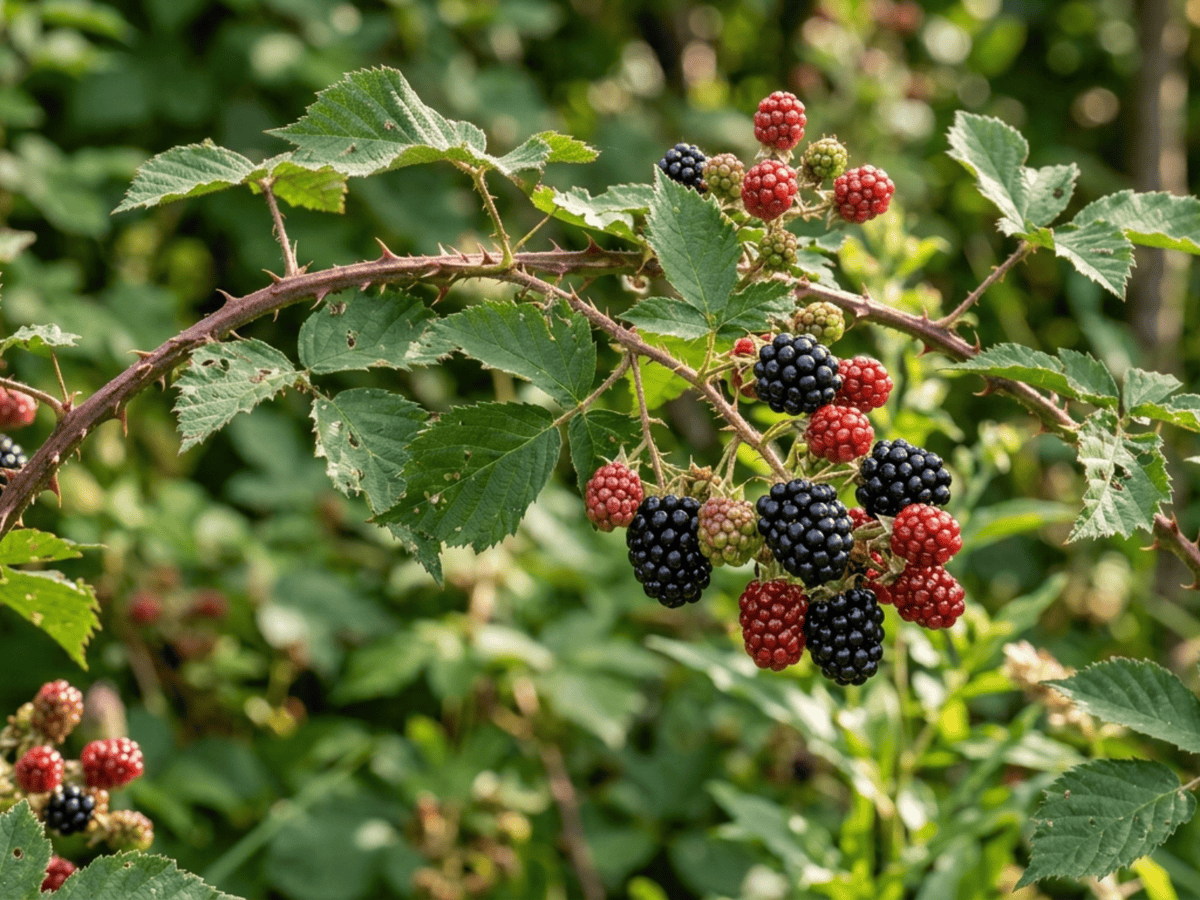 BlackberryRubus fruticosus
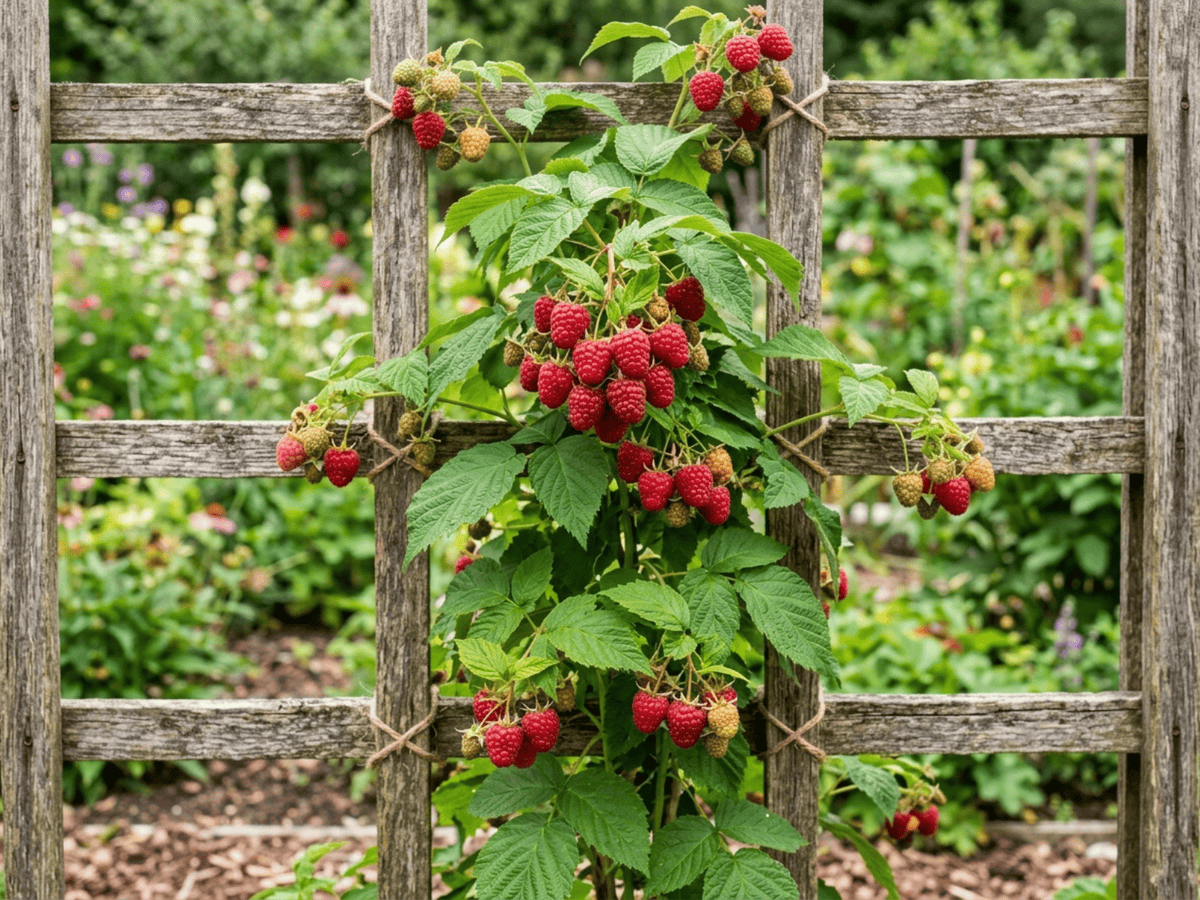 Red RaspberryRubus idaeus
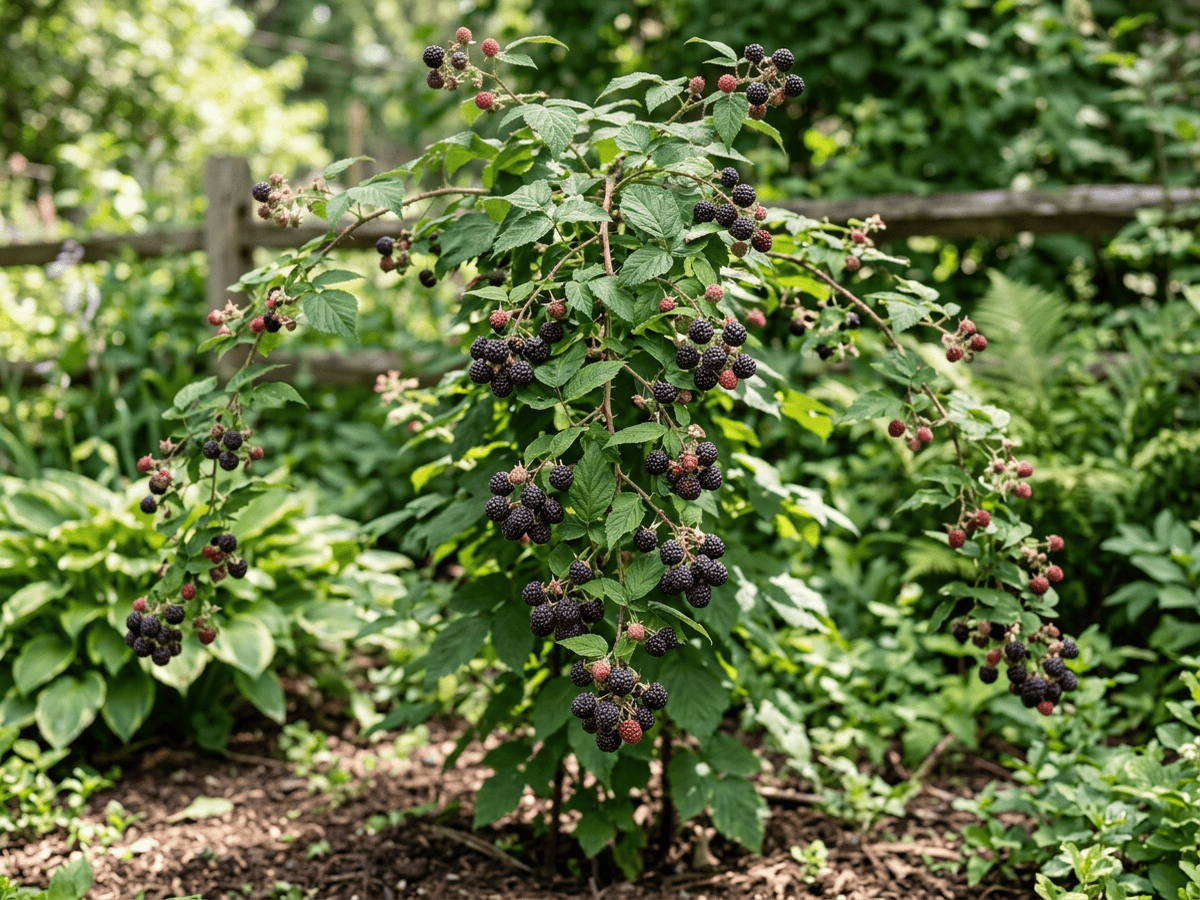 Black RaspberryRubus occidentalis
Plants with similar care
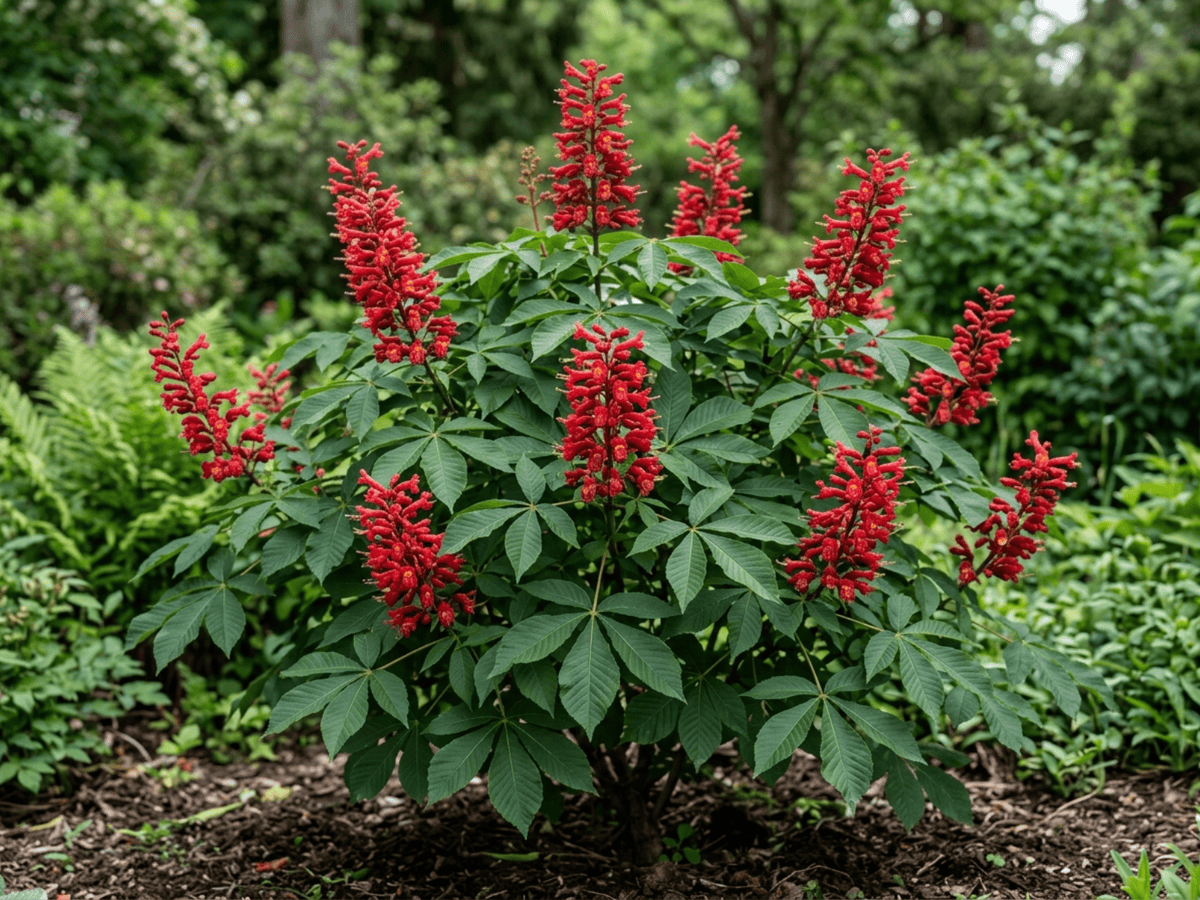 Red BuckeyeAesculus pavia
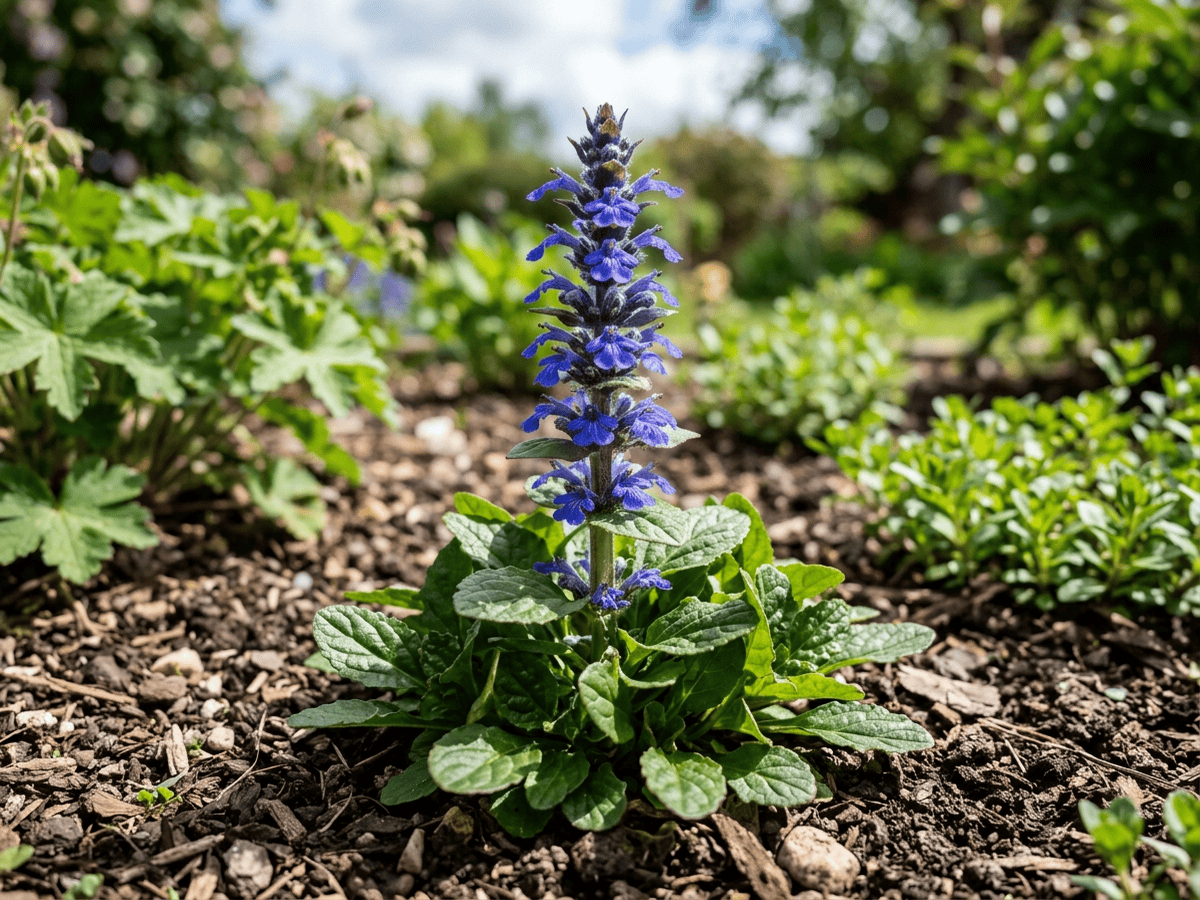 Blue BugleAjuga genevensis
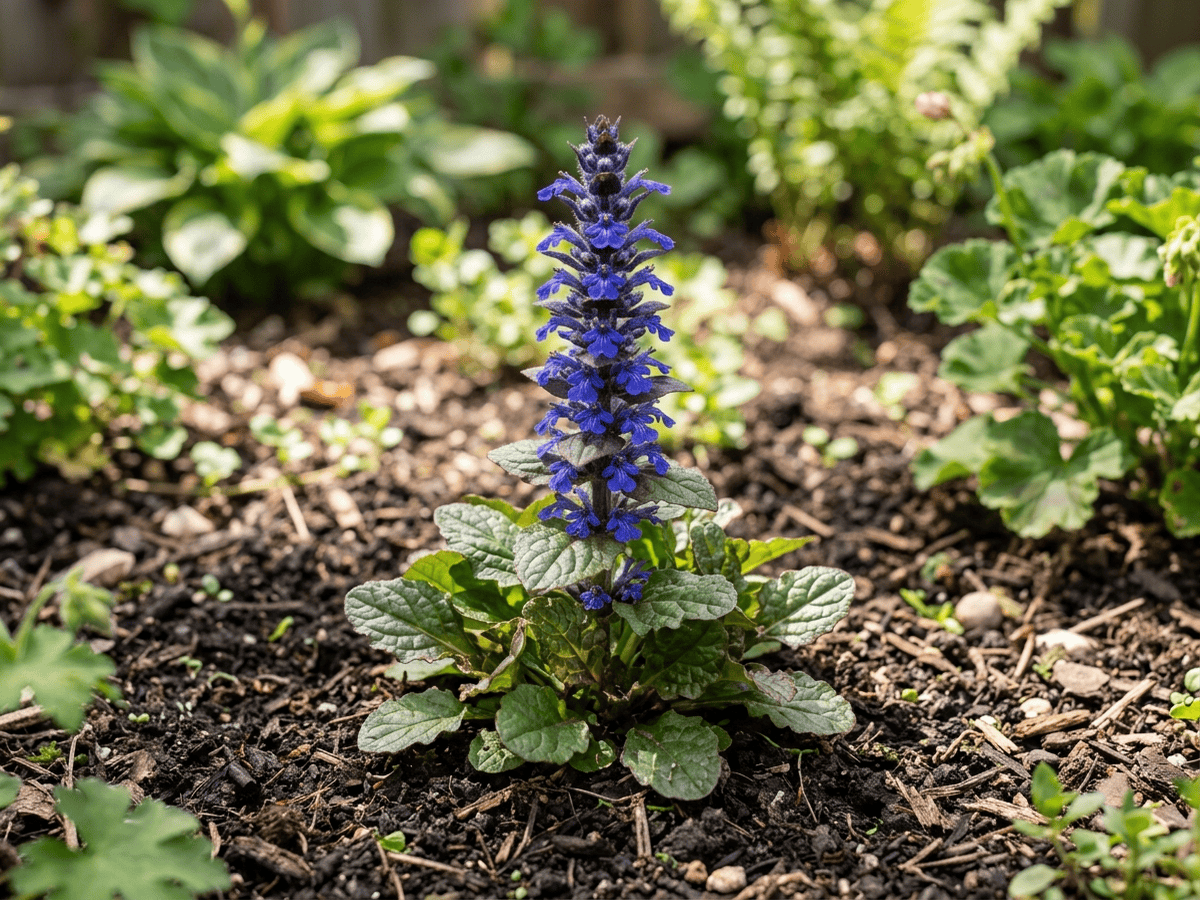 Pyramidal BugleAjuga pyramidalis
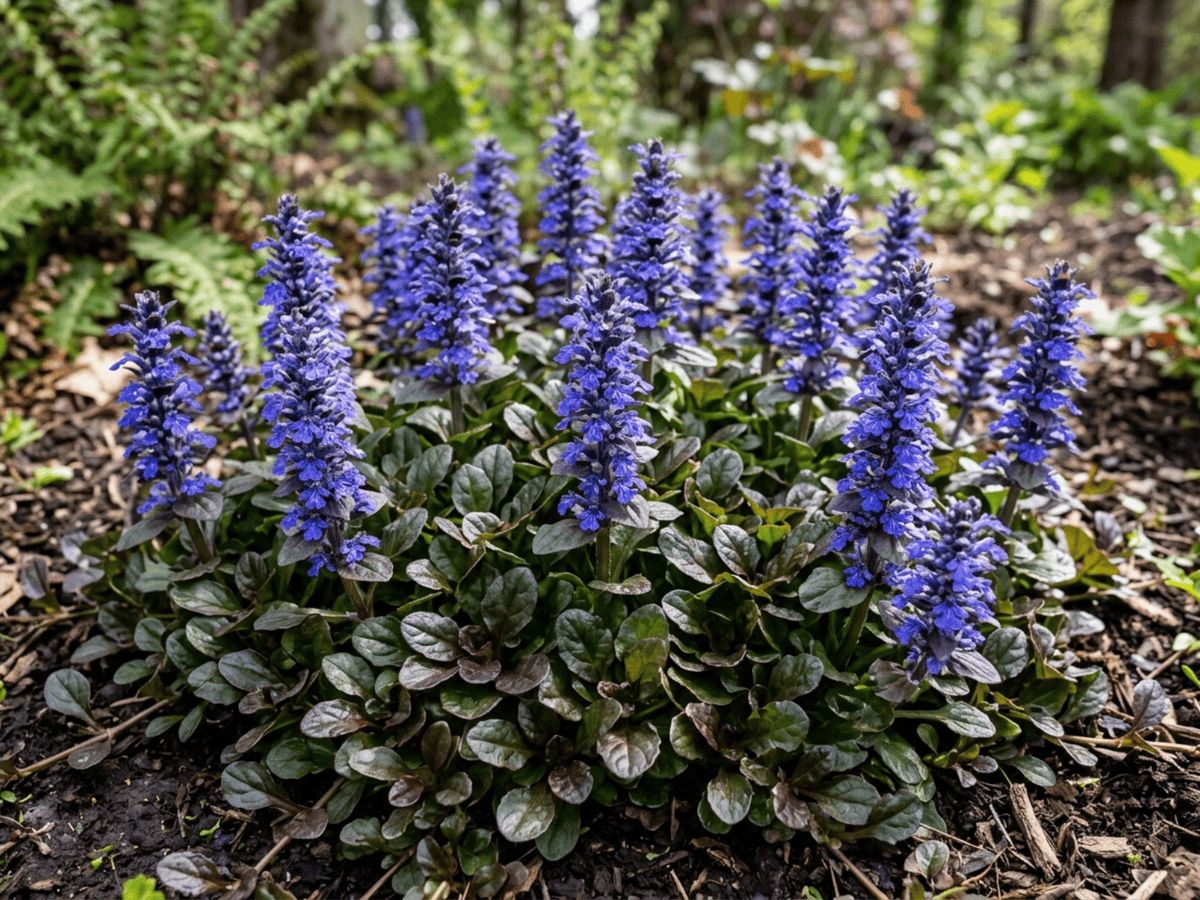 Carpet BugleAjuga reptans
Frequently asked questions
How often should I water Salmonberry?
In summer, water about every 4 days; in winter, about every 14 days. Adjust for heat, pot size and drainage.
How much light does Salmonberry need?
Part shade: 2–4 hrs direct. Watch the leaves — scorching or stretching means the light needs adjusting.
Is Salmonberry toxic to cats or dogs?
No toxicity has been reported for this plant. Still, it is wise to keep pets from chewing on any houseplant. Educational information, not medical or veterinary advice. If exposure is suspected, contact a doctor or veterinarian.
Is Salmonberry easy to grow?
Yes — it is considered an easy, beginner-friendly plant.
When does Salmonberry bloom?
It typically blooms Mar–May in the Northern Hemisphere.
YardMate
Identify any plant in seconds
Snap a photo — YardMate names the plant, diagnoses problems, and reminds you when to water.
Download on the App Store