 YardMate


Black Raspberry
Rubus occidentalis
Easy · Beginner friendlyAbout Black Raspberry
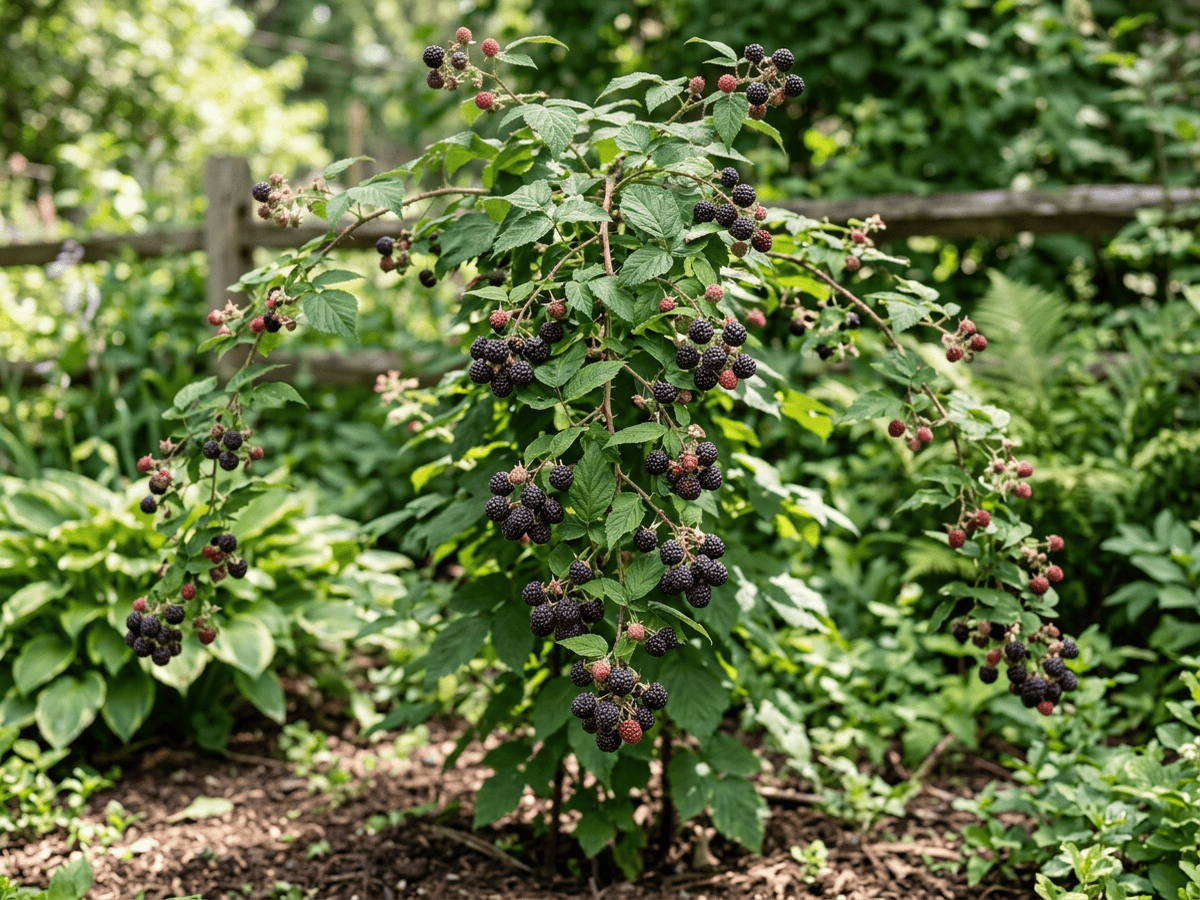
Black Raspberry or Black Cap is an Eastern North American native bramble reaching 4-6 feet tall, with arching purple-blue stems and compound green leaves with silver undersides. Produces clusters of small intensely flavored sweet-tart black raspberries in early summer that are richer and more aromatic than red raspberries. A treasured native fruit crop in the Midwest and Mid-Atlantic, increasingly planted in American backyard food forests and native edible landscapes.
- Edible
- Native
How to care for Black Raspberry
Watering
- Springevery 5 days
- Summerevery 4 days
- Fallevery 10 days
- Winterevery 14 days
Soil · Rich & well-draining
- Top dressingCompost10%
- Main mixPotting soil + compost 3:180%
- DrainageGravel10%
Top up the compost layer each season.
FERTILIZER
Balanced Feed 14-14-14
An even feed covers all three needs at once, keeping leaves, roots and blooms moving together with nothing pushed out of balance.
- Nitrogen · Leaves
- Phosphorus · Roots + Blooms
- Potassium · Strength
- Springevery 30 days
- Summerevery 45 days
At a Glance
- NativeNorth America
- Height3–8 ft (0.9–2.4 m)
- Spread3–6 ft (0.9–1.8 m)
- Flower colorWhite
- Foliage colorGreen
- Fruit colorBlack
- SoilLoamy, Well-drained, Acidic
- LocationsYard
Bloom time
BLOOM CYCLE
Peak bloom
May–Jun
Small white flowers in late spring
Fragrance
LIGHT FRAGRANCE
Flowers are lightly scented; ripe fruit has a mild berry aroma.
Toxicity
No toxicity has been reported for this plant. Still, it is wise to keep pets from chewing on any houseplant.
Educational information, not medical or veterinary advice. If exposure is suspected, contact a doctor or veterinarian.
DISTRIBUTION


- Native
- Introduced
- North America
History
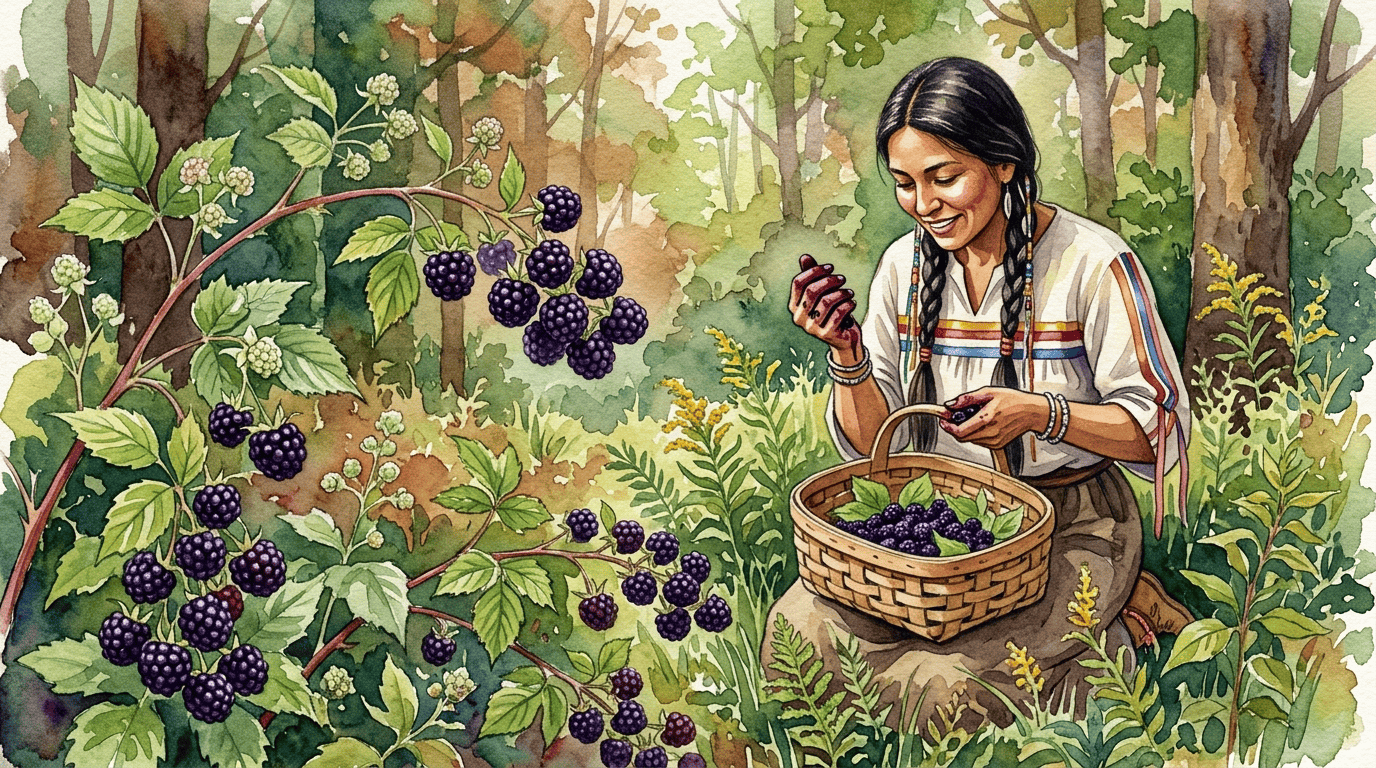
Rubus occidentalis, the black raspberry or blackcap, is native to eastern and central North America. Indigenous nations harvested the berries for fresh eating, drying, and as a pigment; Cherokee and Iroquois also used the roots and leaves medicinally for diarrhea and sore throats. European colonists encountered the plant in the 1600s, and by the mid-1800s American nurserymen such as Nicholas Hallock had selected improved cultivars including Ohio Everbearer.
Ohio became a major production center by 1900, though fungal diseases later curtailed commercial acreage. Modern interest has renewed with research into the fruit's exceptional anthocyanin and ellagic acid content, which studies link to anticancer activity.
Home gardeners across the eastern United States continue to cultivate heirloom and improved selections. The Pacific Northwest 'Munger' cultivar drove much of the small commercial industry, but the species is now most prized as a heritage native crop.
Symbolism & meaning
What It Symbolizes
Black Raspberry can symbolize heritage, a treasured native fruit of the American Midwest gathered for generations from farm fence rows and old logging roads. Another layer is vitality, for it has the highest antioxidant content of any common berry, a small dark fruit packed with protective pigments. To grow rubus occidentalis is to keep a thread of regional foodways alive in the kitchen garden, a berry whose cultural memory is as deep as its flavor.
- Heritage — treasured native fruit of the American Midwest
- Vitality — highest antioxidant content of any berry
Where the Name Comes From
'Rubus' is the classical Latin name for bramble; 'occidentalis' means western, distinguishing it from European raspberry.
Uses & Fun Facts
- Black raspberries eaten fresh and made into preserves
- Berries and thicket cover feed songbirds and small mammals
Related plants
More Rubus plants
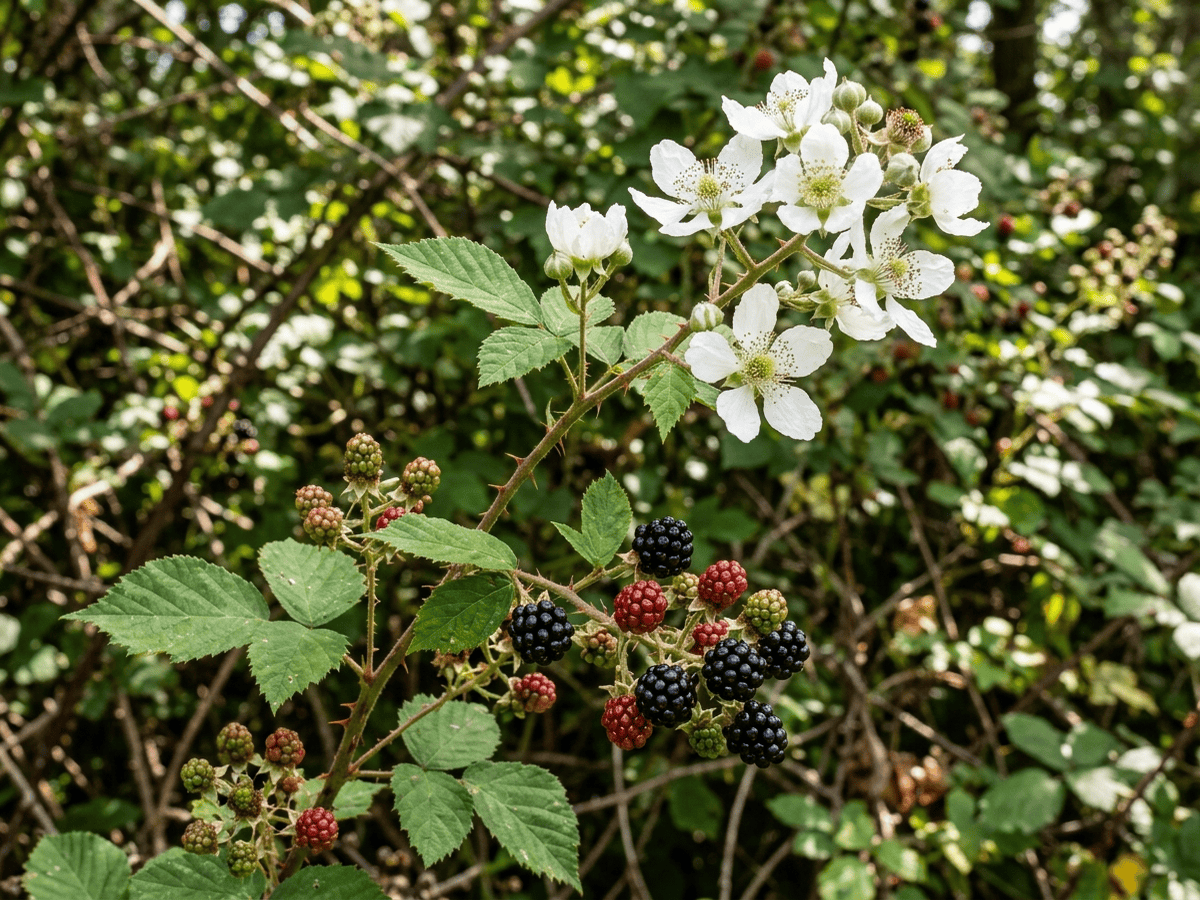 Armenian BlackberryRubus armeniacus
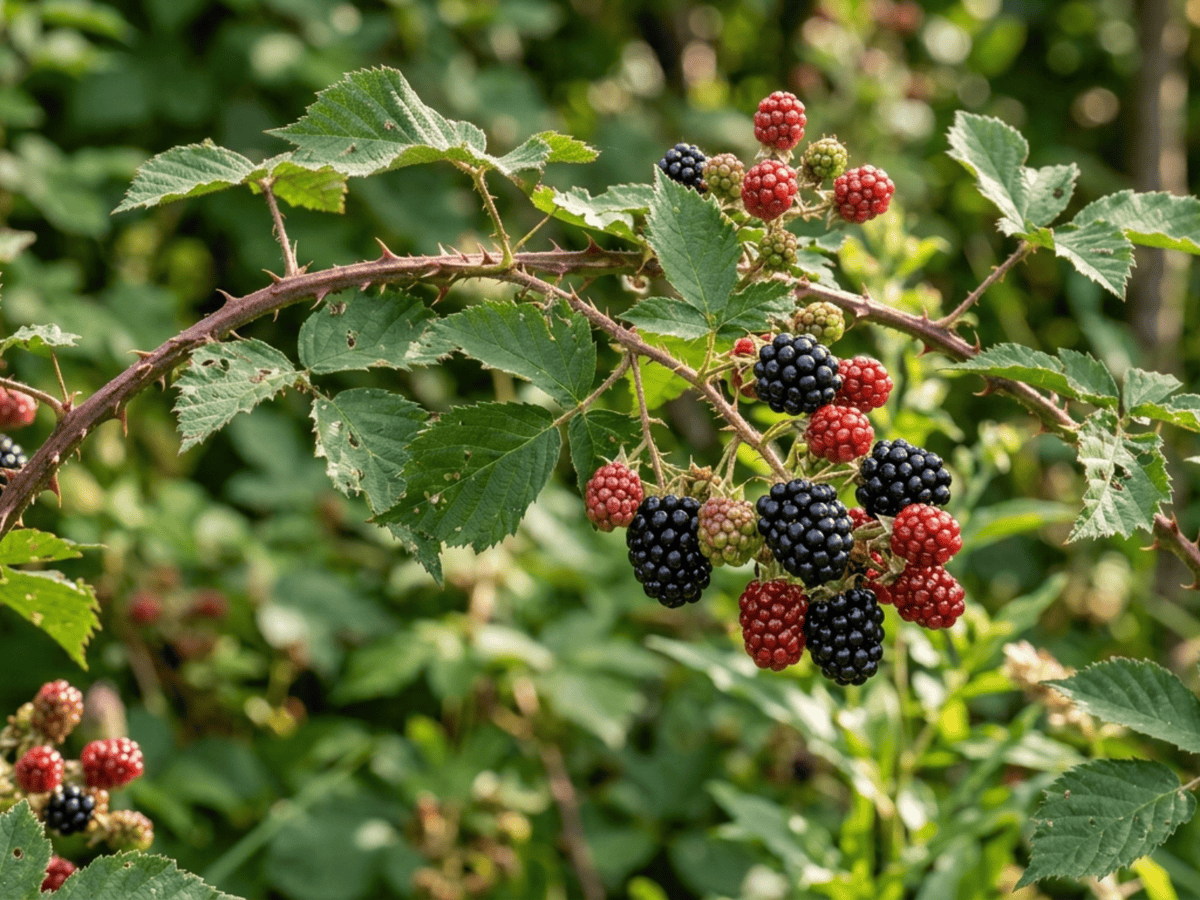 BlackberryRubus fruticosus
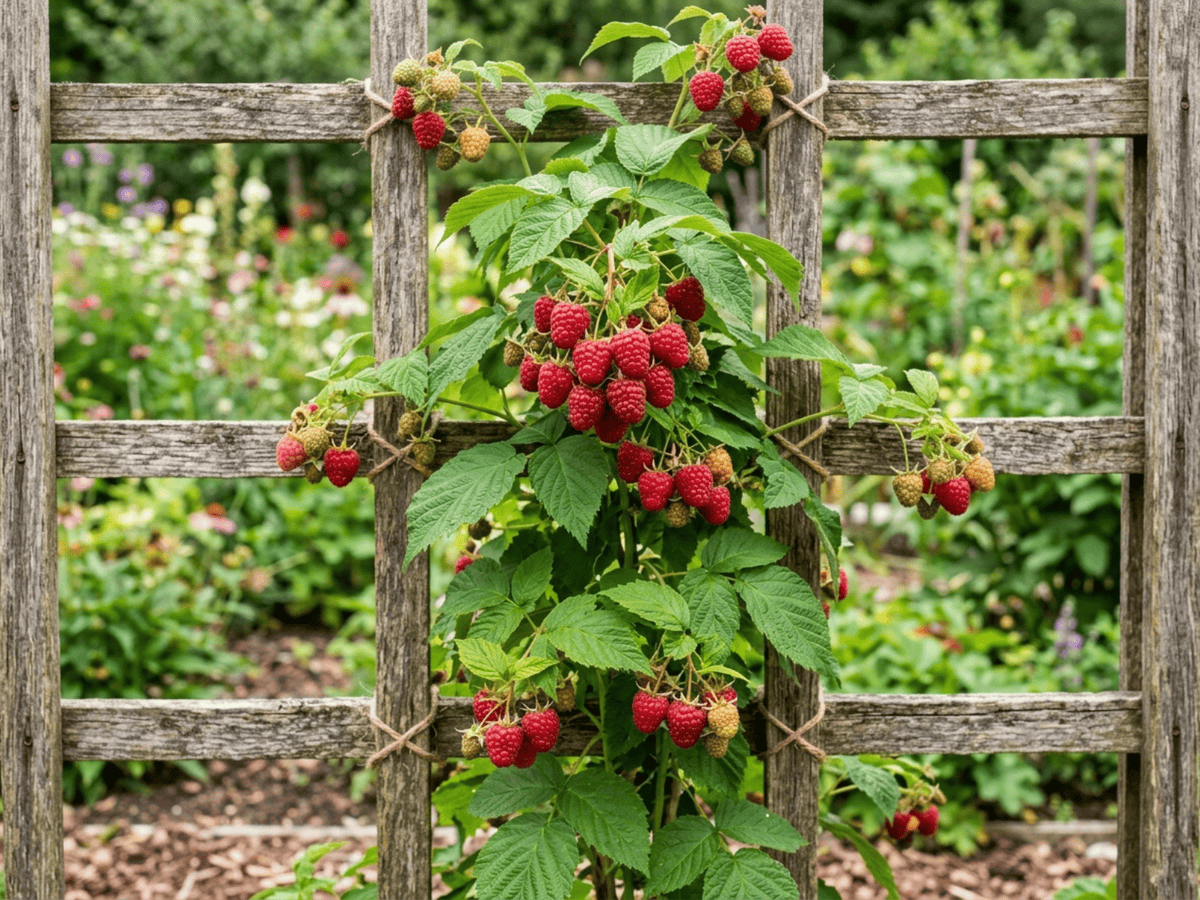 Red RaspberryRubus idaeus
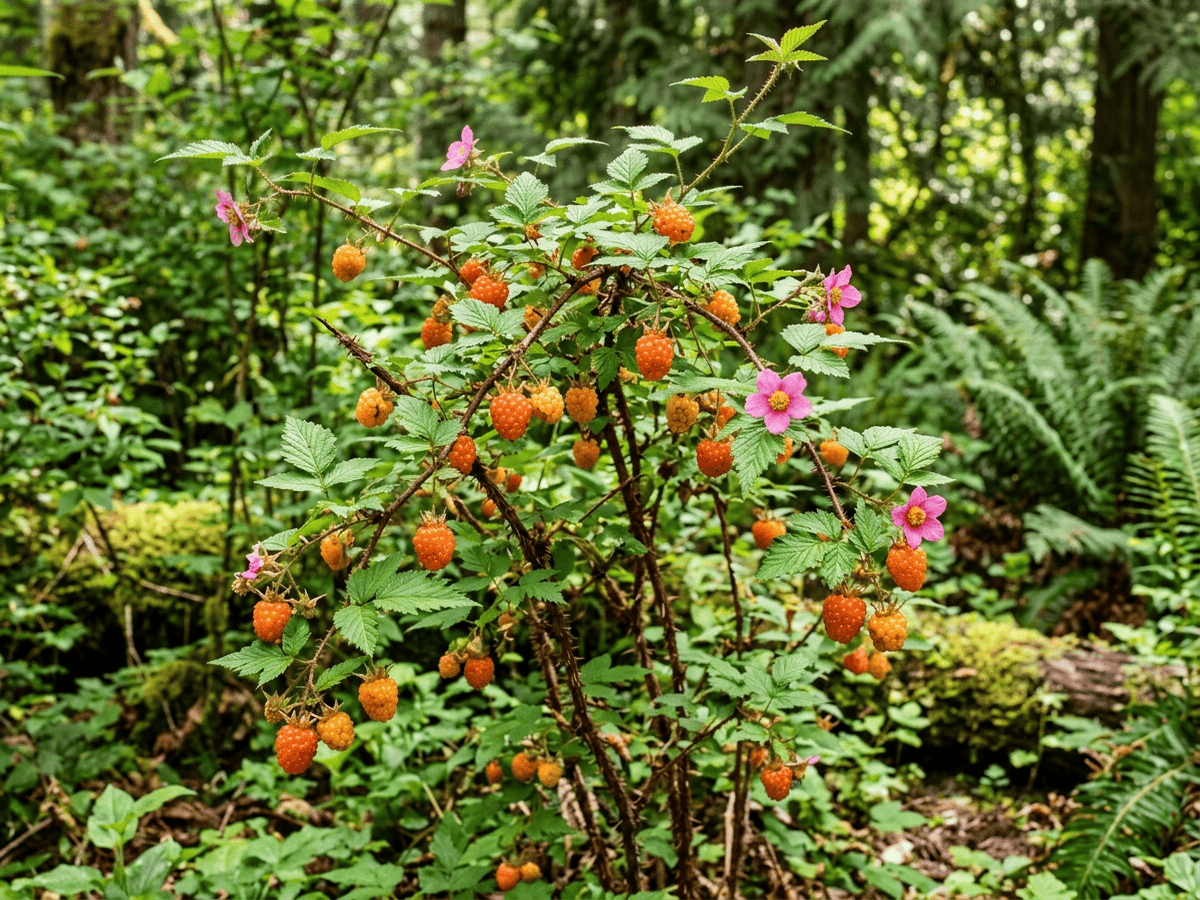 SalmonberryRubus spectabilis
Plants with similar care
 Chinese AbeliaAbelia chinensis
 Fragrant AbeliaAbelia mosanensis
 Large-Flowered AbeliaAbelia uniflora
 Glossy AbeliaAbelia x grandiflora
Frequently asked questions
How often should I water Black Raspberry?
In summer, water about every 4 days; in winter, about every 14 days. Adjust for heat, pot size and drainage.
How much light does Black Raspberry need?
Full sun: 6+ hrs direct. Watch the leaves — scorching or stretching means the light needs adjusting.
Is Black Raspberry toxic to cats or dogs?
No toxicity has been reported for this plant. Still, it is wise to keep pets from chewing on any houseplant. Educational information, not medical or veterinary advice. If exposure is suspected, contact a doctor or veterinarian.
Is Black Raspberry easy to grow?
Yes — it is considered an easy, beginner-friendly plant.
When does Black Raspberry bloom?
It typically blooms May–Jun in the Northern Hemisphere.
YardMate
Identify any plant in seconds
Snap a photo — YardMate names the plant, diagnoses problems, and reminds you when to water.
Download on the App Store