 YardMate

White Sage
Salvia apiana
Medium · Some experienceAbout White Sage
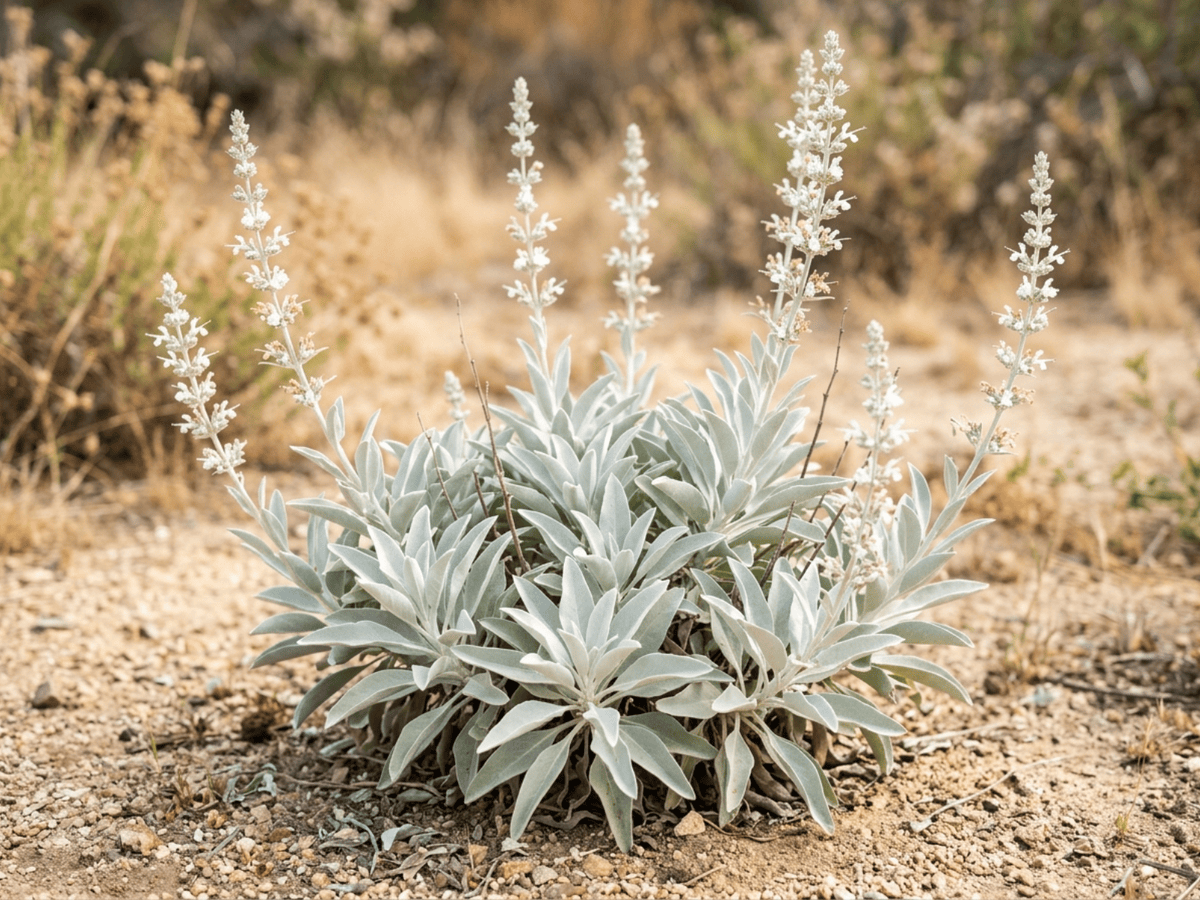
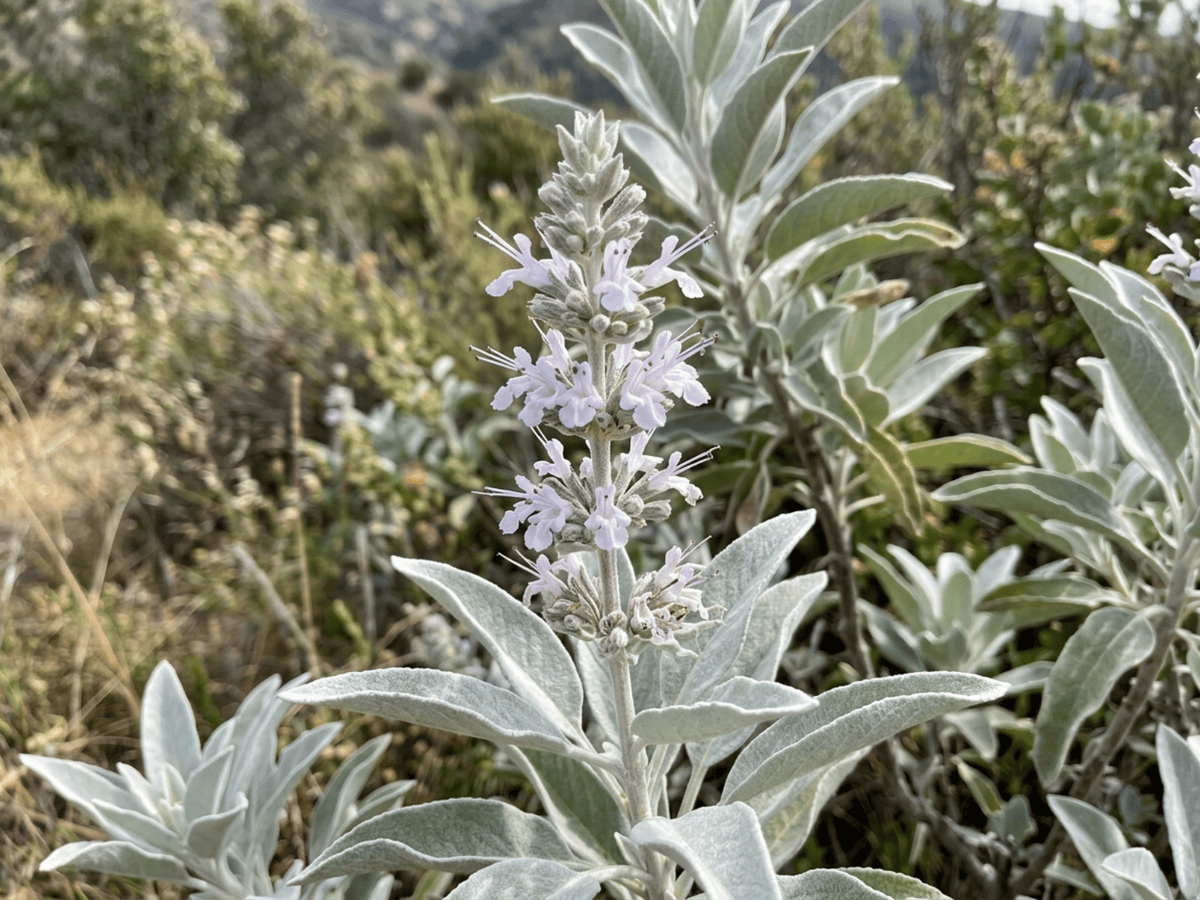
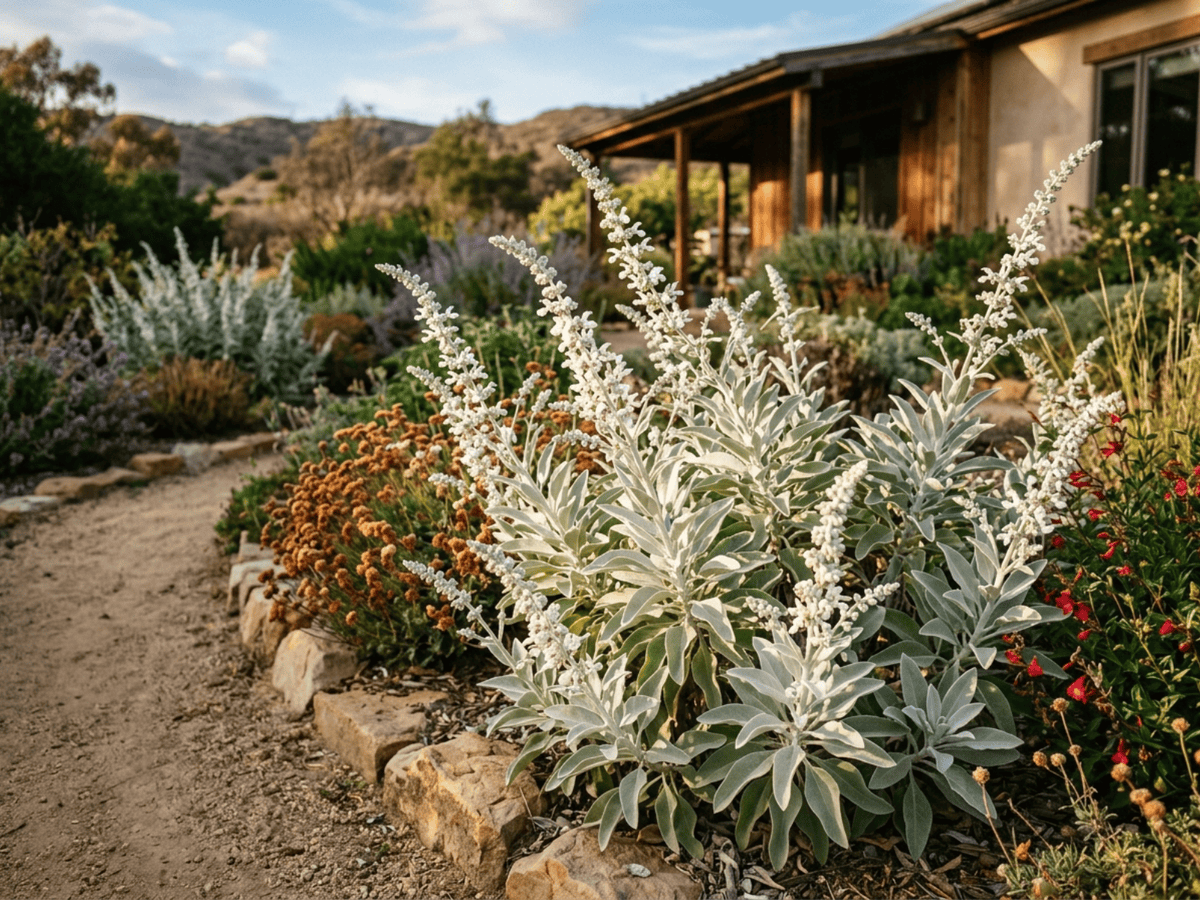
Salvia apiana, white sage, is a silvery evergreen shrub of Southern California chaparral and coastal sage scrub. Felty pale leaves reflect heat and release a powerful resinous fragrance, while tall flower stalks carry white to lavender-tinted blooms that feed bees and hummingbirds. The plant is sacred to many Indigenous Californian communities, and commercial wild harvesting for smudge bundles has placed real pressure on wild populations. Garden cultivation can reduce that pressure when it is done with cultural respect and ecological awareness. White sage wants sun, sharp drainage, dry summers, and little fertilizer. In the right climate it becomes both a habitat plant and a reminder that plants can be culturally alive, not merely decorative.
- Fragrant
- Drought-tolerant
- Evergreen
- Native
How to care for White Sage
Watering
- Springevery 14 days
- Summerevery 21 days
- Fallevery 30 days
- Winterpause watering
Soil · Well-draining
- Top dressingPine bark mulch10%
- Main mixPotting soil + perlite 2:170%
- DrainageLECA / gravel20%
Never skip the drainage layer — standing water is the top cause of root rot.
FERTILIZER
This plant needs little to no feeding.
At a Glance
- NativeNorth America
- Height3–5 ft (0.9–1.5 m)
- Spread3–5 ft (0.9–1.5 m)
- Flower colorWhite, Purple
- Foliage colorSilver, Variegated, Green
- SoilSandy, Well-drained
- LocationsYard
Bloom time
BLOOM CYCLE
Peak bloom
Apr–Jul
White flowers on tall spikes April to July
Fragrance
STRONG FRAGRANCE
Distinctive camphor-sage fragrance, stronger and more pungent than culinary sage.
Toxicity
No toxicity has been reported for this plant. Still, it is wise to keep pets from chewing on any houseplant.
Educational information, not medical or veterinary advice. If exposure is suspected, contact a doctor or veterinarian.
DISTRIBUTION


- Native
- North America
History
Salvia apiana is native to coastal sage scrub and chaparral of Southern California — Santa Barbara County south through Ventura, Los Angeles, Orange, San Diego, and Riverside Counties — and northern Baja California, Mexico. The species epithet "apiana" means "of bees" — the flowers are particularly attractive to native and honey bees, and regional beekeepers produce a distinctive white sage honey from plants in good bloom years. It is a larger erect evergreen shrub 1-2 meters tall with very distinctive silvery-white tomentose leaves 4-10 cm long with a strong aromatic camphor-sage fragrance, and tall 1.5-2 meter flower spikes bearing small white (sometimes pale lavender) flowers.
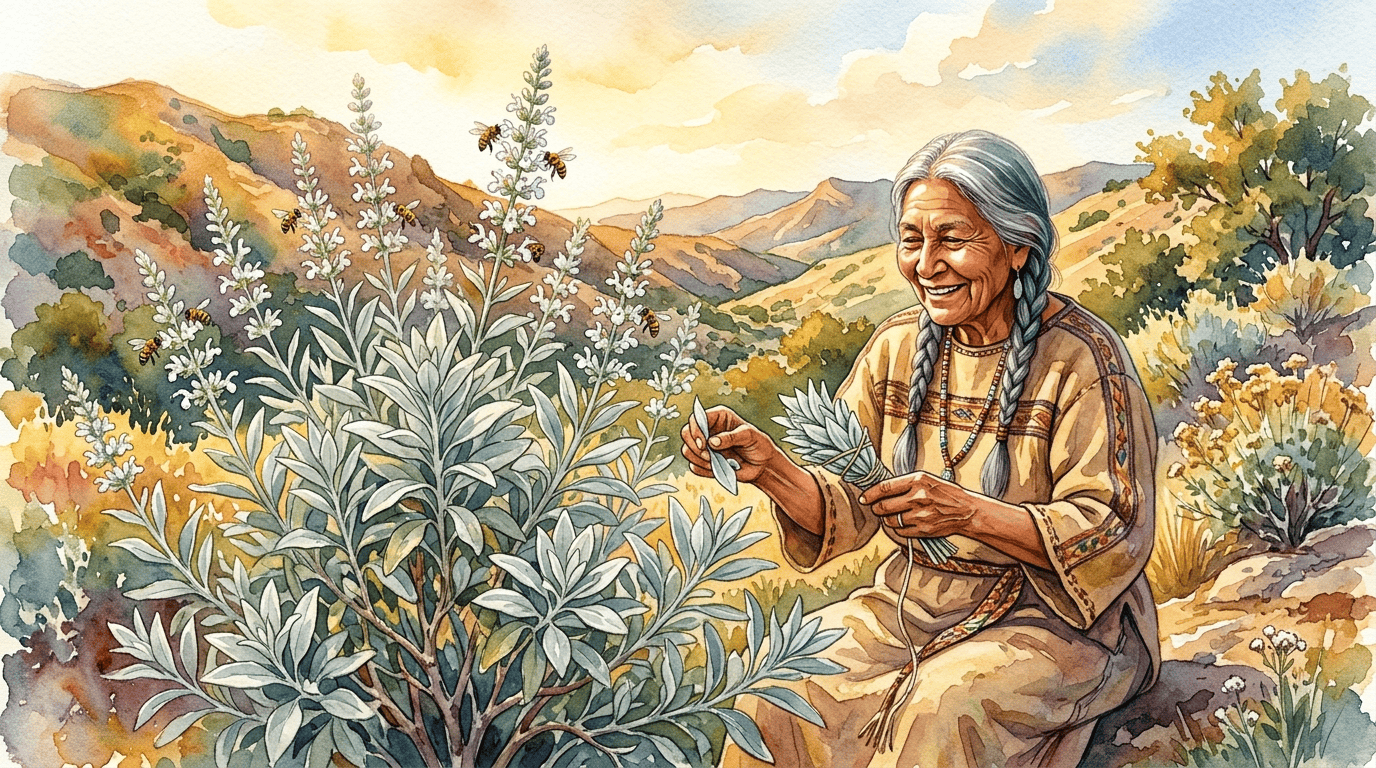
The species holds deep ceremonial and medicinal significance for many California Indigenous peoples — including the Chumash (Santa Barbara area), Tongva/Gabrielino (Los Angeles basin), Kumeyaay (San Diego County), and Cahuilla (inland Southern California) — who have used dried leaves in ceremonial smudging (burning for ritual purification), spiritual medicine, and traditional seasonal foods. In the late 20th and 21st centuries, the rise of the commercial non-Indigenous "smudging" wellness market has created massive commercial demand for wild-harvested white sage smudge sticks; poorly-regulated commercial wildcrafting across Southern California has produced severe wild population decline, and incidents of commercial poachers stripping public lands of plants have been documented annually.
Several California Indigenous nations — notably through the California Indian Basketweavers Association and similar cultural organizations — have formally requested that non-Indigenous consumers avoid buying commercially-harvested white sage and recommend growing one's own from cultivated nursery stock. The burning of white sage (smudging) is a deeply traditional practice. Wild populations now face significant threat from illegal commercial harvesting—growing your own is the most ethical source.
Symbolism & meaning
What It Symbolizes
White Sage is a flower of Purification — bundled and burned in cleansing ceremonies by many Indigenous peoples of Southern California, its smoke carrying intentions and prayers. It is also Sacred to Chumash, Tongva, and Cahuilla communities, who continue traditional, careful harvests. To grow it respectfully is to remember that some plants are not merely ornamental but ceremonial.
- Purification — traditional cleansing herb in Indigenous ceremony
- Sacred — revered plant of Southern California tribes
Where the Name Comes From
'White sage' refers to the pale, aromatic leaves long valued in the American Southwest. Apiana comes from Latin 'apis', bee, a nod to the plant's extraordinary draw for bees.
Uses & Fun Facts
- Aromatic silver leaves bundled and burned as smudge sticks
- Sacred ceremonial herb for many Indigenous Californian peoples
- White flower spikes feed native bees and hummingbirds
- Used traditionally for cleansing and respiratory support
Related plants
More Salvia plants
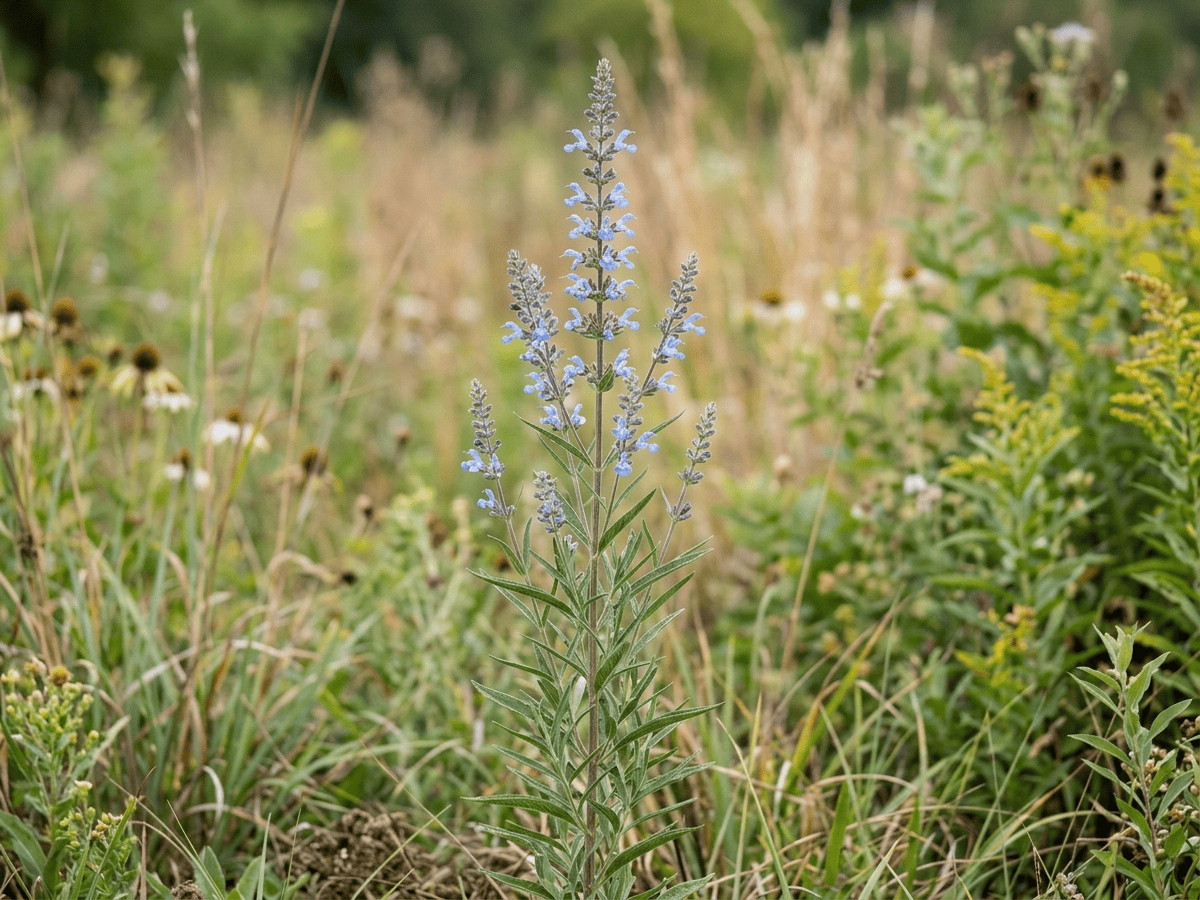 Giant Blue SageSalvia azurea
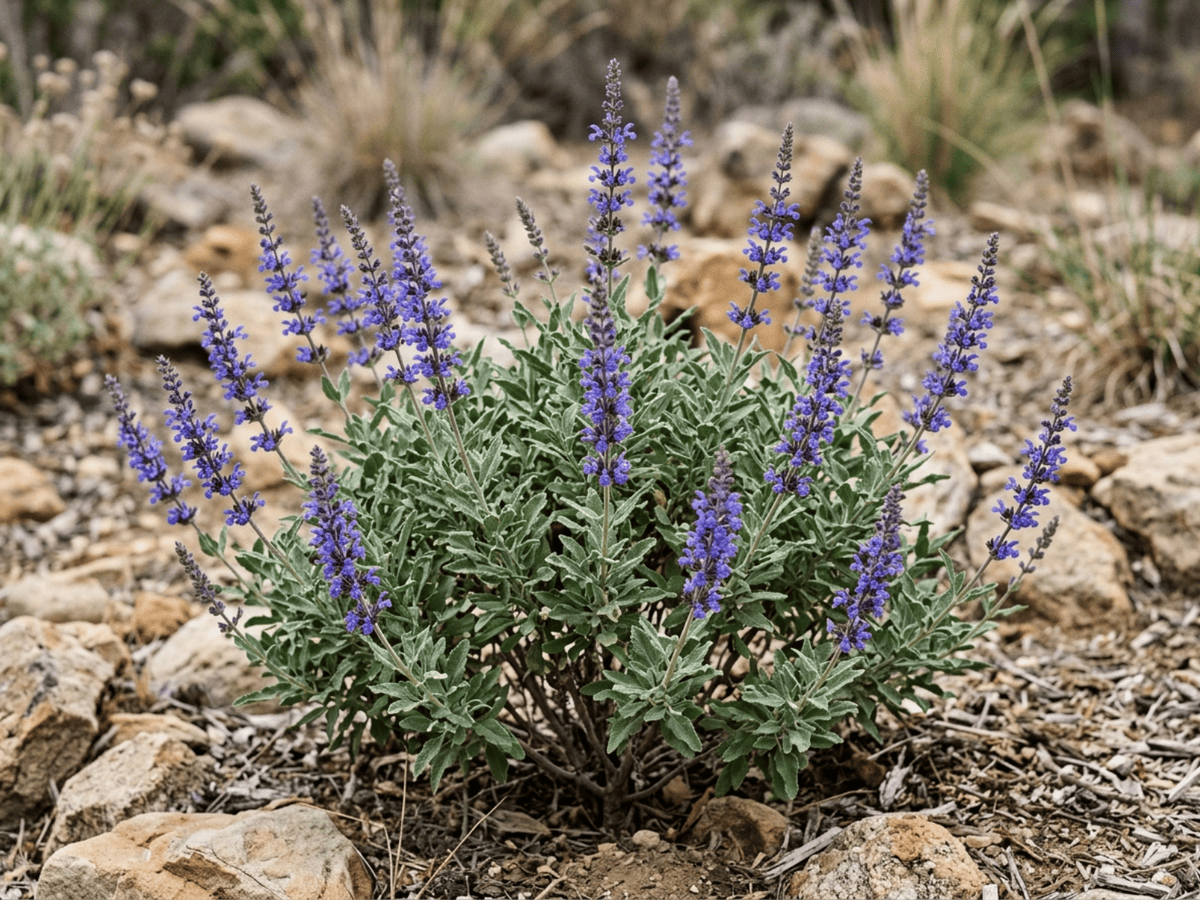 Cleveland SageSalvia clevelandii
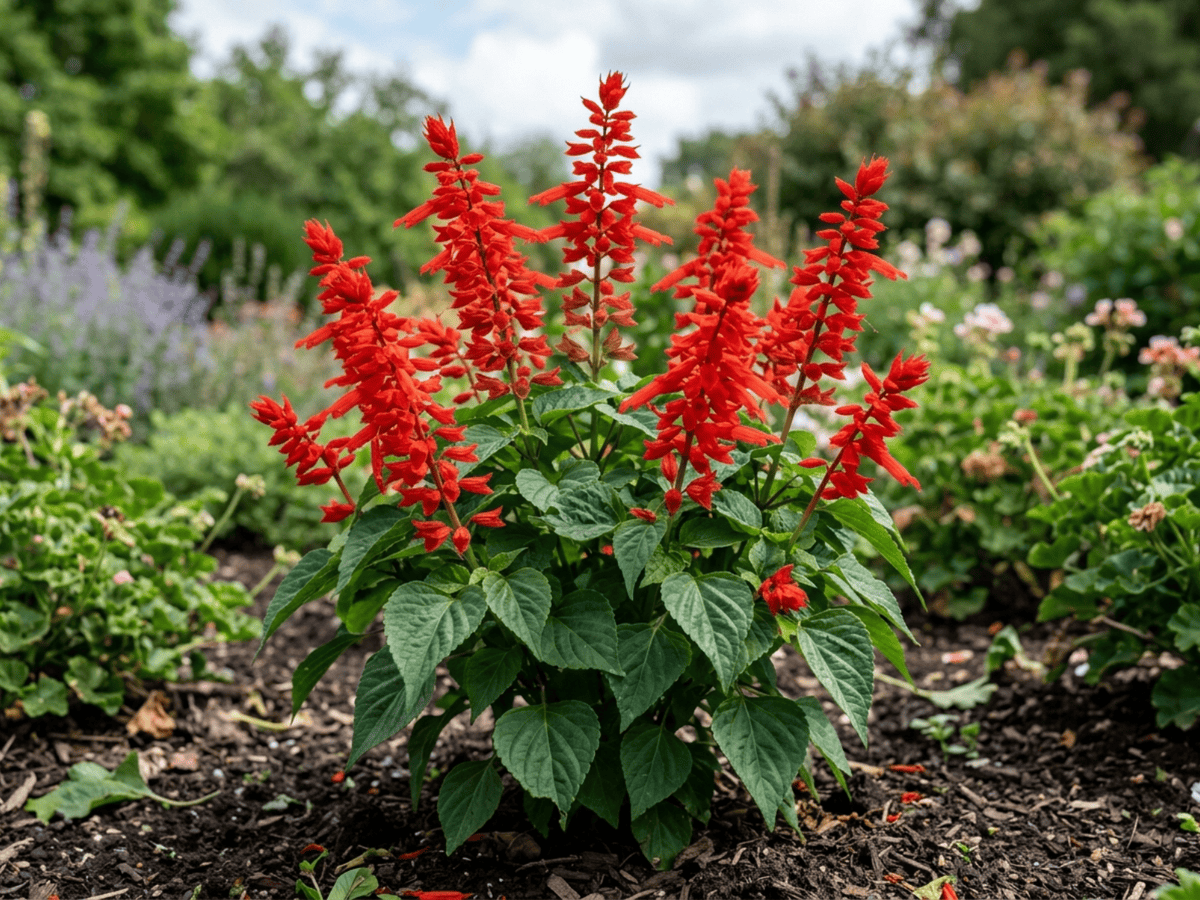 Tropical SageSalvia coccinea
 Pineapple SageSalvia elegans
Plants with similar care
 Mexican AbeliaAbelia floribunda
 Fraser FirAbies fraseri
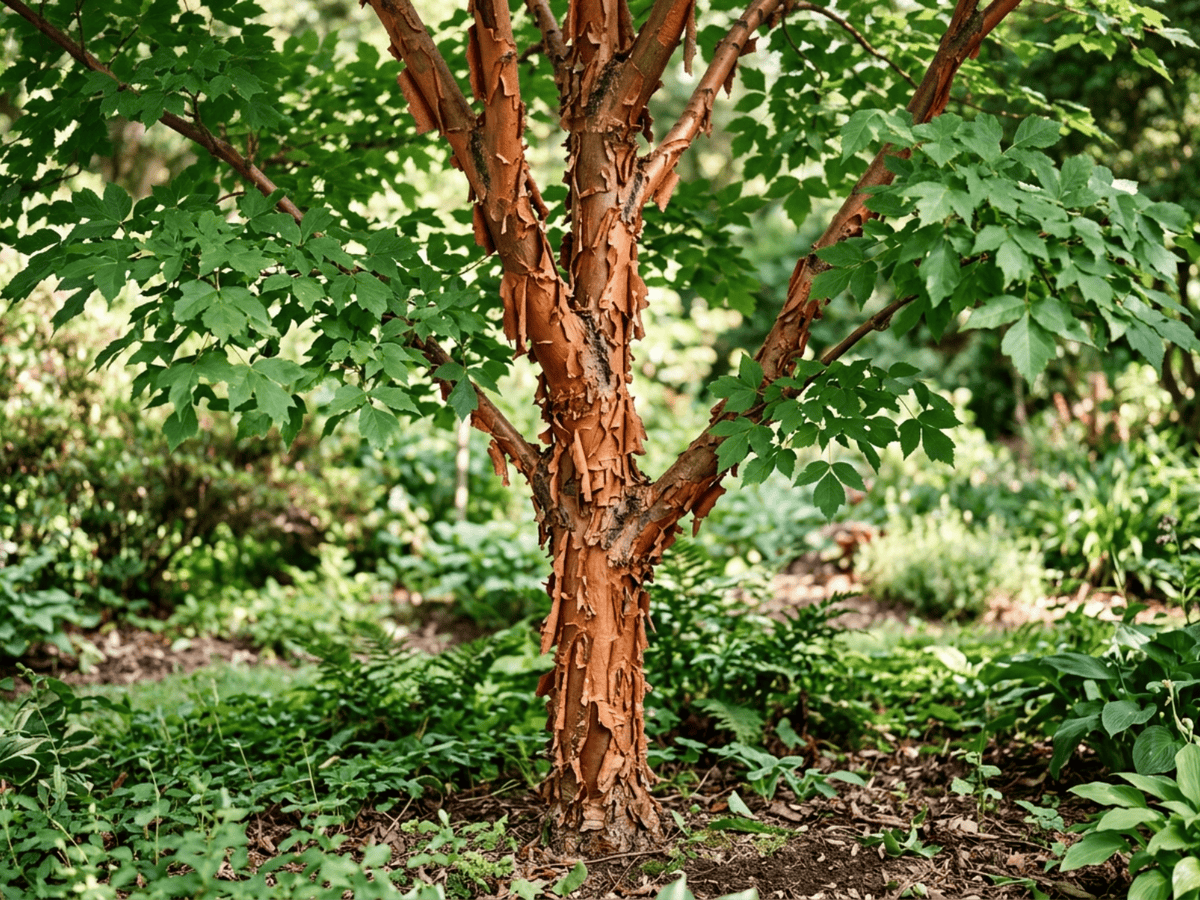 Paperbark MapleAcer griseum
 Sugar MapleAcer saccharum
Frequently asked questions
How often should I water White Sage?
Water about every 14 days during the growing season, and always let excess water drain away.
How much light does White Sage need?
Full sun: 6+ hrs direct. Watch the leaves — scorching or stretching means the light needs adjusting.
Is White Sage toxic to cats or dogs?
No toxicity has been reported for this plant. Still, it is wise to keep pets from chewing on any houseplant. Educational information, not medical or veterinary advice. If exposure is suspected, contact a doctor or veterinarian.
Is White Sage easy to grow?
It is moderately demanding: a good choice once you have a little experience.
When does White Sage bloom?
It typically blooms Apr–Jul in the Northern Hemisphere.
YardMate
Identify any plant in seconds
Snap a photo — YardMate names the plant, diagnoses problems, and reminds you when to water.
Download on the App Store