 YardMate


Pineapple Sage
Salvia elegans
Easy · Beginner friendlyAbout Pineapple Sage
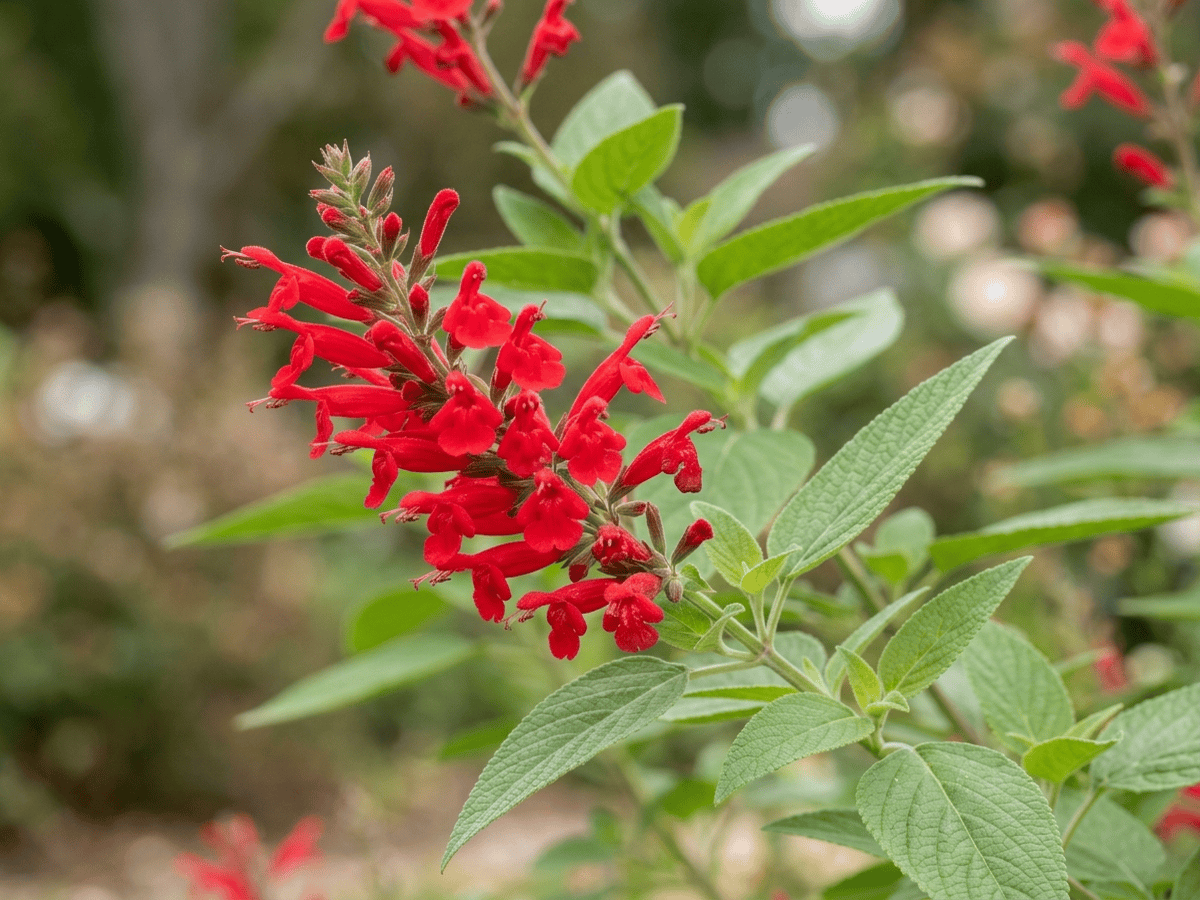
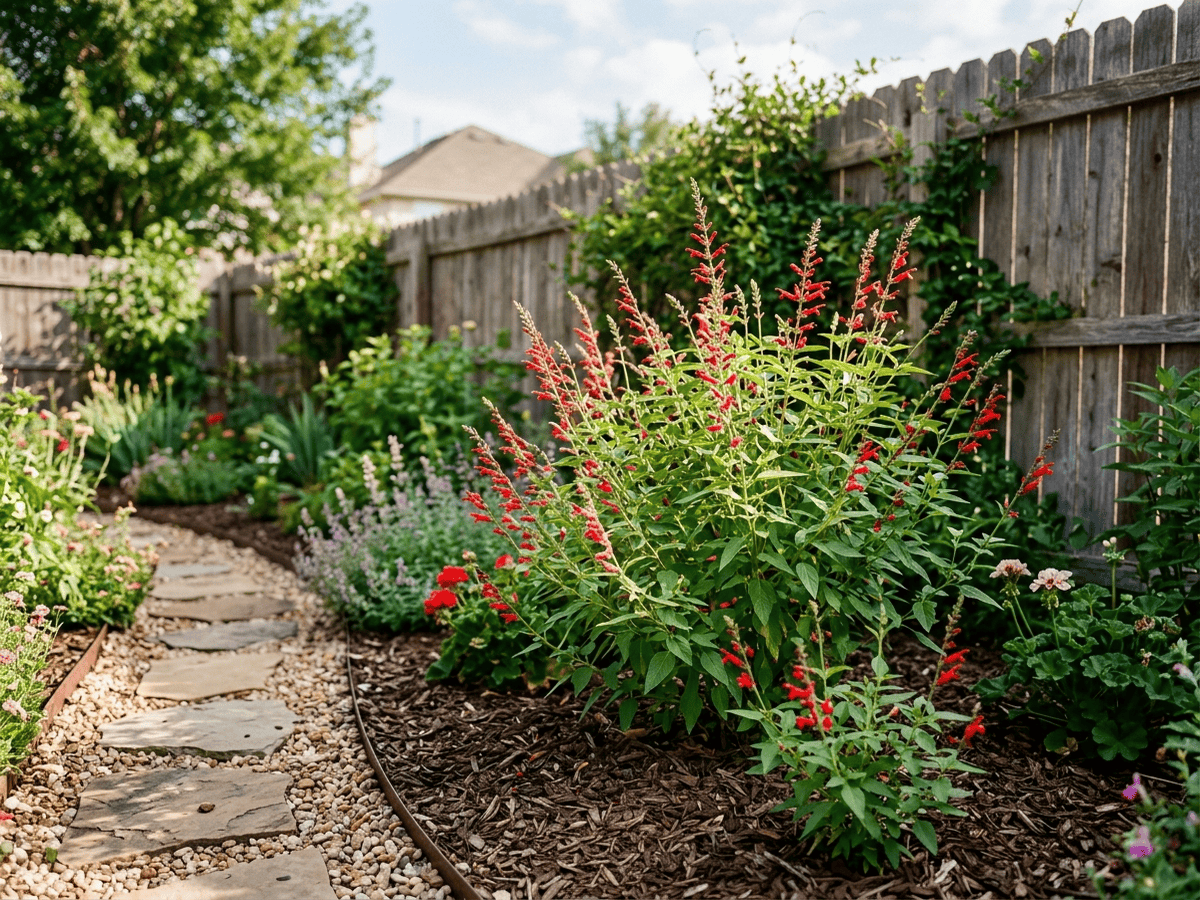
Pineapple Sage is a Mexican perennial sage reaching 3-5 feet tall, with aromatic bright-green leaves that emit a distinct pineapple fragrance when crushed and brilliant scarlet-red tubular flowers from late summer through fall. Beloved by hummingbirds and used in herbal teas, fruit salads, desserts, and as a garnish. A staple of American hummingbird gardens and edible-ornamental landscapes from California to the Gulf Coast.
- Edible
- Fragrant
- Pollinator-friendly
How to care for Pineapple Sage
Watering
- Springevery 7 days
- Summerevery 7 days
- Fallevery 10 days
- Winterevery 21 days
Soil · Rich & well-draining
- Top dressingCompost10%
- Main mixPotting soil + compost 3:180%
- DrainageGravel10%
Top up the compost layer each season.
FERTILIZER
Balanced Feed 14-14-14
An even feed covers all three needs at once, keeping leaves, roots and blooms moving together with nothing pushed out of balance.
- Nitrogen · Leaves
- Phosphorus · Roots + Blooms
- Potassium · Strength
- Springevery 45 days
- Summerevery 45 days
At a Glance
- NativeNorth America, Central America
- Height3–5 ft (0.9–1.5 m)
- Spread2–4 ft (0.6–1.2 m)
- Flower colorRed
- Foliage colorGreen, Yellow
- SoilLoamy, Well-drained
- LocationsYard · Balcony
Bloom time
BLOOM CYCLE
Peak bloom
Jun–Nov
Brilliant scarlet-red tubular flowers late summer through fall
Fragrance
STRONG FRAGRANCE
Strong pineapple aroma from leaves, especially when crushed.
Toxicity
Humans Safe · Pets Safe
None reported
Safe
EXPOSURE No exposure route is reported.
EFFECT No toxic effect is reported.
NOTE Listed as non-toxic for humans; avoid eating ornamental plants unless confirmed edible.
Safe
EXPOSURE No exposure route is reported.
EFFECT No toxic effect is reported.
NOTE Listed as non-toxic for dogs; avoid eating ornamental plants unless confirmed edible.
Safe
EXPOSURE No exposure route is reported.
EFFECT No toxic effect is reported.
NOTE Listed as non-toxic for cats; avoid eating ornamental plants unless confirmed edible.
Educational information, not medical or veterinary advice. If exposure is suspected, contact a doctor or veterinarian.
DISTRIBUTION


- Native
- North America
- Central America
History

Salvia elegans, commonly called pineapple sage, is a semi-evergreen shrubby perennial in the mint family (Lamiaceae) native to pine-oak forests of highland Mexico and Guatemala at 1800-2800 meters elevation. Danish-Norwegian botanist Martin Vahl formally described the species in 1794 based on material from cultivated Mexican collections. The epithet elegans refers to the elegant bearing of mature flowering plants.
Plants grow into soft 1-1.5 meter shrubby mounds of light green ovate pointed leaves 5-10 cm long that release a strikingly pineapple-like fruity fragrance when brushed, caused primarily by ocimene and sabinene terpenes. From late summer through first frost, plants produce long terminal spikes of 3-4 cm brilliant scarlet-red tubular two-lipped flowers extremely attractive to hummingbirds and important fall nectar source in many temperate gardens. Both flowers and leaves are edible—flowers add color and mild sweet pineapple flavor to salads, desserts, and cocktails; leaves are used for tea and in fruit dishes.
'Scarlet Pineapple', 'Honey Melon', 'Golden Delicious', and 'Tangerine Sage' are popular cultivars. Long used in traditional Mexican herbal medicine for anxiety and stress. Became a beloved garden plant in California and the American South in the late 20th century for its dual appeal as a culinary herb and hummingbird magnet.
Symbolism & meaning
What It Symbolizes
Pineapple Sage makes visible welcome, its scarlet tubular flowers opening late in the season precisely when migrating hummingbirds need them most. The leaves, bruised between fingers, release an unmistakable pineapple fragrance that delights every gardener who passes by. This is the salvia of joyful late-summer hospitality — a plant that greets both birds and humans with bright color and fruity scent at the very end of the growing year.
- Welcome — scarlet flowers invite hummingbirds at season's end
- Joy — pineapple-scented leaves delight gardeners
Where the Name Comes From
'Pineapple sage' is named for the sweet pineapple scent released from its leaves. Salvia comes from Latin 'salvere', to be well, reflecting old herbal associations; elegans means elegant.
Uses & Fun Facts
- Pineapple-scented leaves flavor teas, fruit salads, and syrups
- Pineapple-scented leaves and red flowers brighten late-season herb gardens
- Red autumn spikes keep hummingbirds feeding late in the season
Related plants
More Salvia plants
 White SageSalvia apiana
 Giant Blue SageSalvia azurea
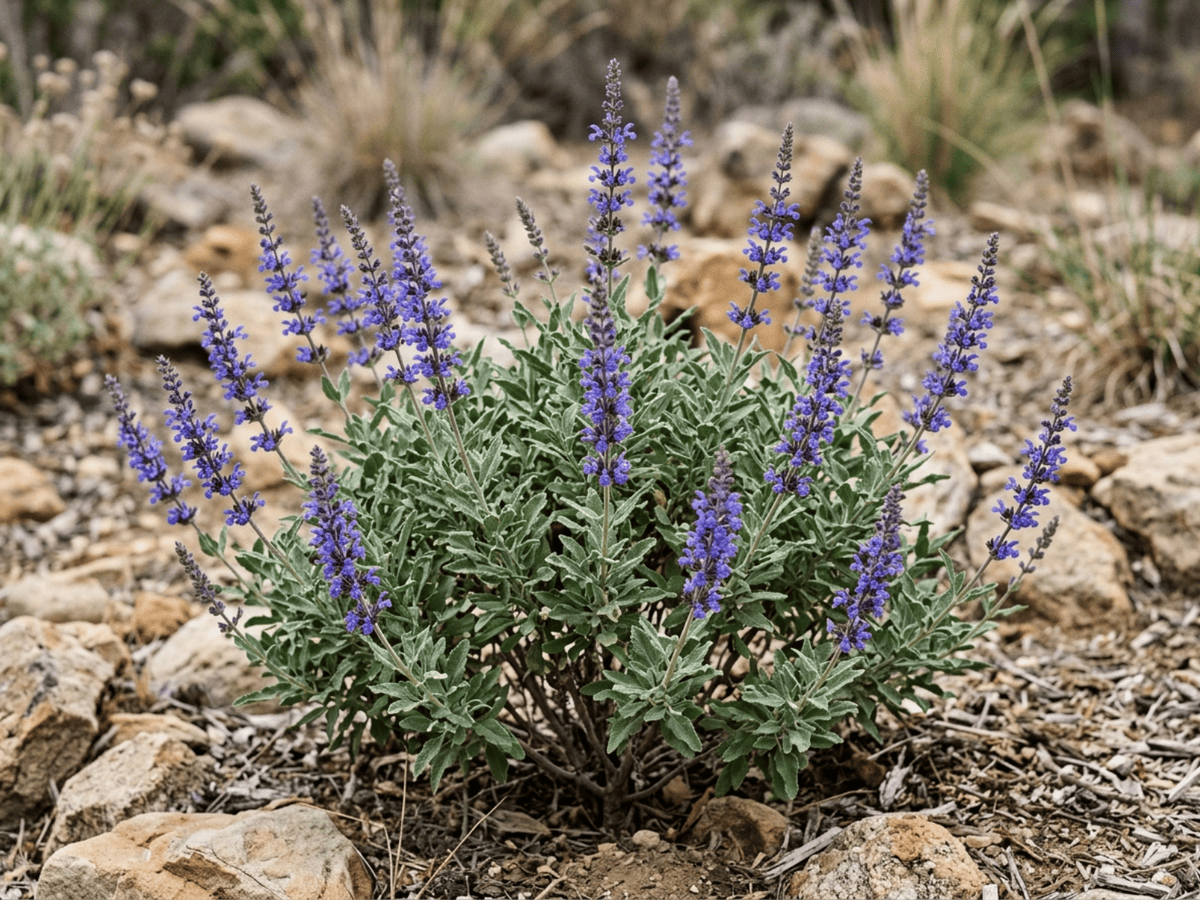 Cleveland SageSalvia clevelandii
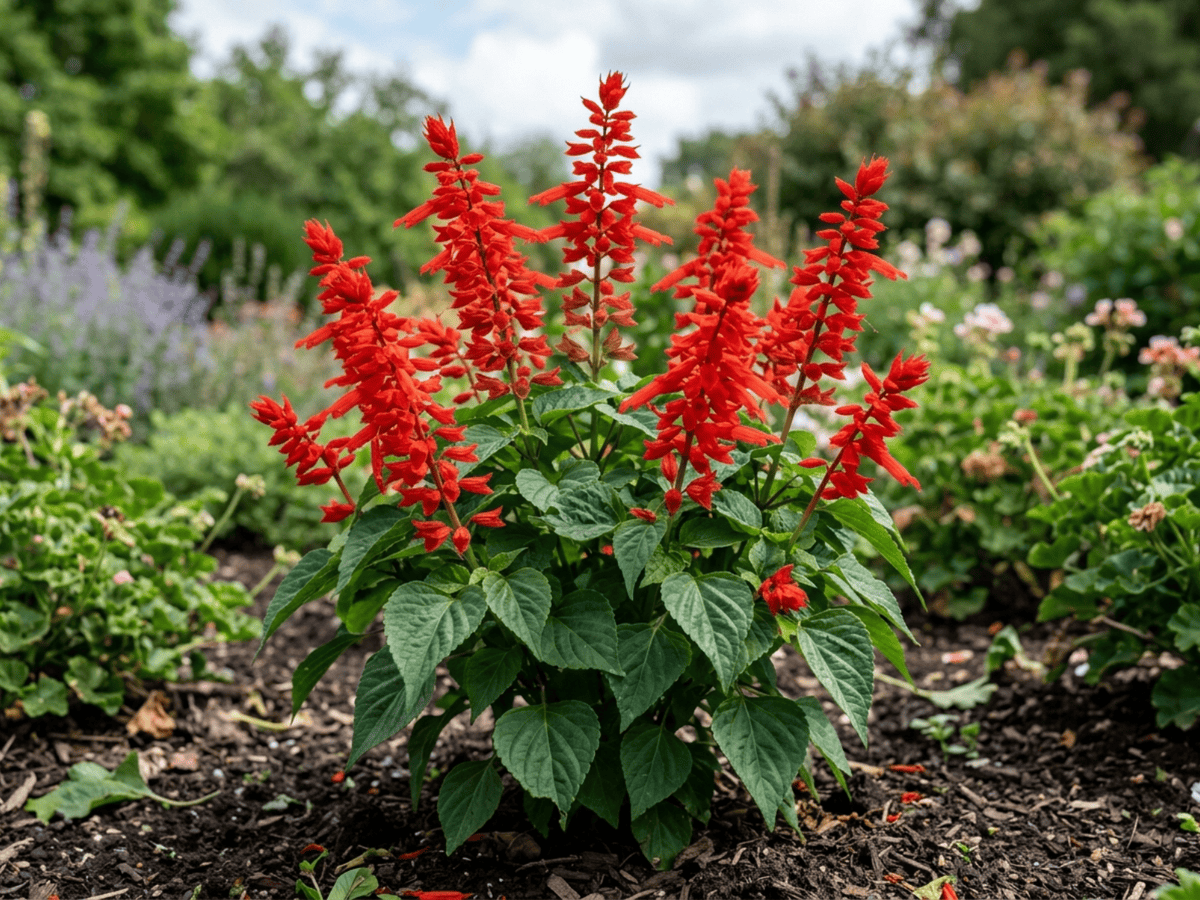 Tropical SageSalvia coccinea
Plants with similar care
 Chinese AbeliaAbelia chinensis
 Fragrant AbeliaAbelia mosanensis
 Large-Flowered AbeliaAbelia uniflora
 Glossy AbeliaAbelia x grandiflora
Frequently asked questions
How often should I water Pineapple Sage?
In summer, water about every 7 days; in winter, about every 21 days. Adjust for heat, pot size and drainage.
How much light does Pineapple Sage need?
Full sun: 6+ hrs direct. Watch the leaves — scorching or stretching means the light needs adjusting.
Is Pineapple Sage toxic to cats or dogs?
Pets Safe (Dogs Safe · Cats Safe) Educational information, not medical or veterinary advice. If exposure is suspected, contact a doctor or veterinarian.
Is Pineapple Sage easy to grow?
Yes — it is considered an easy, beginner-friendly plant.
When does Pineapple Sage bloom?
It typically blooms Jun–Nov in the Northern Hemisphere.
YardMate
Identify any plant in seconds
Snap a photo — YardMate names the plant, diagnoses problems, and reminds you when to water.
Download on the App Store