 YardMate



Autumn Sage
Salvia greggii
Easy · Beginner friendlyAbout Autumn Sage
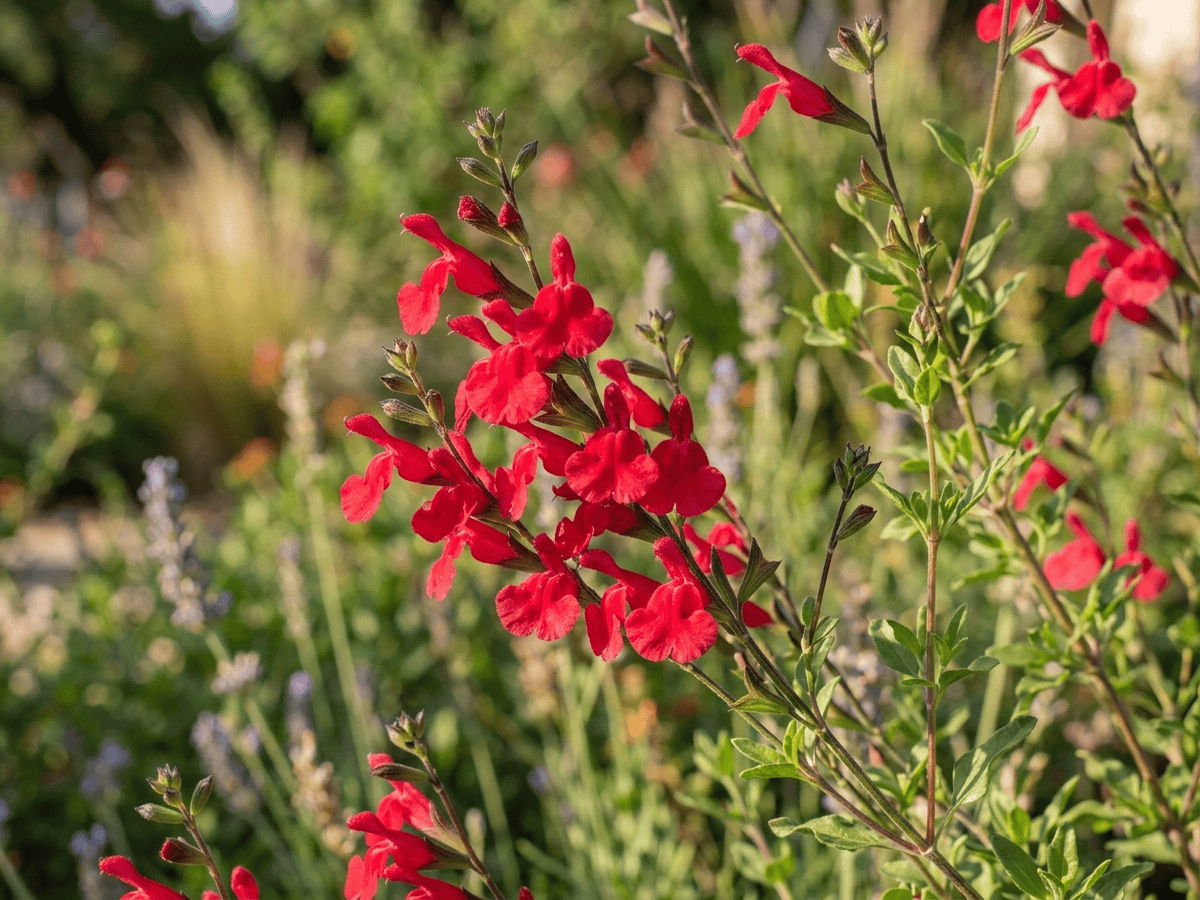
Autumn Sage is a Texas and Mexico native woody perennial sage producing small tubular flowers in every warm color from red and coral to pink, purple, and white from spring through fall. Growing 2 to 3 feet tall in rounded shrubby form, it thrives in the heat and drought of the American Southwest and is a top hummingbird plant. 'Furman's Red' and the Mirage series are landscape standards.
- Drought-tolerant
- Deer-resistant
- Long-blooming
- Native
How to care for Autumn Sage
Watering
- Springevery 7 days
- Summerevery 5 days
- Fallevery 10 days
- Winterevery 21 days
Soil · Well-draining
- Top dressingPine bark mulch10%
- Main mixPotting soil + perlite 2:170%
- DrainageLECA / gravel20%
Never skip the drainage layer — standing water is the top cause of root rot.
FERTILIZER
- Springevery 60 days
At a Glance
- NativeNorth America
- Height2–3 ft (0.6–0.9 m)
- Spread2–3 ft (0.6–0.9 m)
- Flower colorRed, Pink, Coral, Purple
- Foliage colorGreen
- SoilSandy, Well-drained
- LocationsYard
Bloom time
BLOOM CYCLE
Peak bloom
Mar–Nov
Tubular flowers spring through fall in every warm color
Fragrance
MODERATE FRAGRANCE
Sage-like aromatic foliage when bruised.
Toxicity
No toxicity has been reported for this plant. Still, it is wise to keep pets from chewing on any houseplant.
Educational information, not medical or veterinary advice. If exposure is suspected, contact a doctor or veterinarian.
DISTRIBUTION


- Native
- North America
History
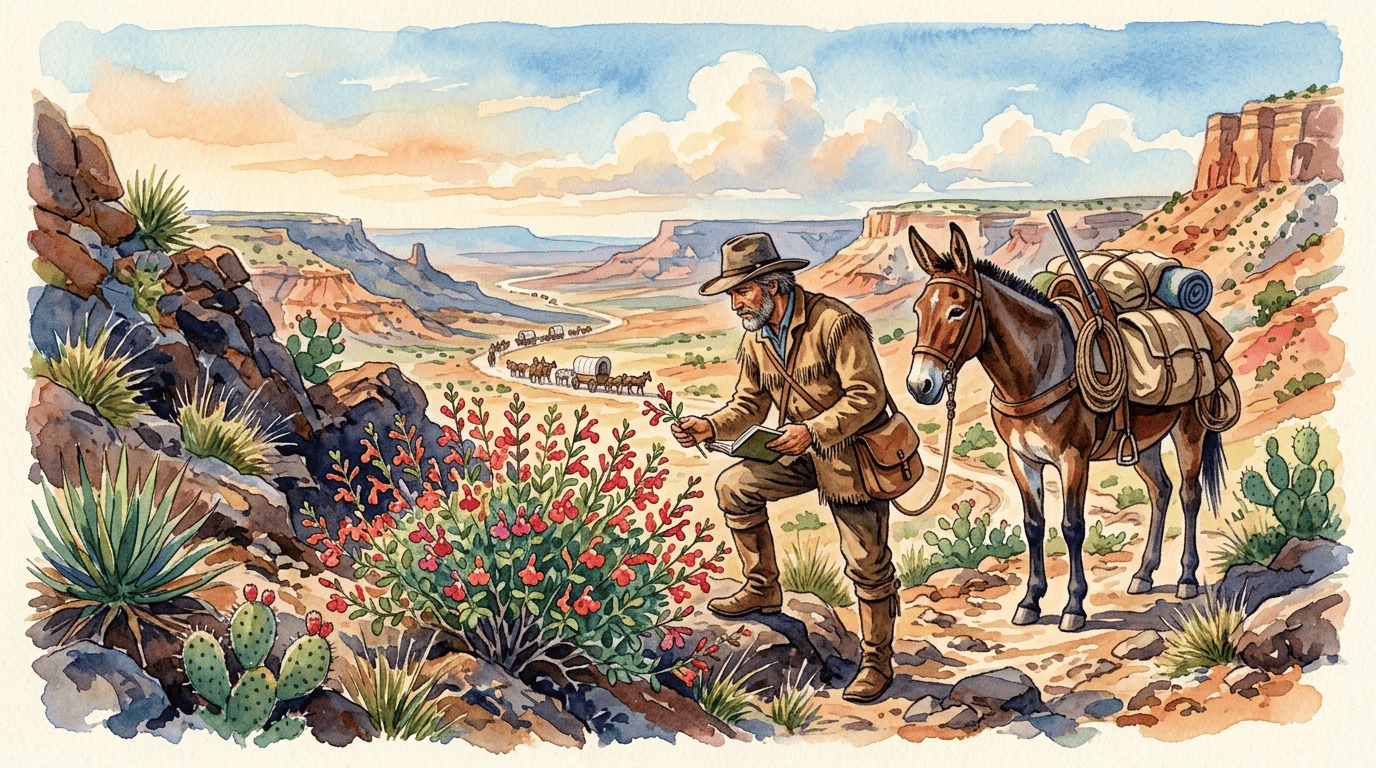
Salvia greggii, the autumn sage or cherry sage, is a woody-based semi-evergreen perennial native to rocky slopes and canyons of the Chihuahuan Desert region from west Texas and southern New Mexico through the Sierra Madre Oriental of Mexico to San Luis Potosí. American botanist Asa Gray described the species in 1870, honoring merchant-naturalist Josiah Gregg, whose 1844 Commerce of the Prairies documented the flora of the Santa Fe Trail. The plant produces tubular two-lipped flowers in nearly every warm color including red, pink, coral, magenta, white, orange, and yellow, blooming from late spring through autumn.
Texas Superstar trials and the Lady Bird Johnson Wildflower Center championed it in the 1990s, and dozens of cultivars such as Furman's Red, Navajo, and Mirage Hot Pink now dominate southwestern US pollinator landscapes. Introduced to American ornamental horticulture in the 20th century and exploded in popularity in the 1990s as drought-tolerant gardening spread across the Sun Belt.
Now a standard xeric landscape plant from Texas to California.
Symbolism & meaning
What It Symbolizes
Autumn Sage carries Southwestern fire, its flaming red, magenta, coral, and white flowers blooming reliably through harsh desert heat when most perennials have given up. It is the great hummingbird summoner, the top hummingbird plant of the American West and a fixture in any garden hoping to host them. It is often read as a flower of southwestern hospitality, a sage whose meaning is the long generous provisioning of small migratory guests through a hot and difficult season.
- Southwestern fire — flaming flower colors in harsh heat
- Hummingbird summoner — top hummingbird plant of the American West
Where the Name Comes From
'Autumn sage' names its long warm-season bloom that often carries into fall. Greggii honors Josiah Gregg, the American merchant-explorer who documented plants of the Santa Fe Trail region.
Uses & Fun Facts
- Tubular flowers feed hummingbirds spring through fall
- Long-blooming Southwest native for xeric borders
- Crushed foliage releases warm sage aroma
Related plants
More Salvia plants
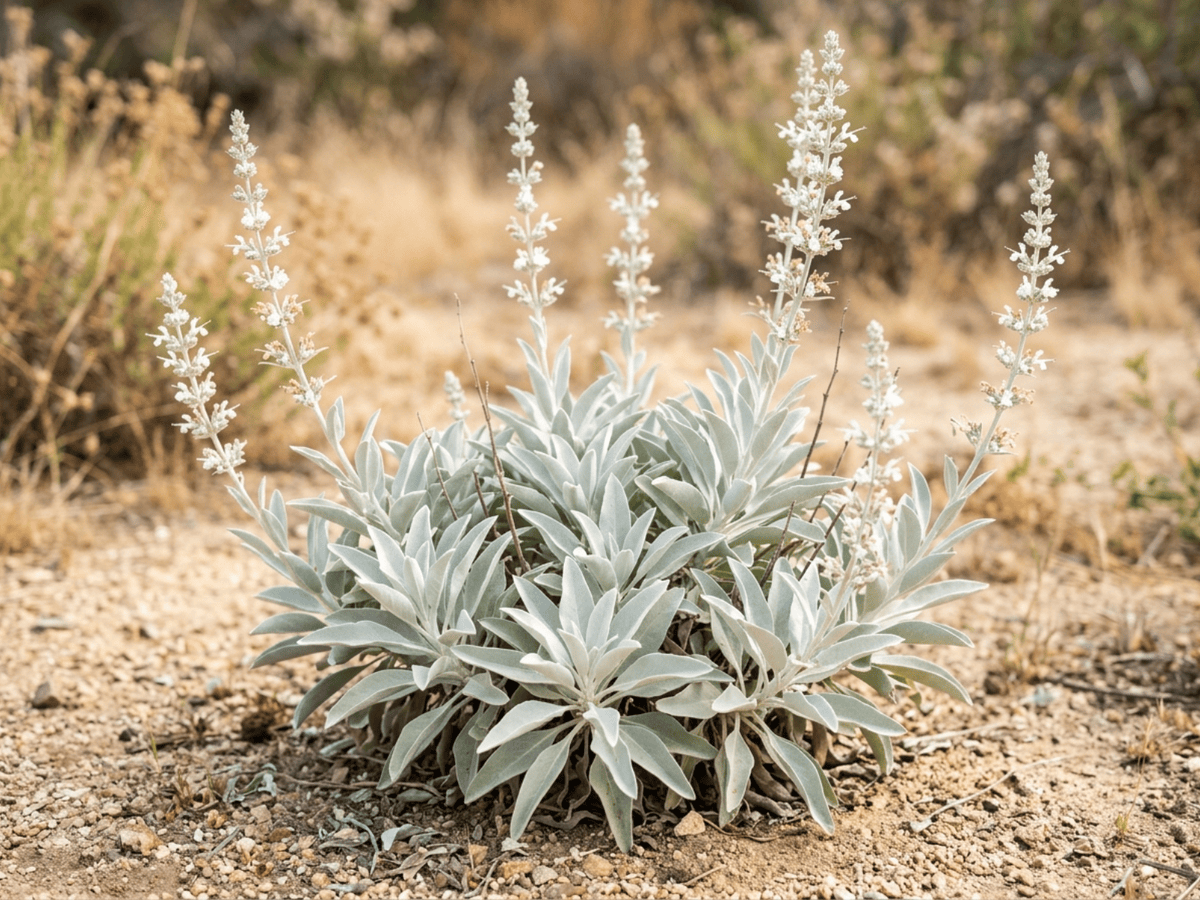 White SageSalvia apiana
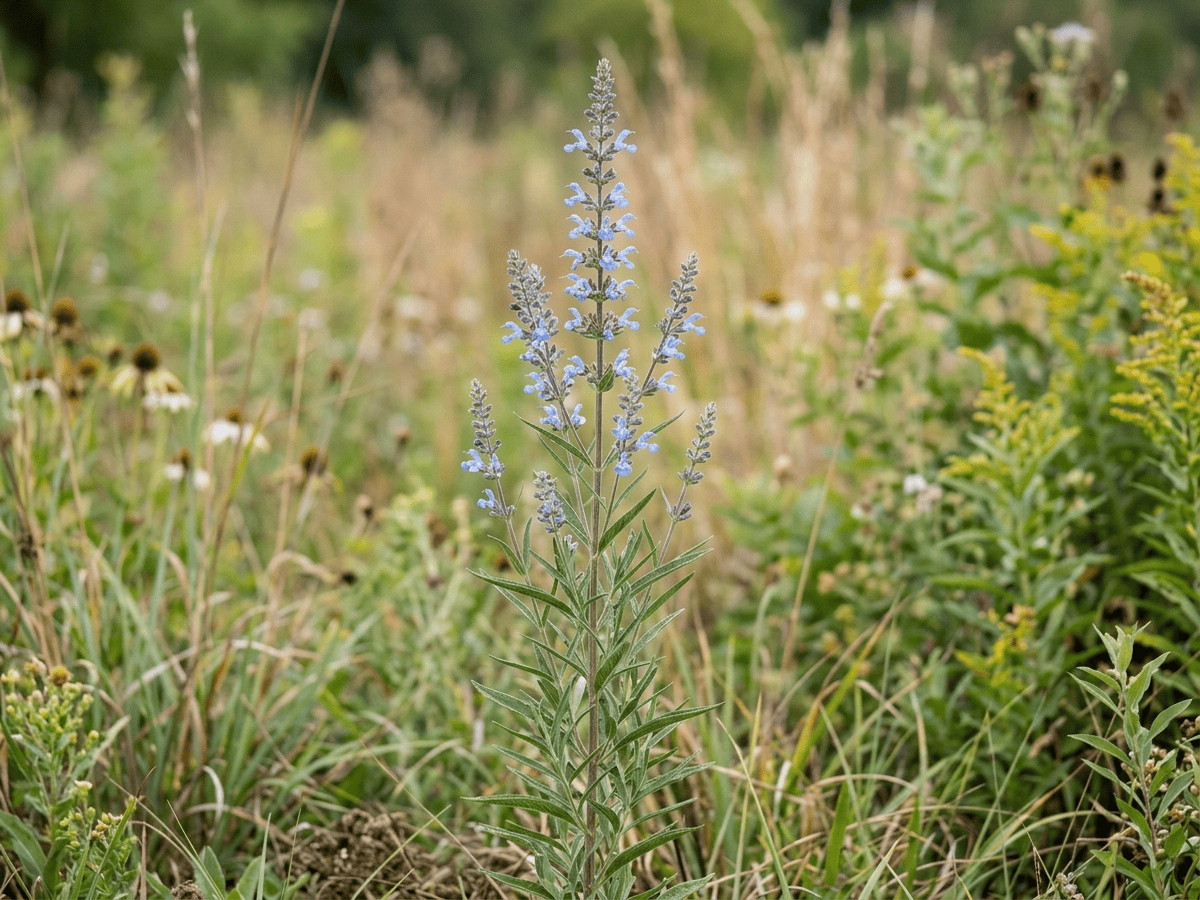 Giant Blue SageSalvia azurea
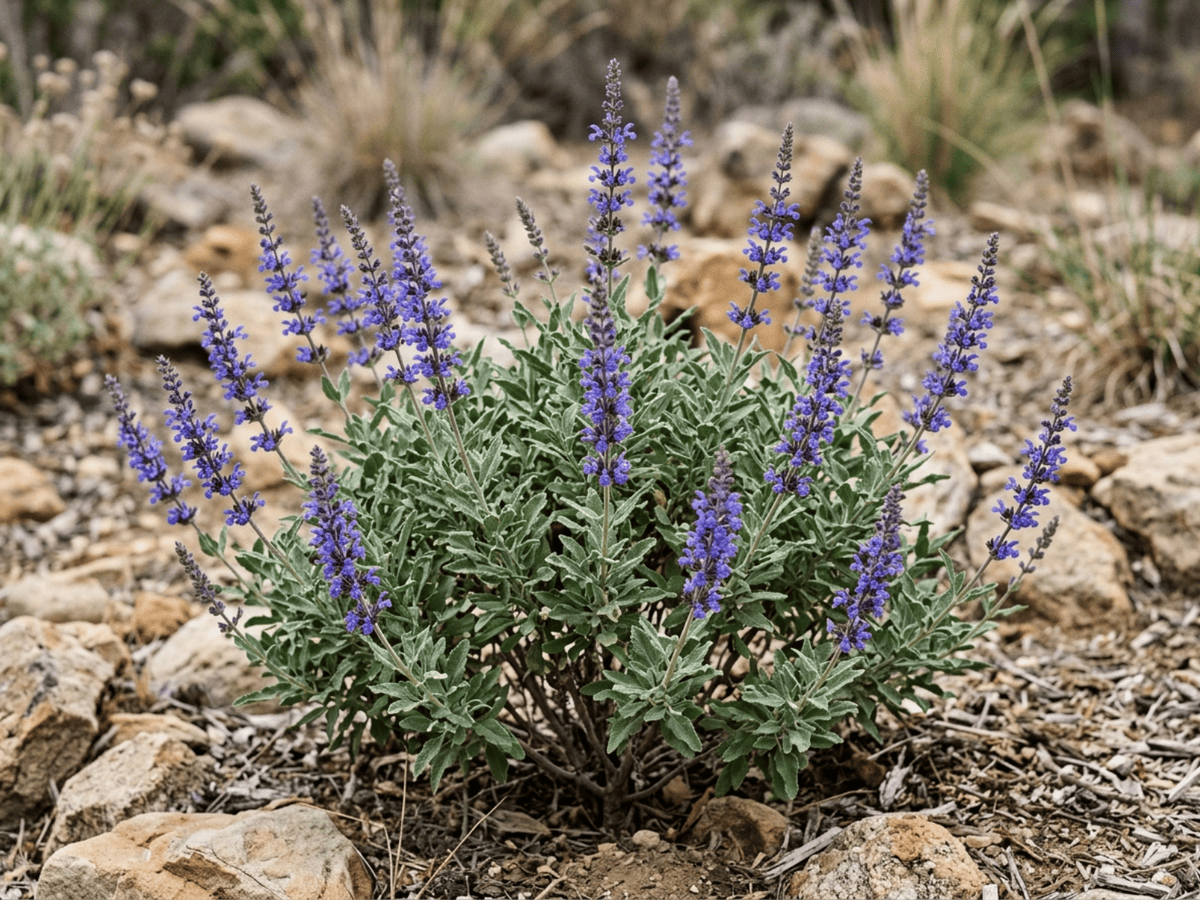 Cleveland SageSalvia clevelandii
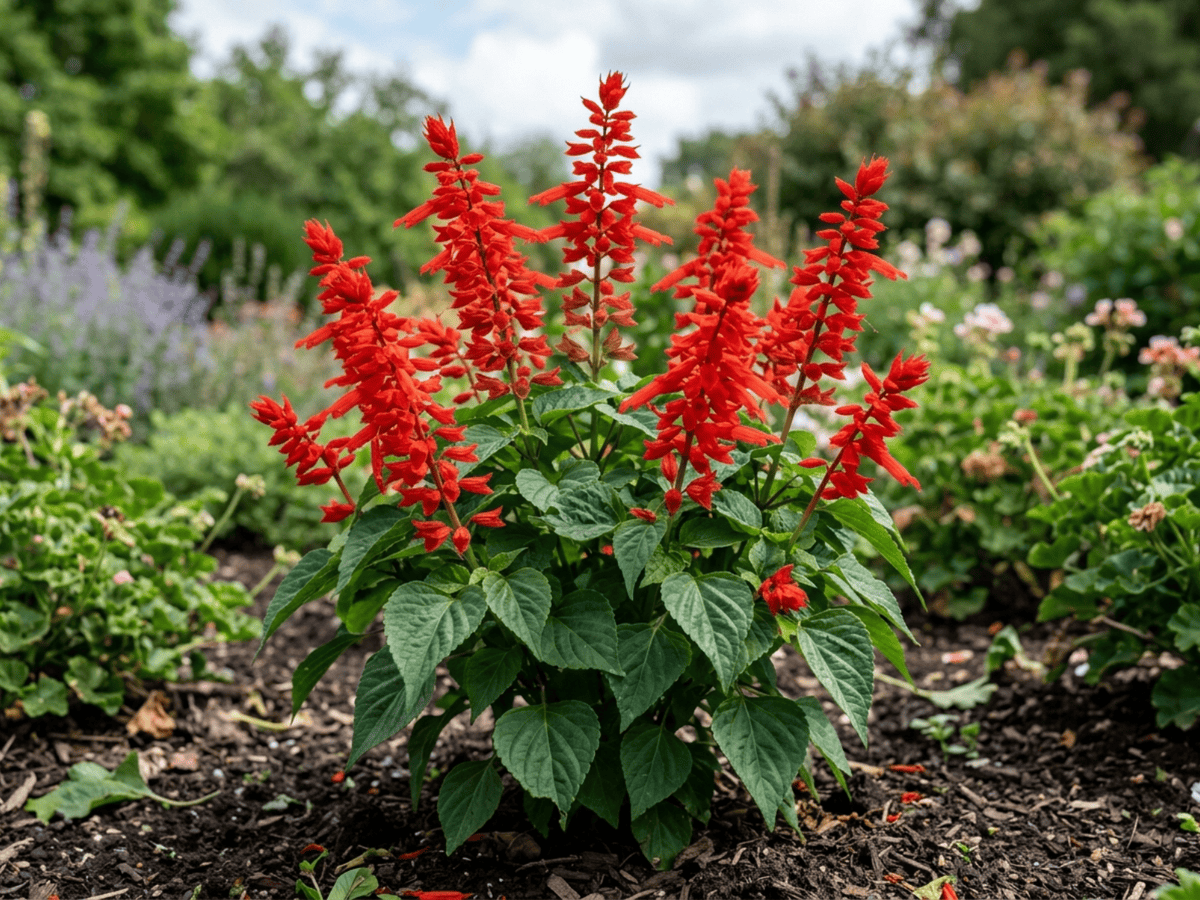 Tropical SageSalvia coccinea
Plants with similar care
 Chinese AbeliaAbelia chinensis
 Fragrant AbeliaAbelia mosanensis
 Large-Flowered AbeliaAbelia uniflora
 Glossy AbeliaAbelia x grandiflora
Frequently asked questions
How often should I water Autumn Sage?
In summer, water about every 5 days; in winter, about every 21 days. Adjust for heat, pot size and drainage.
How much light does Autumn Sage need?
Full sun: 6+ hrs direct. Watch the leaves — scorching or stretching means the light needs adjusting.
Is Autumn Sage toxic to cats or dogs?
No toxicity has been reported for this plant. Still, it is wise to keep pets from chewing on any houseplant. Educational information, not medical or veterinary advice. If exposure is suspected, contact a doctor or veterinarian.
Is Autumn Sage easy to grow?
Yes — it is considered an easy, beginner-friendly plant.
When does Autumn Sage bloom?
It typically blooms Mar–Nov in the Northern Hemisphere.
YardMate
Identify any plant in seconds
Snap a photo — YardMate names the plant, diagnoses problems, and reminds you when to water.
Download on the App Store