 YardMate

Jordan Sage
Salvia jordanii
Hard · Experienced growersAbout Jordan Sage
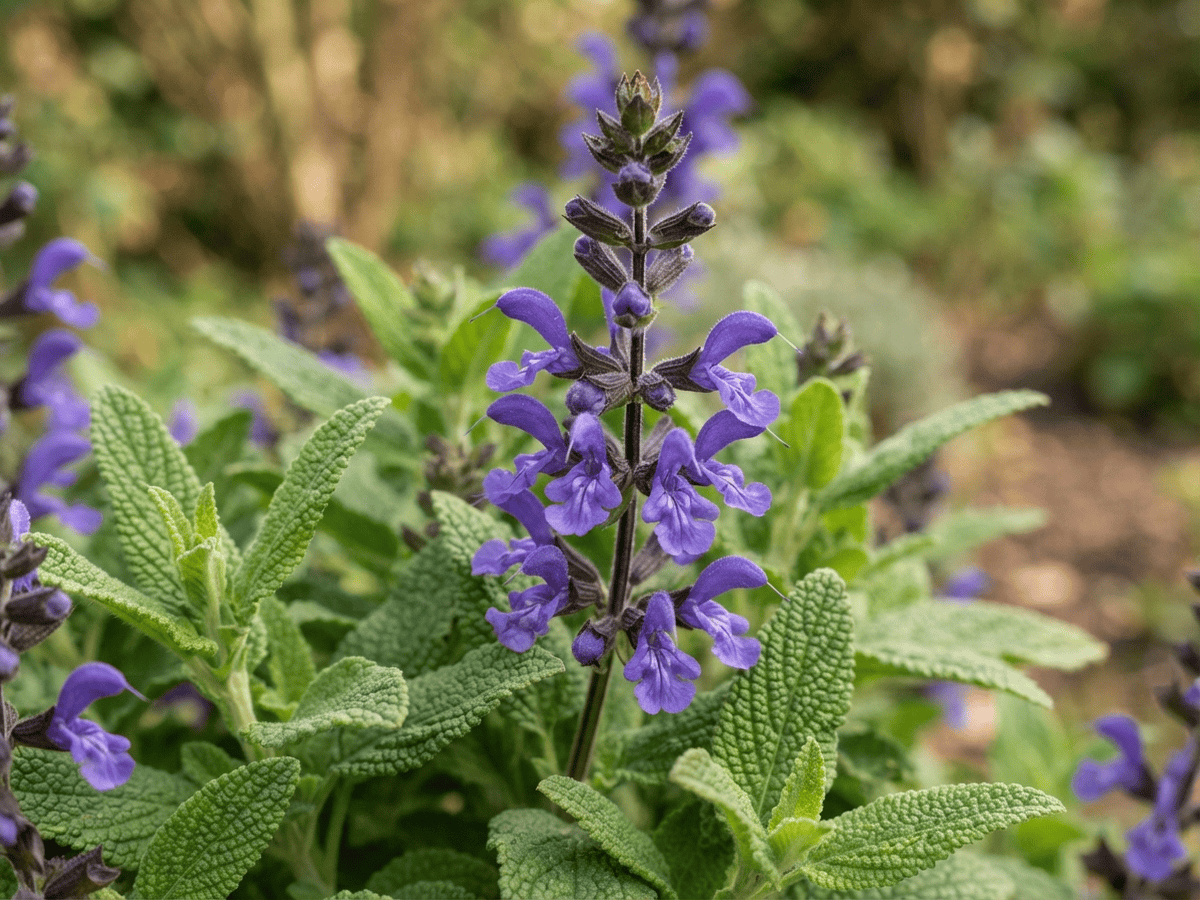
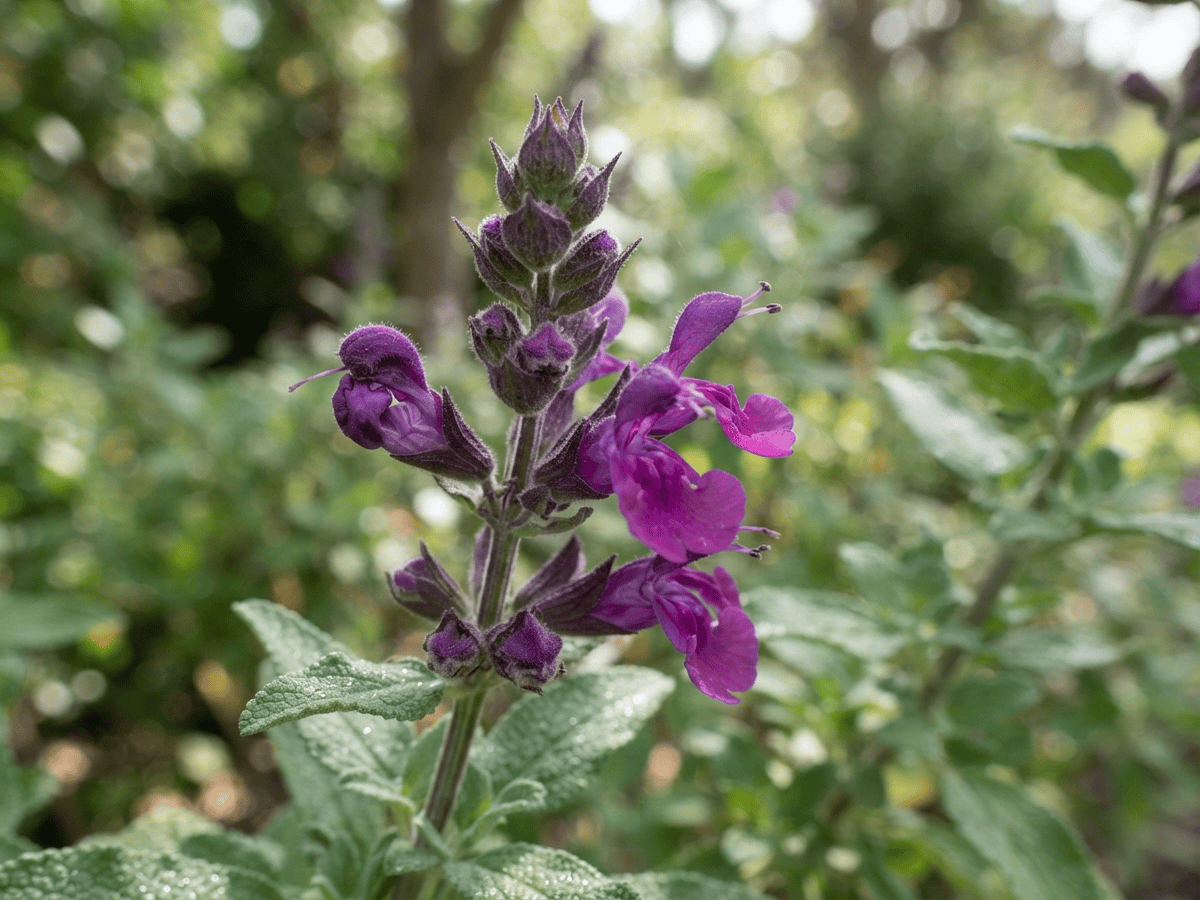
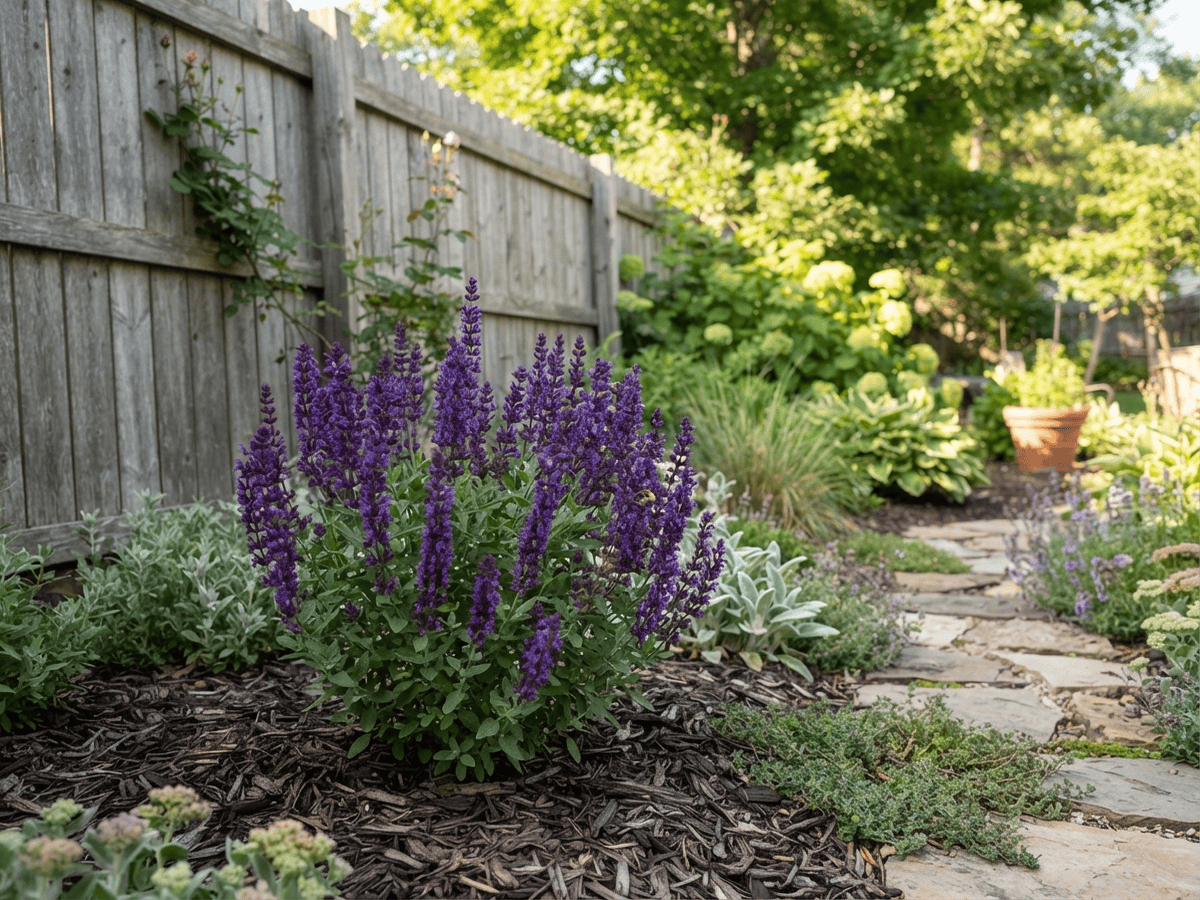
Jordan Sage is a compact, drought-tolerant perennial in the mint family, valued for its aromatic, silvery-green foliage and long summer flush of tubular flowers in purple, blue, and white. Growing just 1 to 3 feet tall with a similarly modest spread, it forms a tidy mound suited to borders, rock gardens, and containers. Full sun and well-drained soil bring out its best color and scent. Blooming from June through September, its nectar-rich spikes draw bees, butterflies, and hummingbirds, making Jordan Sage a dependable choice for pollinator gardens across USDA zones 7 to 10.
- Fragrant
- Drought-tolerant
- Pollinator-friendly
- Long-blooming
- Compact
How to care for Jordan Sage
Watering
- Springevery 7 days
- Summerevery 7 days
- Fallevery 14 days
- Winterpause watering
Soil · Well-draining
- Top dressingPine bark mulch10%
- Main mixPotting soil + perlite 2:170%
- DrainageLECA / gravel20%
Never skip the drainage layer — standing water is the top cause of root rot.
FERTILIZER
Balanced Feed 14-14-14
An even feed covers all three needs at once, keeping leaves, roots and blooms moving together with nothing pushed out of balance.
- Nitrogen · Leaves
- Phosphorus · Roots + Blooms
- Potassium · Strength
- Springevery 30 days
- Summerevery 30 days
- Fallevery 30 days
At a Glance
- NativeNorth America
- Height1–3 ft (0.3–0.9 m)
- Spread1–2 ft (0.3–0.6 m)
- Flower colorPurple, Blue, White
- Foliage colorGreen
- SoilWell-drained, Moist
- LocationsYard · Patio
Bloom time
BLOOM CYCLE
Peak bloom
Jun–Sep
This plant's flowers are vivid and colorful, usually blooming in the summer.
Fragrance
MODERATE FRAGRANCE
The foliage releases a resinous, herbal sage scent when brushed or crushed, typical of the mint family.
Toxicity
No toxicity has been reported for this plant. Still, it is wise to keep pets from chewing on any houseplant.
Educational information, not medical or veterinary advice. If exposure is suspected, contact a doctor or veterinarian.
DISTRIBUTION


- Native
- North America
History

The genus Salvia is one of the largest in the mint family, with several hundred species spanning nearly every continent, and its name comes from the Latin salvere, "to heal" or "to save" — a nod to the long medicinal reputation of sages from ancient Rome onward. Within that sprawling family tree, Jordan Sage is a quieter branch: a compact North American species that never became a kitchen staple like common sage or a florist favorite like scarlet sage, but instead built its reputation the practical way, one drought-tolerant garden bed at a time. Like many species described in the 19th and 20th centuries, its epithet jordanii honors the botanist credited with collecting or identifying it, a naming convention that has quietly attached hundreds of collectors' names to plants they never lived to see become garden staples. What Jordan Sage lacks in written history it makes up for in performance: its narrow, silvery leaves are adapted to conserve water through hot, dry summers, releasing their herbal scent when touched, while its purple-to-blue flower spikes open in early summer and keep going for months, feeding bees and hummingbirds long after showier annuals have faded. As water-wise landscaping has moved from niche practice to mainstream necessity across the American West, plants like Jordan Sage — undemanding, pollinator-friendly, and content with lean soil — have shifted from botanical footnotes to genuinely useful garden plants, prized less for legend than for doing their job well season after season.
Symbolism & meaning
What It Symbolizes
Sage's link to wisdom runs as deep as its Latin name, salvere, "to heal" — a plant thought worth keeping close simply because it seemed to know how to save what it touched. Jordan Sage carries that same quiet reputation into the modern garden: it asks for little, tolerates drought and lean soil without complaint, and rewards that restraint with months of flowers. In a gardening era increasingly focused on resilience over spectacle, its steady, undemanding nature reads less like folklore and more like plain good sense.
- wisdom — Sage has long symbolized wisdom, its name and reputation for healing entwined since antiquity.
- endurance — Its drought tolerance has made sage a quiet emblem of resilience in lean, sun-scorched ground.
Where the Name Comes From
The genus name Salvia comes from the Latin salvere, "to heal" or "to save," reflecting the ancient medicinal reputation of sages. The species epithet jordanii honors the botanist for whom the plant was named, following the common practice of commemorating collectors in scientific plant names.
Uses & Fun Facts
- Compact mounding habit and long bloom season make it a reliable border and rock garden plant.
- Nectar-rich flower spikes attract bees, butterflies, and hummingbirds all summer.
- Aromatic foliage releases a resinous sage scent when brushed.
- Upright flower spikes hold up well in fresh arrangements.
Related plants
More Salvia plants
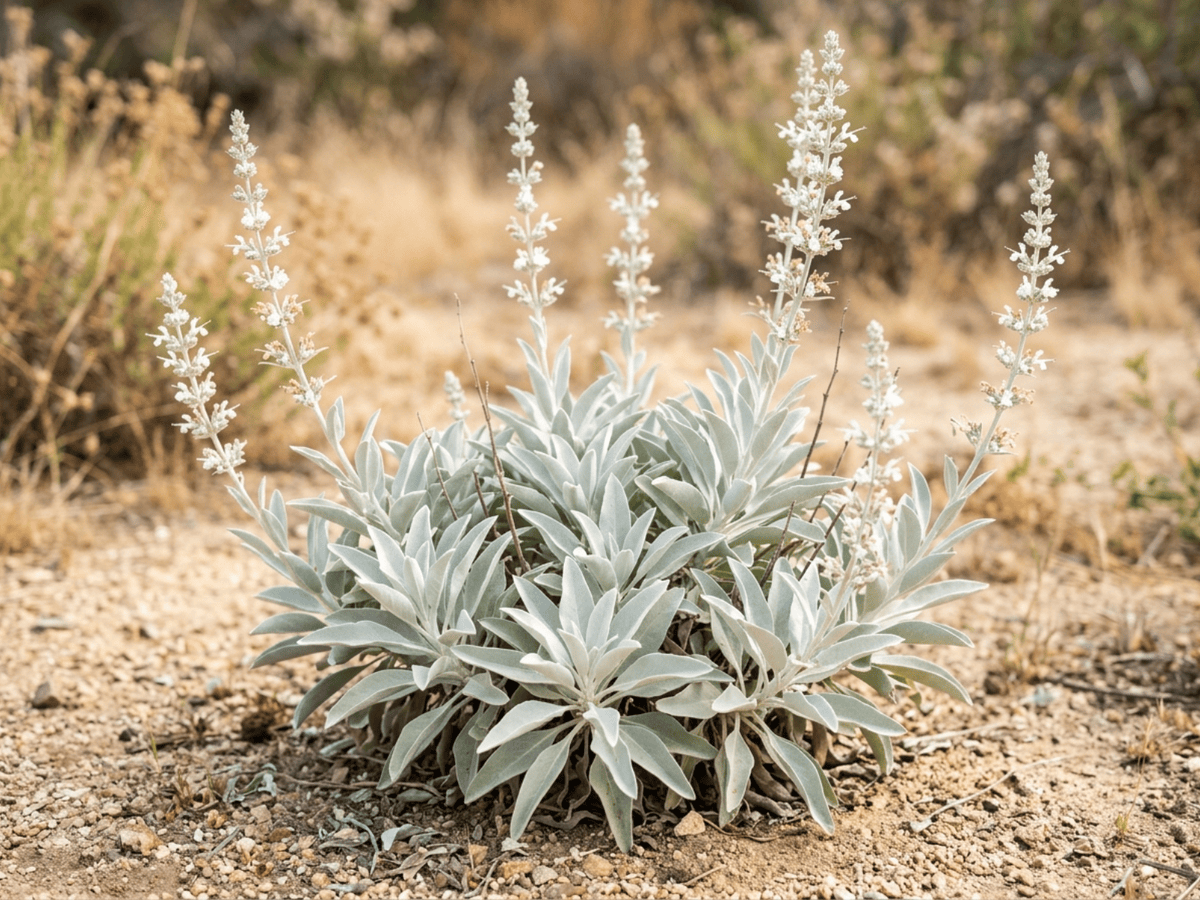 White SageSalvia apiana
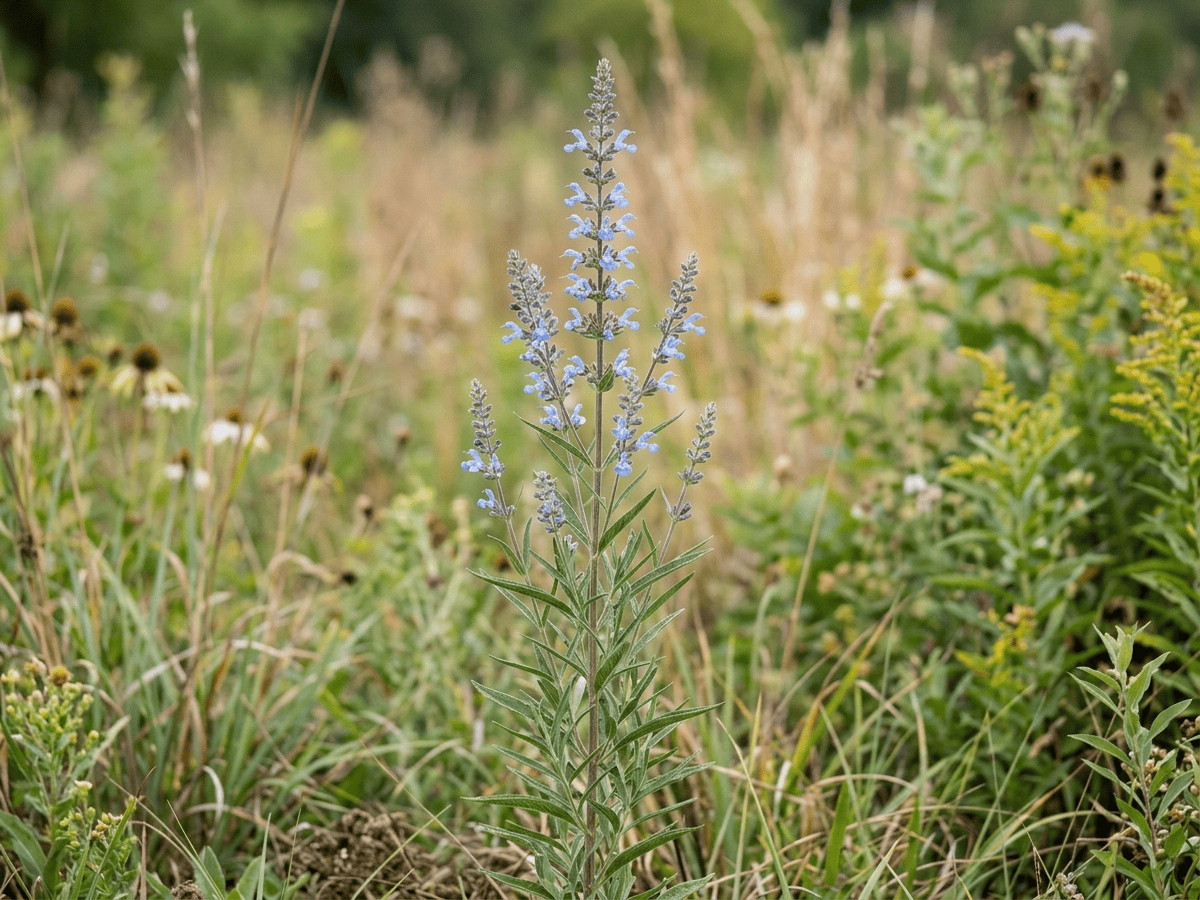 Giant Blue SageSalvia azurea
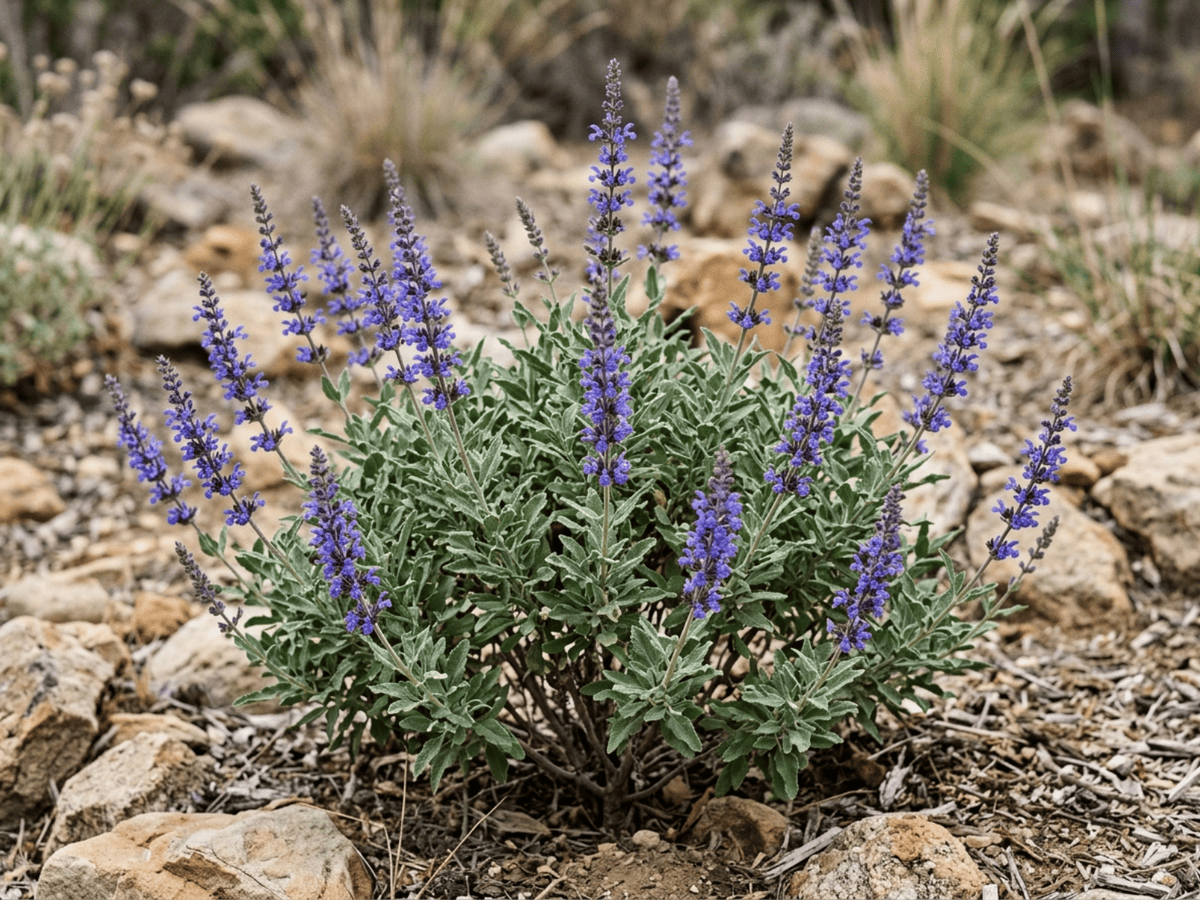 Cleveland SageSalvia clevelandii
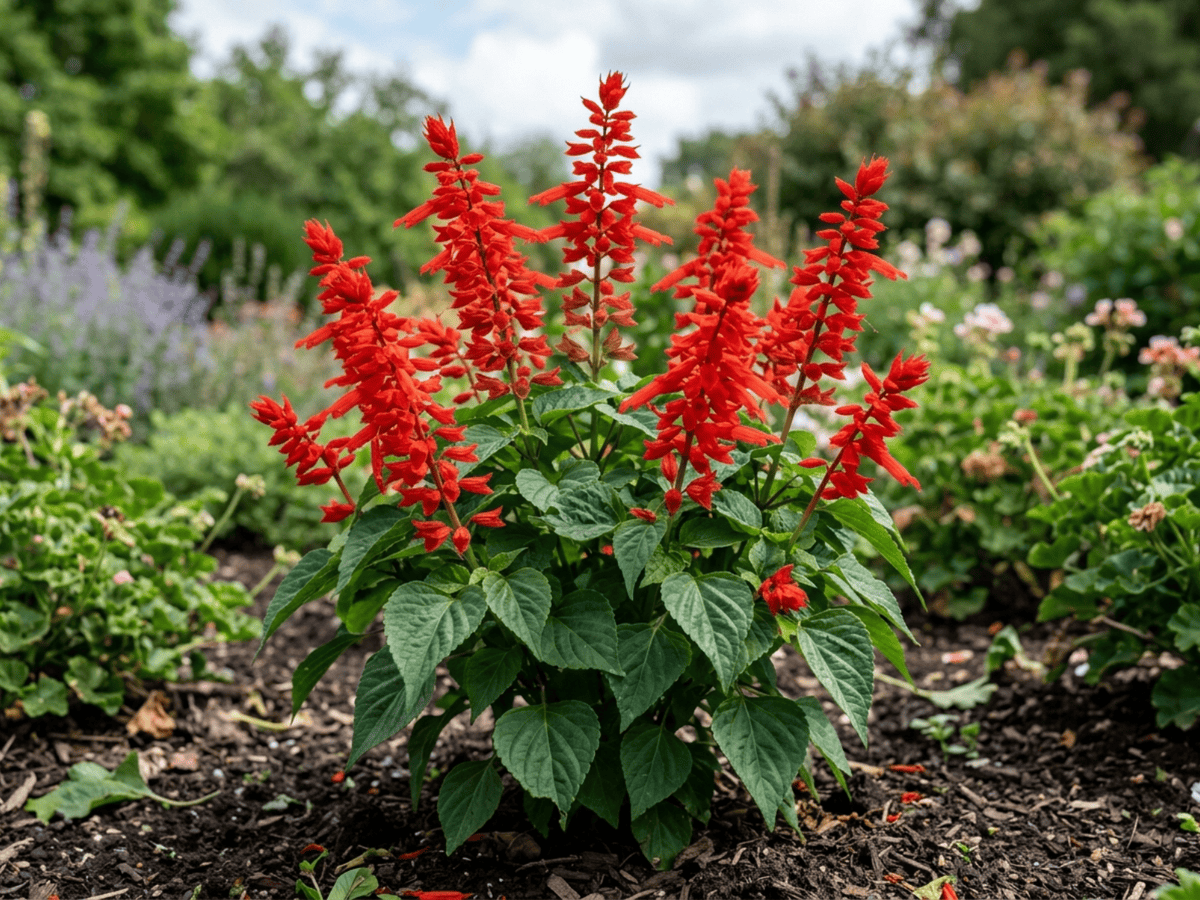 Tropical SageSalvia coccinea
Plants with similar care
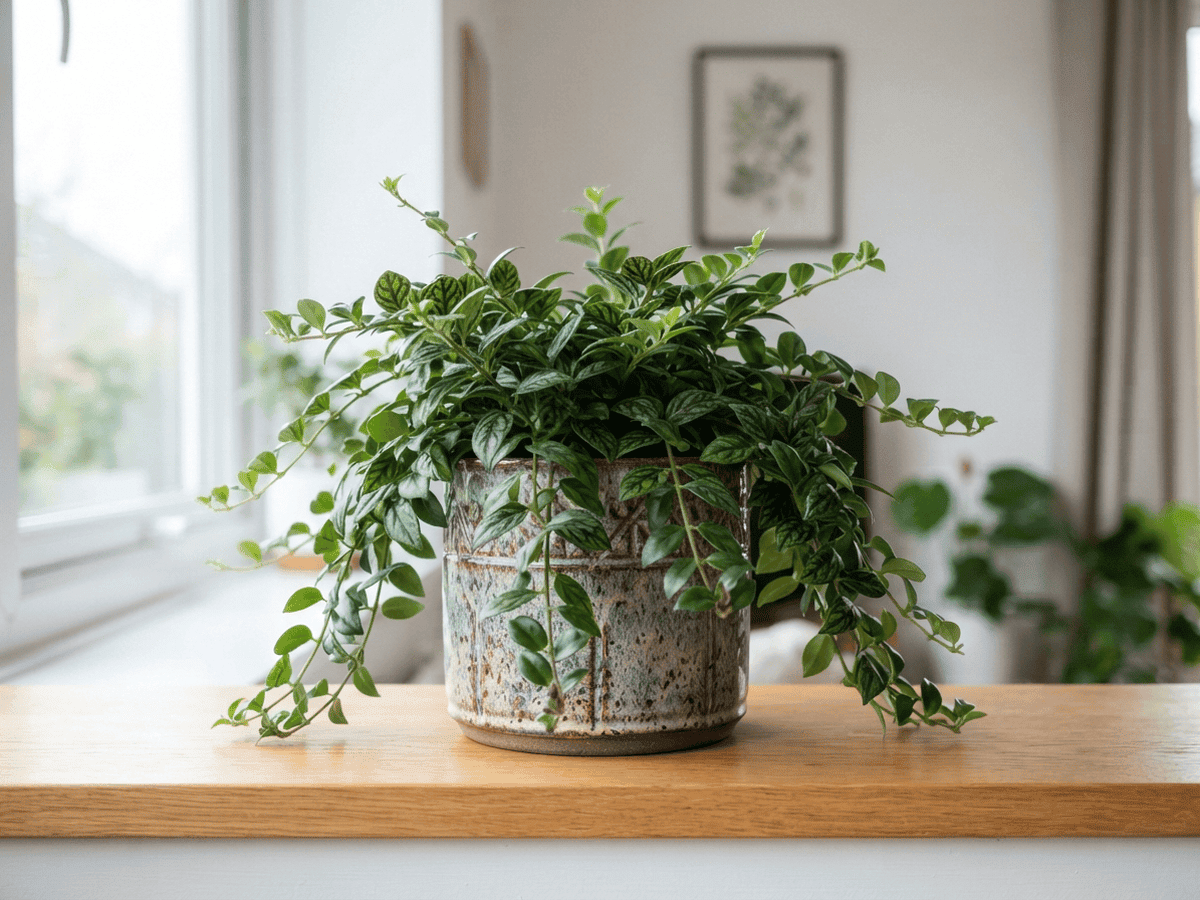 Lipstick PlantAeschynanthus longicaulis
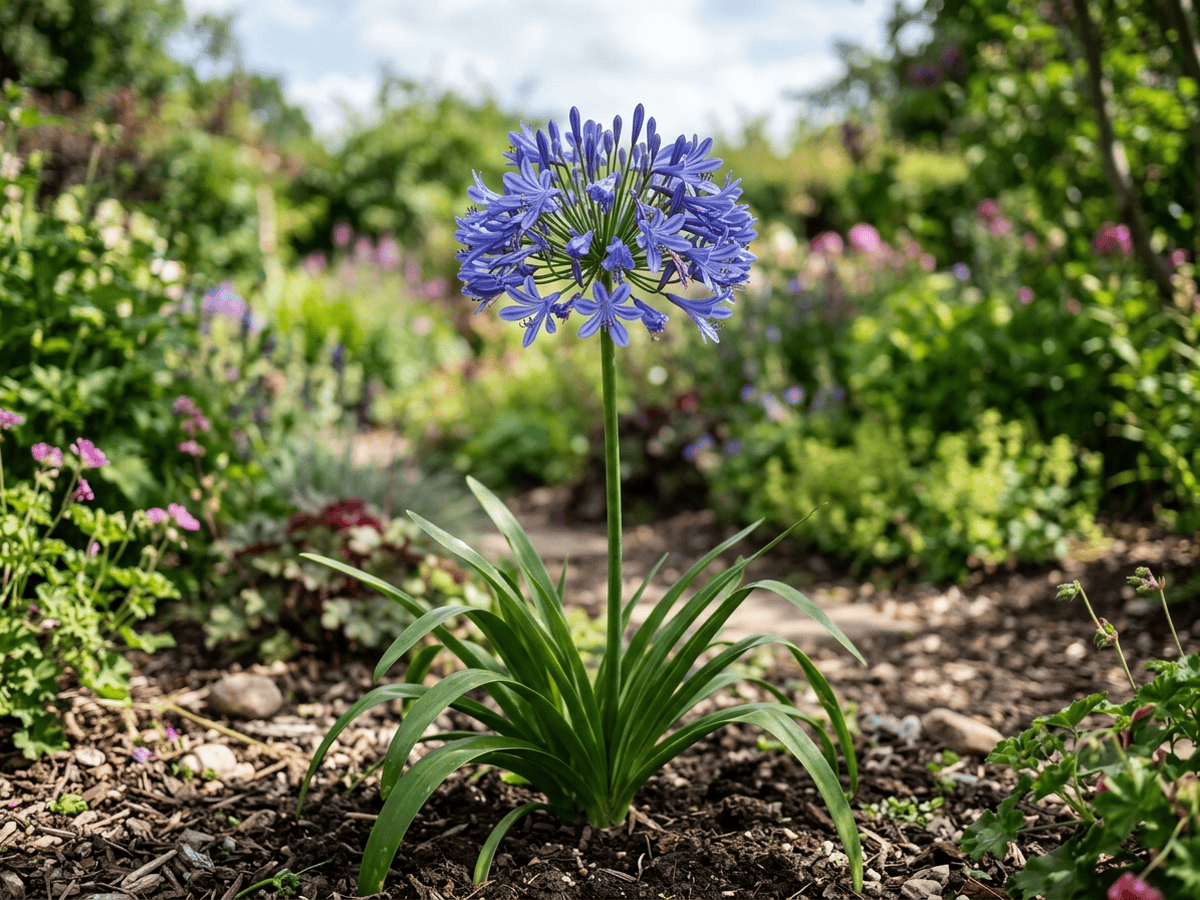 African LilyAgapanthus africanus
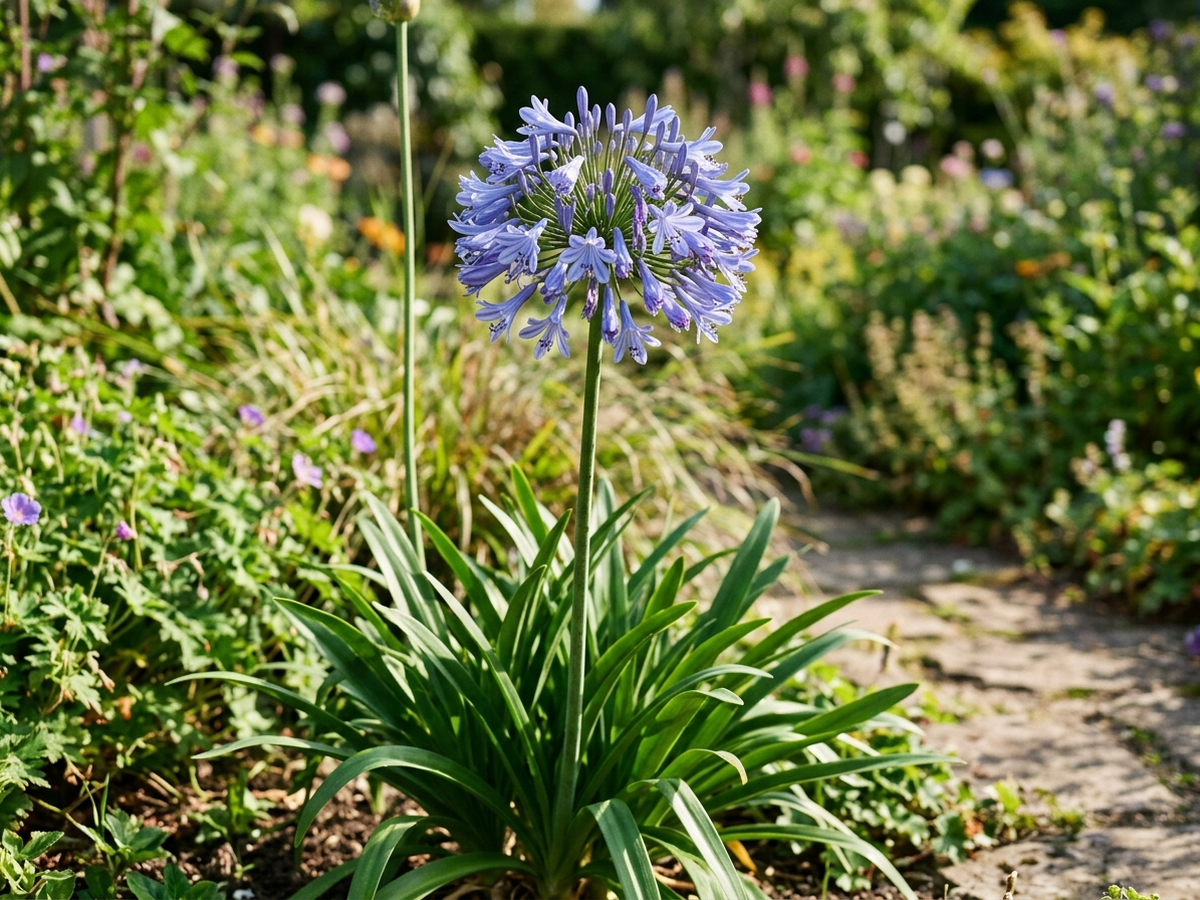 Bell AgapanthusAgapanthus campanulatus
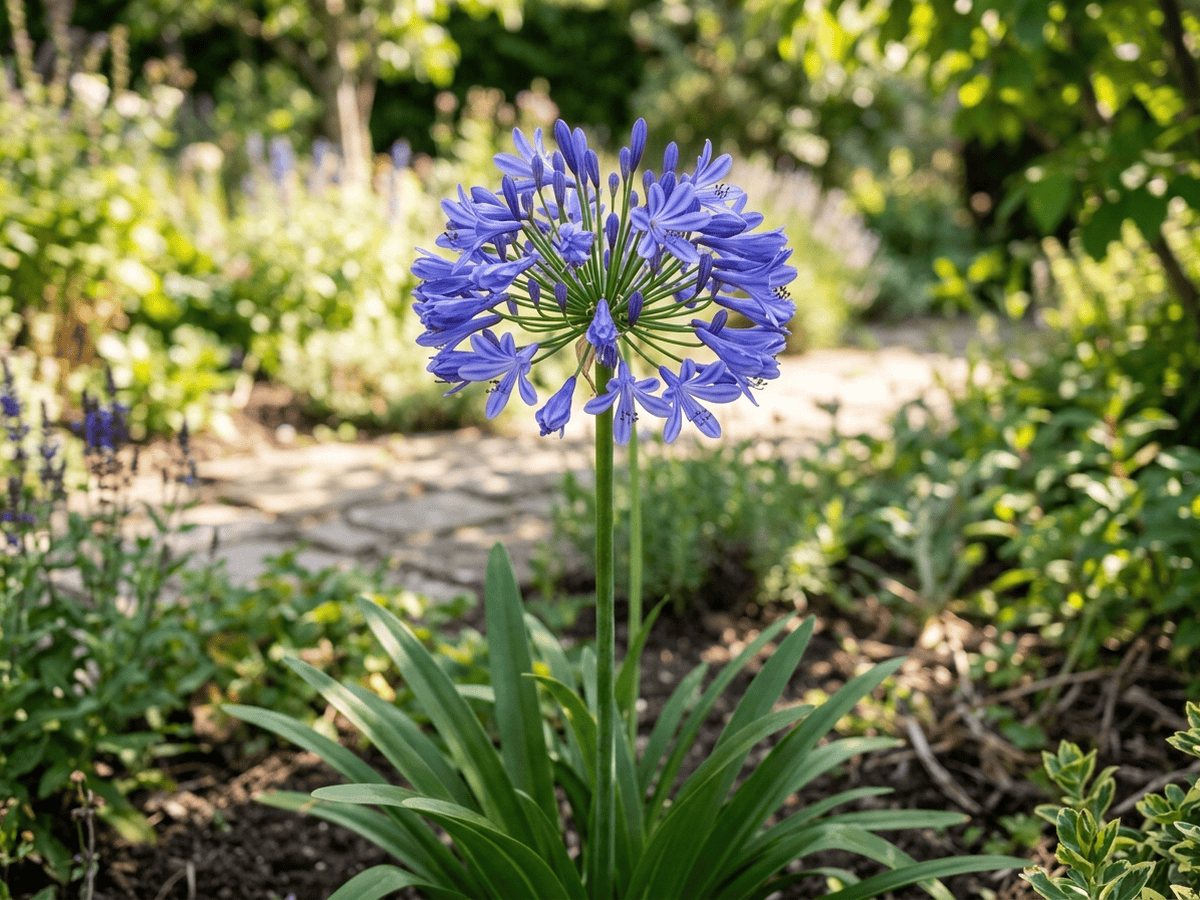 Common AgapanthusAgapanthus praecox
Frequently asked questions
How often should I water Jordan Sage?
Water about every 7 days during the growing season, and always let excess water drain away.
How much light does Jordan Sage need?
Part sun: 4–6 hrs direct. Watch the leaves — scorching or stretching means the light needs adjusting.
Is Jordan Sage toxic to cats or dogs?
No toxicity has been reported for this plant. Still, it is wise to keep pets from chewing on any houseplant. Educational information, not medical or veterinary advice. If exposure is suspected, contact a doctor or veterinarian.
Is Jordan Sage easy to grow?
It is considered challenging and rewards experienced growers.
When does Jordan Sage bloom?
It typically blooms Jun–Sep in the Northern Hemisphere.
YardMate
Identify any plant in seconds
Snap a photo — YardMate names the plant, diagnoses problems, and reminds you when to water.
Download on the App Store