 YardMate


Baby Sage
Salvia microphylla
Easy · Beginner friendlyAbout Baby Sage
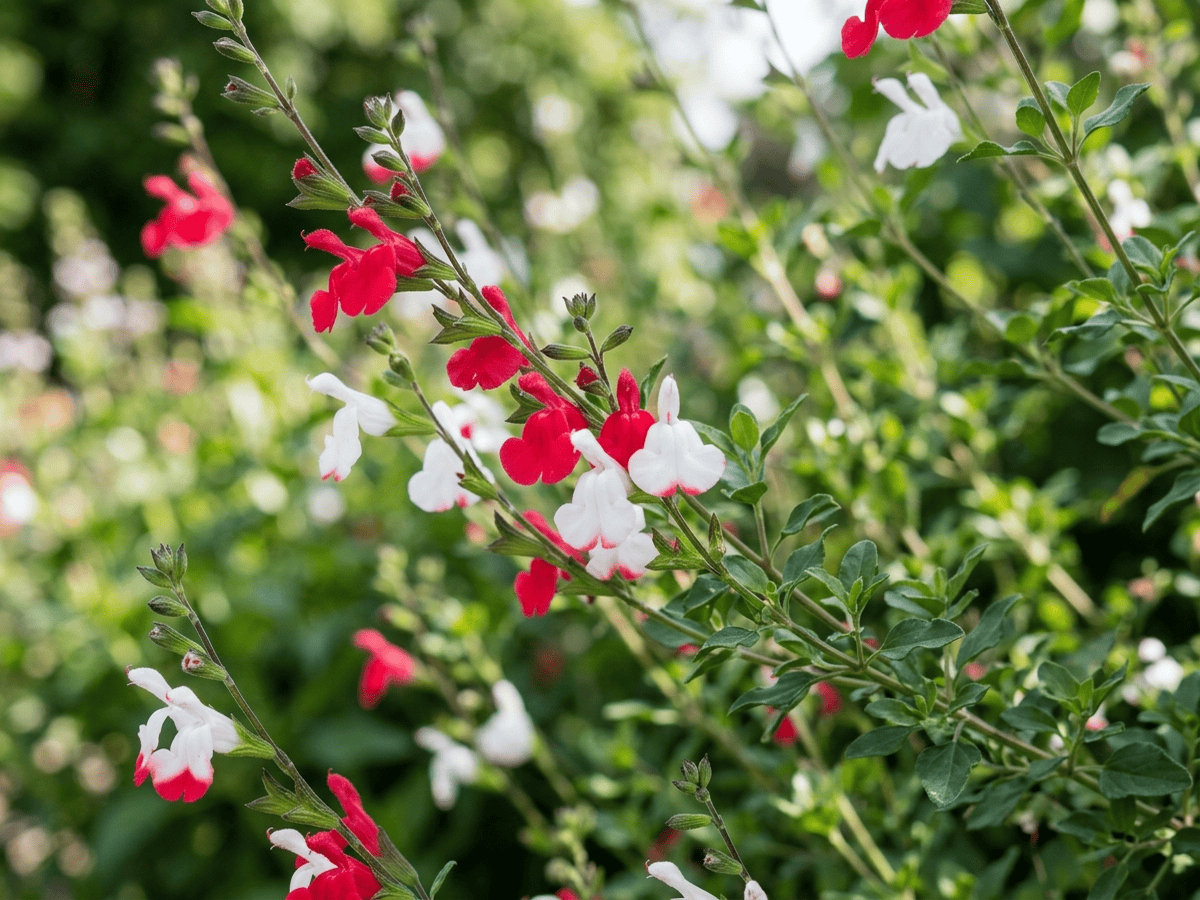
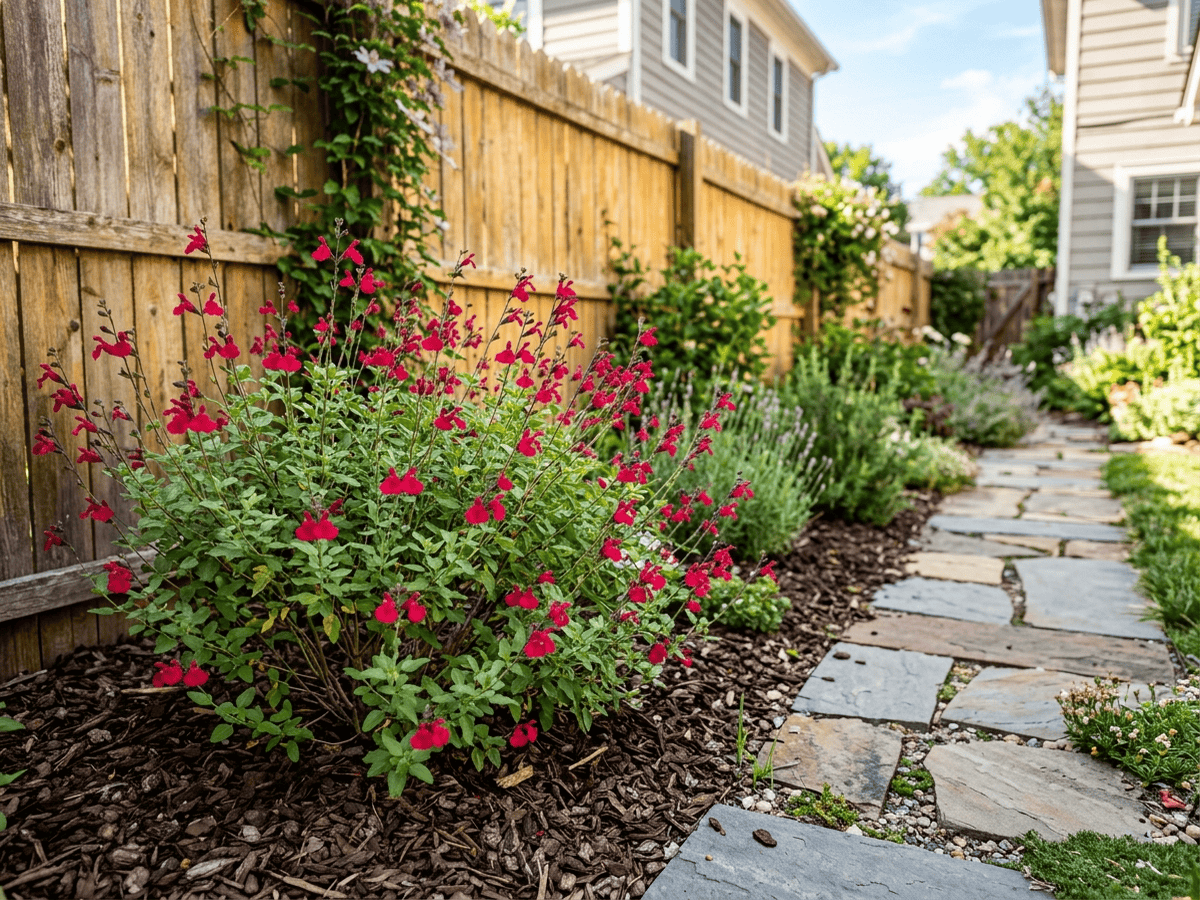
Baby Sage or Little-leaf Sage is a Mexican and Texas native perennial sage closely related to Salvia greggii, with smaller fragrant leaves and abundant tubular flowers in red, pink, white, or purple from spring through fall. Growing 2 to 4 feet tall, 'Hot Lips' (red-and-white bicolor) is the iconic cultivar that became a global landscape hit in the 2000s and helped popularize Mexican salvias in American gardens.
- Fragrant
- Drought-tolerant
- Long-blooming
- Native
How to care for Baby Sage
Watering
- Springevery 7 days
- Summerevery 5 days
- Fallevery 10 days
- Winterevery 21 days
Soil · Well-draining
- Top dressingPine bark mulch10%
- Main mixPotting soil + perlite 2:170%
- DrainageLECA / gravel20%
Never skip the drainage layer — standing water is the top cause of root rot.
FERTILIZER
- Springevery 60 days
At a Glance
- NativeNorth America
- Height2–4 ft (0.6–1.2 m)
- Spread2–4 ft (0.6–1.2 m)
- Flower colorRed, Pink, Coral, White
- Foliage colorGreen
- SoilLoamy, Well-drained
- LocationsYard
Bloom time
BLOOM CYCLE
Peak bloom
Mar–Nov
Tubular flowers spring to frost, heaviest fall bloom
Fragrance
STRONG FRAGRANCE
Distinct blackcurrant or fruit-punch aroma when foliage is crushed.
Toxicity
No toxicity has been reported for this plant. Still, it is wise to keep pets from chewing on any houseplant.
Educational information, not medical or veterinary advice. If exposure is suspected, contact a doctor or veterinarian.
DISTRIBUTION


- Native
- Introduced
- North America
History
Salvia microphylla, commonly called mountain sage, blackcurrant sage, or little-leaf sage, is a shrubby evergreen perennial native to the oak-pine forests of the Sierra Madre Occidental and Oriental of Mexico. Prussian botanist Carl Sigismund Kunth described the species in 1818. Its small aromatic leaves release a distinct blackcurrant or fruit-punch scent when brushed, and the tubular two-lipped flowers span red, pink, coral, white, and bicolors.
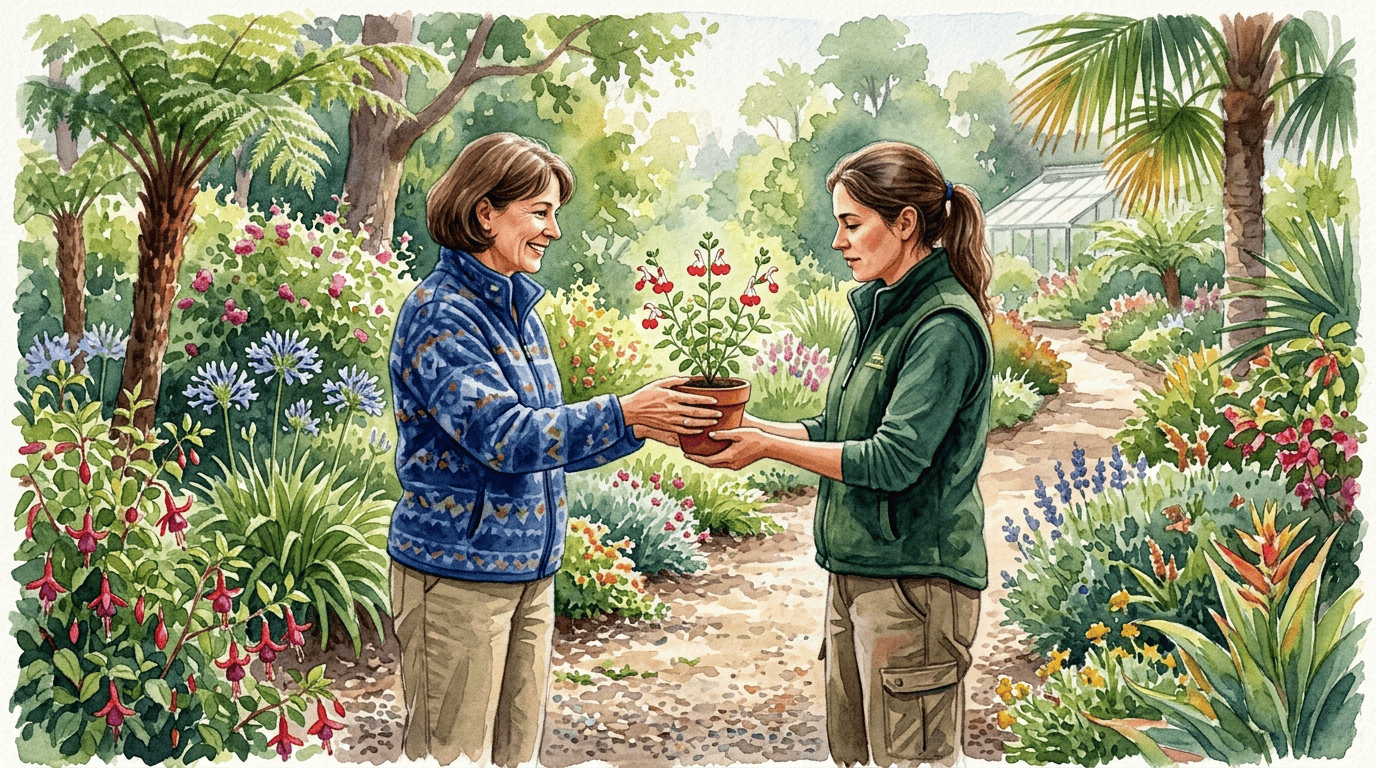
Horticulturists including Scott Ogden and Richard Dufresne have documented hundreds of clones. The iconic red-and-white bicolor cultivar Hot Lips was discovered in 2002 by Richard Turner, a visitor bringing a cutting from a Mexican village to the Strybing Arboretum in San Francisco, and has since become one of the best-selling perennials worldwide.
Related and hybrids with S. greggii are often sold as S. x jamensis. Native to Mexican mountains and southernmost Texas, collected by 19th-century botanists and introduced to European and American horticulture in the 20th century. 'Hot Lips' was selected in Mexico in the 1990s and became a global plant sensation by 2005, popularizing Mexican salvias worldwide.
Symbolism & meaning
What It Symbolizes
Baby Sage is playful devotion in repeating bicolor blooms, its small flowers patterned to look like cheerful little faces. Drawn from Mexican native stock and refined into hardworking cultivars, it carries a clear cultural heritage in every flower spike. In its long-running, reliable color lies the evidence that loyalty in the garden can also be fun to look at.
- Playful devotion — cheerful bicolor bloom patterns
- Mexican heritage — signature cultivar from Mexican native stock
Where the Name Comes From
'Baby sage' reflects the plant's smaller leaves and compact scale among shrubby salvias. Microphylla means small-leaved in Greek.
Uses & Fun Facts
- Tubular red and pink blooms attract hummingbirds spring through fall
- Small leaves release minty-fruity scent when brushed
- Long-blooming Mexican sage for xeric and cottage borders
Related plants
More Salvia plants
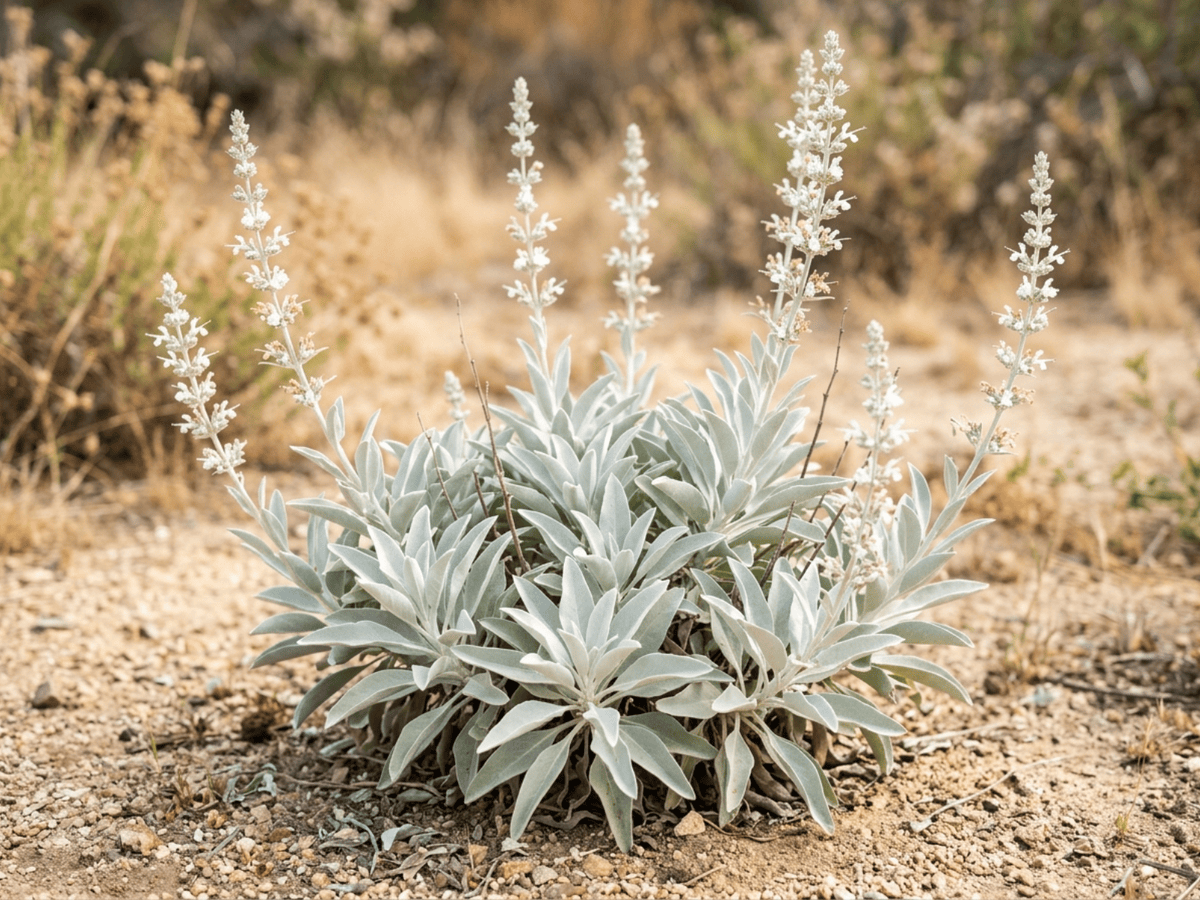 White SageSalvia apiana
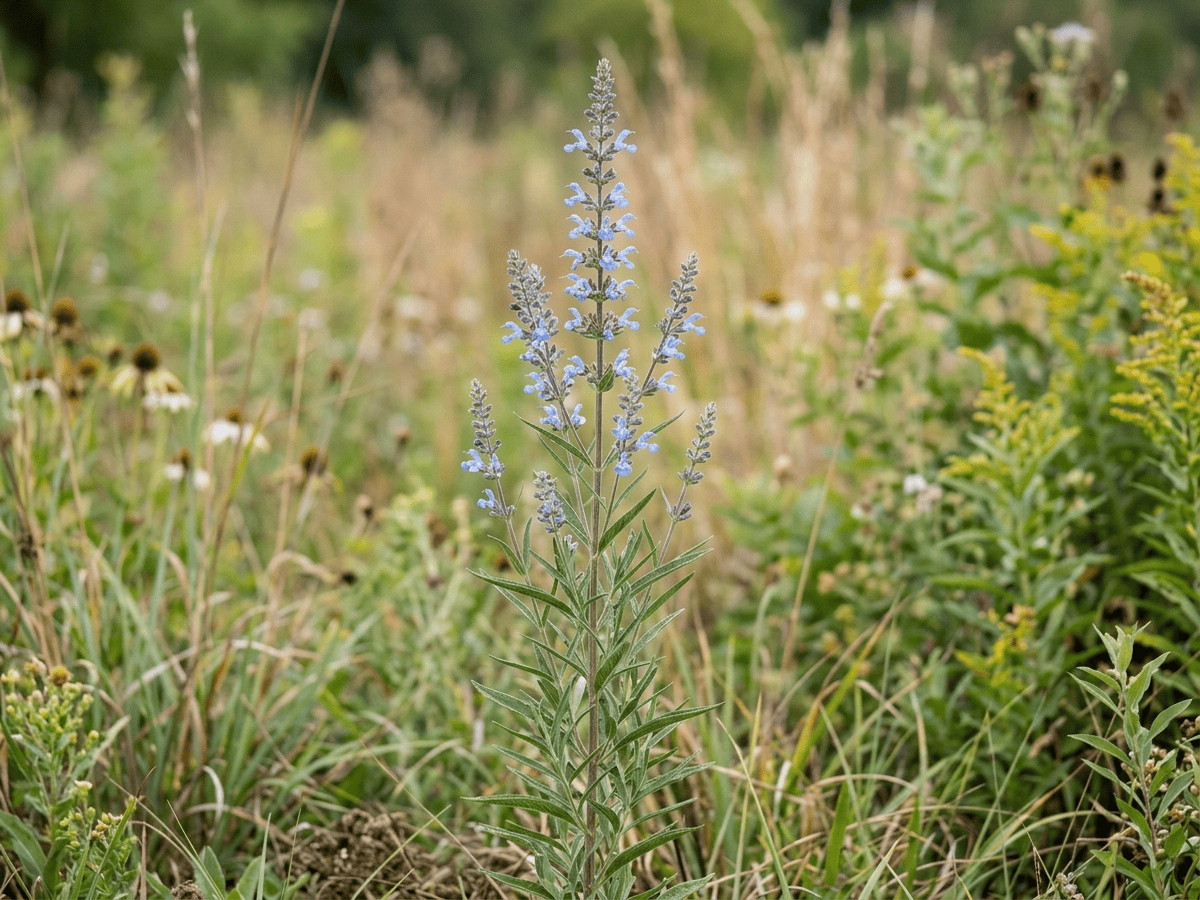 Giant Blue SageSalvia azurea
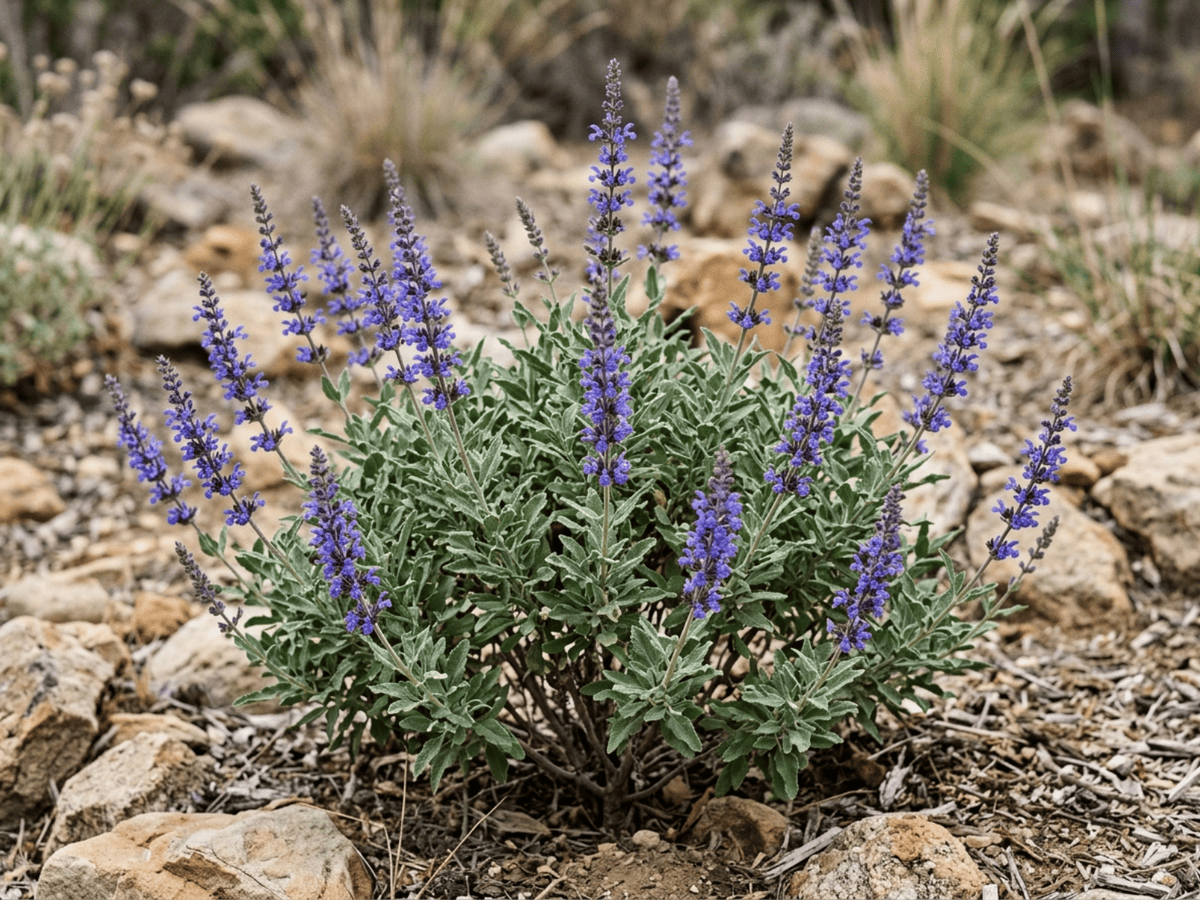 Cleveland SageSalvia clevelandii
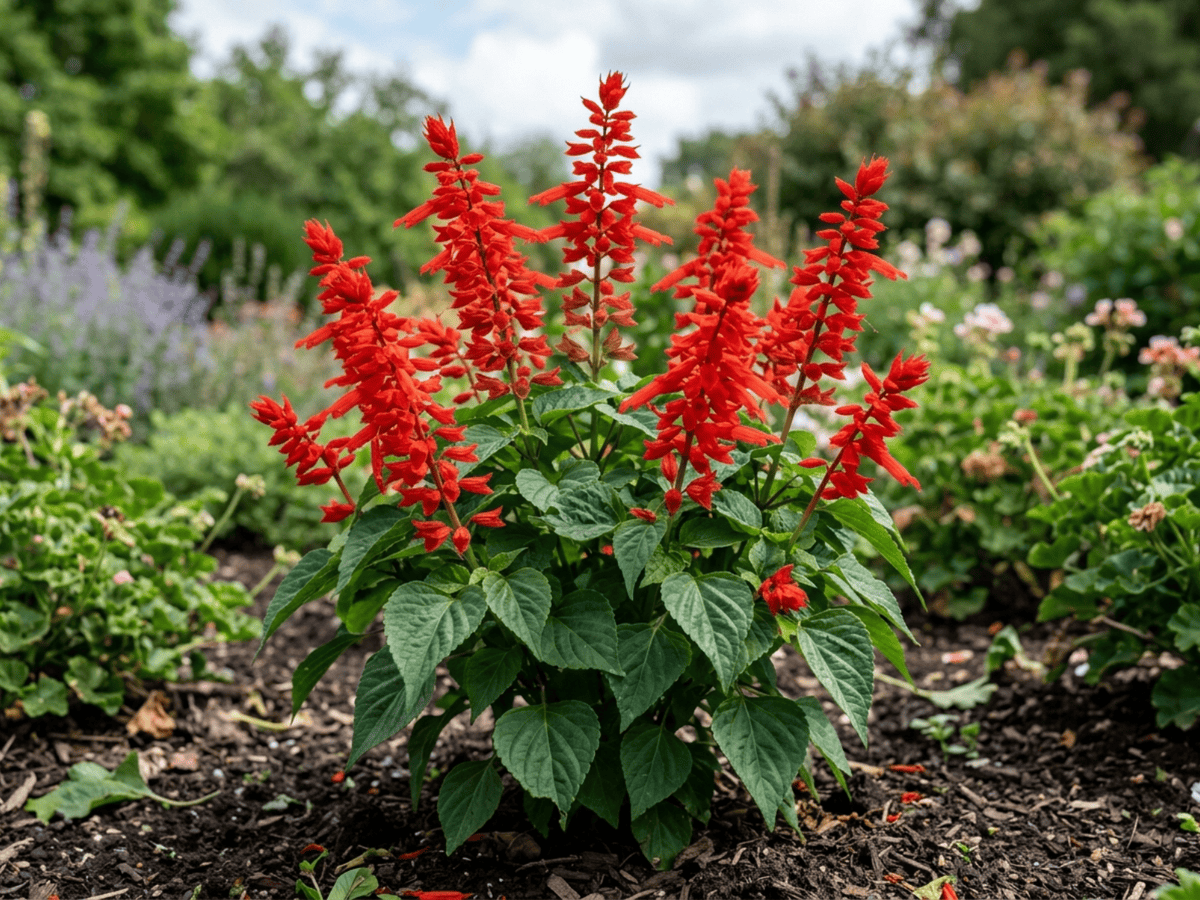 Tropical SageSalvia coccinea
Plants with similar care
 Chinese AbeliaAbelia chinensis
 Fragrant AbeliaAbelia mosanensis
 Large-Flowered AbeliaAbelia uniflora
 Glossy AbeliaAbelia x grandiflora
Frequently asked questions
How often should I water Baby Sage?
In summer, water about every 5 days; in winter, about every 21 days. Adjust for heat, pot size and drainage.
How much light does Baby Sage need?
Full sun: 6+ hrs direct. Watch the leaves — scorching or stretching means the light needs adjusting.
Is Baby Sage toxic to cats or dogs?
No toxicity has been reported for this plant. Still, it is wise to keep pets from chewing on any houseplant. Educational information, not medical or veterinary advice. If exposure is suspected, contact a doctor or veterinarian.
Is Baby Sage easy to grow?
Yes — it is considered an easy, beginner-friendly plant.
When does Baby Sage bloom?
It typically blooms Mar–Nov in the Northern Hemisphere.
YardMate
Identify any plant in seconds
Snap a photo — YardMate names the plant, diagnoses problems, and reminds you when to water.
Download on the App Store