 YardMate


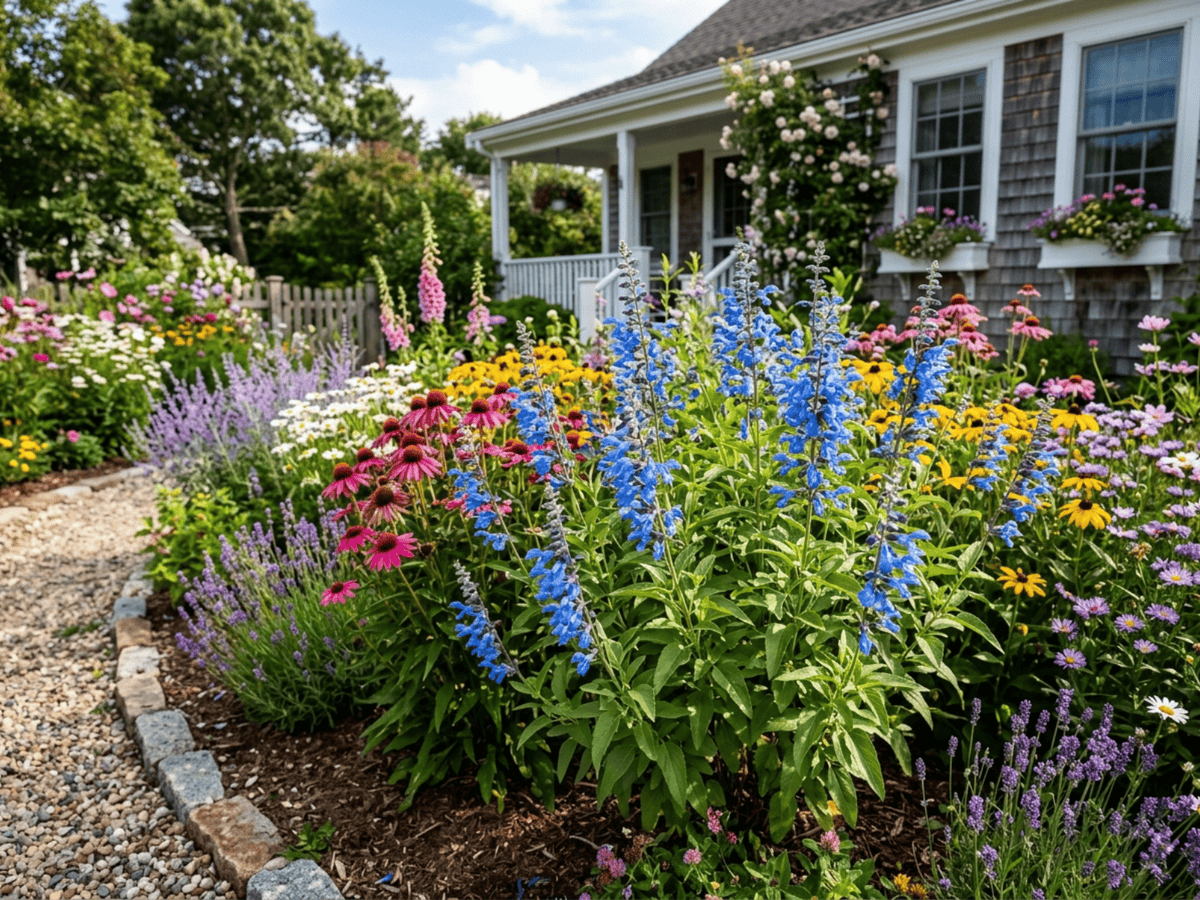
Gentian Sage
Salvia patens
Medium · Some experienceAbout Gentian Sage
Gentian Sage is a tuberous-rooted Mexican native bearing arguably the bluest flowers of any salvia—intense, pure gentian-blue tubular blooms up to 2 inches long. Grown as an annual in cold zones or a tender perennial in zones 8–10, it reaches 2–3 feet tall with triangular leaves and open, airy spikes. Excellent for mixed borders, pollinator gardens, and as a hummingbird plant. Tubers can be lifted and stored like dahlias in cold-winter regions.
- Deer-resistant
- Wildlife-friendly
How to care for Gentian Sage
Watering
- Springevery 5 days
- Summerevery 4 days
- Fallevery 10 days
- Winterevery 21 days
Soil · Well-draining
- Top dressingPine bark mulch10%
- Main mixPotting soil + perlite 2:170%
- DrainageLECA / gravel20%
Never skip the drainage layer — standing water is the top cause of root rot.
FERTILIZER
Balanced Feed 14-14-14
An even feed covers all three needs at once, keeping leaves, roots and blooms moving together with nothing pushed out of balance.
- Nitrogen · Leaves
- Phosphorus · Roots + Blooms
- Potassium · Strength
- Springevery 30 days
- Summerevery 30 days
At a Glance
- Height2–3 ft (0.6–0.9 m)
- Spread1.5–2 ft (0.5–0.6 m)
- Flower colorBlue, Purple
- Foliage colorGreen
- SoilLoamy, Well-drained
- LocationsYard · Balcony
Bloom time
BLOOM CYCLE
Peak bloom
Jun–Nov
Pure blue tubular flowers summer to fall
Fragrance
LIGHT FRAGRANCE
Mild herbaceous scent from crushed leaves.
Toxicity
No toxicity has been reported for this plant. Still, it is wise to keep pets from chewing on any houseplant.
Educational information, not medical or veterinary advice. If exposure is suspected, contact a doctor or veterinarian.
DISTRIBUTION


- Native
History
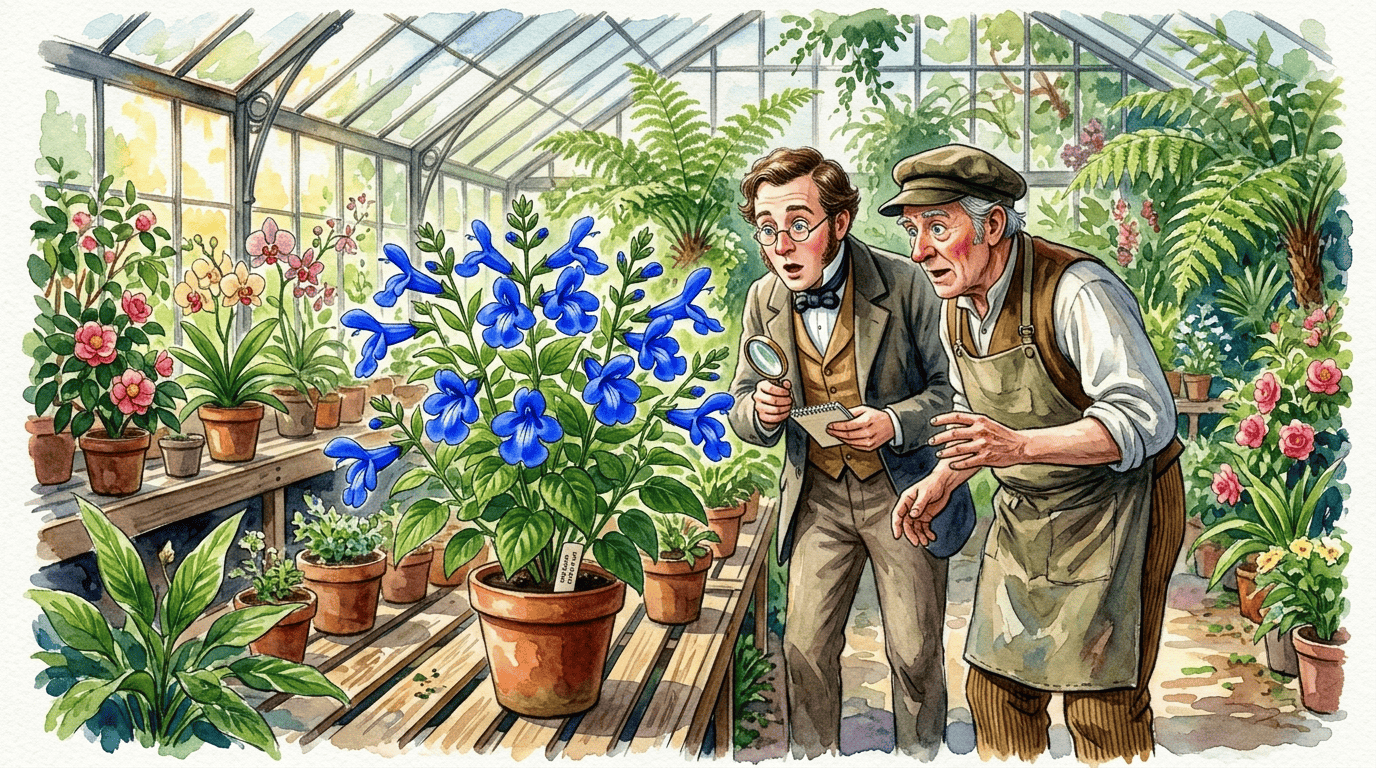
Salvia patens is native to the central Mexican highlands, particularly the volcanic belt states of México, Morelos, Puebla, and Michoacán, growing at 1800-3000 meters elevation in open pine-oak forest and subalpine meadows. The species epithet "patens" means "spreading" or "open," referring to the widely-gaping flower mouth. It was introduced to European horticulture in 1838 and created an immediate horticultural sensation — the large 5 cm pure cobalt-blue tubular flowers of the wild species are one of the purest true-blue flowers available in the garden, and intense true blue of this saturation is exceptionally rare among cultivated flowers (most "blue" garden flowers are actually violet or purple). In cultivation it grows as a tender perennial 45-75 cm tall from small underground tubers, with ovate medium-green leaves and loose upright spikes of widely-gaping 5 cm tubular flowers through summer.
The tubers are sometimes dug and stored dry through winter in cold climates, similar to dahlia tubers. The most widely grown modern cultivar "Cambridge Blue" (introduced early 20th century at the University of Cambridge Botanic Garden) is a pale sky-blue selection that is somewhat less dramatic than the wild cobalt form but more reliable and vigorous in the garden; "Chilcombe" (paler again) and "Royal Blue" (deeper cobalt) are also widely available. Hardy approximately to USDA zone 8-9; further north grown as a tender perennial or started annually from seed.
Introduced from central Mexico to Britain in 1838 by botanist Karl Ehrenberg and reached American gardens via British nurseries. Long considered a connoisseur's plant because of its exceptionally pure blue flower color—one of the few salvias to produce a true, unadulterated blue rather than purple-blue.
Symbolism & meaning
What It Symbolizes
Gentian Sage expresses tranquility, its pure cobalt-blue flowers among the cleanest and most calming blues in the entire plant kingdom. Salvia, by ancient herbal tradition, has long signified wisdom — and this Mexican species adds to that meaning a quiet clarity of thought. Few flowers so directly suggest a settled mind: a quiet plant of unmistakable color whose presence in a border gently slows the gardener down.
- Tranquility — pure blue evokes calm and clarity
- Wisdom — traditional salvia meaning
Where the Name Comes From
'Gentian sage' refers to the unusually large, deep blue flowers that recall gentians. Salvia comes from Latin 'salvere', to be well; patens means spreading or open.
Uses & Fun Facts
- Gentian Sage perennial used in cottage and naturalistic borders
- Large cobalt flowers draw bees to sheltered summer containers
- Gentian Sage berries and cover sustain songbirds through autumn
Related plants
More Salvia plants
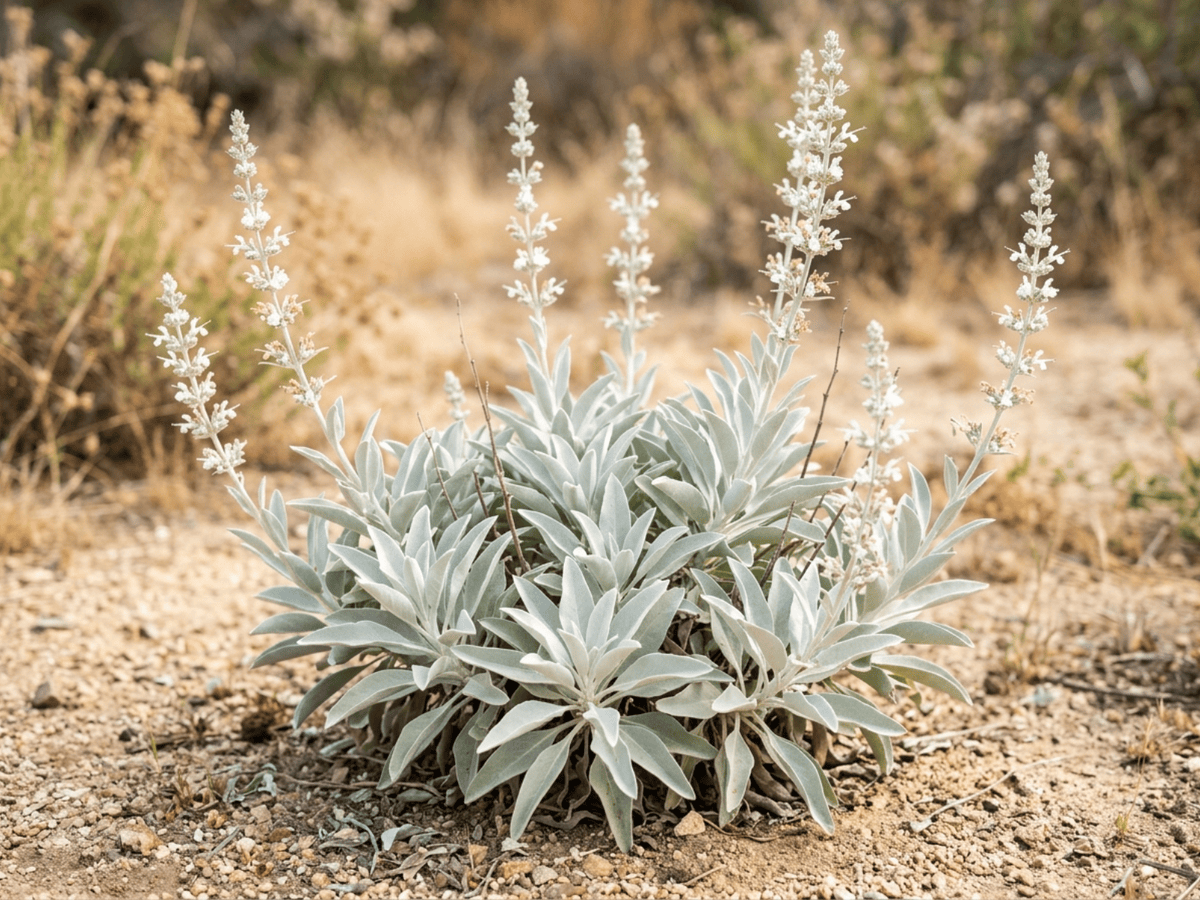 White SageSalvia apiana
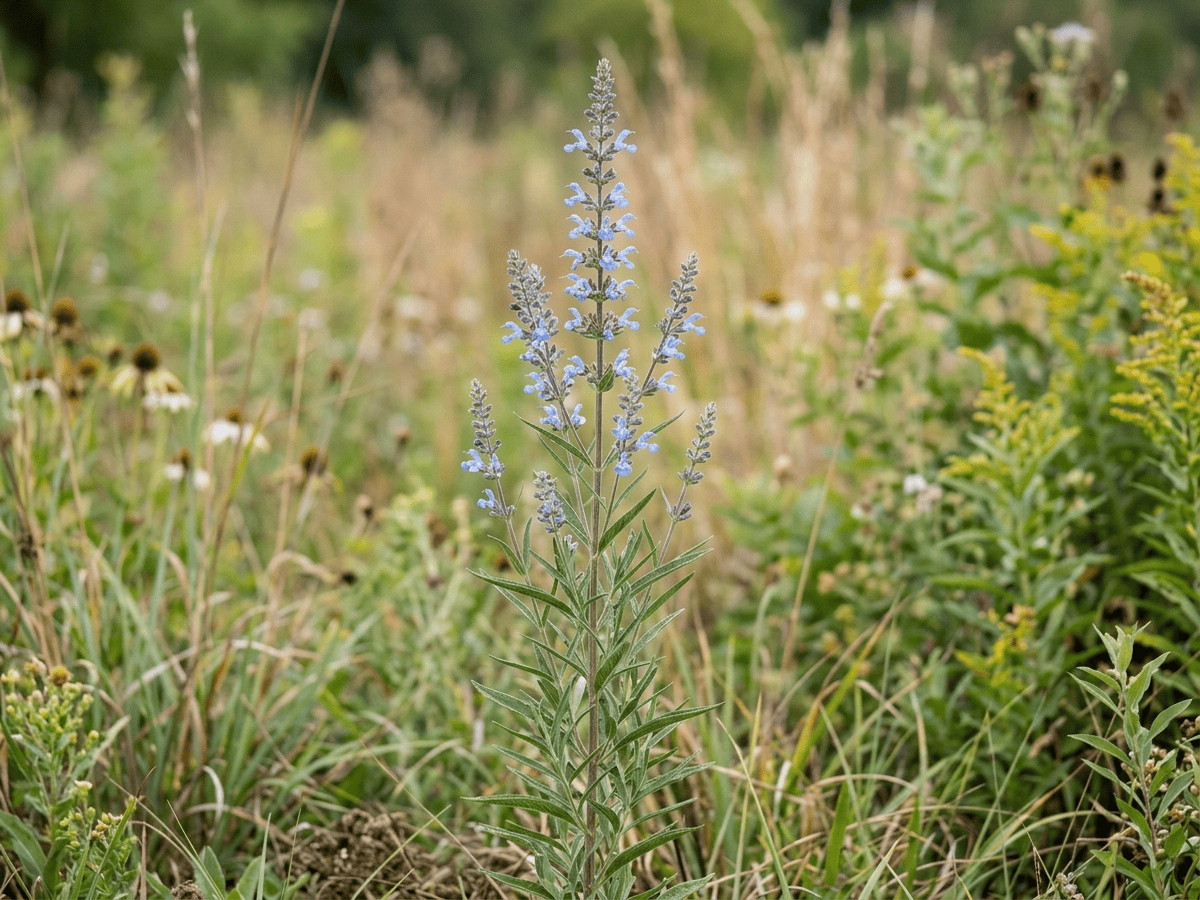 Giant Blue SageSalvia azurea
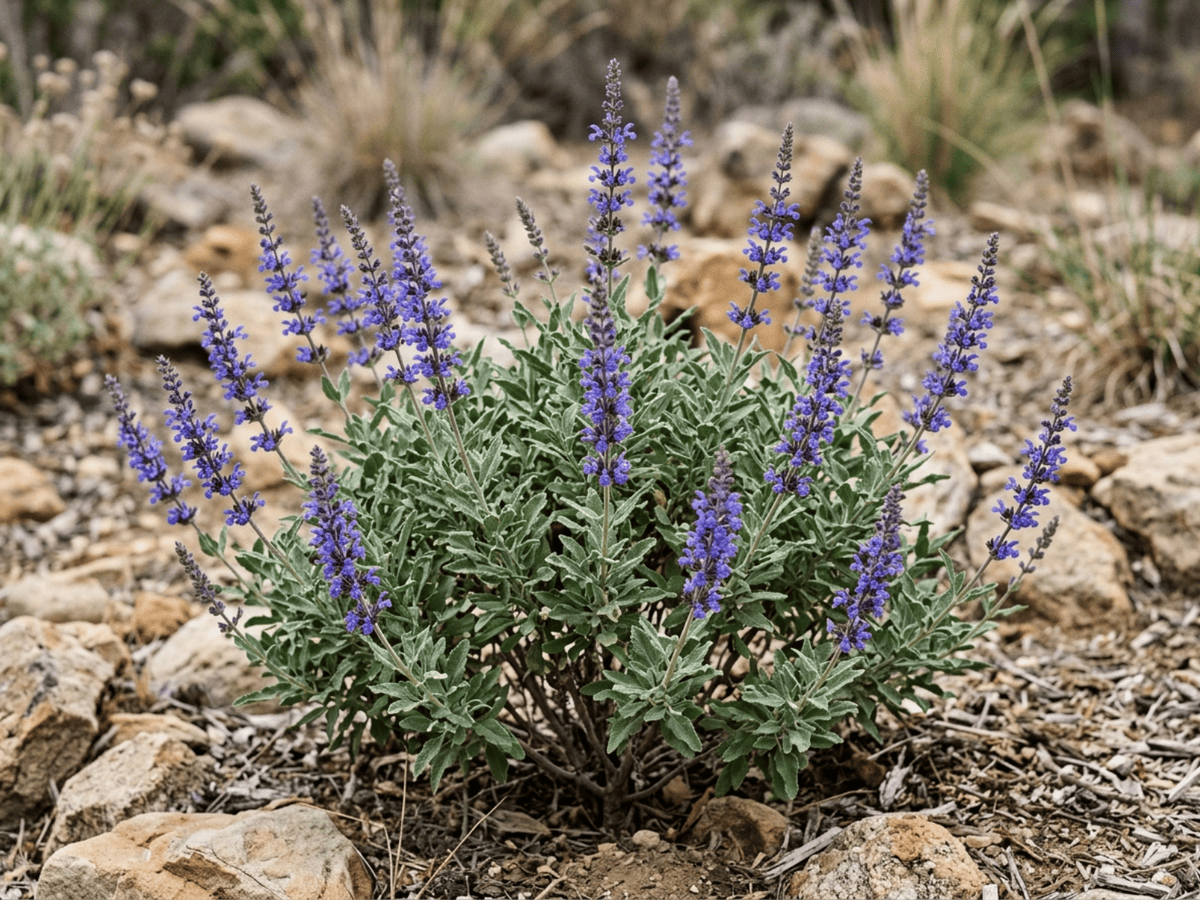 Cleveland SageSalvia clevelandii
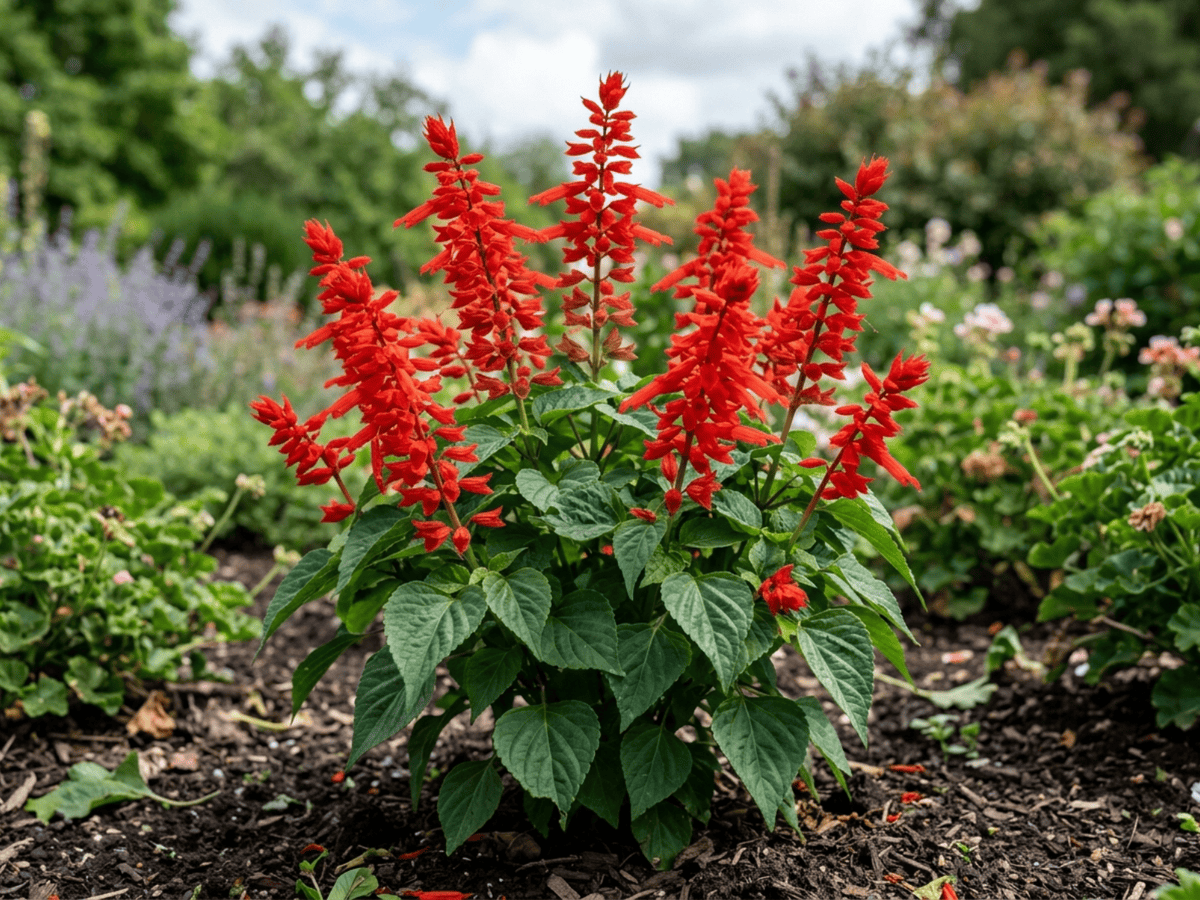 Tropical SageSalvia coccinea
Plants with similar care
 Mexican AbeliaAbelia floribunda
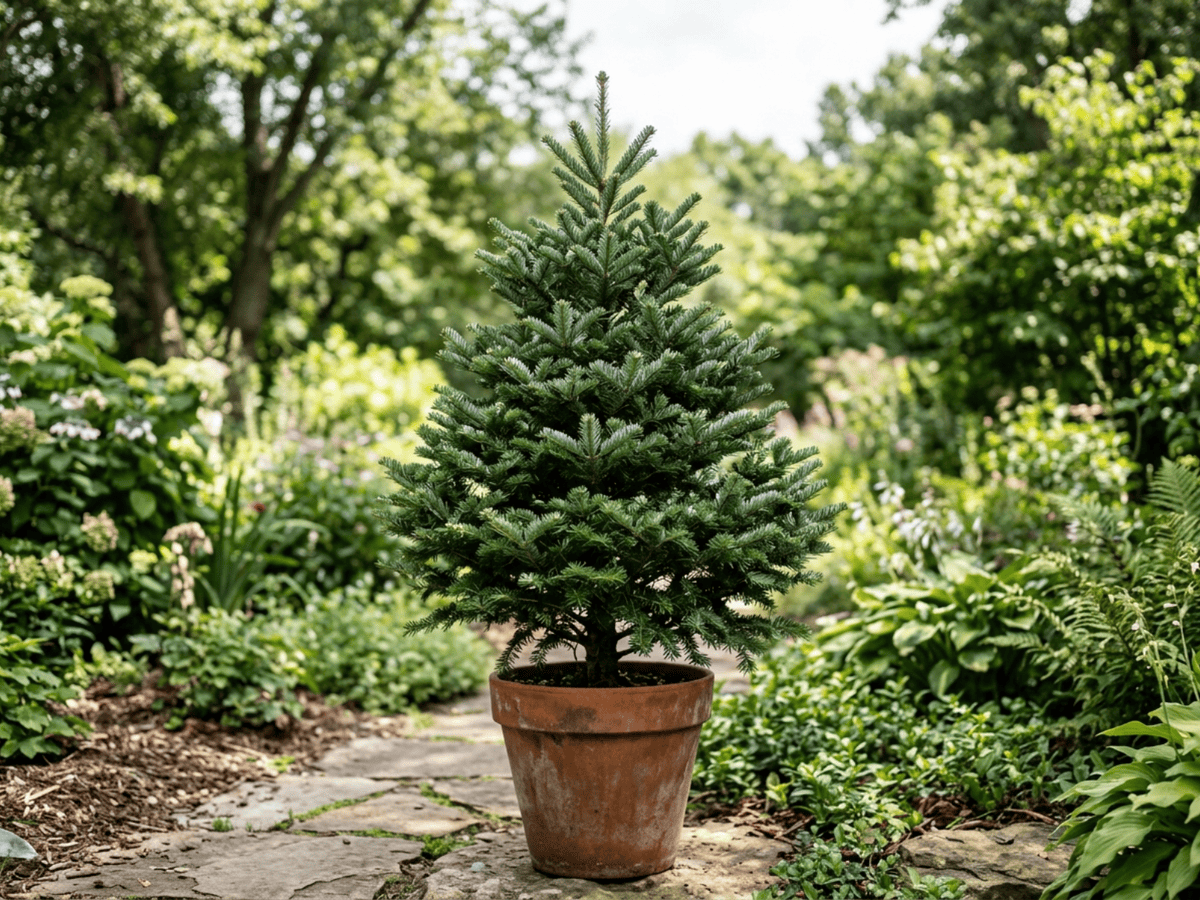 Fraser FirAbies fraseri
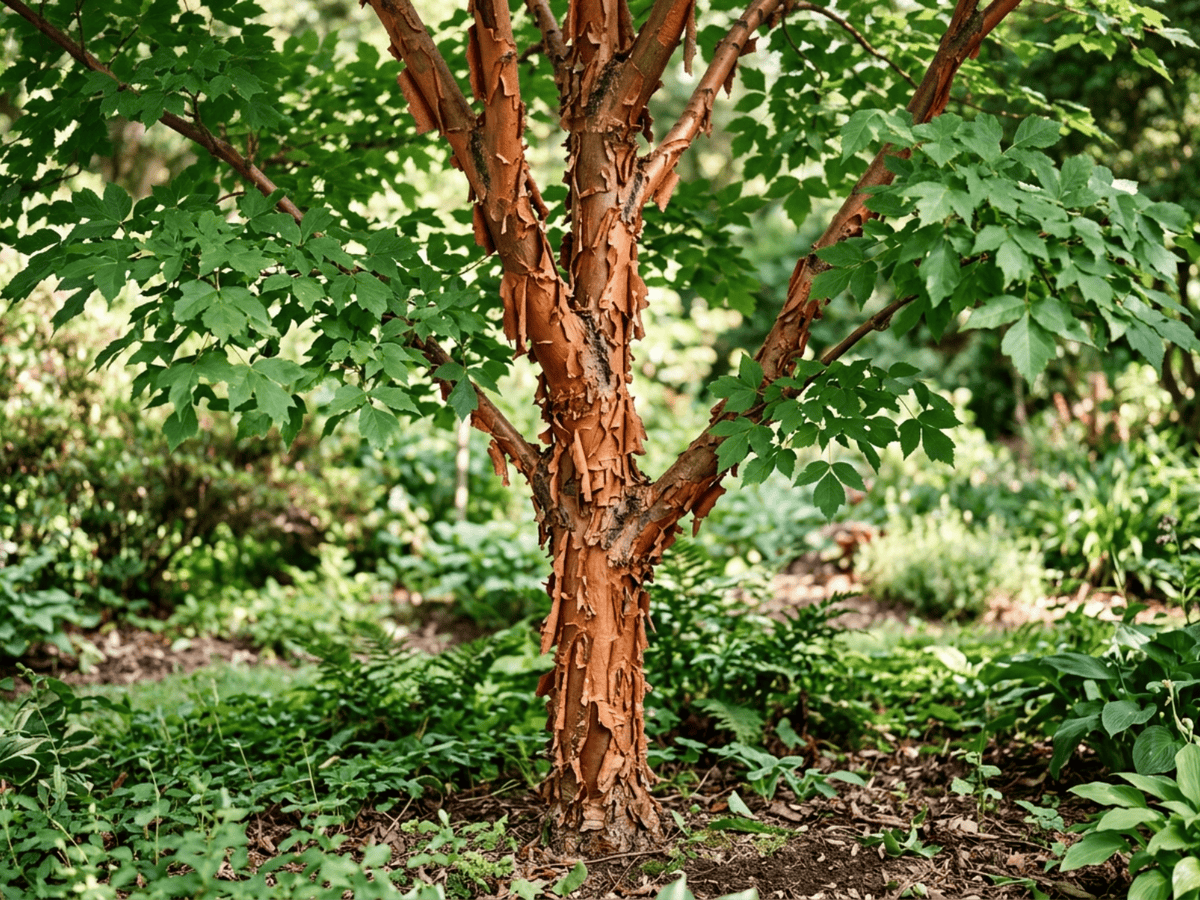 Paperbark MapleAcer griseum
 Sugar MapleAcer saccharum
Frequently asked questions
How often should I water Gentian Sage?
In summer, water about every 4 days; in winter, about every 21 days. Adjust for heat, pot size and drainage.
How much light does Gentian Sage need?
Full sun: 6+ hrs direct. Watch the leaves — scorching or stretching means the light needs adjusting.
Is Gentian Sage toxic to cats or dogs?
No toxicity has been reported for this plant. Still, it is wise to keep pets from chewing on any houseplant. Educational information, not medical or veterinary advice. If exposure is suspected, contact a doctor or veterinarian.
Is Gentian Sage easy to grow?
It is moderately demanding: a good choice once you have a little experience.
When does Gentian Sage bloom?
It typically blooms Jun–Nov in the Northern Hemisphere.
YardMate
Identify any plant in seconds
Snap a photo — YardMate names the plant, diagnoses problems, and reminds you when to water.
Download on the App Store