 YardMate


Meadow Sage
Salvia pratensis
Easy · Beginner friendlyAbout Meadow Sage
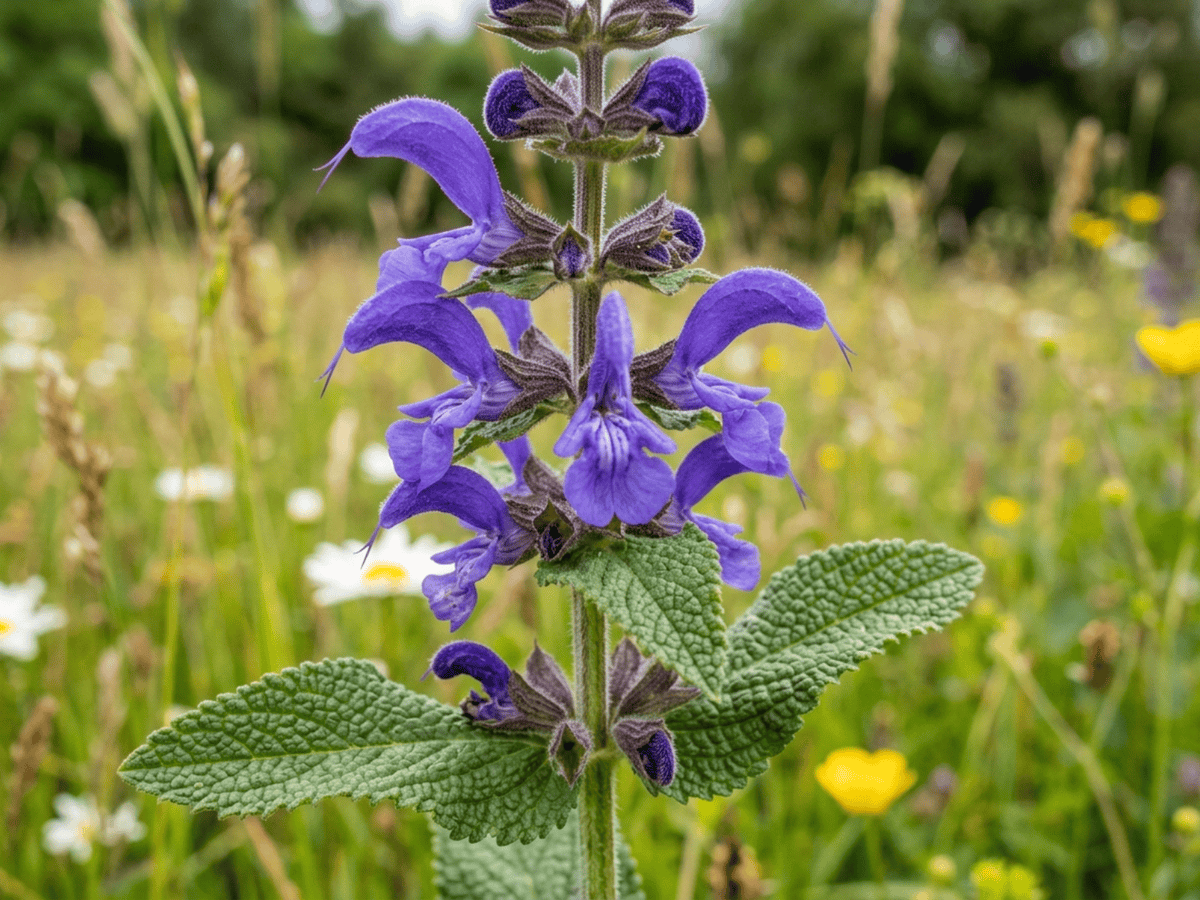
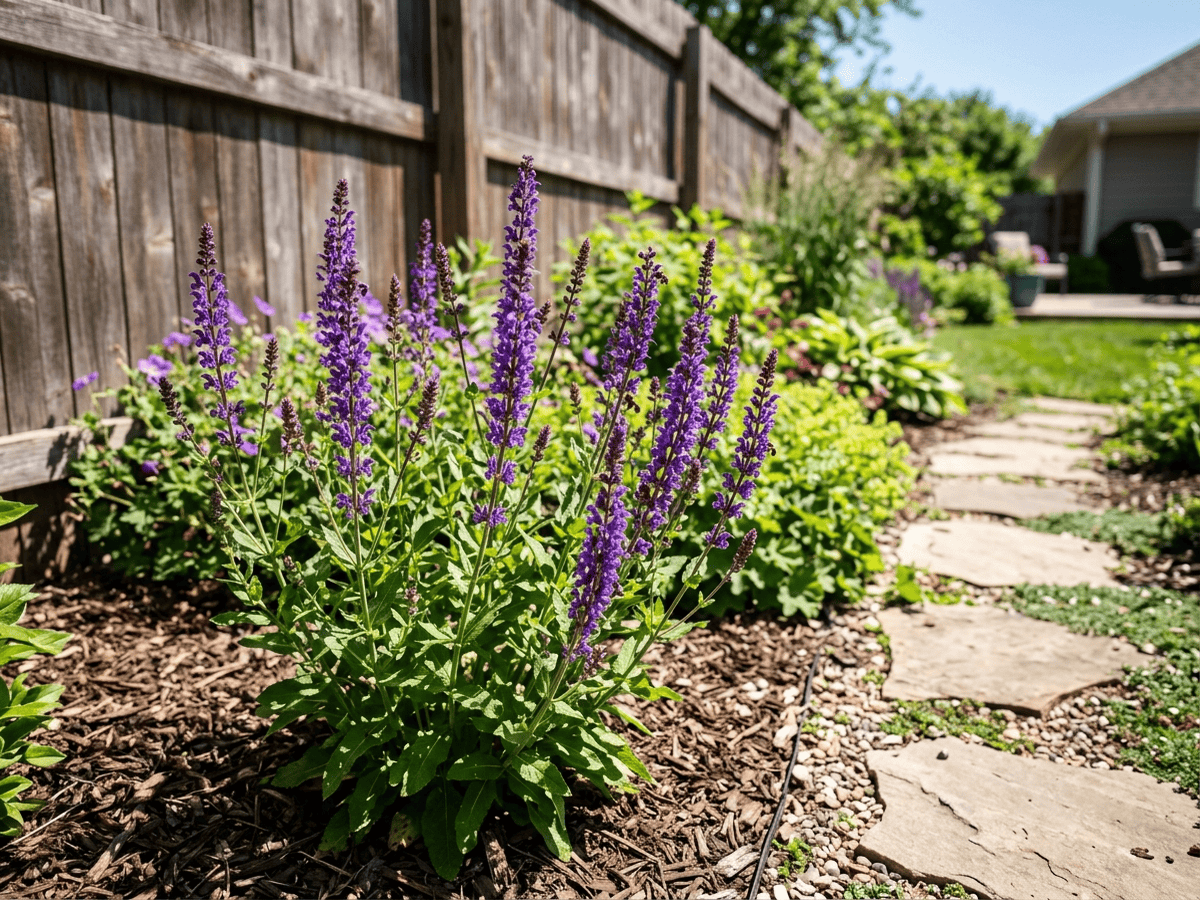
Meadow Sage is a European native perennial with upright spikes of violet-blue flowers rising above rosettes of wrinkled deep green leaves. Growing 18-36 inches tall, it flowers in late spring and early summer. A classic meadow and wildflower garden plant, it has naturalized in parts of the northeastern United States and serves as an excellent choice for prairie-style gardens, cottage borders, and pollinator plantings in USDA zones 3-8.
- Drought-tolerant
- Cold-hardy
- Deer-resistant
- Pollinator-friendly
How to care for Meadow Sage
Watering
- Springevery 7 days
- Summerevery 5 days
- Fallevery 10 days
- Winterpause watering
Soil · Well-draining
- Top dressingPine bark mulch10%
- Main mixPotting soil + perlite 2:170%
- DrainageLECA / gravel20%
Never skip the drainage layer — standing water is the top cause of root rot.
FERTILIZER
- Springevery 30 days
- Summerevery 30 days
At a Glance
- NativeEurope
- Height2–3 ft (0.6–0.9 m)
- Spread1.5–2 ft (0.5–0.6 m)
- Flower colorPurple, Blue
- Foliage colorGreen
- SoilLoamy, Well-drained
- LocationsYard
Bloom time
BLOOM CYCLE
Peak bloom
May–Jul
Violet-blue spikes May to July
Fragrance
MODERATE FRAGRANCE
The foliage has a sage-like aromatic scent.
Toxicity
No toxicity has been reported for this plant. Still, it is wise to keep pets from chewing on any houseplant.
Educational information, not medical or veterinary advice. If exposure is suspected, contact a doctor or veterinarian.
DISTRIBUTION

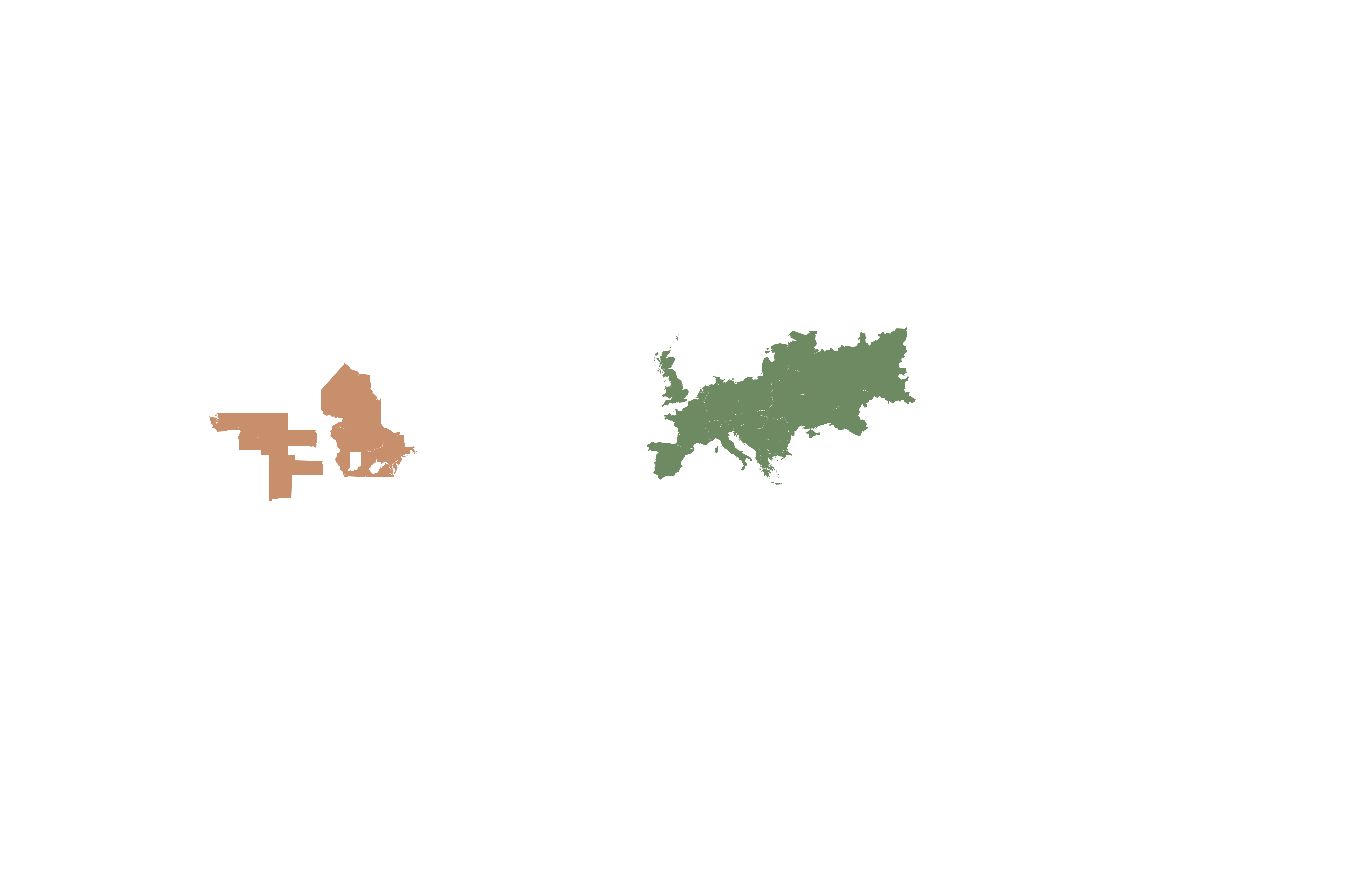
- Native
- Introduced
- Europe
History

Salvia pratensis ranges across European hay meadows and calcareous grasslands from Britain to Ukraine. Linnaeus described it in 1753, but its scientific fame comes from pollination biology. Charles Darwin studied the hinged stamen mechanism of sages: when a bumblebee probes the flower, a levered anther swings down and dusts pollen onto the insect's back.
Meadow sage became a clear example of co-evolution between flower structure and pollinator behavior. The species has also been used since medieval times as a flavoring herb and folk medicine, and modern cultivars such as 'Indigo' and the Haematodes group carry deep blue-violet tones into perennial borders. In meadow restoration it is valued as an indicator of old, unimproved calcareous grassland. It is also one parent of the popular Salvia x sylvestris hybrid group, which turned a meadow wildflower into a garden staple.
Symbolism & meaning
What It Symbolizes
Meadow Sage carries gratitude, associated in European folklore with thanksgiving and the giving of small thanks. Paired with traditional sage symbolism of wisdom, it doubles as a flower of grateful counsel — the sage that understands its name in two languages. To grow it is to keep a small meadow's worth of gentle thanks blooming among the grasses.
- Gratitude — associated with thanksgiving in European folklore
- Wisdom — traditional sage symbolism
Where the Name Comes From
'Pratensis' means 'of the meadow' in Latin.
Uses & Fun Facts
- Hinged blue flowers ingeniously dust visiting bumblebees with pollen
- Meadow clary with airy blue spikes for naturalistic plantings
Related plants
More Salvia plants
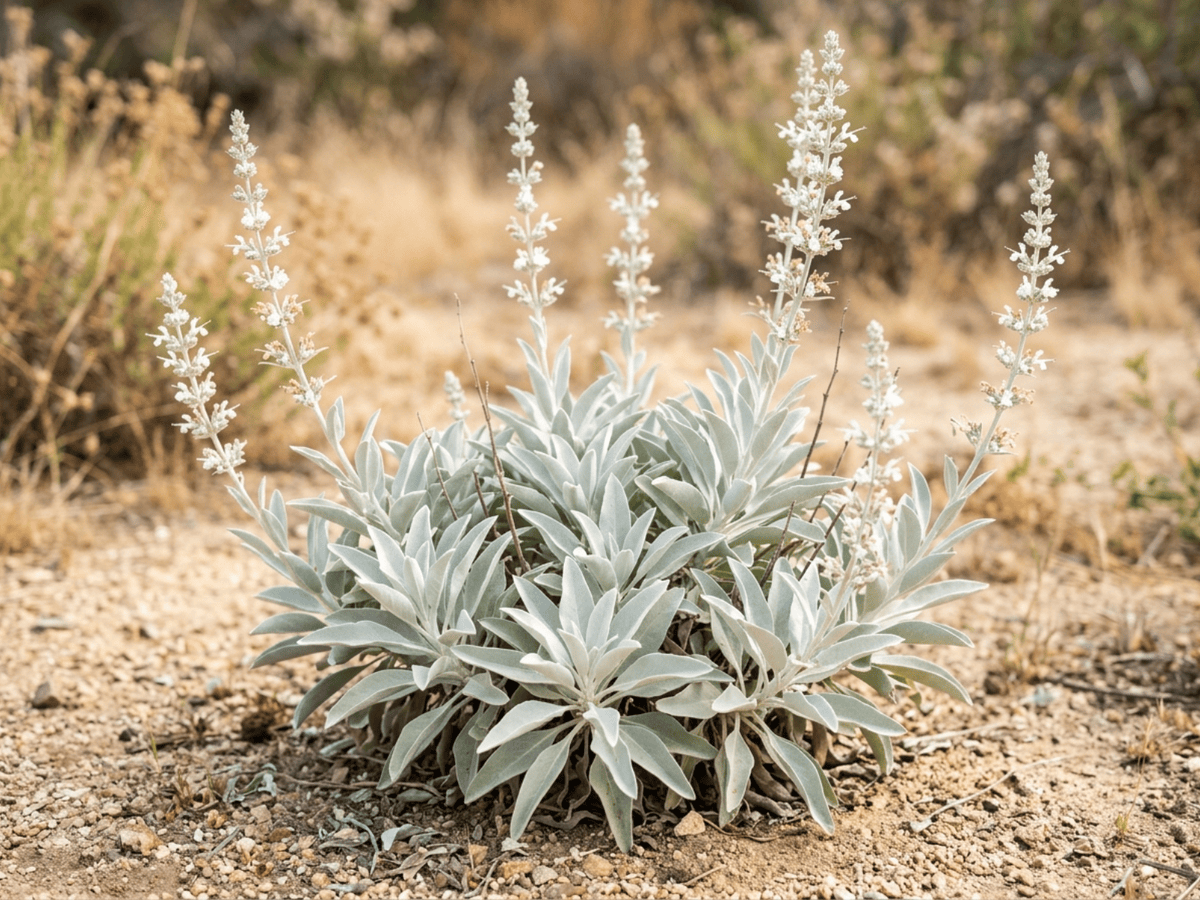 White SageSalvia apiana
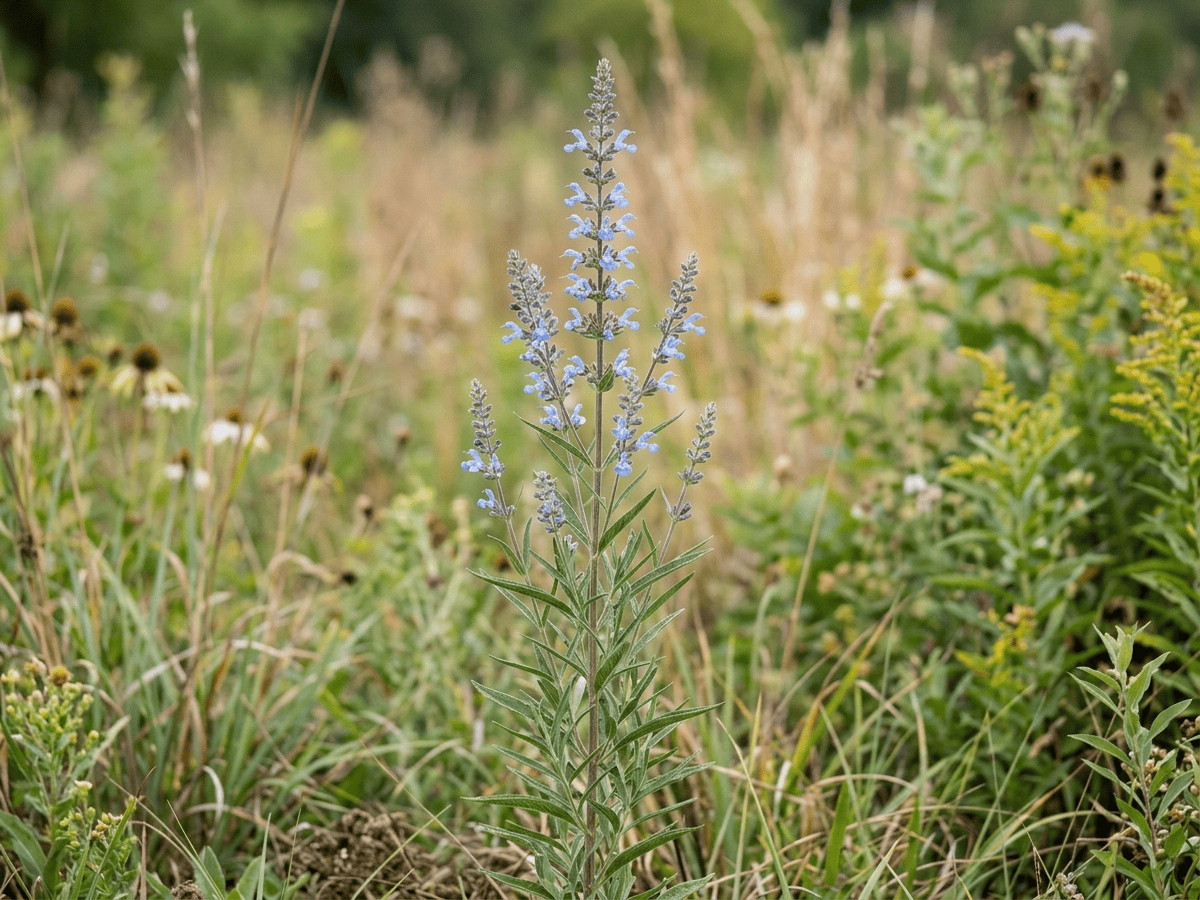 Giant Blue SageSalvia azurea
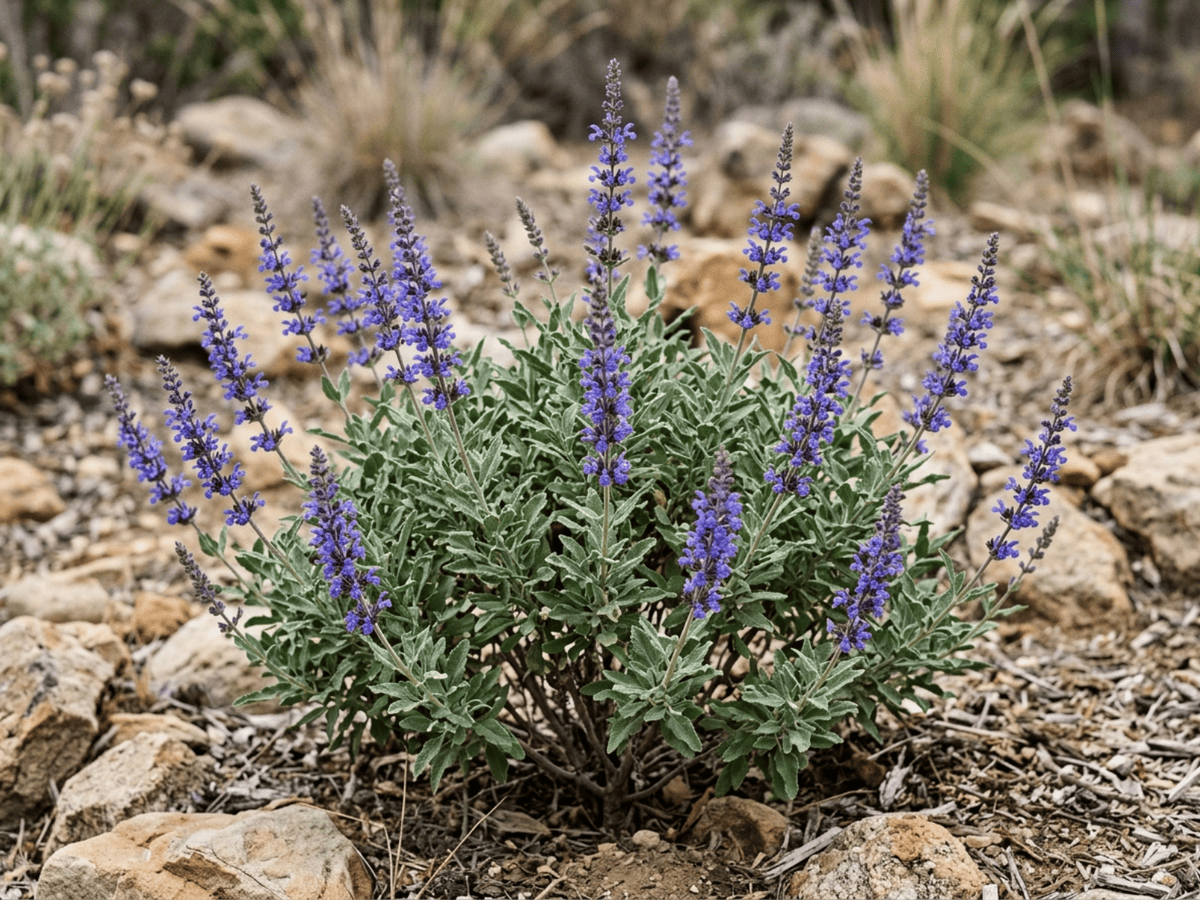 Cleveland SageSalvia clevelandii
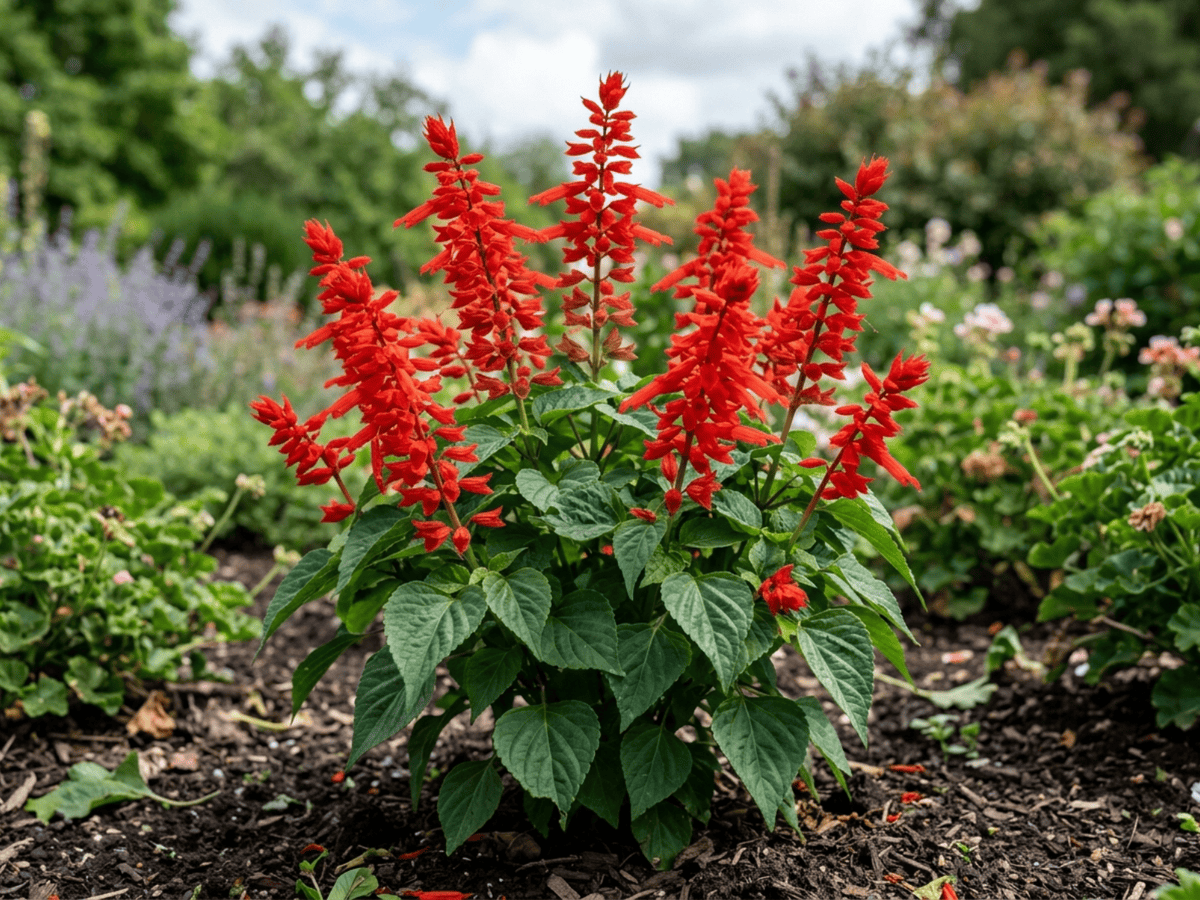 Tropical SageSalvia coccinea
Plants with similar care
 Chinese AbeliaAbelia chinensis
 Fragrant AbeliaAbelia mosanensis
 Large-Flowered AbeliaAbelia uniflora
 Glossy AbeliaAbelia x grandiflora
Frequently asked questions
How often should I water Meadow Sage?
Water about every 7 days during the growing season, and always let excess water drain away.
How much light does Meadow Sage need?
Full sun: 6+ hrs direct. Watch the leaves — scorching or stretching means the light needs adjusting.
Is Meadow Sage toxic to cats or dogs?
No toxicity has been reported for this plant. Still, it is wise to keep pets from chewing on any houseplant. Educational information, not medical or veterinary advice. If exposure is suspected, contact a doctor or veterinarian.
Is Meadow Sage easy to grow?
Yes — it is considered an easy, beginner-friendly plant.
When does Meadow Sage bloom?
It typically blooms May–Jul in the Northern Hemisphere.
YardMate
Identify any plant in seconds
Snap a photo — YardMate names the plant, diagnoses problems, and reminds you when to water.
Download on the App Store