 YardMate


Mountain Sage
Salvia regla
Medium · Some experienceAbout Mountain Sage
Mountain Sage, also called Royal Sage, is a striking deciduous to semi-evergreen sage native to the mountains of west Texas, New Mexico, and northern Mexico. Growing 3 to 6 feet tall, it produces brilliant orange-red tubular flowers from late summer through fall that are irresistible to migrating hummingbirds. Found naturally in the Chisos Mountains of Big Bend National Park, it is a treasured Texas native increasingly grown across the Southwest for its hummingbird value and fall color.
- Drought-tolerant
- Deer-resistant
- Native
- Pollinator-friendly
How to care for Mountain Sage
Watering
- Springevery 10 days
- Summerevery 7 days
- Fallevery 10 days
- Winterevery 21 days
Soil · Well-draining
- Top dressingPine bark mulch10%
- Main mixPotting soil + perlite 2:170%
- DrainageLECA / gravel20%
Never skip the drainage layer — standing water is the top cause of root rot.
FERTILIZER
- Springevery 60 days
At a Glance
- NativeNorth America
- Height4–6 ft (1.2–1.8 m)
- Spread3–5 ft (0.9–1.5 m)
- Flower colorRed, Orange
- Foliage colorGreen
- SoilLoamy, Well-drained
- LocationsYard
Bloom time
BLOOM CYCLE
Peak bloom
Aug–Nov
Brilliant orange-red tubular flowers August to November
Fragrance
LIGHT FRAGRANCE
Sage-like herbal scent when leaves bruised.
Toxicity
No toxicity has been reported for this plant. Still, it is wise to keep pets from chewing on any houseplant.
Educational information, not medical or veterinary advice. If exposure is suspected, contact a doctor or veterinarian.
DISTRIBUTION


- Native
- North America
History
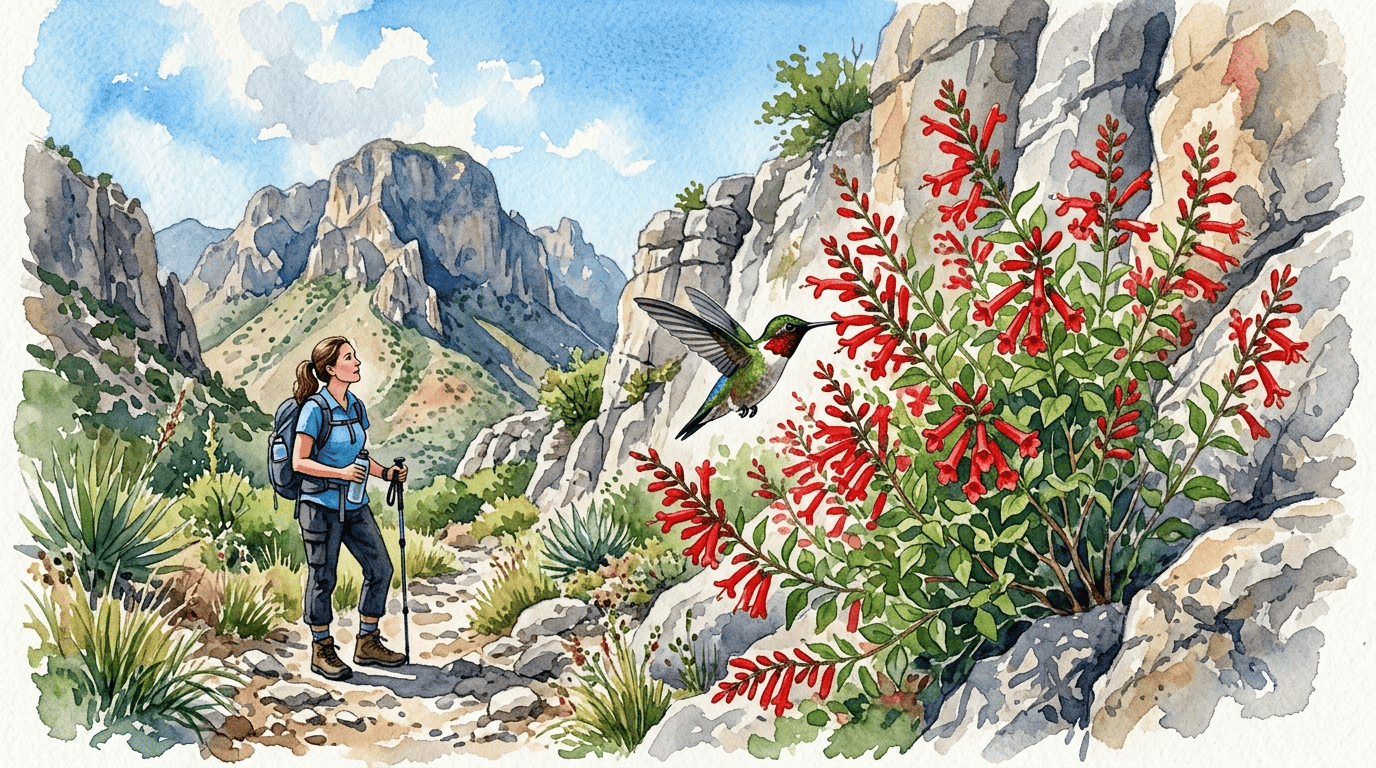
Salvia regla, the mountain sage or royal sage, is a deciduous to semi-evergreen shrub native to high mountain canyons of the Chisos of Big Bend National Park in west Texas and adjacent mountain ranges in northeastern Mexico. French botanist Antoine Cavanilles described the species in 1791, and the epithet regla honors the region of Regla, Hidalgo, Mexico, not royalty. The plant produces brilliant scarlet tubular flowers from late summer into autumn, precisely timed to fuel fall hummingbird migration south through Texas.
Because it is surprisingly cold-hardy for a Big Bend native and demands little water, the Colorado Plant Select program and Texas A&M Earth-Kind plant trials promoted it heavily in the 2000s. It is now widely planted in southwestern US xeriscape gardens as a late-season hummingbird magnet.
Its introduction to broader Southwest horticulture is helping support hummingbird populations during a vulnerable life stage.
Symbolism & meaning
What It Symbolizes
Mountain Sage expresses mountain fire, its blazing orange tubular flowers lighting up the high canyons of west Texas and northern Mexico. It offers crucial migration support, providing fall fuel to hummingbirds on their journeys south to wintering grounds. It is often read as a flower of timed generosity, a sage whose meaning is the precise alignment of bloom and traveler, a plant that flowers exactly when its passing guests most need its in order to keep flying.
- Mountain fire — blazing orange flowers of west Texas mountains
- Migration support — critical fall fuel for hummingbird journeys
Where the Name Comes From
'Mountain sage' points to its Mexican upland origins. Salvia comes from Latin 'salvere', to be well; regla refers to Mount Regla in Mexico, near where the type specimen was collected.
Uses & Fun Facts
- Orange-red blooms fuel migrating hummingbirds in fall
- Tall Texas native sage for Southwest gardens
Related plants
More Salvia plants
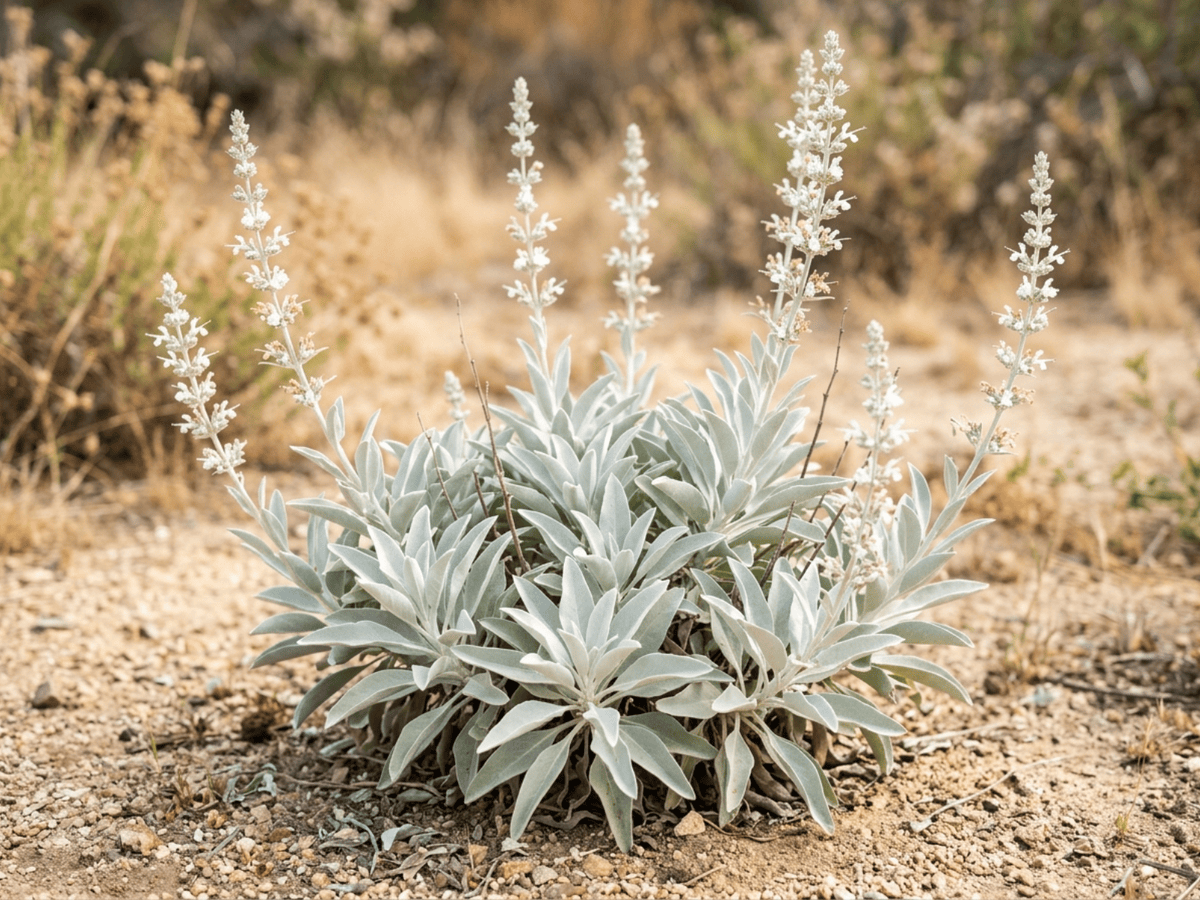 White SageSalvia apiana
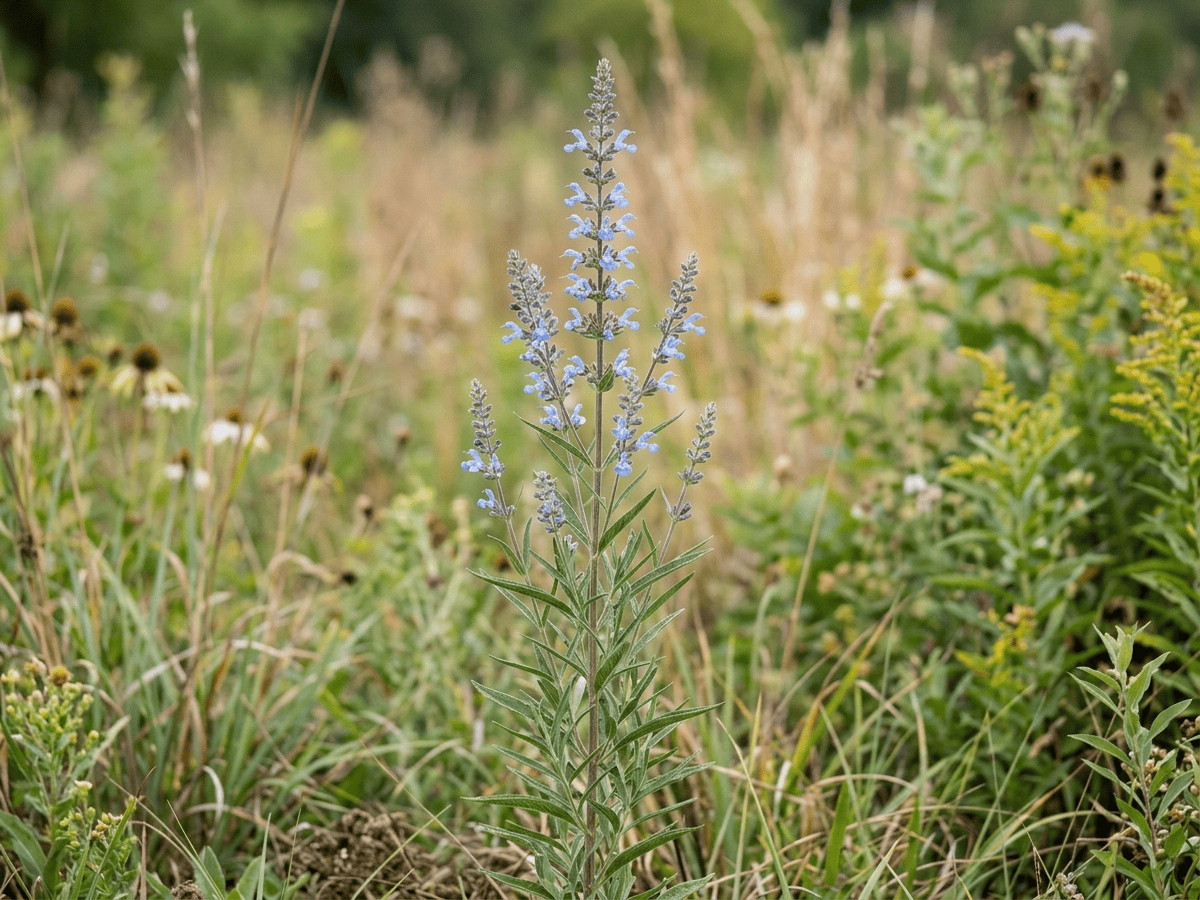 Giant Blue SageSalvia azurea
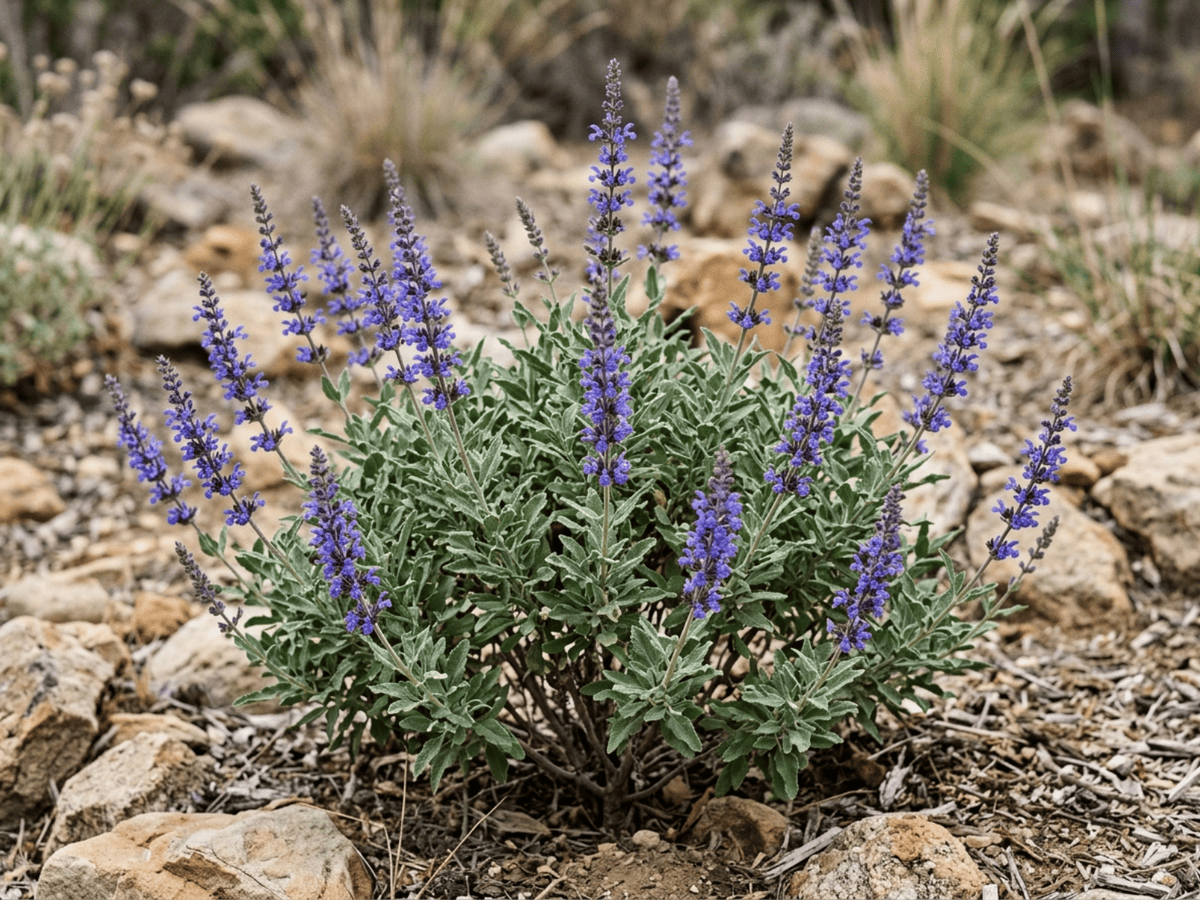 Cleveland SageSalvia clevelandii
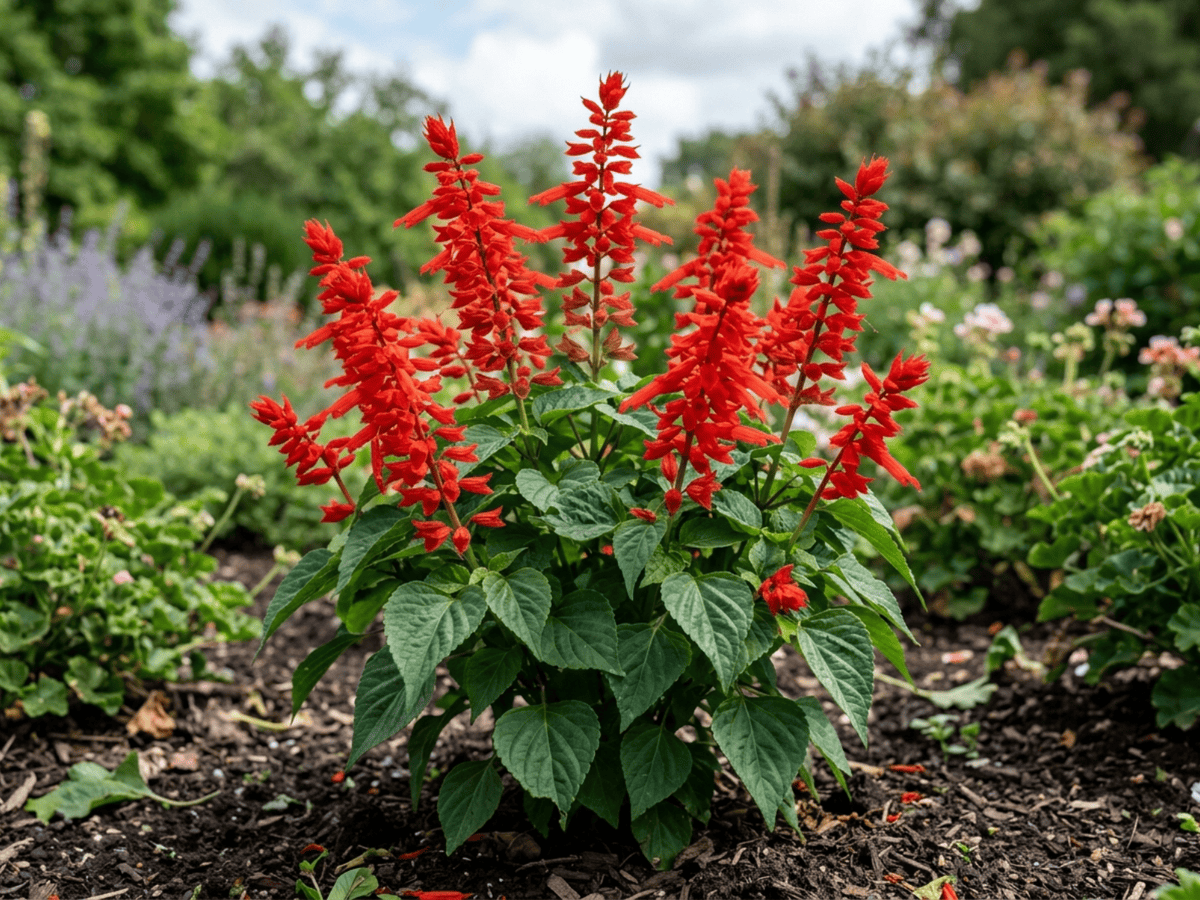 Tropical SageSalvia coccinea
Plants with similar care
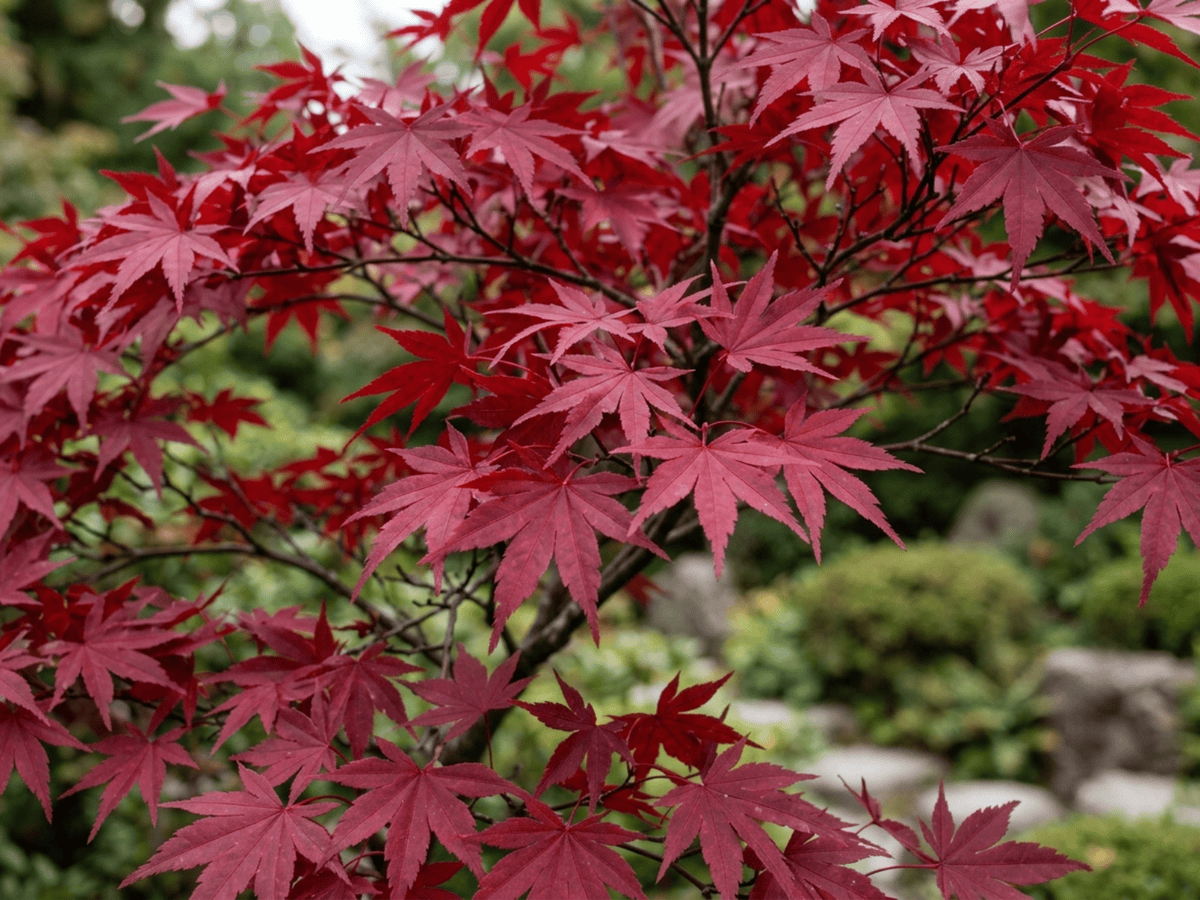 Japanese MapleAcer palmatum
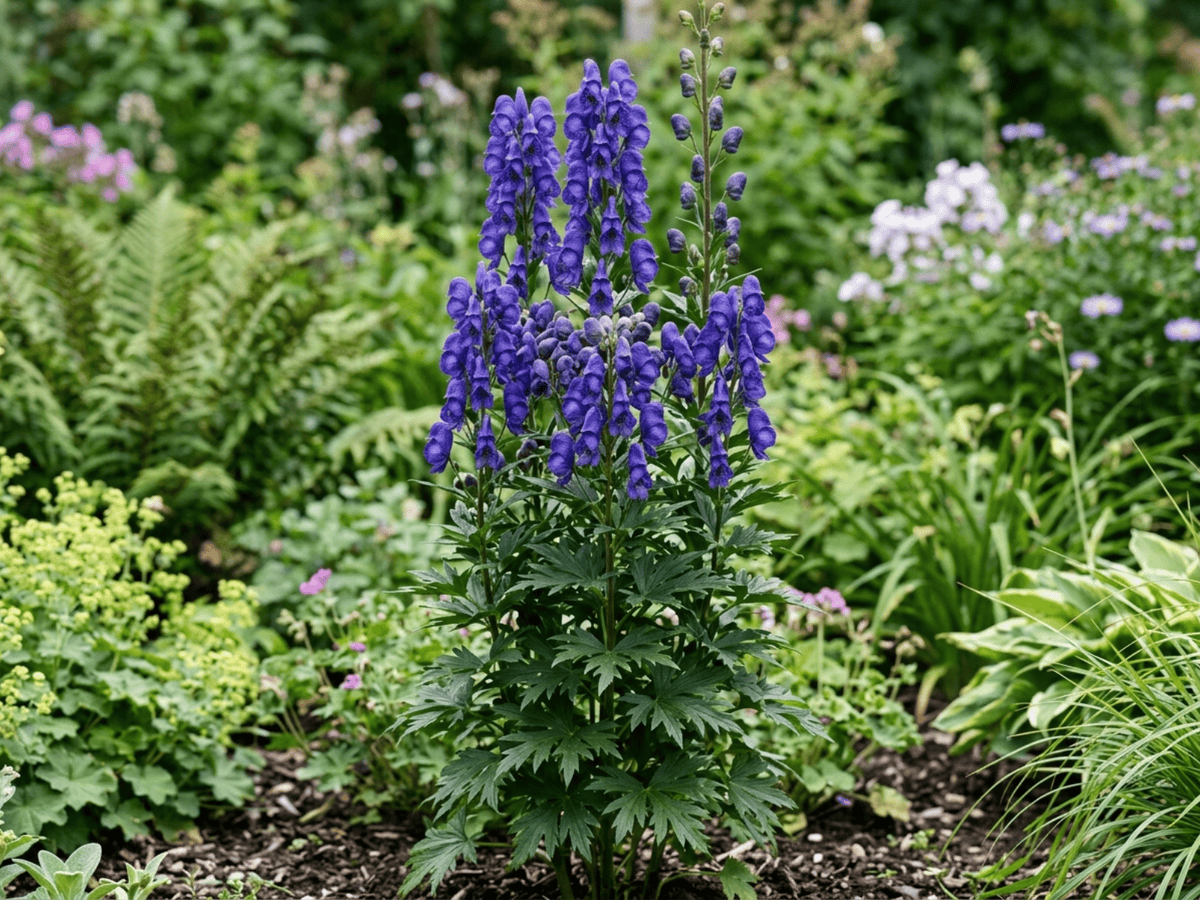 Azure MonkshoodAconitum carmichaelii
 Florida HobblebushAgarista populifolia
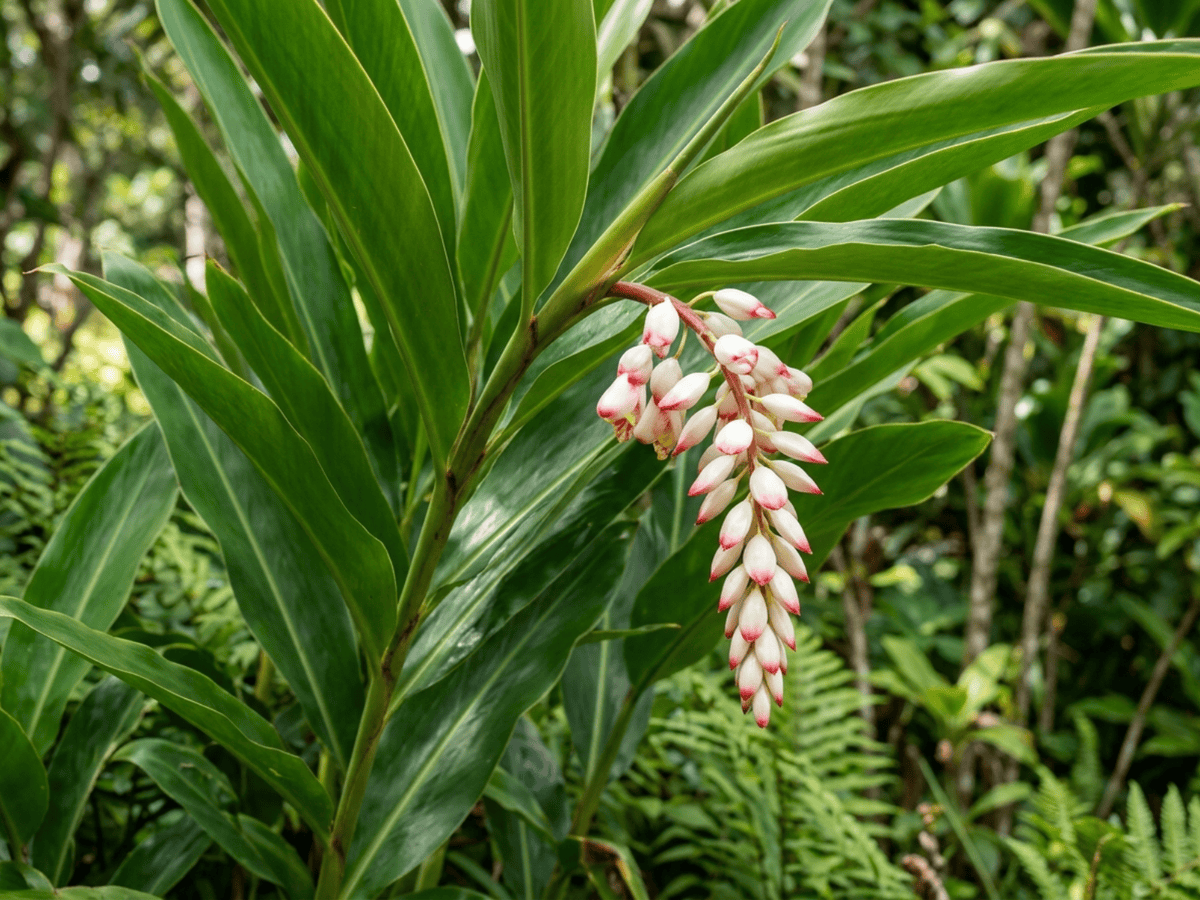 Shell GingerAlpinia zerumbet
Frequently asked questions
How often should I water Mountain Sage?
In summer, water about every 7 days; in winter, about every 21 days. Adjust for heat, pot size and drainage.
How much light does Mountain Sage need?
Part shade: 2–4 hrs direct. Watch the leaves — scorching or stretching means the light needs adjusting.
Is Mountain Sage toxic to cats or dogs?
No toxicity has been reported for this plant. Still, it is wise to keep pets from chewing on any houseplant. Educational information, not medical or veterinary advice. If exposure is suspected, contact a doctor or veterinarian.
Is Mountain Sage easy to grow?
It is moderately demanding: a good choice once you have a little experience.
When does Mountain Sage bloom?
It typically blooms Aug–Nov in the Northern Hemisphere.
YardMate
Identify any plant in seconds
Snap a photo — YardMate names the plant, diagnoses problems, and reminds you when to water.
Download on the App Store