 YardMate

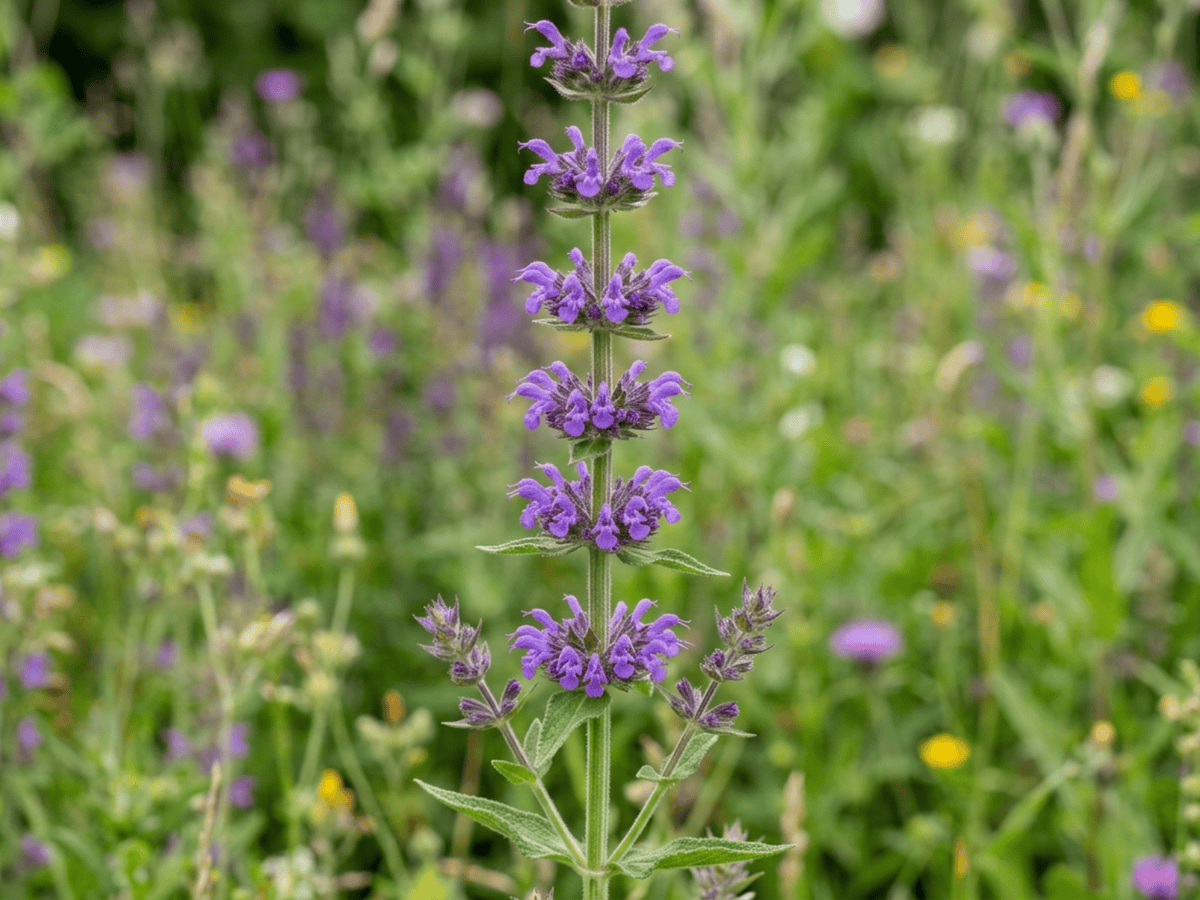


Whorled Clary
Salvia verticillata
Easy · Beginner friendlyAbout Whorled Clary
Lilac Sage is a vigorous herbaceous perennial from Europe and western Asia, valued for its whorled tiers of small lilac-purple flowers carried on branching stems above felted gray-green foliage. Growing 24-36 inches tall, it blooms prolifically from early summer to autumn and attracts clouds of bees and butterflies. Cold-hardy to USDA zone 5, it excels in naturalistic and meadow-style American plantings.
- Drought-tolerant
- Deer-resistant
- Long-blooming
- Pollinator-friendly
How to care for Whorled Clary
Watering
- Springevery 7 days
- Summerevery 5 days
- Fallevery 10 days
- Winterpause watering
Soil · Well-draining
- Top dressingPine bark mulch10%
- Main mixPotting soil + perlite 2:170%
- DrainageLECA / gravel20%
Never skip the drainage layer — standing water is the top cause of root rot.
FERTILIZER
- Springevery 30 days
- Summerevery 30 days
At a Glance
- NativeEurope, Western Asia
- Height1.5–2.5 ft (0.5–0.8 m)
- Spread1–1.5 ft (0.3–0.5 m)
- Flower colorPurple
- Foliage colorGreen
- SoilWell-drained, Loamy, Neutral
- LocationsYard
Bloom time
BLOOM CYCLE
Peak bloom
Jun–Oct
Whorls of lilac-purple June to October
Fragrance
MODERATE FRAGRANCE
The foliage has a sage-like scent.
Toxicity
No toxicity has been reported for this plant. Still, it is wise to keep pets from chewing on any houseplant.
Educational information, not medical or veterinary advice. If exposure is suspected, contact a doctor or veterinarian.
DISTRIBUTION

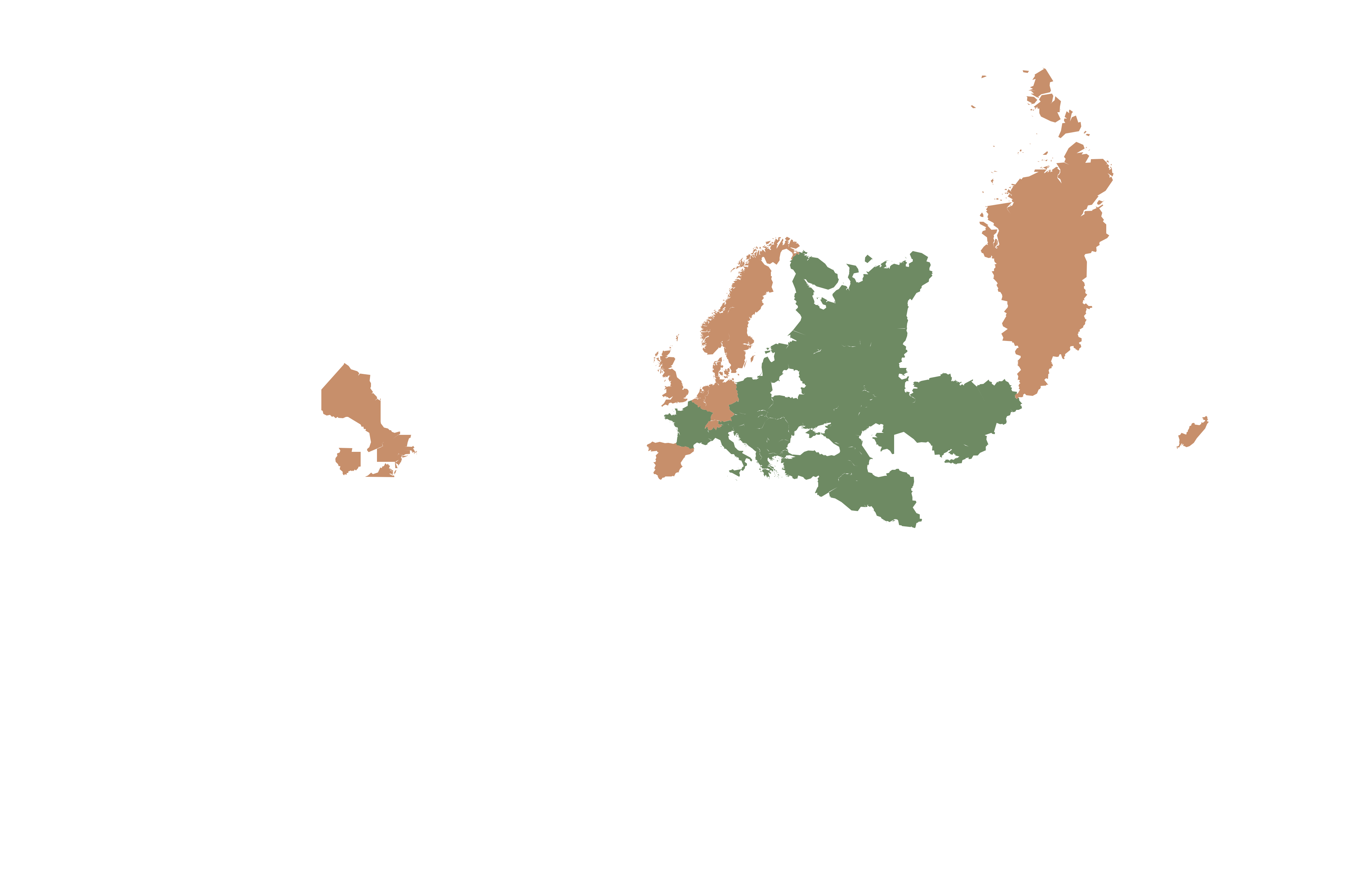
- Native
- Introduced
- Europe
- Western Asia
History
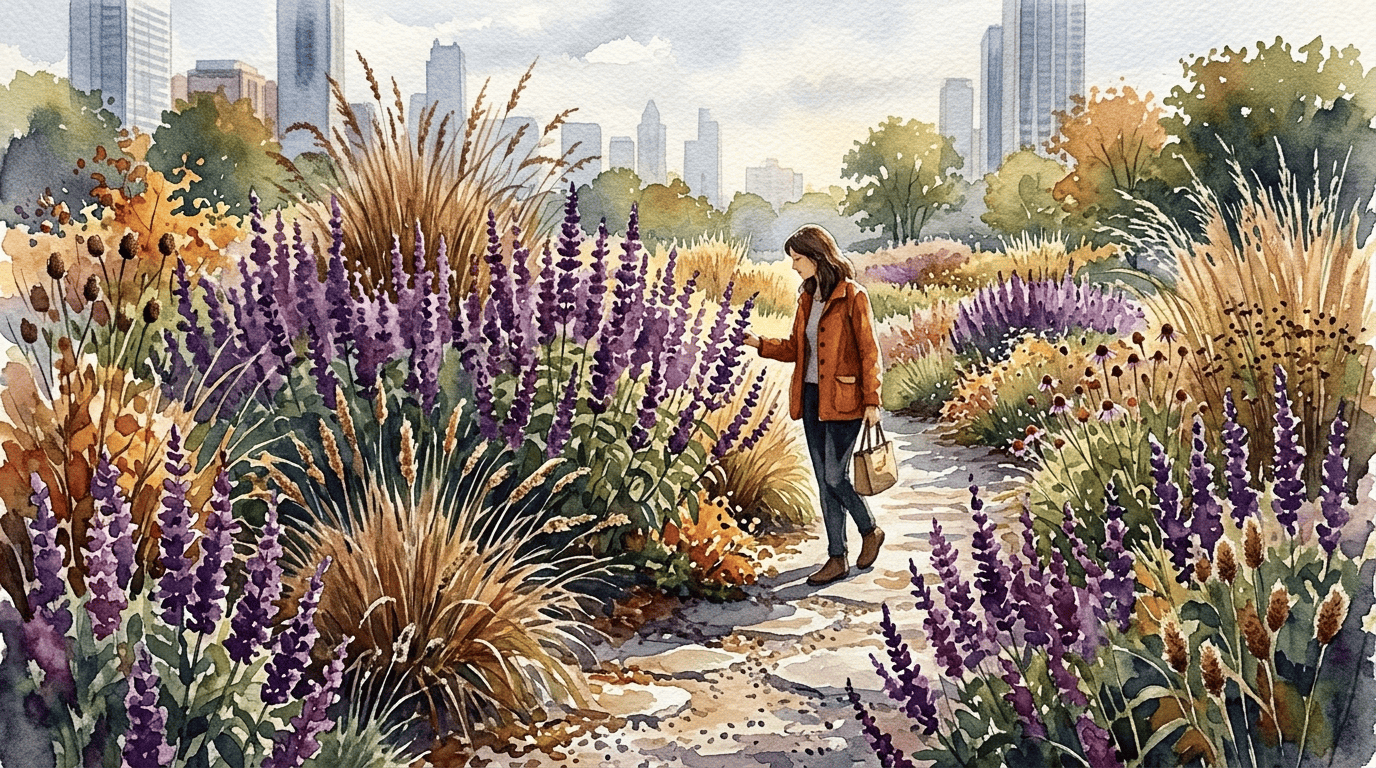
Salvia verticillata grows wild from central and southeastern Europe through Turkey to Iran on disturbed ground and dry meadows. Linnaeus named it in 1753 referencing the whorled (verticillate) flower arrangement. The species was a minor herb garden plant until Dutch designer Piet Oudolf selected and introduced the cultivar 'Purple Rain' in the 1990s through his nursery at Hummelo.
This cultivar, featuring smoky purple flower spikes, became iconic in Oudolf's naturalistic plantings including New York's High Line, Lurie Garden in Chicago, and the Venetian Oudolf Garden. Along with selection 'Smouldering Torches', it exemplified the New Perennial aesthetic favoring texture, structure, and extended seasonal interest over conventional flashy bloom. The cultivar 'Purple Rain' became a favorite of New Perennial Movement designers like Piet Oudolf in the late 20th century. Self-seeds modestly in American gardens, producing delightful volunteers in naturalistic schemes.
Symbolism & meaning
What It Symbolizes
Whorled Clary suggests Meditation — soft purple blooms arranged in calm tiered whorls, restful to the eye in a contemplative garden. Its Persistence is just as quiet, blooming tirelessly for months when many salvias have fallen silent. A flower that pairs serenity with stamina, two virtues rarely found in the same plant.
- Meditation — calming purple blooms for contemplative gardens
- Persistence — blooms tirelessly for months
Where the Name Comes From
'Verticillata' refers to the whorled (verticillate) arrangement of flowers around the stem.
Uses & Fun Facts
- Whorled lilac flower spikes draw bumblebees all summer
- Long bloom season anchors meadow-style perennial planting
- Slim spikes add vertical accent to bouquets
Related plants
More Salvia plants
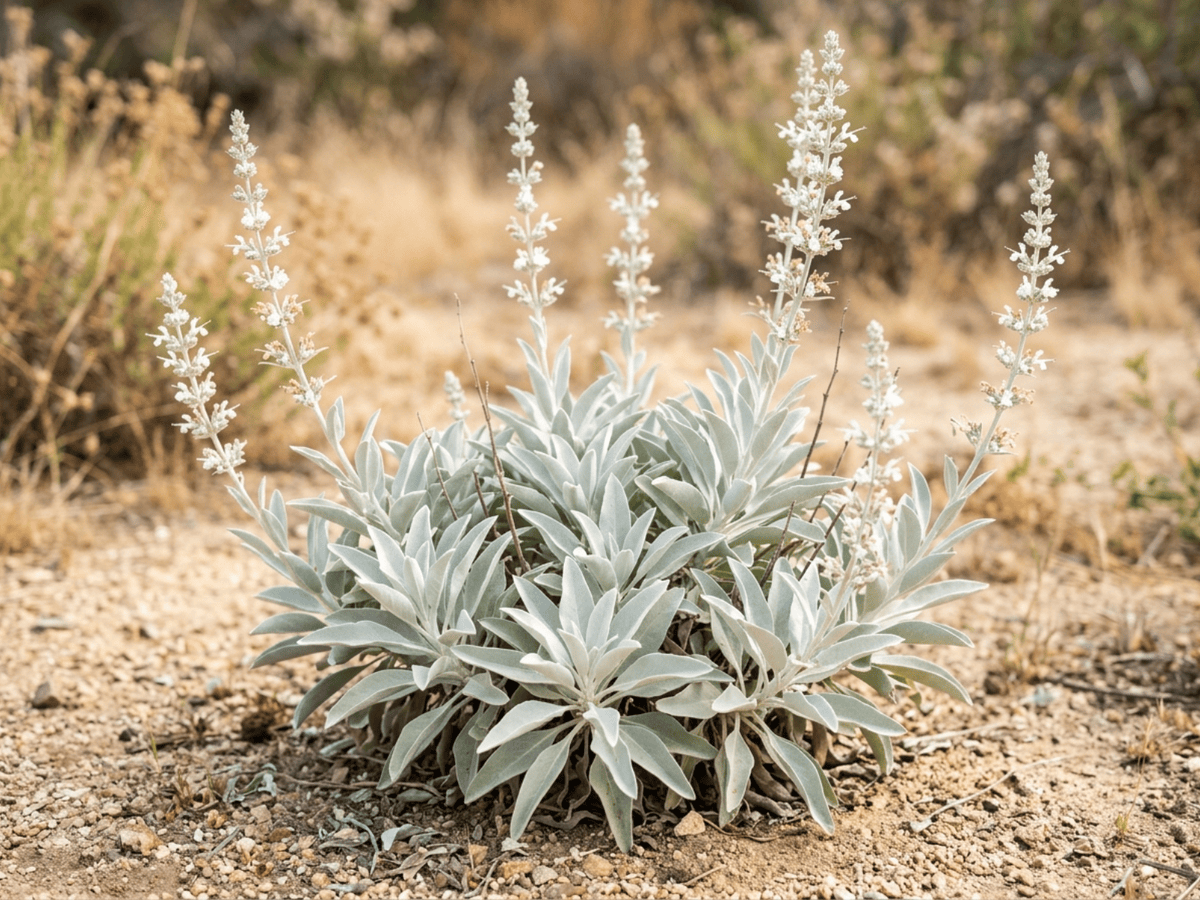 White SageSalvia apiana
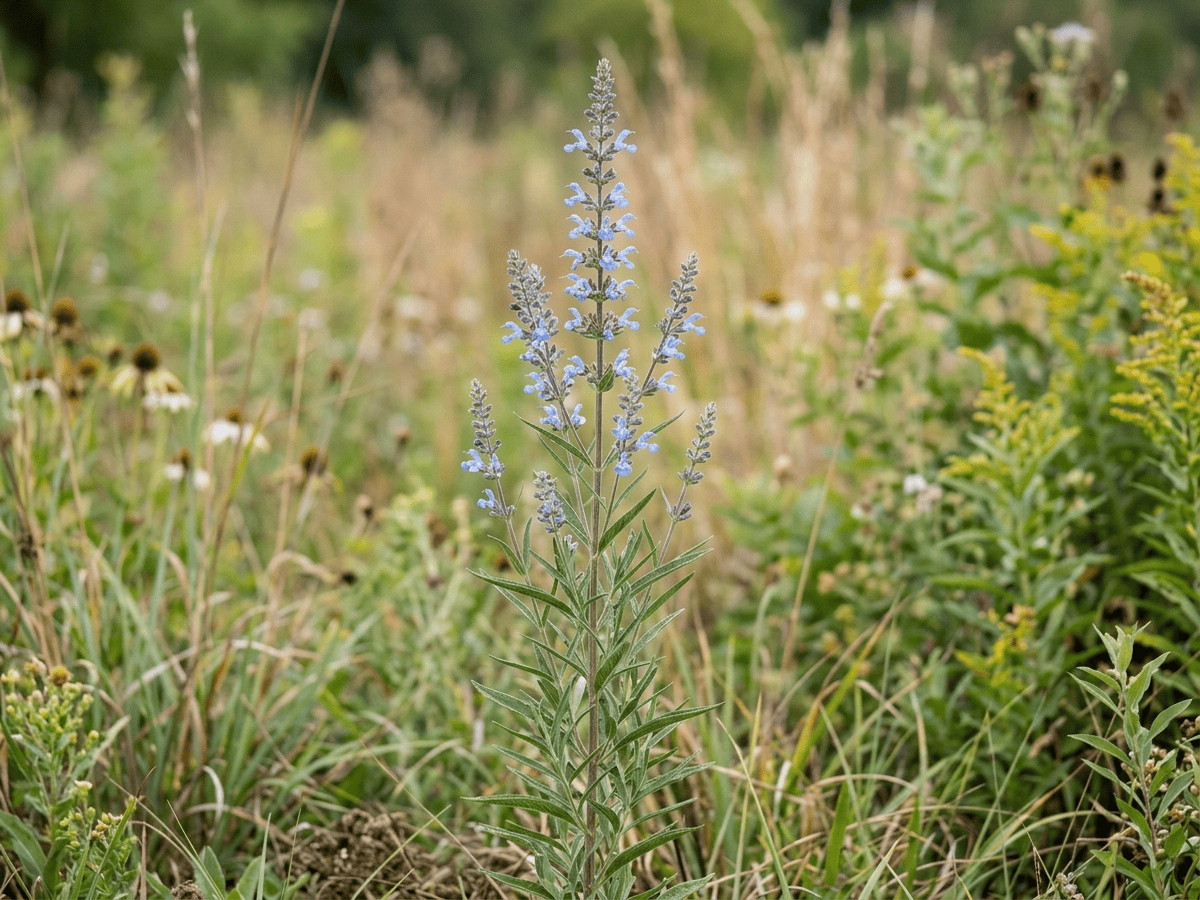 Giant Blue SageSalvia azurea
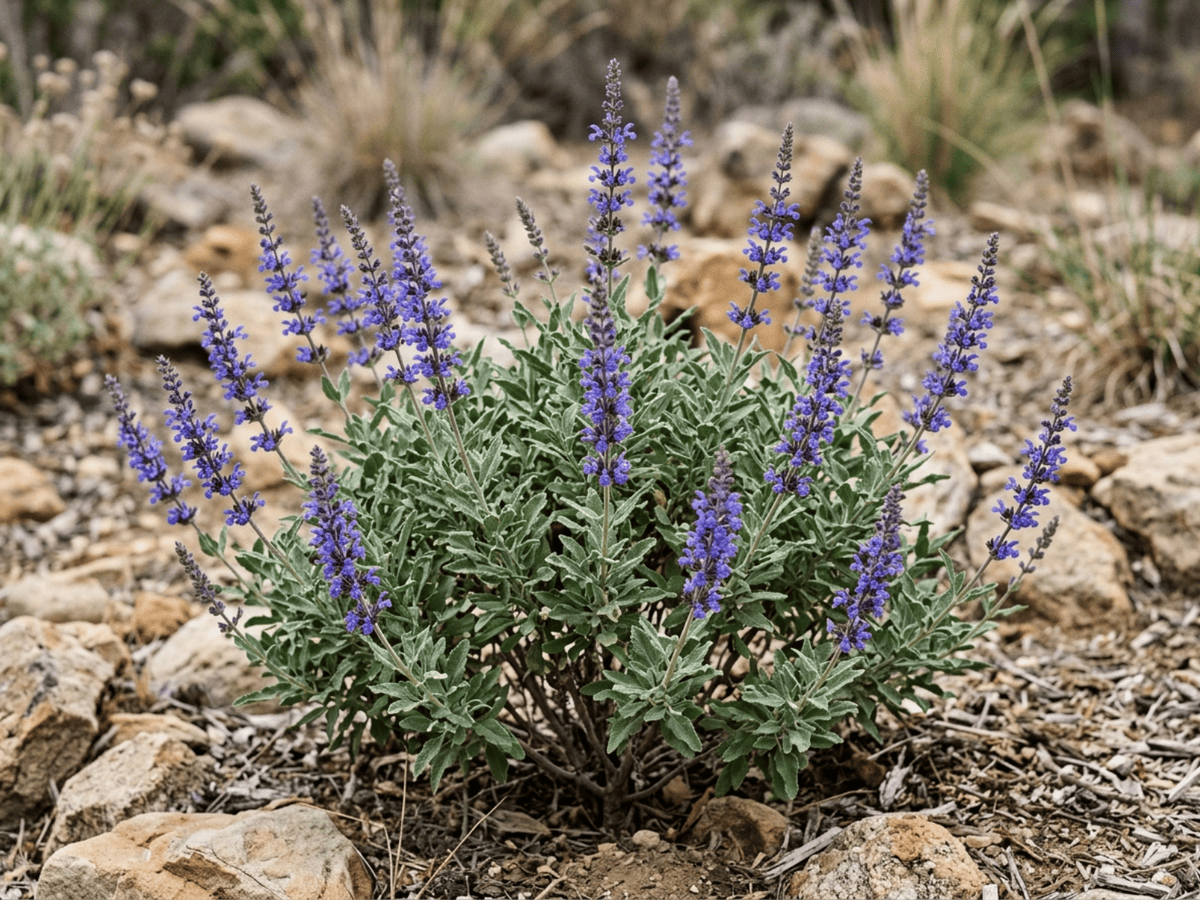 Cleveland SageSalvia clevelandii
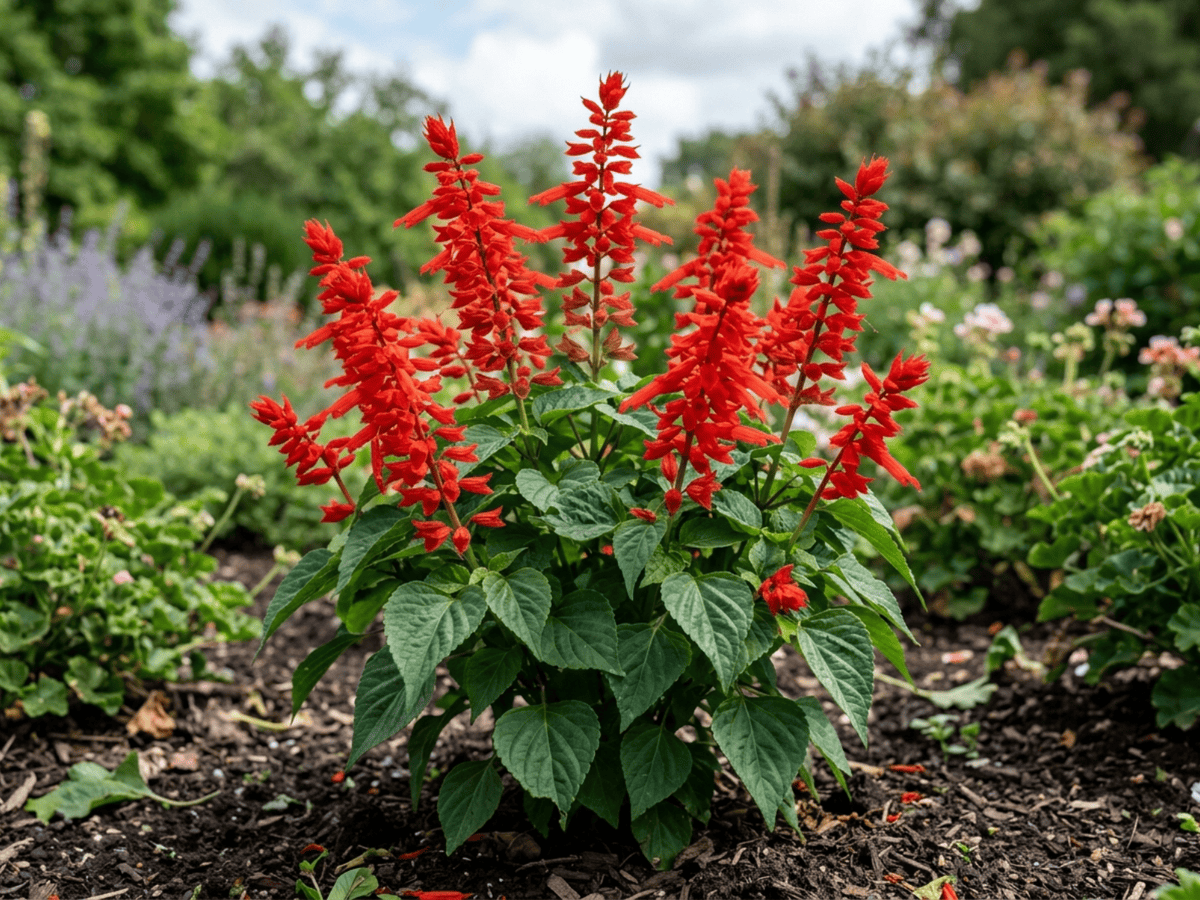 Tropical SageSalvia coccinea
Plants with similar care
 Chinese AbeliaAbelia chinensis
 Fragrant AbeliaAbelia mosanensis
 Large-Flowered AbeliaAbelia uniflora
 Glossy AbeliaAbelia x grandiflora
Frequently asked questions
How often should I water Whorled Clary?
Water about every 7 days during the growing season, and always let excess water drain away.
How much light does Whorled Clary need?
Full sun: 6+ hrs direct. Watch the leaves — scorching or stretching means the light needs adjusting.
Is Whorled Clary toxic to cats or dogs?
No toxicity has been reported for this plant. Still, it is wise to keep pets from chewing on any houseplant. Educational information, not medical or veterinary advice. If exposure is suspected, contact a doctor or veterinarian.
Is Whorled Clary easy to grow?
Yes — it is considered an easy, beginner-friendly plant.
When does Whorled Clary bloom?
It typically blooms Jun–Oct in the Northern Hemisphere.
YardMate
Identify any plant in seconds
Snap a photo — YardMate names the plant, diagnoses problems, and reminds you when to water.
Download on the App Store