 YardMate


Valencian Clary
Salvia x sylvestris
Easy · Beginner friendlyAbout Valencian Clary
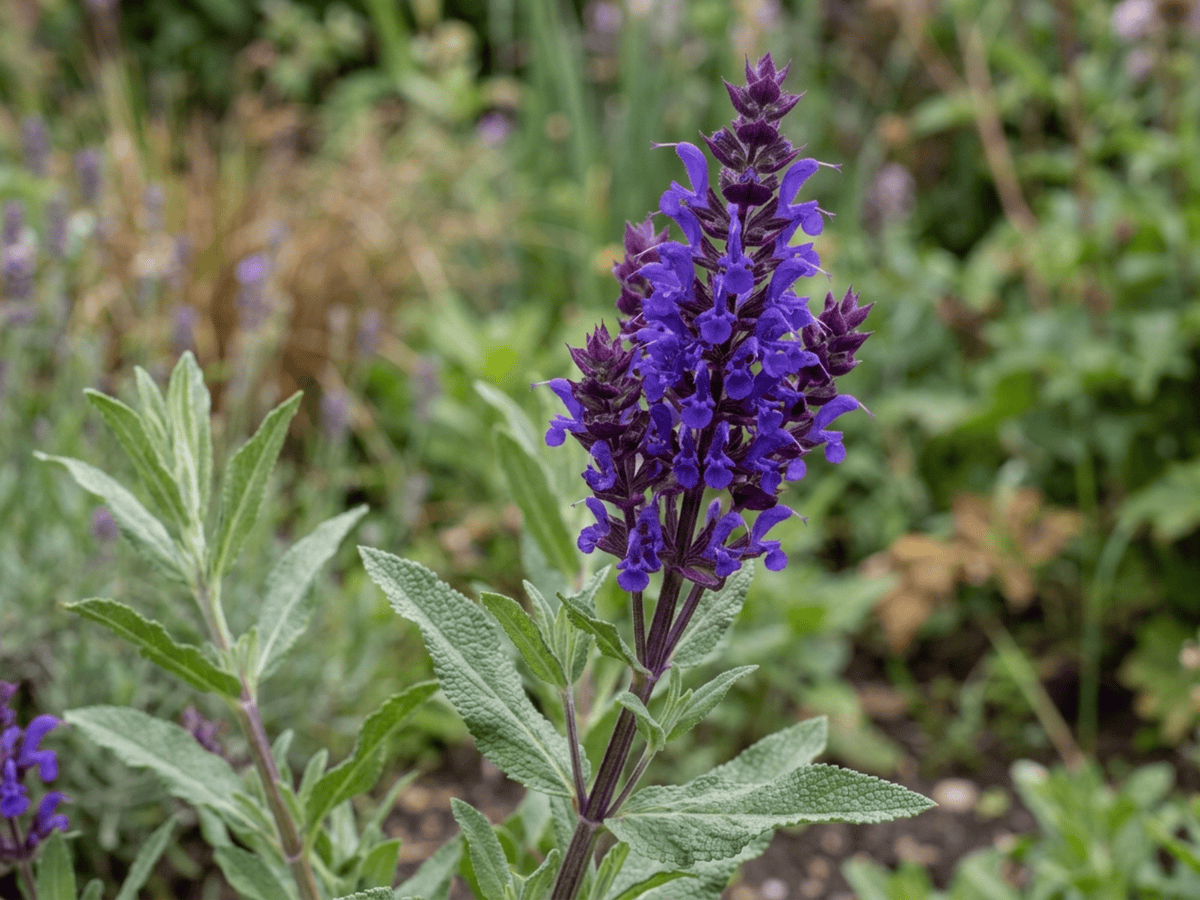
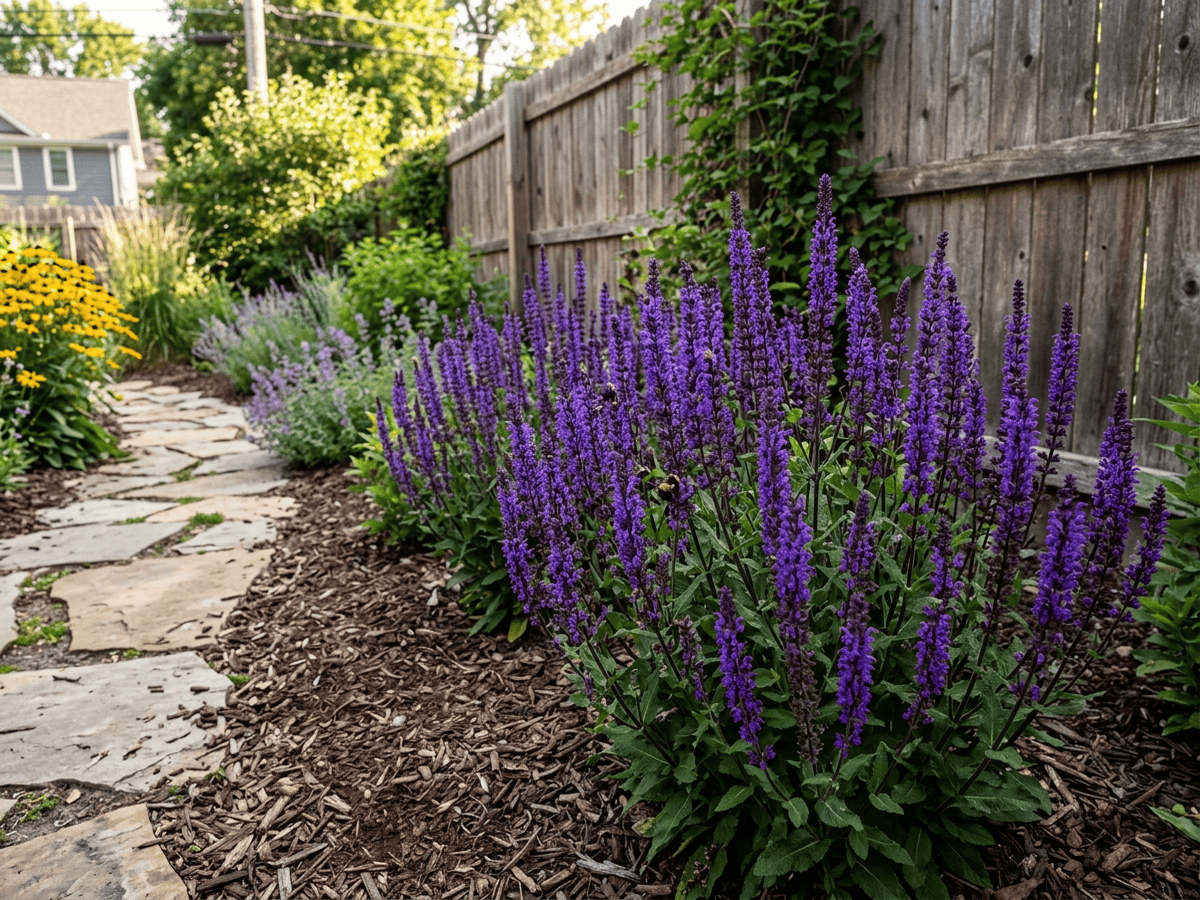
Wood Sage is a hybrid perennial salvia prized in American gardens for its upright spikes of violet-purple flowers and neat clump-forming habit. Reaching 18-30 inches tall, it blooms heavily in early summer and reblooms if deadheaded. Exceptionally cold-hardy (USDA 4-8) and drought-tolerant, it is a cornerstone of sunny borders, pollinator gardens, and prairie-style plantings throughout the temperate United States.
- Drought-tolerant
- Cold-hardy
- Deer-resistant
- Pollinator-friendly
How to care for Valencian Clary
Watering
- Springevery 7 days
- Summerevery 5 days
- Fallevery 10 days
- Winterpause watering
Soil · Well-draining
- Top dressingPine bark mulch10%
- Main mixPotting soil + perlite 2:170%
- DrainageLECA / gravel20%
Never skip the drainage layer — standing water is the top cause of root rot.
FERTILIZER
- Springevery 30 days
- Summerevery 30 days
At a Glance
- NativeEurope
- Height1–3 ft (0.3–0.9 m)
- Spread1–2 ft (0.3–0.6 m)
- Flower colorPurple, Blue, Pink, White
- Foliage colorGreen
- SoilLoamy, Well-drained
- LocationsYard
Bloom time
BLOOM CYCLE
Peak bloom
May–Aug
Violet-purple spikes May to July, rebloom August
Fragrance
MODERATE FRAGRANCE
The foliage has a sage-like aromatic scent.
Toxicity
No toxicity has been reported for this plant. Still, it is wise to keep pets from chewing on any houseplant.
Educational information, not medical or veterinary advice. If exposure is suspected, contact a doctor or veterinarian.
DISTRIBUTION

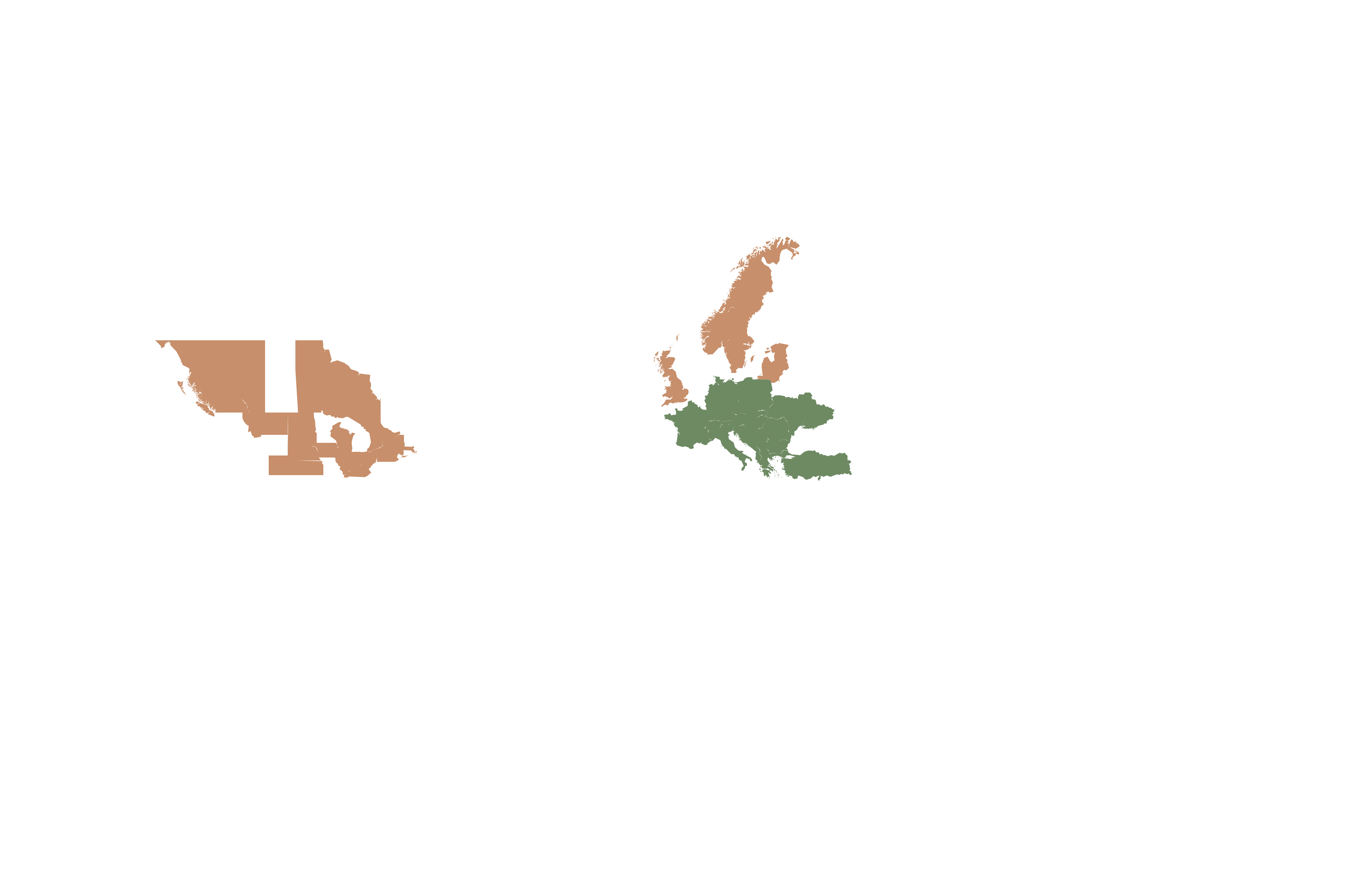
- Native
- Introduced
- Europe
History
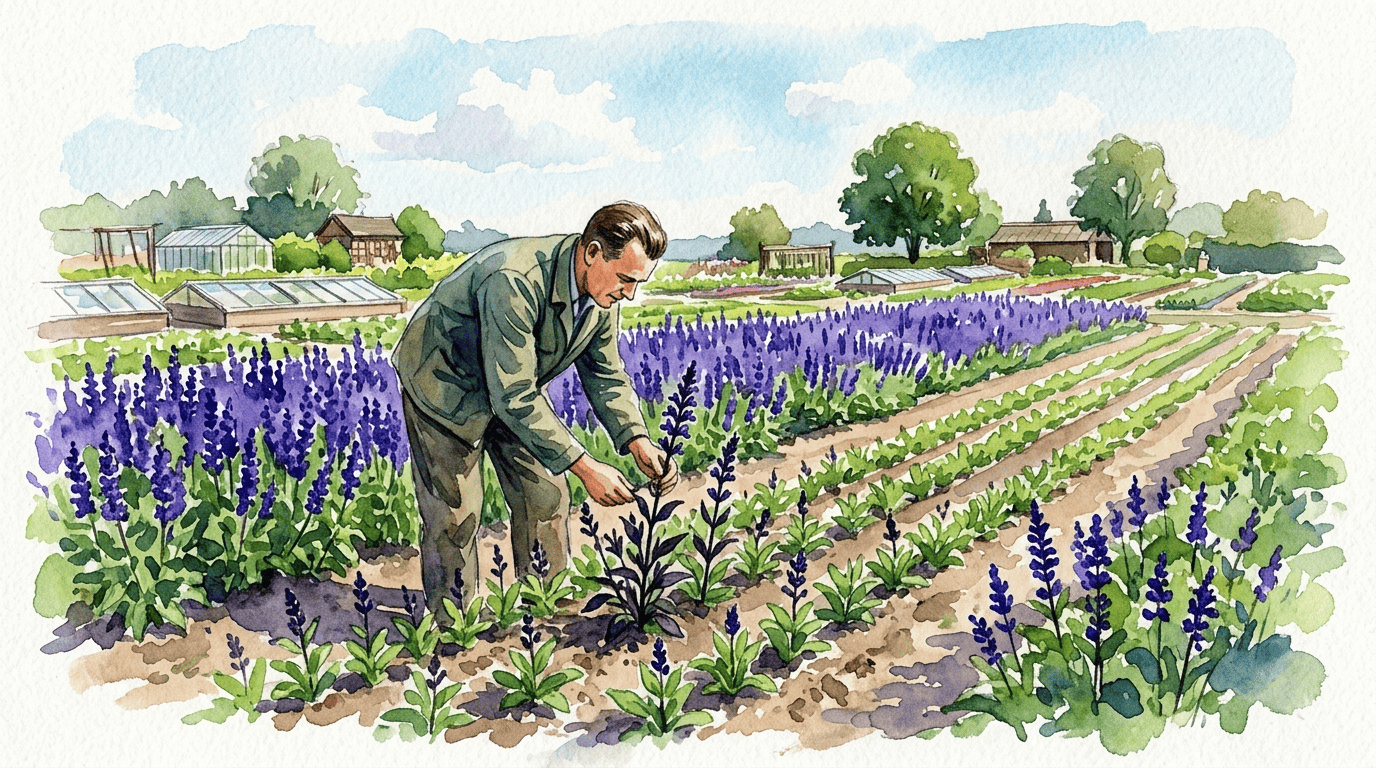
Salvia x sylvestris is a natural and cultivated hybrid between Salvia pratensis and S. nemorosa occurring across central Europe. Linnaeus first recognized the complex in 1753. The plant's horticultural transformation came through German nurseryman Ernst Pagels, who worked at the Karl Foerster nursery in the 1950s before establishing his own breeding operation.
Pagels raised 'Mainacht' (May Night), named Perennial Plant of the Year in 1997, along with 'Blauhügel' (Blue Hill), 'Ostfriesland' (East Friesland), and others. These cultivars became defining plants of modern perennial garden design, championed by designers including Wolfgang Oehme, James van Sweden, and Piet Oudolf. They bloom profusely in late spring, rebloom if cut back, and tolerate drought once established. The cultivars 'May Night' (Mainacht), winner of 1997 Perennial Plant of the Year, and 'Caradonna' with dark purple stems, transformed American perennial garden design in the 1990s-2000s.
Symbolism & meaning
What It Symbolizes
Valencian Clary is fragrance with a Mediterranean accent. Broad leaves and pale flower spikes give it an old herb-garden presence, while the scent hovers between culinary, floral, and wild. Its symbolism is sensual clarity: a plant whose meaning begins not in color, but in the air around it.
- Wisdom — traditional salvia meaning of healing knowledge
- Devotion — faithful repeat bloomer
Where the Name Comes From
'Sylvestris' means 'of the woods' in Latin, though the plant thrives in open sunny sites.
Uses & Fun Facts
- Violet-purple flower spikes draw bees in early summer
- Tidy clump-forming sage anchors sunny perennial borders
- Mass plantings carpet dry beds with weeks of color
Related plants
More Salvia plants
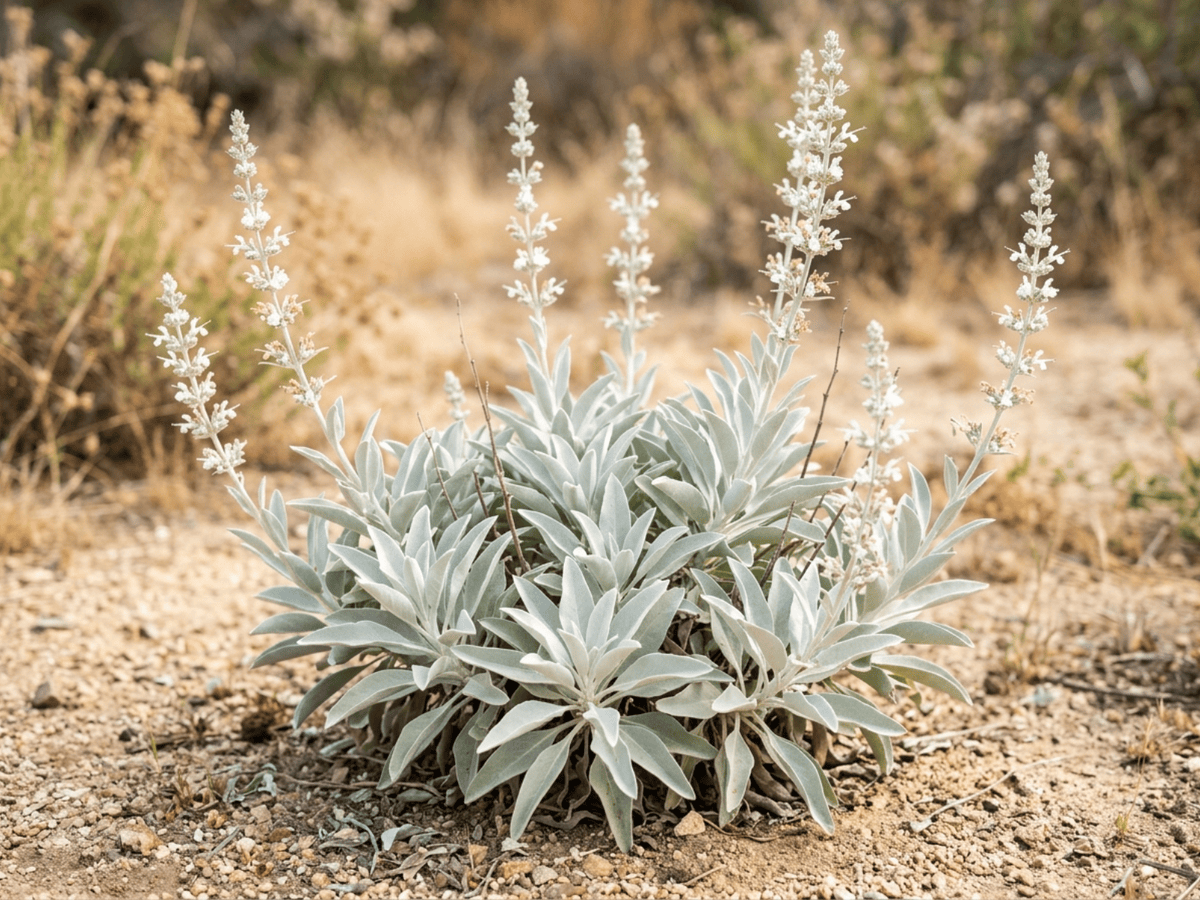 White SageSalvia apiana
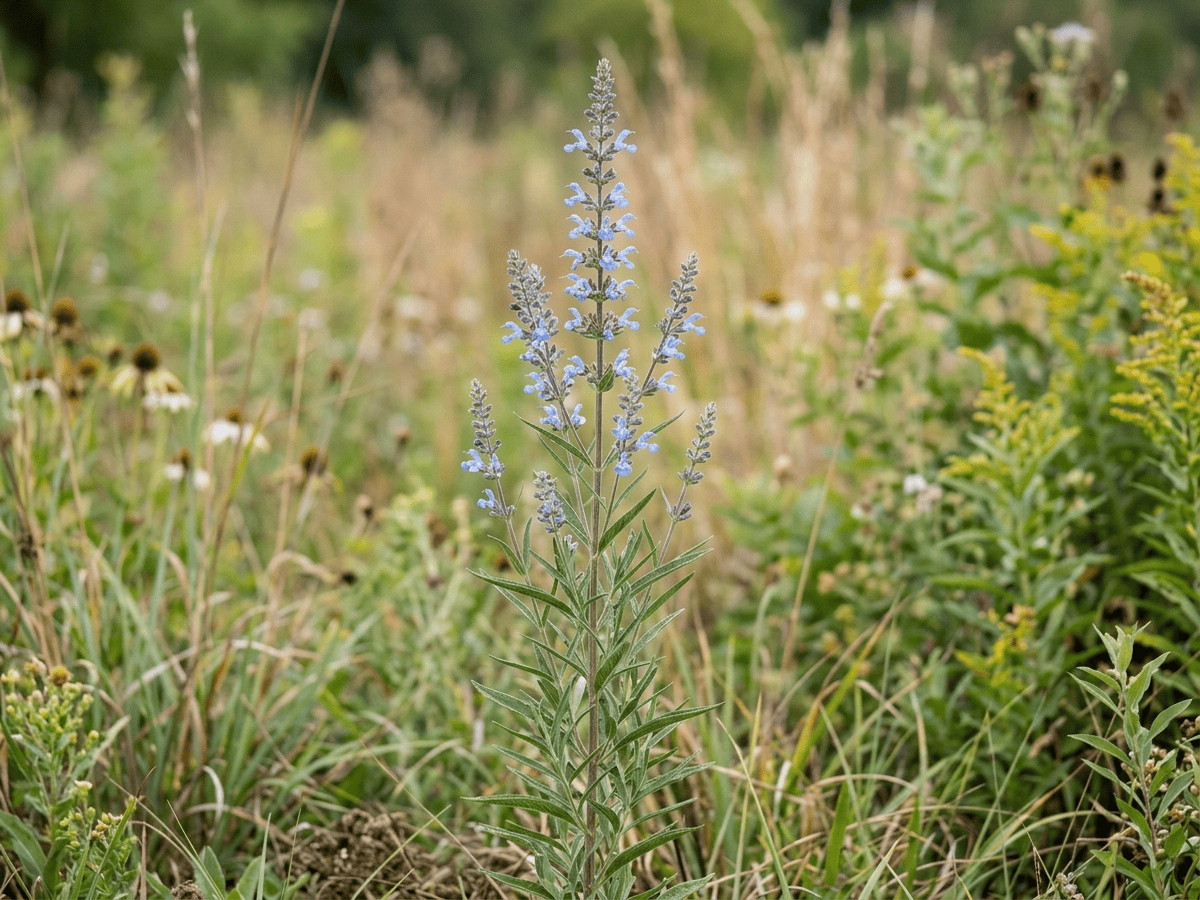 Giant Blue SageSalvia azurea
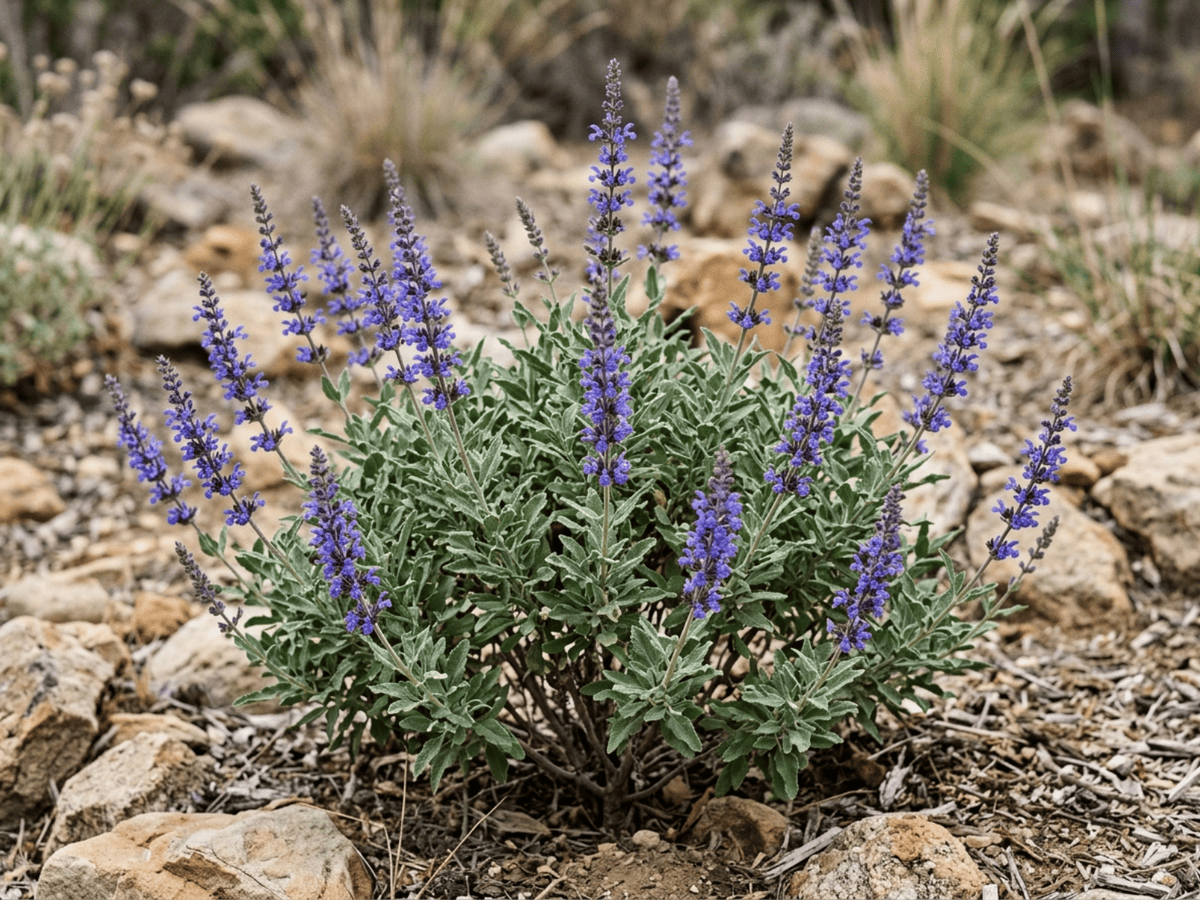 Cleveland SageSalvia clevelandii
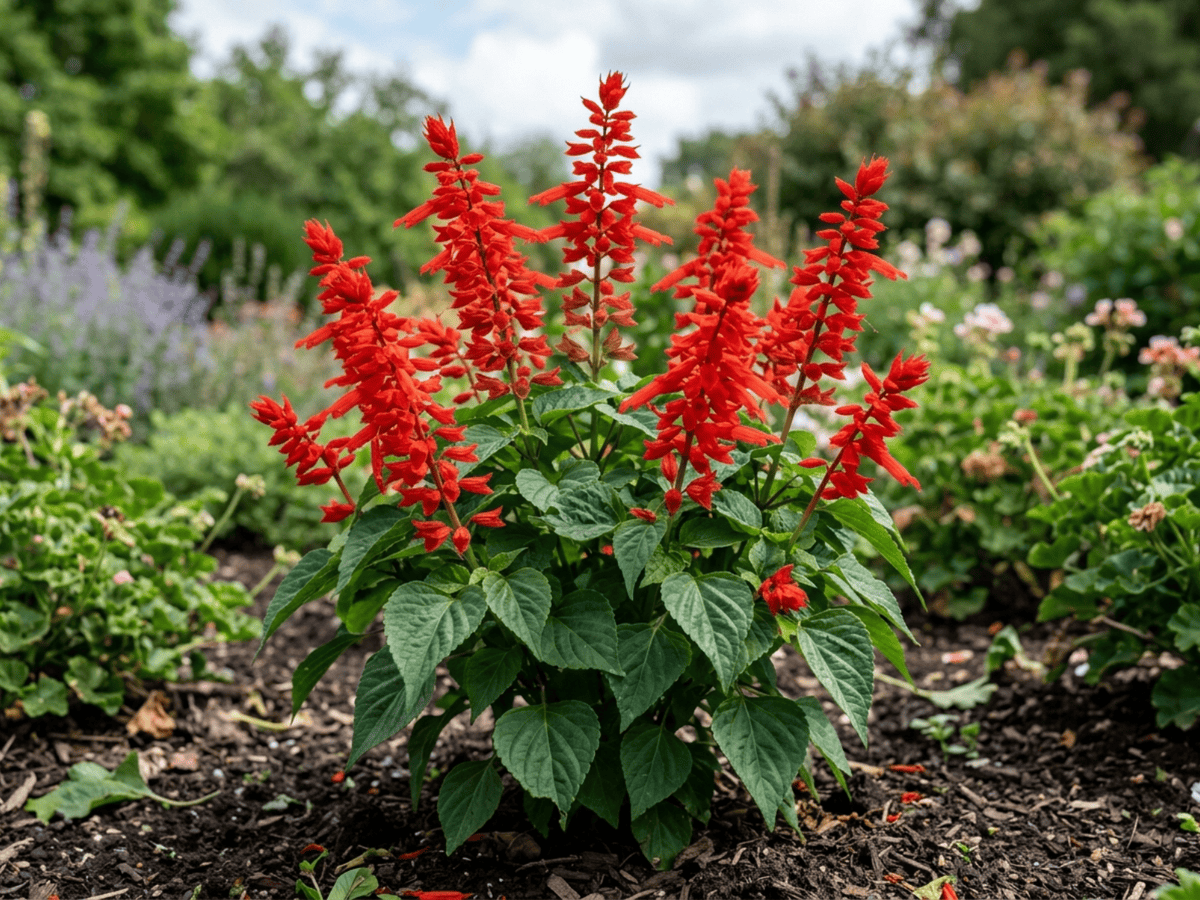 Tropical SageSalvia coccinea
Plants with similar care
 Chinese AbeliaAbelia chinensis
 Fragrant AbeliaAbelia mosanensis
 Large-Flowered AbeliaAbelia uniflora
 Glossy AbeliaAbelia x grandiflora
Frequently asked questions
How often should I water Valencian Clary?
Water about every 7 days during the growing season, and always let excess water drain away.
How much light does Valencian Clary need?
Full sun: 6+ hrs direct. Watch the leaves — scorching or stretching means the light needs adjusting.
Is Valencian Clary toxic to cats or dogs?
No toxicity has been reported for this plant. Still, it is wise to keep pets from chewing on any houseplant. Educational information, not medical or veterinary advice. If exposure is suspected, contact a doctor or veterinarian.
Is Valencian Clary easy to grow?
Yes — it is considered an easy, beginner-friendly plant.
When does Valencian Clary bloom?
It typically blooms May–Aug in the Northern Hemisphere.
YardMate
Identify any plant in seconds
Snap a photo — YardMate names the plant, diagnoses problems, and reminds you when to water.
Download on the App Store