 YardMate

Aizoon Stonecrop
Sedum kamtschaticum
Easy · Beginner friendlyAbout Aizoon Stonecrop
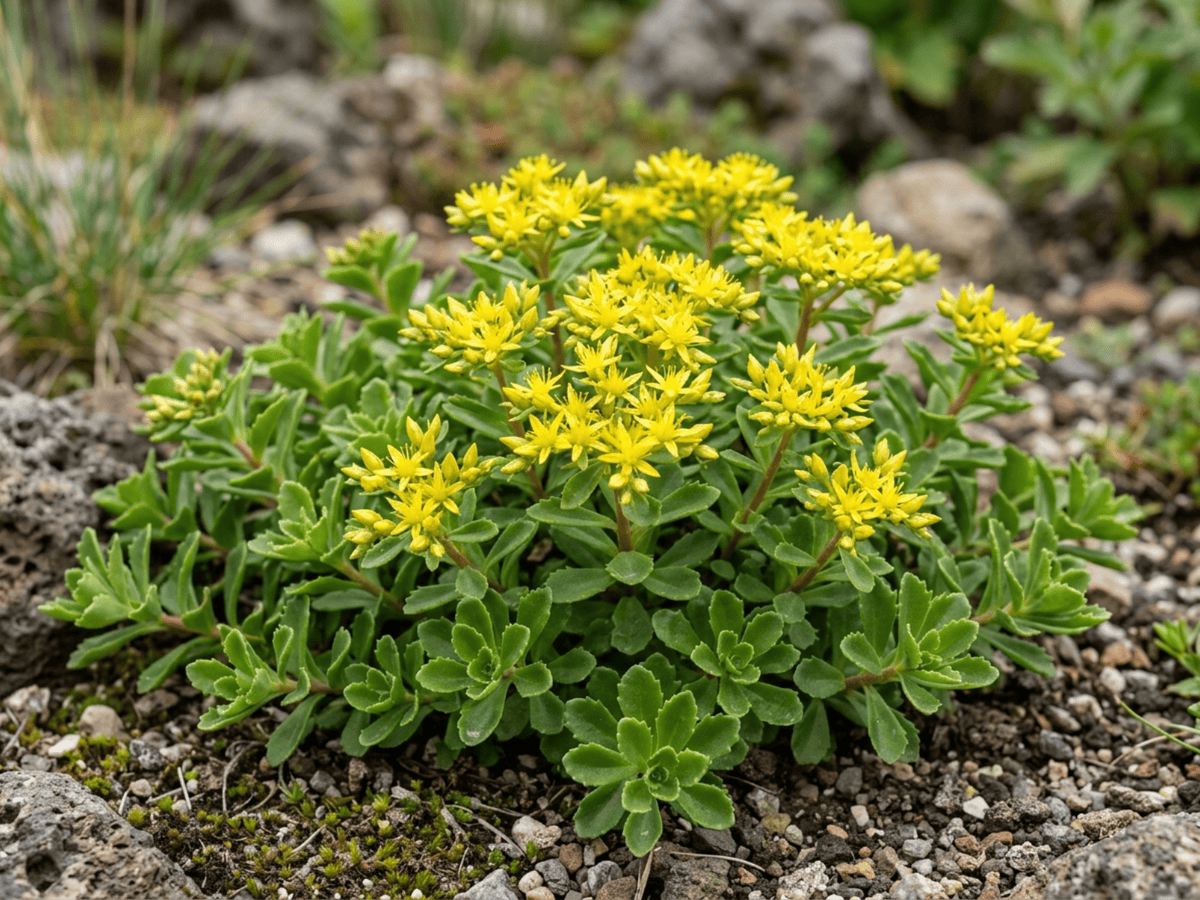
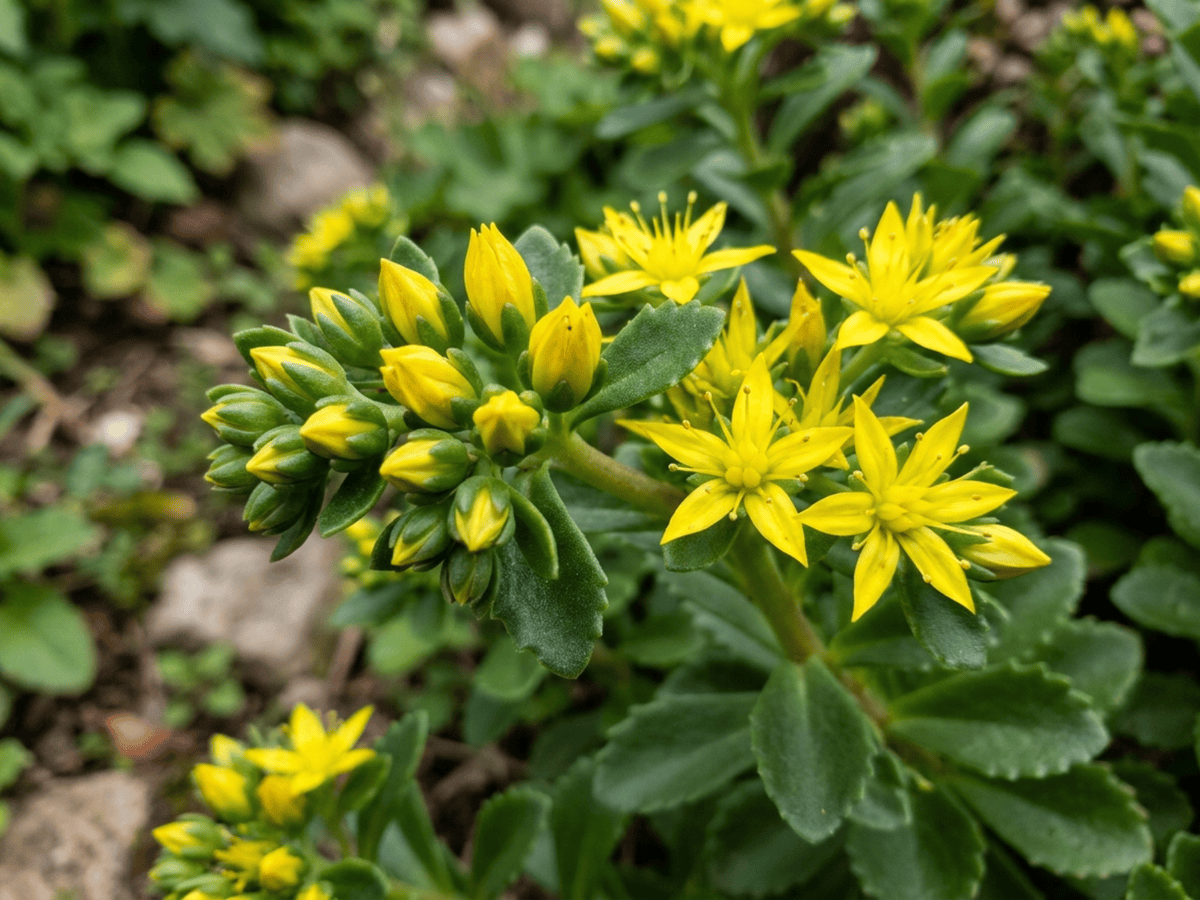
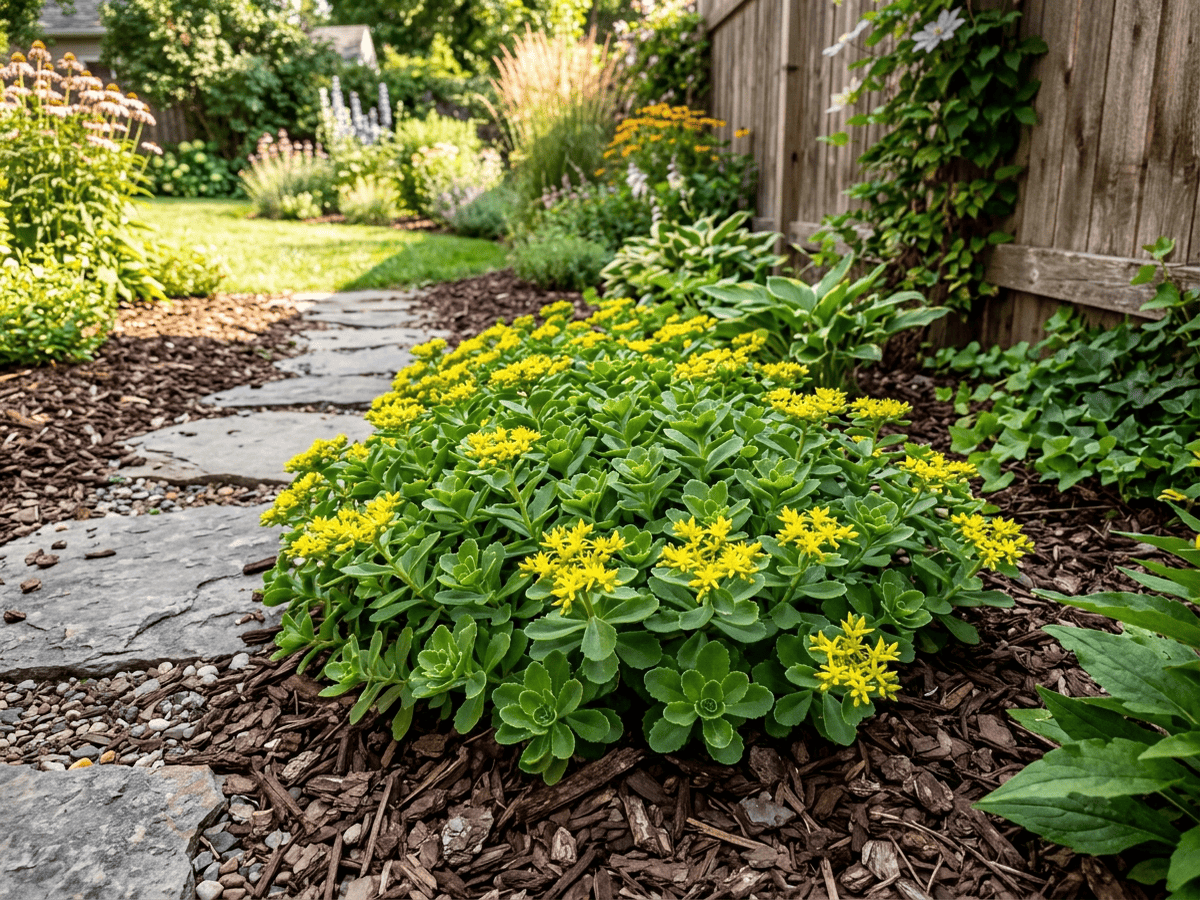
Sedum kamtschaticum, the Kamchatka stonecrop, is a tough succulent groundcover native to the volcanic Kamchatka Peninsula in far-eastern Russia, as well as northern China and Korea. It forms low mats of glossy, scallop-edged green leaves about 10–15 centimeters tall, topped with clusters of bright golden-yellow star-shaped flowers in summer. The foliage turns bronze-red in autumn, providing three-season interest. Extremely hardy and drought-tolerant, it thrives in rocky, poor soils and requires virtually no care once established. It is widely used on green roofs because of its ability to survive harsh conditions with minimal substrate depth. The plant spreads gently by creeping stems without becoming invasive. It attracts butterflies and beneficial insects. Several cultivars exist, including 'Variegatum' with cream-edged leaves and 'Weihenstephaner Gold' known for profuse flowering. This is one of the most reliable and rewarding low-growing sedums for temperate gardens.
- Low-maintenance
- Drought-tolerant
- Groundcover
How to care for Aizoon Stonecrop
Watering
- Springevery 10 days
- Summerevery 7 days
- Fallevery 14 days
- Winterevery 30 days
Soil · Fast-draining
- Main mixSand + pumice + soil 1:1:150%
- DrainagePumice / gravel50%
Keep grit at half the mix or more — this soil is meant to dry out fast.
FERTILIZER
- Springevery 60 days
At a Glance
- NativeEurope, East Asia
- Height0.5–1 ft (0.2–0.3 m)
- Spread1–1.5 ft (0.3–0.5 m)
- Flower colorYellow, Orange
- Foliage colorGreen, Variegated
- SoilSandy, Well-drained
- LocationsYard
Bloom time
BLOOM CYCLE
Peak bloom
Jun–Aug
Bright yellow star flowers in summer; foliage turns bronze-red in autumn
Fragrance
NO FRAGRANCE
No notable fragrance.
Toxicity
Pets Safe
None reported
Not reported
EXPOSURE No exposure route is reported.
EFFECT No significant toxicity.
NOTE No human toxicity is reported in this catalog; avoid eating ornamental plants unless confirmed edible.
Safe
EXPOSURE No exposure route is reported.
EFFECT Not listed as toxic.
NOTE Listed as non-toxic for dogs; avoid eating ornamental plants unless confirmed edible.
Safe
EXPOSURE No exposure route is reported.
EFFECT Not listed as toxic.
NOTE Listed as non-toxic for cats; avoid eating ornamental plants unless confirmed edible.
Educational information, not medical or veterinary advice. If exposure is suspected, contact a doctor or veterinarian.
DISTRIBUTION


- Native
- Introduced
- Europe
- East Asia
History
Sedum kamtschaticum is native to the Russian Far East — the Kamchatka Peninsula gives the species its name — as well as northeastern China, Korea, and Japan. It is a low-growing herbaceous perennial succulent, producing spreading clumps 10-20 cm high with serrate-edged green leaves and star-shaped yellow-to-orange flowers in summer. Introduced to Western horticulture in the 19th century, it became a standard rock garden, border-edge, and drought-tolerant groundcover plant through the 20th century.
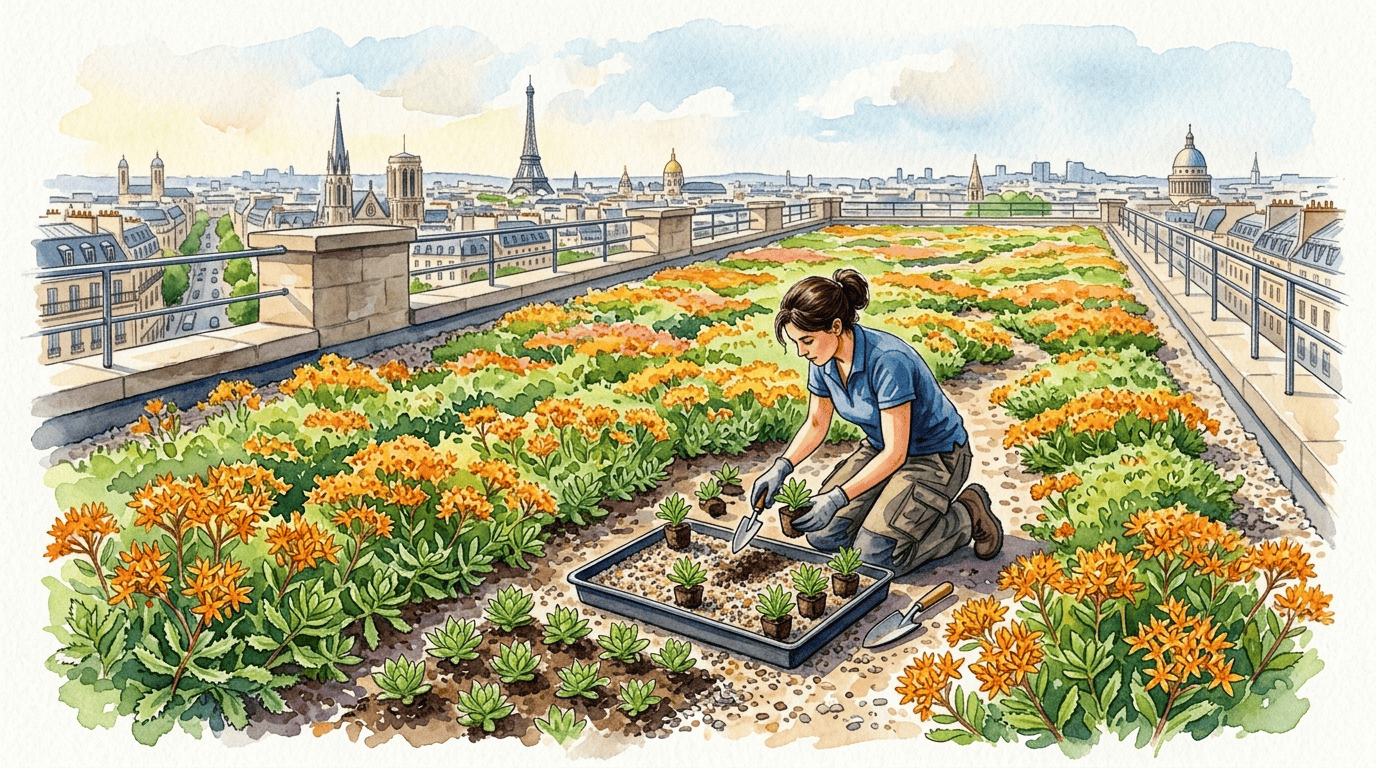
In the 21st century it has become one of the most widely used species on extensive green roofs in Europe and North America — the low-profile, drought-tolerant, freezing-tolerant, shallow-rooted habit is ideal for the thin substrate (typically 5-15 cm) of extensive green-roof systems. Popular cultivars include "Variegatum" (cream-edged leaves), "Weihenstephaner Gold" (gold-yellow flowers), and the closely related species S. takesimense ("Atlantis").
Its extreme hardiness made it a natural candidate for green roof technology pioneered in Germany in the 1970s, where it remains one of the most specified species. The genus Sedum includes over 400 species worldwide, many of which have been valued since Roman times — Pliny recommended stonecrop poultices for skin ailments. It is part of the modern reassessment that has split traditional Sedum into multiple genera — some authorities now place this species in the genus Phedimus as Phedimus kamtschaticus.
Symbolism & meaning
What It Symbolizes
Aizoon Stonecrop evokes tranquility, its calm golden blooms and steady growth evoking a quiet contentment among the rocks. Paired with survival, it thrives on volcanic and stony ground where nearly nothing else holds, life persisting against the odds. It is a sedum whose meaning combines peacefulness with toughness — calm flowers anchored by stubborn, rooted endurance.
- Tranquility — its calm golden blooms and steady growth evoke peaceful contentment
- Survival — thriving on volcanic rock, it symbolizes life persisting against the odds
Where the Name Comes From
The name Aizoon Stonecrop describes its habit of growing among stones. Sedum from Latin 'sedere' (to sit), describing how these plants sit on rocks and walls. Kamtschaticum references the Kamchatka Peninsula where it was first described.
Uses & Fun Facts
- Spreading mats blanket dry slopes and rocky edges
- Tough sedum thrives in shallow troughs and green-roof pans
- Yellow star flowers feed bees and hoverflies in summer
Related plants
More Sedum plants
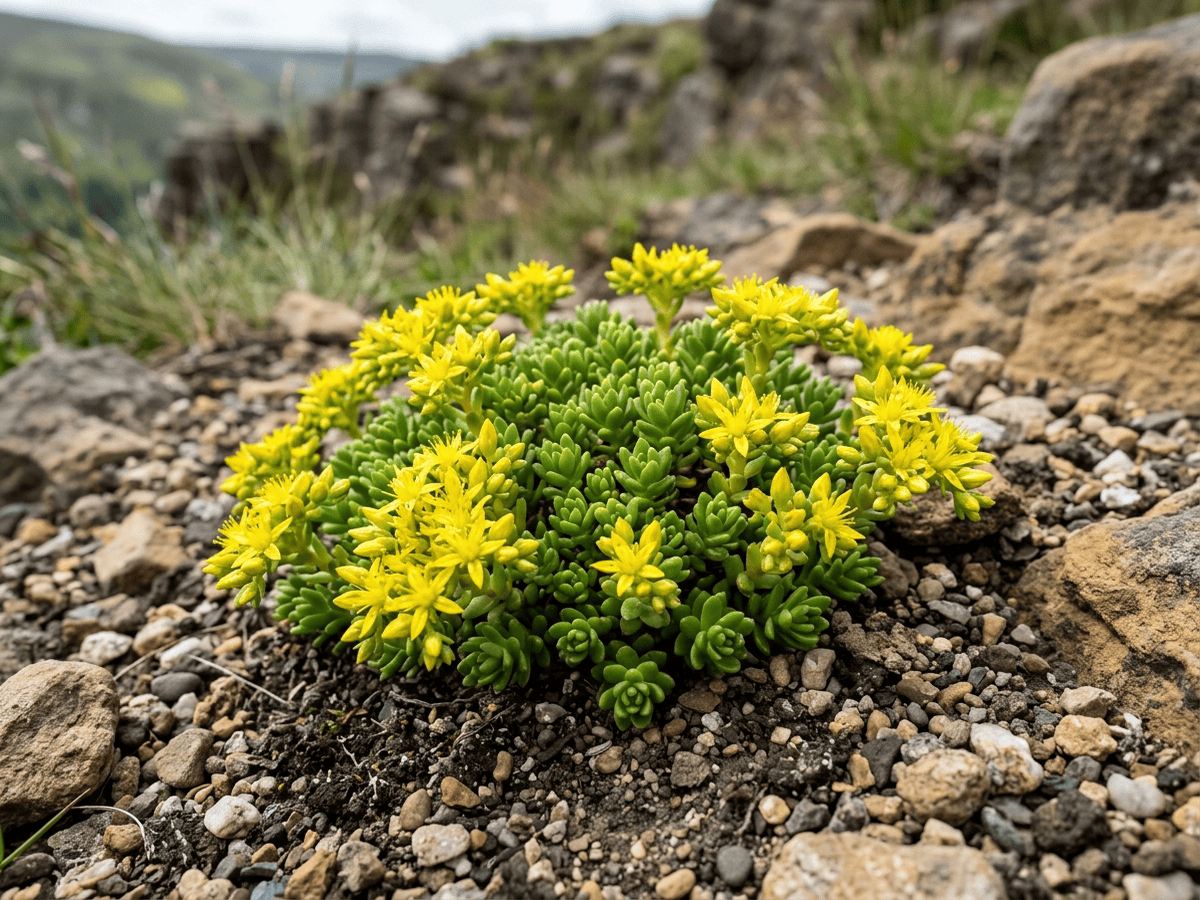 Biting StonecropSedum acre
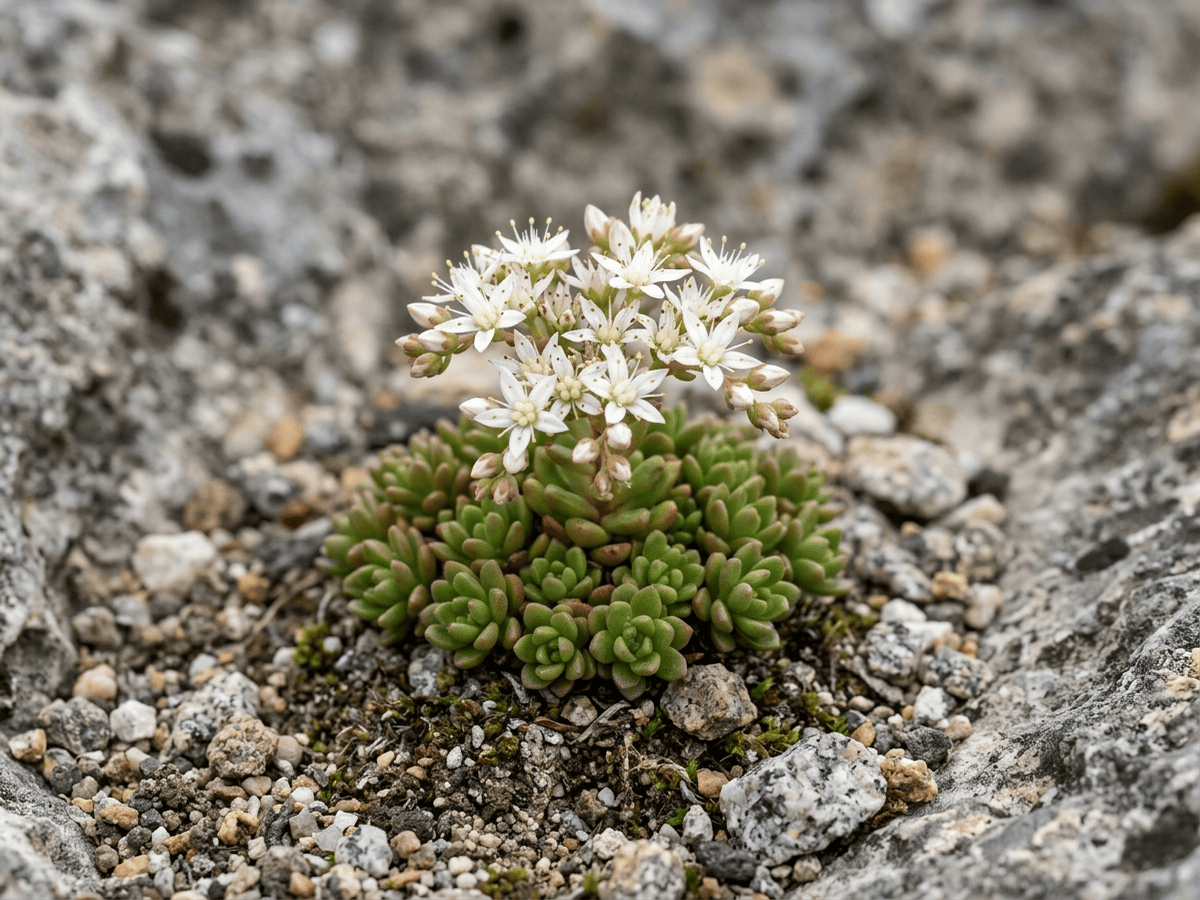 White StonecropSedum album
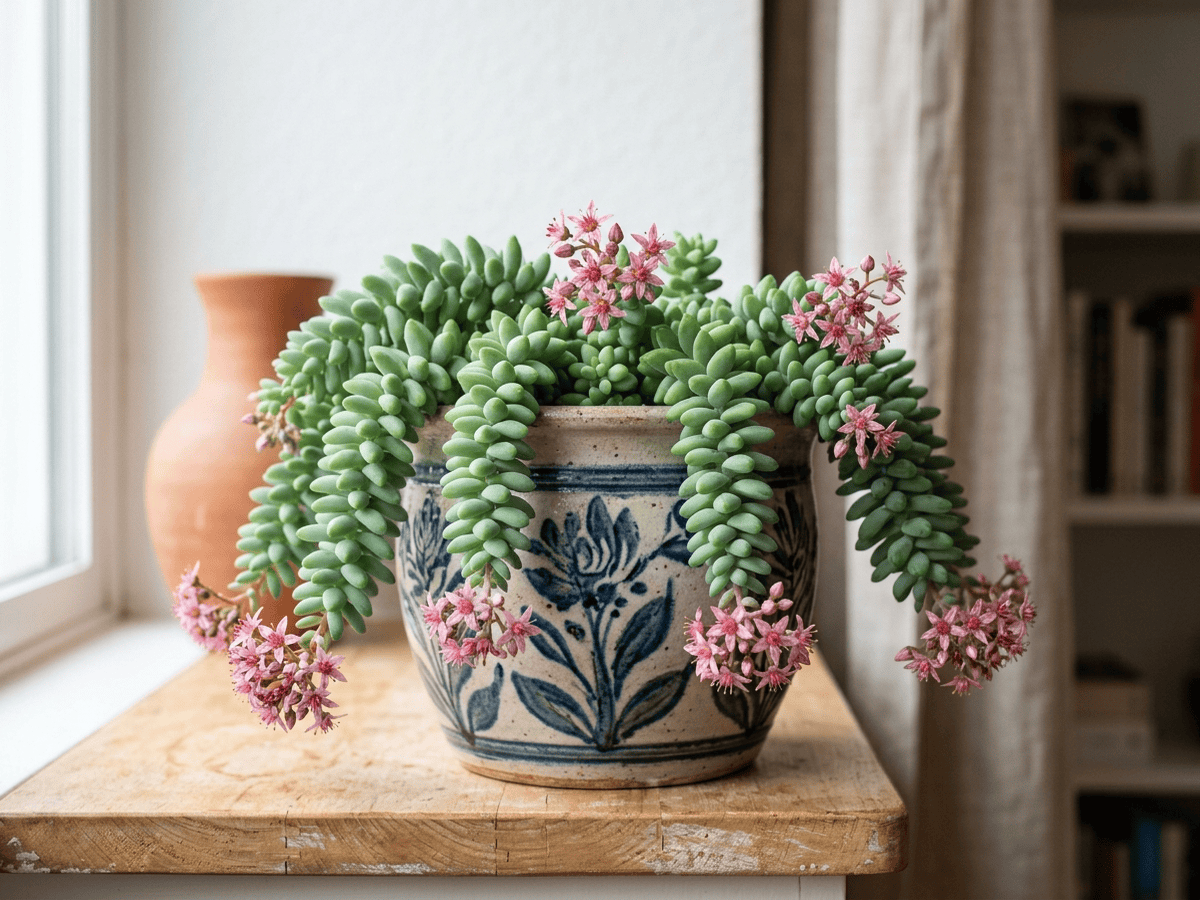 Burro's-TailSedum morganianum
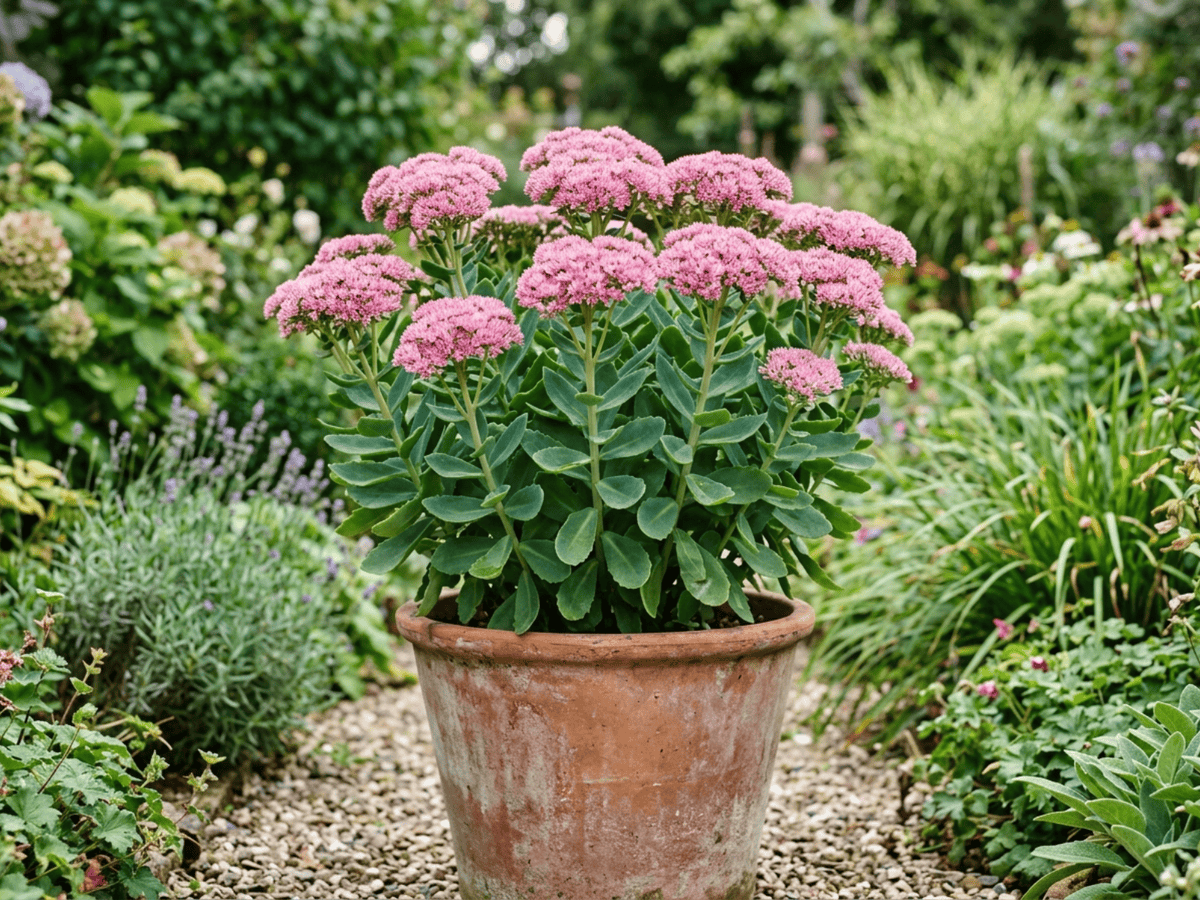 Butterfly StonecropSedum spectabile
Plants with similar care
 Chinese AbeliaAbelia chinensis
 Fragrant AbeliaAbelia mosanensis
 Large-Flowered AbeliaAbelia uniflora
 Glossy AbeliaAbelia x grandiflora
Frequently asked questions
How often should I water Aizoon Stonecrop?
In summer, water about every 7 days; in winter, about every 30 days. Adjust for heat, pot size and drainage.
How much light does Aizoon Stonecrop need?
Full sun: 6+ hrs direct. Watch the leaves — scorching or stretching means the light needs adjusting.
Is Aizoon Stonecrop toxic to cats or dogs?
Pets Safe (Dogs Safe · Cats Safe) Educational information, not medical or veterinary advice. If exposure is suspected, contact a doctor or veterinarian.
Is Aizoon Stonecrop easy to grow?
Yes — it is considered an easy, beginner-friendly plant.
When does Aizoon Stonecrop bloom?
It typically blooms Jun–Aug in the Northern Hemisphere.
YardMate
Identify any plant in seconds
Snap a photo — YardMate names the plant, diagnoses problems, and reminds you when to water.
Download on the App Store