 YardMate

Butterfly Stonecrop
Sedum spectabile
Easy · Beginner friendlyAbout Butterfly Stonecrop
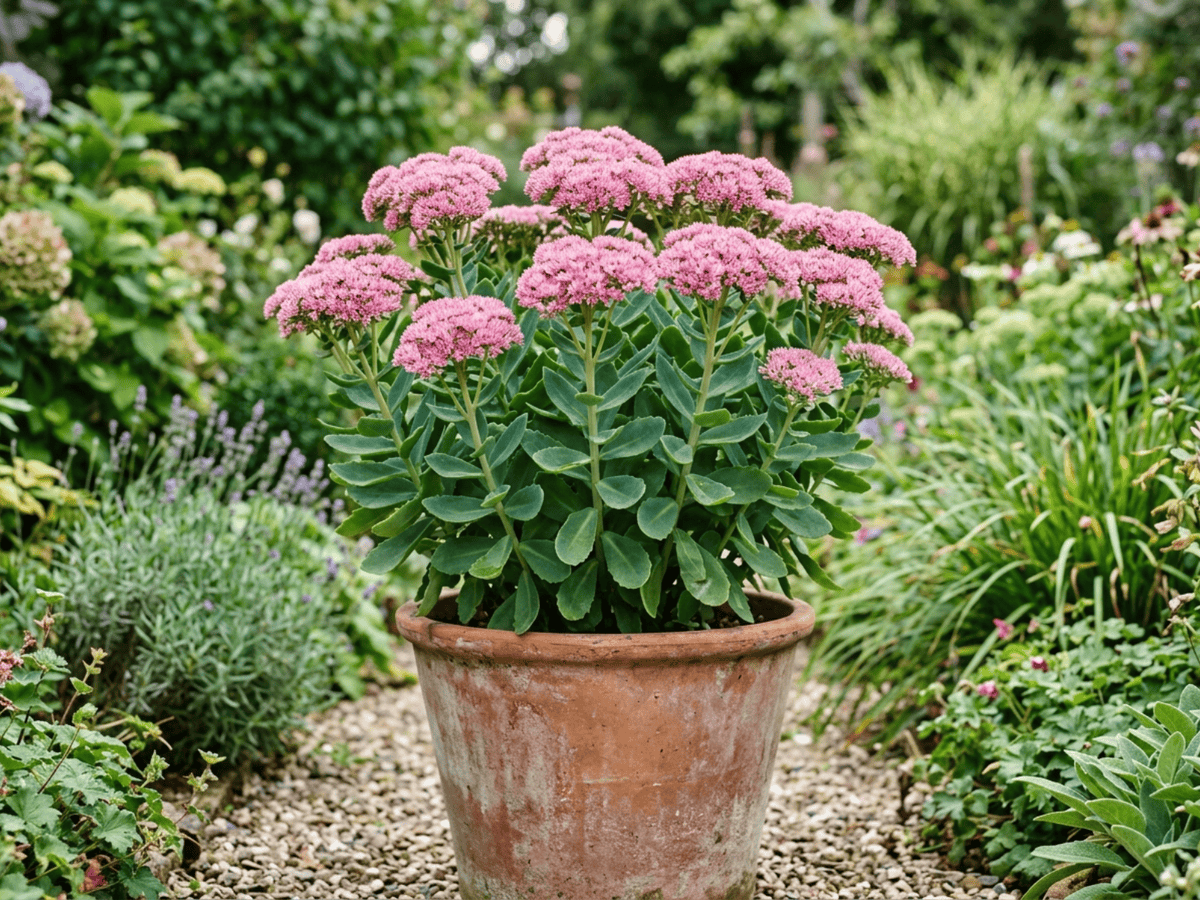
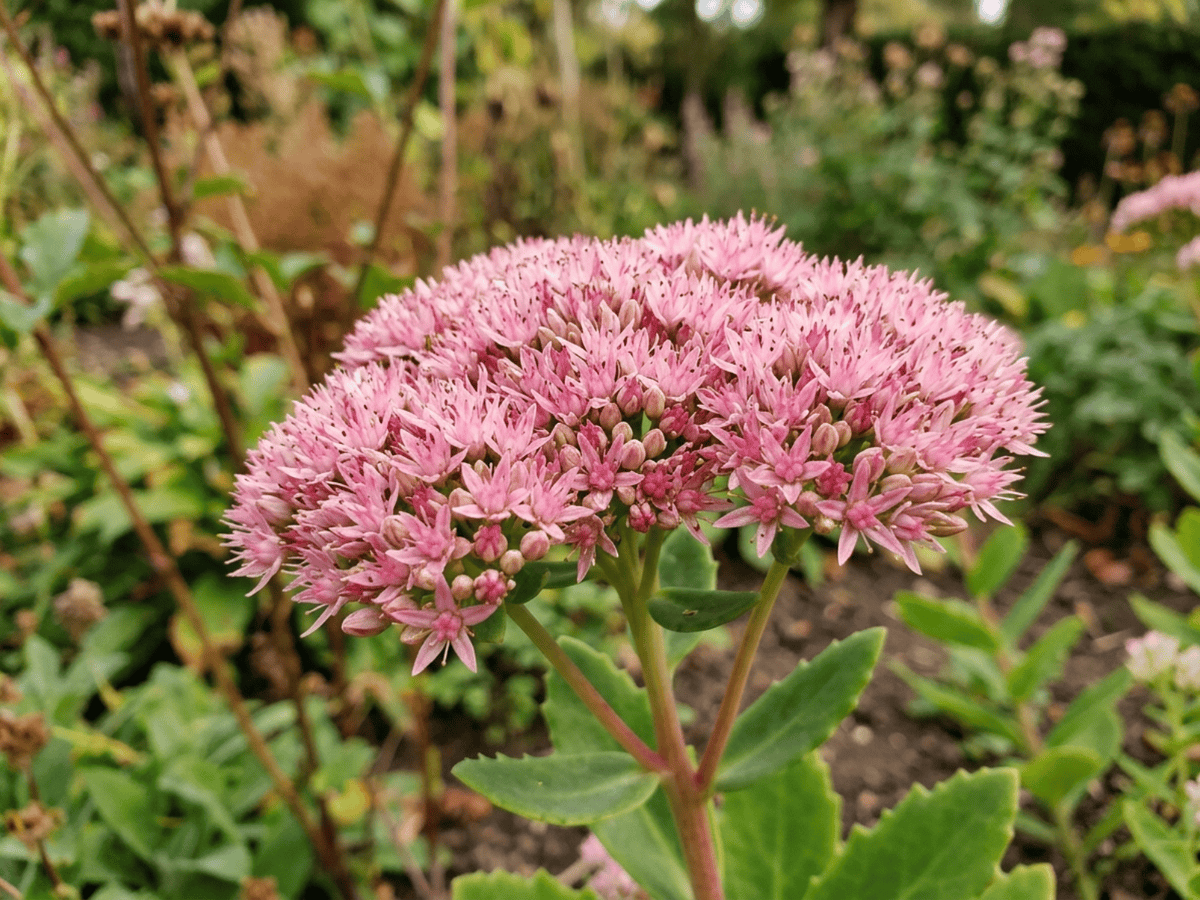
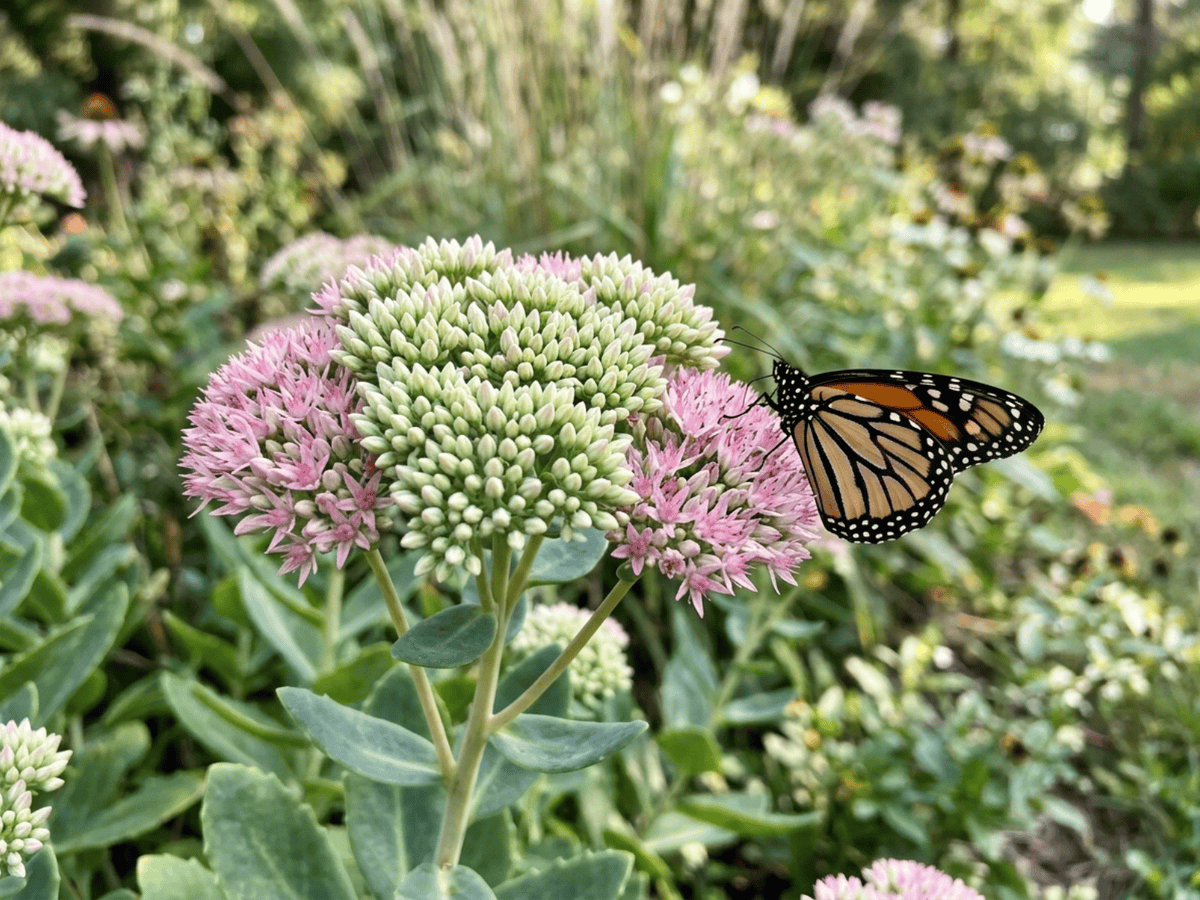
Sedum spectabile, commonly called showy stonecrop or ice plant, is a robust clump-forming succulent perennial native to China and Korea. Unlike its creeping relatives, it grows upright to 45 centimeters with thick fleshy blue-green leaves arranged in whorls along sturdy stems. From late summer into autumn, it produces large flat-topped clusters of pink to rosy-red flowers that are magnets for butterflies, bees, and other pollinators — earning it a reputation as one of the best late-season nectar sources in temperate gardens. The dried flower heads remain architecturally attractive through winter, providing visual interest and shelter for beneficial insects. It is extremely easy to grow, tolerating poor soil, drought, and cold winters with minimal care. Propagation is simple through stem cuttings or division in spring. The plant pairs beautifully with ornamental grasses and other autumn-blooming perennials. Modern cultivars like 'Brilliant' and 'Autumn Joy' have become garden classics worldwide.
- Drought-tolerant
- Cold-hardy
- Architectural
- Pollinator-friendly
How to care for Butterfly Stonecrop
Watering
- Springevery 14 days
- Summerevery 10 days
- Fallevery 21 days
- Winterevery 30 days
Soil · Fast-draining
- Main mixSand + pumice + soil 1:1:150%
- DrainagePumice / gravel50%
Keep grit at half the mix or more — this soil is meant to dry out fast.
FERTILIZER
- Springevery 60 days
At a Glance
- NativeEast Asia
- Height1–2 ft (0.3–0.6 m)
- Spread1–2 ft (0.3–0.6 m)
- Flower colorPink, Red, White
- Foliage colorGreen, Purple
- SoilSandy, Well-drained
- LocationsYard
Bloom time
BLOOM CYCLE
Peak bloom
Aug–Oct
Large pink to rose flower clusters from late summer to autumn; leave dried heads for winter interest
Fragrance
LIGHT FRAGRANCE
Subtle honey scent attracts abundant pollinators.
Toxicity
Pets Safe
None reported
Not reported
EXPOSURE No exposure route is reported.
EFFECT Young shoots historically eaten in Chinese and Korean cuisines and leaves edible.
NOTE No human toxicity is reported in this catalog; avoid eating ornamental plants unless confirmed edible.
Safe
EXPOSURE No exposure route is reported.
EFFECT Not listed as toxic by ASPCA.
NOTE Listed as non-toxic for dogs; avoid eating ornamental plants unless confirmed edible.
Safe
EXPOSURE No exposure route is reported.
EFFECT Not listed as toxic by ASPCA.
NOTE Listed as non-toxic for cats; avoid eating ornamental plants unless confirmed edible.
Educational information, not medical or veterinary advice. If exposure is suspected, contact a doctor or veterinarian.
DISTRIBUTION


- Native
- Introduced
- East Asia
History
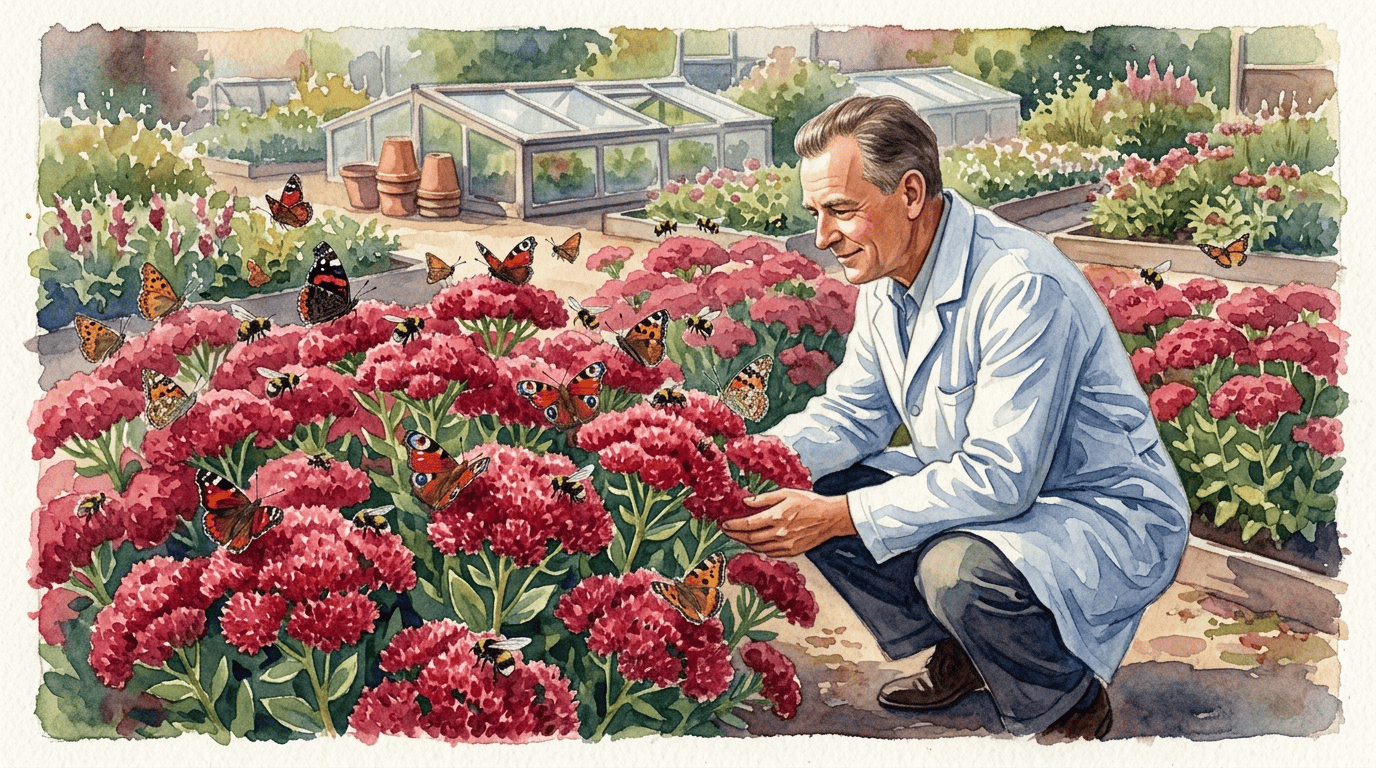
Sedum spectabile (now Hylotelephium spectabile in revised taxonomy, though horticulture retains the traditional name) is native to northeastern China and the Korean Peninsula. It was introduced to European gardens in the mid-19th century, notably through Robert Fortune's Chinese collections. The transformative horticultural moment came in 1955 when German breeder Georg Arends of Ronsdorf (also responsible for the Arendsii astilbes) introduced the hybrid cultivar "Herbstfreude" ("Autumn Joy"), a cross of S. spectabile with S. telephium.
This single cultivar — now over 70 years in commerce — is among the best-selling perennials in horticultural history, anchoring late-summer to autumn borders across the temperate world with its broccoli-like pink flower heads that mature through deep rose to rusty bronze seedheads that persist all winter. It is a major nectar source for late-season bees and butterflies.
Sedum spectabile was introduced to Western gardens from its native China and Korea in the mid-19th century and quickly became a border garden staple. The famous cultivar 'Autumn Joy' (Herbstfreude), bred in Germany in 1955 by crossing S. telephium, was named Perennial Plant of the Year and remains one of the most widely planted perennials globally. Its importance as a late-season pollinator plant has been confirmed by numerous ecological studies, with some recording over 20 butterfly species visiting a single plant.
Symbolism & meaning
What It Symbolizes
Butterfly Stonecrop embodies tranquility, its calm late-season presence bringing a sense of peace to the autumn garden as butterflies cluster on broad pink flower heads. It also rewards patience — blooming late in the season, after most perennials have already taken their bow. A succulent that quietly insists the garden's best moment might be the last one.
- Tranquility — Its calm autumn presence brings a sense of peace to the garden
- Patience — Blooms late in the season, rewarding those who wait
Where the Name Comes From
The name Butterfly Stonecrop describes its habit of growing among stones. Sedum from Latin 'sedere' (to sit). 'Spectabile' means showy or spectacular, aptly describing its impressive flower display.
Uses & Fun Facts
- Pink flat clusters mob butterflies and late-season bees
- Sturdy flat heads used fresh and dried in arrangements
- Showy stonecrop for sunny borders and rock gardens
Related plants
More Sedum plants
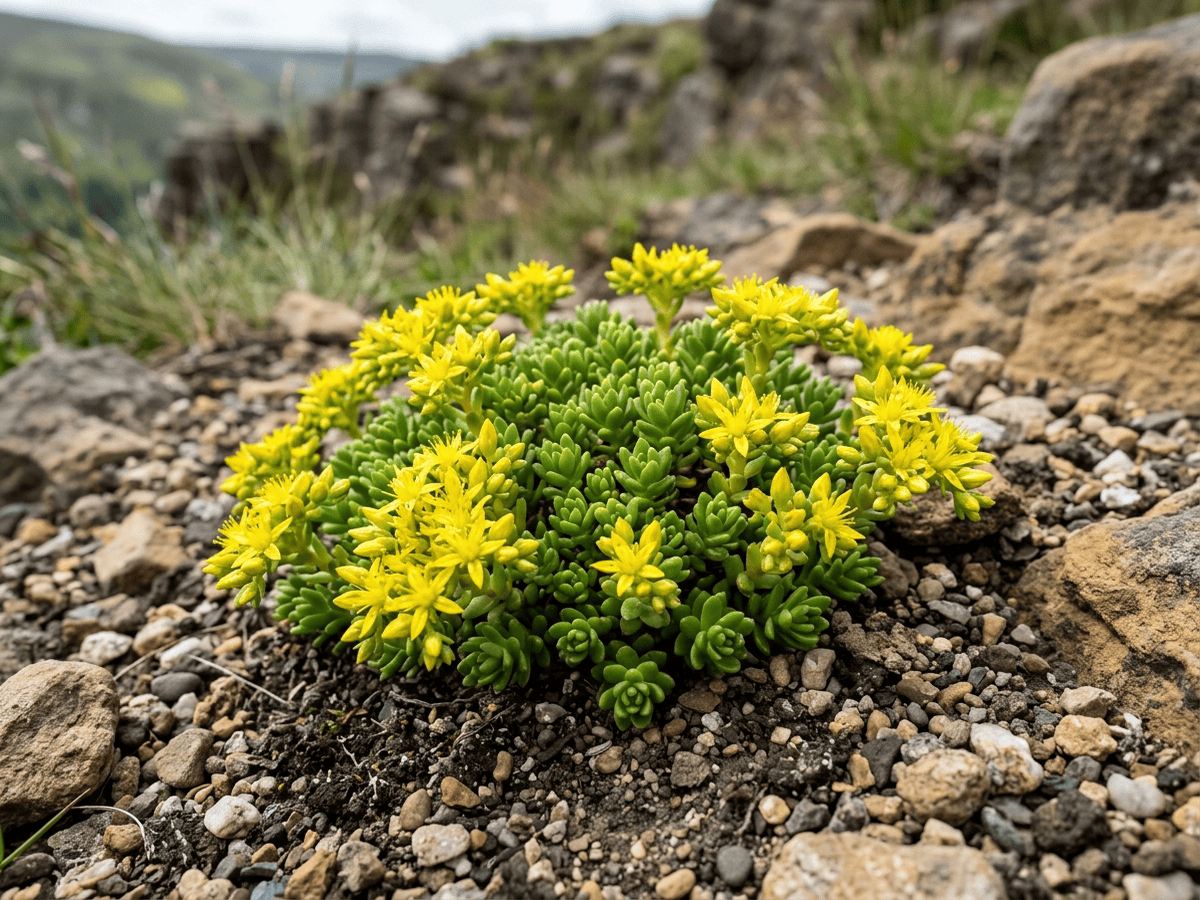 Biting StonecropSedum acre
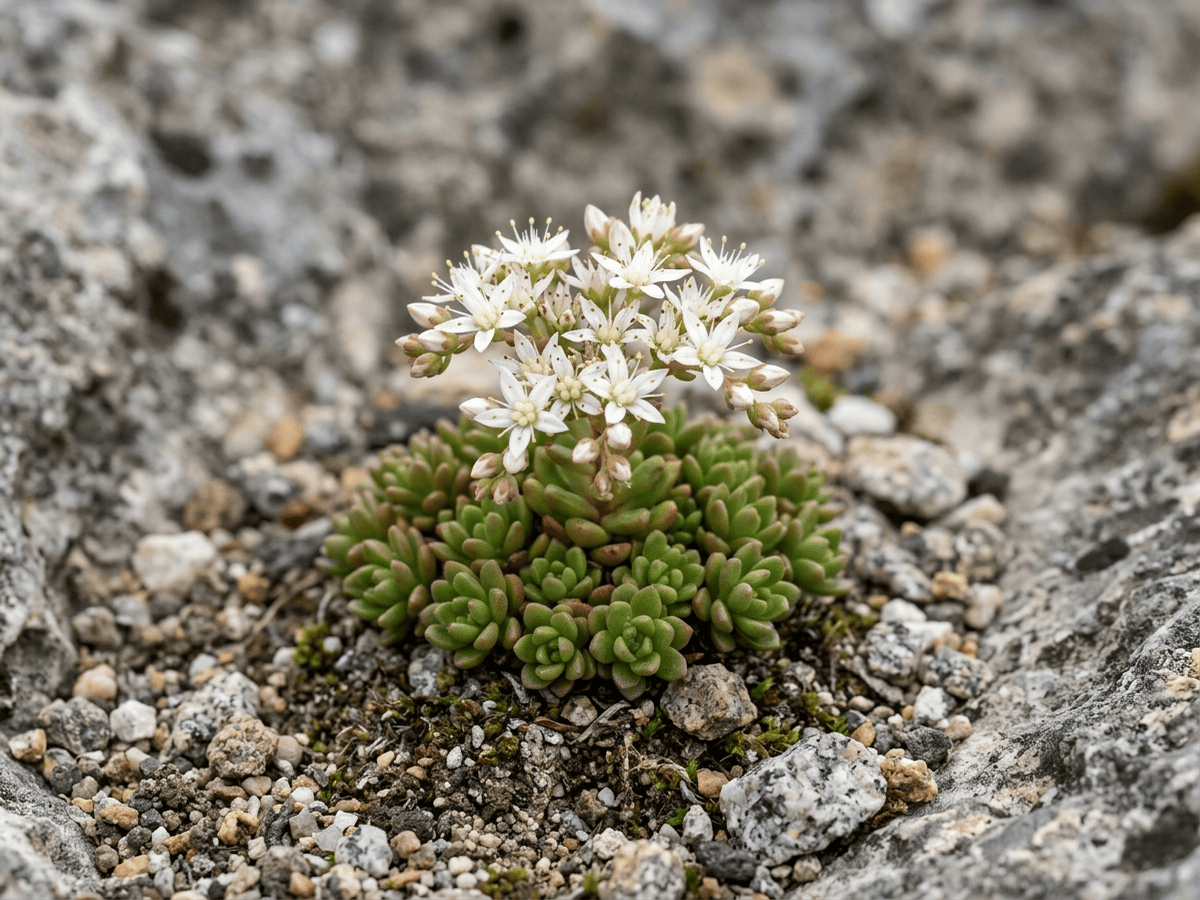 White StonecropSedum album
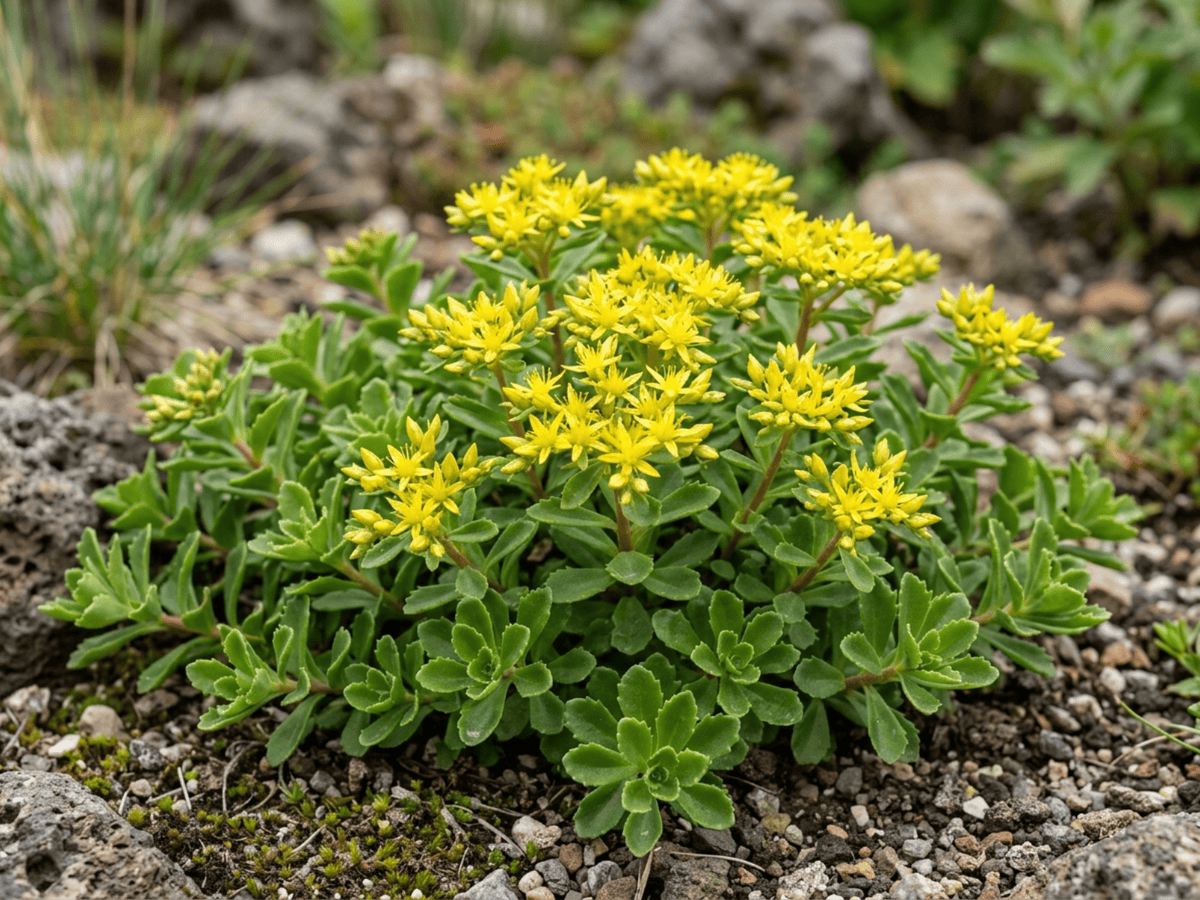 Aizoon StonecropSedum kamtschaticum
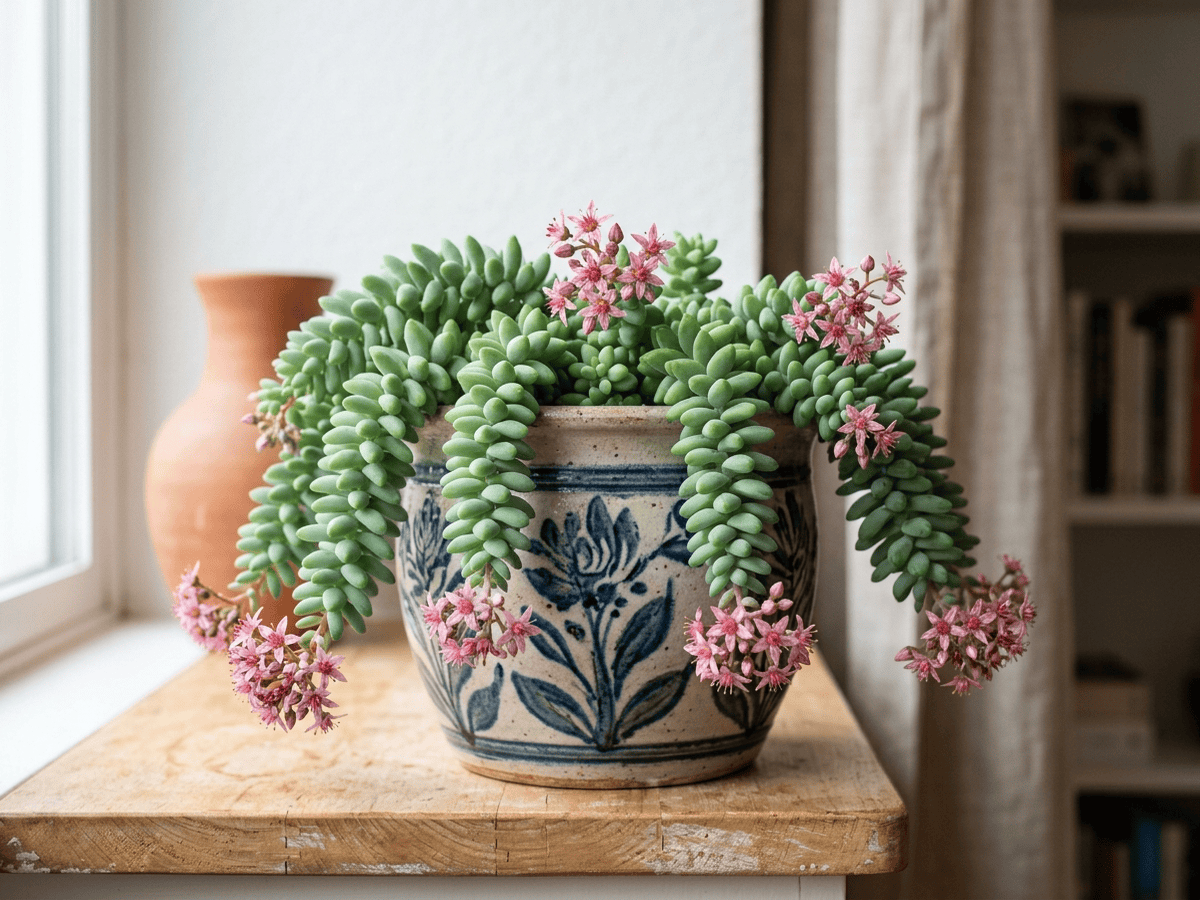 Burro's-TailSedum morganianum
Plants with similar care
 Chinese AbeliaAbelia chinensis
 Fragrant AbeliaAbelia mosanensis
 Large-Flowered AbeliaAbelia uniflora
 Glossy AbeliaAbelia x grandiflora
Frequently asked questions
How often should I water Butterfly Stonecrop?
In summer, water about every 10 days; in winter, about every 30 days. Adjust for heat, pot size and drainage.
How much light does Butterfly Stonecrop need?
Full sun: 6+ hrs direct. Watch the leaves — scorching or stretching means the light needs adjusting.
Is Butterfly Stonecrop toxic to cats or dogs?
Pets Safe (Dogs Safe · Cats Safe) Educational information, not medical or veterinary advice. If exposure is suspected, contact a doctor or veterinarian.
Is Butterfly Stonecrop easy to grow?
Yes — it is considered an easy, beginner-friendly plant.
When does Butterfly Stonecrop bloom?
It typically blooms Aug–Oct in the Northern Hemisphere.
YardMate
Identify any plant in seconds
Snap a photo — YardMate names the plant, diagnoses problems, and reminds you when to water.
Download on the App Store