 YardMate
Angel Wings Senecio
Senecio candidans
Hard · Experienced growersAbout Angel Wings Senecio
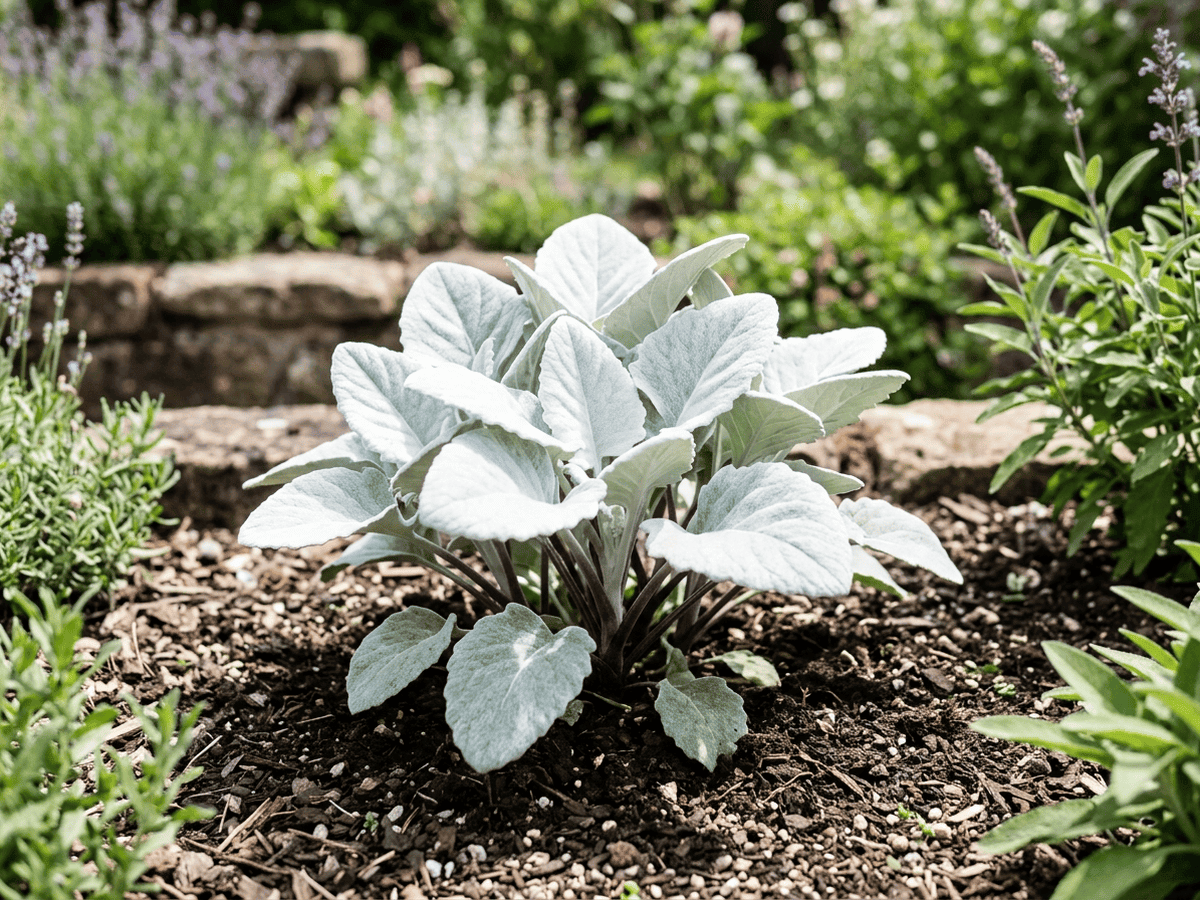
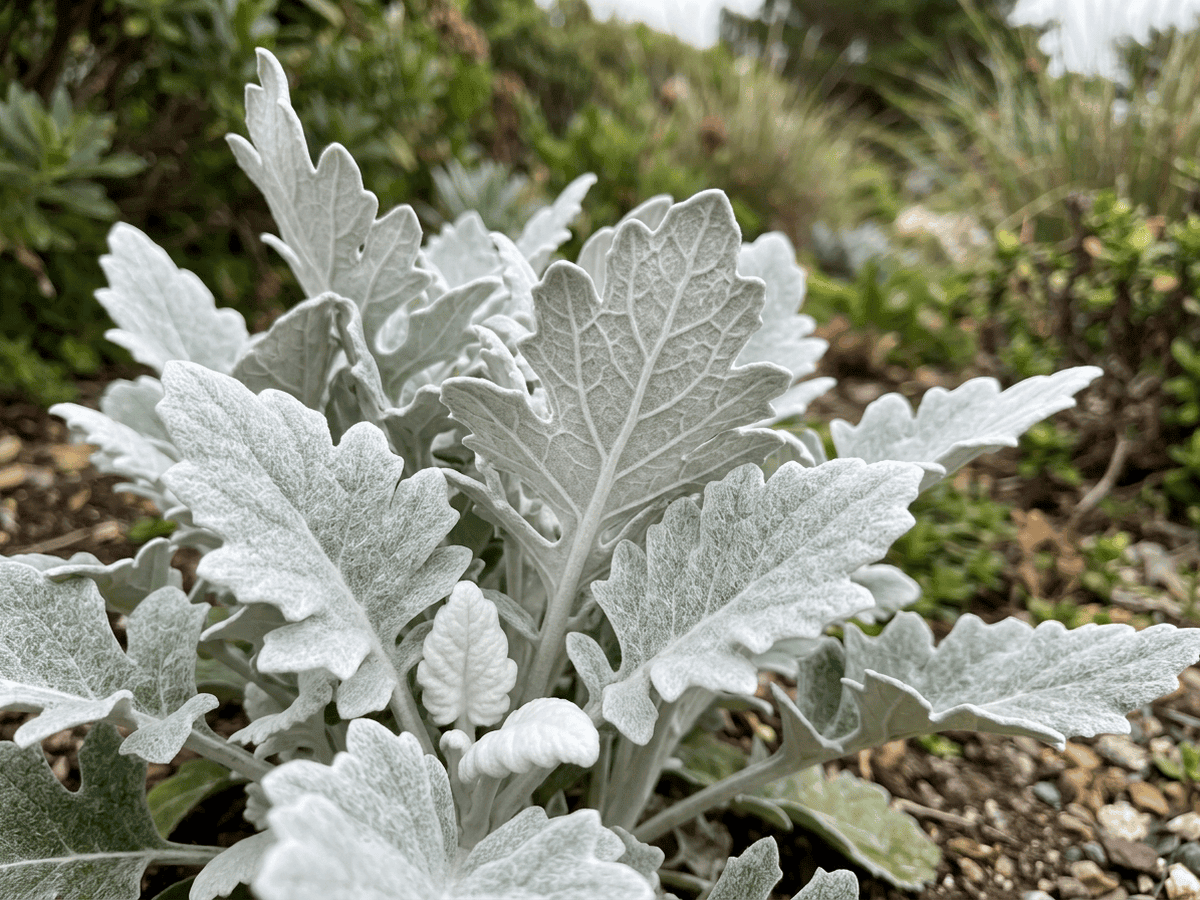
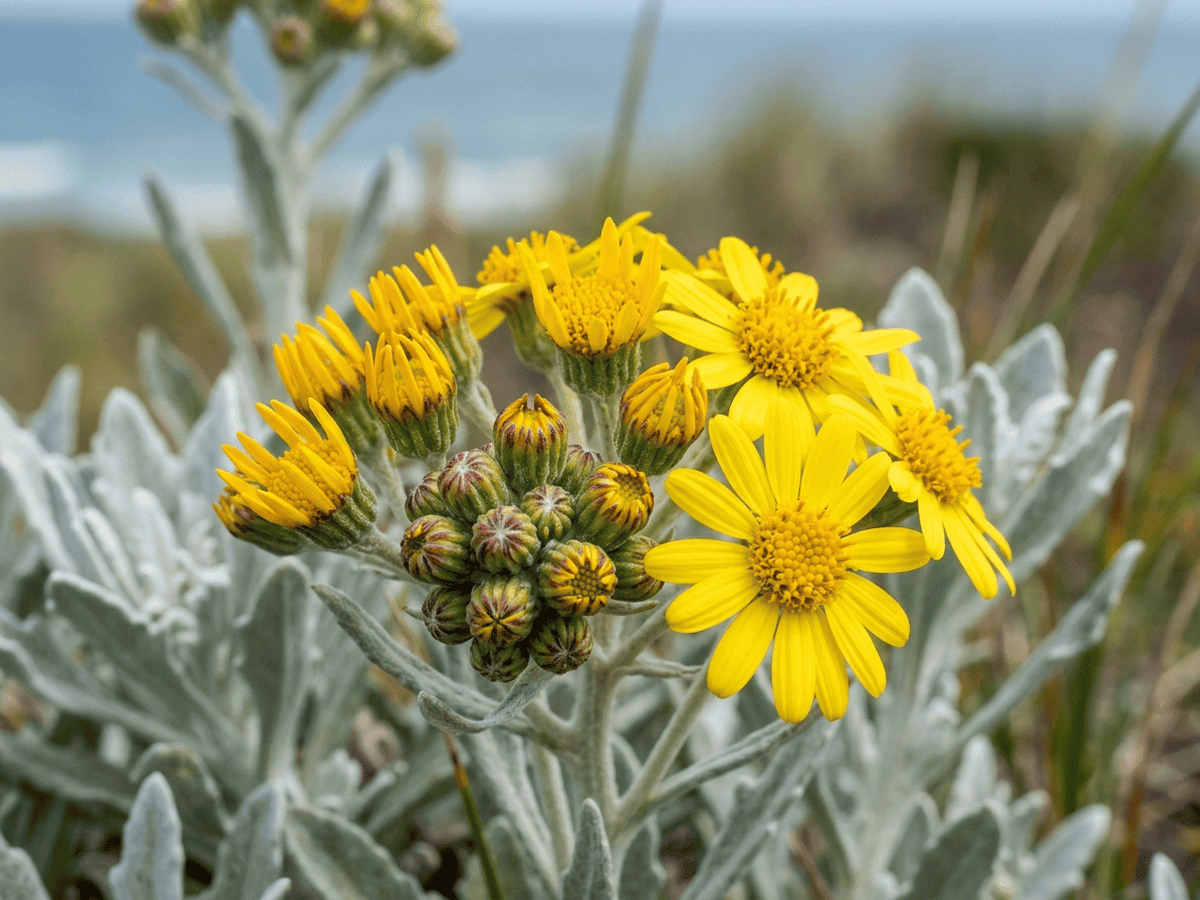
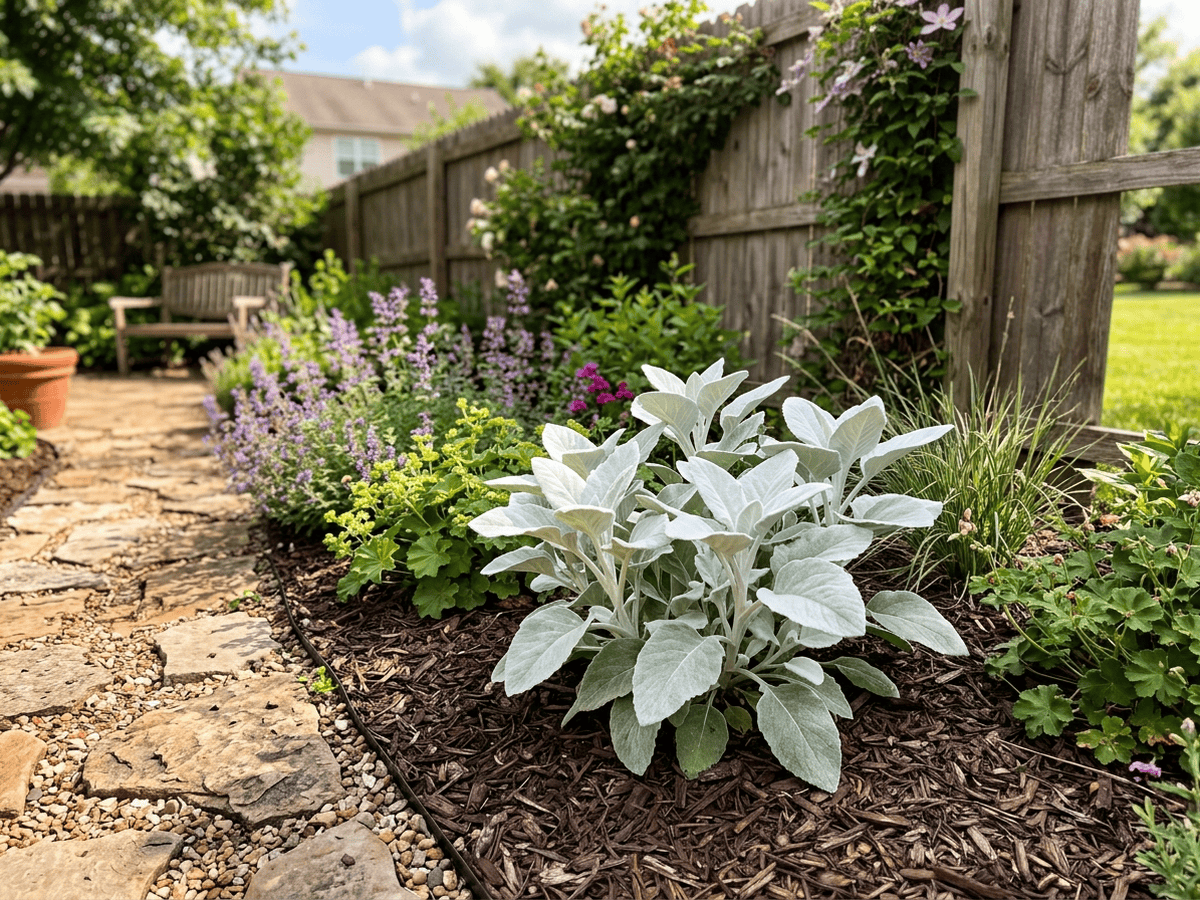
The Angel Wings Senecio is prized for its felted, silvery-white leaves, deeply lobed like wings dusted in frost. Native to the windswept coasts of Chile and Argentina, this compact shrub forms dense clumps 1 to 3 feet tall, its foliage catching light with a soft, velvety sheen. In summer, clusters of small yellow daisy-like flowers rise above the leaves, though many gardeners grow it chiefly for its striking foliage. Thriving in well-drained soil under full sun, it tolerates coastal salt spray and short dry spells, making it a standout in seaside gardens, containers, and mixed borders.
- Drought-tolerant
- Compact
- Evergreen
- Container-friendly
- Pollinator-friendly
How to care for Angel Wings Senecio
Watering
- Springevery 10 days
- Summerevery 7 days
- Fallevery 10 days
- Winterpause watering
Soil · Fast-draining
- Main mixSand + pumice + soil 1:1:150%
- DrainagePumice / gravel50%
Keep grit at half the mix or more — this soil is meant to dry out fast.
FERTILIZER
Balanced Feed 14-14-14
An even feed covers all three needs at once, keeping leaves, roots and blooms moving together with nothing pushed out of balance.
- Nitrogen · Leaves
- Phosphorus · Roots + Blooms
- Potassium · Strength
- Springevery 30 days
- Summerevery 30 days
At a Glance
- NativeSouth America
- Height1–3 ft (0.3–0.9 m)
- Spread2–3 ft (0.6–0.9 m)
- Foliage colorSilver
- SoilWell-drained, Moist
- LocationsYard · Patio
Toxicity
Humans Moderate · Pets Moderate
pyrrolizidine alkaloids
Moderate
- All
- Ingestion
EXPOSURE Eating any part of the plant.
EFFECT Nausea, vomiting, and liver damage.
NOTE Contains pyrrolizidine alkaloids; ingestion can cause liver damage in humans and pets over time.
Moderate
- All
- Ingestion
EXPOSURE Eating any part of the plant.
EFFECT Vomiting, diarrhea, and liver damage.
NOTE Contains pyrrolizidine alkaloids; ingestion can cause liver damage in humans and pets over time.
Moderate
- All
- Ingestion
EXPOSURE Eating any part of the plant.
EFFECT Vomiting, diarrhea, and liver damage.
NOTE Contains pyrrolizidine alkaloids; ingestion can cause liver damage in humans and pets over time.
Educational information, not medical or veterinary advice. If exposure is suspected, contact a doctor or veterinarian.
DISTRIBUTION


- Native
- South America
History
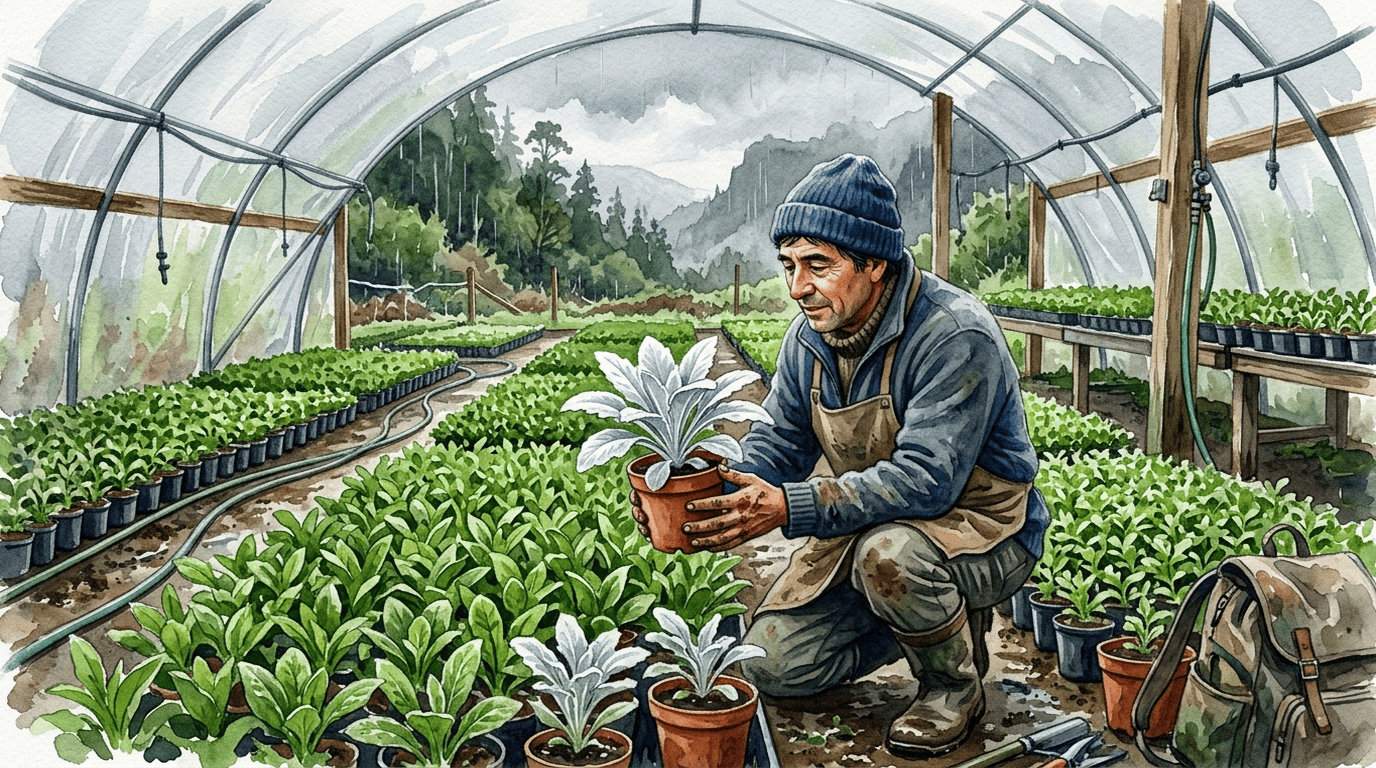
The genus name Senecio comes from the Latin senex, "old man," a nod to the tufts of white, hair-like seed heads that follow the flowers on many species. The epithet candidans, from candidus, "shining white," describes something more immediate: the dense, felted hairs that blanket this plant's broad, wing-shaped leaves, giving them a silvery, almost luminous glow. Both names point to the same adaptation. On the wind-scoured coasts of Chile and Argentina, where this plant grows wild among rocky dunes and salt-sprayed cliffs, that fine white fuzz reflects intense sun and slows moisture loss, letting the plant thrive where few others can. European botanists first catalogued it in the 1830s, working from herbarium specimens gathered along the Chilean coast, part of a wave of South American plant exploration that filled Europe's gardens and museums with unfamiliar new forms. The species stayed a botanical curiosity for over a century, admired mostly by collectors, until 2010, when Chilean nurseryman Matias Avendano, at Floricultura Novazel in Puerto Montt, spotted an especially compact, silver-leaved seedling among an open-pollinated batch. He propagated it, and by 2017 it was patented as 'Senaw', sold worldwide under the trade name Angel Wings. What began as windswept coastal camouflage became one of the most recognizable foliage plants in modern container gardening.
Symbolism & meaning
What It Symbolizes
Rooted in the salt-blasted cliffs of Patagonia, the Angel Wings Senecio has long stood for resilience — a plant that turns harsh coastal exposure into an advantage, its dense white felt reflecting sun and shrugging off salt spray. That same coating gives it an almost luminous radiance, leaves that catch the light like brushed silver. Together, these traits have made it a quiet emblem of thriving in adversity: a plant that looks delicate but proves remarkably tough.
- Resilience — thriving in salt spray and coastal wind where little else survives
- Radiance — felted, silvery-white leaves that seem to glow in full sun
Where the Name Comes From
Senecio: from Latin senex, "old man," for the white, hair-like seed tufts common across the genus. candidans (from candidus, "shining white"): describes this species' densely felted, silvery-white leaves.
Uses & Fun Facts
- Grown chiefly for its felted, silvery-white foliage, a striking accent in containers, coastal beds, and mixed borders.
- Summer clusters of small yellow daisy-like flowers draw bees and other pollinators.
Related plants
More Senecio plants
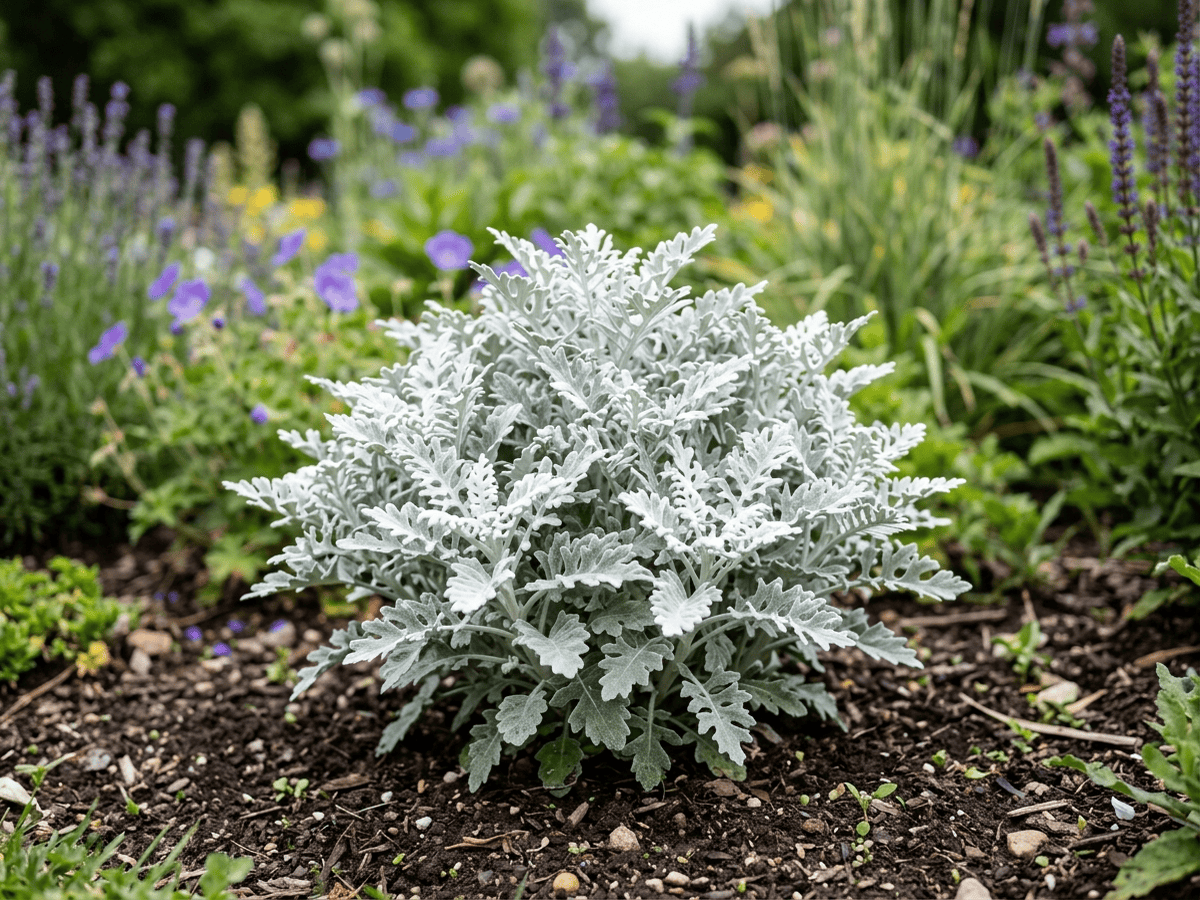 Dusty MillerSenecio cineraria
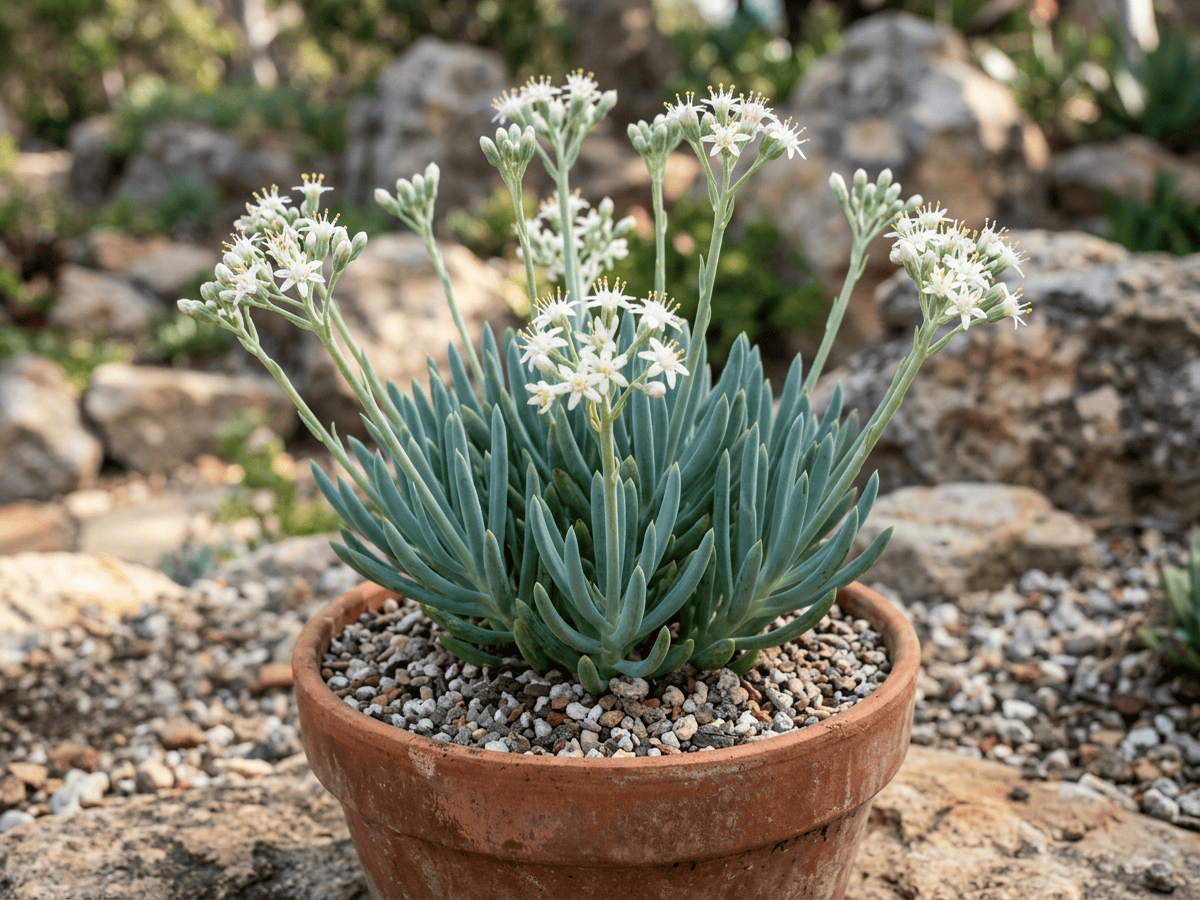 Blue ChalksticksSenecio mandraliscae
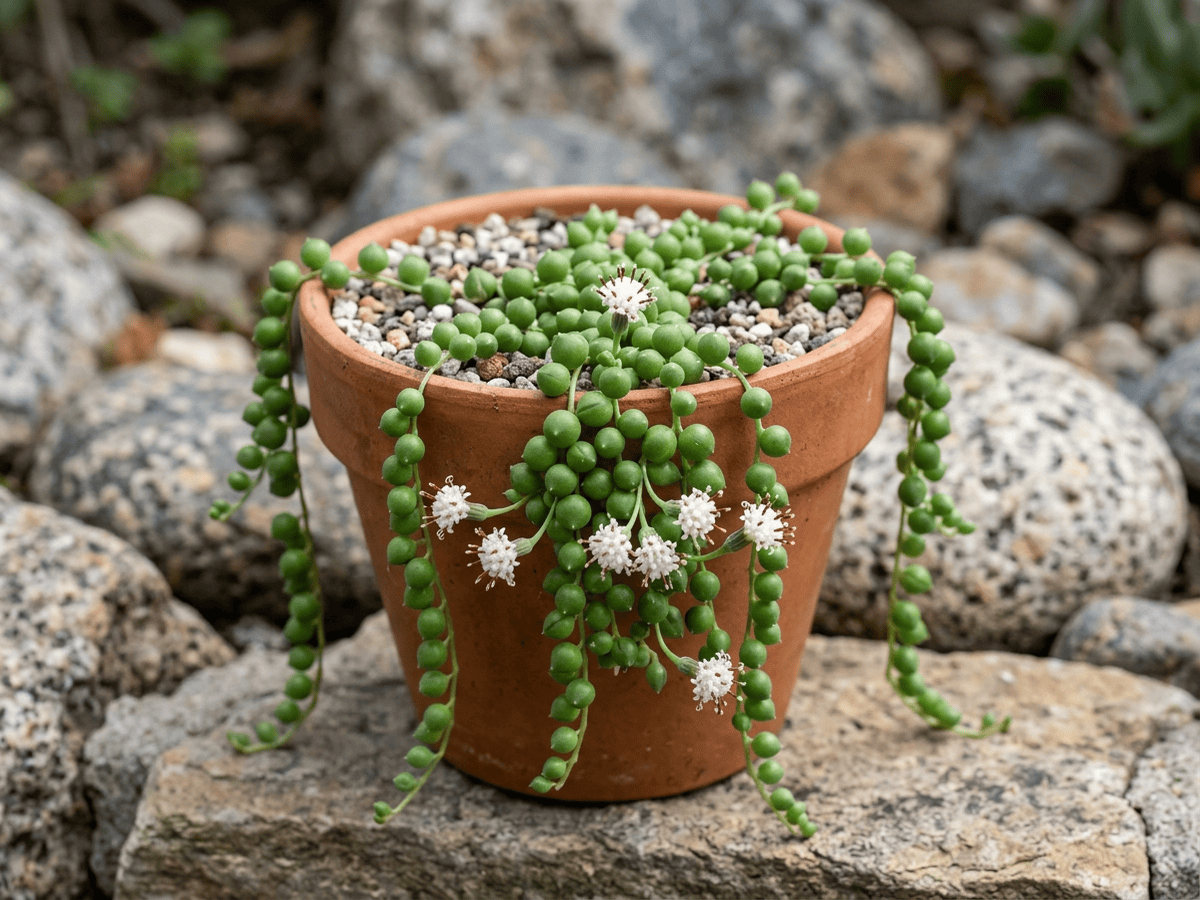 String-Of-BeadsSenecio rowleyanus
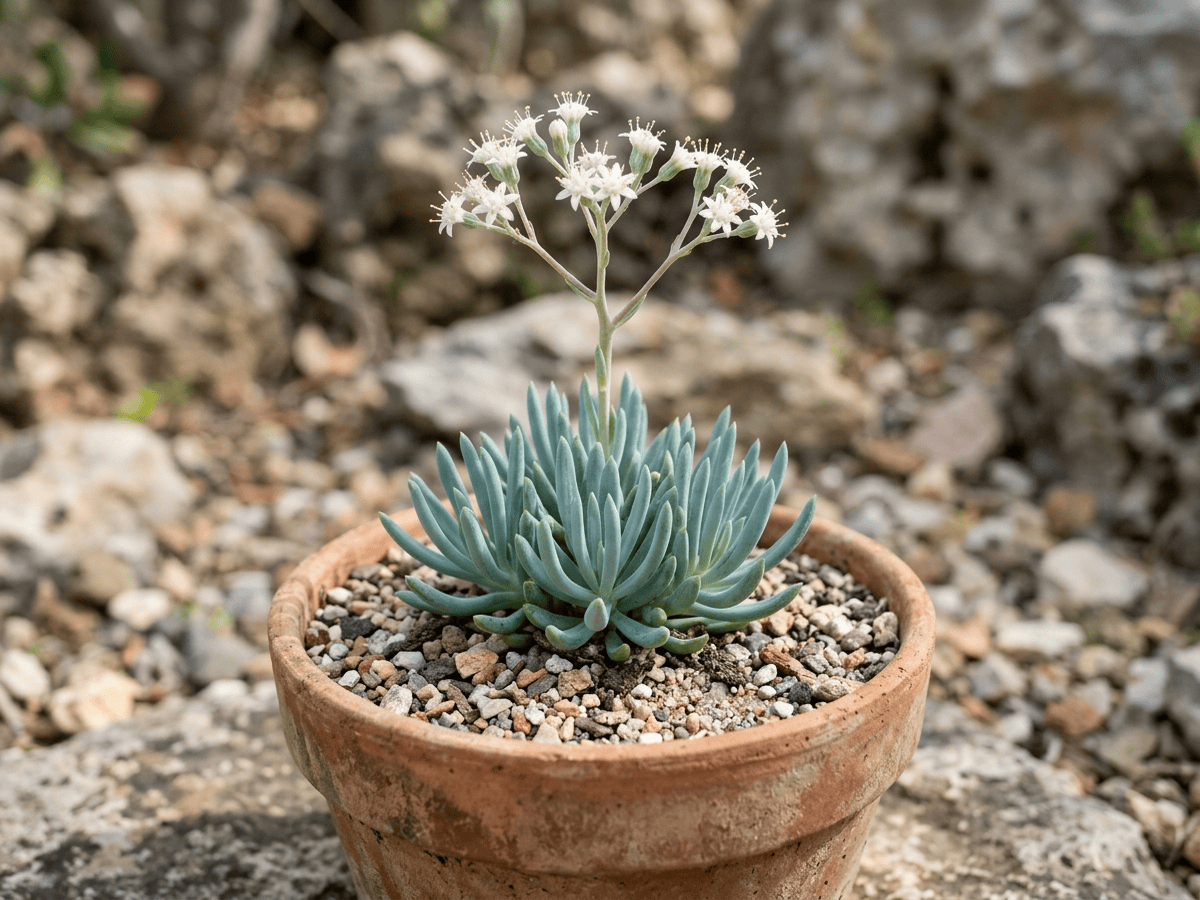 Snake RagwortSenecio serpens
Plants with similar care
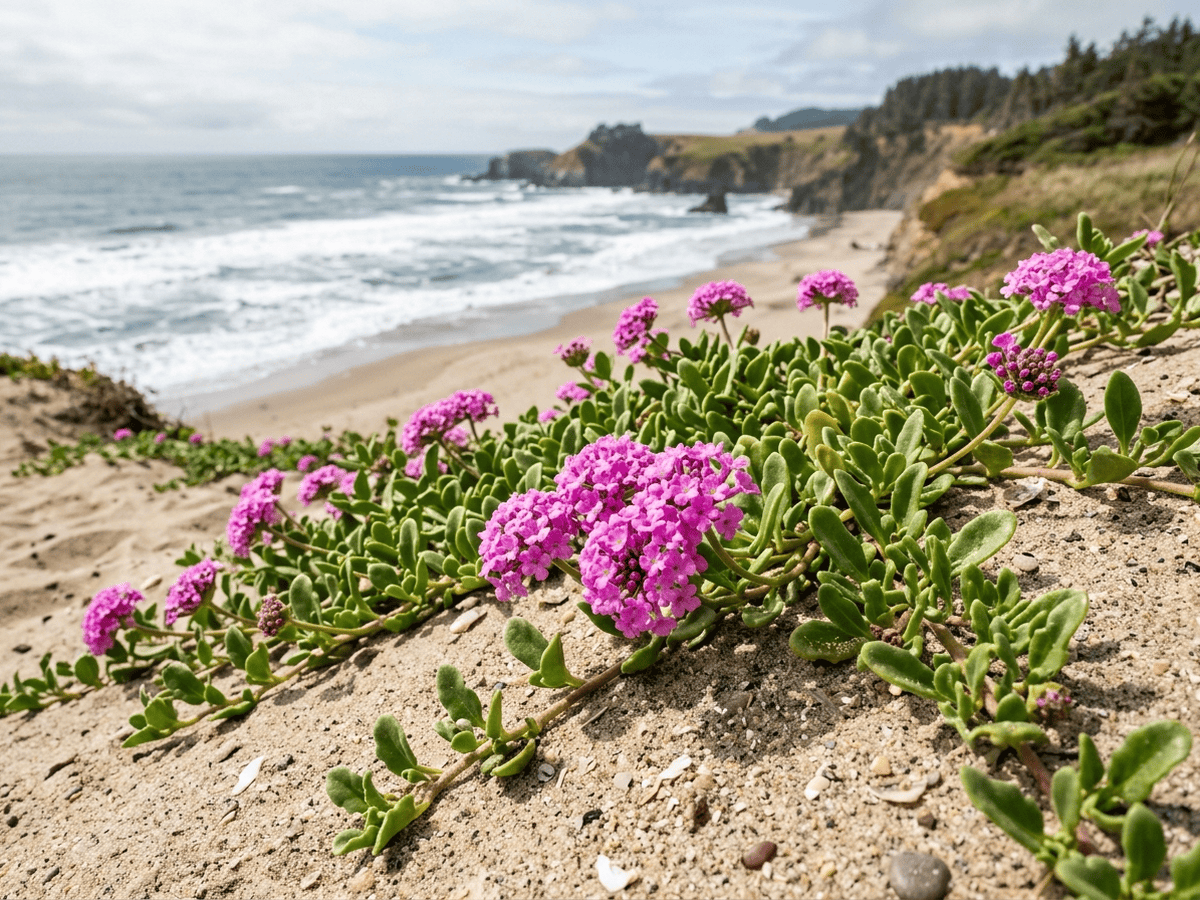 Pink Sand VerbenaAbronia umbellata
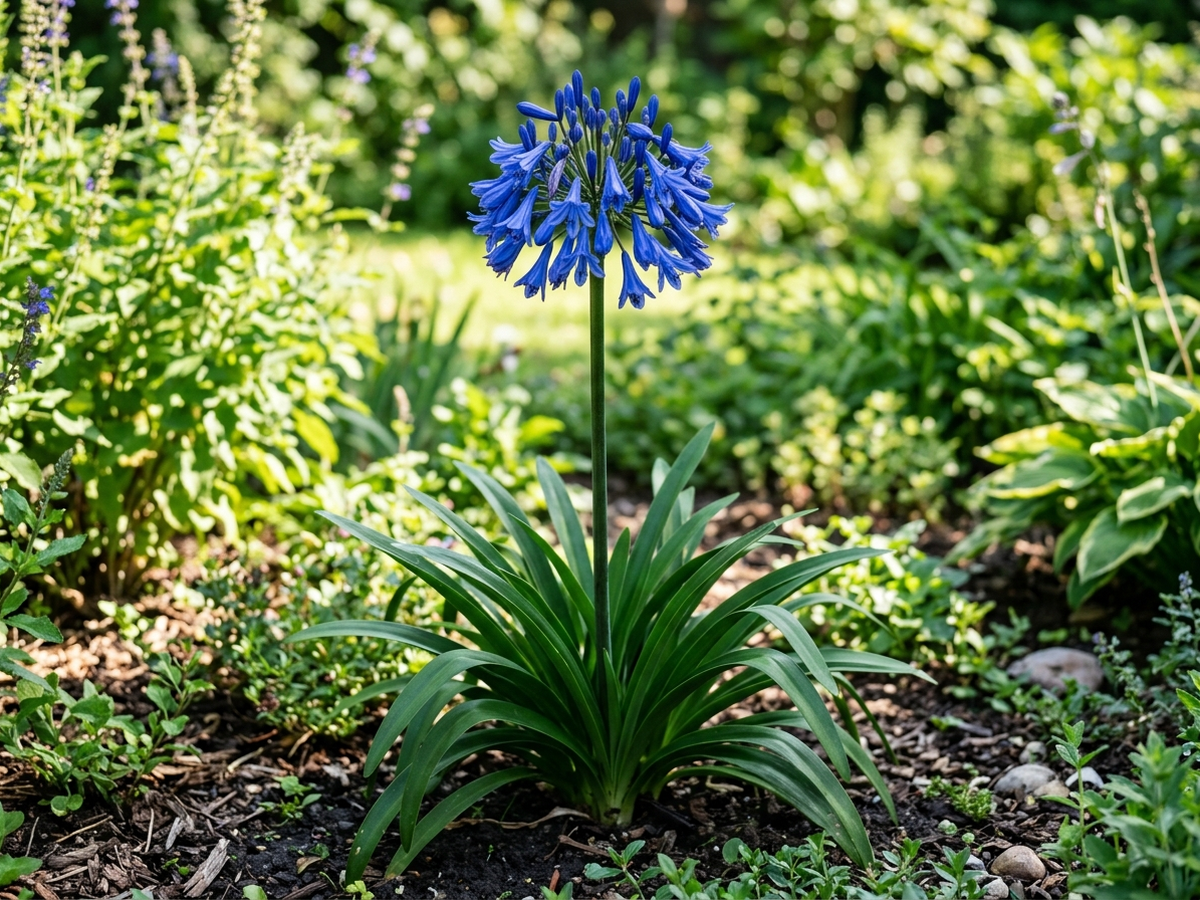 Drooping AgapanthusAgapanthus inapertus
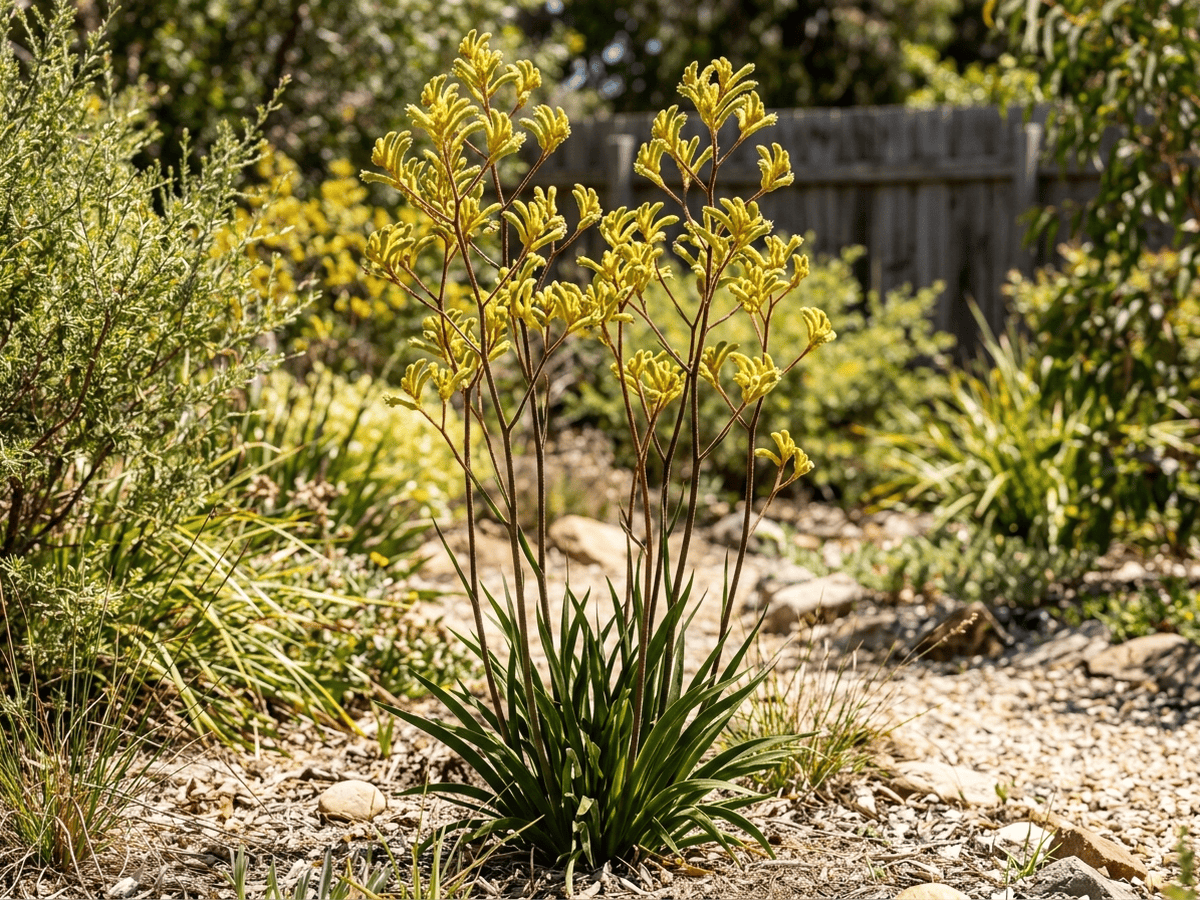 Tall Kangaroo PawAnigozanthos flavidus
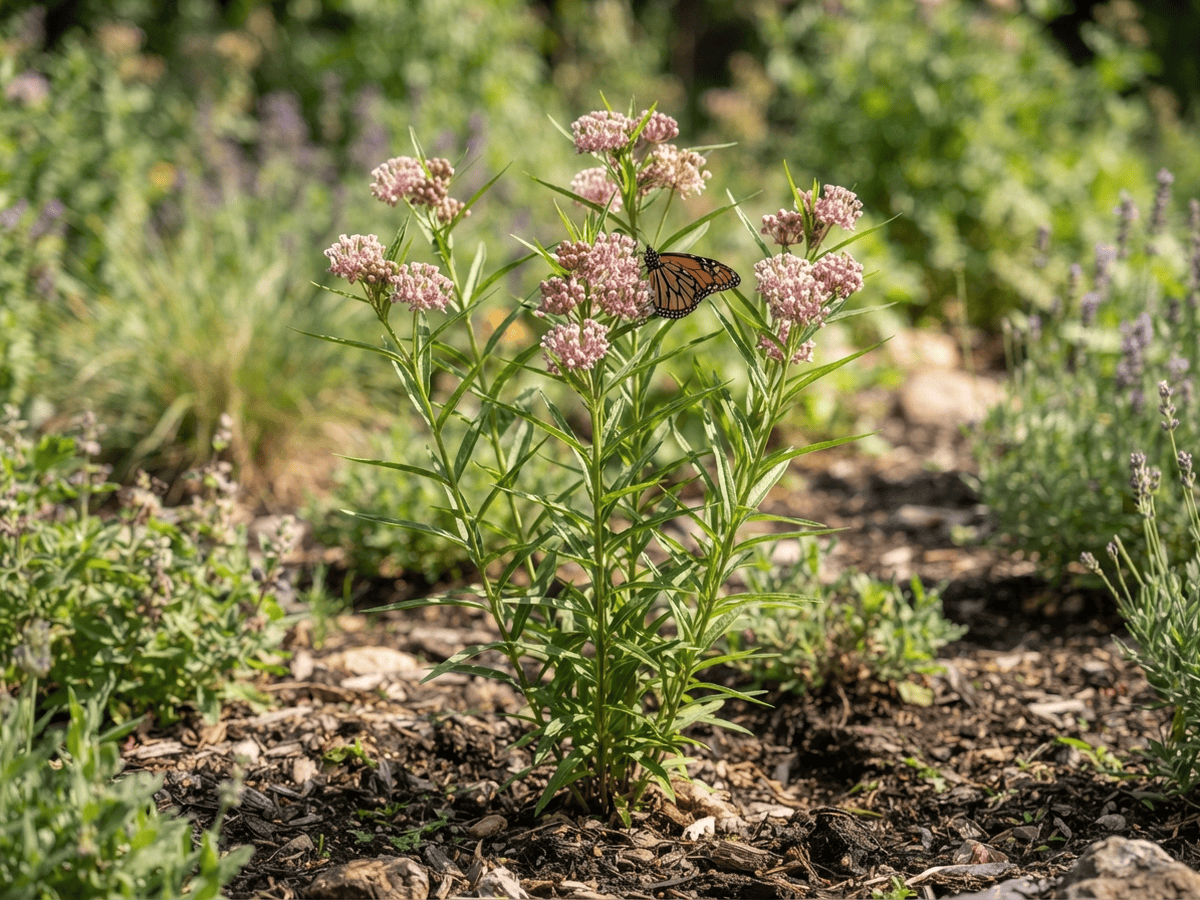 Narrowleaf MilkweedAsclepias fascicularis
Frequently asked questions
How often should I water Angel Wings Senecio?
Water about every 10 days during the growing season, and always let excess water drain away.
How much light does Angel Wings Senecio need?
Full sun: 6+ hrs direct. Watch the leaves — scorching or stretching means the light needs adjusting.
Is Angel Wings Senecio toxic to cats or dogs?
Pets Moderate (Dogs Moderate · Cats Moderate) Educational information, not medical or veterinary advice. If exposure is suspected, contact a doctor or veterinarian.
Is Angel Wings Senecio easy to grow?
It is considered challenging and rewards experienced growers.
YardMate
Identify any plant in seconds
Snap a photo — YardMate names the plant, diagnoses problems, and reminds you when to water.
Download on the App Store