 YardMate


Dusty Miller
Senecio cineraria
Easy · Beginner friendlyAbout Dusty Miller
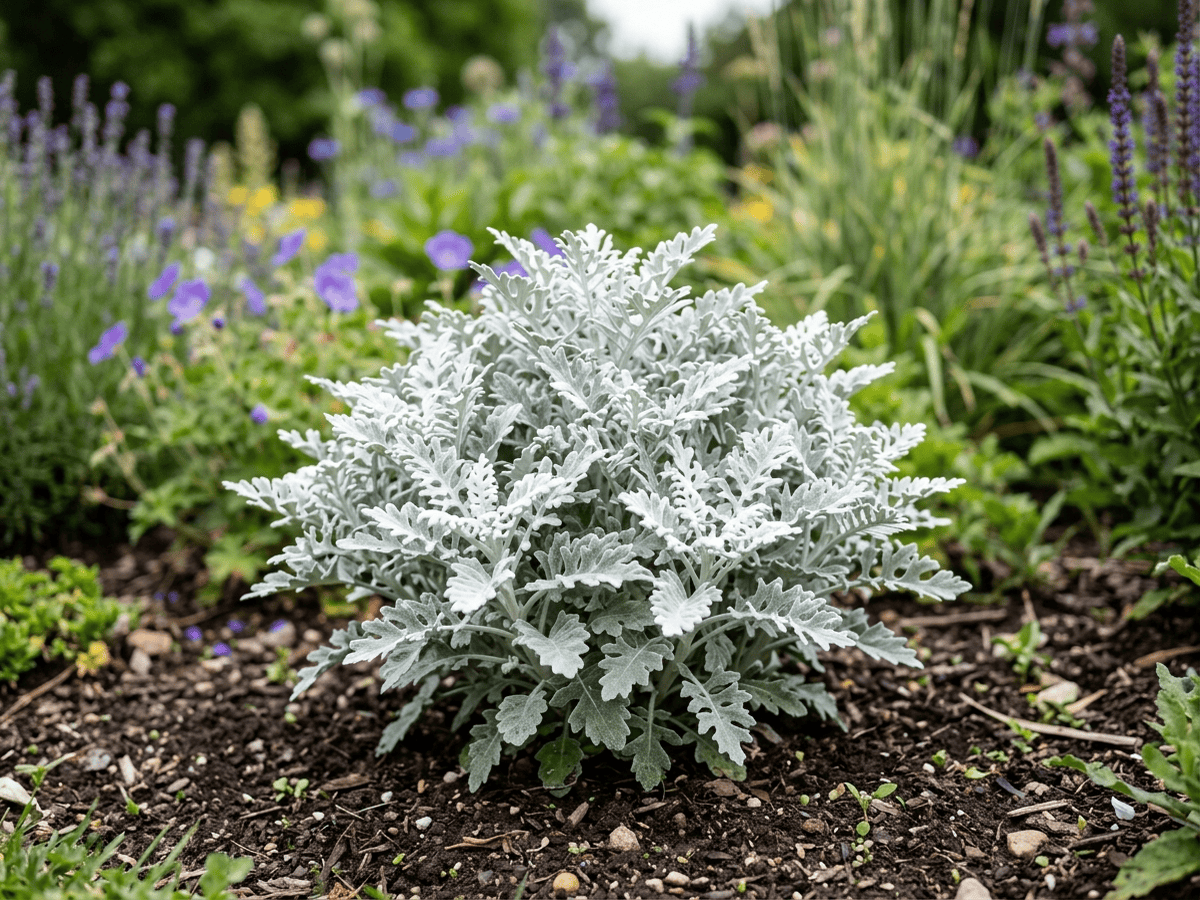
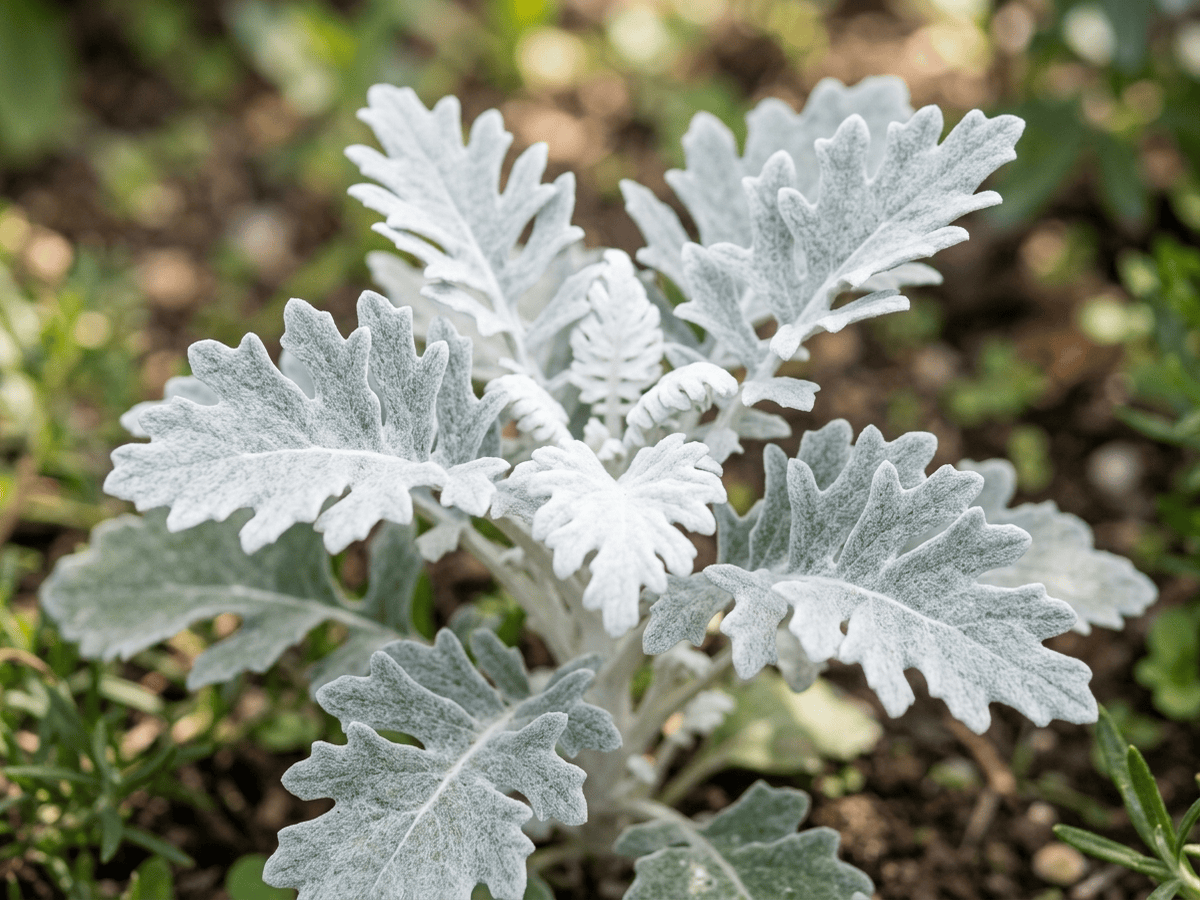
Dusty Miller is a Mediterranean tender perennial grown as an annual across the US for its striking silver-gray deeply lobed foliage. Growing 12 to 24 inches tall in bushy mounded form, it is valued as a foliage accent rather than for its modest yellow summer flowers, pairing beautifully with red geraniums, purple salvia, and pink petunias in classic American container and bedding schemes.
- Drought-tolerant
- Deer-resistant
- Heat-tolerant
- Container-friendly
How to care for Dusty Miller
Watering
- Springevery 7 days
- Summerevery 5 days
- Fallevery 10 days
- Winterevery 14 days
Soil · Well-draining
- Top dressingPine bark mulch10%
- Main mixPotting soil + perlite 2:170%
- DrainageLECA / gravel20%
Never skip the drainage layer — standing water is the top cause of root rot.
FERTILIZER
Balanced Feed 14-14-14
An even feed covers all three needs at once, keeping leaves, roots and blooms moving together with nothing pushed out of balance.
- Nitrogen · Leaves
- Phosphorus · Roots + Blooms
- Potassium · Strength
- Springevery 60 days
- Fallevery 60 days
At a Glance
- NativeMediterranean
- Height1–2 ft (0.3–0.6 m)
- Spread1–1.5 ft (0.3–0.5 m)
- Flower colorYellow
- Foliage colorSilver, Variegated
- SoilSandy, Well-drained
- LocationsYard · Balcony
Bloom time
BLOOM CYCLE
Peak bloom
Jun–Aug
Grown for silver foliage; small yellow flowers in second year if overwintered
Toxicity
Humans Moderate · Pets Moderate
pyrrolizidine alkaloids
Moderate
- Leaf
- Ingestion
EXPOSURE Eating leaves.
EFFECT Pyrrolizidine alkaloids cause progressive liver damage with chronic ingestion.
NOTE Like Senecio relatives, contains hepatotoxic pyrrolizidine alkaloids; avoid ingestion.
Moderate
- Leaf
- Ingestion
EXPOSURE Eating leaves.
EFFECT Pyrrolizidine alkaloids cause liver damage.
NOTE Like Senecio relatives, contains hepatotoxic pyrrolizidine alkaloids; avoid ingestion.
Moderate
- Leaf
- Ingestion
EXPOSURE Eating leaves.
EFFECT Pyrrolizidine alkaloids cause liver damage.
NOTE Like Senecio relatives, contains hepatotoxic pyrrolizidine alkaloids; avoid ingestion.
Educational information, not medical or veterinary advice. If exposure is suspected, contact a doctor or veterinarian.
DISTRIBUTION


- Native
- Introduced
- Mediterranean
History

Senecio cineraria, now more correctly placed as Jacobaea maritima, is a Mediterranean coastal subshrub long grown for its silvery-white woolly felted foliage. Linnaeus described it as Cineraria maritima in 1753, it moved to Senecio in 1783, and most modern references use Jacobaea maritima after the 2006 Asteraceae revision. Roman authors recorded medicinal use, and medieval herbalists employed it for eye complaints.
As Victorian mass-bedding swept Paris and London public parks in the 19th century, the silver-gray foliage became an indispensable accent for scarlet and gold annual schemes. Modern cultivars including the finely cut Silver Dust, New Look, and Silver Lace remain among the top-selling foliage annuals worldwide.
Like other Senecio and Jacobaea, it contains hepatotoxic pyrrolizidine alkaloids and should not be ingested. Native to the Mediterranean, introduced to American horticulture in the 1800s and became a standard public garden bedding foliage plant.
Symbolism & meaning
What It Symbolizes
Dusty Miller makes visible cool elegance, its silver foliage softening hot color schemes and balancing the brighter flowers around it with quiet sophistication. As a classic companion plant, it has been paired with red geraniums in patriotic Independence Day beds for over a century of American summers. This is the silver supporting actor of the bedding scheme — a foliage plant whose understated tone makes everything beside it look better.
- Cool elegance — silver foliage cools hot color schemes
- Classic companion — paired with red geraniums for patriotic beds
Where the Name Comes From
'Senecio' from Latin 'senex' meaning old man, for the white hairy seedheads; 'cineraria' from Latin means ashy, for the pale foliage color.
Uses & Fun Facts
- Silver foliage cools mixed containers and frames brighter annual flowers
- Silver leaves weave through annual beds as a cool color contrast
Related plants
More Senecio plants
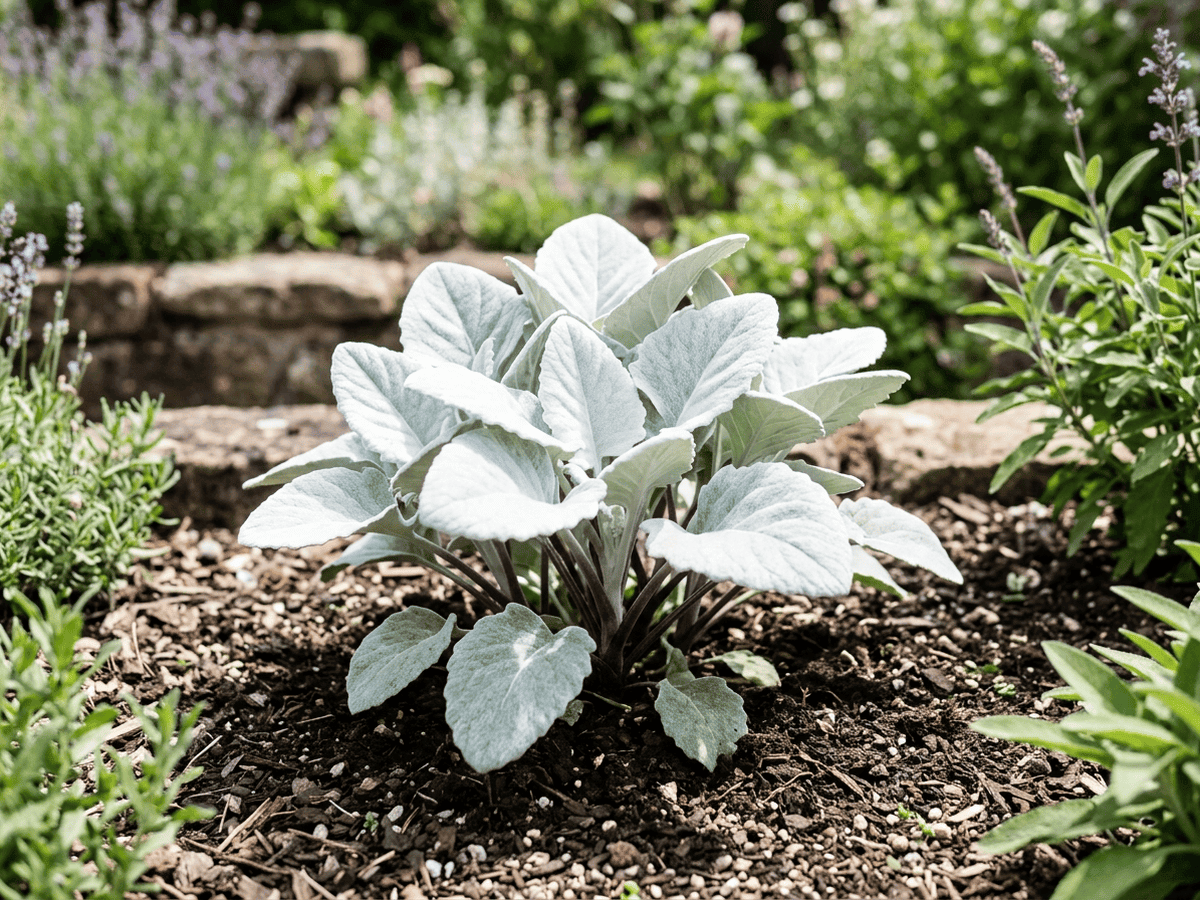 Angel Wings SenecioSenecio candidans
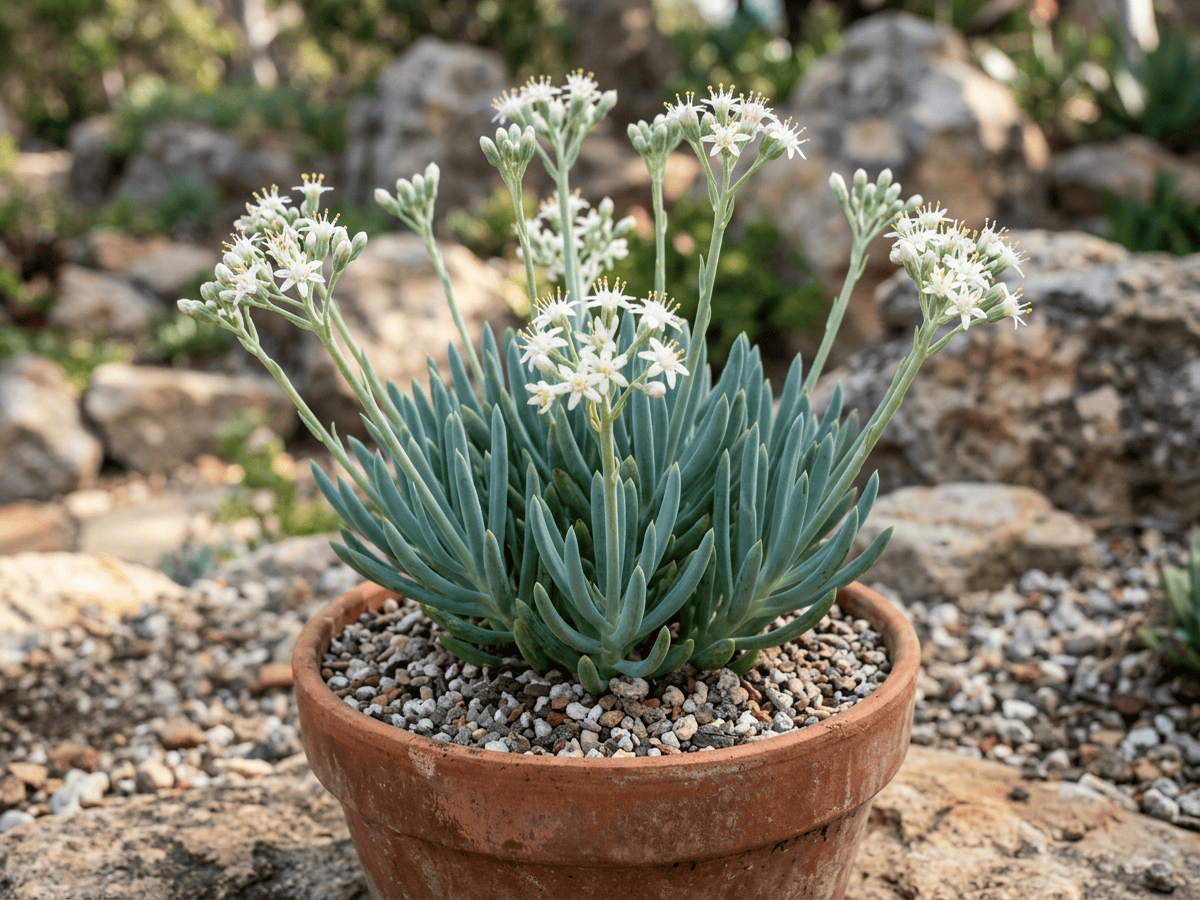 Blue ChalksticksSenecio mandraliscae
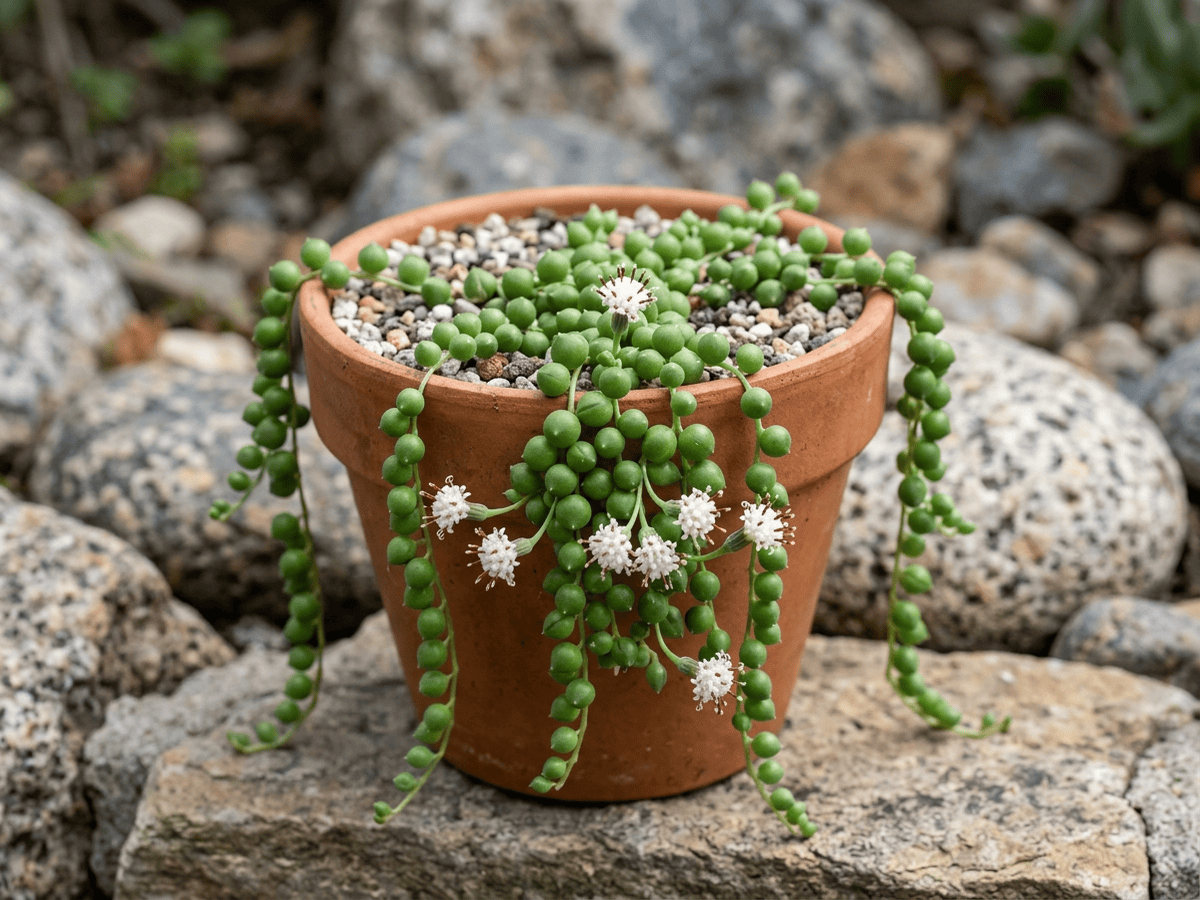 String-Of-BeadsSenecio rowleyanus
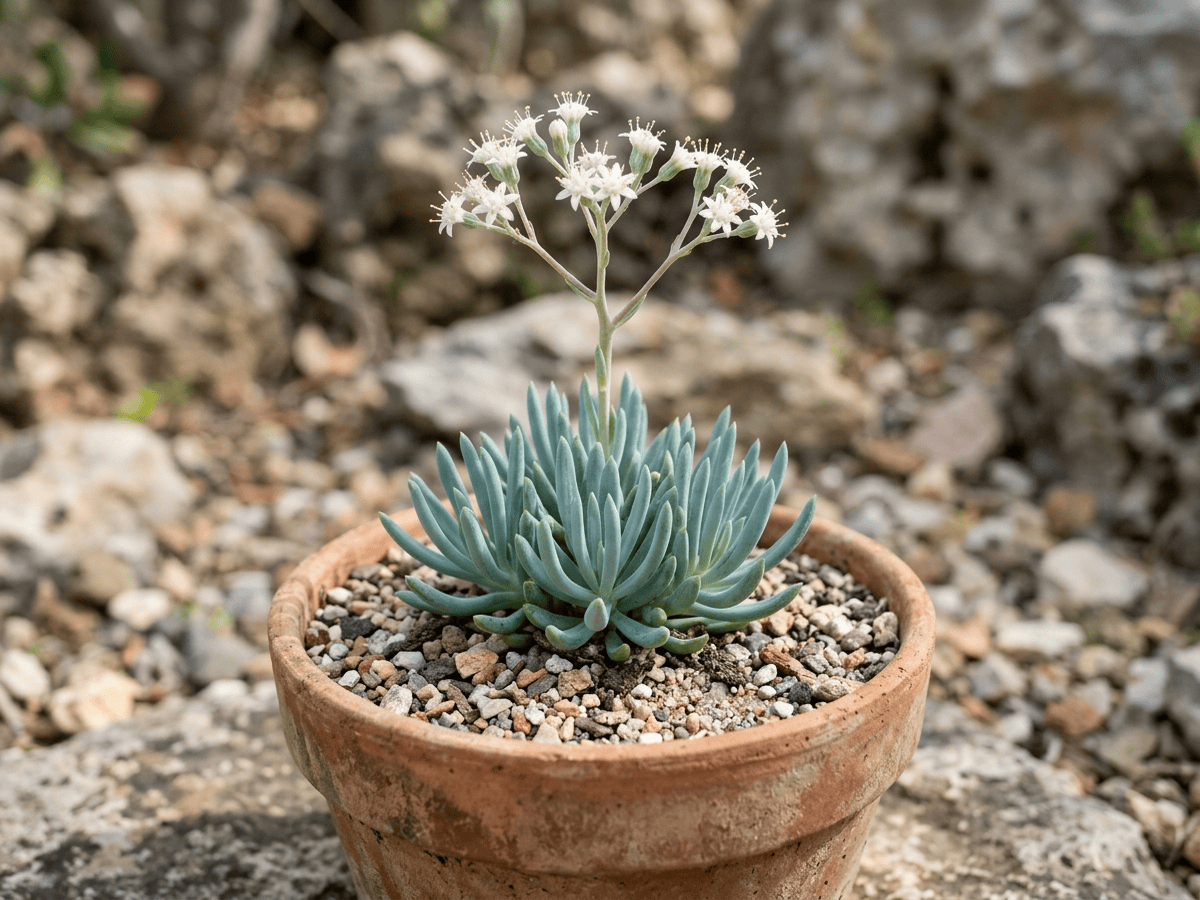 Snake RagwortSenecio serpens
Plants with similar care
 Chinese AbeliaAbelia chinensis
 Fragrant AbeliaAbelia mosanensis
 Large-Flowered AbeliaAbelia uniflora
 Glossy AbeliaAbelia x grandiflora
Frequently asked questions
How often should I water Dusty Miller?
In summer, water about every 5 days; in winter, about every 14 days. Adjust for heat, pot size and drainage.
How much light does Dusty Miller need?
Full sun: 6+ hrs direct. Watch the leaves — scorching or stretching means the light needs adjusting.
Is Dusty Miller toxic to cats or dogs?
Pets Moderate (Dogs Moderate · Cats Moderate) Educational information, not medical or veterinary advice. If exposure is suspected, contact a doctor or veterinarian.
Is Dusty Miller easy to grow?
Yes — it is considered an easy, beginner-friendly plant.
When does Dusty Miller bloom?
It typically blooms Jun–Aug in the Northern Hemisphere.
YardMate
Identify any plant in seconds
Snap a photo — YardMate names the plant, diagnoses problems, and reminds you when to water.
Download on the App Store