 YardMate

String-Of-Beads
Senecio rowleyanus
Medium · Some experienceAbout String-Of-Beads
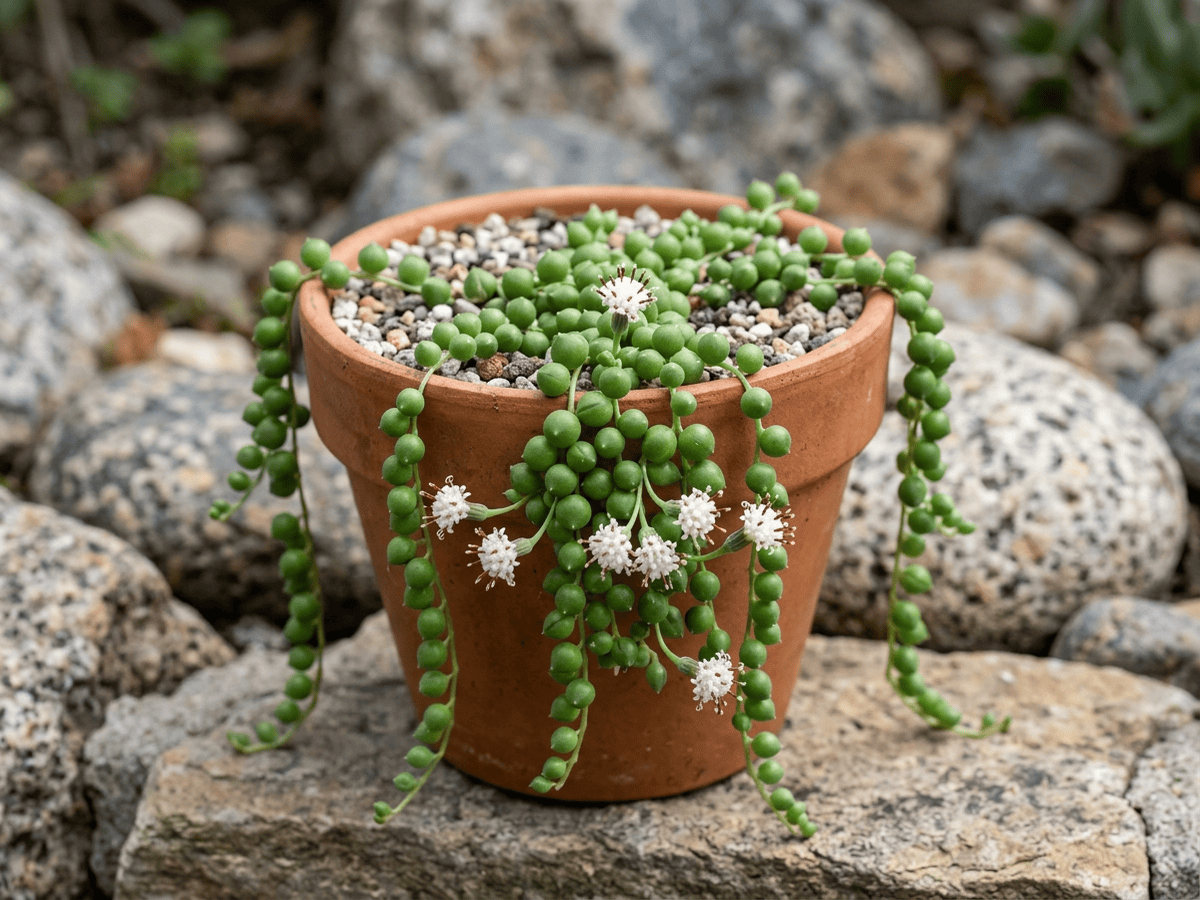
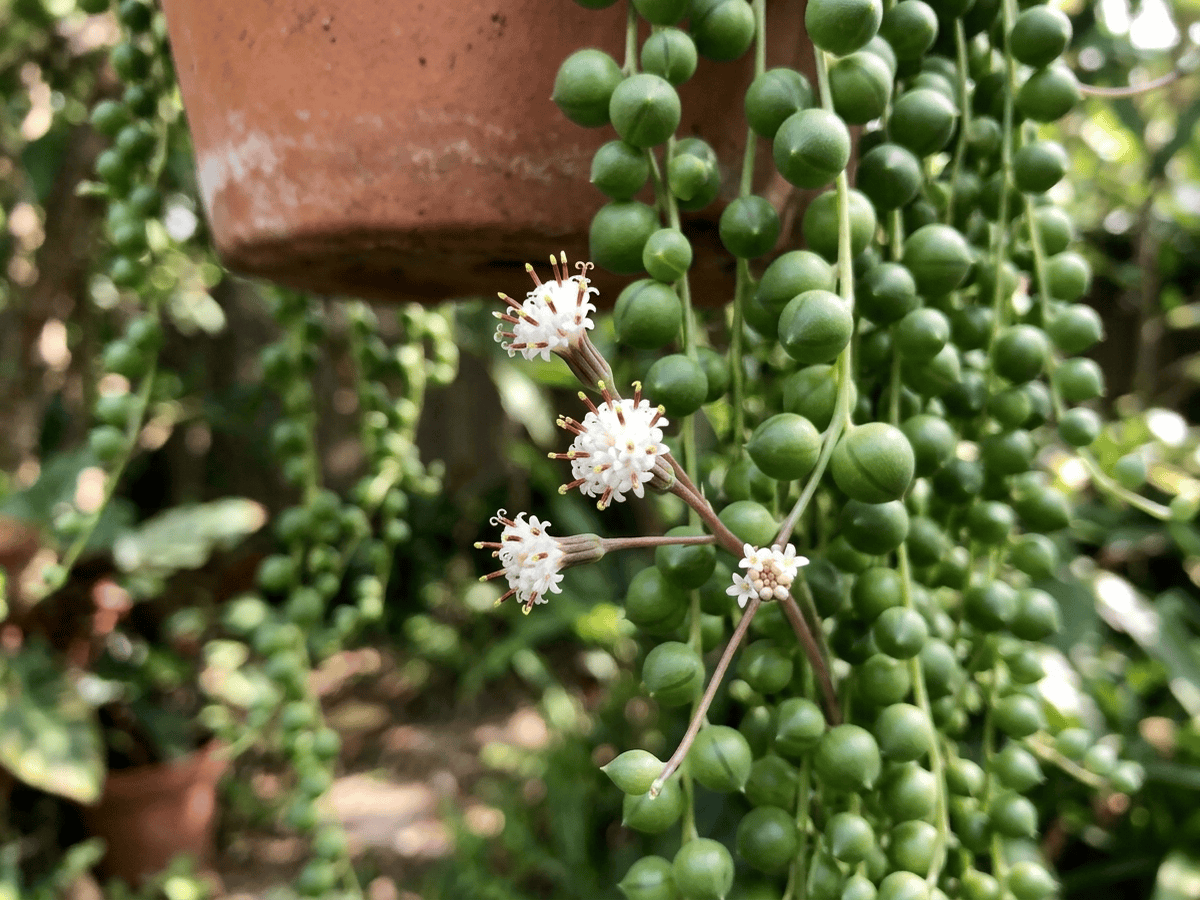
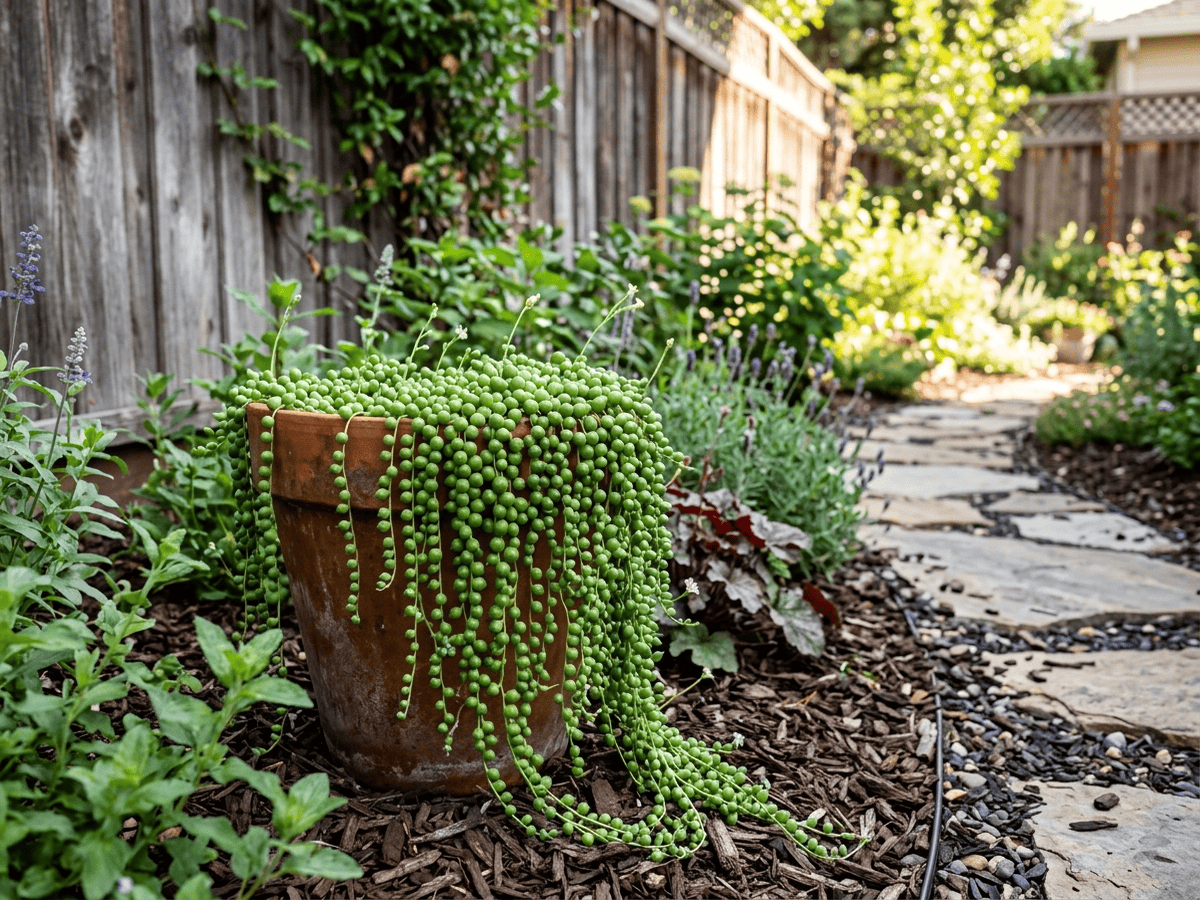
Senecio rowleyanus, the string of pearls, is an instantly recognizable trailing succulent with slender stems strung with perfectly round, pea-sized green beads. Native to the arid regions of southwestern Africa, each 'pearl' is a modified leaf with a tiny translucent window that allows light to penetrate for photosynthesis while minimizing surface area to reduce water loss. The trailing stems can reach 60–90 cm, making stunning cascades from high shelves. Small white flowers with a cinnamon-like scent appear in favorable conditions. It is sensitive to overwatering.
- Drought-tolerant
- Trailing
How to care for String-Of-Beads
Watering
- Springevery 14 days
- Summerevery 10 days
- Fallevery 21 days
- Winterevery 30 days
Soil · Fast-draining
- Main mixSand + pumice + soil 1:1:150%
- DrainagePumice / gravel50%
Keep grit at half the mix or more — this soil is meant to dry out fast.
FERTILIZER
Cactus & Succulent Feed 2-7-7
Hold the nitrogen back and growth stays compact instead of soft and stretched. Phosphorus and potassium carry the roots and the flowering.
- Nitrogen · Leaves
- Phosphorus · Roots + Blooms
- Potassium · Strength
- Springevery 60 days
- Summerevery 60 days
At a Glance
- NativeAfrica
- Height0.25–0.5 ft (0.1–0.2 m)
- Spread1–2 ft (0.3–0.6 m)
- Flower colorWhite
- Foliage colorGreen
- SoilSandy, Well-drained
- LocationsIndoor
Bloom time
BLOOM CYCLE
Peak bloom
Jun–Aug
Tiny white flowers with cinnamon scent; rare indoors
Fragrance
MODERATE FRAGRANCE
Small brush-like flowers have a strong cinnamon-like scent.
Toxicity
Humans Slight · Pets Moderate
pyrrolizidine alkaloids (trace) and unidentified irritants
Slight
- Leaf
- Stem
- Sap
- Contact
- Ingestion
EXPOSURE Touching leaves, stems, and sap. Eating leaves, stems, and sap.
EFFECT Skin irritation from sap and gI upset and nausea if eaten.
NOTE The rounded leaves look visually appealing to pets; keep out of reach.
Moderate
- Leaf
- Stem
- Ingestion
EXPOSURE Eating leaves and stems.
EFFECT Drooling, vomiting, diarrhea, lethargy and per ASPCA.
NOTE The rounded leaves look visually appealing to pets; keep out of reach.
Moderate
- Leaf
- Stem
- Ingestion
EXPOSURE Eating leaves and stems.
EFFECT Drooling, vomiting, diarrhea, lethargy and per ASPCA.
NOTE The rounded leaves look visually appealing to pets; keep out of reach.
Educational information, not medical or veterinary advice. If exposure is suspected, contact a doctor or veterinarian.
DISTRIBUTION


- Native
- Africa
History
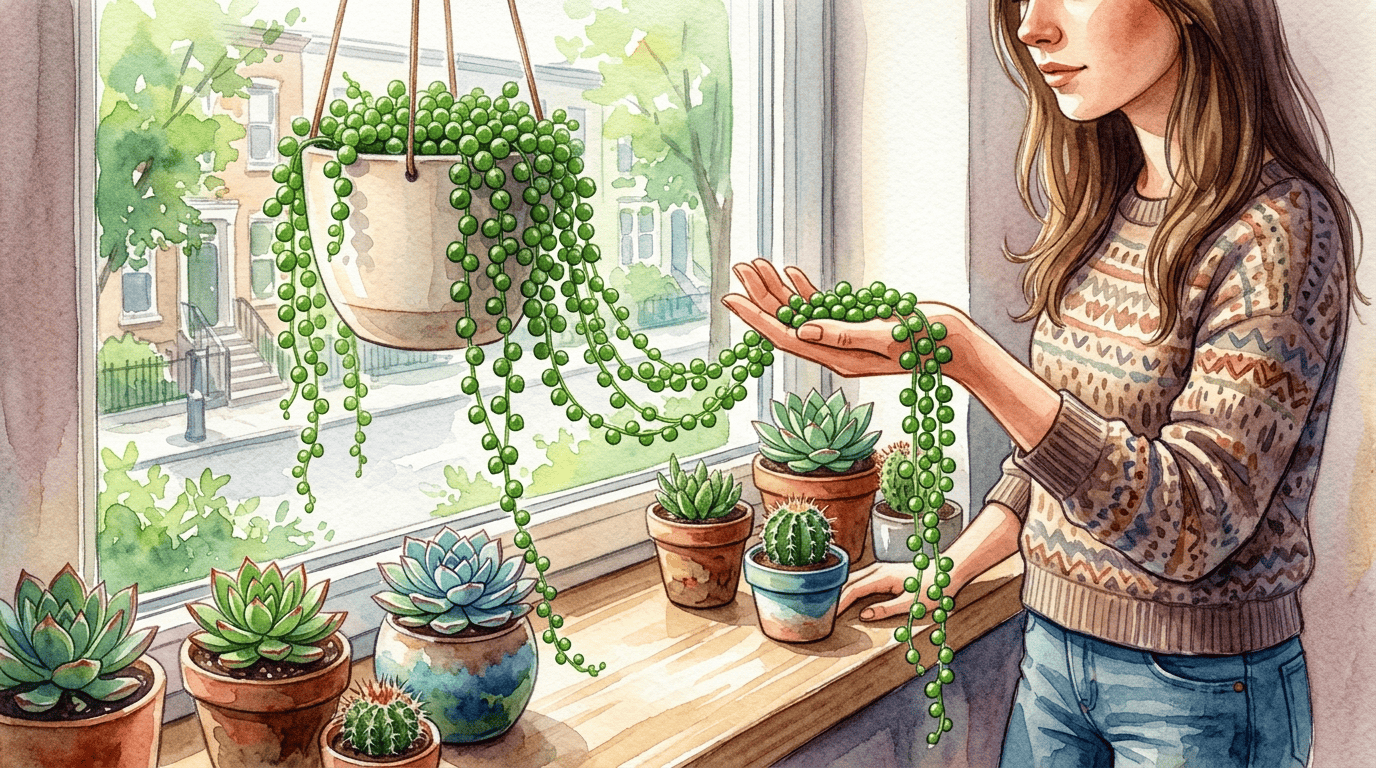
Senecio rowleyanus is native to the dry rocky habitats of South Africa's Eastern Cape and parts of Namibia, where its nearly spherical pea-shaped leaves reduce water loss by presenting the smallest possible surface area to the sun — a remarkable example of xerophytic leaf geometry. It was named in 1968 after British succulent botanist Gordon Rowley. After decades as a minor curiosity it became a viral houseplant phenomenon in the 2010s as trailing container plantings moved from Instagram to mainstream retail.
Recent taxonomic work has moved it to the genus Curio as Curio rowleyanus, though Senecio remains dominant in the trade. It is moderately toxic to pets and can cause significant GI and neurological effects. String of pearls is named after Gordon Douglas Rowley (1921–2019), a British succulent expert who spent over 70 years studying and writing about succulent plants.
The spherical leaf shape is a masterpiece of evolutionary engineering — the sphere has the lowest surface-area-to-volume ratio of any shape, minimizing water loss while maximizing storage. The translucent 'window' stripe on each bead channels light to chloroplasts deep inside. This adaptation evolved independently in several unrelated desert plants. The plant became a social media phenomenon in the 2010s, driving prices up and inspiring jewelry and fabric designs.
Symbolism & meaning
What It Symbolizes
String-Of-Beads carries wonder, its perfect spherical green leaves strung along trailing stems looking less like a plant and more like a botanical curiosity from another world. It inspires the awe of childhood discovery, a reminder that nature's creativity can be deeply strange. It is often read as a flower of botanical surprise, a succulent whose meaning is the small renewable astonishment of finding a familiar word like leaf no longer fits the thing in front of you.
- Wonder — Its otherworldly bead-like form inspires awe and curiosity about nature's creativity
Where the Name Comes From
Senecio from Latin 'senex' (old man), for the white-haired seed heads of some species. Rowleyanus honors Gordon Rowley, British succulent botanist.
Uses & Fun Facts
- Pearl-strung stems trail from hanging shelves and baskets
- Iconic string-of-pearls succulent for indoor display
Related plants
More Senecio plants
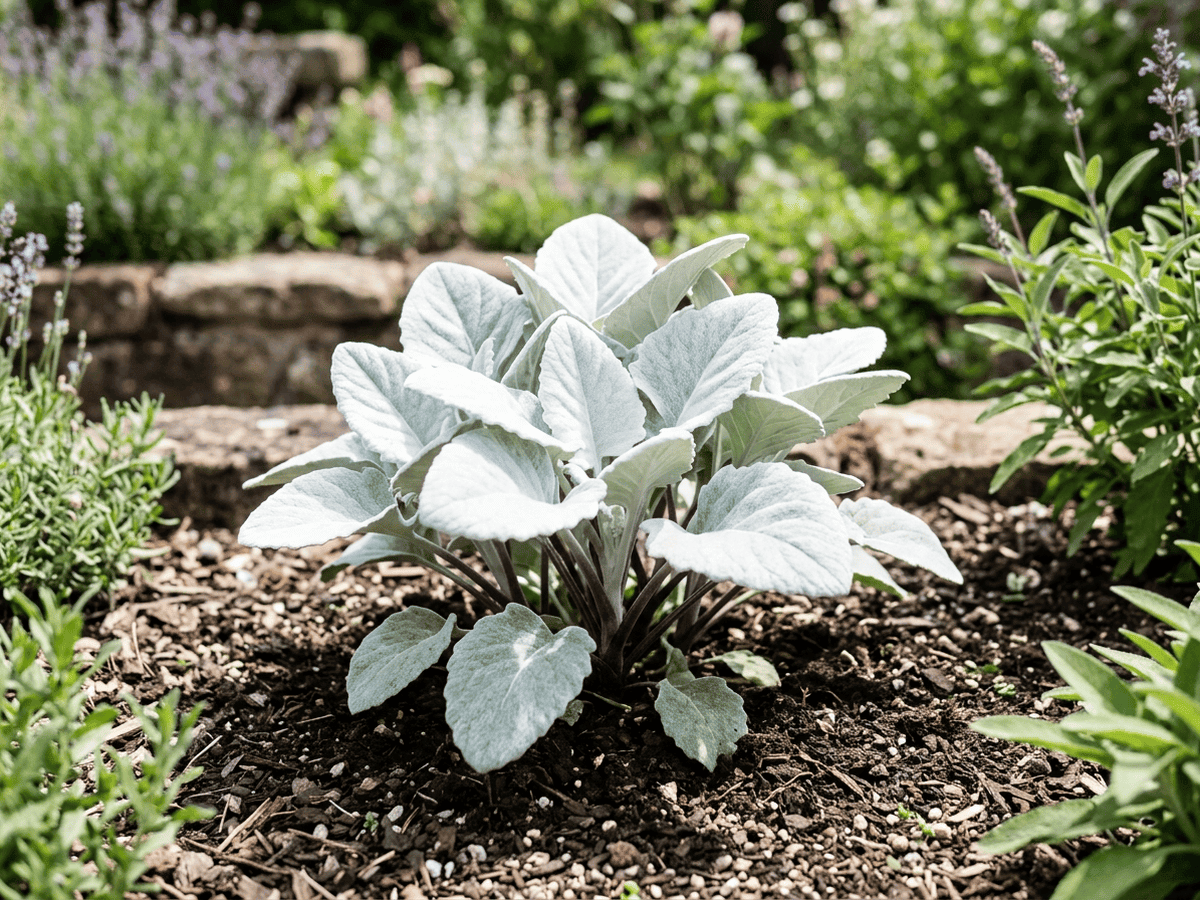 Angel Wings SenecioSenecio candidans
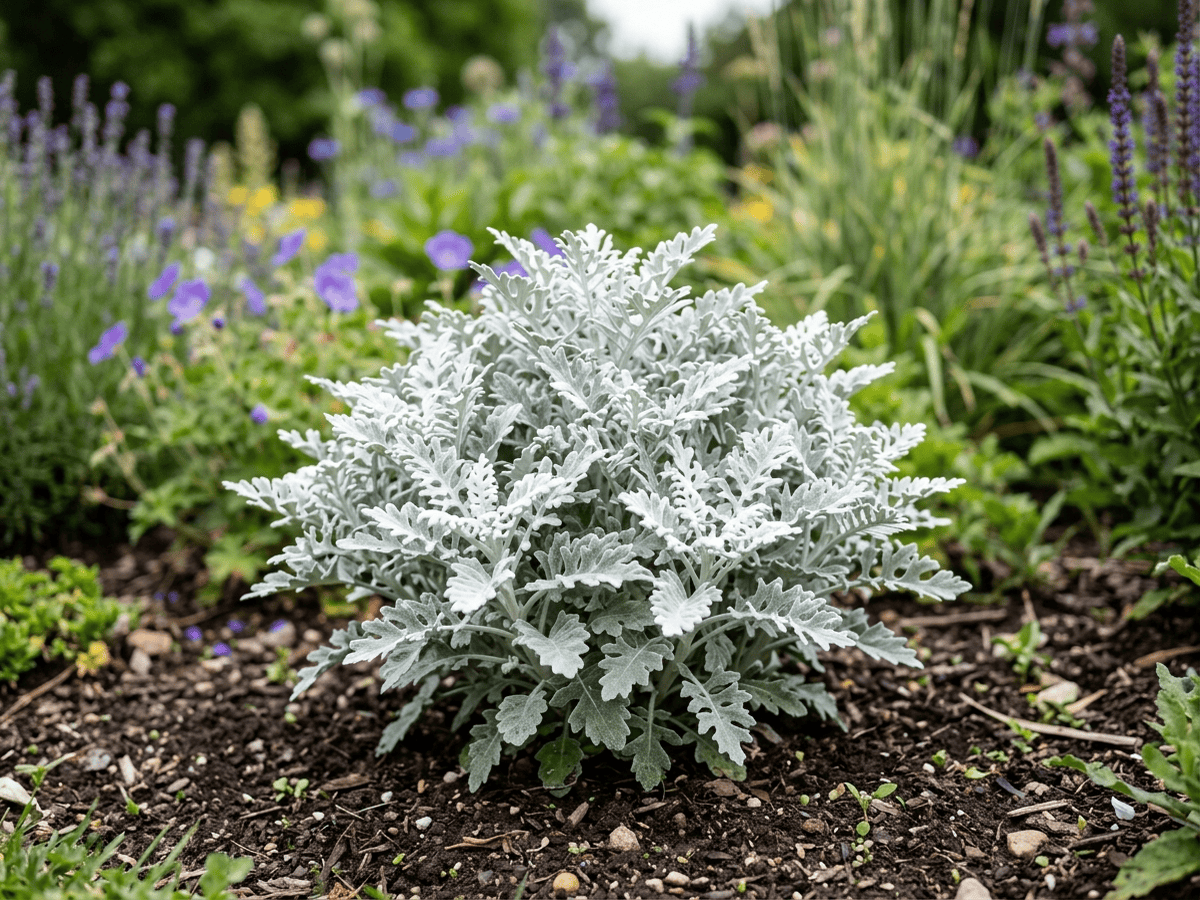 Dusty MillerSenecio cineraria
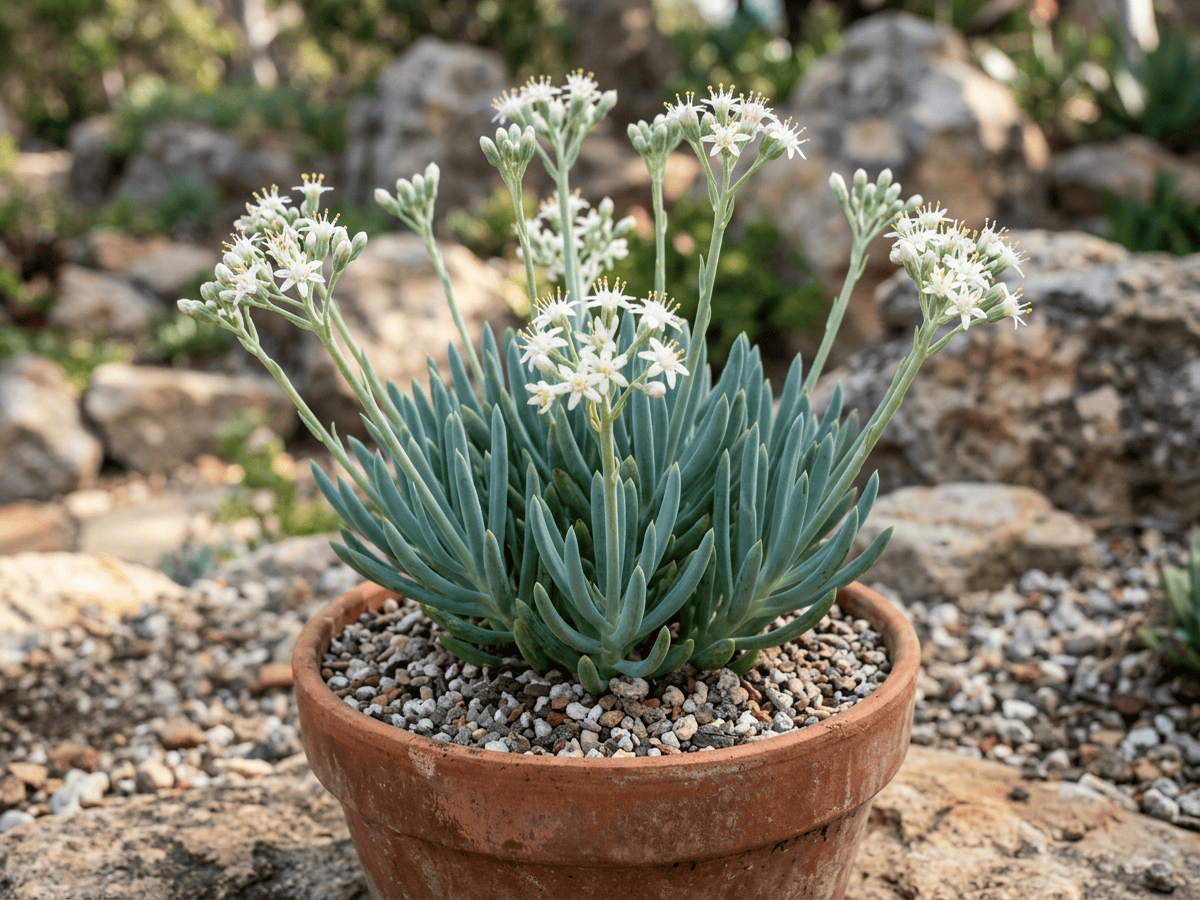 Blue ChalksticksSenecio mandraliscae
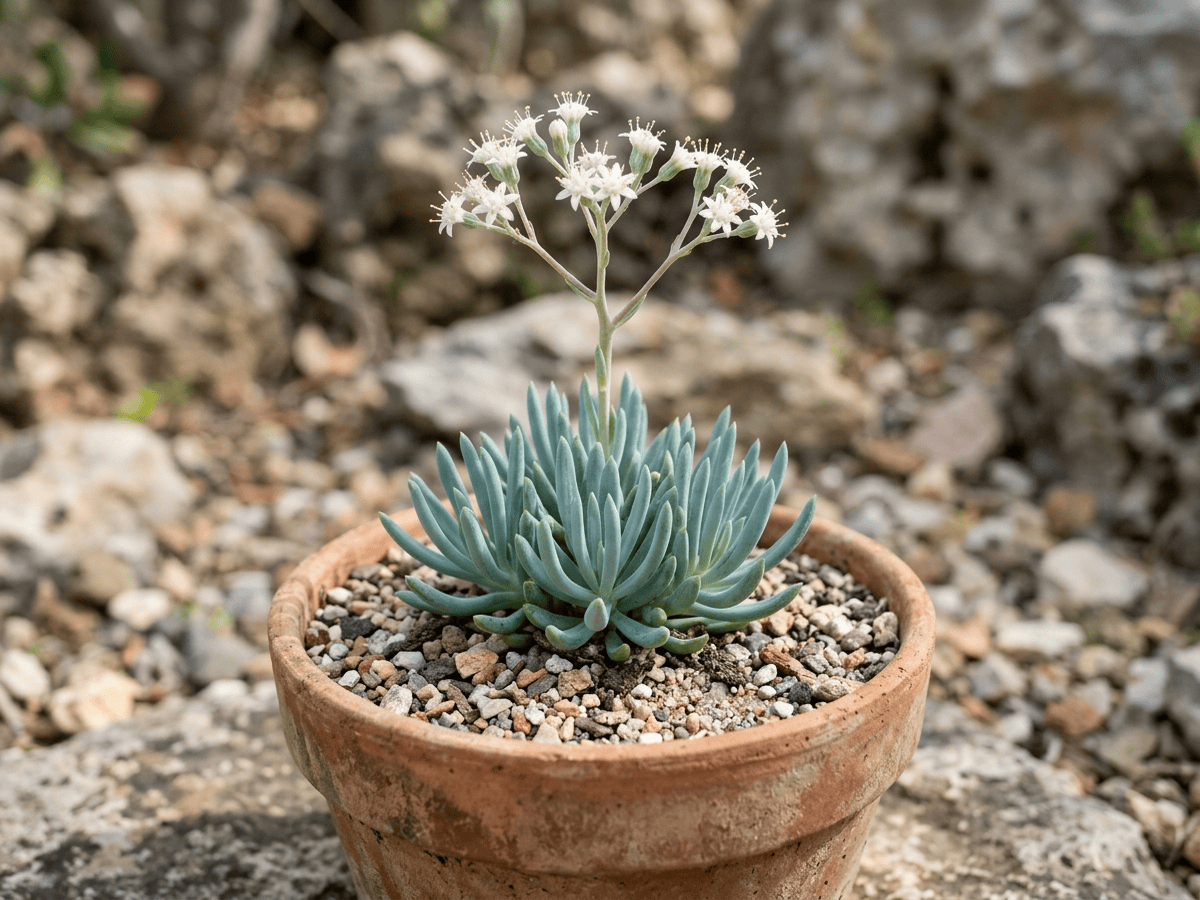 Snake RagwortSenecio serpens
Plants with similar care
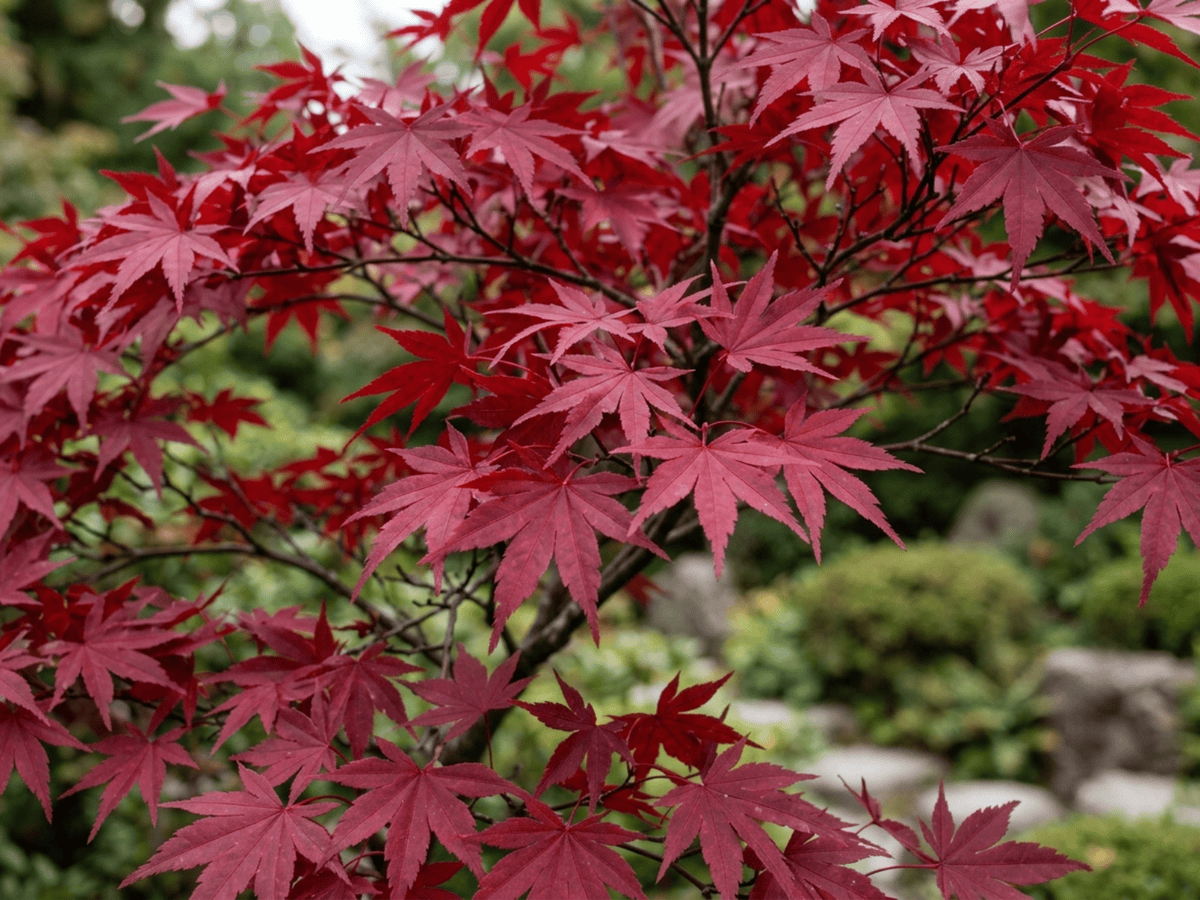 Japanese MapleAcer palmatum
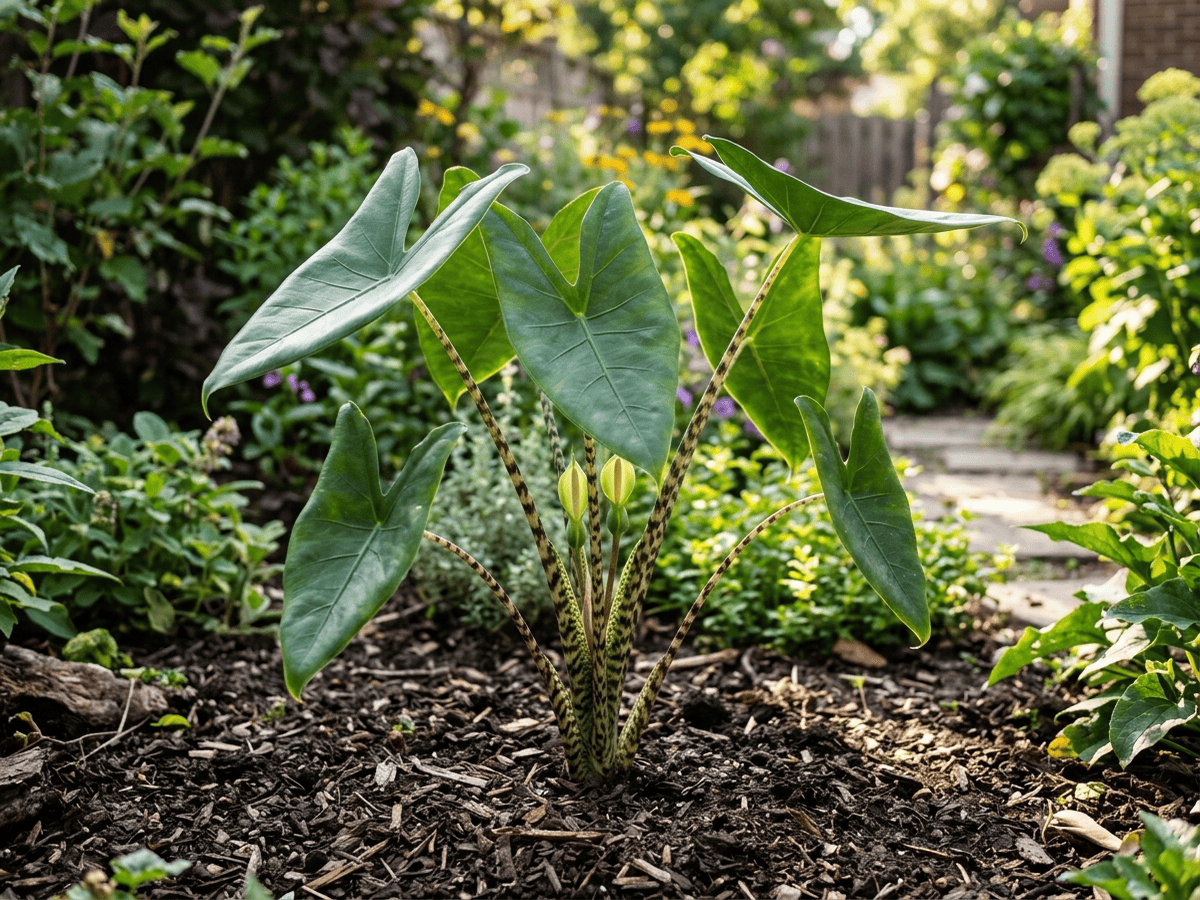 Alocasia zebrinaAlocasia zebrina
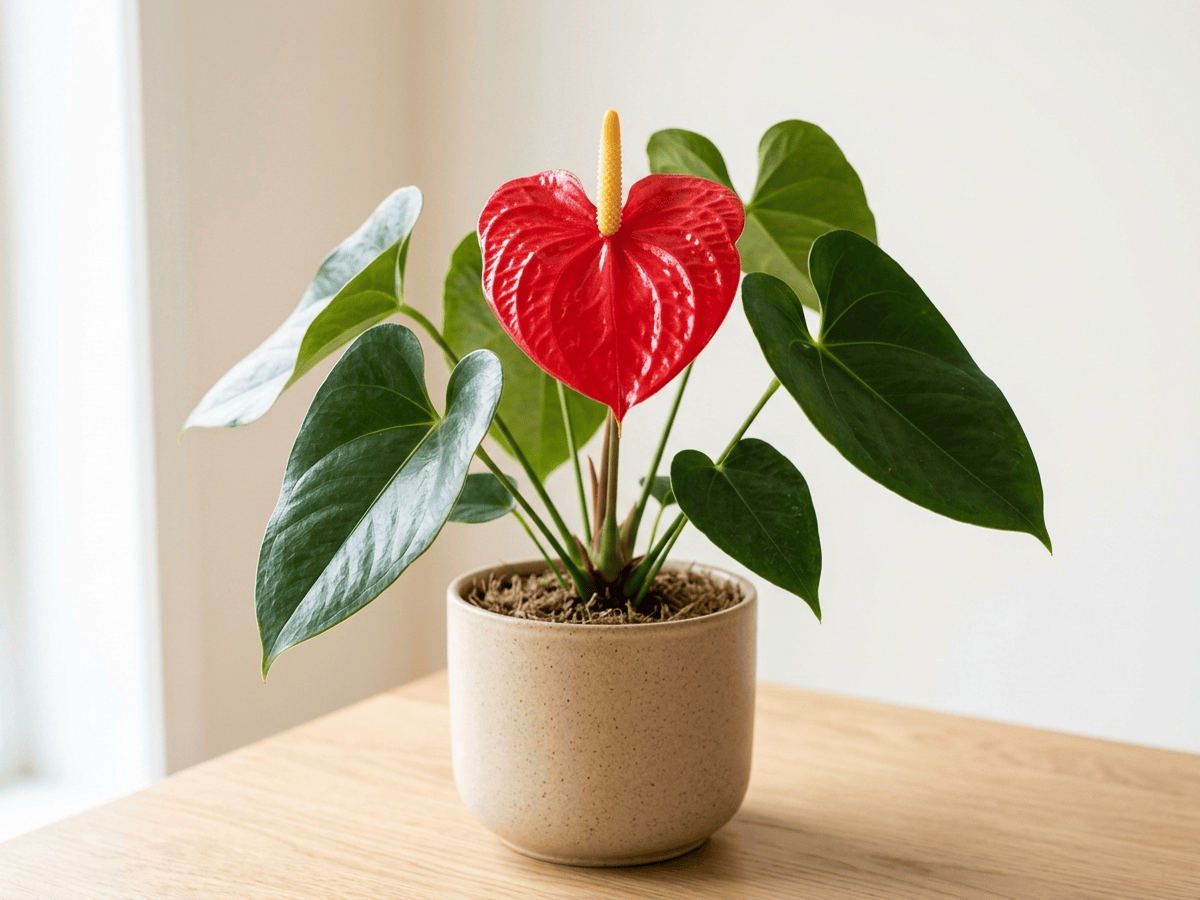 Painter's-PaletteAnthurium andraeanum
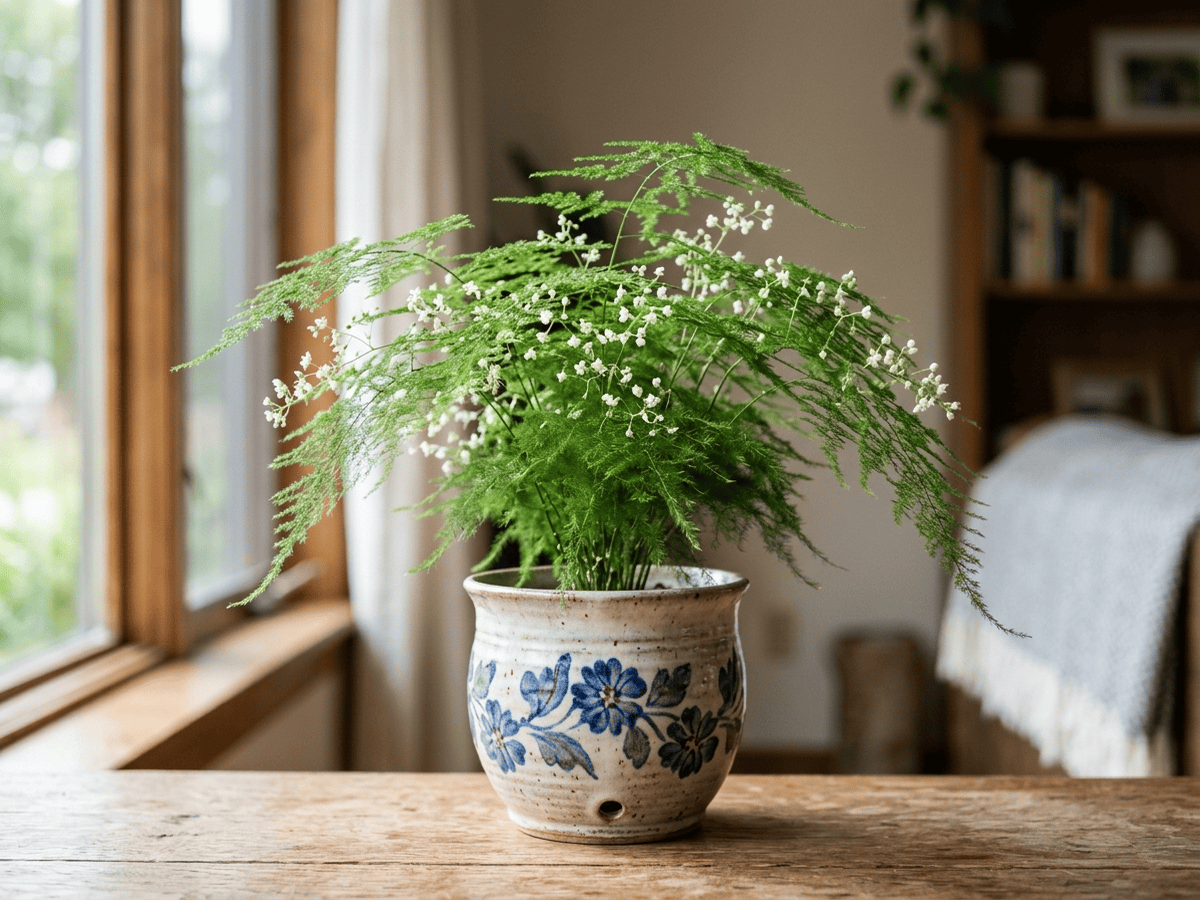 Common Asparagus FernAsparagus setaceus
Frequently asked questions
How often should I water String-Of-Beads?
In summer, water about every 10 days; in winter, about every 30 days. Adjust for heat, pot size and drainage.
How much light does String-Of-Beads need?
Part shade: 2–4 hrs direct. Watch the leaves — scorching or stretching means the light needs adjusting.
Is String-Of-Beads toxic to cats or dogs?
Pets Moderate (Dogs Moderate · Cats Moderate) Educational information, not medical or veterinary advice. If exposure is suspected, contact a doctor or veterinarian.
Is String-Of-Beads easy to grow?
It is moderately demanding: a good choice once you have a little experience.
Can String-Of-Beads be grown indoors?
Yes, it adapts well to indoor growing given the right light.
When does String-Of-Beads bloom?
It typically blooms Jun–Aug in the Northern Hemisphere.
YardMate
Identify any plant in seconds
Snap a photo — YardMate names the plant, diagnoses problems, and reminds you when to water.
Download on the App Store