 YardMate
Snake Ragwort
Senecio serpens
Easy · Beginner friendlyAbout Snake Ragwort
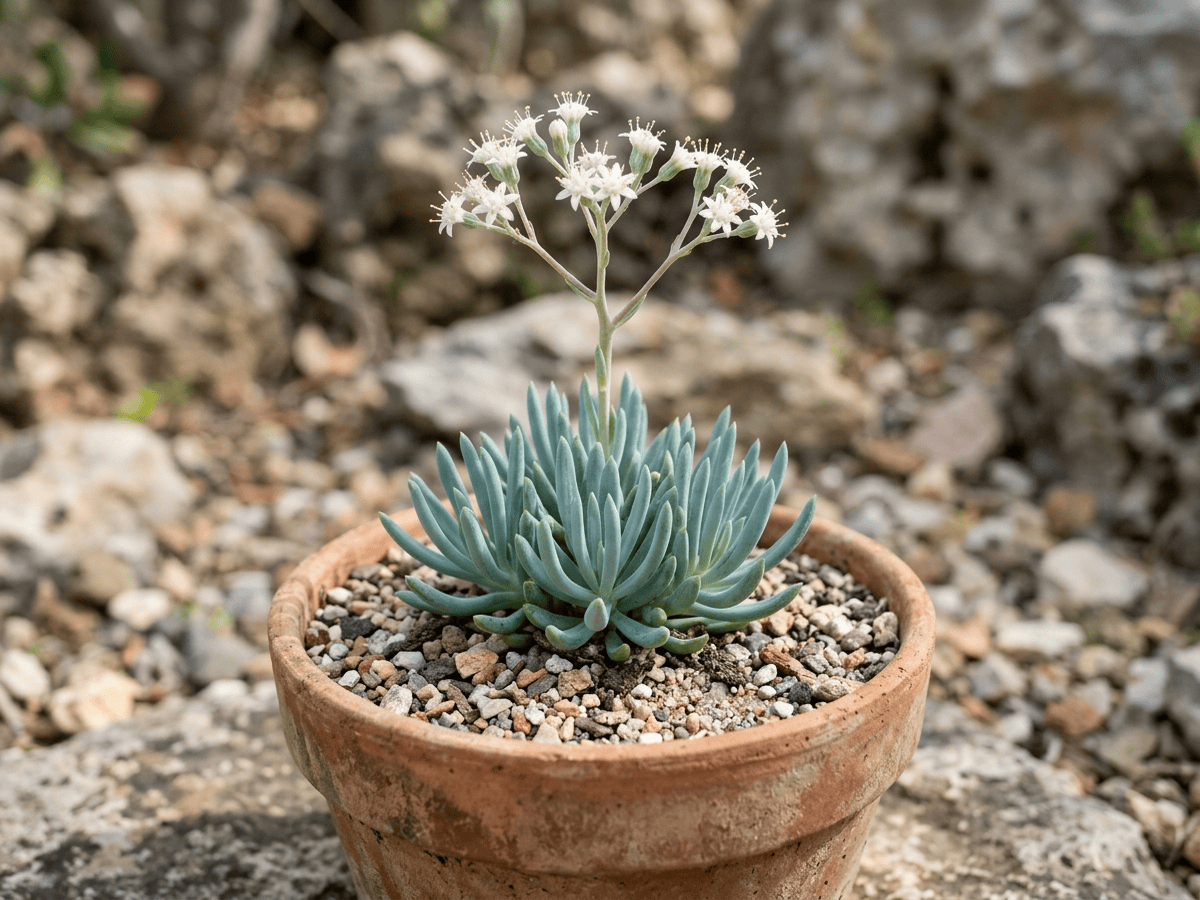
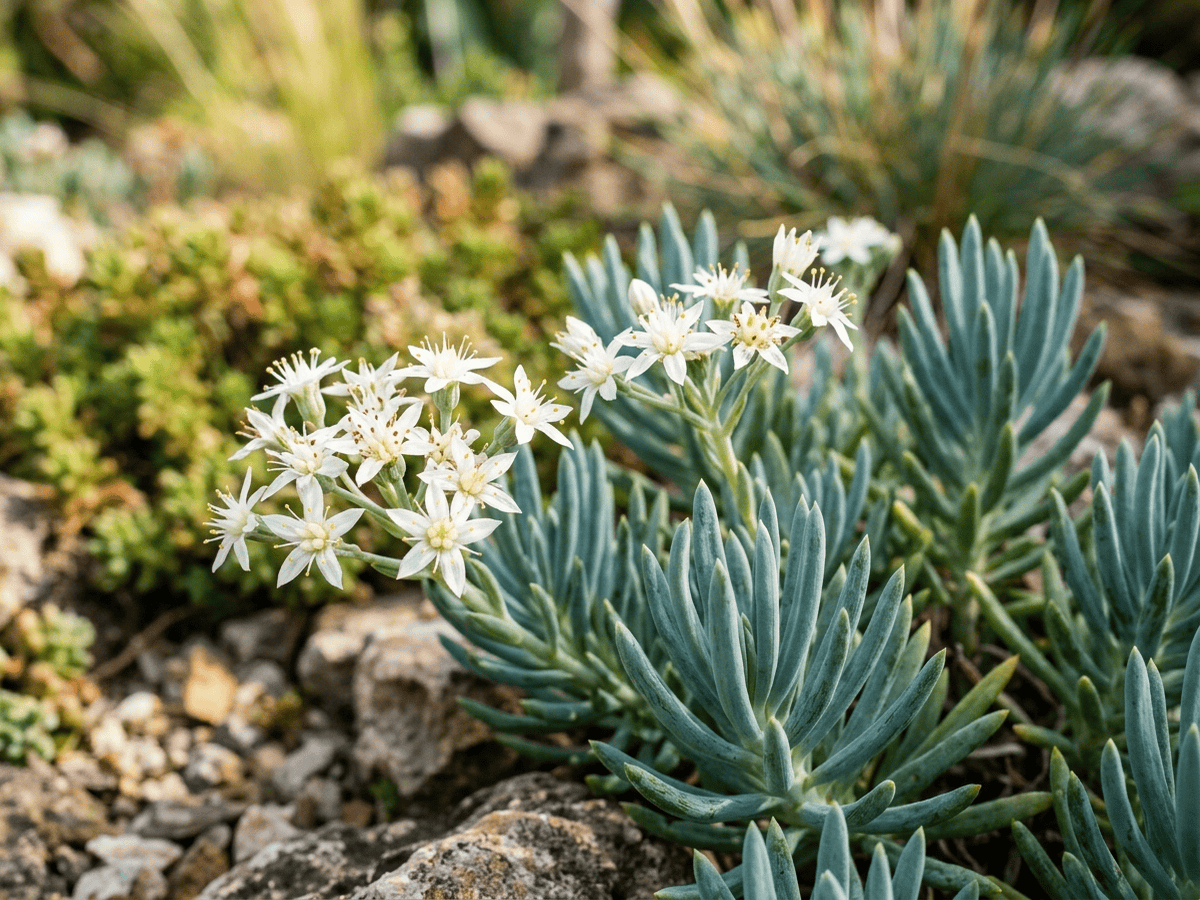
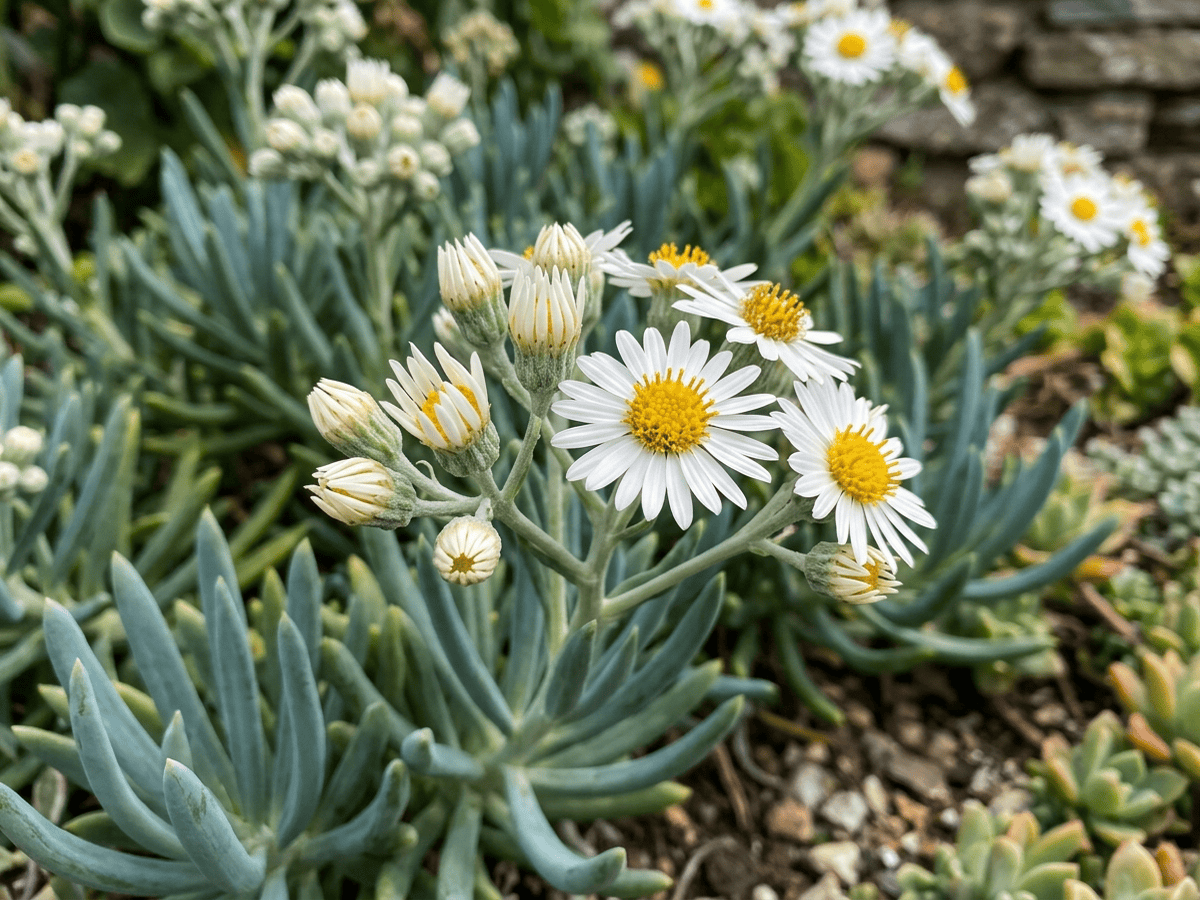
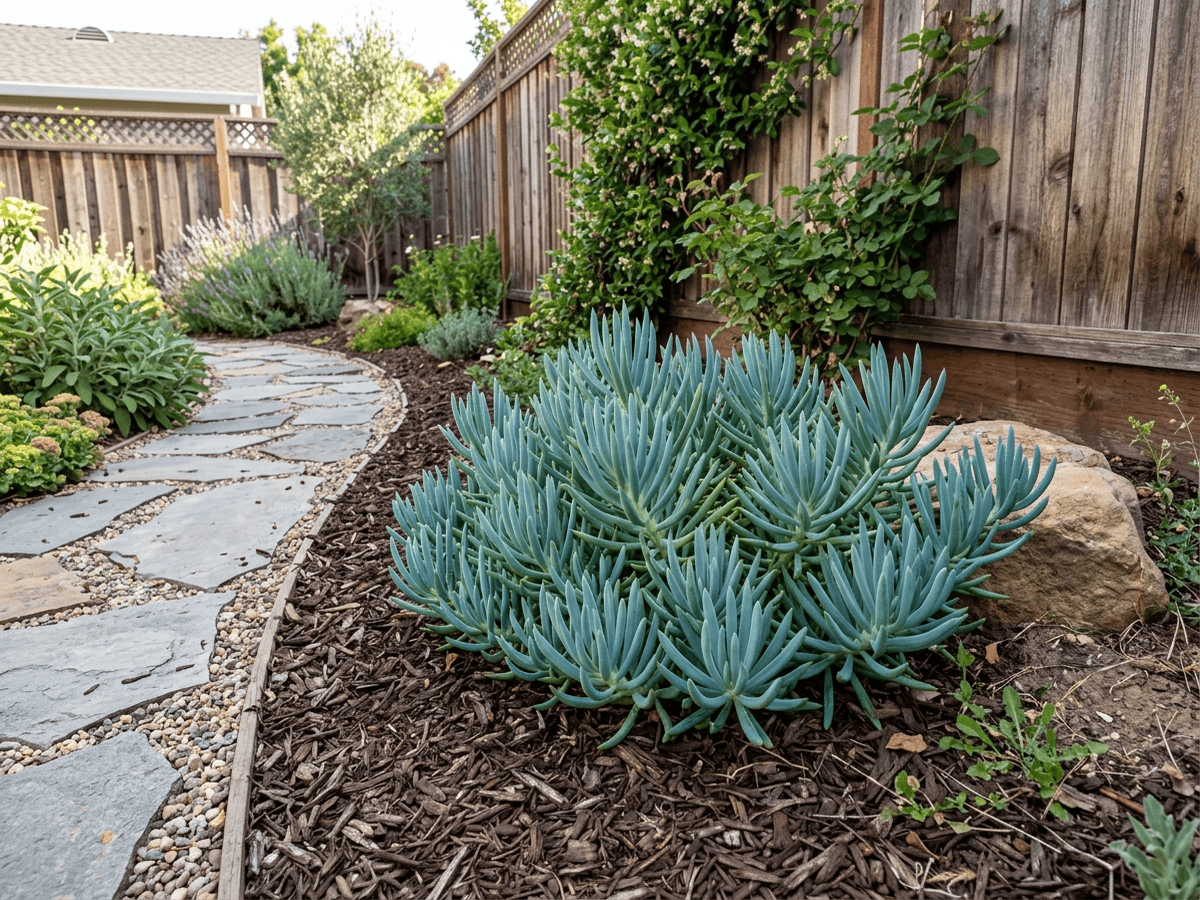
Senecio serpens, known as blue chalksticks, is a low-growing succulent groundcover native to the Western Cape region of South Africa. It forms dense spreading mats of finger-like, upward-curving leaves coated in a striking chalky blue-white farina that gives entire plantings a cool, silvery-blue appearance. The plant typically reaches 15 to 30 centimeters tall and spreads steadily through creeping stems that root at the nodes. Small white daisy-like flowers appear on short stalks in summer, though the plant is grown primarily for its exceptional foliage color. It thrives in full sun and poor, well-drained soil, and becomes more intensely blue under dry, bright conditions. Blue chalksticks is widely used in modern landscape design for its clean, contemporary aesthetic — it pairs beautifully with dark-leaved succulents and warm-toned gravels. It tolerates coastal conditions, light frost, and extended drought, making it a reliable low-maintenance groundcover in Mediterranean and arid climates.
- Drought-tolerant
- Groundcover
How to care for Snake Ragwort
Watering
- Springevery 14 days
- Summerevery 10 days
- Fallevery 21 days
- Winterevery 30 days
Soil · Fast-draining
- Main mixSand + pumice + soil 1:1:150%
- DrainagePumice / gravel50%
Keep grit at half the mix or more — this soil is meant to dry out fast.
FERTILIZER
- Springevery 45 days
- Summerevery 45 days
- Fallevery 60 days
At a Glance
- NativeAfrica
- Height0.5–1 ft (0.2–0.3 m)
- Spread1–2 ft (0.3–0.6 m)
- Flower colorWhite
- Foliage colorBlue-green, Silver
- SoilSandy, Well-drained
- LocationsYard · Balcony
Bloom time
BLOOM CYCLE
Peak bloom
Jun–Aug
Small white daisy flowers in summer; grown mainly for striking blue foliage
Fragrance
NO FRAGRANCE
No notable fragrance.
Toxicity
Humans Moderate · Pets Moderate
pyrrolizidine alkaloids
Moderate
- All
- Ingestion
EXPOSURE Eating any part of the plant.
EFFECT Nausea, vomiting and long-term consumption linked to liver damage (pyrrolizidine alkaloids).
NOTE Documented concern for humans: Nausea, vomiting and long-term consumption linked to liver damage (pyrrolizidine alkaloids).
Moderate
- All
- Ingestion
EXPOSURE Eating any part of the plant.
EFFECT Vomiting, diarrhea, liver damage with repeated ingestion.
NOTE ASPCA lists Senecio as toxic to dogs, cats, horses.
Moderate
- All
- Ingestion
EXPOSURE Eating any part of the plant.
EFFECT Vomiting, diarrhea, liver damage with repeated ingestion.
NOTE ASPCA lists Senecio as toxic to dogs, cats, horses.
Educational information, not medical or veterinary advice. If exposure is suspected, contact a doctor or veterinarian.
DISTRIBUTION


- Native
- Introduced
- Africa
History

Senecio serpens (now classified by some taxonomists as Curio repens) is native to the Western Cape of South Africa. It was introduced to European cultivation in the 19th century and spread to California, Arizona, and Mediterranean gardens throughout the 20th century. The thick blue-glaucous coating on its pencil-thin cylindrical leaves reflects intense UV light and reduces water loss — an adaptation to the summer-dry Cape climate that makes it particularly suited to similar Mediterranean-climate regions worldwide.
Garden designers including Ruth Bancroft (Walnut Creek, California) and Debra Lee Baldwin popularized it as a low, spreading blue accent for sunny dry gardens. Like other blue Senecio/Curio species, it contains pyrrolizidine alkaloids and is toxic to pets and livestock.
Senecio serpens originates from the fynbos-adjacent scrublands of South Africa's Western Cape, one of the world's biodiversity hotspots. It gained popularity in California and Australian landscape design during the water-wise gardening movement of the late 20th century, where its intense blue color offered a striking alternative to thirsty lawn grass. The plant is sometimes confused with the closely related and larger Senecio mandraliscae, and taxonomists continue to debate the exact boundaries between these species.
Symbolism & meaning
What It Symbolizes
Blue Chalksticks makes visible calm, its cool blue tones evoking tranquility and a kind of mental clarity that few greens can offer. It also reads as modernity — its clean architectural lines and unusual pigment make it a favorite of contemporary minimalist designers. A succulent that looks less grown than rendered, and lends any dry garden a quietly futuristic edge.
- Calm — Its cool blue tones evoke tranquility and mental clarity
- Modernity — Clean lines and blue color embody contemporary minimalist design
Where the Name Comes From
Senecio from Latin 'senex' (old man), referring to the white-haired pappus on the seeds. 'Serpens' means creeping, describing its spreading growth habit.
Uses & Fun Facts
- Powder-blue mats blanket sunny slopes and gravel gardens
- Compact blue chalksticks succulent for shallow patio pots
- Striking blue finger-like leaves for xeriscape and rockeries
Related plants
More Senecio plants
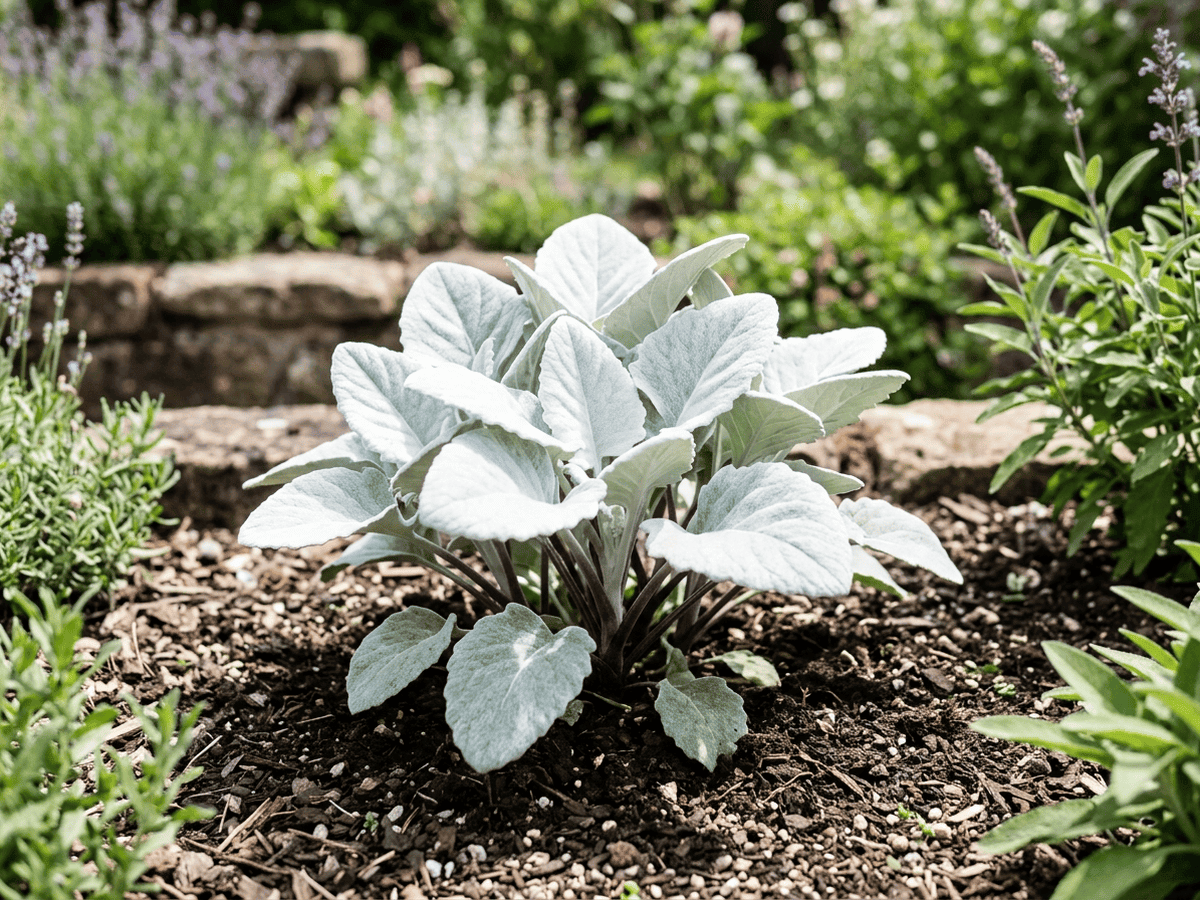 Angel Wings SenecioSenecio candidans
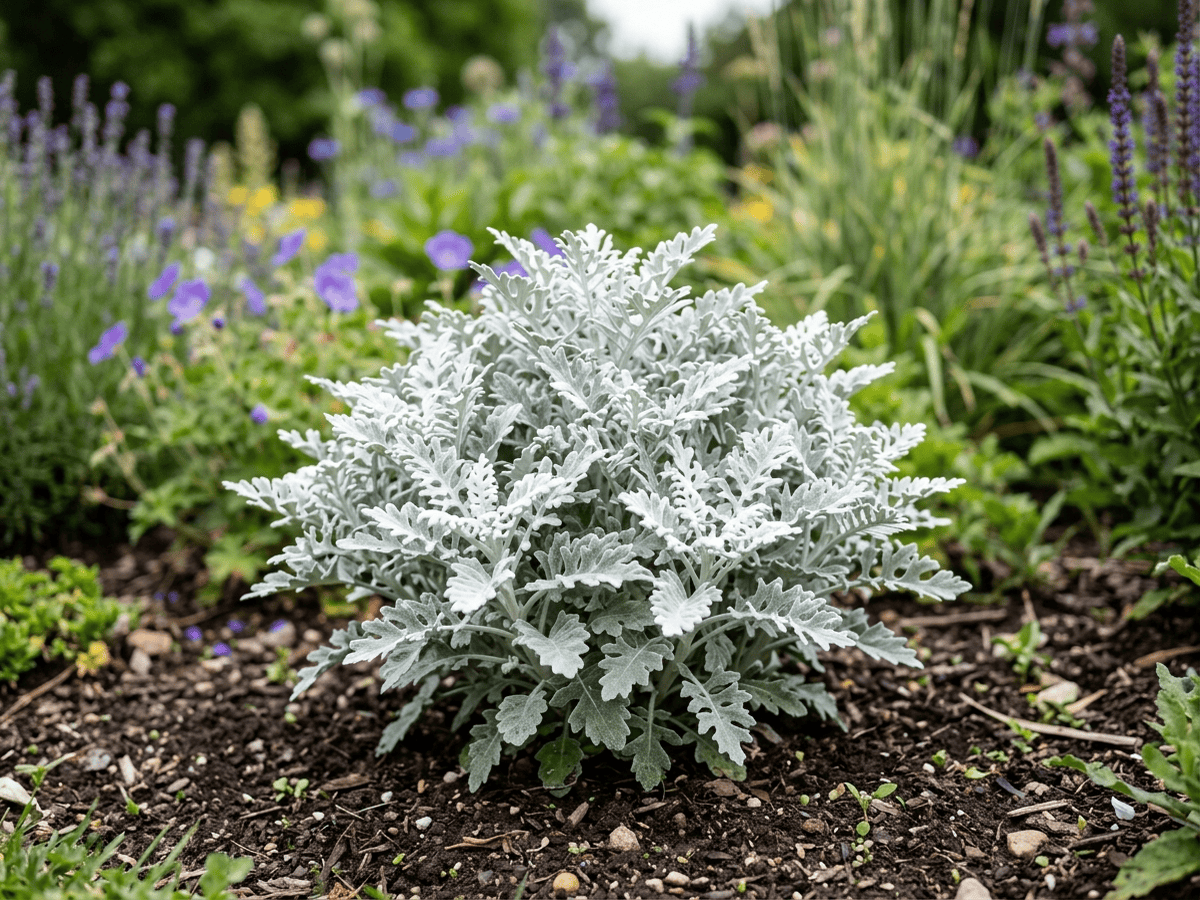 Dusty MillerSenecio cineraria
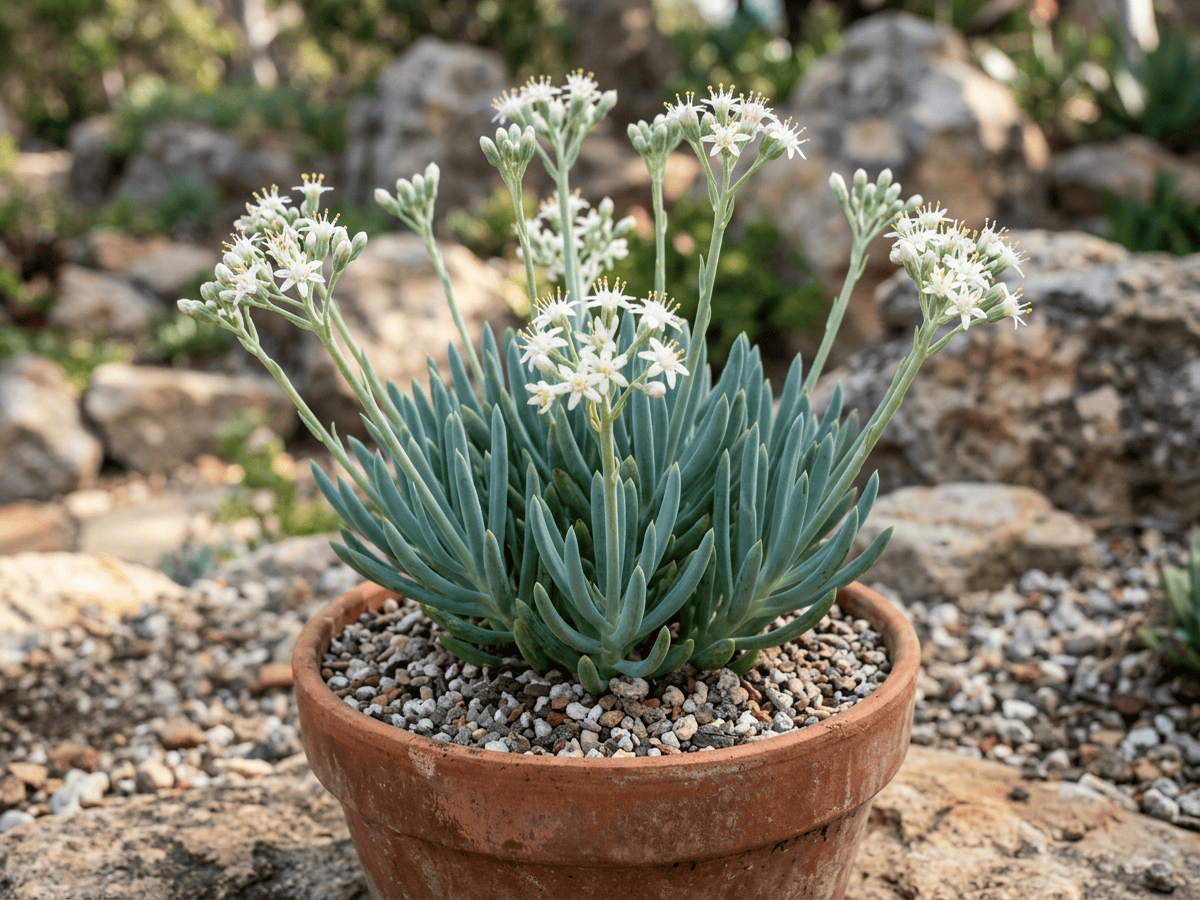 Blue ChalksticksSenecio mandraliscae
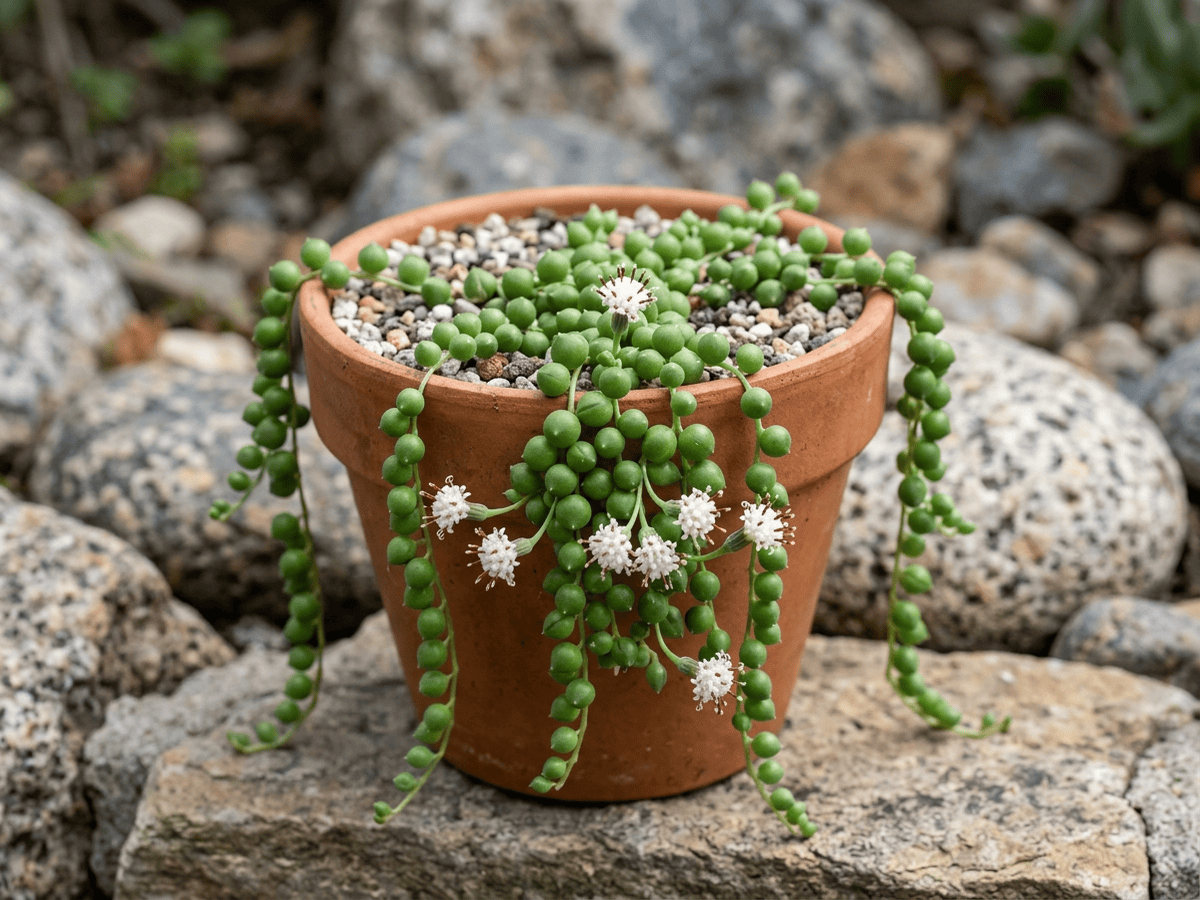 String-Of-BeadsSenecio rowleyanus
Plants with similar care
 Chinese AbeliaAbelia chinensis
 Fragrant AbeliaAbelia mosanensis
 Large-Flowered AbeliaAbelia uniflora
 Glossy AbeliaAbelia x grandiflora
Frequently asked questions
How often should I water Snake Ragwort?
In summer, water about every 10 days; in winter, about every 30 days. Adjust for heat, pot size and drainage.
How much light does Snake Ragwort need?
Full sun: 6+ hrs direct. Watch the leaves — scorching or stretching means the light needs adjusting.
Is Snake Ragwort toxic to cats or dogs?
Pets Moderate (Dogs Moderate · Cats Moderate) Educational information, not medical or veterinary advice. If exposure is suspected, contact a doctor or veterinarian.
Is Snake Ragwort easy to grow?
Yes — it is considered an easy, beginner-friendly plant.
When does Snake Ragwort bloom?
It typically blooms Jun–Aug in the Northern Hemisphere.
YardMate
Identify any plant in seconds
Snap a photo — YardMate names the plant, diagnoses problems, and reminds you when to water.
Download on the App Store