 YardMate
Spearhead
Senecio × kleiniiformis
Hard · Experienced growersAbout Spearhead
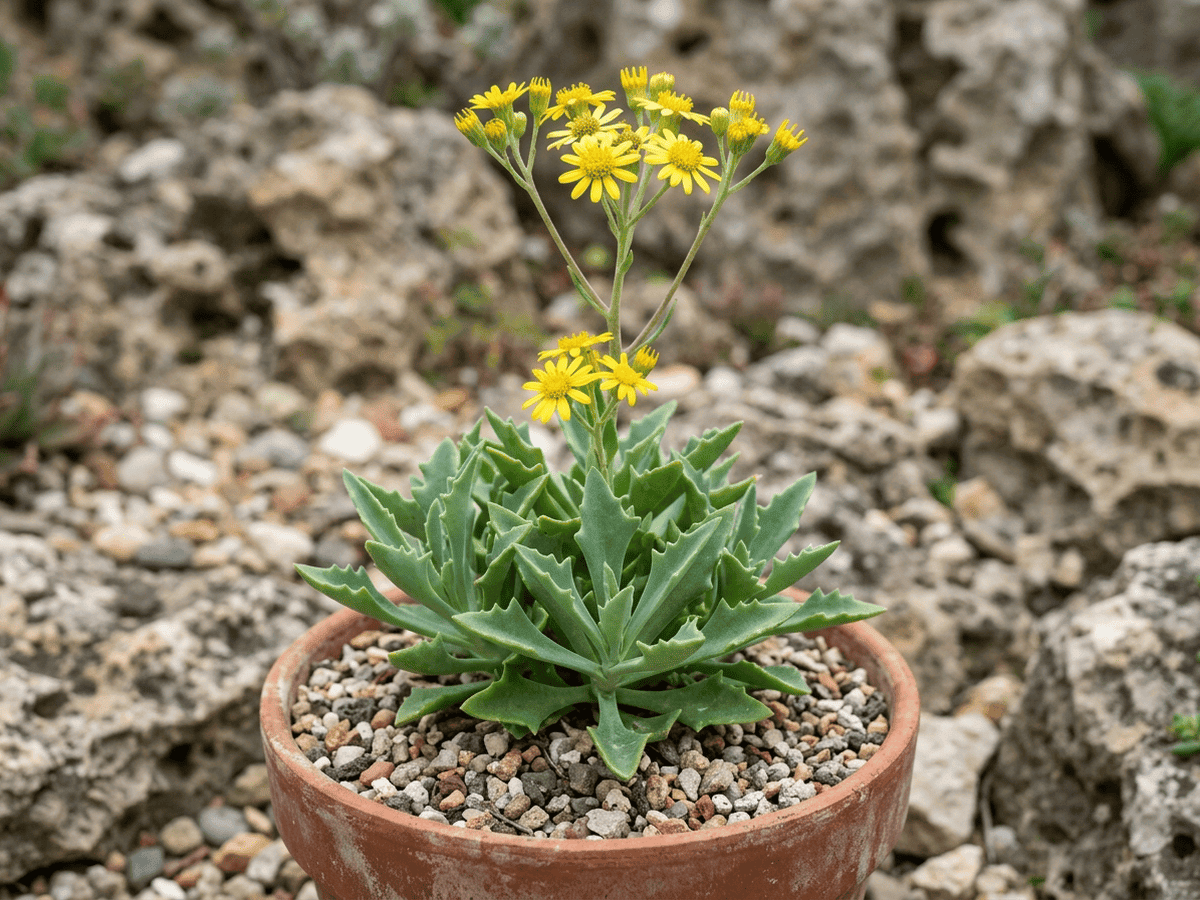
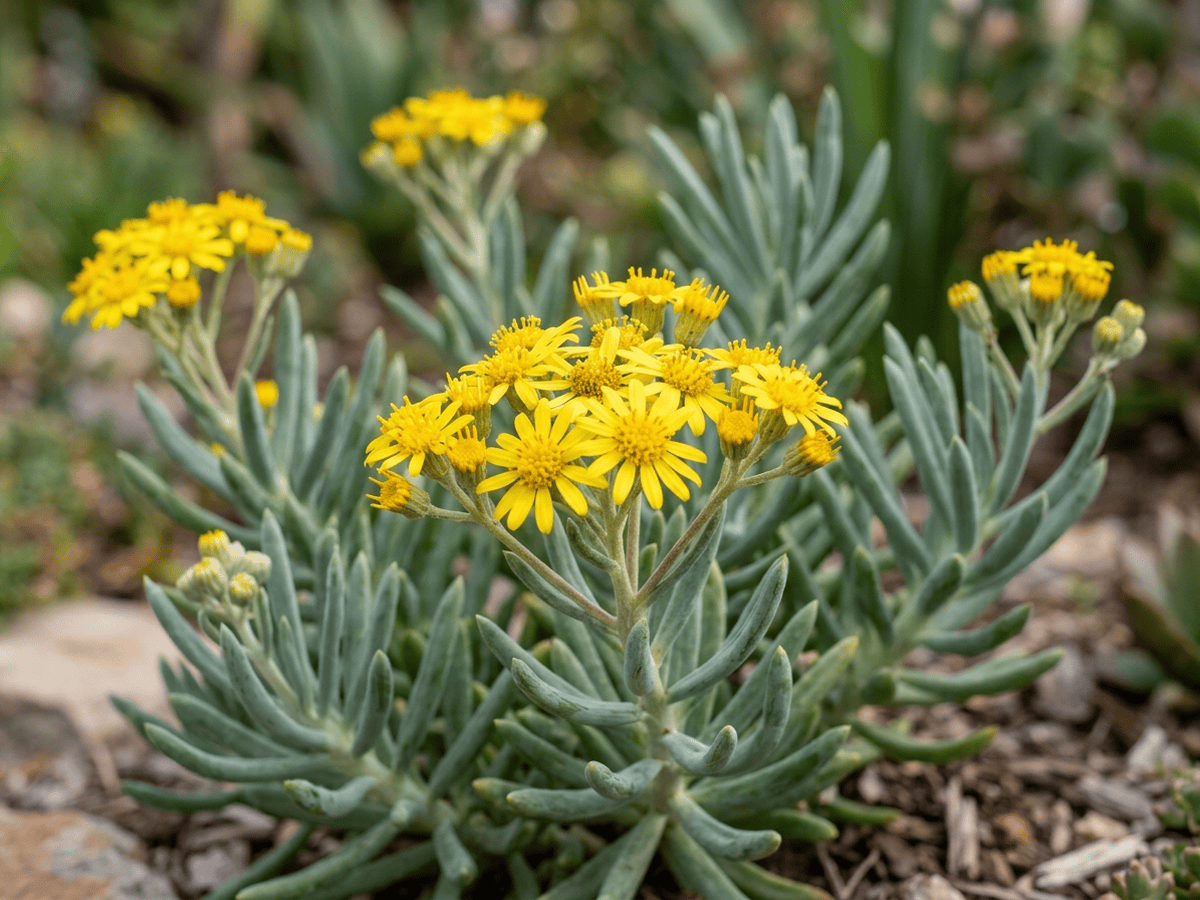
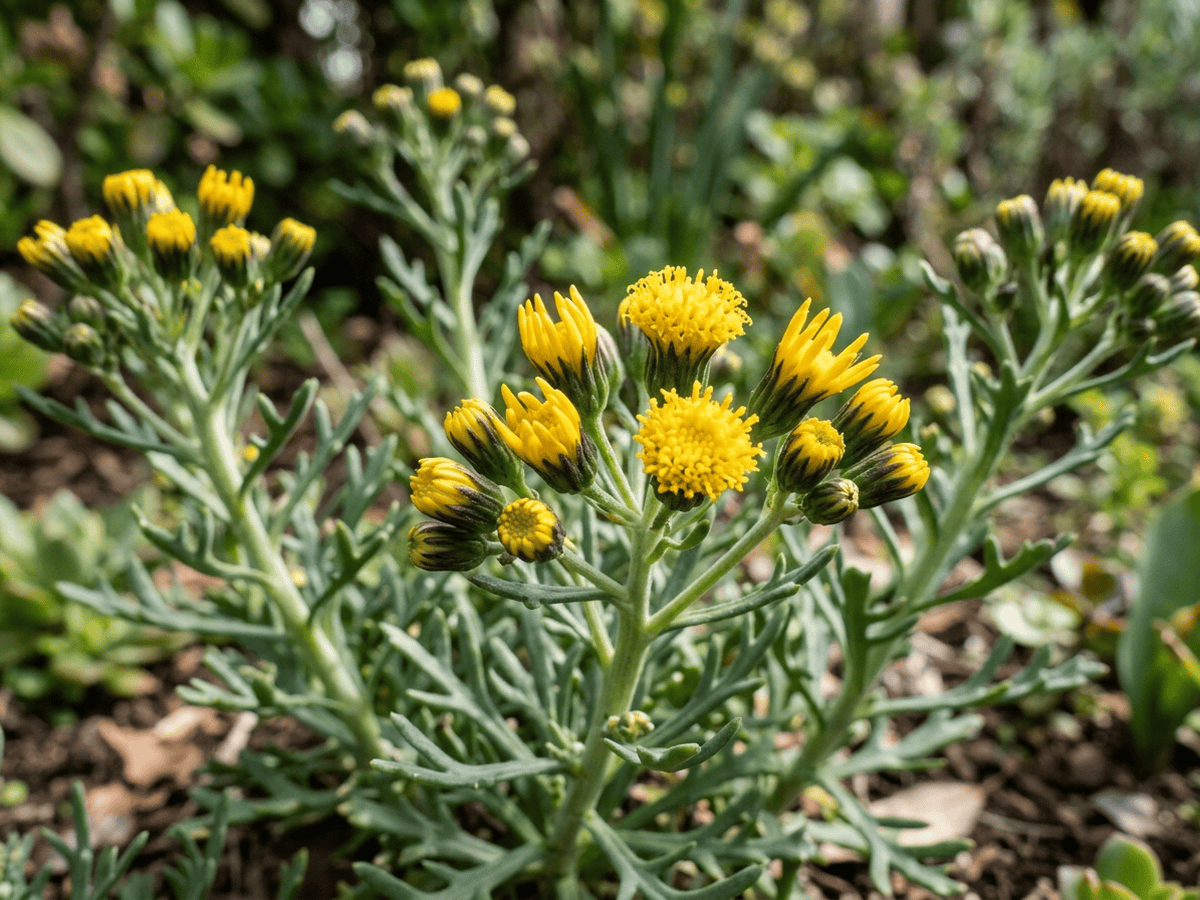
Spearhead is a South African succulent grown for its trailing, jointed stems strung with blue-green, spade-shaped leaves that taper to a fine point, like tiny spearheads. It belongs to the same group of "string" stem succulents as the Candle Plant, prized by collectors for sculptural, low-maintenance foliage. A light waxy bloom coats the fleshy leaves, helping the plant reflect intense sun and conserve water through long dry spells. In late summer, slender stalks lift small yellow-orange flowers above the foliage. Undemanding and drought-tolerant, Spearhead thrives in bright light with sharp drainage, making it a striking choice for hanging baskets or a sunny windowsill.
- Drought-tolerant
- Evergreen
- Spreading
- Container-friendly
- Long-blooming
- Fragrant
How to care for Spearhead
Watering
- Springevery 7 days
- Summerevery 5 days
- Fallevery 14 days
- Winterevery 30 days
Soil · Fast-draining
- Main mixSand + pumice + soil 1:1:150%
- DrainagePumice / gravel50%
Keep grit at half the mix or more — this soil is meant to dry out fast.
FERTILIZER
Cactus & Succulent Feed 2-7-7
Hold the nitrogen back and growth stays compact instead of soft and stretched. Phosphorus and potassium carry the roots and the flowering.
- Nitrogen · Leaves
- Phosphorus · Roots + Blooms
- Potassium · Strength
- Springevery 30 days
- Summerevery 30 days
- Fallevery 30 days
At a Glance
- NativeSouth Africa
- Height1–2 ft (0.3–0.6 m)
- Spread2–3 ft (0.6–0.9 m)
- Flower colorYellow, Orange
- Foliage colorGreen
- SoilWell-drained, Sandy
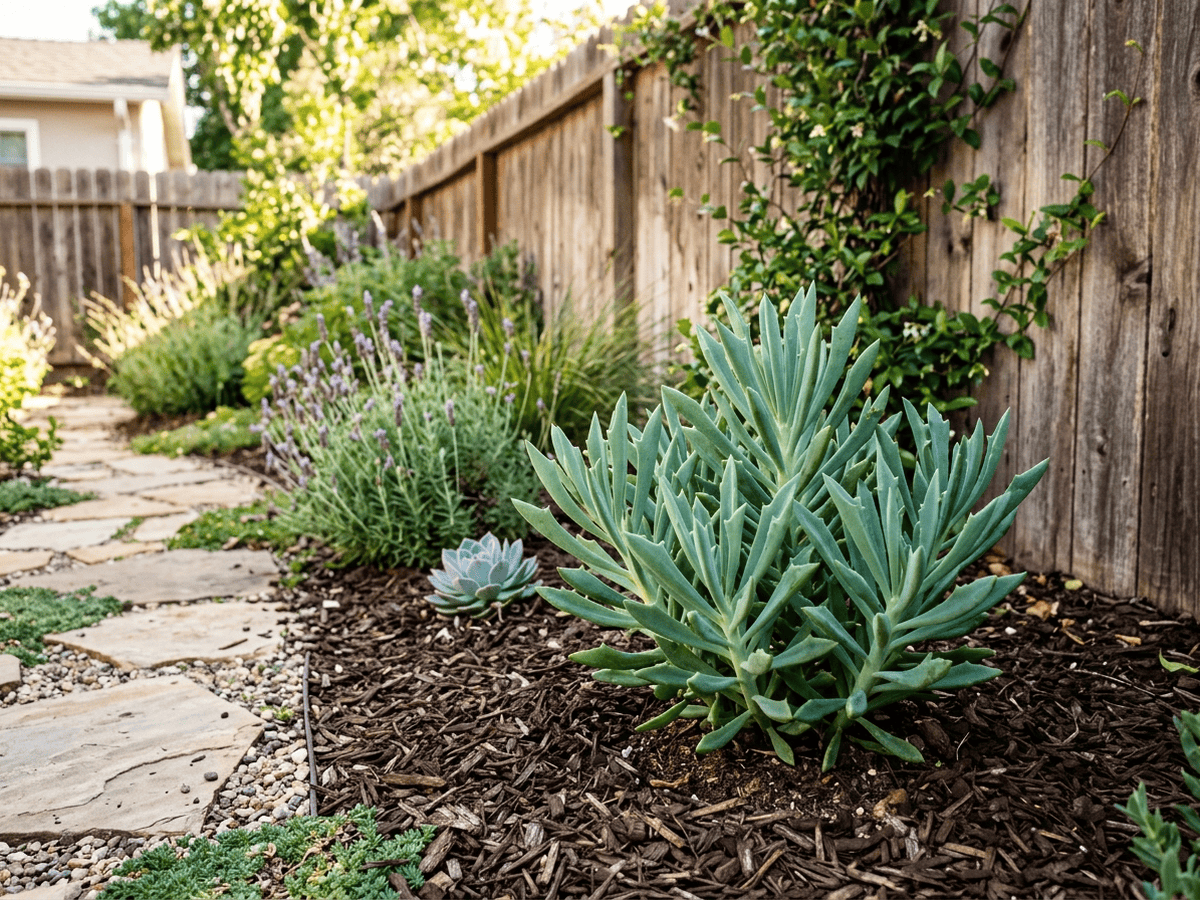
- LocationsYard · Patio
Bloom time
BLOOM CYCLE
Peak bloom
Apr–Sep
The flowers of this plant bloom from April to September, adding color to the garden.
Fragrance
LIGHT FRAGRANCE
Clusters of small yellow-orange flowers give off a faint, sweet honey-like scent, most noticeable up close in warm weather.
Toxicity
Humans Slight · Pets Slight
pyrrolizidine alkaloids (trace, genus-typical)
Slight
- Leaf
- Stem
- Ingestion
EXPOSURE Eating leaves and stems.
EFFECT Mild nausea and stomach upset if ingested in quantity.
NOTE As with many Senecio/Curio succulents, trace pyrrolizidine alkaloids may cause mild GI upset if chewed or ingested in quantity; not documented as a severe risk for this specific species.
Slight
- Leaf
- Stem
- Ingestion
EXPOSURE Eating leaves and stems.
EFFECT Mild vomiting and diarrhea.
NOTE As with many Senecio/Curio succulents, trace pyrrolizidine alkaloids may cause mild GI upset if chewed or ingested in quantity; not documented as a severe risk for this specific species.
Slight
- Leaf
- Stem
- Ingestion
EXPOSURE Eating leaves and stems.
EFFECT Mild vomiting and diarrhea.
NOTE As with many Senecio/Curio succulents, trace pyrrolizidine alkaloids may cause mild GI upset if chewed or ingested in quantity; not documented as a severe risk for this specific species.
Educational information, not medical or veterinary advice. If exposure is suspected, contact a doctor or veterinarian.
DISTRIBUTION


- Native
- South Africa
History

Spearhead belongs to a curious group of South African stem succulents whose naming history is almost as tangled as their trailing stems. In 1754, the English botanist Philip Miller named the genus Kleinia in honor of Jacob Theodor Klein, a German naturalist who had catalogued succulents collected from the Cape. Generations of these blue-green, jointed "string" plants were shuffled between Kleinia and Senecio as botanists debated their relationships, and the species now called Spearhead was given the epithet kleiniiformis — literally "shaped like Kleinia" — a nod to that older name. Collected from the arid grasslands and rocky slopes of South Africa's Eastern Cape, it grows alongside relatives such as the Candle Plant, forming loose mats of fleshy, spear-tipped leaves that store water through long droughts. In the twentieth century, succulent collectors began trading cuttings of these easy-care "string" plants for hanging baskets and dish gardens, and Spearhead became a favorite for its sculptural, faintly frosted foliage. A 2012 revision of the daisy family split many of these South African stem succulents into a new genus, Curio, though nurseries and gardeners still widely sell the plant under its familiar Senecio name. Today it remains a low-maintenance staple of windowsills and succulent collections worldwide, valued for surviving on little more than bright light and an occasional deep soak.
Symbolism & meaning
What It Symbolizes
Among succulent collectors, Spearhead's tapering leaves are often read as tiny spear tips standing sentinel along its trailing stems, giving the plant an association with vigilance and quiet resilience. Like many stem succulents from South Africa's dry Karoo and Eastern Cape, it survives punishing drought by storing water in its leaves, and growers have long taken this toughness as a symbol of endurance — a plant that keeps its shape and color through neglect that would wilt softer houseplants.
- Resilience — Its ability to thrive through long dry spells on stored water makes Spearhead a symbol of quiet endurance.
- Vigilance — The pointed, spear-like leaves evoke readiness and protection, echoing old associations between spear shapes and watchfulness.
Where the Name Comes From
The species name kleiniiformis means "shaped like Kleinia," referencing an older genus once used for similar South African succulents and named for 18th-century naturalist Jacob Theodor Klein. The common name Spearhead describes the sharply pointed, spade-shaped leaves lining its trailing stems.
Uses & Fun Facts
- Grown as a trailing succulent for hanging baskets, dish gardens, and sunny windowsills.
- Small yellow-orange flower clusters attract bees and other pollinating insects.
Related plants
More Senecio plants
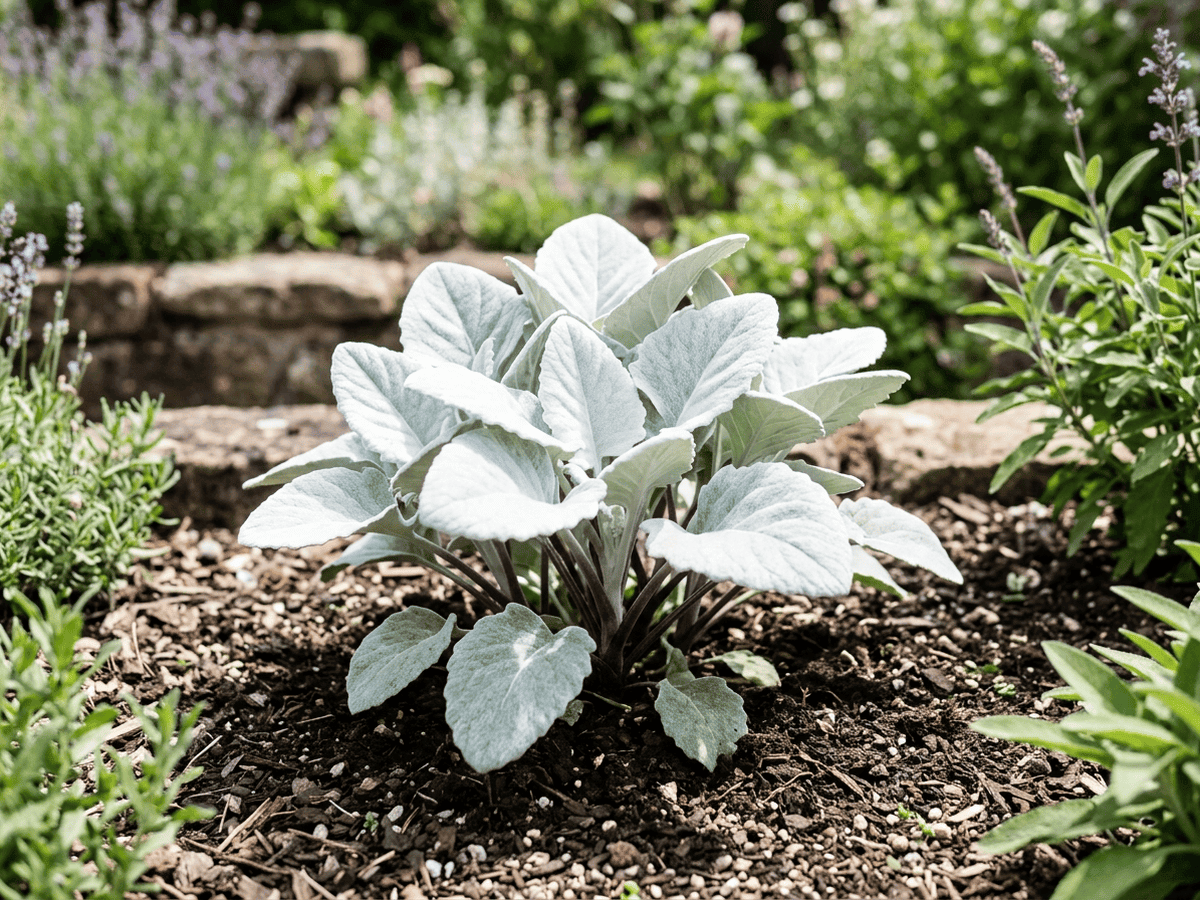 Angel Wings SenecioSenecio candidans
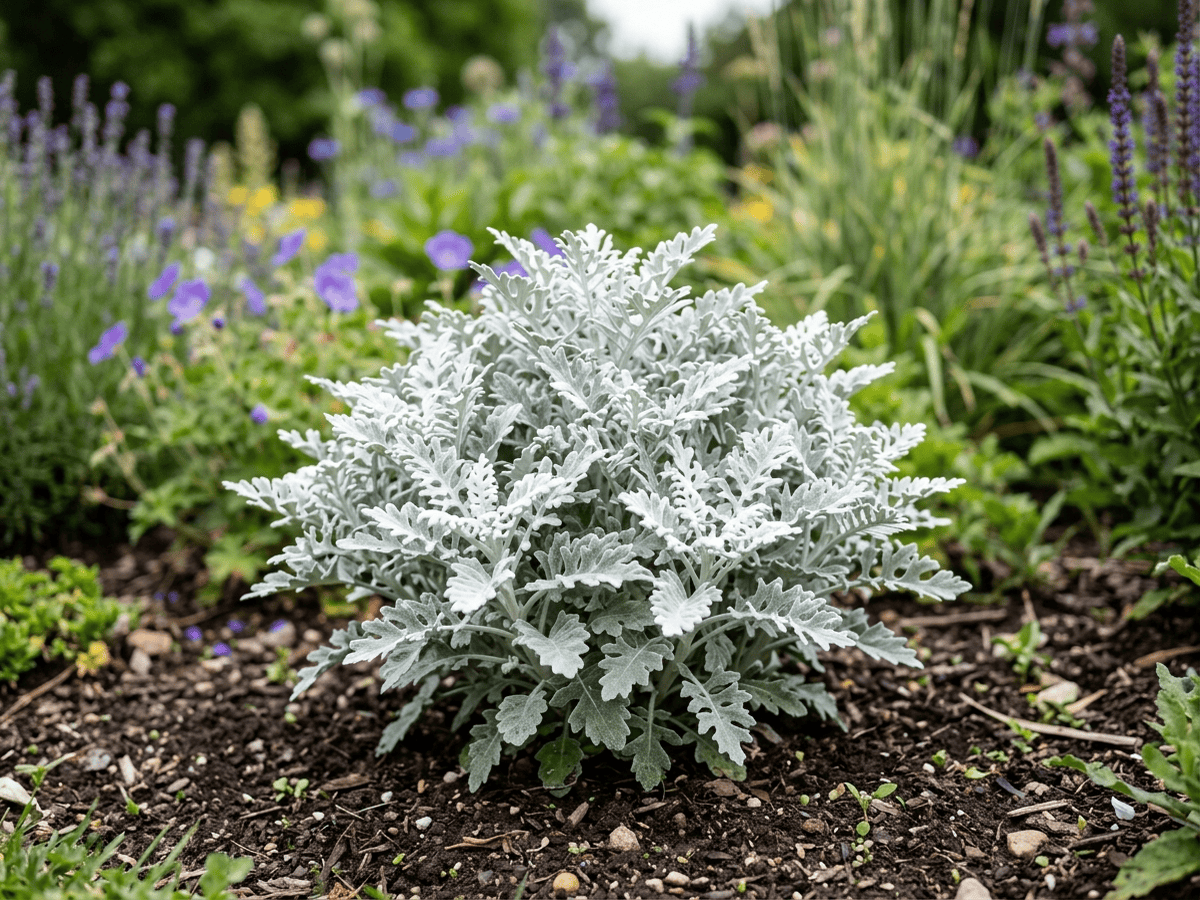 Dusty MillerSenecio cineraria
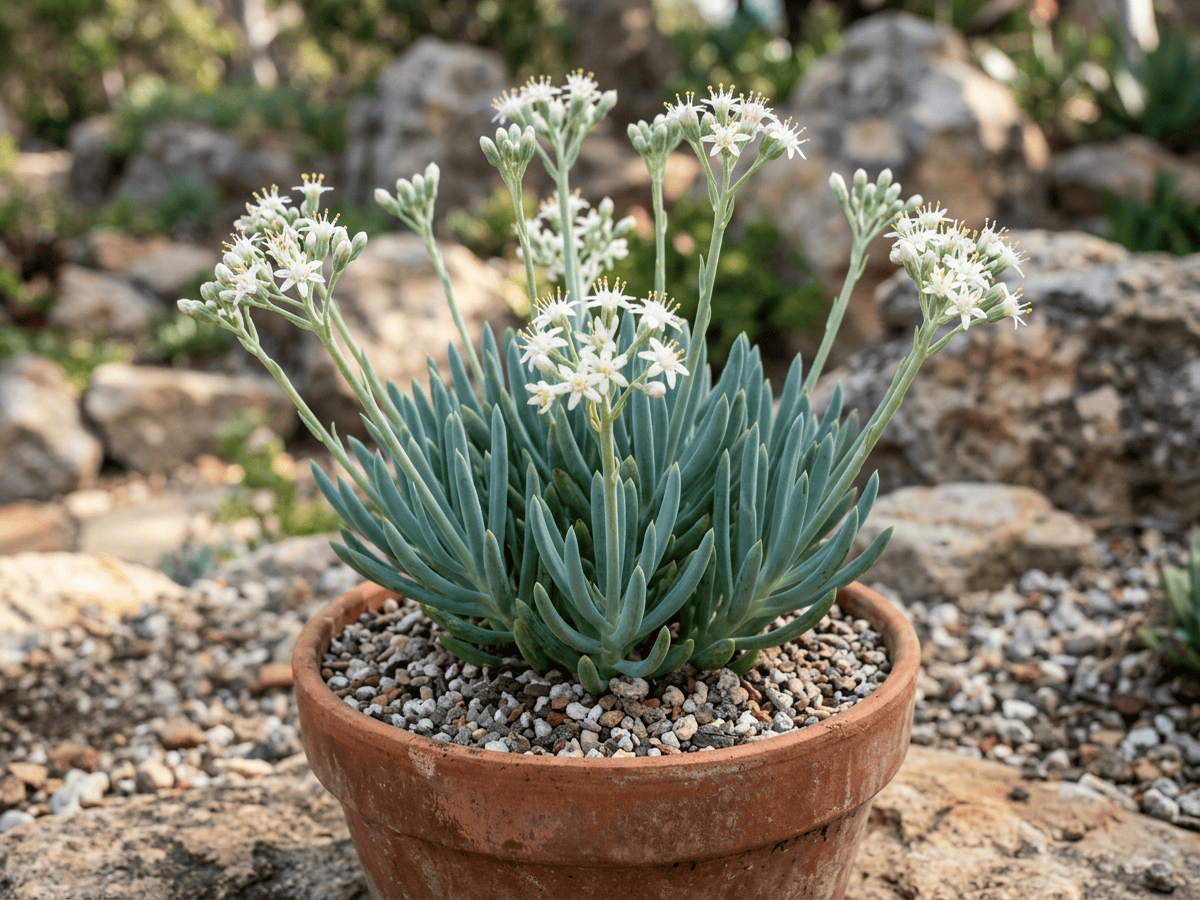 Blue ChalksticksSenecio mandraliscae
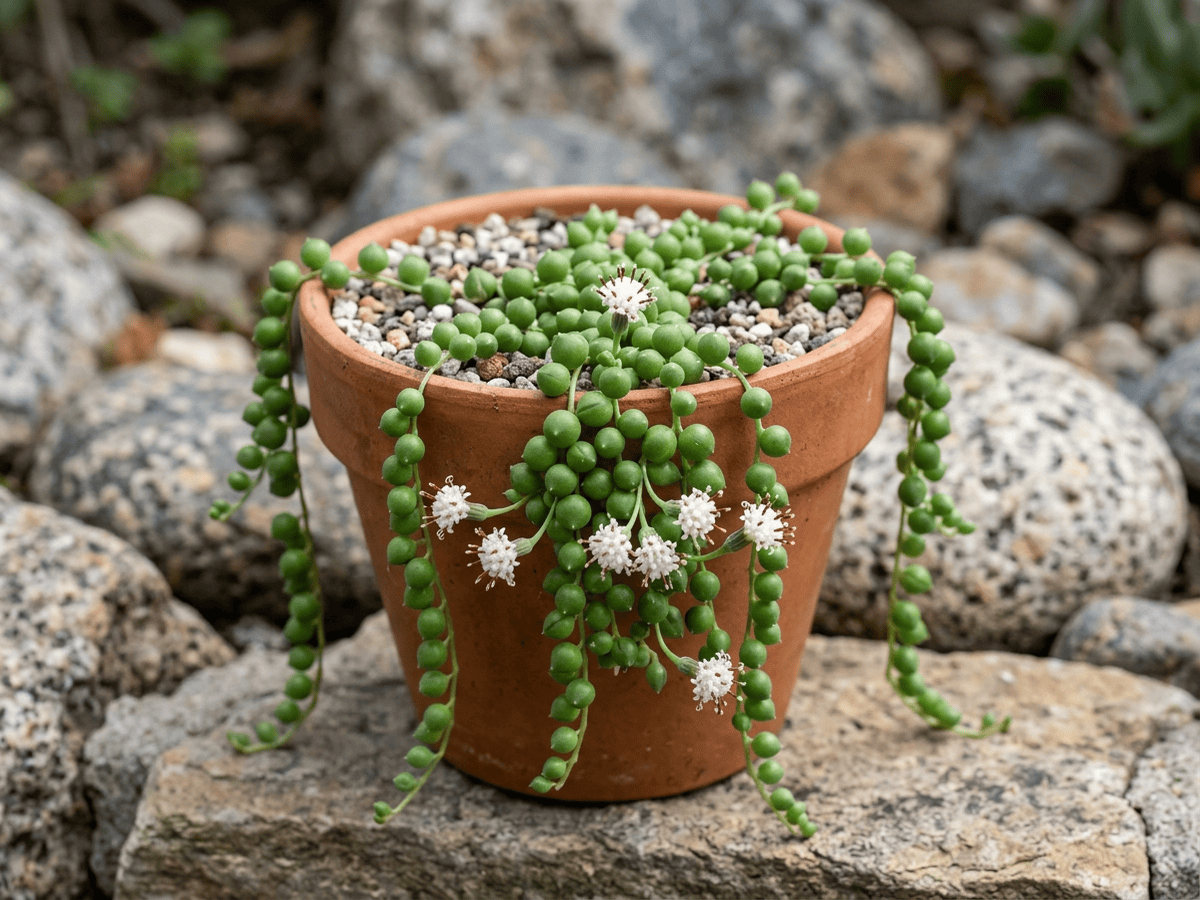 String-Of-BeadsSenecio rowleyanus
Plants with similar care
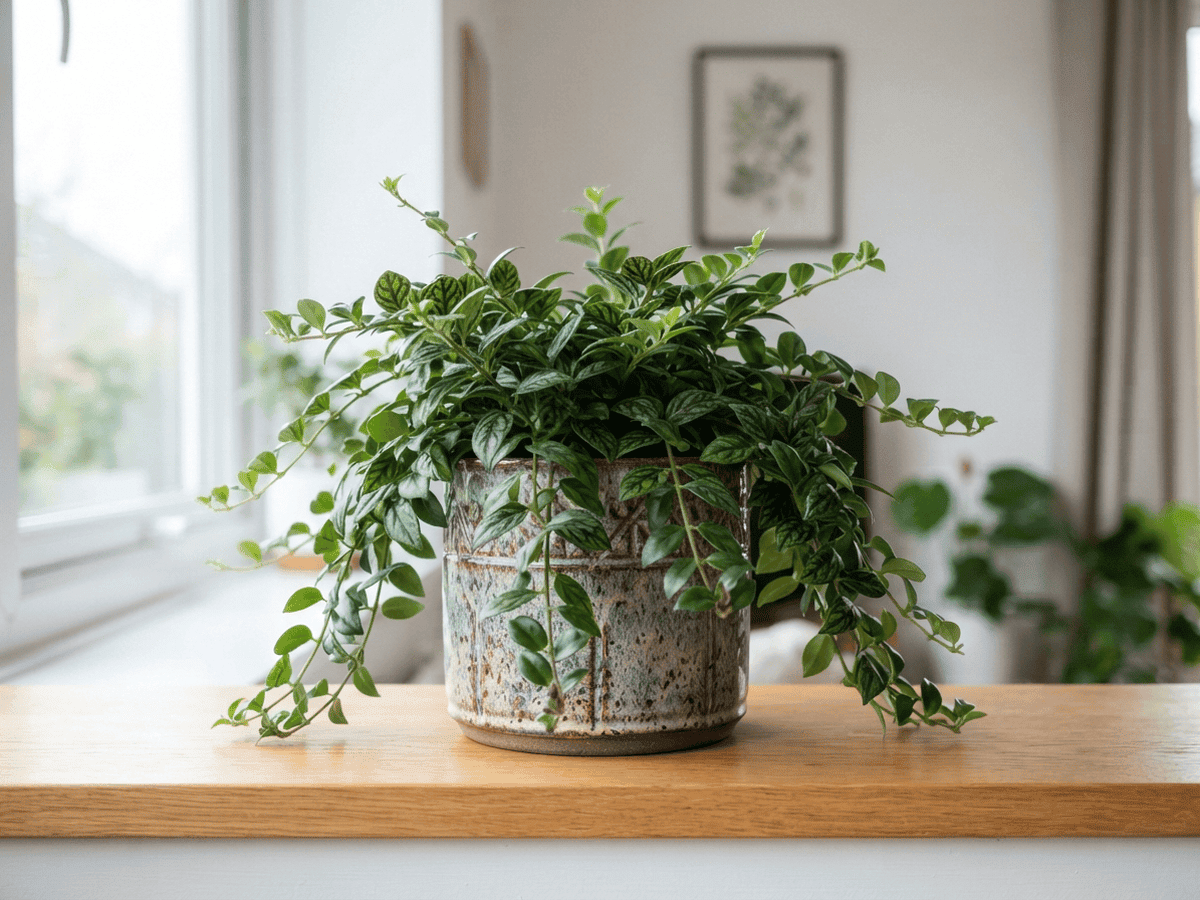 Lipstick PlantAeschynanthus longicaulis
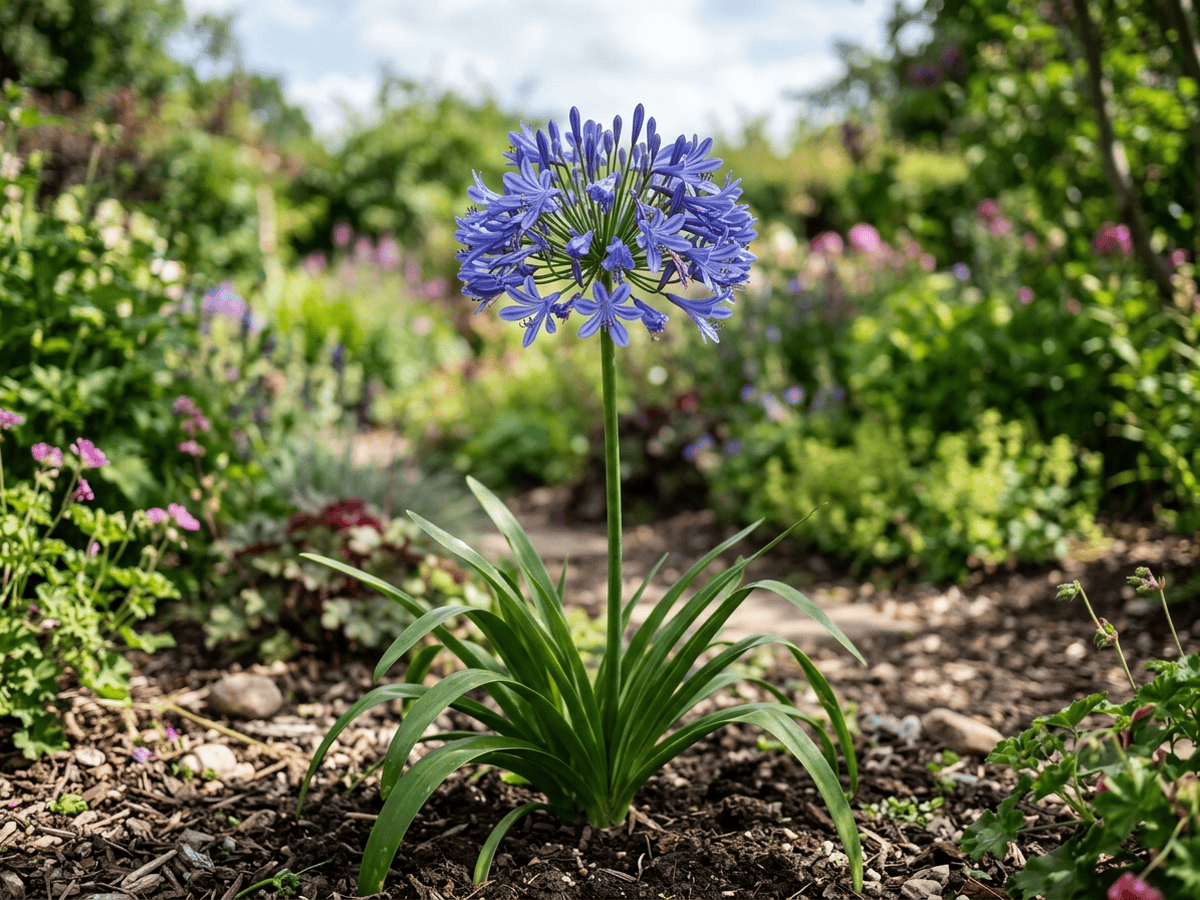 African LilyAgapanthus africanus
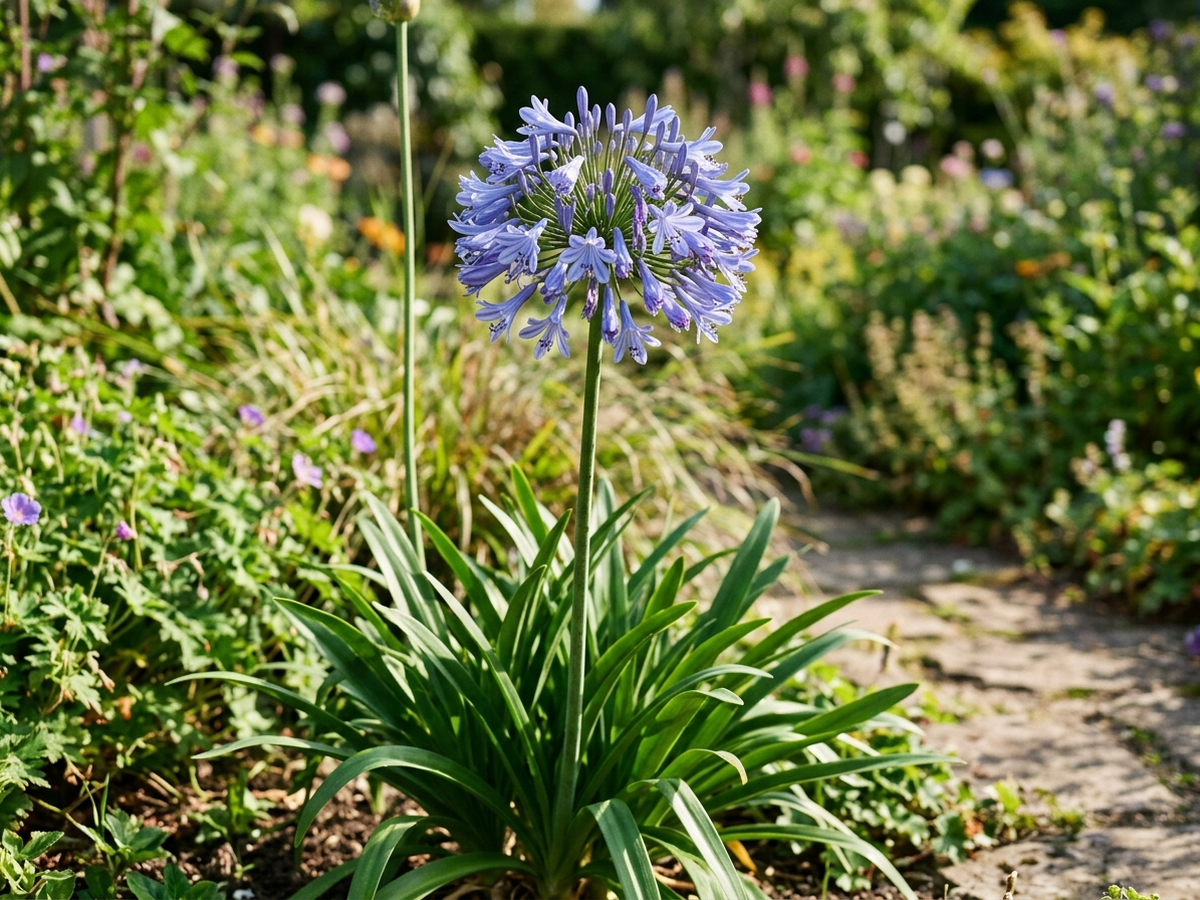 Bell AgapanthusAgapanthus campanulatus
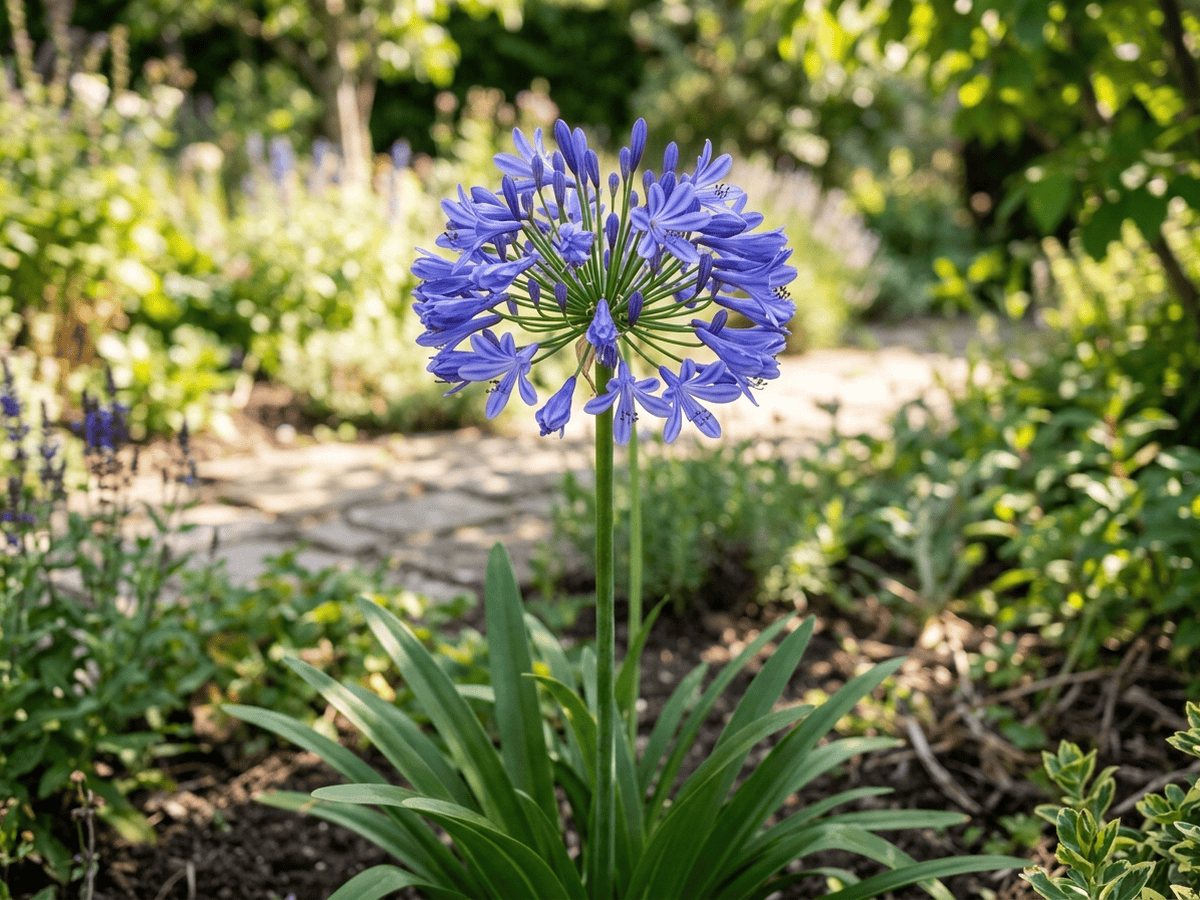 Common AgapanthusAgapanthus praecox
Frequently asked questions
How often should I water Spearhead?
In summer, water about every 5 days; in winter, about every 30 days. Adjust for heat, pot size and drainage.
How much light does Spearhead need?
Part sun: 4–6 hrs direct. Watch the leaves — scorching or stretching means the light needs adjusting.
Is Spearhead toxic to cats or dogs?
Pets Slight (Dogs Slight · Cats Slight) Educational information, not medical or veterinary advice. If exposure is suspected, contact a doctor or veterinarian.
Is Spearhead easy to grow?
It is considered challenging and rewards experienced growers.
When does Spearhead bloom?
It typically blooms Apr–Sep in the Northern Hemisphere.
YardMate
Identify any plant in seconds
Snap a photo — YardMate names the plant, diagnoses problems, and reminds you when to water.
Download on the App Store